






Table of Contents
Quick Summary
- Subterranean termites live in insect colonies, as these insects maintain a social structure.
- Three casts are found: reproductives, employees, and soldiers.,
- Infestation signs: mud tubes, hollow wood, blistered paint, droppings, and discarded wings.
- Damage often resembles water issues like warped floors or sagging ceilings.
- There are some preventive measures. For example, you need to reduce moisture, divert water, seal cracks, ensure adequate ventilation, and avoid direct contact between wood and soil.
- Termites cause $5+ billion damage yearly in the U.S., often uninsured.
- Regular professional inspections and treatments are essential to prevent Subterranean termite infestation.
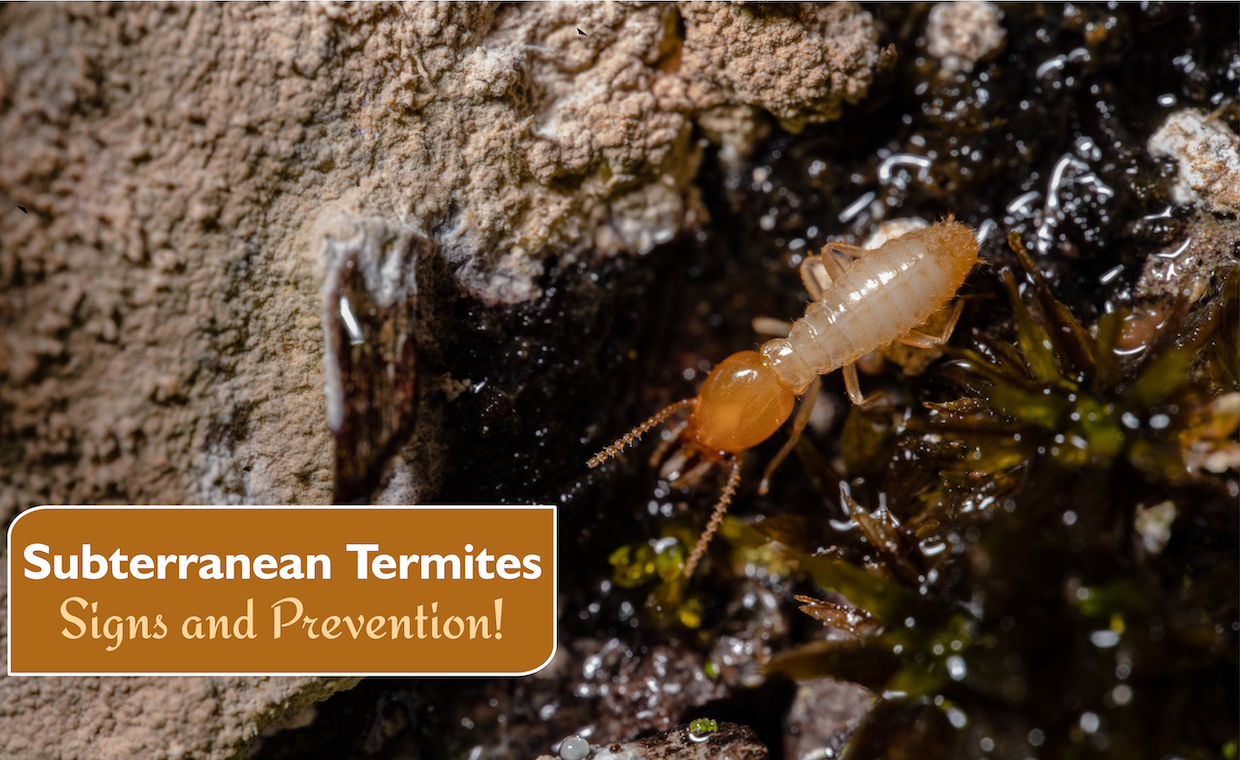
Subterranean termites live in colonies containing caste systems as they are social insects.
There are three definite types, or castes, of subterranean termites with bodily differences, along with reproductives, employees and soldiers.
The reproductives encompass the king, queen and alates.
Signs of a Subterranean Termite Infestation
Subterranean termite infestations can show up on the inner or exterior of the home. There are a number of revealing signs and symptoms of a termite infestation. Presence of mud tubes on the exterior of the home is one of the signs. Mud tubes seem like lengthy tunnels made of timber and soil, which the termites assemble to guard them from drying out as they travel.
Other signs of a subterranean termite infestation consist of softwood in the home that sounds void when tapped, darkening or blistering of timber structures, uneven or fizzy paint, and small heap of faeces that looks like sawdust close to a termite nest. Discarded wings close to doorways or on windowsills additionally point out that swarmers have entered and infested the home.
Termites can wreak havoc on your home, with their damage often being mistaken for water damage. If you notice the following signs, you may be dealing with water damage, not termites:
- Buckling wood
- Warped floors
- Swollen or Sagging ceilings
- Cracks in walls and floors
- Doors and Windows that stick
If you’re unsure about the cause of your home issues, it is important to contact a professional pest control provider.
How to Prevent Termite Infestations?
Prevention is the first and foremost technique of subterranean termite control. Pests are attracted to moisture so try to avoid water accumulation near the home’s surroundings. Divert water away with appropriate functioning downspouts, gutters and splash blocks. Decrease dampness in the subway with suitable ventilation. Never bury distressed lumber in the yard. Additionally, be certain to seal cracks and crevices in the home’s foundation to maintain termites out. Most importantly, remove timber contact with the soil, and preserve a one-inch space between the soil and wooden parts of the building.

Termites are a catastrophic pest that can’t be eliminated with self-made measures. In fact, termites are responsible for property damage of more than $5 billion every 12 months in the United States, a fee commonly no longer protected by way of house owners insurance. In order to proactively forestall these devastating pests, schedule annual expert termite inspections for your home. If you suspect a termite infestation on your property, contact a licensed pest management expert to decide the extent of the hassle and develop a fantastic treatment plan.
Conclusion
Causing over $2 billion in damages each year, subterranean termites are by some ways the most unfavourable species of termite — accountable for ninety five percent of all termite harm in North America. Capable of collapsing complete buildings, subterranean termites can be a reason for monetary destruction for householders and businesses. The hard, saw-toothed jaws of these termites work like shears to chunk off small fragments of wood, one piece at a time.
That’s why ordinary termite inspections are so vital to retaining these pests – and their potential for high priced harm to your home – at bay.
Before you leave, don’t forget to read below article too:
Top 8 Tips to Prevent Pest Infestation at Your Home
FAQs on Subterranean Termites
1. What Are the Early Warning Signs of a Subterranean Termite Infestation?
Early signs include mud tubes on walls, hollow-sounding wood, blistered paint, discarded wings near windows, and droppings resembling sawdust. These outcomes indicate that termites are active on that spot and termite infestation is damaging wooden structures inside your home.
2. How Do I Know If My Home Has Termite Damage or Water Damage?
Termite damage shows hollow wood, mud tubes, droppings, or discarded wings of the insects. Water damage often causes warped floors, swollen ceilings, or buckling wood. If you are uncertain, contact a pest control expert for an inspection.
3. What Are The Best Ways To Prevent Subterranean Termites In A House?
Professional paste control is the best prevention. As a home remedy, you can try to reduce moisture around foundations, divert water with gutters, seal foundation cracks, ventilate basements, and keep wood away from direct soil contact. Annual professional inspections provide the most efficient defence against subterranean termite infestations.
4. How Much Damage Can Subterranean Termites Cause to A Home?
Subterranean termites cause over $5 billion in property damage yearly in the USA. They mostly weaken structural wood, collapse buildings, and repairs are rarely covered by insurance, making prevention and inspections an essential preventive measure.
Author & Expert Review
Written By:  Nidhi Patel | Civil Engineer & Content Writer

| Credentials: B.E. (Mahatma Gandhi Institute of Technical Education and Research Centre), Registered with Gujarat Technological University (GTU). Experience: Civil Engineer with 3+ years of content writing experience, currently writing blogs for Gharpedia, part of SDCPL. Expertise: Specializing in SEO-optimized blogs and long-form articles focused on home improvement, construction, interiors and architect topics. I create well-researched, reader-focused content that balances technical accuracy with clarity, making complex subjects easy to understand. Find her on: LinkedIn |
Verified By Expert: Farhan Sheikh – Senior Manager – Architect, SDCPL | Associate Member – IIA

This article has been reviewed for architectural and interior design accuracy by Farhan Shaikh, Senior Manager – Architect at Sthapati Designers & Consultants Pvt. Ltd. As the lead for all architectural and interior projects at SDCPL and an Associate Member of the Indian Institute of Architects (IIA), he brings hands-on experience in architectural planning, interior design, project coordination, and sustainable strategies. His review ensures the content reflects practical design considerations, industry best practices, and real-world applicability across both architecture and interior spaces.
Find him on : Linkedin