





Table of Contents
Quick Summary
- Upgrade your yard with these simple and effective mulch tips for homeowners.
- Mulch helps retain soil moisture and reduces frequent watering needs.
- It prevents weed growth, keeping garden beds neat and low-maintenance.
- Regulates soil temperature, protecting plant roots in extreme weather.
- Organic mulch enriches soil as it decomposes over time.
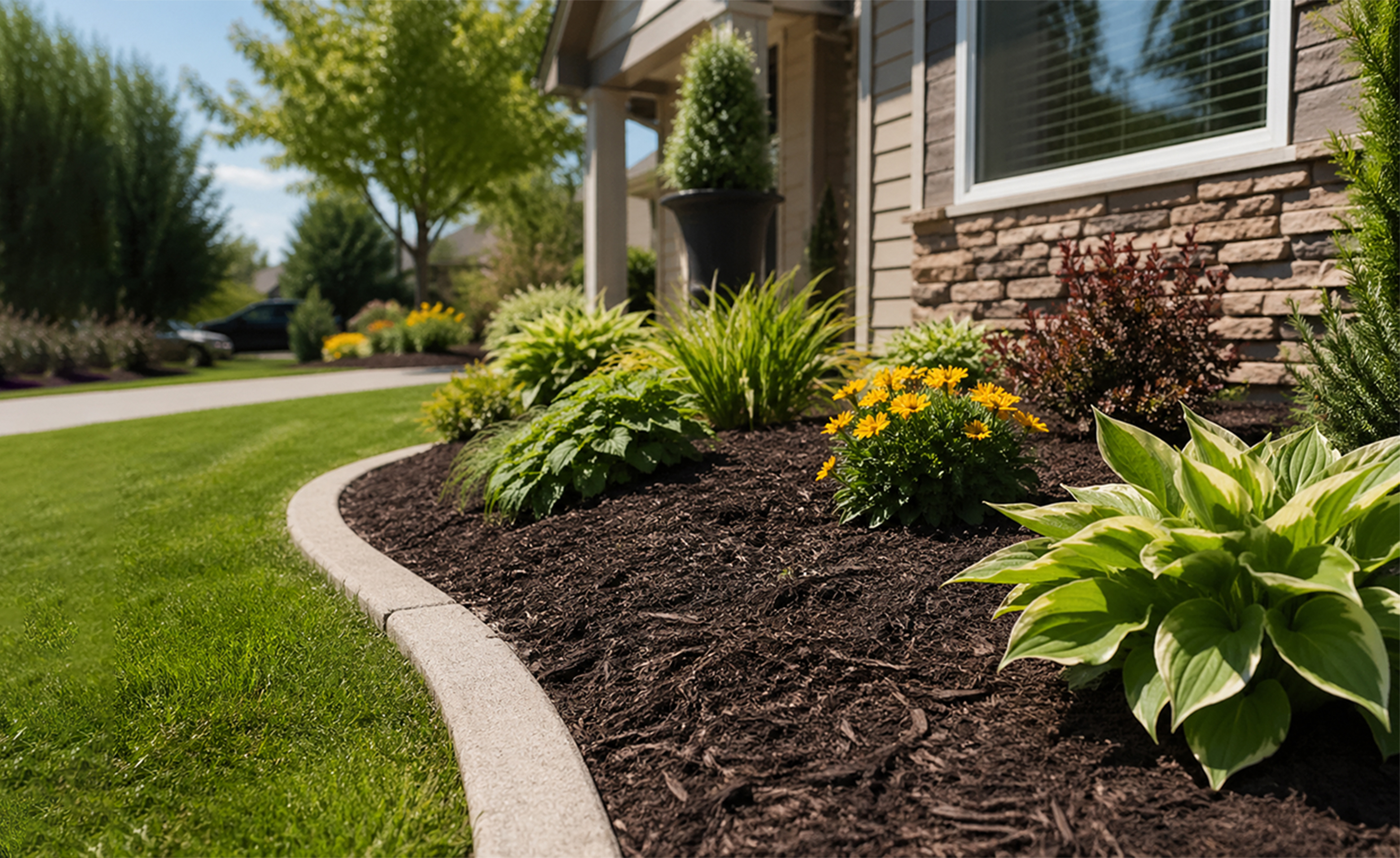
- Enhances curb appeal by giving a clean, finished look to outdoor spaces.
- Proper installation (2-4 inches depth) ensures best results.
- Avoid overmulching and keep space around plant stems.
- Regular refreshing maintains effectiveness.
A thriving yard does not always require a full redesign. Sometimes, the most effective improvements are also the simplest. Mulch installation is one of those upgrades. It enhances plant health, improves soil quality, and keeps your outdoor space looking clean and well-maintained.
Activescapes Landscaping and Snow Removal has seen how proper mulch application can transform an average yard into a more functional and attractive space. Whether you manage a property or care for your own home, understanding mulch is a smart step forward. In this blog, Gharpedia shares easy and effective mulch tips for homeowners that will upgrade your garden.
Why Mulch Makes a Real Difference
Mulch is more than a finishing layer. It acts as a barrier that protects soil and supports plant growth.
Here is why it works:
- It helps retain soil moisture
- It reduces weed growth
- It regulates soil temperature
- It improves soil structure over time
For homeowners, that means less watering and fewer maintenance headaches.
Choosing the Right Mulch for Your Yard
Not all mulch serves the same purpose. Your choice should match your landscape goals.
Organic Mulch
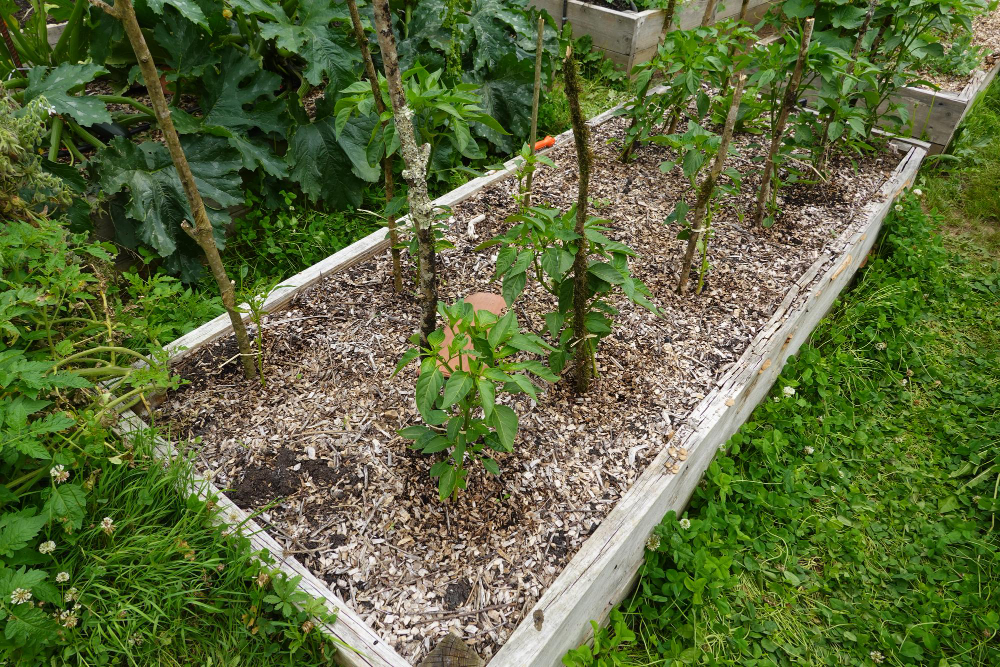
This includes wood chips, bark, and compost. It breaks down naturally and feeds the soil.
Best for:
- Garden beds
- Trees and shrubs
- Areas where soil improvement is needed
Inorganic Mulch
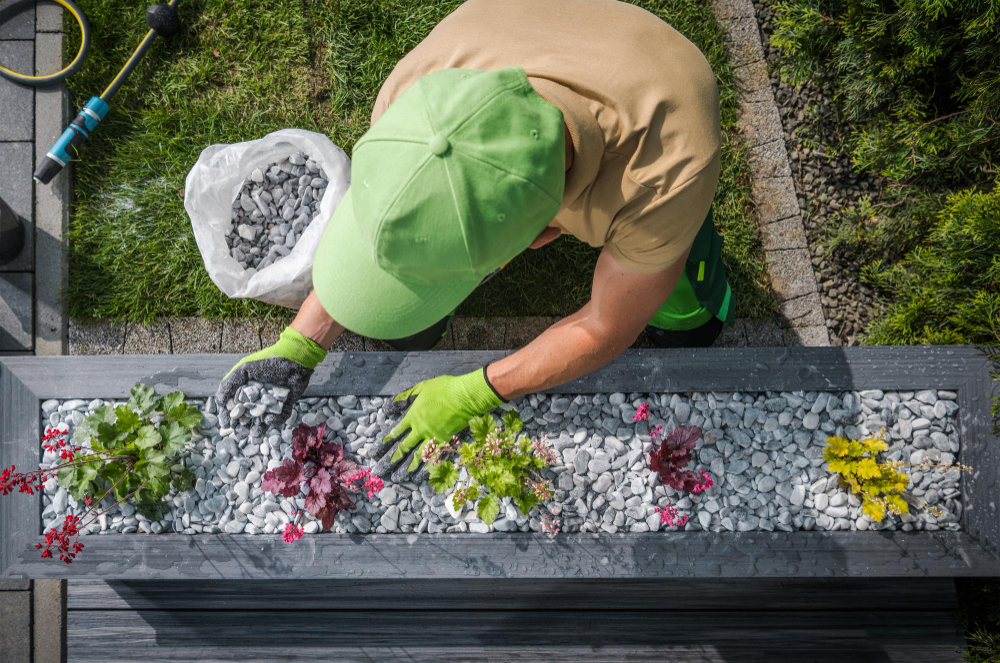
This includes gravel and stone. It does not decompose and requires less upkeep.
Best for:
- Decorative areas
- Walkways
- Low-maintenance zones
For most residential yards, organic mulch offers better long-term benefits because it improves soil health while maintaining a natural appearance.
How to Install Mulch the Right Way
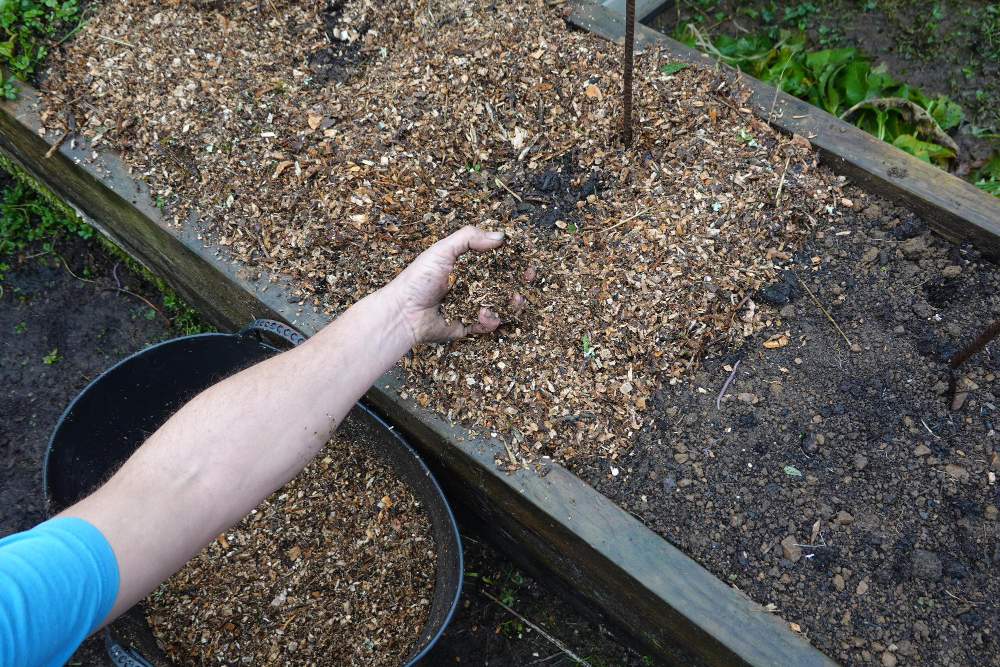
Applying mulch correctly ensures you get the full benefit. Too little will not work. Too much can damage plants.
Follow these steps:
1. Prepare the Area
Remove weeds, debris, and old mulch buildup.
2. Define the Edges
Create clear borders to keep mulch contained and visually appealing.
3. Apply Evenly
Spread mulch across the surface using a rake or by hand.
4. Maintain Proper Depth
Apply mulch 2 to 4 inches thick.
5. Keep Space Around Plants
Leave a gap around stems and tree trunks to prevent rot.
Common Mistakes to Avoid
Even simple projects can go wrong without the right approach.
1. Overmulching
Too much mulch can suffocate roots and trap moisture.
2. Mulch Volcanoes
Piling mulch against tree trunks leads to decay and pest problems.
3. Wrong Material Choice
Using rock in plant beds can increase soil temperature.
4. Skipping
Mulch breaks down and needs to be refreshed regularly.
When Is the Best Time to Add Mulch?
Timing can affect how well mulch performs.
- Spring: Helps retain moisture before warmer weather
- Fall: Provides insulation before colder months
Avoid applying mulch during extreme heat or freezing conditions. Mild weather allows better placement and effectiveness.
DIY vs. Professional Installation
Mulching can be a weekend project, but larger yards or detailed layouts can make it more complex. Uneven coverage or poor material choice can lead to long-term issues.
Many homeowners prefer to work with professionals who understand proper techniques and material selection. For example, Activescapes Landscaping and Snow Removal provides tailored mulch installation solutions based on the needs of each landscape. Their experience helps ensure consistent, long-lasting results.
Long-Term Benefits You Will Notice
Mulch delivers more than short-term improvements. Over time, it helps create a healthier and more manageable yard.
- Reduced watering needs
- Fewer weeds to manage
- Improved plant growth
- Cleaner, more defined landscape beds
These benefits also contribute to better curb appeal, which matters for both homeowners and property managers.
Next Steps for Your Yard
If your landscape feels dry, uneven, or difficult to maintain, mulch is a practical place to start.
Here is a simple plan:
- Assess your current landscape.
- Choose the right mulch type.
- Apply at the correct depth.
- Refresh as needed.
Small upgrades can lead to noticeable improvements in both appearance and function.
Final Thoughts
Upgrading your yard does not have to be complicated. The mulch tips for homeowners given here provide a simple way to protect your soil, support plant health, and improve the overall look of your outdoor space.
With the right materials and techniques, mulch becomes a long-term investment in your landscape. For those who want reliable results without the guesswork, Activescapes Landscaping and Snow Removal remains a trusted option for creating healthier, more attractive yards.
Also Read: How to Choose Mulch for your Garden?
Mulch Tips for Homeowners FAQs
1. What is the ideal thickness for mulch?
A layer of 2 to 4 inches is recommended for effective moisture retention and weed control.
2. Which type of mulch is better: organic or inorganic?
Organic mulch is better for soil health, while inorganic mulch is ideal for decorative, low-maintenance areas.
3. How often should mulch be replaced?
Organic mulch should be refreshed once or twice a year as it decomposes over time.
4. Can too much mulch harm plants?
Yes, overmulching can suffocate roots and cause excess moisture buildup, leading to plant damage.
5. When is the best time to apply mulch?
Spring and fall are ideal seasons for mulching to maximize moisture retention and insulation benefits.
Author & Expert Review
Written By:  Nidhi Patel | Civil Engineer & Content Writer

| Credentials: B.E. (Mahatma Gandhi Institute of Technical Education and Research Centre), Registered with Gujarat Technological University (GTU). Experience: Civil Engineer with 3+ years of content writing experience, currently writing blogs for Gharpedia, part of SDCPL. Expertise: Specializing in SEO-optimized blogs and long-form articles focused on home improvement, construction, interiors and architect topics. I create well-researched, reader-focused content that balances technical accuracy with clarity, making complex subjects easy to understand. Find her on: LinkedIn |
Verified By Expert: Ravin Desai – Co Founder – Gharpedia | Co Founder – 1 MNT | Director – SDCPL

This article has been reviewed for technical accuracy by Ravin Desai, Co-Founder of Gharpedia and Director at Sthapati Designers & Consultants Pvt. Ltd. With a B.Tech. in Civil Engineering from VNIT Nagpur and an M.S. in Civil Engineering from Clemson University, USA, and over a decade of international and Indian experience in the construction and design consultancy sector, he ensures all technical content aligns with industry standards and best practices.
Find him on: LinkedIn