





Table of Contents
Quick Summary
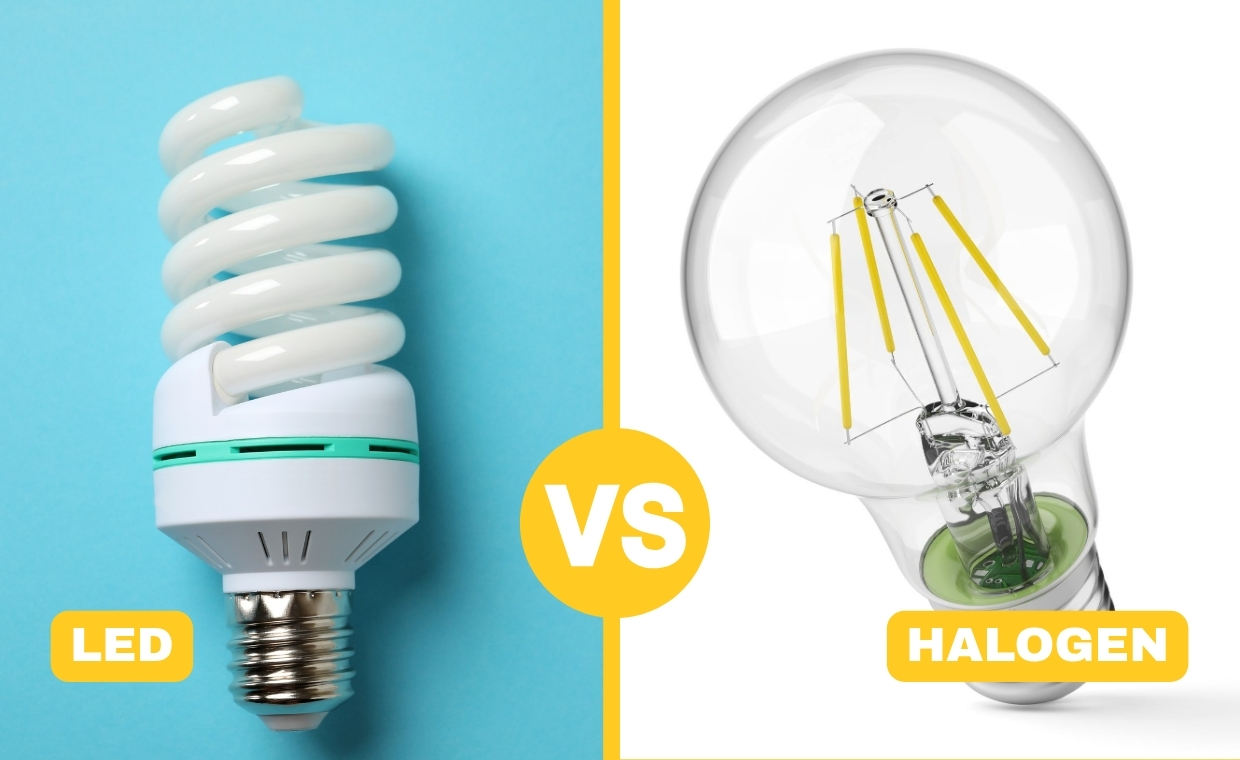
- LED vs Halogen downlights is a common comparison for modern homes.
- LED lights consume up to 80% less energy than halogen.
- LEDs last longer (up to 25,000 hours) than halogen bulbs.
- Halogen lights offer warm, natural lighting.
- LEDs emit less heat and are safer.
- Halogen lights are cheaper initially but cost more long-term.
- LEDs require less maintenance and fewer replacements.
- LEDs are eco-friendly and reduce electricity bills.
- Halogen lights have better traditional colour rendering.
- LEDs are the best choice for energy-efficient, long-lasting lighting.
Lighting is one of the most important aspects of home design, influencing both aesthetics and functionality. Downlights, also known as recessed lights, have become a popular choice for homeowners seeking a sleek, modern look. When it comes to selecting the right type of downlight, the debate often centers around LED vs halogen. Each option has distinct advantages and drawbacks, and understanding these differences is crucial for making the best choice for residential installations.
Understanding LED Downlights
LED downlights use light-emitting diodes to produce illumination. They are known for their energy efficiency, long lifespan, and versatility. Unlike traditional bulbs, LEDs convert most of their energy into light rather than heat, making them safer and more cost-effective. They are available in a wide range of colour temperatures, from warm tones that create a cozy atmosphere to cool tones that provide bright, crisp illumination. LEDs can also be paired with dimmer switches and smart home systems, offering flexibility in creating different moods and settings.
Understanding Halogen Downlights
Halogen downlights are a type of incandescent lighting that uses halogen gas to increase efficiency and brightness. They produce a warm, natural light that many homeowners find appealing, especially in living areas and bedrooms. Halogen lights are often praised for their ability to render colours accurately, making them ideal for spaces where aesthetics are important. However, they generate significant heat and consume more energy compared to LEDs. Their lifespan is also shorter, meaning they require more frequent replacements.
Comparing Energy Efficiency
Energy efficiency is one of the most significant differences between LED and halogen downlights. LEDs consume far less electricity, often using up to 80 percent less energy than halogen bulbs. This translates into lower utility bills and reduced environmental impact. Halogen lights, while brighter in some cases, are far less efficient and contribute to higher energy costs over time. For homeowners focused on sustainability and savings, LEDs are the clear winner in this category.
Considering Lifespan and Maintenance
LED downlights have an impressive lifespan, often lasting up to 25,000 hours or more. This means fewer replacements and less maintenance, which is particularly beneficial in homes with multiple fixtures. Halogen downlights, on the other hand, typically last only 2,000 to 4,000 hours. Frequent replacements not only increase costs but also create inconvenience, especially in hard-to-reach areas. From a long-term perspective, LEDs provide greater value and reliability.
Evaluating Light Quality
Light quality is a subjective factor that depends on personal preference. Halogen lights are known for their warm glow and excellent colour rendering, which can make interiors feel inviting and natural. LEDs have improved significantly in recent years, offering a wide range of colour temperatures and high-quality illumination. While some homeowners still prefer the warmth of halogen, many find that modern LEDs provide equally appealing light with the added benefit of customization.
Safety and Heat Output
Safety is another important consideration. Halogen downlights generate a substantial amount of heat, which can pose risks if installed near insulation or flammable materials. LEDs, by contrast, remain cool to the touch and reduce the risk of overheating. This makes them safer for residential installations, particularly in homes with children or pets. Lower heat output also contributes to energy efficiency and reduces strain on cooling systems during warmer months.
Cost Considerations
Initial cost is often a deciding factor for homeowners through Dr Electrician. Halogen downlights are generally cheaper to purchase upfront, making them attractive for those on a tight budget. However, the long-term costs of higher energy consumption and frequent replacements outweigh the initial savings. LEDs may have a higher purchase price, but their efficiency and longevity result in significant savings over time. For homeowners looking at the bigger picture, LEDs are the more economical choice.
Conclusion
Choosing between LED vs halogen downlights depends on priorities such as energy efficiency, light quality, safety, and long-term costs. Halogen lights offer warm, natural illumination and excellent colour rendering but fall short in efficiency and lifespan. LEDs provide versatility, durability, and substantial savings, making them the best choice for most residential installations. By investing in LED downlights, homeowners can enjoy modern, efficient lighting that enhances both the beauty and functionality of their living spaces while reducing maintenance and energy expenses.
Also Read: 8 Smart Ways to Incorporate LED Strips in Modern Homes
FAQs: LED vs Halogen Downlights
1. What is the main difference between LED and halogen downlights?
The main difference in LED vs Halogen downlights is energy efficiency and lifespan. LEDs use less electricity and last much longer, while halogen lights produce more heat and consume more power.
2. Are LED downlights better than halogen for homes?
Yes, LED downlights are generally better because they are energy-efficient, safer, and require less maintenance compared to halogen lights.
3. Do LED lights give the same warmth as halogen?
Modern LEDs can mimic the warm glow of halogen lights by choosing the right colour temperature (around 2700K–3000K).
4. Which is more cost-effective: LED or halogen?
Although LEDs cost more upfront, they save more money in the long run due to lower electricity bills and longer lifespan.
5. Are halogen lights being phased out?
Yes, many countries are gradually phasing out halogen lights due to their low energy efficiency and environmental impact.
Author & Expert Review
Written By:  Nidhi Patel | Civil Engineer & Content Writer

| Credentials: B.E. (Mahatma Gandhi Institute of Technical Education and Research Centre), Registered with Gujarat Technological University (GTU). Experience: Civil Engineer with 3+ years of content writing experience, currently writing blogs for Gharpedia, part of SDCPL. Expertise: Specializing in SEO-optimized blogs and long-form articles focused on home improvement, construction, interiors and architect topics. I create well-researched, reader-focused content that balances technical accuracy with clarity, making complex subjects easy to understand. Find her on: LinkedIn |
Verified By Expert: Farhan Sheikh – Senior Manager – Architect, SDCPL | Associate Member – IIA

This article has been reviewed for architectural and interior design accuracy by Farhan Shaikh, Senior Manager – Architect at Sthapati Designers & Consultants Pvt. Ltd. As the lead for all architectural and interior projects at SDCPL and an Associate Member of the Indian Institute of Architects (IIA), he brings hands-on experience in architectural planning, interior design, project coordination, and sustainable strategies. His review ensures the content reflects practical design considerations, industry best practices, and real-world applicability across both architecture and interior spaces.
Find him on : Linkedin