






Table of Contents
Quick Summary
- Severe weather can cause hidden roof damage that worsens over time.
- Learn how to inspect your roof after a storm safely from the ground.
- Discover what signs of damage to look for, including missing shingles and leaks.
- Understand the importance of documenting damage for insurance claims.
- Find out when temporary tarping can help prevent further damage.
- Know when it is time to contact a licensed roofing professional.
- Get tips for strengthening your insurance claim with proper records.
- Protect your home from costly repairs through timely post-storm inspections.
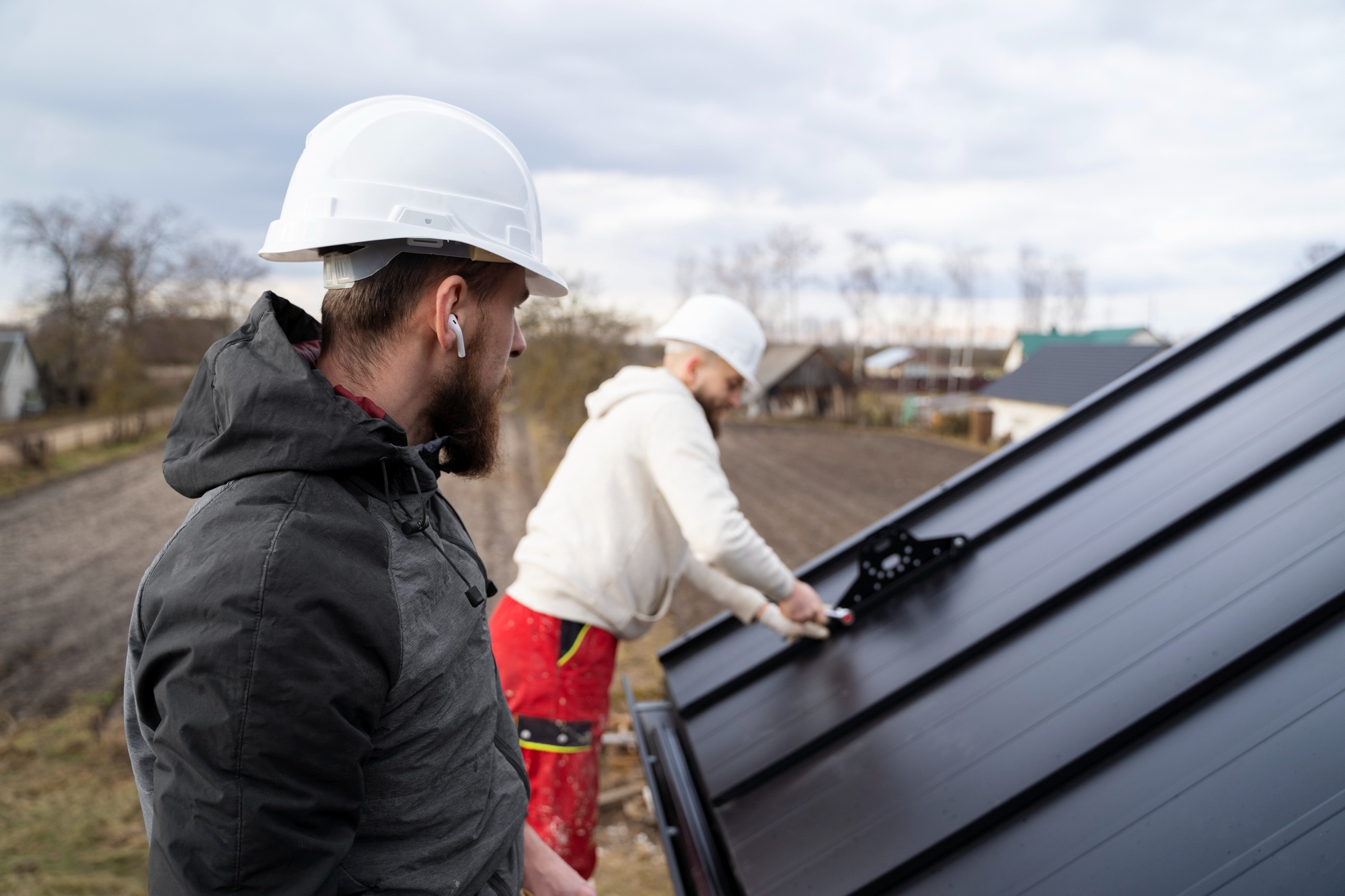
To inspect your roof after a storm, start with a careful visual scan from the ground, followed by attic checks, photographic documentation, and small temporary fixes like tarping if needed. Most homeowners can handle basic post-storm inspection safely. However, anything involving hail damage, lifted shingles, or flashing failures should be handed off to a licensed roofer.
What if a single overlooked patch of damage today turned into a $15,000 repair bill six months from now? This situation often happens to a lot of homeowners every year who skip post-storm roof inspections.
Storms damage roofs in ways that often stay invisible from the ground. You’ll experience slow leaks, lifted shingles, and bruised flashing that can all worsen until water finds its way into your attic, walls, and ceilings.
How Can You Inspect Your Roof After a Storm?

A safe roof inspection follows five clear steps. Here is what you should do:
Step 1: Do a Visual Scan from the Ground
Walk the perimeter of your home with binoculars. Look for missing shingles, granule loss in gutters, dented vents, fallen branches, and visible sagging.
Never climb onto a wet or storm-damaged roof. If something looks serious, contact Blue Nail Roofing for a professional inspection.
Step 2: Document Everything With Photos
Take wide shots of your home from every angle, then zoom in on every visible damage point. Capture timestamps and weather details. Save photos to your phone and a cloud backup so nothing is lost during the claim process.
Step 3: Check Your Attic for Leaks and Light
Head into the attic with a flashlight. Look for water stains on rafters, daylight visible through the roof deck, damp insulation, or musty smells. Catching small leaks early prevents slow damage to your ceilings and drywall.
Step 4: Apply Temporary Tarping if Needed
A heavy-duty waterproof tarp can buy you time before a permanent repair. Secure it with 2x4s along the edges, and never attempt this in active wind or rain. If you’re in a storm-prone region, you can coordinate with local roofing contractors in evolving markets to deliver emergency response within 24 hours.
Step 5: Know When DIY Stops and Professionals Take Over
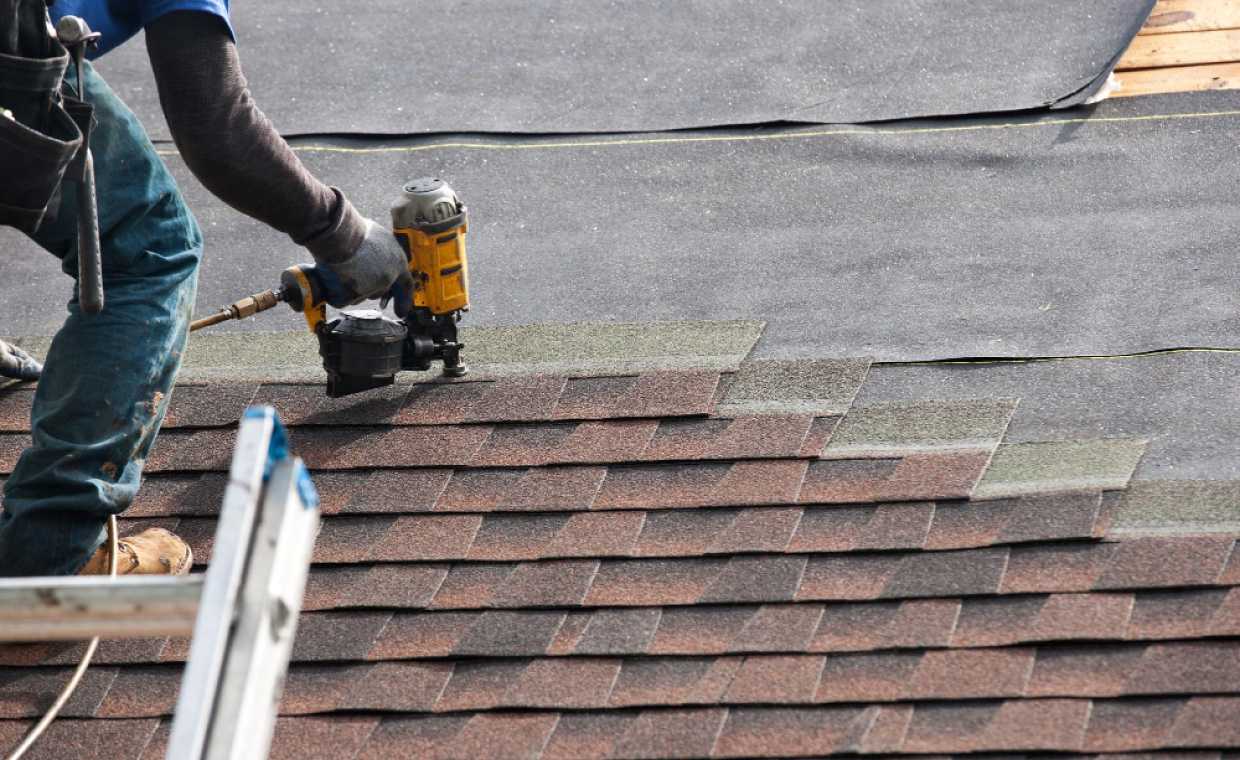
Storm-damaged roofs hide problems beneath the surface. From hail dents to multiple lifted shingles and cracked flashing, you need a licensed roofer. A professional inspection catches what an untrained eye misses.
Why Should You Call a Professional Roofer?
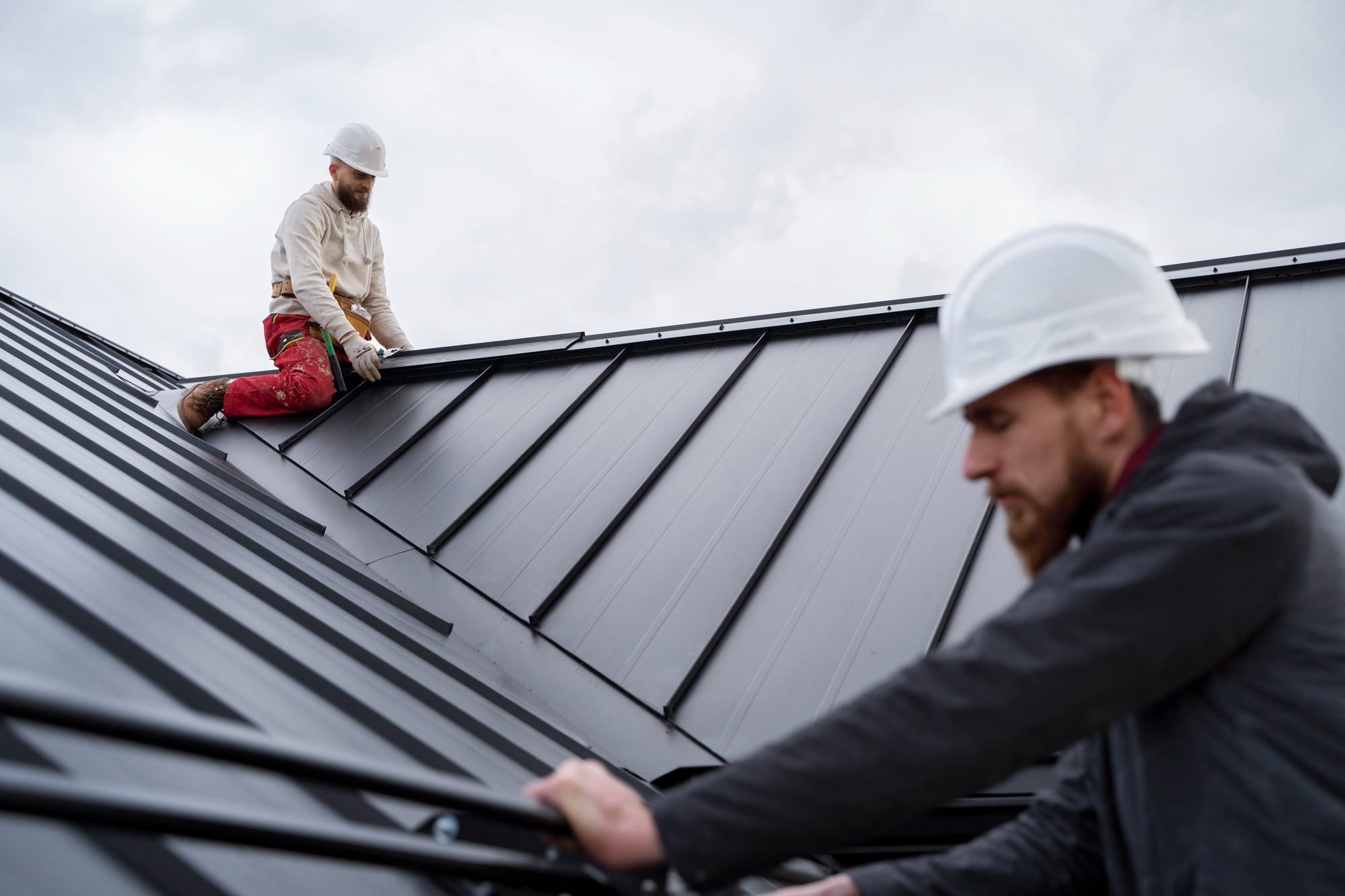
According to Verisk’s 2026 U.S. Roof Report, the national average for a full residential roof replacement reached $17,631 in 2025, and severe hail affected at least one-fifth of roofs in 16 different states. Those numbers explain why DIY repair attempts on serious damage often cost homeowners more than they save. Here is why you should hire pros:
- Identify hidden issues early
- Ensure insurance compliance
- Prevent costly mistakes
- Prioritize safety
- Save long-term money
A professional roofer will protect your largest investment in your home. As a result, you’ll have peace of mind during storm season.
What Should You Document for Your Insurance Claim?

Insurance claims live and die on documentation. The more evidence you gather in the first 48 hours, the stronger your case becomes. Some items you can capture and record include:
- Wide exterior photos of all four sides of the home
- Close-up photos of every damaged area
- Date, time, and weather conditions of the storm
- Interior photos of any water stains, ceiling spots, or damp areas
- Receipts for emergency repairs like tarping or boarding
- Copies of any local weather alerts or news coverage
A licensed roofer or public adjuster can take drone-based aerial photos that capture details you can’t see from the ground. Those images often unlock thousands of dollars of additional claim approval. To avoid future issues, make sure you invest in flood-proofing techniques and know when to use them.
Partner With Licensed Roofers for Reliable Post-Storm Roof Inspection
A careful post-storm inspection is one of the smartest investments any homeowner can make days after severe weather. If you inspect your roof quickly, you protect your home from secondary water damage and prevent minor problems from becoming structural disasters. The five steps above turn a frightening situation into a manageable checklist you can work through calmly.
The homeowners who recover fastest from storm damage are the ones who treat inspection as a non-negotiable habit.
Also Read: When Repair Is No Longer Enough_ A Homeowner’s Guide to Full Roof Replacement
FAQs – Inspect Your Roof After a Storm
Q1. How soon should I inspect my roof after a storm?
You should inspect your roof as soon as it is safe to do so, ideally within 24 to 48 hours after the storm.
Q2. Can I inspect my roof without climbing onto it?
Yes. A ground-level inspection using binoculars can help identify visible damage safely.
Q3. What are the most common signs of storm damage on a roof?
Missing shingles, dented vents, granule loss, damaged flashing, leaks, and fallen debris are common signs.
Q4. Should I tarp my roof after storm damage?
Temporary tarping can help prevent water intrusion until permanent repairs are completed, provided it can be done safely.
Q5. Why is professional roof inspection important after a storm?
Professional roofers can identify hidden damage that may not be visible to homeowners and provide documentation for insurance claims.
Author & Expert Review
Written By:  Gaurav Mishra | Civil Engineer & Content Writer

| Credentials: B.E. (Mahavir Swami College, Surat), Registered with Bhagwan Mahavir University (BMU). Experience: Civil Engineer with 5+ years of content writing experience, currently writing impactful articles for Gharpedia, part of SDCPL. Expertise: Specializes in writing well-researched content on residential construction, construction materials, design planning, on-site practices, and safety, blending technical accuracy with everyday clarity. Find him on: LinkedIn |
Verified By Expert: Ravin Desai – Co Founder – Gharpedia | Co Founder – 1 MNT | Director – SDCPL

This article has been reviewed for technical accuracy by Ravin Desai, Co-Founder of Gharpedia and Director at Sthapati Designers & Consultants Pvt. Ltd. With a B.Tech. in Civil Engineering from VNIT Nagpur and an M.S. in Civil Engineering from Clemson University, USA, and over a decade of international and Indian experience in the construction and design consultancy sector, he ensures all technical content aligns with industry standards and best practices.
Find him on: LinkedIn