






Table of Contents
Quick Summary
- Learn how to choose the perfect rug for every room based on its size, layout, and furniture placement.
- Choose rug materials and pile heights according to the room’s use and maintenance needs.
- Select comfortable, soft rugs for bedrooms and durable, easy-to-clean options for high-traffic areas.
- Ensure dining rugs are large enough to accommodate chairs when they are pulled out.
- Consider colours, patterns, and styles that complement your existing home décor.
- Think about your lifestyle, including children, pets, spills, and everyday foot traffic, before buying a rug.
Courtesy - Magnific
A good rug can change a room more than you might expect. It can make a large space feel warmer, give a small room more character, or pull together furniture that otherwise feels a little disconnected. But choosing the right one isn’t simply about finding a pattern you like.
The size of the room, furniture layout, material, color, maintenance needs, and even the way you use the space all matter. A rug that works beautifully beneath a coffee table may not be the best choice under a dining table or beside an entry door. The good news is that you don’t need to be an interior designer to get it right. The below guidelines can make rug shopping much easier.
Start With the Room, Not the Rug
Before falling in love with a particular pattern, look at the room you’re trying to furnish. Measure the available floor space and consider where the main furniture sits. This helps you decide whether you need a small accent rug, a runner, or a large area rug.
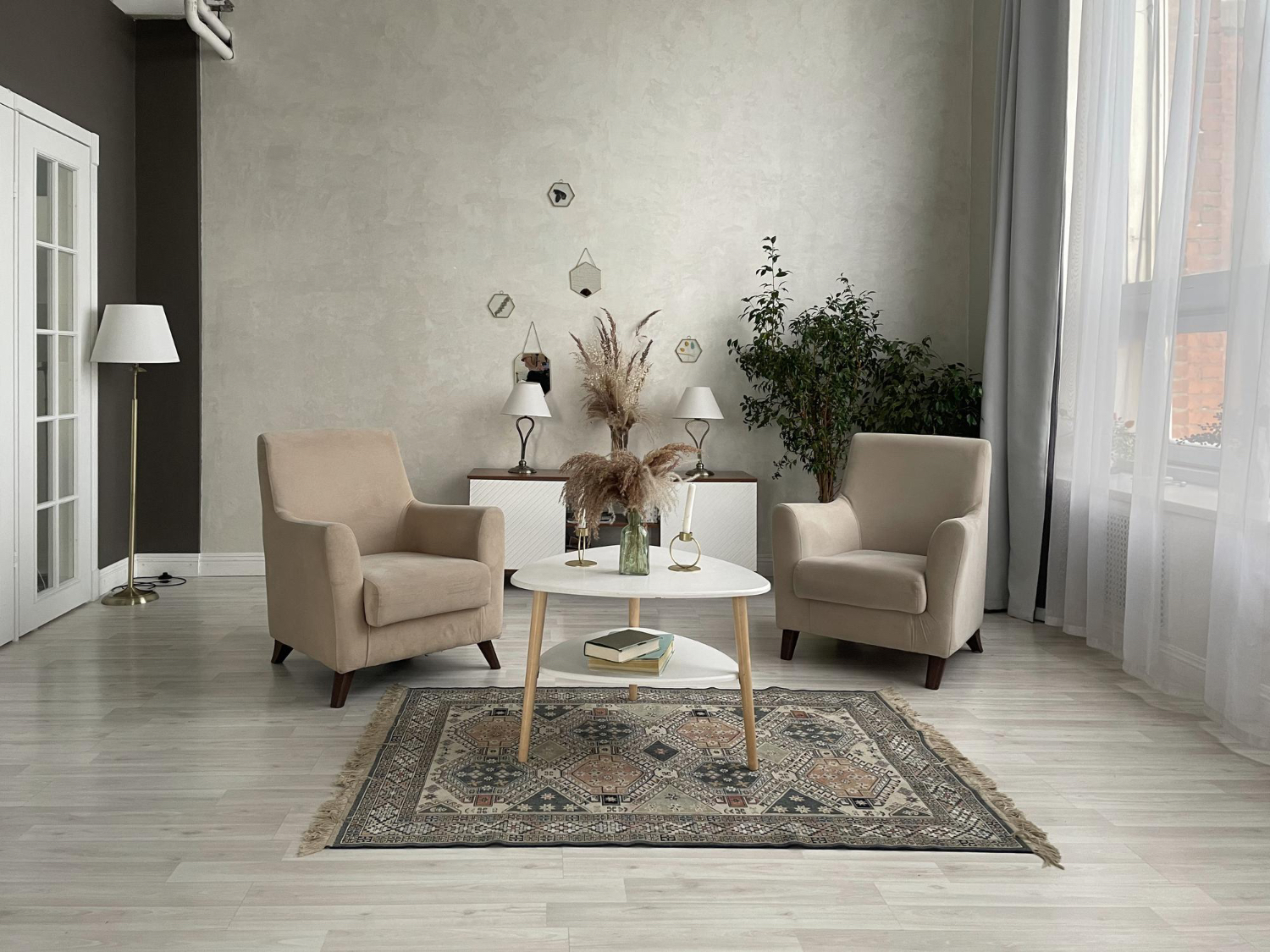
Furniture placement is particularly important. In a living room, for example, a rug usually looks more intentional when it connects the sofa, chairs, and coffee table rather than sitting by itself in the middle of the floor. In many layouts, placing the front legs of the seating on the rug is enough to visually anchor the arrangement.
Also think about the amount of floor you want to leave exposed. A rug shouldn’t make the room feel cramped, but a tiny rug floating between large pieces of furniture can look out of proportion.
If you’re unsure about a size, use painter’s tape to outline it on the floor. Living with the taped shape for a day can give you a surprisingly good idea of whether the dimensions feel right.
Choosing a Rug for the Living Room
Courtesy - Magnific
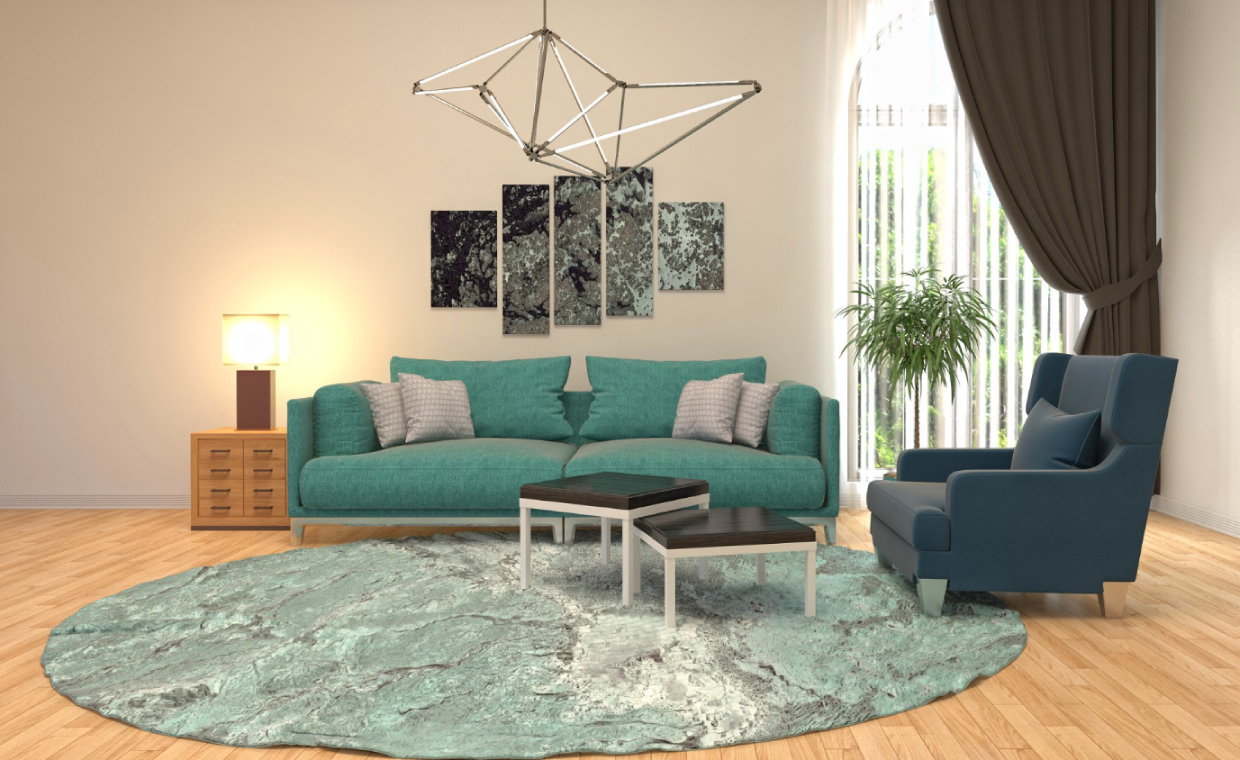
The living room is often where a rug has the biggest visual impact. It’s also one of the busiest areas in the home, especially if you have children, pets, or a habit of actually using the room every day.
For larger seating areas, choose a rug that gives the furniture some visual connection. Common sizes include 5×7, 6×9, 8×10, 9×12, and 10×14 feet, although the best size depends on the dimensions and layout of your room.
Your decorating style can guide the pattern. A neutral rug can soften a room filled with colorful furniture, while a floral, geometric, vintage, or botanical design can become the focal point when the rest of the space is relatively simple.
Lahome rugs are worth looking at when you’re comparing different styles because their collections cover a broad mix of vintage, boho, floral, botanical, geometric, Persian-inspired, and more expressive designs. The living room collection also includes washable options designed for everyday use, giving you plenty of styles to consider without making the rug the only thing you’re thinking about.
The Right Rug for the Bedroom
Courtesy - Magnific
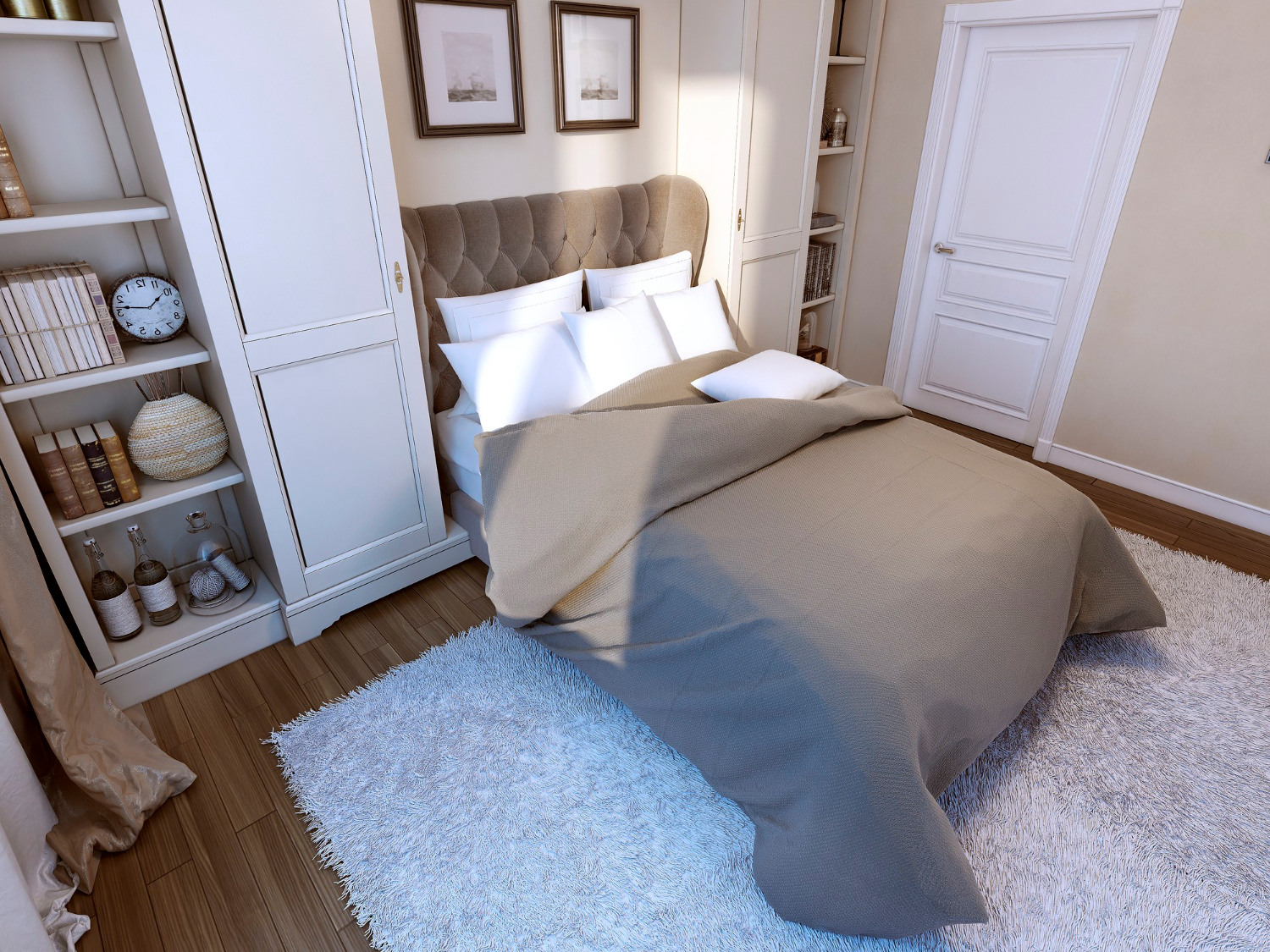
Bedroom rugs are less about handling constant traffic and more about comfort. Nobody wants to step out of bed onto a cold, hard floor first thing in the morning.
A larger area rug placed under the bed can create a softer visual boundary around the sleeping area. Ideally, it should extend far enough beyond the sides and foot of the bed to feel intentional rather than like a narrow strip tucked underneath it.
If a large rug isn’t practical, runners or smaller rugs can work alongside the bed. They’re especially useful in smaller bedrooms where a large area rug might overwhelm the available floor space.
For color, bedrooms tend to work well with softer neutrals, muted greens, warm beige, dusty blues, or gentle patterns. That doesn’t mean your bedroom has to be boring. A vintage floral or subtle botanical design can add personality while keeping the room comfortable and relaxed.
Dining Room Rugs Need More Planning
Courtesy - Magnific
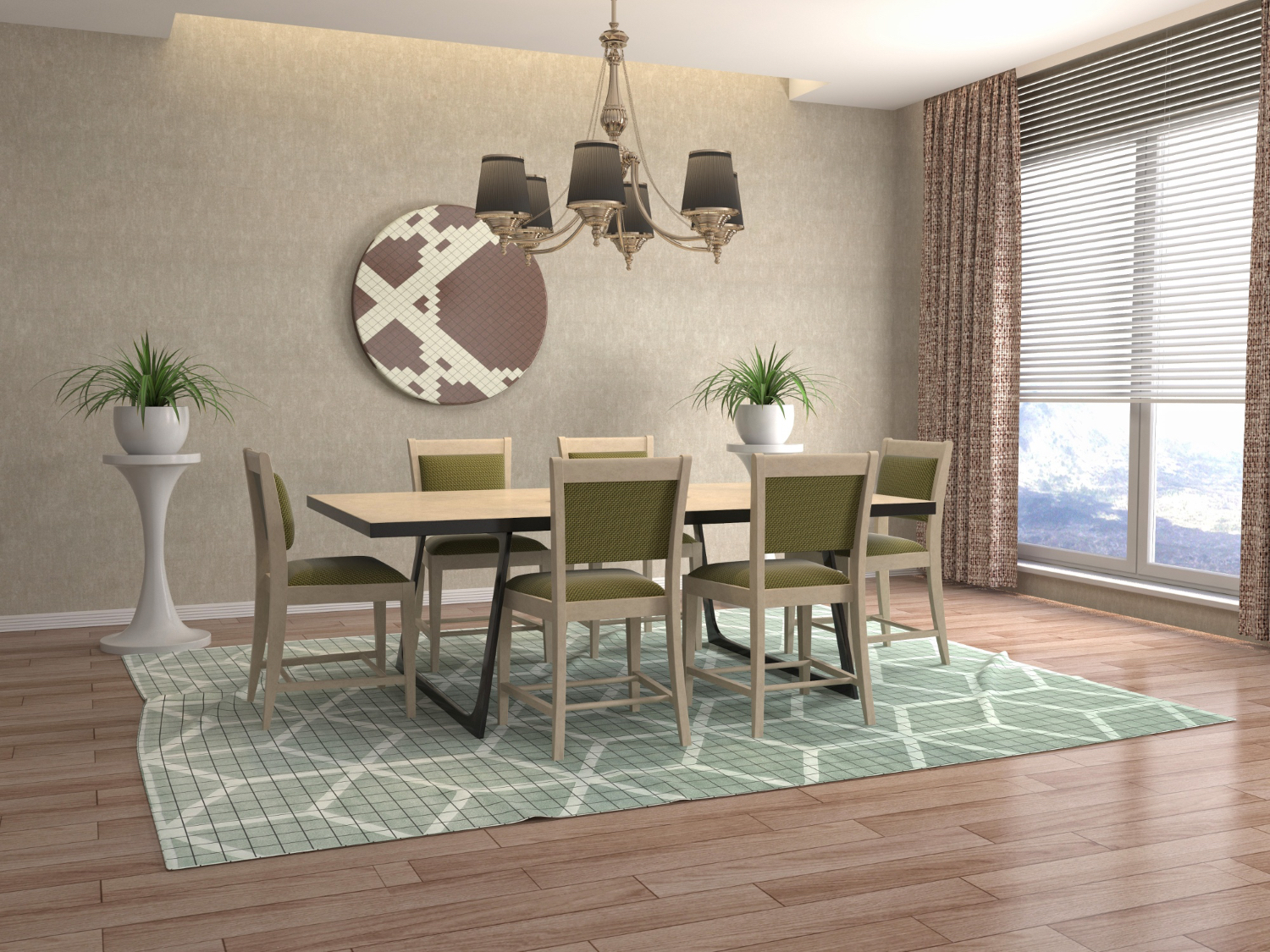
A dining room rug has one job that other rugs don’t always have: it needs to accommodate moving chairs.
A common mistake is choosing a rug that looks large enough when the chairs are tucked in but leaves their back legs hanging off the edge when someone sits down. Ideally, the rug should extend beyond the dining table far enough for chairs to remain on the rug even when pulled out.
The material matters here, too. Food and drink spills are inevitable. A rug that’s easy to clean can save you a lot of frustration, particularly if the dining room is part of an open-plan living area.
Patterned rugs can also be practical because they tend to disguise minor marks between cleanings better than a completely solid, pale surface.
Make the Entryway Work Harder
Courtesy - Magnific
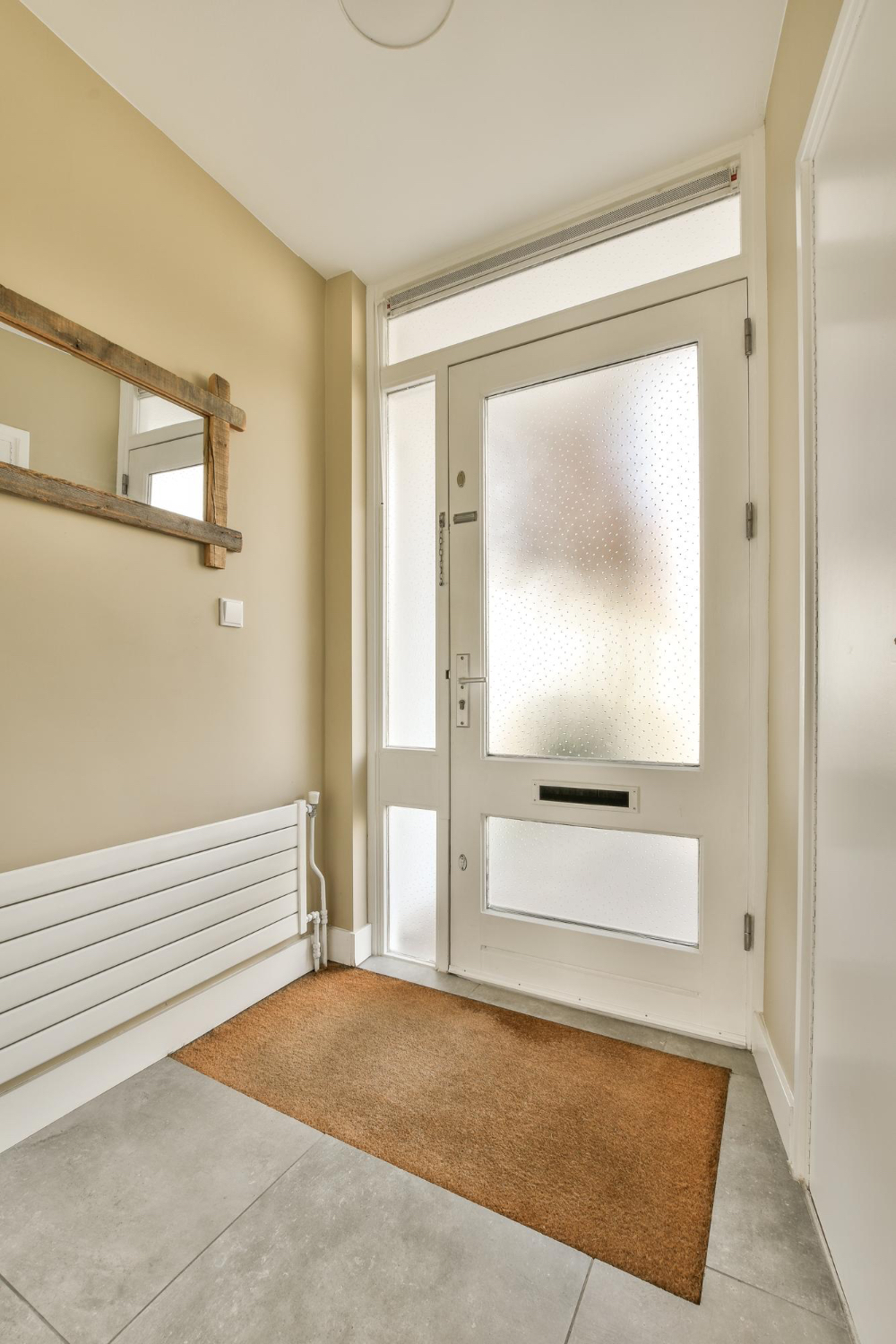
Your entryway is the first place dirt and moisture tend to enter the home, so this isn’t the spot for a delicate rug that needs constant attention.
A runner can work well in a long hallway-style entrance, while a smaller rectangular rug may suit a compact foyer. Look for something that fits comfortably within the walking path without creating a tripping hazard.
This is also a place where durability and easy cleaning should take priority. Darker shades, traditional patterns, and textured designs can be forgiving in a busy entrance.
If your entryway connects directly to other rooms, use the rug to create a transition. You don’t necessarily need matching rugs throughout the house. Instead, choose colors or design elements that complement what you already have.
Easy-Maintenance Rugs for High-Traffic Areas
Courtesy - Magnific
Some rooms simply get more wear than others. Living rooms, kitchens, hallways, playrooms, and entryways may see muddy shoes, dropped food, pet hair, and the occasional mystery stain.
For these spaces, easy maintenance is worth considering from the beginning. So, choosing a living room washable rugs
and similar washable designs can be especially useful. Instead of treating every spill like a disaster, you can choose a rug designed with everyday cleaning in mind.
Lahome’s washable rug collections are built around this practical approach. The brand describes its washable rugs as stain-resistant and suitable for busy areas, with low-pile designs that are easier to care for. Cleaning guidance includes machine washing with cold water and a gentle cycle, spot cleaning for smaller spills, and air drying or low-heat tumble drying depending on the rug.
Of course, always follow the specific care instructions for the rug you purchase. Washability can make life easier, but it doesn’t mean every rug should be treated exactly the same way.
Think About Material Before You Buy
A rug’s material affects how it feels, how it looks, and how much care it needs.
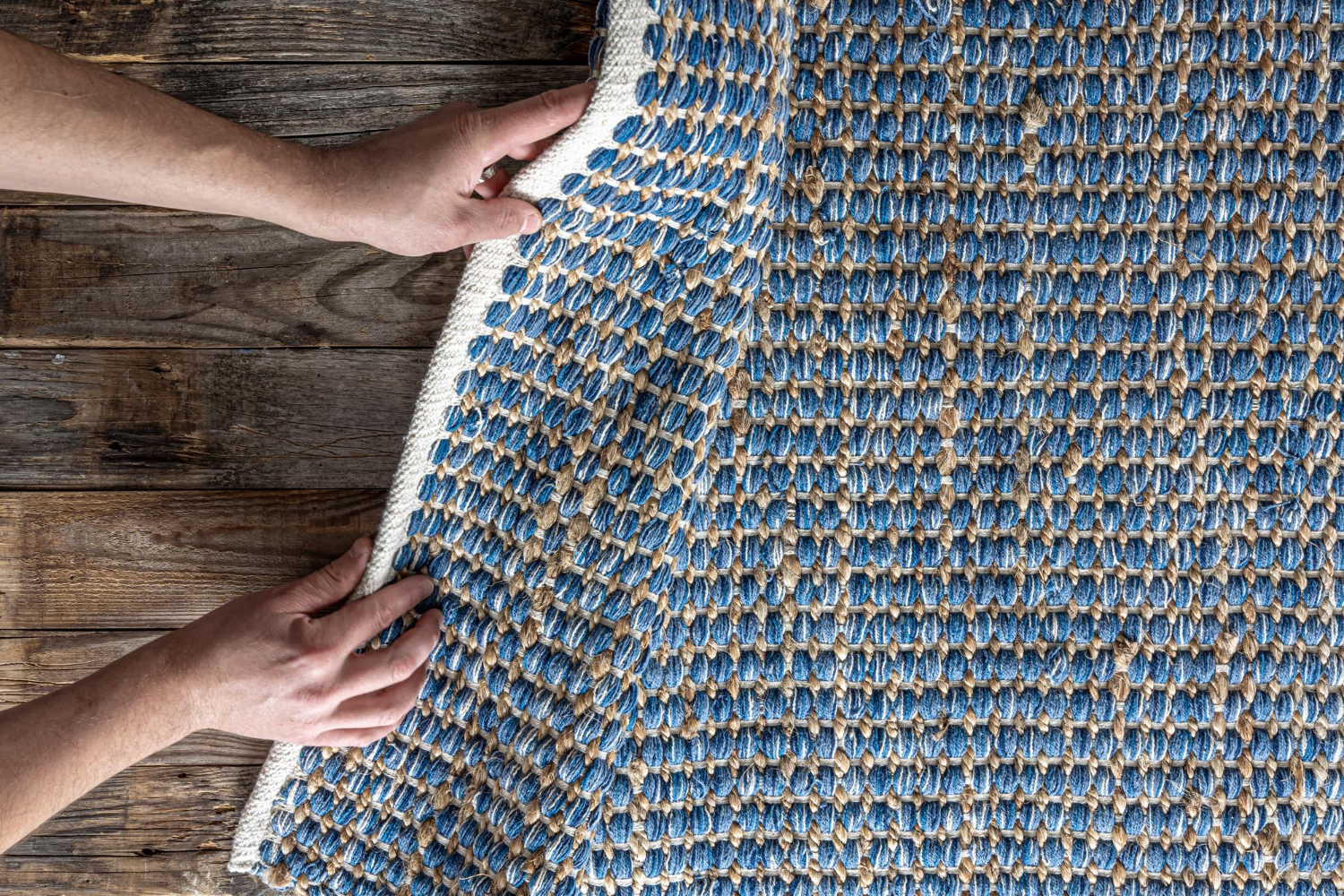
Soft materials are appealing in bedrooms and relaxed living spaces where comfort matters. More practical, easy-care constructions can make sense in kitchens, entryways, and family rooms where spills and heavy use are part of daily life.
Pile height matters, too. Low-pile rugs are generally easier to vacuum and can be more convenient beneath furniture or in rooms where doors need to swing freely. A thicker, softer rug may feel wonderful underfoot but can require more attention depending on the material and construction.
Don’t choose a material based only on appearance. Think about what actually happens in the room.
Pick a Color That Works With Your Existing Decor
Courtesy - Magnific
Choosing a rug color doesn’t mean everything has to match perfectly. In fact, overly coordinated rooms can sometimes feel a little flat.
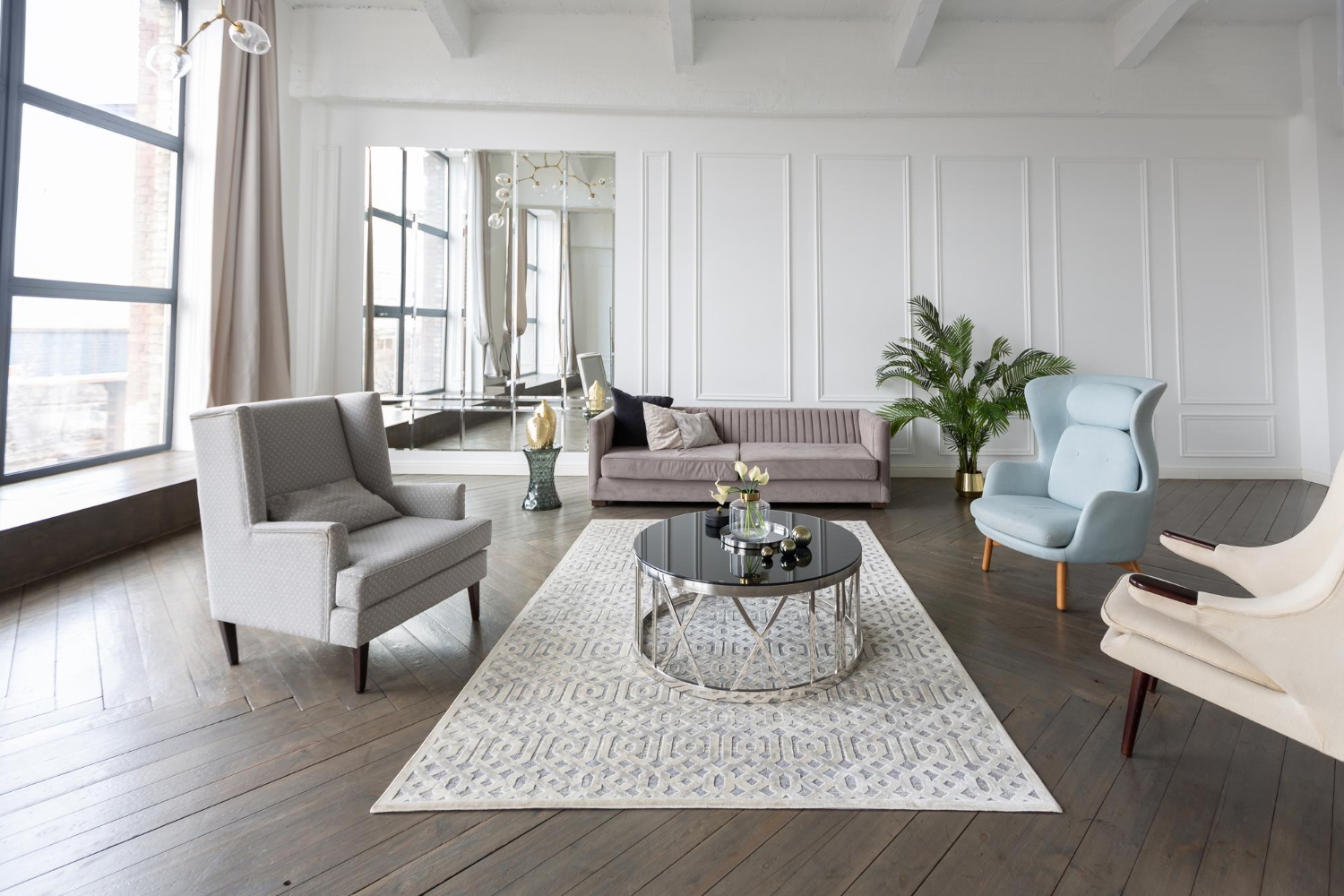
Instead, look at the colors you already have in your furniture, curtains, artwork, walls, and accessories. A rug can repeat one of those colors or introduce a complementary shade.
For a calm room, neutral beige, cream, gray, or muted green can create a subtle foundation. If the furniture is fairly plain, a colorful or patterned rug can provide the visual interest.
When choosing between a light and dark rug, consider your lifestyle as much as your decorating preferences. A pale rug can make a room feel open and airy, but it may require more frequent attention in a busy household. Darker colors and patterns can be more forgiving.
Match the Style to the Room
Courtesy - Magnific
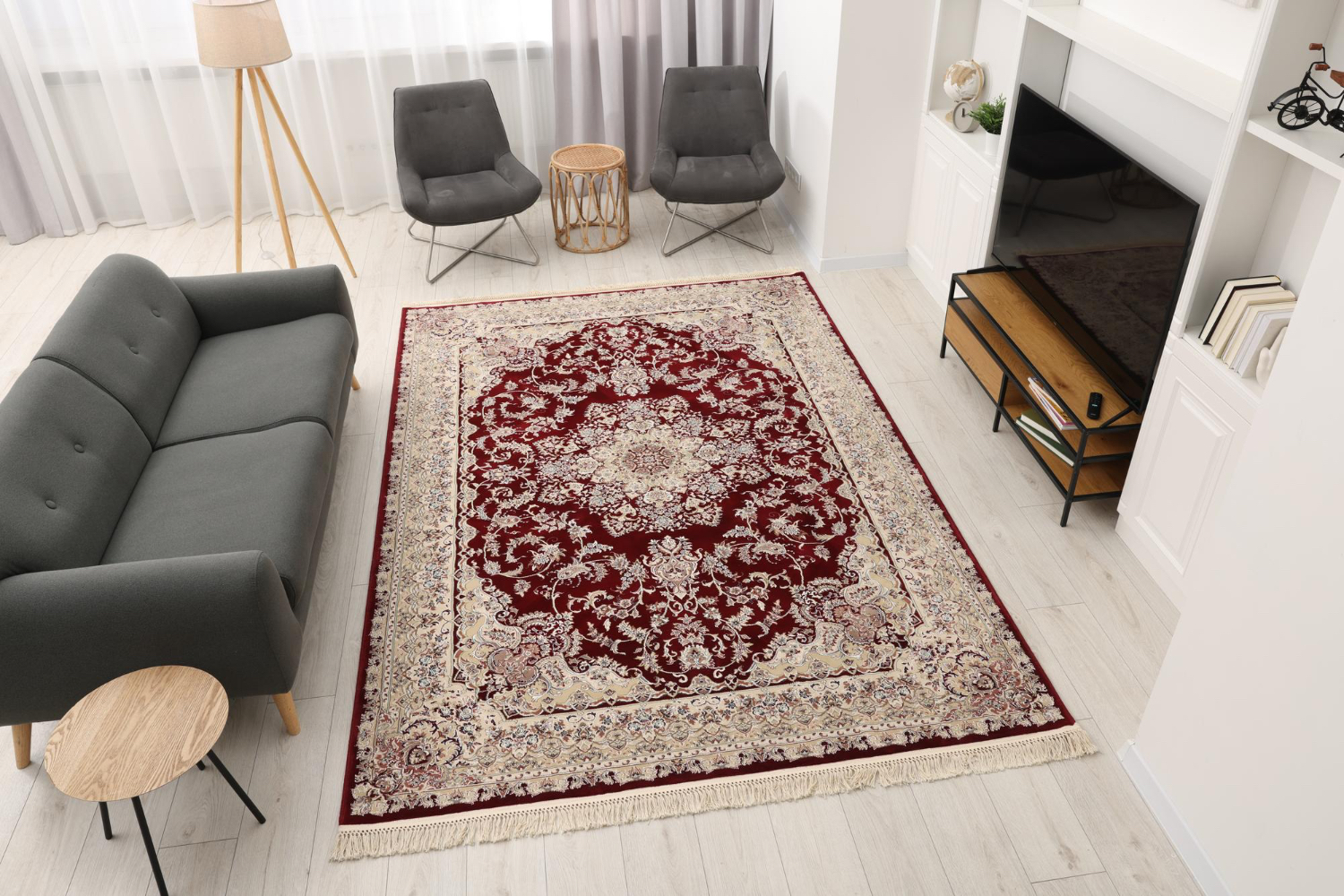
Rugs don’t have to follow a single decorating trend. What matters is whether the design feels at home with the rest of the room.
Vintage rugs can add character to modern interiors. Botanical patterns can bring some natural energy into neutral spaces. Geometric designs work well when you want a cleaner, contemporary feel, while boho and maximalist styles can add personality to rooms that need a little more visual energy.
This is one reason browsing collections by style can be useful. Lahome, for example, offers everything from understated vintage-inspired designs to bold floral, animal, botanical, and maximalist patterns. That variety makes it easier to think about the rug as part of the room rather than simply an isolated purchase.
Consider Your Lifestyle Before Your Pinterest Board
A beautiful rug that doesn’t fit your lifestyle won’t stay beautiful for long.
If you have young children, think about spills and playtime. If you have pets, consider fur, claws, and muddy paws. If you entertain frequently, durability and cleaning may matter more than having the most delicate-looking design.
Renters should also consider whether the rug can help define a space without making permanent changes to walls or floors. In smaller homes or apartments, a well-placed rug can visually separate a living area from a dining or work space without needing a physical divider.
The best rug is ultimately the one you can live with comfortably.
Don’t Forget the Rug’s Placement
Even a great rug can look wrong if it’s positioned awkwardly.
In a living room, try centering the rug with the main furniture arrangement rather than automatically centering it with the walls. In a bedroom, make sure it extends far enough around the bed to create a comfortable landing area. In a dining room, leave enough room for chairs to stay on the rug when pulled out.
For larger rooms, leaving roughly 8 to 24 inches of visible floor between the rug and walls can help maintain balance, although the exact amount depends on the room and furniture arrangement.
Final Thoughts
Choosing a rug becomes much easier when you stop treating it as a purely decorative purchase. Start with the room’s dimensions and furniture layout, then consider material, maintenance, color, pattern, and your everyday routine.
A living room may need a large, durable design that can handle constant use. A bedroom might benefit from something softer and calmer. Dining rooms need enough space for moving chairs, while entryways call for practical materials and easy cleaning.
Take your time, measure before ordering, and think about how the rug will actually be used. The right choice should look good, feel comfortable, and fit naturally into the way you live. That’s what turns a rug from a simple floor covering into something that genuinely makes a room feel finished.
Also Read: Taking Care of Your Rugs and Carpets: Keep These Points in Mind
FAQs on How to Choose the Perfect Rug for Every Room
1. What factors should `you consider when choosing a rug?
Consider the room size, furniture layout, rug material, pile height, colour, pattern, maintenance requirements, and how frequently the space is used.
2. How should you choose a rug for the living room?
Choose a rug that connects the main furniture pieces and complements the room’s size and layout. The rug should be large enough to visually anchor the seating arrangement.
3. What type of rug is best for a bedroom?
A soft, comfortable rug is ideal for a bedroom. A larger area rug can be placed under the bed, while runners or smaller rugs can work well beside the bed.
4. How should a dining room rug be sized?
The rug should extend far enough beyond the dining table so that chairs remain on the rug even when pulled out. Easy-to-clean materials are also practical for dining areas.
5. How to choose the perfect rug for every room?
Start by considering each room’s dimensions, furniture arrangement, traffic level, maintenance needs, and overall décor. Then select the appropriate rug size, material, colour, pattern, and placement.
Courtesy - Featured Image(Magnific)
Author & Expert Review
Written By:  Nidhi Patel | Civil Engineer & Content Writer

| Credentials: B.E. (Mahatma Gandhi Institute of Technical Education and Research Centre), Registered with Gujarat Technological University (GTU). Experience: Civil Engineer with 3+ years of content writing experience, currently writing blogs for Gharpedia, part of SDCPL. Expertise: Specializing in SEO-optimized blogs and long-form articles focused on home improvement, construction, interiors and architect topics. I create well-researched, reader-focused content that balances technical accuracy with clarity, making complex subjects easy to understand. Find her on: LinkedIn |
Verified By Expert: Farhan Shaikh – Senior Manager – Architect, SDCPL | Associate Member – IIA

This article has been reviewed for architectural and interior design accuracy by Farhan Shaikh, Senior Manager – Architect at Sthapati Designers & Consultants Pvt. Ltd. As the lead for all architectural and interior projects at SDCPL and an Associate Member of the Indian Institute of Architects (IIA), he brings hands-on experience in architectural planning, interior design, project coordination, and sustainable strategies. His review ensures the content reflects practical design considerations, industry best practices, and real-world applicability across both architecture and interior spaces.
Find him on : Linkedin