





Table of Contents
A home is more than the number of bedrooms, bathrooms, or square feet listed on a property description. The spaces that make a house enjoyable are often the ones that bring people closer to nature, create opportunities to relax, and make everyday routines feel a little more special. In Southern homes, where warm summers, mild winters, and changing seasonal conditions shape daily life, having a comfortable connection to the outdoors can make a meaningful difference.
That is one reason sunrooms have become an appealing home improvement option. While additional living space is an obvious benefit, the real value goes much further. A thoughtfully designed sunroom can improve natural lighting, create a versatile gathering area, support relaxation, and enhance the overall character of a property. Understanding these advantages helps homeowners look beyond square footage and consider how an additional room could transform the way they experience their homes.
A More Comfortable Connection to the Outdoors
Southern living often revolves around enjoying the outdoors. Morning coffee on the porch, afternoon conversations with family, and quiet evenings watching the changing light are all part of the appeal. However, heat, humidity, insects, pollen, and unpredictable weather can make outdoor spaces less comfortable throughout the year. A sunroom offers a practical middle ground between being indoors and spending time outside.
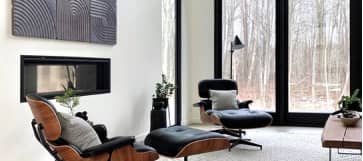
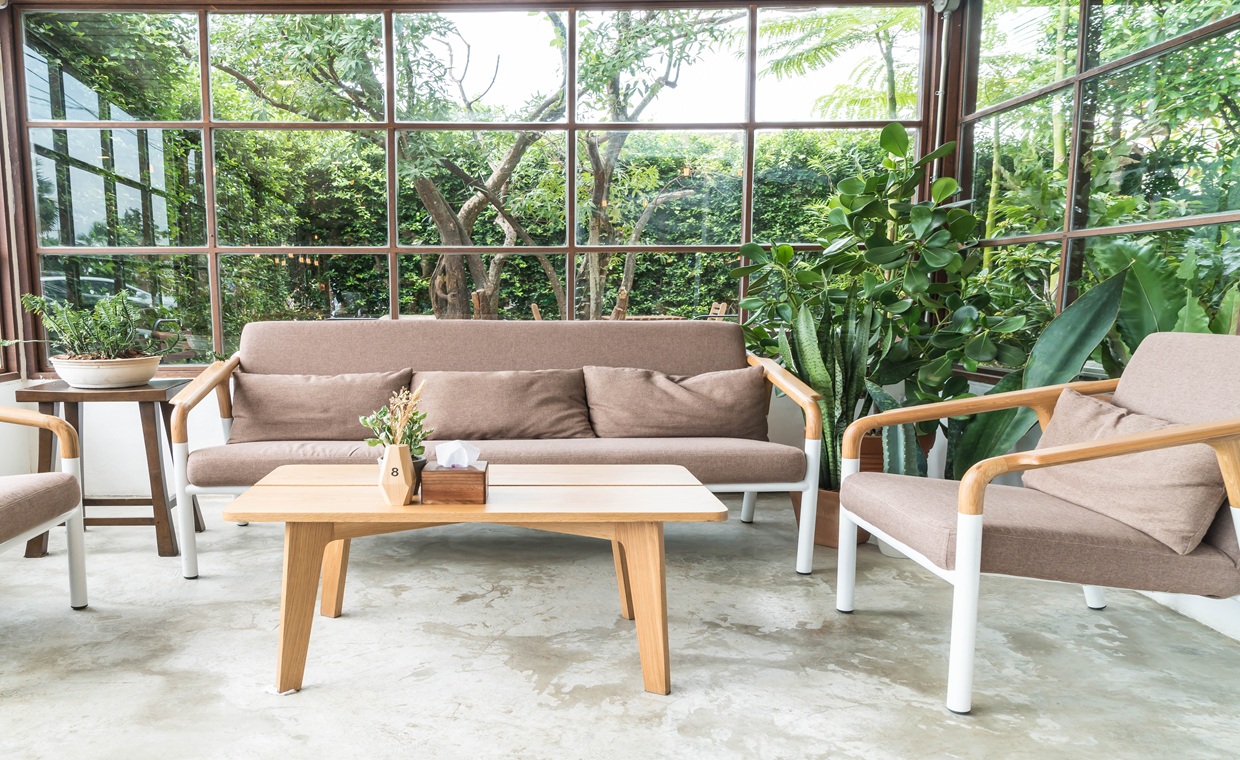
Large windows and expansive glass panels allow homeowners to enjoy views of gardens, trees, and surrounding landscapes without dealing with many of the inconveniences associated with an open patio or deck. This connection to nature can make everyday activities feel more relaxing. Reading a book, enjoying breakfast, or simply watching a summer rainstorm becomes more enjoyable when the surrounding environment is visible without exposing occupants to uncomfortable weather.
A well-designed four-season sunroom takes this concept further by providing insulation, appropriate glazing, and heating and cooling options that support comfortable use throughout the year. Instead of treating the room as a seasonal addition, homeowners can incorporate it into their everyday routines, regardless of whether temperatures are rising in July or dropping during a winter cold spell.
Natural Light Can Transform the Atmosphere of a Home
Lighting has a significant influence on how a home feels. Rooms with limited natural light can appear smaller, darker, and less inviting, even when they have generous dimensions. A sunroom introduces another opportunity to bring daylight into the living environment, creating a brighter atmosphere that can influence the experience of the entire property.
Natural light can also make surrounding architectural features more noticeable. Wooden flooring, carefully selected furnishings, indoor plants, and decorative finishes often look different when illuminated by daylight rather than artificial lighting. Homeowners can use these qualities to create a space that feels connected to the rest of the house while maintaining its own identity.
The design of the room plays an important role in achieving the right balance. Window placement, glass specifications, roof orientation, and shading should all be considered. Southern climates receive considerable sunlight, so selecting suitable energy-efficient glazing and incorporating features that control glare and solar heat gain can help prevent excessive temperatures. The goal is not simply to maximize the amount of glass but to create a naturally bright space that remains comfortable.
Creating a Flexible Space for Changing Needs
One of the most valuable advantages of a sunroom is its flexibility. Unlike a highly specialized room, which may serve only one purpose, a sunroom can adapt as household needs change. A family might initially use it as a breakfast area before eventually turning it into a reading lounge, hobby room, or informal gathering space.
For households that spend considerable time at home, this flexibility can make daily routines more convenient. A sunroom can provide a quieter environment for working remotely, completing personal projects, or enjoying a little separation from the main living areas. Families with children may also appreciate having a bright, comfortable space for games, crafts, and other activities.
The key is to consider how the room will function before construction begins. Furniture placement, electrical outlets, lighting, flooring, and access to the main house should reflect its intended uses. Homeowners considering a four-season sunroom should also think about how their requirements might evolve. Designing with flexibility in mind can help ensure the addition remains useful long after the initial excitement of construction has passed.
Improving Everyday Comfort in Southern Climates
Southern weather creates specific considerations for home improvements. High humidity, intense summer sunlight, seasonal storms, and occasional cold spells can all affect how comfortable a living space feels. An addition that is not designed for these conditions may become difficult to use during certain months, limiting its practical value.
Insulation is particularly important. Properly insulated walls, ceilings, and floors help regulate indoor temperatures, while quality windows reduce unwanted heat transfer. Energy-efficient glass can also help manage solar heat gain, which is especially relevant in areas that experience long, sunny summers. Combined with suitable heating and cooling equipment, these features make a sunroom more dependable throughout the seasons.
Moisture management deserves equal attention. Southern humidity can contribute to condensation and moisture-related problems when ventilation, insulation, and construction details are overlooked. Professional planning should account for drainage, flashing, weatherproofing, and appropriate materials. The U.S. Department of Energy’s guidance on energy-efficient windows and building envelopes reinforces the importance of considering the entire building system rather than treating windows as isolated features. A comfortable addition begins with construction choices that account for the local climate.
A Space That Encourages Relaxation and Well-Being
Modern homes often have to accommodate competing demands. Work, family responsibilities, household maintenance, and everyday commitments can make it difficult to find time to slow down. Having a dedicated space for relaxation can help create a healthier balance between activity and rest.
A sunroom naturally lends itself to this purpose. Its access to daylight and outdoor views can create a calmer atmosphere than rooms dominated by screens and artificial lighting. Homeowners might furnish the space with comfortable chairs, soft textiles, plants, and a small table to create an inviting retreat. Even a short period spent reading, enjoying a cup of tea, or looking out at the garden can provide a welcome change of pace.
The room can also become a place where family members spend time together without needing a particular activity or occasion. Casual conversations, shared meals, and quiet afternoons can become part of its everyday character. Rather than adding another room that simply needs to be maintained, homeowners gain an environment that encourages them to enjoy the home more fully.
Enhancing Architectural Character and Property Appeal
Home improvements are often evaluated in terms of resale potential, but visual appeal and architectural consistency are equally important. An addition should look as though it belongs to the original property rather than appearing as an afterthought. When thoughtfully designed, a sunroom can enhance the home’s overall appearance while providing a distinctive feature that makes the property more memorable.
In Southern architecture, design possibilities are particularly varied. Traditional brick homes, farmhouse-inspired properties, coastal residences, and contemporary houses can all benefit from carefully planned additions. Rooflines, exterior finishes, window styles, and trim should complement the existing structure. Matching these elements helps create a cohesive transition between the original house and the new space.
Property appeal also depends on practical considerations. Prospective buyers may appreciate a bright, versatile room that can serve multiple purposes, particularly when it is comfortable throughout the year. However, homeowners should avoid assuming that every dollar spent on construction will translate directly into an equivalent increase in resale value. Local market conditions, construction quality, usable space, and buyer preferences all influence the financial return. The strongest investment is often one that improves everyday living while remaining attractive to future occupants.
Planning the Right Sunroom for Long-Term Value
A successful sunroom project begins with a realistic understanding of the property’s layout and the household’s priorities. Before selecting finishes or discussing decorative details, homeowners should evaluate the available space, foundation requirements, roof structure, access points, and relationship between the proposed addition and the existing rooms.
Budget planning should include more than the initial construction estimate. Insulation, energy-efficient windows, heating and cooling systems, electrical work, flooring, permits, and site preparation can all influence the final cost. Homeowners should also consider ongoing maintenance requirements, including window cleaning, exterior sealing, and periodic inspections.
Choosing an experienced contractor is equally important. A qualified professional can help identify structural requirements, explain suitable materials, and address local building codes and permitting obligations. It is also worth discussing ventilation, condensation prevention, and energy performance before approving a design. These details may not be the most visually exciting parts of a project, but they have a significant impact on long-term comfort and durability.
Homeowners should also consider how the new space connects with the rest of the house. A convenient entrance, appropriate flooring transitions, and a consistent interior design can make the addition feel like a natural extension of the original living environment. When these elements work together, the result is a room that feels intentional rather than separate from the home’s overall layout.
Looking Beyond Square Footage
Adding space to a home can be valuable, but the most meaningful improvements are often measured by how they change everyday experiences. A sunroom can create a brighter atmosphere, offer a comfortable connection to the outdoors, provide flexibility for changing household needs, and introduce a peaceful environment for relaxation. These benefits are difficult to capture in a property listing, yet they can have a lasting influence on how people enjoy their homes.
For Southern homeowners, the ability to appreciate natural surroundings without being limited by seasonal weather makes the concept especially appealing. With appropriate insulation, climate control, quality materials, and thoughtful architectural planning, a sunroom can become a practical part of the home rather than an occasional-use feature.
Also Read: How Home Improvement Videos Help Homeowners Make Better Decisions
Courtesy - Featured Image(Magnific)
Author & Expert Review
Written & Verified By:  Farhan Shaikh – Senior Manager – Architect, SDCPL | Associate Member – IIA

| Credentials: Senior Manager – Architect at Sthapati Designers & Consultants Pvt. Ltd. and Associate Member of the Indian Institute of Architects (IIA). Experience: Architect with hands-on experience leading architectural and interior design projects at SDCPL, including architectural planning, interior design, project coordination, and sustainable design strategies. Expertise: Specializing in architectural planning, interior design, project coordination, and sustainable design. He reviews content to ensure it reflects practical design considerations, industry best practices, technical accuracy, and real-world applicability across architecture and interior spaces. Find him on: Linkedin |