





Table of Contents
Quick Summary
- Understand how the intended purpose of a landscape influences plant selection.
- Assess climate, sunlight, soil, drainage and moisture before choosing plants.
- Select plants according to their mature height and spread rather than their nursery size.
- Build a practical plant palette and check nursery availability before finalising the design.
- Combine form, texture, colour and plant groupings to create a cohesive appearance.
- Plan for pruning, watering, seasonal care and year-round visual interest.
- Use the final checklist to confirm that each plant is suitable for its location and maintenance requirements.
Courtesy: Magnific
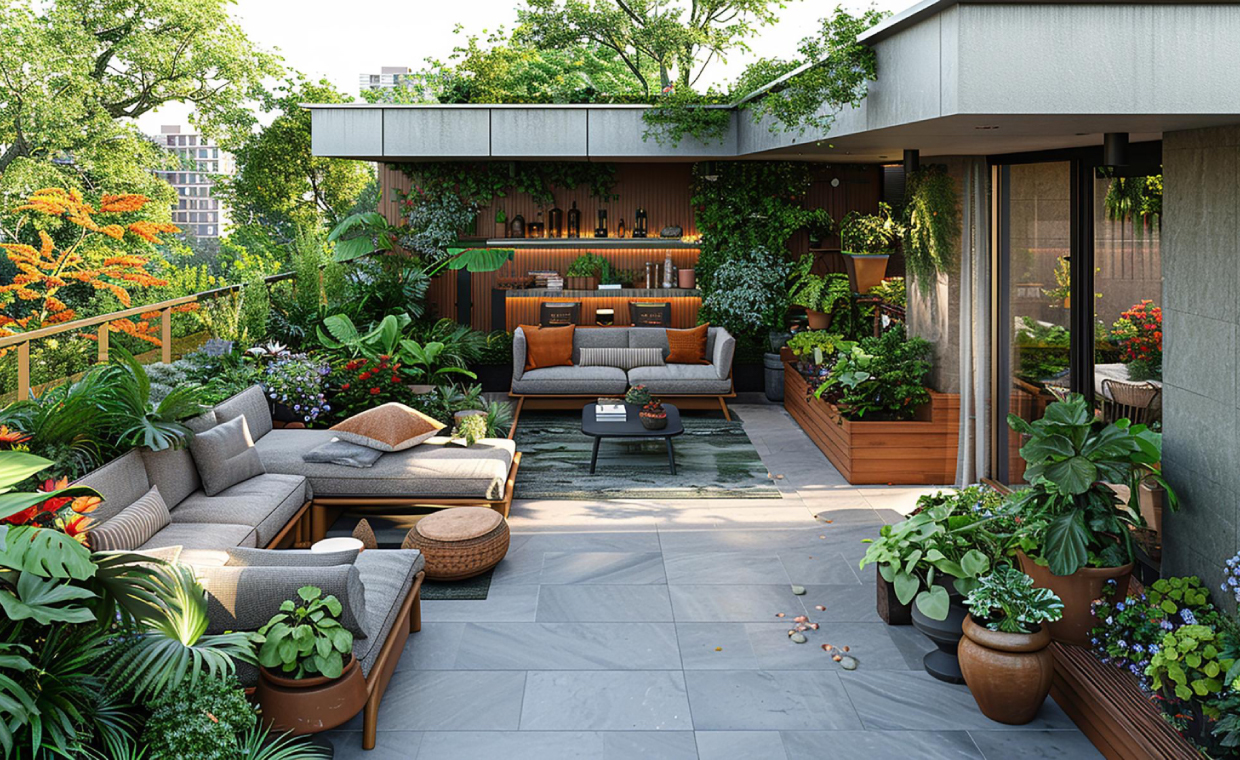
Plant selection is one of the most important parts of landscape planning, but appearance alone should never determine your choices. A successful landscape relies on the “right plant, right place” principle. This means finding the exact balance between site conditions, plant function, mature size, maintenance, availability, and visual appeal. Before focusing on a specific foliage color or flower, you need a systematic approach to eliminate unsuitable options. By prioritizing environmental compatibility and practical constraints first, you ensure long-term garden success.
Start With the Purpose of the Landscape
Before you choose specific species, determine what the plants need to accomplish in your design. Shifting the focus from aesthetics to functionality prevents years of corrective maintenance. Assign every area a primary job.
Common landscape purposes include:
- Providing privacy or screening (e.g., blocking a neighbor’s window).
- Creating shade to cool the environment and reduce heat absorption.
- Defining pathways or spatial boundaries.
- Providing groundcover to serve as the physical floor of the space.
- Creating focal points or adding greenery and color.
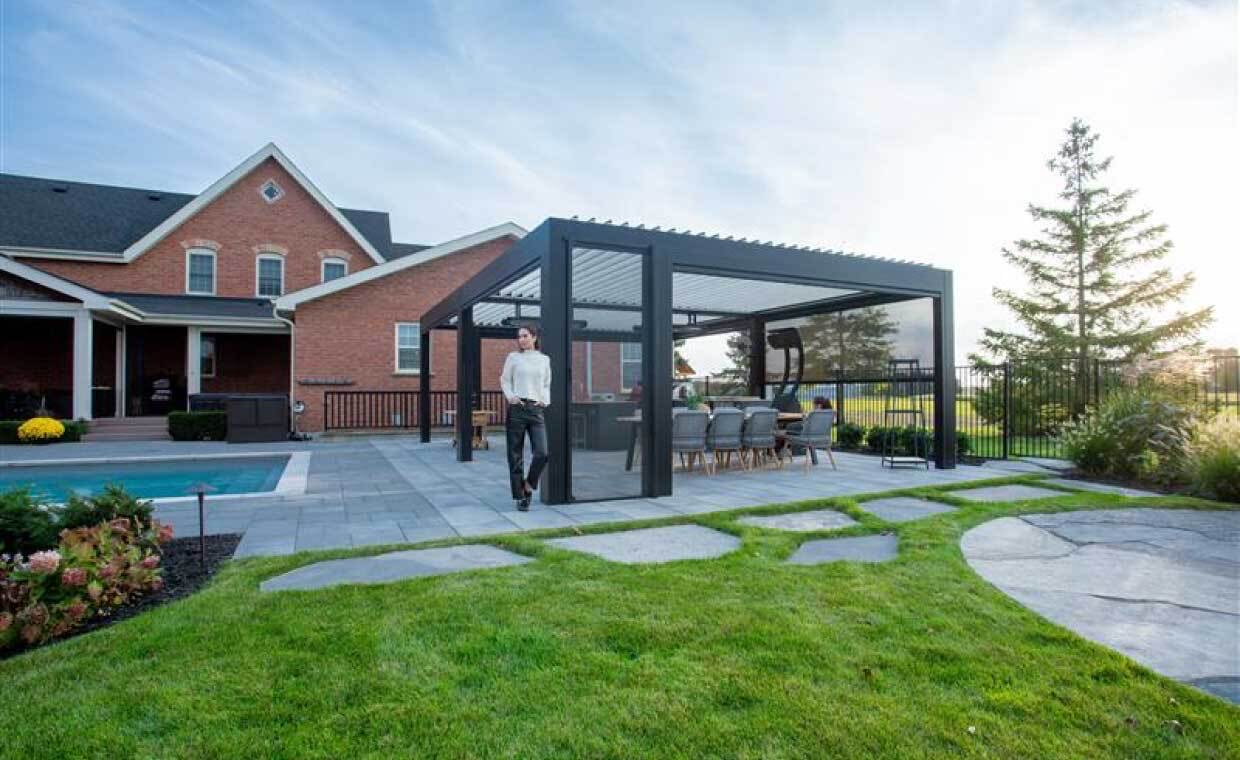
- Softening buildings and hardscapes.
Identifying this intended function helps narrow the plant choices drastically before considering aesthetics. If a space doesn’t have a clear purpose, leaving it unplanted for flexibility is often more valuable than forcing decorative features into the area.
Evaluate the Conditions of the Site
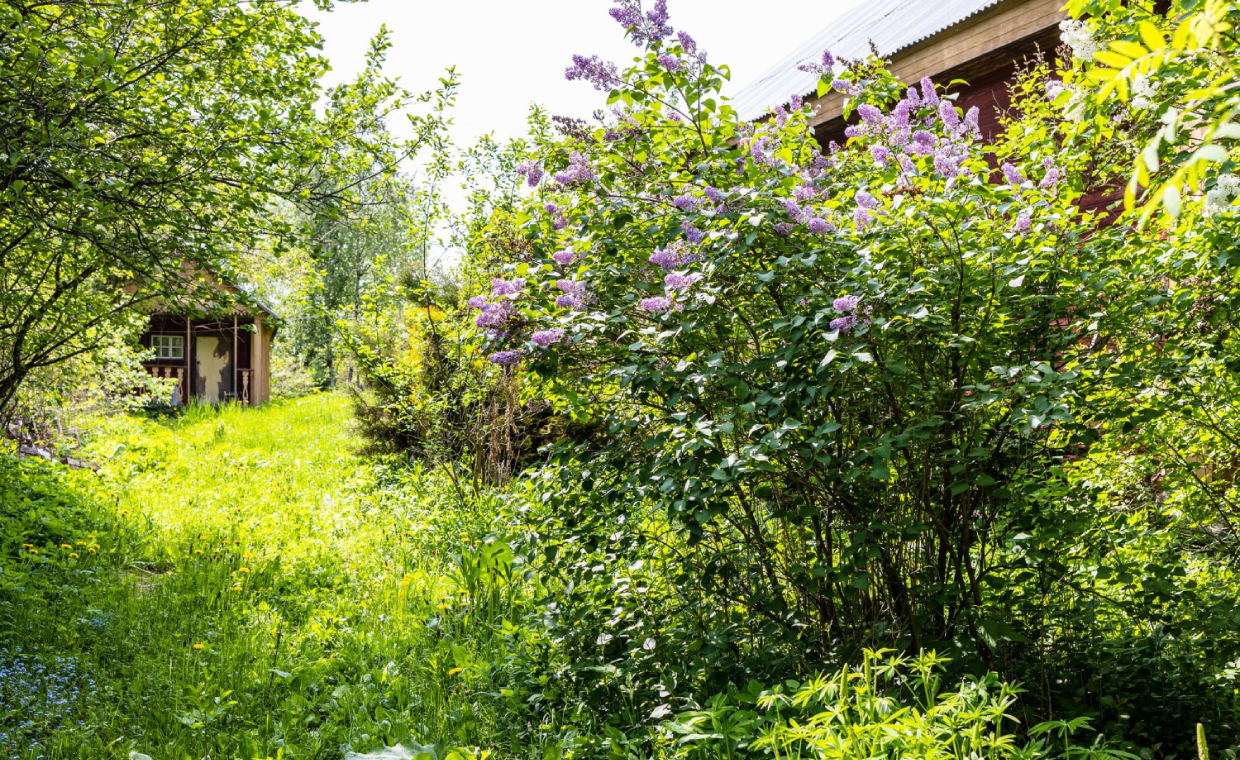
Courtesy: Magnific
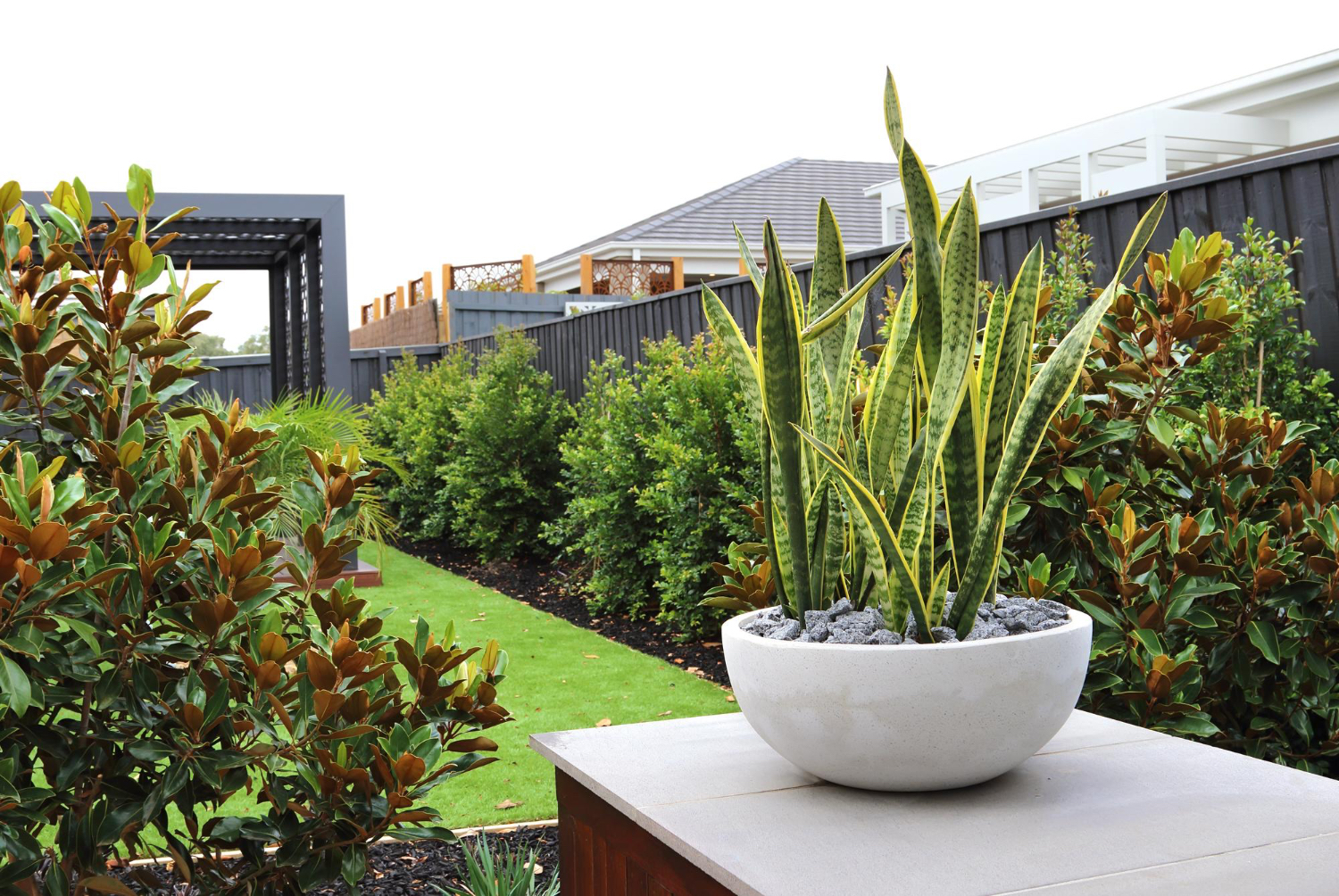
Once you define a plant’s function, environmental compatibility must take precedence over your visual preferences. A plant will fail if its specific habitat requirements do not match your planting site.
Climate and Hardiness Zone
Choose plants suitable for the local climate. The USDA Plant Hardiness Zone Map categorizes locations based on average annual extreme minimum winter temperatures. However, because this only measures winter lows, gardeners in western regions should also consult Sunset climate zones, which account for summer heat, growing season length, and wind patterns.
Sunlight and Shade
Assess whether your site offers full sun, partial shade, or deep shade, and match these directly to the plant’s light requirements. Note that sunlight intensity varies; morning sun is less intense than late afternoon sun. Some plants suited to partial sun benefit from gentler morning light and afternoon shade, particularly in hotter climates, while shade conditions under deciduous trees will transition drastically from spring to summer.
Soil and Drainage
Consider your soil type by evaluating the balance of sand, silt, and clay. Additionally, soil pH should match the needs of the selected plants. Many perennials perform well between about 6.0 and 7.0, although individual species may prefer more acidic or alkaline conditions. Most importantly, ensure proper drainage. Plants requiring well-drained soil will struggle and fail in wet, poorly drained locations.
Water and Moisture
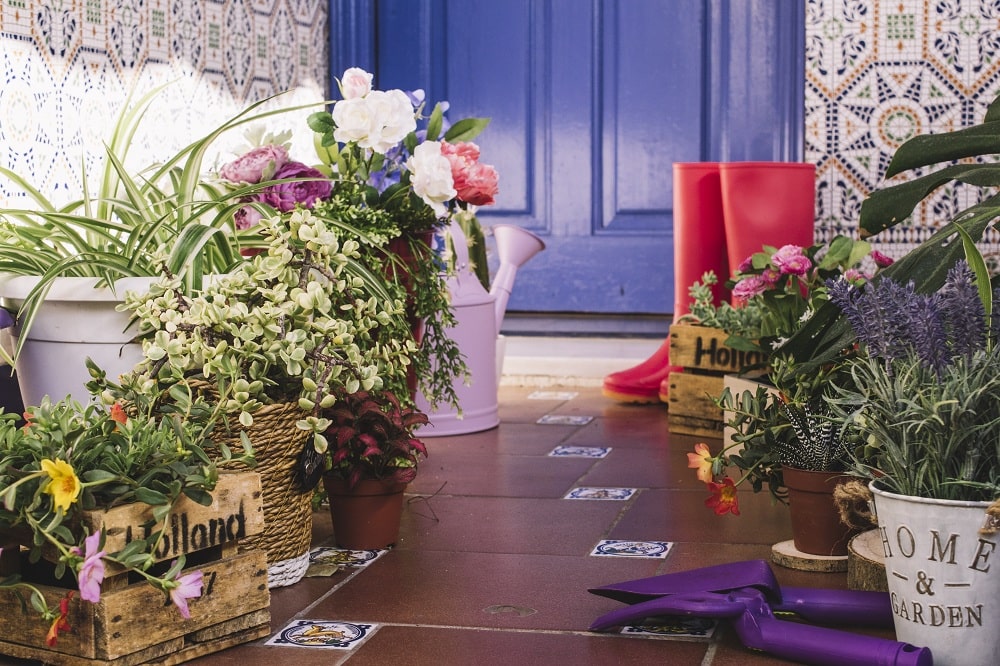
Consider natural rainfall and your irrigation capabilities. Avoid combining plants with different watering needs unnecessarily. Use hydrozoning to group plants by their specific moisture requirements, which prevents overwatering some species while neglecting others in the exact same area.
Consider Mature Size and Available Space
Courtesy: Magnific
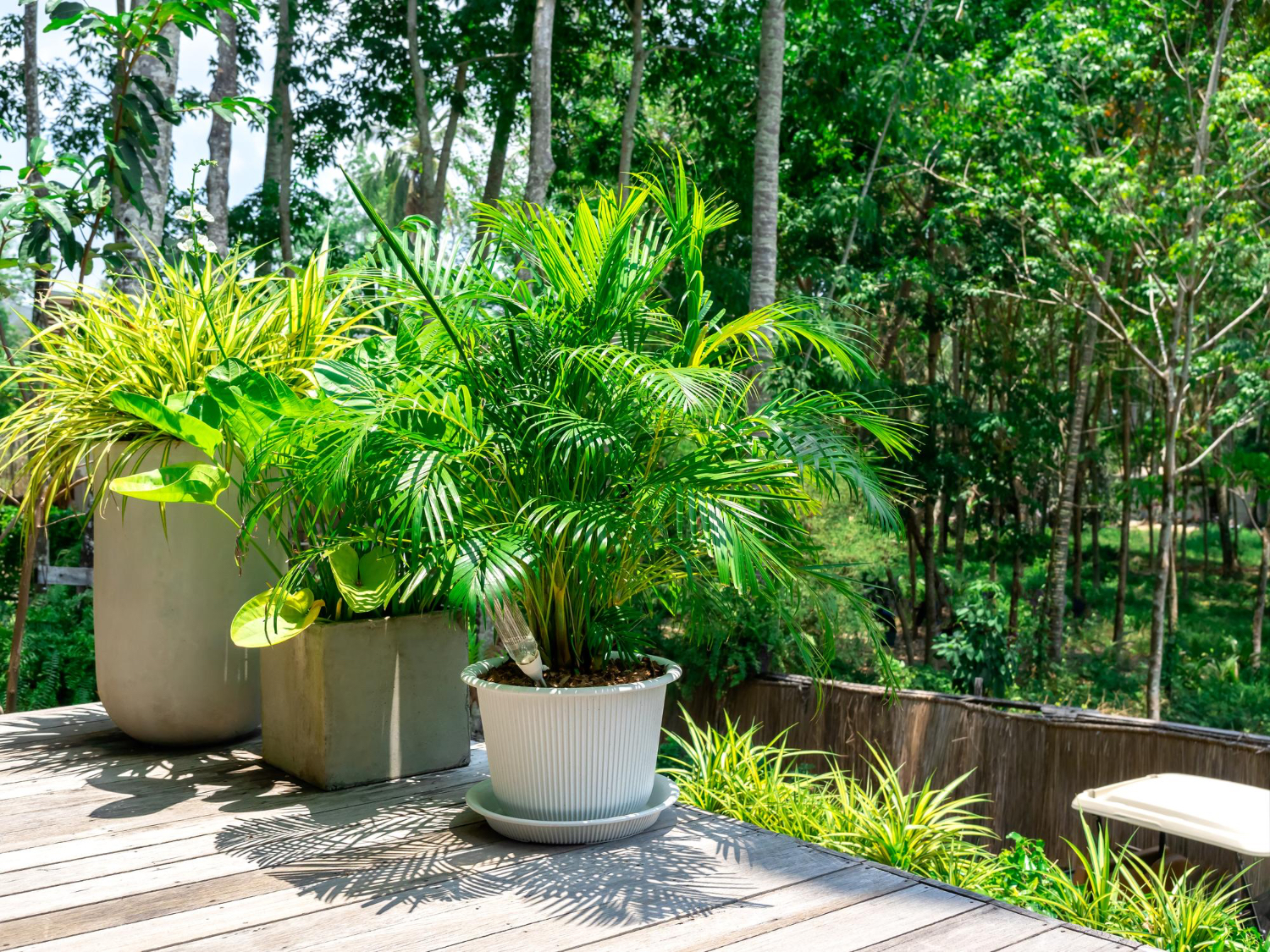
Plants must always be selected and positioned according to their mature height and spread, not their size when purchased.
You must account for the proper spacing between plants, as well as their proximity to buildings, pathways, windows, entrances, overhead structures, and underground root space. Allow enough clearance around the plant’s expected mature spread to protect nearby structures, maintain access, and support adequate air circulation.
Failing to account for mature dimensions causes severe overcrowding. Overcrowding can lead to competition for light, water, and nutrients while reducing air circulation and increasing disease pressure. It may also create ongoing pruning and maintenance problems and eventually require plants to be moved or replaced.
Build a Plant Palette and Check Availability
After you have eliminated unsuitable options based on climate, sunlight, soil, moisture, and mature size, the remaining plants can be organized into a cohesive plant palette. This functional list typically separates vegetation into plant types such as trees, shrubs, tropical plants, groundcovers, and perennials.
Before the landscape plan is finalized, it is critical to confirm the availability of these specific plants. Nursery availability varies seasonally and can change quickly, so specifying plants without checking current supply during the design phase can lead to forced substitutions later.
To avoid availability surprises and streamline procurement, landscape professionals may work with wholesale sourcing partners. For instance, Morning Dew connects professional buyers with tropical plants sourced from a network of Florida growers. This type of sourcing arrangement can make it easier to check current availability, locate specific plants and sizes, and coordinate purchases without managing relationships with numerous individual nurseries. Always verify your palette against current stock before beginning the physical layout.
Balance Form, Texture, and Color
Courtesy: Magnific
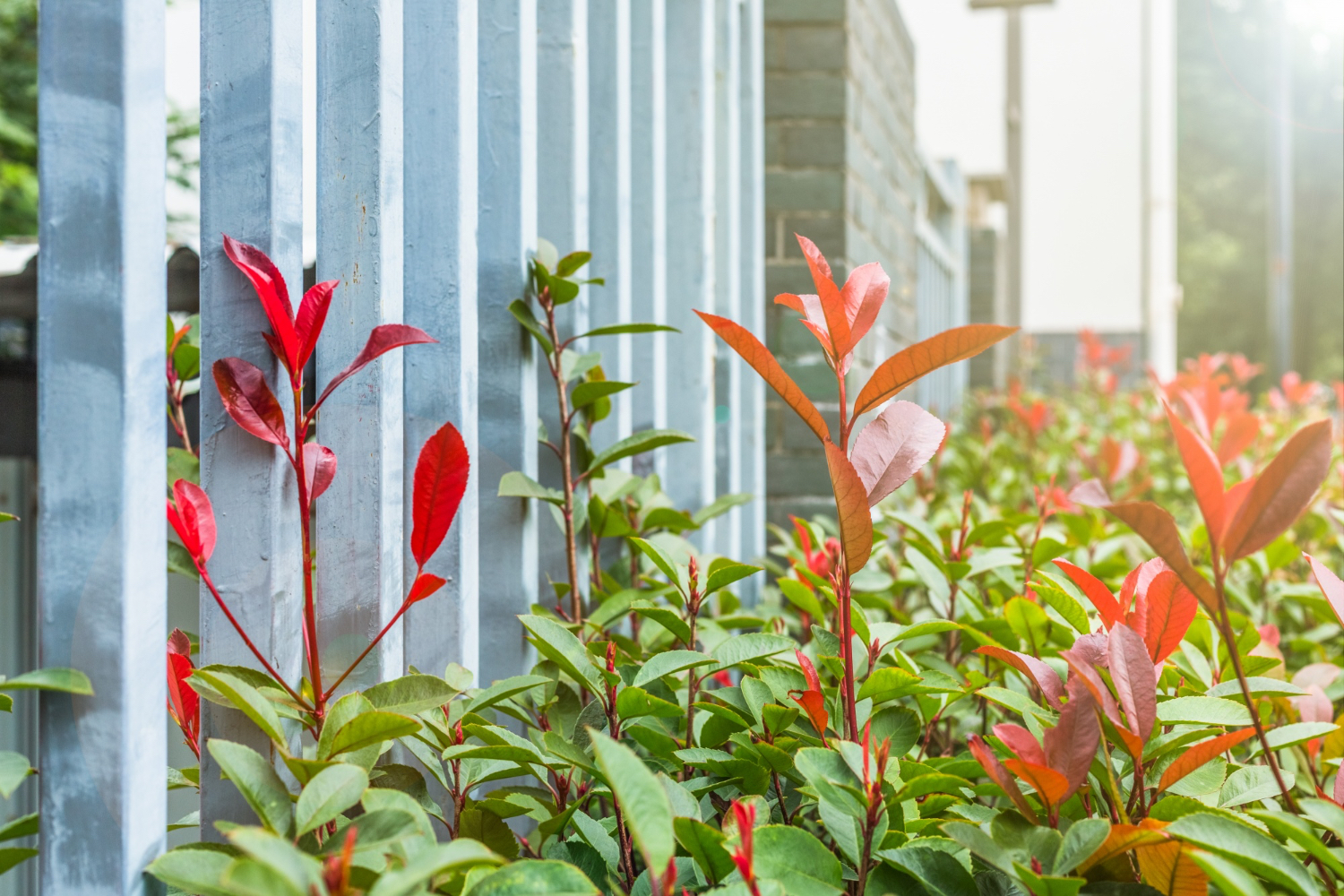
Once all practical requirements have been satisfied, plants can finally be selected for visual compatibility. The goal is to create a cohesive plant palette rather than simply choosing many unrelated species just because they look attractive individually.
Professional planting design establishes the structural “form” first using trees and hedges for shape and year-round architecture. From there, you can layer foliage texture and color. Implement a layered approach by placing taller, commanding species in the background and compact plants in the foreground to soften pathway edges.
Use repetition throughout the landscape by arranging plants in groups or drifts of three to five, which creates visual impact and prevents a cluttered look. Finally, use contrast selectively to highlight specific textures. By anchoring the design with strong structural forms and carefully layering varied heights, you ensure a unified, dynamic space.
Plan for Maintenance and Year-Round Interest
Every plant selection has long-term implications for your landscape’s upkeep and evolution. Carefully consider ongoing pruning needs, watering schedules, seasonal cleanup, and the growth rate of your chosen species. Choose plants whose maintenance requirements accurately match the amount of time and resources available.
Additionally, plan for twelve months of visual appeal by balancing evergreen plants against seasonal varieties. Combine plants with different flowering periods to create a four-stage relay of highlights: spring bulbs, high-vibrancy summer blooms, autumn color shifts, and winter greenery. Emphasize year-round foliage and structure. For instance, leaving dried seed heads in place during colder months provides beautiful structural silhouettes and winter wildlife habitat. By prioritizing lasting structural forms alongside transient decorative blooms, you maintain continuous interest without inflating the maintenance workload.
Final Plant Selection Checklist
Before finalizing your landscape layout, confirm every plant meets these fundamental criteria:
- Intended landscape function: Provides necessary screening, shade, or boundaries.
- Local climate suitability: Matches your precise local hardiness zones.
- Light requirements: Fits the specific sun or shade available on site.
- Soil and drainage suitability: Compatible with local soil texture and drainage rates.
- Water requirements: Shares needs with surrounding plants in its hydrozone.
- Mature size vs space: Has adequate physical room for its fully grown height and spread.
- Availability: Confirmed in stock in the required size and quantity.
- Manageable maintenance: Matches available time and resources for pruning and cleanup.
Design complementarity: Balances form, texture, and color cohesively with the palette.
Also Read: Six Winter Plants That You can Plant in Your Home Garden
FAQs – How to Choose Plants for A Landscape
1. What is the most important factor when choosing landscape plants?
The most important factor is whether a plant is suited to the conditions of its intended location. Climate, sunlight, soil, drainage and water availability should be assessed before considering appearance.
2. How do I choose plants for a small garden?
Choose plants based on their mature height and spread, rather than their current nursery size. Compact trees, shrubs and groundcovers can help prevent overcrowding and reduce future pruning.
3. Why is mature plant size important in landscape design?
A plant that outgrows its allocated space can block windows and pathways, interfere with structures and compete with nearby plants for light, water and nutrients. Checking mature dimensions helps prevent these problems.
4. How should plants with different water requirements be arranged?
Plants with similar moisture requirements should be grouped together in the same hydrozone. This makes irrigation more efficient and reduces the risk of overwatering or underwatering individual plants.
5. How can I make my landscape look attractive throughout the year?
Use a combination of evergreen plants, seasonal flowers, trees and shrubs with different flowering or foliage periods. Layering plants by height and combining contrasting forms and textures can also maintain visual interest across the seasons.
Courtesy - Featured Image(Magnific)
Author & Expert Review
Written & Verified By :  Ravin Desai – Co Founder – Gharpedia | Co Founder – 1 MNT | Director – SDCPL

| Credentials: B.Tech. in Civil Engineering from VNIT Nagpur and M.S. in Civil Engineering from Clemson University, USA. Co-Founder of Gharpedia and Director at Sthapati Designers & Consultants Pvt. Ltd.. Experience: Civil engineering professional with over a decade of international and Indian experience in the construction and design consultancy sector, with expertise in technical review and industry practices. Expertise: Specializes in reviewing technical content related to civil engineering, construction, design consultancy, materials, and industry practices. He ensures content is technically accurate, aligned with industry standards, and reflects practical construction and design best practices. Find him on: LinkedIn |