





Table of Contents
Quick Summary
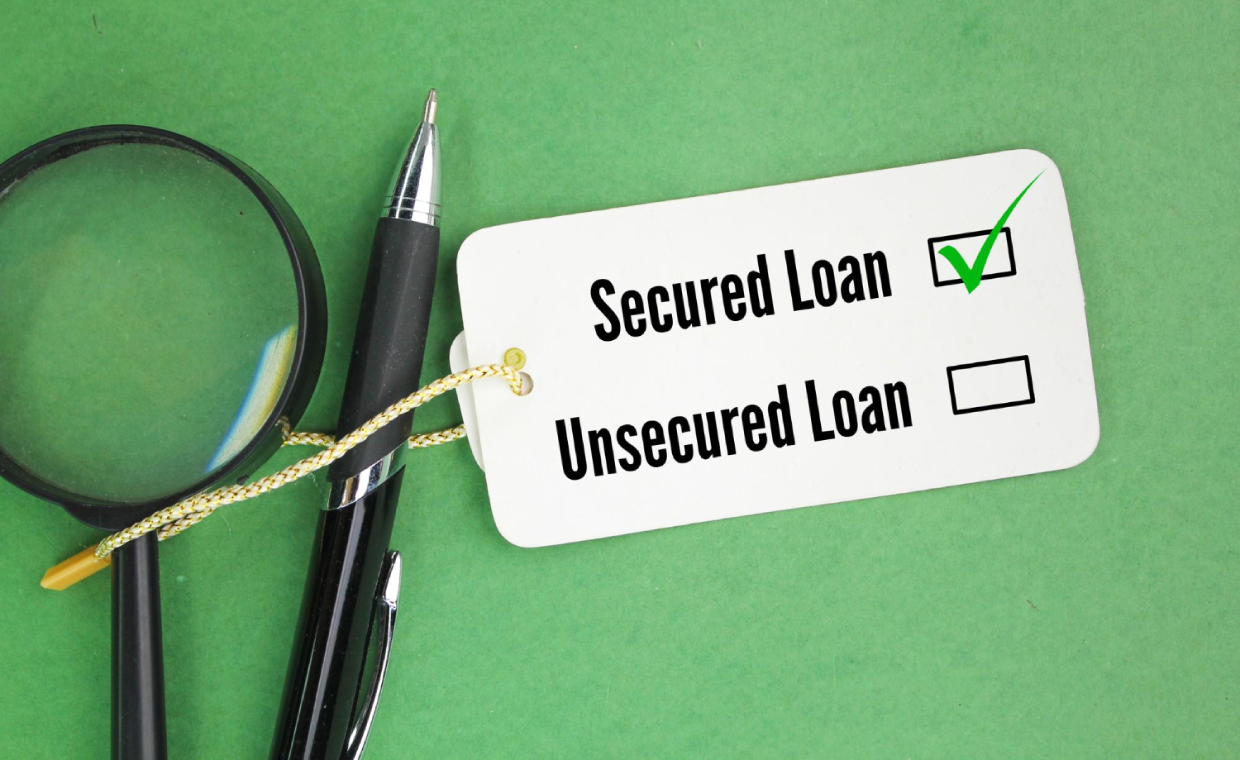
- A secured loan is backed by an asset such as a home, property, or another valuable asset.
- Secured loans may offer lower interest rates, higher borrowing limits, and longer repayment periods than unsecured loans.
- Lenders consider factors such as credit history, income stability, existing debt, loan amount, and the value of the collateral.
- Home improvements, debt consolidation, and major expenses are common reasons people consider secured borrowing.
- Before choosing a loan, compare the total repayment cost, APR, fees, repayment flexibility, and risks of pledging collateral.
- Missing payments can put the pledged asset at risk, so borrowers should assess their long-term ability to repay.
Courtesy - Magnific
It’s not a decision to be taken lightly. The choice you make can shape your financial situation for years. It is important to know what is on the table when you are working on a home renovation, consolidating several debts or paying for a major life event. Another option that keeps cropping up in these discussions is lån med sikkerhet, better known as a secured loan.
The distinction between secured and unsecured debt is one thing: collateral. Secured loans mean you need just before offer some form of collateral, which gives the lender something to fall back on if you stop making payments. That changes the math around interest rates, how much you can borrow and who qualifies in the first place. If you understand how it all works you are better able to decide whether it is appropriate to what you are trying to do.
What Is a Lån Med Sikkerhet?

A lån med sikkerhet is a loan tied to an asset you own. Usually that means a home, another property, or something else with real value – enough that the lender’s exposure drops significantly.
Because the lender has protection, borrowers often see benefits like:
- Lower interest rates than most unsecured loans.
- Higher borrowing limits.
- Longer repayment periods.
- More room to finance the bigger expenses in life.
That’s the upside. The trade-off is real, though. When you pledge an asset, you’re accepting that if things go wrong and repayments stop, the lender has legal ways to recover what’s owed – and that can mean losing what you put up as security.
Why Secured Loans Often Have Different Terms
Every lender assesses risk before saying yes. When you bring collateral to the table, their exposure drops, which is why the terms tend to look better than what you’d get on an unsecured loan.
But several factors still shape what you’re offered:
- Credit history.
- Income stability.
- Existing debt.
- Loan amount.
- Loan-to-value ratio.
- The value of the asset you’re pledging.
Lenders still conduct affordability checks, even if a borrower has collateral. They need to be sure that your monthly payments will remain affordable for the entire length of the loan, not just the first year.
Common Reasons People Choose Secured Borrowing
Secured loans are generally used for bigger financial objectives, rather than day-to-day expenses.
Home Improvements
Renovations can lift both how comfortable your home feels and what it’s worth long-term. That’s why homeowners often turn to secured borrowing for bigger projects – the longer repayment periods make it more workable than trying to squeeze everything into a shorter unsecured loan.
Debt Consolidation
Some borrowers roll multiple high-interest debts into one secured loan, leaving them with a single monthly payment. It can simplify things, but there’s a catch worth taking seriously. When you refinance unsecured debt into a secured loan, that debt is now tied to your collateral. What was previously just a credit card balance is now attached to your house.
Major Purchases
Big-ticket items – significant property work, major family expenses – sometimes cost more than what unsecured lenders will hand over. That’s where secured borrowing tends to enter the picture.
Factors to Compare Before Applying
Picking a loan based on the headline interest rate alone is one of the easiest ways to end up regretting the choice later.
The things that actually matter:
- Total repayment cost.
- Annual percentage rate (APR).
- Loan fees.
- Repayment flexibility.
- Early repayment conditions.
- Whether the rate is variable or fixed.
- The risks that come with pledging collateral.
For a good baseline, check out independent educational resources like Investopedia, the Consumer Financial Protection Bureau and the European Banking Authority that explain lending terminology and borrower rights without trying to sell you anything.
When considering different options, most people end up looking at both educational content and lending marketplaces. Consumer sites such as thezebra.com cover a wider range of personal finance topics and help put borrowing decisions into perspective. Some also find references such as forbrukslån.no – med sikkerhet when searching for what secured borrowing looks like in practice and how different loan products are composed.
Understanding the Risks
Secured borrowing has clear advantages, but it also puts more on the line. That’s the honest reality of it.
Missed payments carry heavier consequences when a loan is tied to an asset. Before you sign anything, do the harder version of the maths – not just whether you can afford payments today, but whether you could still cover them if something unexpected hit your income six months from now.
The risks worth naming:
- Losing the asset you pledged.
- Long-term repayment commitments that can feel restrictive.
- Extra fees when payments are missed.
- Less financial flexibility when the economy or your circumstances shift.
Borrowing responsibly means planning for the version of your life that goes well and the version that doesn’t.
Improving Loan Eligibility
Rather than walk in cold, most borrowers can boost their chances of getting decent terms by beefing up their financial profile before applying.
Steps that tend to help:
- Bringing down existing debt balances.
- Building a solid payment history over time.
- Staying in stable employment.
- Building up more equity in a property.
- Checking your credit report and correcting any mistakes.
Preparation isn’t only about getting approved. It often translates into a better interest rate too, which can save real money across the life of the loan.
Alternatives Worth Considering
A secured loan isn’t automatically the right answer for every situation.
Depending on how much you need and what your circumstances look like, other options might make more sense:
- Personal unsecured loans.
- Savings you’ve already built up.
- Home equity lines of credit where they’re available.
- Financing a project in phases instead of all at once.
- Adjusting your budget so you don’t need to borrow as much.
Sometimes it’s being able to see a few options side by side that makes the difference between making a good choice and just taking what’s there.
Building Long-Term Financial Stability
Any borrowing you do should fit into your larger financial picture, not add ongoing stress to it. Before you agree to take out a loan, take a hard look at how the repayments fit in with your income, your savings and where you want to be in a few years.
Financial decisions don’t age well if you only know the interest rate, not the full cost of borrowing, not everything you’re committing to, and the risks of pledging collateral. Compare products, use independent guidance, and be realistic about what you can afford. This is how you get a loan that remains affordable, instead of one that slowly squeezes you.
The understanding of lån med sikkerhet is not about the biggest loan you can get in the end. It’s the use of financing that is responsible money management that protects your long-term financial health.
Also Read: 10 Mistakes to Avoid While Taking a Home Loan!
FAQs on Secured Loan
1. What is a secured loan?
A secured loan is a loan backed by an asset owned by the borrower, such as a home, property, or another valuable asset.
2. What are the benefits of a secured loan?
A secured loan may provide lower interest rates, higher borrowing limits, longer repayment periods, and greater access to funds for major expenses.
3. What can be used as collateral for a secured loan?
The article identifies a home, another property, or another asset with sufficient value as potential collateral.
4. What are the risks of secured borrowing?
The main risk is that the pledged asset may be at risk if you stop making repayments. Borrowers may also face long-term repayment commitments, additional fees, and reduced financial flexibility.
5. What should you compare before choosing a secured loan?
Consider the total repayment cost, APR, loan fees, repayment flexibility, early repayment conditions, fixed or variable interest rates, and the risks associated with pledging collateral.
Author & Expert Review
Written By:  Nidhi Patel | Civil Engineer & Content Writer

| Credentials: B.E. (Mahatma Gandhi Institute of Technical Education and Research Centre), Registered with Gujarat Technological University (GTU). Experience: Civil Engineer with 3+ years of content writing experience, currently writing blogs for Gharpedia, part of SDCPL. Expertise: Specializing in SEO-optimized blogs and long-form articles focused on home improvement, construction, interiors and architect topics. I create well-researched, reader-focused content that balances technical accuracy with clarity, making complex subjects easy to understand. Find her on: LinkedIn |
Verified By Expert:  Vaidehi Desai | Owner – Gharpedia | MBA (Finance), PGDHRM

This article has been reviewed for financial, operational, and content quality accuracy by Vaidehi Desai, Owner and Operations Lead of Gharpedia, a venture of Sthapati Designers & Consultants Pvt. Ltd. With over 10 years of experience in managing an educational and media platform in architecture, construction, and home-building, along with a strong background in finance, business operations, and human resource management, she ensures the content meets organizational standards, factual reliability, and overall quality benchmarks.
Find her on : LinkedIn