





Table of Contents
Quick Summary
- Define the practice’s unique capabilities, design style, or target markets to make strengths recognizable across all proposals and branding assets.
- Structure the site as an active business tool with clear service descriptions, detailed project case studies, and obvious contact calls to action.
- Utilize paid media campaigns with clear objectives such as promoting specific services or expanding into new markets rather than relying solely on organic visibility.
- Proactively maintain authentic relationships with former clients, contractors, developers, and consultants to drive consistent architecture firm growth.
- Transform completed project briefs, site challenges, and design decisions into informative blogs, case studies, videos, and social content to demonstrate expertise.
- Implement a structured CRM approach to track inquiries and regularly re-engage prospective clients with useful insights and relevant updates.
Courtesy: Magnific
Running an architecture practice can get weirdly complicated. One minute the focus is a new concept, a difficult site, or a client presentation; the next, there are invoices, proposals, emails, marketing decisions, and a calendar that somehow filled itself. Being good at architecture is essential, but building a healthy business around that talent requires a different set of habits. Growth usually comes from paying attention to the less glamorous parts of the practice too, especially the ones that affect how clients discover the firm, decide to reach out, and eventually choose to work with it. A few practical changes can make that side of the business feel much more intentional without turning the practice into a corporate machine.
1. Get Very Clear About What the Firm Does Best
Courtesy: Magnific
“We do architecture” is accurate, but it is hardly memorable. Potential clients need a clearer reason to choose one firm over another. That could mean specializing in a particular type of project, becoming known for a certain design approach, or developing expertise in a specific market. The goal is not to squeeze the firm into one tiny box forever. It is to make its strengths easier to recognize. Identifying the firm’s markets, capabilities, message, and distinguishing qualities should be part of a business development plan. Once that positioning is clear, it should show up everywhere: website copy, portfolio descriptions, social profiles, proposals, and even the way team members introduce the business at events.
2. Treat the Website Like a Business Tool
Courtesy: Magnific
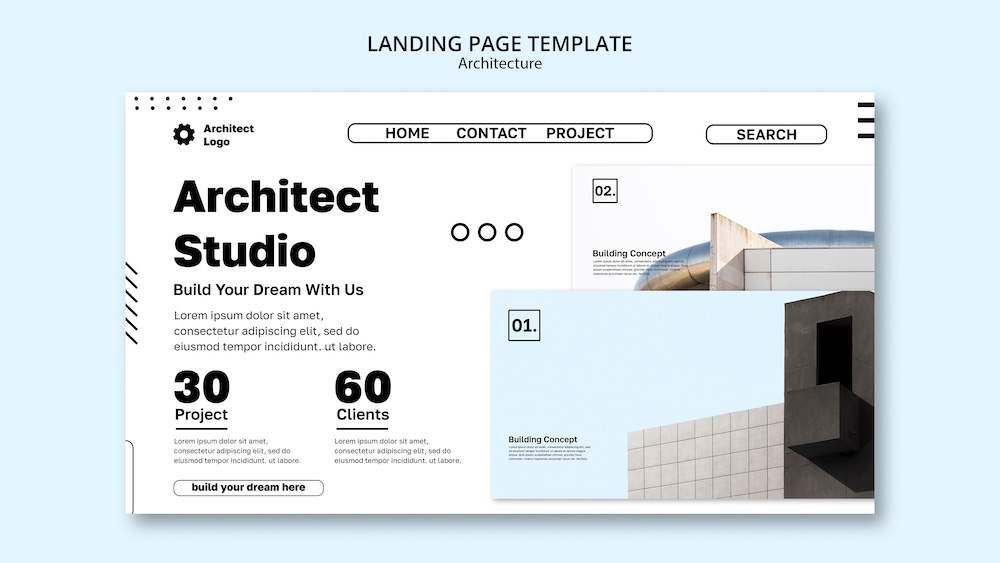
An architecture website should look good. Obviously. But gorgeous project photos are only half the job. The site also needs to help potential clients understand what the firm actually does, who it works with, and what the next step should be. Architecture website guidance increasingly treats the website as part of the business development process rather than a static online portfolio. Make project pages useful by explaining the challenge, the design response, the firm’s role, and the outcome instead of simply dropping a gallery of images onto the page. Clear contact details, straightforward service descriptions, and useful calls to action can remove unnecessary friction. Basically, visitors should not need detective skills to figure out how to start a conversation.
3. Stop Treating Paid Marketing Like a Random Experiment
Organic visibility matters, but paid campaigns can help an architecture firm reach specific audiences instead of hoping the right person happens to discover a post. Working with a paid media agency can make sense when a firm wants help with campaign strategy, audience targeting, creative testing, and measuring results. The important part is having a clear goal before spending money. Is the campaign meant to generate enquiries, promote a particular service, increase awareness in a new market, or drive people to a specific project page? Paid media works better when it supports an actual business objective rather than becoming another monthly expense with a mysterious spreadsheet attached to it. Digital marketing remains underused across architecture practices, even though web, social, and email channels can help firms build awareness and generate business opportunities.
4. Build a Referral Network on Purpose
Referrals are hugely important in architecture, but waiting around for them is hardly a growth strategy. A better approach is to actively maintain relationships with former clients, developers, contractors, consultants, real-estate professionals, and other people who regularly interact with potential clients. AIA research has identified client referrals as one of the major expected sources of firm growth, while architecture business-development guidance also emphasizes keeping referral contacts informed about the kinds of projects a firm wants. That does not mean sending awkward “just checking in” messages every three weeks. Share a recently completed project, congratulate a contact on a new role, invite relevant people to an event, or simply reconnect when there is something worth talking about. Relationships work much better when they feel like actual relationships.
5. Turn Completed Projects Into Better Content
Courtesy: Magnific
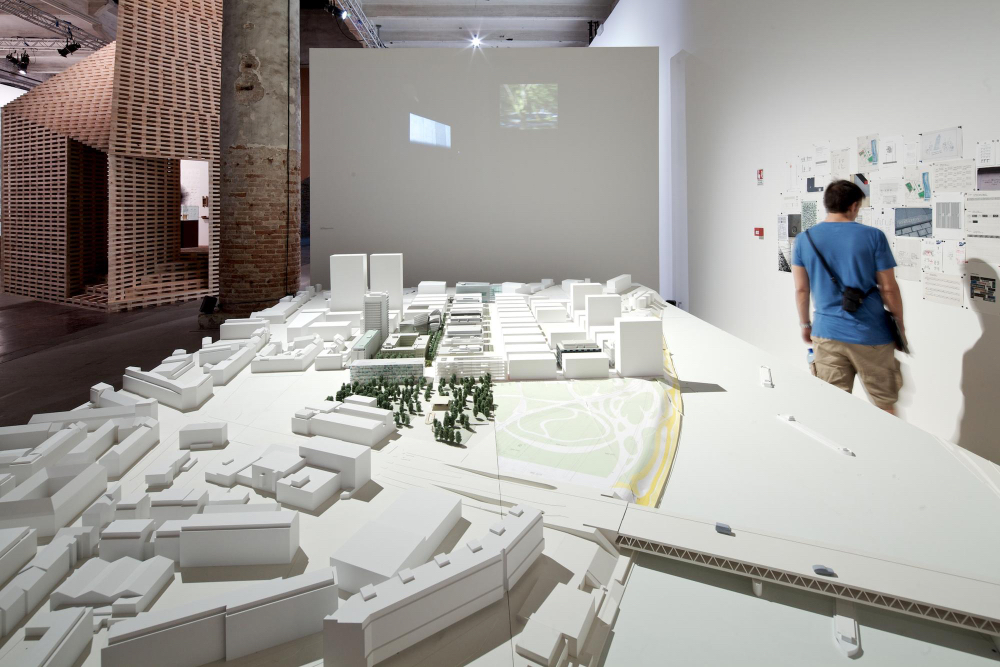
Every finished project contains far more marketing material than a handful of polished photographs. There is the original brief, the tricky site conditions, material choices, sustainability considerations, planning challenges, client priorities, unexpected changes, and the final result. That information can become case studies, blog posts, social content, newsletters, presentations, or short videos. It also gives potential clients something more useful than a collection of pretty buildings: evidence of how the firm thinks and works. Some recent marketing guidance recommends sharing value with ideal clients before they hire a firm, while architecture marketing resources emphasize using project stories and digital channels to communicate expertise. And honestly, a good explanation of why a design decision was made can be far more interesting than another perfectly staged exterior shot.
6. Get Serious About Following Up
A promising conversation can disappear surprisingly quickly when nobody follows up. Architecture firms often have plenty happening at once, so a simple system can prevent good opportunities from getting lost in someone’s inbox. Keep track of prospective clients, referral contacts, previous clients, conversations, and agreed next steps. A CRM can help organize that information and give the team a shared view of relationships and opportunities. Follow-up does not need to be aggressive or salesy. A useful article, a relevant project example, a quick answer to a previous question, or a simple update can keep the relationship moving. The key is consistency. If someone has already shown genuine interest, leaving them hanging for six months is a pretty unnecessary own goal.
Conclusion
A growing architecture practice still needs the things that made people care about its work in the first place: good ideas, strong design, and a clear point of view. The business side simply needs enough structure to give those things room to develop. That might mean tightening a few processes, being more deliberate with communication, or finally dealing with the tasks that have been sitting on the “later” list for far too long. Small operational changes can have a surprisingly big effect when they become part of how the practice works every day.
Also Read: Why Should You Use a Residential Architecture Firm?
Architecture Firm Growth FAQs
1. What is the most effective strategy for sustainable architecture firm growth?
The most reliable strategy combines clear market positioning with structured systems. Defining your specific niche, maintaining an active client referral network, and leveraging CRM systems for consistent follow-ups ensure repeatable business expansion without diluting design quality.
2. How can an architecture firm optimize its website to generate more leads?
Rather than treating a website as a static image gallery, structure project pages as detailed case studies that explain site challenges, design strategies, and final outcomes. Including clear calls to action, service breakdowns, and easy contact options makes it effortless for prospective clients to engage.
3. Is paid marketing worth the investment for an architecture practice?
Yes, provided campaigns target specific goals such as generating new inquiries, promoting niche services, or expanding into new regional markets. Working with clear metrics prevents paid media from becoming an unnecessary expense.
4. How do client referrals impact business development in architecture?
Referrals remain one of the largest drivers of firm expansion. Proactively sharing project updates, sending strategic follow-ups, and nurturing ongoing relationships with developers, contractors, and past clients ensures a steady stream of warm leads.
5. Why is content repurposing valuable for architecture firms?
Every completed project contains rich stories from initial briefs and sustainability decisions to site constraints. Converting these details into blog posts, case studies, social content, and videos demonstrates design expertise and builds trust with ideal clients before they even schedule a consultation.
Author & Expert Review
Written By:  Nidhi Patel | Civil Engineer & Content Writer

| Credentials: B.E. (Mahatma Gandhi Institute of Technical Education and Research Centre), Registered with Gujarat Technological University (GTU). Experience: Civil Engineer with 3+ years of content writing experience, currently writing blogs for Gharpedia, part of SDCPL. Expertise: Specializing in SEO-optimized blogs and long-form articles focused on home improvement, construction, interiors and architect topics. I create well-researched, reader-focused content that balances technical accuracy with clarity, making complex subjects easy to understand. Find her on: LinkedIn |
Verified By Expert: Farhan Shaikh – Senior Manager – Architect, SDCPL | Associate Member – IIA

This article has been reviewed for architectural and interior design accuracy by Farhan Shaikh, Senior Manager – Architect at Sthapati Designers & Consultants Pvt. Ltd. As the lead for all architectural and interior projects at SDCPL and an Associate Member of the Indian Institute of Architects (IIA), he brings hands-on experience in architectural planning, interior design, project coordination, and sustainable strategies. His review ensures the content reflects practical design considerations, industry best practices, and real-world applicability across both architecture and interior spaces.
Find him on : Linkedin