







Table of Contents
Quick Summary
- Hidden plumbing leaks beneath concrete foundations saturate subfloor soil, shifting load-bearing balances and causing structural stress or uneven floors.
- Expansive clay soils swell from continuous moisture and exert upward pressure, while sandy soils wash away and leave hollow voids that cause concrete slabs to settle.
- Common culprits include corroded copper supply lines reacting with acidic soil, cracked cast iron drain pipes, and failed wax rings or flange seals.
- Early warning signs involve warm spots on floors, unexplained spikes in water bills, phantom running water sounds, sticking interior doors, diagonal wall cracks, and soggy patches outdoors.
- Professional diagnostics like acoustic listening devices, thermal imaging cameras, and fibre-optic sewer cameras locate sub-slab leaks without invasive excavation.
- Preventative measures include monitoring water pressure below 70 PSI, scheduling periodic video inspections for older homes, and maintaining appropriate home insurance.
Water damage emergencies occur in American properties almost every day, and many stem from pressurized supply lines or corroded drain pipes hidden beneath concrete foundations. When a concealed pipe fails, moisture does not simply evaporate into the air. Instead, it alters the structural soil supporting your property, gradually shifting the load-bearing balance of your entire house.
Most homeowners expect a plumbing failure to announce itself with a flooded hallway or a dripping ceiling. Subterranean plumbing operates differently, quietly saturating dirt and clay for months before a single crack appears in your drywall.
How Underground Leaks Destabilize Foundation Soil
Soil behaves much like a dense sponge when exposed to continuous moisture from a broken pipe. As water escapes into the ground beneath a property, it creates localized pockets of saturation that behave differently than the surrounding dry earth. Expansive clay soils absorb this excess moisture and swell upward, exerting uneven pressure against the bottom of a concrete slab.
Conversely, sandy or loose soils can wash away entirely when subjected to a steady stream of pressurized water. This erosion is a growing problem, and leaves hollow voids beneath the concrete, removing the upward support the structure relies upon to remain level. Over time, the weight of the house forces the unsupported concrete to settle into those empty spaces, resulting in structural stress and uneven floors.
Property owners who work with providers of reliable plumbing solutions for homes in Dallas, TX and other parts of the country will catch these pressure drops before soil erosion compromises the structural slab. Routine diagnostic pressure testing carried out by experts identifies minor anomalies in closed water systems long before surface symptoms appear.
Common Concealed Plumbing Culprits
Not every foundation threat comes from a dramatic pipe burst. Slow, persistent leaks in specific areas of a residential plumbing system account for most long-term structural moisture issues.
Several hidden plumbing failures frequently contribute to subterranean soil movement:
- Corroded copper supply lines reacting with acidic soil minerals beneath concrete slabs
- Compromised cast iron drain pipes developing longitudinal cracks from age and ground shifting
- Failed wax rings or flange seals allowing wastewater to seep directly into the subfloor and surrounding dirt
Each of these issues introduces water directly into the foundation footprint rather than routing it safely away from the perimeter. Because drain line leaks only release water when fixtures are actively used, they are notoriously difficult to detect without specialized camera inspections.
Early Warning Signs Inside and Outside Your Home
Recognizing the subtle physical symptoms of a sub-slab leak allows homeowners to intervene before structural underpinning becomes necessary. Because water travels along the path of least resistance, the earliest clues often appear in unexpected places throughout the living space.
Warm spots on tile or hardwood flooring frequently indicate a leaking hot water supply line running directly beneath the concrete. You might also notice a sudden, unexplained spike in your monthly water bill alongside the faint sound of running water when all faucets are turned off. As the foundation shifts from soil saturation, interior doors may start sticking in their frames, and diagonal cracks can form near window corners.
Conducting a simple water meter leak test by shutting off all household fixtures and watching the flow indicator can immediately confirm an active supply leak. If the dial continues to move, water is escaping somewhere within the system.
Outside the home, foundation moisture problems often manifest as soggy patches of grass during dry weather or unexplained fungal growth near the exterior concrete perimeter. Addressing these exterior anomalies promptly prevents hydrostatic pressure buildup from forcing moisture upward through microscopic pores in the slab.
Diagnostic Methods and Long-Term Prevention
Modern plumbing diagnostics allow technicians to pinpoint underground failures without tearing up entire floors. Acoustic listening devices amplify the distinct sound frequencies of pressurized water escaping a pipe beneath several inches of concrete. Thermal imaging cameras also map temperature variations across flooring surfaces, visually isolating hot water leaks within minutes.
For drain lines, fiber-optic sewer cameras travel directly through existing cleanouts to capture high-definition video of pipe interiors. This visual inspection reveals root intrusions, offset joints, and hairline fractures without requiring invasive excavation. Once a leak is located, repair options range from targeted spot repairs to epoxy pipe lining or rerouting supply lines overhead through the attic.
Preventative maintenance remains the most effective defense against subterranean water damage. Monitoring household water pressure with a simple hose-bib gauge ensures your pressure-reducing valve keeps levels between 50 and 70 PSI, preventing excessive strain on aging joints. Scheduling periodic video inspections for homes older than thirty years also helps identify deteriorating cast iron pipes before they collapse.
Also, having adequate home insurance is another must. While not all plumbing problems will be covered, a well-chosen policy should give you a way to claim if disaster does strike.
Protecting Your Property Through Proactive Maintenance
Understanding how concealed water lines interact with your home’s structural support system turns reactive repairs into manageable upkeep. If you want to explore more ways to safeguard your residential pipes and drainage systems, browse our related articles on household plumbing maintenance and leak detection strategies.
Also Read: Why Hiring a Professional Plumbing Company is Essential for Every Homeowner
FAQs on Hidden Plumbing Problems
1. How do hidden plumbing leaks damage a home’s foundation?
Concealed leaks quietly saturate the soil beneath a concrete slab for months, causing clay soils to swell upward or washing away sandy soils to create hollow voids that compromise the structural support of the house.
2. What are the early signs of a sub-slab plumbing leak?
Subtle indicators include warm spots on tile or hardwood floors, unexpected spikes in monthly water bills, the faint sound of running water when fixtures are off, sticking interior doors, diagonal wall cracks, and soggy exterior patches.
3. What are the most common causes of concealed plumbing failures?
Frequent culprits include corroded copper supply lines reacting with acidic soil minerals, longitudinal cracks in aging cast iron drain pipes, and failed flange seals or wax rings.
4. How do professionals detect underground leaks without tearing up floors?
Technicians use specialized diagnostic tools such as acoustic listening devices to hear pressurized water, thermal imaging cameras to map temperature variations, and fibre-optic sewer cameras for internal pipe inspection.
5. What preventative steps can homeowners take to protect their pipes?
Homeowners can monitor household water pressure to keep levels between 50 and 70 PSI using a hose-bib gauge, schedule periodic video pipe inspections for homes older than 30 years, and secure adequate home insurance coverage.
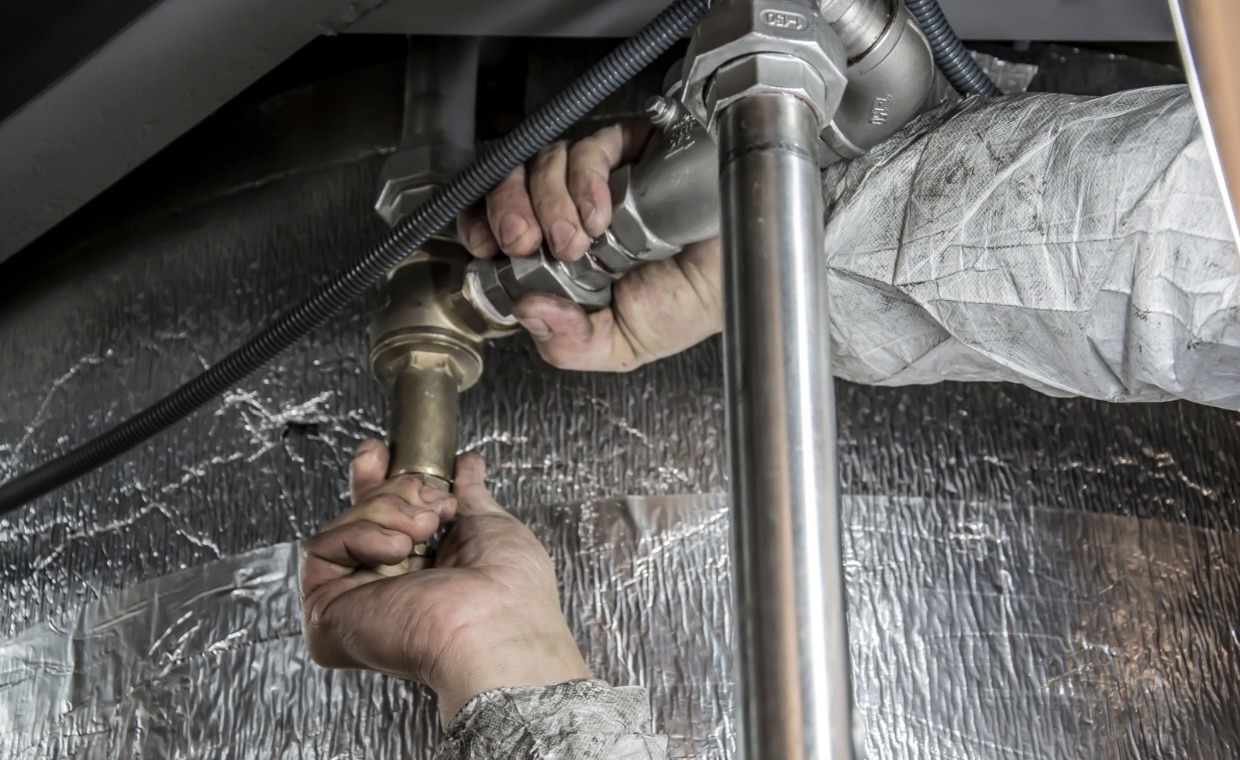
Courtesy - Featured Image(Pexels)
Author & Expert Review
Written By:  Nidhi Patel | Civil Engineer & Content Writer

| Credentials: B.E. (Mahatma Gandhi Institute of Technical Education and Research Centre), Registered with Gujarat Technological University (GTU). Experience: Civil Engineer with 3+ years of content writing experience, currently writing blogs for Gharpedia, part of SDCPL. Expertise: Specializing in SEO-optimized blogs and long-form articles focused on home improvement, construction, interiors and architect topics. I create well-researched, reader-focused content that balances technical accuracy with clarity, making complex subjects easy to understand. Find her on: LinkedIn |
Verified By Expert:  Ravin Desai – Co Founder – Gharpedia | Co Founder – 1 MNT | Director – SDCPL

This article has been reviewed for technical accuracy by Ravin Desai, Co-Founder of Gharpedia and Director at Sthapati Designers & Consultants Pvt. Ltd. With a B.Tech. in Civil Engineering from VNIT Nagpur and an M.S. in Civil Engineering from Clemson University, USA, and over a decade of international and Indian experience in the construction and design consultancy sector, he ensures all technical content aligns with industry standards and best practices.
Find him on: LinkedIn