





Table of Contents
Quick Summary
- Making small adjustments can significantly improve heat pump efficiency and comfort at home.
- Maintain consistent thermostat settings to avoid unnecessary strain on the system.
- Clean or replace air filters regularly to ensure proper airflow and better performance.
- Schedule yearly professional servicing to prevent costly repairs.
- Keep indoor and outdoor units free from obstructions for smooth operation.
- Consider zoning systems to control temperature room by room and save energy.
- Use smart thermostats for better control and reduced energy consumption.
- Proper insulation and sealing help retain indoor temperature and reduce workload.
Heat pumps are a great way to keep your home comfortable year-round. They provide an energy-efficient solution for both heating and cooling. Many homeowners appreciate their versatility and ability to lower energy costs. Unlike traditional heating methods, which generate heat, heat pumps move heat from one place to another. In cooler months, they pull warmth from the air, and in summer, they release warm air inside, keeping your home at a pleasant temperature.
One of the best features of heat pumps is their efficiency. They use a small amount of energy to move heat rather than generate it. This means you save money on energy bills and help the environment by reducing your carbon footprint.
To get the most out of your heat pump and stay comfortable, keep these tips in mind.
Temperature Settings
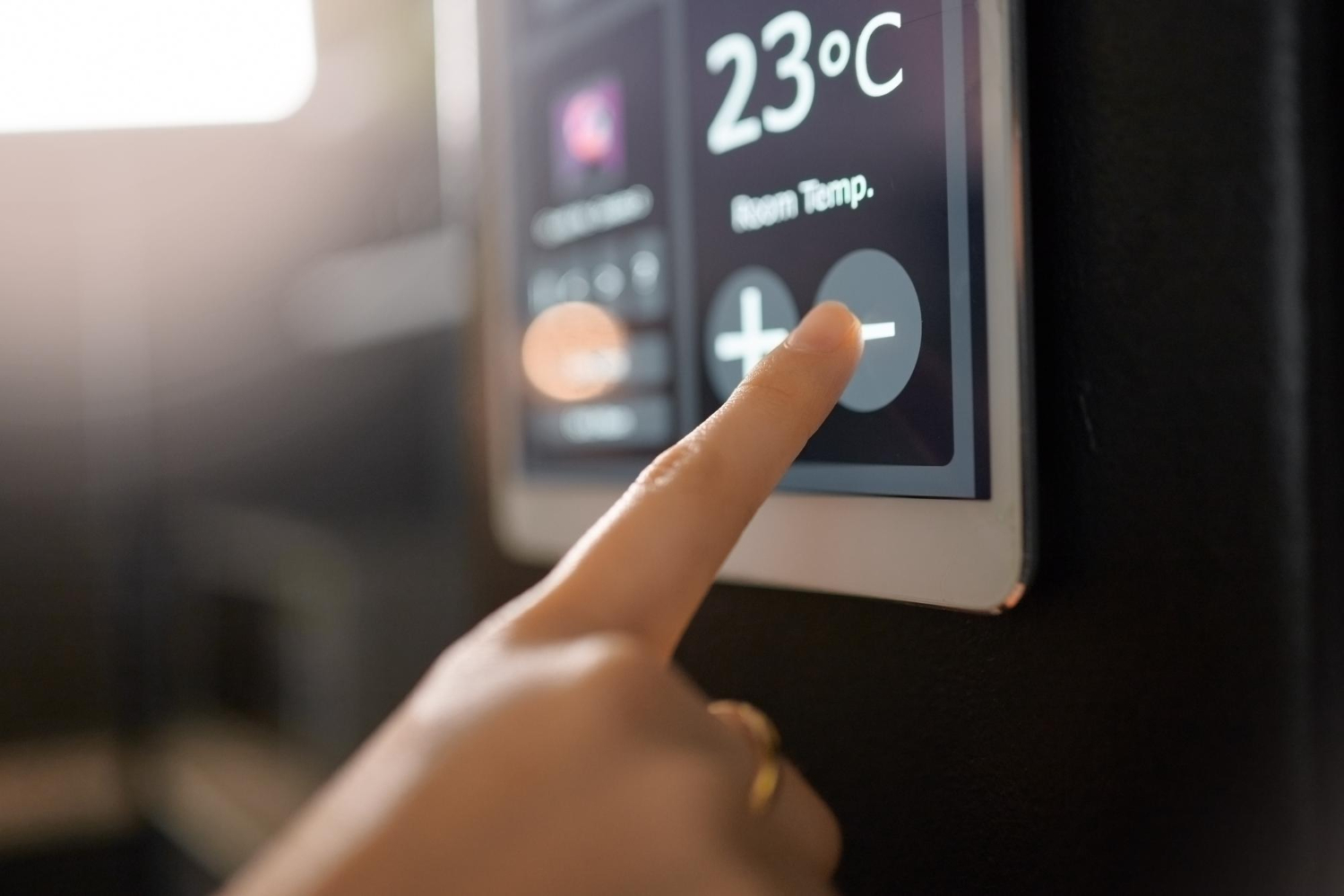
Finding the right temperature for your heat pump is important. A good thermostat setting for heating is between 68°F and 72°F. For cooling, aim for 75°F to 78°F. Keeping a steady temperature prevents your system from working too hard, which can lead to higher energy costs and more wear and tear.
If your thermostat is programmable or smart, use its scheduling features. You can set the temperature lower when you’re not home or asleep, then have it warm up just before you return. This approach saves energy and keeps you comfortable.
Regular Maintenance
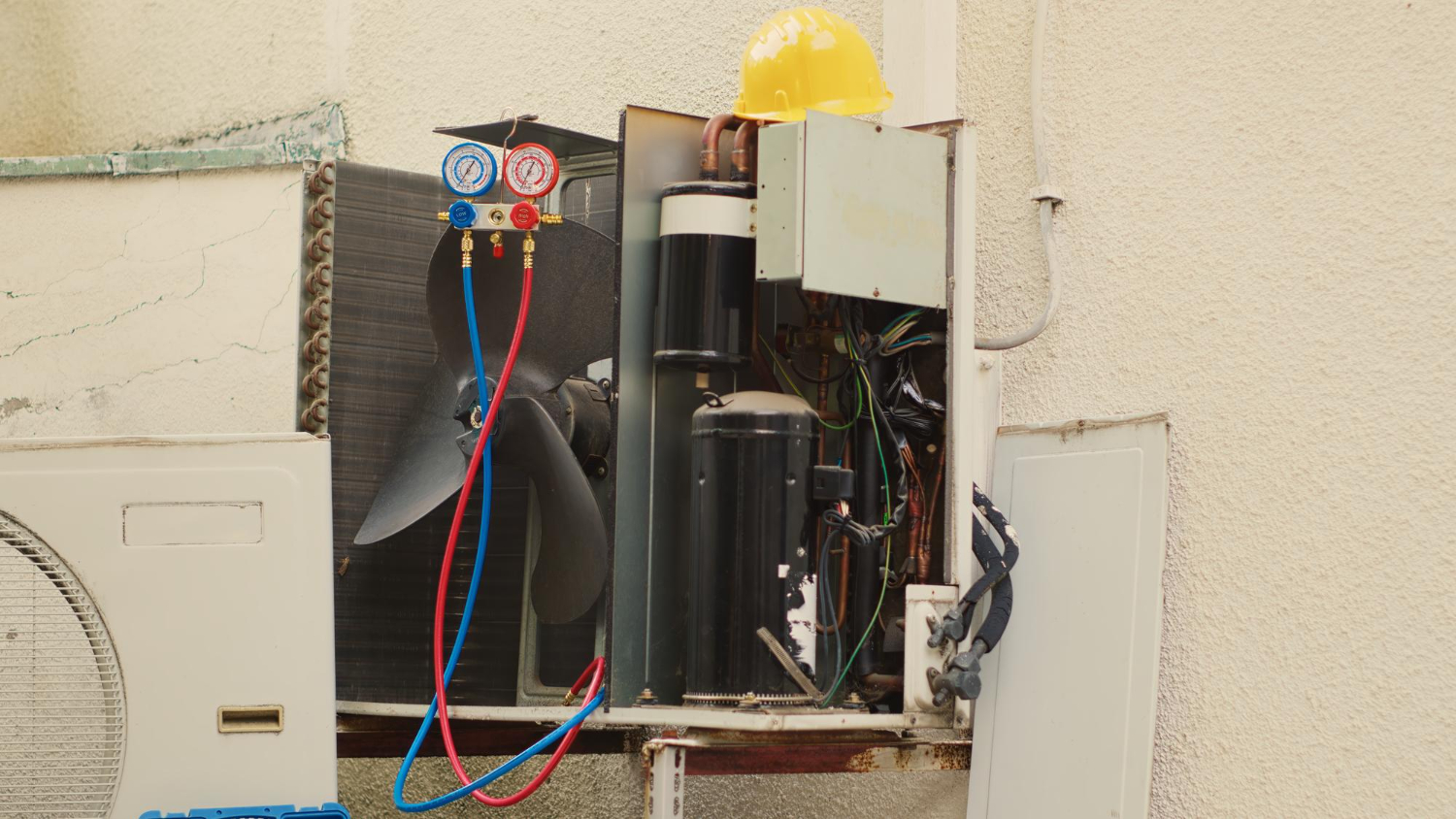
Routine maintenance is key to keeping your heat pump running well. Start by checking and cleaning or replacing the air filters regularly. Clogged filters can limit airflow and decrease efficiency, so check them monthly, especially during busy seasons. This quick task helps improve air quality and efficiency.
Also, schedule annual check-ups with a technician. They can catch small problems before they become big issues. They’ll check refrigerant levels, clean the coils, and make necessary adjustments. Regular inspections help keep your heat pump efficient and extend its lifespan.
Proper Placement
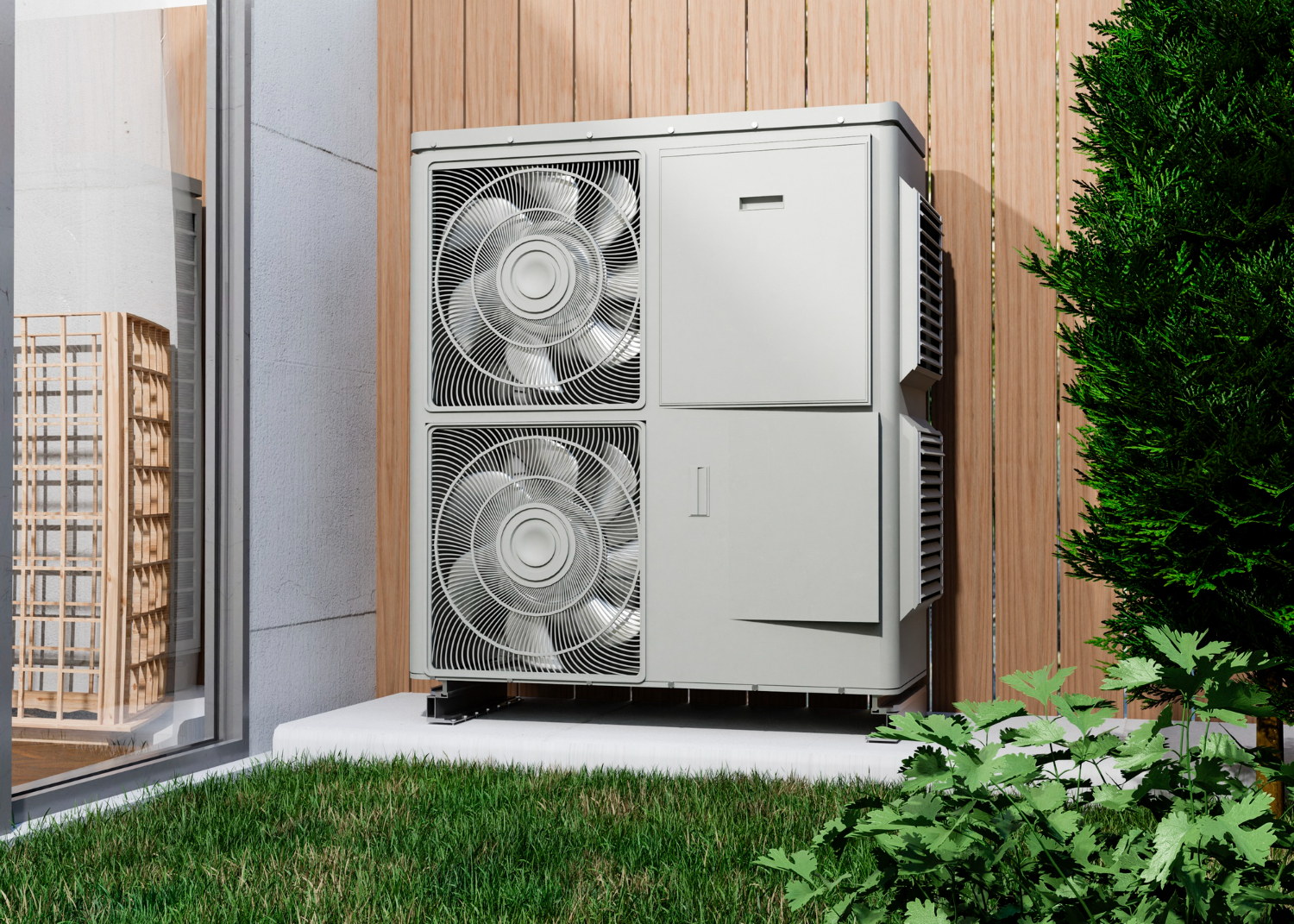
Where you place your heat pump matters. For the outdoor unit, ensure there’s plenty of space around it. Avoid placing it near items such as weeds, snow, or debris that can block airflow. Clear space around the unit helps it work better.
Inside, don’t block the indoor unit with furniture or curtains. Keep it clear so air can circulate freely. These simple changes can improve comfort and efficiency.
Zoning Systems
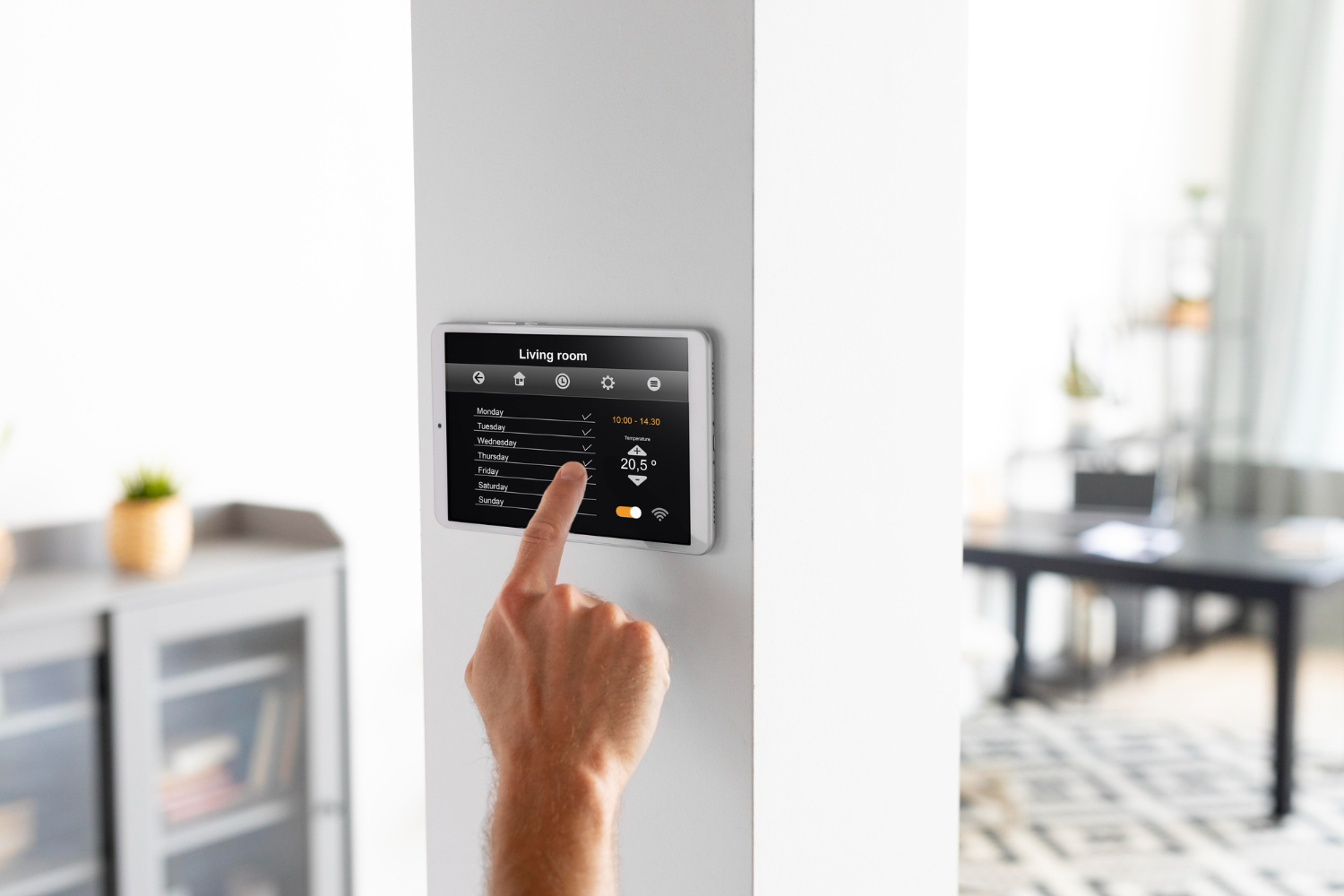
If you have a large home, consider installing a zoning system. This lets you control the temperature in different areas separately. You can heat or cool only the rooms in use, making your heat pump more efficient.
Dampers in your ductwork help direct air where you need it most. This makes your home more comfortable and uses less energy since you’re not heating or cooling empty rooms. It also reduces the work for your heat pump, helping it last longer.
Smart Technology
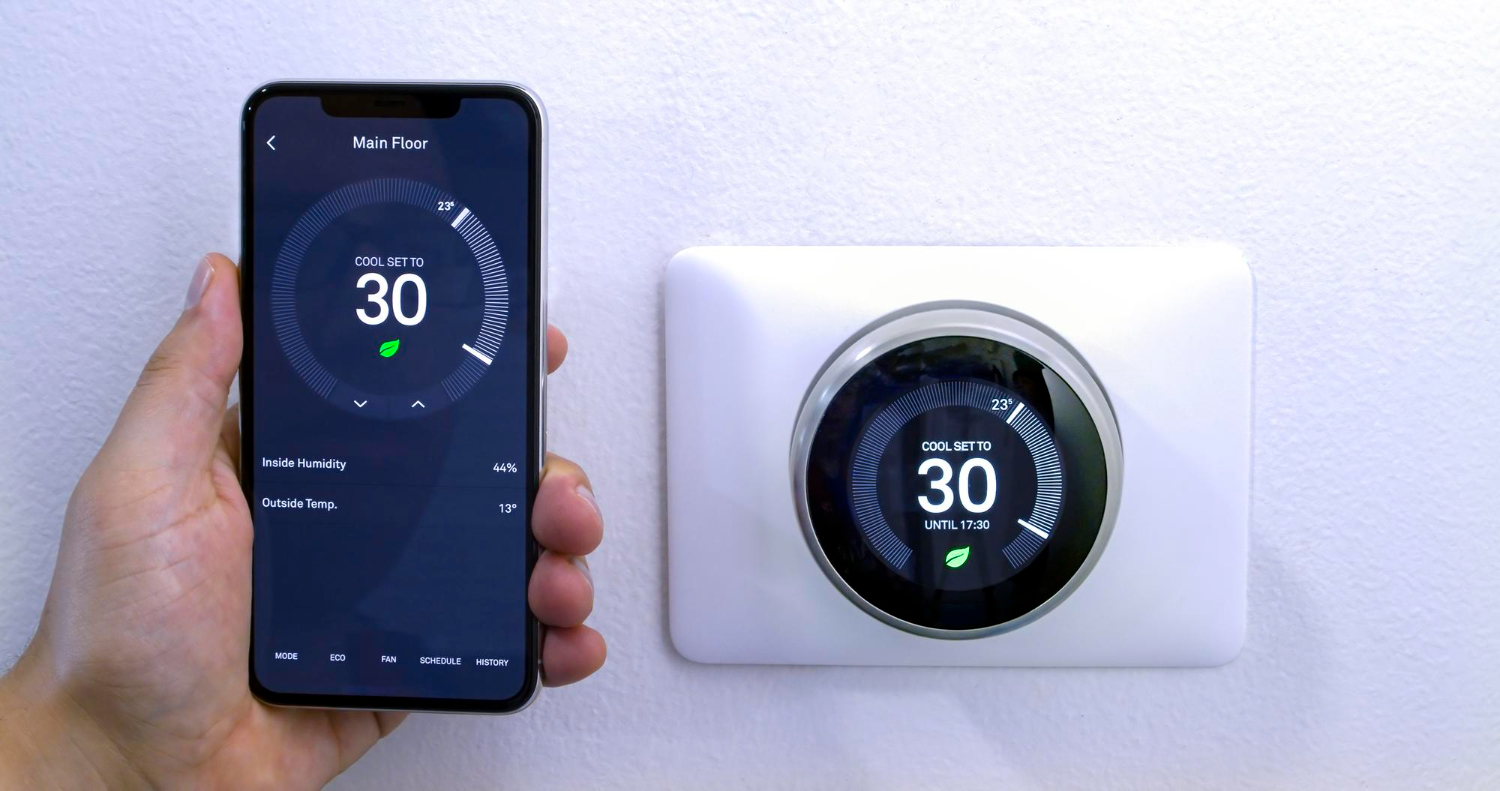
Today’s heat pumps can work with smart home devices to save energy. Smart thermostats let you control the temperature from your phone. This means you can heat or cool your home before you arrive, making it comfortable and saving energy.
Some systems also track how much energy you use and suggest changes to help lower your bills. By analyzing your usage, these features ensure your heat pump runs efficiently.
Sealing and Insulation
To improve efficiency, make sure your home is sealed and insulated. Check your windows and doors for drafts; even small gaps can let warm or cool air escape, forcing your heat pump to work harder. Weather stripping or caulking can help save energy.
Additionally, good insulation in your walls and attic helps keep your home comfortable year-round. Well-insulated homes stay warm in winter and cool in summer, helping your heat pump run more efficiently. With proper insulation, your unit has less work to do, resulting in lower energy bills.
Making your heat pump more efficient is about comfort and smart choices. Maintaining the right temperature, using smart technology, and focusing on insulation all help your heat pump run more efficiently. Regular maintenance and proper placement also matter. Small changes can lead to big benefits, keeping your home comfortable and energy-efficient year-round.
Also Read: Heat Pump Considerations for Gas Tank Water Heater in Homes
FAQs – Heat Pump Efficiency
1. What temperature should I set my heat pump to?
For heating, set it between 20°C and 22°C, and for cooling, aim for 24°C to 26°C.
2. How often should I service my heat pump?
It is best to have it professionally serviced once a year and check filters monthly.
3. Do smart thermostats really improve efficiency?
Yes, they help optimise usage by adjusting temperatures based on your schedule.
4. Why is my heat pump not heating efficiently?
Common reasons include dirty filters, blocked airflow, or low refrigerant levels.
5. Does insulation affect heat pump performance?
Good insulation reduces heat loss, allowing your heat pump to work more efficiently.
Author & Expert Review
Written By:  Gaurav Mishra | Civil Engineer & Content Writer

| Credentials: B.E. (Mahavir Swami College, Surat), Registered with Bhagwan Mahavir University (BMU). Experience: Civil Engineer with 5+ years of content writing experience, currently writing impactful articles for Gharpedia, part of SDCPL. Expertise: Specializes in writing well-researched content on residential construction, construction materials, design planning, on-site practices, and safety, blending technical accuracy with everyday clarity. Find him on: LinkedIn |
Verified By Expert:  Avni Desai | Environmental Engineer, SDCPL | M.E. (Environmental Engineering)
 Avni Desai | Environmental Engineer, SDCPL | M.E. (Environmental Engineering)
 This article has been reviewed for environmental, MEP, and building services accuracy by Avni Desai, an Environmental Engineer at Sthapati Designers & Consultants Pvt. Ltd. (SDCPL). With over 8 years of experience in water supply, wastewater management, infrastructure design, and building services, she brings practical expertise in MEP services, sustainable solutions, design planning, and on-site practices. Her professional services include planning and design of water supply systems, sewage and wastewater treatment systems (STP/WTP), drainage, rainwater harvesting, and other sustainable building services. Her review ensures the content aligns with environmental standards, efficient services planning, and real-world applicability.
Find her on: LinkedIn