






Table of Contents
Quick Summary
- Regular glass roof maintenance helps preserve transparency, maximise natural light and protect the roof’s supporting components.
- Choose non-abrasive cleaning tools and manufacturer-approved products to prevent scratches and coating damage.
- Follow safe cleaning methods, including gentle rinsing and careful removal of dirt, bird droppings, salt deposits and hard water marks.
- Inspect seals, frames, joints and drainage channels to identify potential leaks or deterioration early.
- Establish a maintenance schedule based on local weather, surrounding trees and environmental conditions.
- Avoid pressure washing, walking on glass panels and applying unapproved coatings.
- Hire qualified professionals for elevated cleaning, damaged glazing and complex repairs.
Courtesy - Magnific
A glass roof can make your home feel brighter, more spacious and connected to the outdoors. However, exposure to dust, rain, bird droppings and falling leaves can gradually affect its appearance. Without regular care, dirt builds up, drainage channels become blocked, and minor problems may develop into more expensive repairs.
Maintaining a glass roof involves more than washing away visible marks. The right cleaning methods help protect the glazing, frames, seals and drainage systems while keeping the structure safe and functional.
Whether your glass roof covers a patio, pergola, entertaining area or indoor living space, understanding how to clean and maintain it properly can help preserve its appearance and performance for years to come.
Why Regular Glass Roof Maintenance Matters
A well-maintained glass roof allows natural light to enter your home while providing protection from the weather. However, its exposed position means it constantly encounters environmental conditions that can affect both the glass and its supporting components.
Dust, pollen, salt deposits and organic debris can accumulate across the surface. Over time, these contaminants may leave stubborn stains, reduce light transmission and contribute to deterioration around seals and frames.
Regular maintenance offers several practical benefits:
- Clearer views: Removing dirt and water marks helps maintain the glass’s transparency.
- Better natural lighting: Clean glazing allows more daylight into covered areas.
- Early damage detection: Routine checks help identify cracks, loose fittings and deteriorating seals.
- Improved drainage: Clearing debris helps prevent water from collecting around the roof structure.
- Longer service life: Appropriate cleaning and timely repairs help protect the installation from avoidable deterioration.
Maintenance also gives homeowners an opportunity to identify issues before they become serious. A small leak or blocked drainage channel may be easier to address when discovered early rather than after moisture has damaged surrounding materials.
Prepare the Right Tools and Cleaning Products
Courtesy - Magnific
Using suitable equipment is one of the simplest ways to protect glass surfaces during maintenance. Abrasive tools, aggressive chemicals and unsuitable cleaning techniques can leave scratches, damage coatings or affect surrounding components.
Gentle cleaning methods are also useful for other exterior glass installations. For example, homeowners with glass pool fencing in Sydney often deal with similar challenges involving water spots, dust and outdoor contaminants. However, roof glazing requires additional precautions because of its height, slope and accessibility.
Recommended Cleaning Equipment
Before beginning, check the glass manufacturer’s cleaning instructions and confirm that every area can be reached safely.
Useful equipment may include:
- A soft microfibre cloth or non-abrasive cleaning pad
- A soft-bristled brush suitable for glass
- A glass-compatible, mild cleaning detergent
- Clean water for rinsing
- A rubber-bladed squeegee with no exposed metal edges
- A suitable water-fed extension pole for accessible areas
- Clean, lint-free cloths for drying reachable surfaces
Avoid steel wool, rough scouring pads, abrasive cleaning powders and harsh chemical products. These can damage the surface or affect specialised glass coatings.
Choose Cleaning Products Carefully
A mild detergent specifically approved for glass is generally a sensible starting point. Follow the product’s dilution instructions and avoid applying concentrated cleaning solutions directly to the glazing.
Some glass roofs feature solar-control, self-cleaning or other specialist coatings that require particular cleaning methods. Always follow the manufacturer’s recommendations before applying commercial glass cleaners, vinegar-based mixtures or stain-removal products.
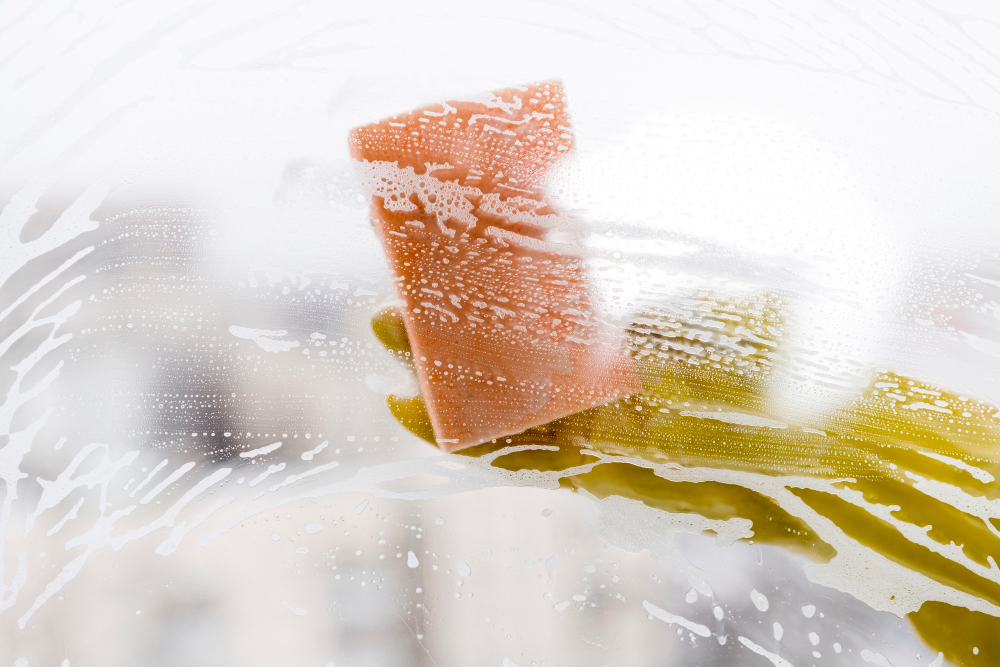
How to Clean a Glass Roof Safely
Courtesy - Magnific
Cleaning roof glazing requires a careful approach because glass panels are often positioned above ground level or near other roofing materials.
Never walk, stand or place your weight on glass roof panels. Roof glazing should not be treated as a walking surface. Even toughened or laminated safety glass should not be assumed to support a person’s weight.
If you cannot clean the roof safely from the ground or another properly protected working area, arrange professional cleaning rather than climbing onto the roof.
Step 1: Inspect the Glass Before Cleaning
Start with a visual inspection from a safe position. Look for cracked panels, damaged edges, loose components, accumulated debris or signs of water leakage.
If you notice damaged glazing, stop and seek professional advice. Cleaning or applying pressure to a compromised panel can create additional risks.
Step 2: Remove Loose Dirt and Debris
Where safely accessible, use a soft brush or suitable extension tool to remove loose leaves and surface debris.
Avoid dragging grit across the glass. Sand and other hard particles can cause scratches when rubbed against the surface.
Step 3: Rinse the Glass
Use a gentle flow of clean water to loosen remaining dirt. Work methodically, allowing water to carry away loose contaminants.
Avoid directing high-pressure water towards seals, joints, flashings or glazing edges. Excessive pressure may force water into areas that are not designed to receive it.
Step 4: Apply a Gentle Cleaning Solution
Apply a manufacturer-approved cleaning solution using a soft, non-abrasive tool. Clean manageable sections without applying excessive force.
For stubborn dirt, allow the cleaning solution to soften the deposit before gently wiping it away. Do not scrape the glass with metal tools or sharp blades.
Step 5: Rinse and Allow the Surface to Dry
Rinse thoroughly to remove detergent residue. Where safely reachable, use a clean, suitable squeegee to reduce water marks.
If using a water-fed cleaning system, follow its operating instructions and ensure the equipment is suitable for the roof’s glazing and surrounding materials.
For better results, schedule cleaning during mild conditions rather than intense midday heat. Cleaning solutions can dry quickly on hot glass, making streaks more difficult to avoid.
How to Remove Common Stains and Marks
Different contaminants require different cleaning approaches. Recognising the type of residue helps you choose a suitable method without damaging the glass.
Always begin with the gentlest cleaning method recommended for your glazing. If a stain remains after ordinary cleaning, avoid experimenting with stronger chemicals unless the manufacturer confirms they are suitable.
Bird Droppings and Organic Debris
Bird droppings, leaves and pollen can leave marks when they remain on glass for extended periods. Dried organic material may be particularly difficult to remove.
If the affected area is safely accessible, soften the residue with water and an approved mild detergent. Once loosened, gently wipe it away using a clean, soft cloth or suitable cleaning pad.
Do not scrape hardened deposits from dry glass.
Hard Water Marks
Mineral deposits from rainwater, irrigation overspray or repeated wetting can create cloudy spots on glass surfaces.
A thorough wash with an approved glass cleaner may remove light marks. Persistent mineral deposits may require a specialist cleaning product, but its compatibility with the glass coating, seals and frames must be confirmed first.
Coastal Salt Deposits
Homes in coastal areas may experience more frequent salt accumulation on exposed glass and metal fittings.
Regular gentle rinsing can help reduce the build-up. Pay attention to surrounding frames and fixings, particularly where salt deposits remain trapped around joints.
Avoid using abrasive tools to remove salt residue, as the particles can scratch the glass.
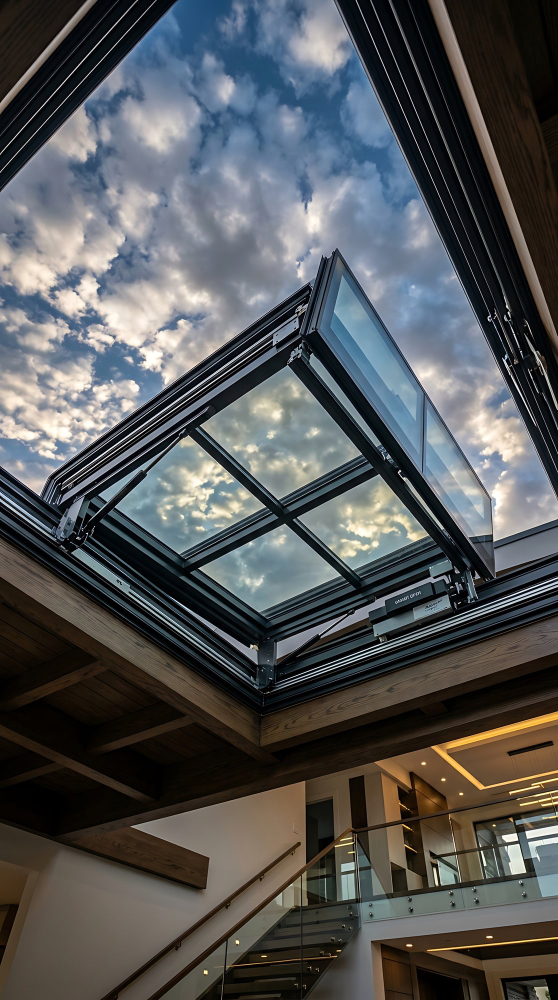
Inspect Seals, Frames and Drainage Systems
Courtesy - Magnific
Clean glass is only one part of effective roof maintenance. The seals, supporting frames, flashings and drainage components also need attention.
These elements help manage water, hold glazing securely and protect the surrounding structure. When they deteriorate or become obstructed, the roof may develop leaks even if the glass panels remain intact.
Check Seals and Joints for Wear
Inspect visible seals and joints from a safe position, paying attention to areas where glass panels meet frames or adjoining building materials.
Potential warning signs include:
- Cracked, peeling or displaced sealant
- Gaps around glazing edges
- Loose or visibly damaged components
- Water stains on surrounding ceilings or walls
- Moisture appearing around roof joints after rainfall
Do not apply household silicone over suspected leaks without identifying the cause. Incorrect sealant selection or application can interfere with drainage and make future repairs more difficult.
A qualified glazing professional can determine whether the issue involves deteriorated seals, damaged flashing or another part of the roof assembly.
Keep Gutters and Drainage Channels Clear
Leaves, twigs and dirt can collect in roof gutters and drainage channels, particularly around pergolas and structures located beneath trees.
Blocked outlets may cause water to overflow or collect near glazing joints. Maintaining clear drainage paths helps rainwater move away from the roof as intended.
Inspect accessible drainage outlets regularly, particularly after storms or periods of heavy leaf fall. Arrange professional clearing when the work involves unsafe roof access.
How Often Should You Clean and Inspect Your Glass Roof?
The best maintenance schedule depends on your property’s location, the surrounding environment and the type of glazing installed.
A roof near trees, a busy road or the coastline may need more frequent attention than one in a sheltered residential setting. Seasonal conditions also influence how quickly dirt and organic material accumulate.
A practical maintenance routine could include:
| Maintenance Task | Suggested Timing |
| Visual inspection from a safe position | Every few months |
| General glass cleaning | Approximately every 6–12 months, adjusted to conditions |
| Checking visible seals and frames | During routine inspections |
| Checking drainage outlets | Before heavy rainfall and after storms |
| Professional inspection | When damage, leaks or deterioration appear |
These intervals are general planning guides rather than fixed requirements. Follow the glazing manufacturer’s instructions and adjust the schedule according to the roof’s condition.
For Australian homes, it can be useful to arrange cleaning before periods of heavy summer use. Properties surrounded by trees may also need additional drainage checks during autumn.
Following severe weather, inspect the roof from a safe location for fallen branches, impact damage or displaced fittings before arranging any necessary cleaning or repairs.
Common Glass Roof Maintenance Mistakes to Avoid
Even well-intentioned maintenance can cause problems when unsuitable products or cleaning methods are used. Damage may not be immediately obvious, particularly when coatings, seals or drainage details are affected.
Understanding the most common mistakes can help homeowners protect their installation while reducing unnecessary repair expenses.
Using Excessive Water Pressure
Pressure washers may appear convenient for removing outdoor dirt, but concentrated water jets can damage seals or drive moisture into joints.
A gentle rinse is generally a safer option when permitted by the glazing manufacturer.
Cleaning with Abrasive Materials
Scouring pads, metal scrapers and gritty cloths can scratch glass surfaces. These marks may become particularly noticeable when sunlight shines through the roof.
Use clean, soft tools and remove loose grit before wiping the glass.
Ignoring Small Leaks
A minor drip during heavy rain may indicate a problem with flashing, drainage or glazing seals.
Leaving the issue untreated can allow moisture to affect nearby building materials. Arrange an inspection rather than relying on temporary patches.
Walking on Roof Glazing
One of the most dangerous mistakes is stepping onto glass panels to reach an awkward section.
Glass roofing must not be assumed to be trafficable. Professional cleaners should use an appropriate access method and suitable fall-prevention measures rather than relying on the panels for support.
Applying Unapproved Coatings
Some homeowners apply water-repellent products or cleaning treatments to reduce future maintenance.
However, not every coating is suitable for architectural glass. An incompatible product may affect appearance, interfere with an existing coating or create warranty concerns.
Check compatibility with the glass manufacturer before applying any treatment.
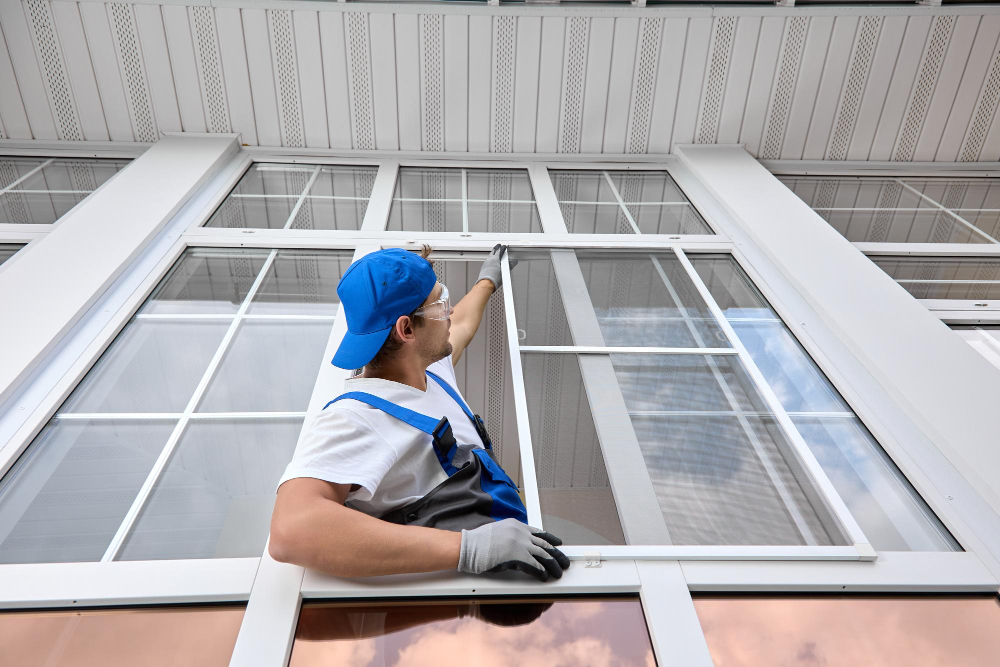
When Should You Hire a Professional?
Courtesy - Magnific
Some basic maintenance tasks can be completed by homeowners when the glass is safely accessible. Cleaning an interior glass surface or inspecting a roof from ground level may be straightforward.
However, elevated glazing, complex roof shapes and suspected structural issues require specialist attention. Attempting to reach difficult areas without suitable equipment can create serious fall risks.
Professional assistance is particularly appropriate when:
- The roof cannot be cleaned safely from an accessible location
- Glass panels have visible cracks, chips or impact damage
- Water is entering through roof joints or adjacent structures
- Seals, frames or fixings appear loose or deteriorated
- Staining remains after appropriate routine cleaning
- The roof has large, steeply angled or difficult-to-reach panels
- Moisture appears between the panes of double-glazed units
When requesting a quotation, explain the roof’s size, approximate height, access conditions and any known problems. Ask whether the service covers cleaning alone or also includes inspection and repair recommendations.
Professional cleaning costs depend on factors such as access difficulty, roof dimensions, glazing type and required equipment. Obtaining an itemised quotation helps clarify what is included before work begins.
Prevent Future Dirt Build-Up and Damage
Preventive maintenance can reduce the amount of cleaning required and help identify problems before they affect the surrounding structure.
Simple measures, such as keeping nearby drainage outlets clear and arranging prompt removal of accumulated debris, can make ongoing care more manageable.
Other useful preventive habits include:
- Trimming overhanging branches when safe and appropriate
- Keeping irrigation spray away from roof glazing
- Checking for debris after strong winds
- Addressing damaged seals promptly
- Following manufacturer-approved cleaning procedures
- Retaining installation, product and warranty documentation
It is also useful to keep a simple record of maintenance work, inspections and repairs. Photographs taken from a safe position can help document developing stains, changes around seals or visible damage.
For new installations or major renovations, discuss maintenance access with the glazing installer. Planning for safe cleaning and drainage inspections from the beginning can simplify future upkeep.
Keep Your Glass Roof Looking Its Best
Regular glass roof maintenance helps preserve natural light, maintain clear views and protect the glazing and its supporting components. Gentle cleaning, clear drainage and routine inspections can reduce the likelihood of avoidable damage while helping you identify problems early.
The safest approach is to handle only the tasks you can complete from a secure position and leave elevated cleaning, damaged glazing and roof repairs to qualified professionals.
If your roof has stubborn staining, deteriorating seals or signs of leakage, contact Majestic Glass to discuss your glass roofing concerns and the appropriate next steps for inspection, maintenance or repair.
Also Read: Commercial Roof Replacement_ Why Hire Professionals & How to Choose
Frequently Asked Questions – Glass Roof Maintenance
1. How often should a glass roof be cleaned?
A glass roof may benefit from cleaning approximately every six to twelve months, although the appropriate frequency depends on its location, surrounding environment and the manufacturer’s recommendations.
Homes near busy roads, coastal areas or overhanging trees may need more frequent attention because of dust, salt and organic debris. Inspecting the glass regularly helps you recognise when cleaning is necessary. If the roof becomes visibly dirty, drainage is obstructed or stubborn deposits appear, arrange suitable cleaning rather than waiting for a scheduled date.
2. What is the safest way to clean a glass roof?
The safest approach is to clean the glass from ground level or another appropriately protected working area using suitable equipment. A water-fed extension pole may help reach certain sections without climbing onto the roof.
Use a mild, glass-compatible cleaner and soft, non-abrasive tools. Never stand or walk on the glazing, and avoid working near overhead electrical hazards. If the panels cannot be reached safely, engage a professional cleaner who can use appropriate access equipment and fall-prevention measures.
3. Can I use a pressure washer to clean my glass roof?
Pressure washing is generally not recommended unless the roof manufacturer specifically approves the equipment, settings and cleaning method. Concentrated water pressure can damage seals, affect surrounding components or force moisture into glazing joints.
A gentle water rinse combined with an approved cleaning product is usually more suitable for routine maintenance. Avoid directing water forcefully at panel edges or flashings. If dirt remains difficult to remove, ask a professional glazing cleaner about safer techniques rather than increasing the pressure.
4. How can I tell if my glass roof needs repairs?
Common warning signs include visible cracks, chipped glass, loose fittings, deteriorating seals and water stains around the roof structure. Repeated leaks during rainfall or moisture between double-glazed panes may also indicate a problem that requires professional attention.
Inspect the roof from a safe position after severe weather and during routine maintenance. If you discover damaged glazing or signs of water entry, avoid attempting repairs yourself. A qualified glazier can identify the likely cause and recommend appropriate corrective work.
5. How can I prevent water stains on my glass roof?
Regular cleaning helps remove mineral deposits before they become difficult to manage. Using clean water, an approved glass cleaner and suitable rinsing methods can reduce visible residue.
If irrigation sprinklers repeatedly spray the glazing, adjusting their direction may help limit water marks. Coastal properties may also benefit from more frequent gentle rinsing to remove salt deposits. Always check the manufacturer’s instructions before applying water-repellent treatments, as some products may be unsuitable for coated glass or surrounding roof materials.
Courtesy - Featured Image(Magnific)
Author & Expert Review
Written By:  Gaurav Mishra | Civil Engineer & Content Writer

| Credentials: B.E. (Mahavir Swami College, Surat), Registered with Bhagwan Mahavir University (BMU). Experience: Civil Engineer with 5+ years of content writing experience, currently writing impactful articles for Gharpedia, part of SDCPL. Expertise: Specializes in writing well-researched content on residential construction, construction materials, design planning, on-site practices, and safety, blending technical accuracy with everyday clarity. Find him on: LinkedIn |
Verified By Expert:  Avni Desai | Environmental Engineer, SDCPL | M.E. (Environmental Engineering)
 Avni Desai | Environmental Engineer, SDCPL | M.E. (Environmental Engineering)
This article has been reviewed for environmental, MEP, and building services accuracy by Avni Desai, an Environmental Engineer at Sthapati Designers & Consultants Pvt. Ltd. (SDCPL). With over 8 years of experience in water supply, wastewater management, infrastructure design, and building services, she brings practical expertise in MEP services, sustainable solutions, design planning, and on-site practices. Her professional services include planning and design of water supply systems, sewage and wastewater treatment systems (STP/WTP), drainage, rainwater harvesting, and other sustainable building services. Her review ensures the content aligns with environmental standards, efficient services planning, and real-world applicability.
Find her on : LinkedIn