




Table of Contents
Quick Summary
- If you are comparing planter materials, this guide explains why FRP planters have become a popular choice.
- Explores the durability and long service life of FRP planters.
- Highlights their lightweight yet strong construction.
- Discusses weather resistance for indoor and outdoor use.
- Covers design flexibility for modern landscaping projects.
- Explains the low maintenance requirements.
- Describes resistance to rust and corrosion.
- Shows how FRP planters offer long-term cost savings.
- Explains why they are suitable for large planter installations.
- Summarises why architects and homeowners increasingly prefer FRP planters.
Plants bring life to a space, but the planter you choose plays an equally important role in defining its appearance, functionality, and longevity. Whether for residential gardens, commercial landscapes, hospitality projects, or urban developments, selecting the right planter material can significantly impact maintenance, durability, and overall aesthetics.
Among the many options available today, FRP (Fiber Reinforced Plastic) planters have emerged as a preferred choice for architects, landscape designers, and homeowners alike. Combining strength, versatility, and design flexibility, Fiber glass planters offer advantages that traditional materials often struggle to match.
Here are the top 10 reasons why FRP planters stand out from other planter options.
1. Exceptional Durability of FRP Planters
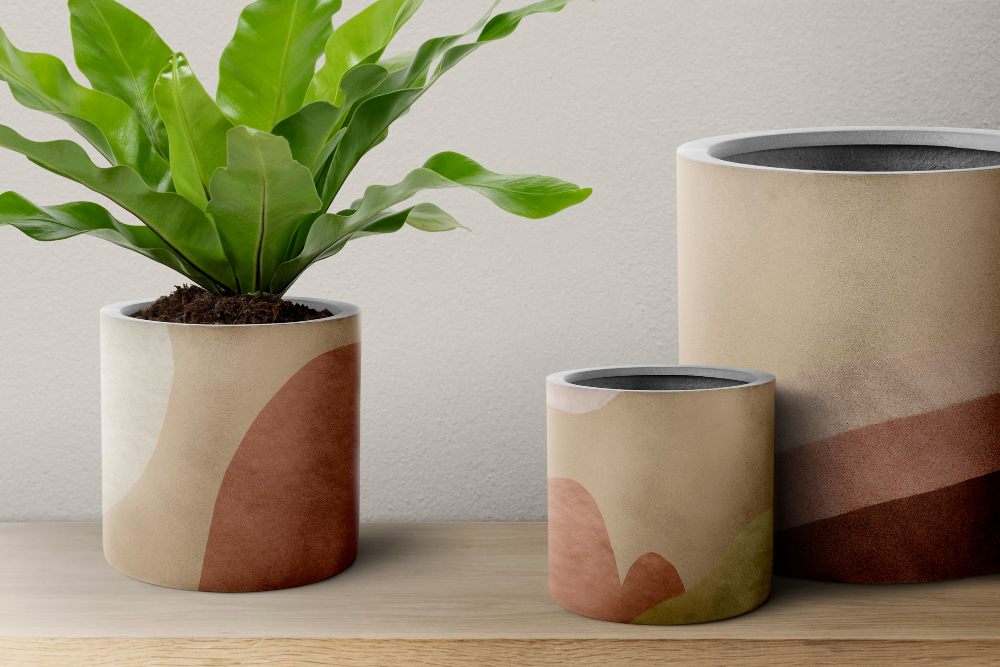
Unlike clay, ceramic, or concrete planters that can crack, chip, or deteriorate over time, FRP planters are engineered for long-term performance. Their reinforced structure makes them highly resistant to wear and tear, ensuring they retain their integrity even in demanding environments.
This durability makes FRP planters ideal for both indoor and outdoor applications.
2. Lightweight Yet Strong
One of the biggest challenges with traditional planters is weight. Concrete and stone planters can be difficult to transport, install, and reposition.
FRP planters offer the perfect balance between strength and weight. Despite being significantly lighter than many conventional materials, they maintain excellent structural stability, making handling and installation much easier.
3. Weather Resistant Performance
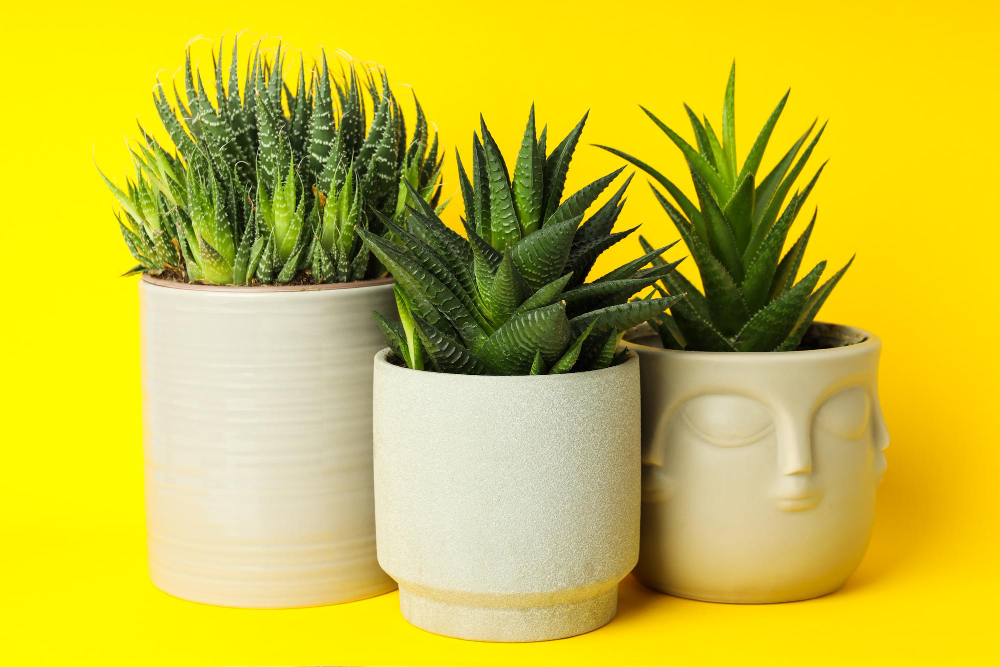
Outdoor planters are constantly exposed to changing weather conditions, including intense sunlight, rain, humidity, and temperature fluctuations.
FRP planters are designed to withstand environmental stress without warping, cracking, or fading easily. Their weather-resistant properties make them a reliable choice for gardens, terraces, balconies, resorts, and commercial landscapes.
4. Design Versatility
Modern landscape design demands flexibility, and FRP delivers exactly that.
From sleek geometric forms to organic curves and contemporary silhouettes, FRP can be molded into a wide range of shapes, sizes, and finishes. This allows designers to create cohesive landscapes that complement modern architecture and outdoor environments with FRP made designer planters
5. Low Maintenance Requirements
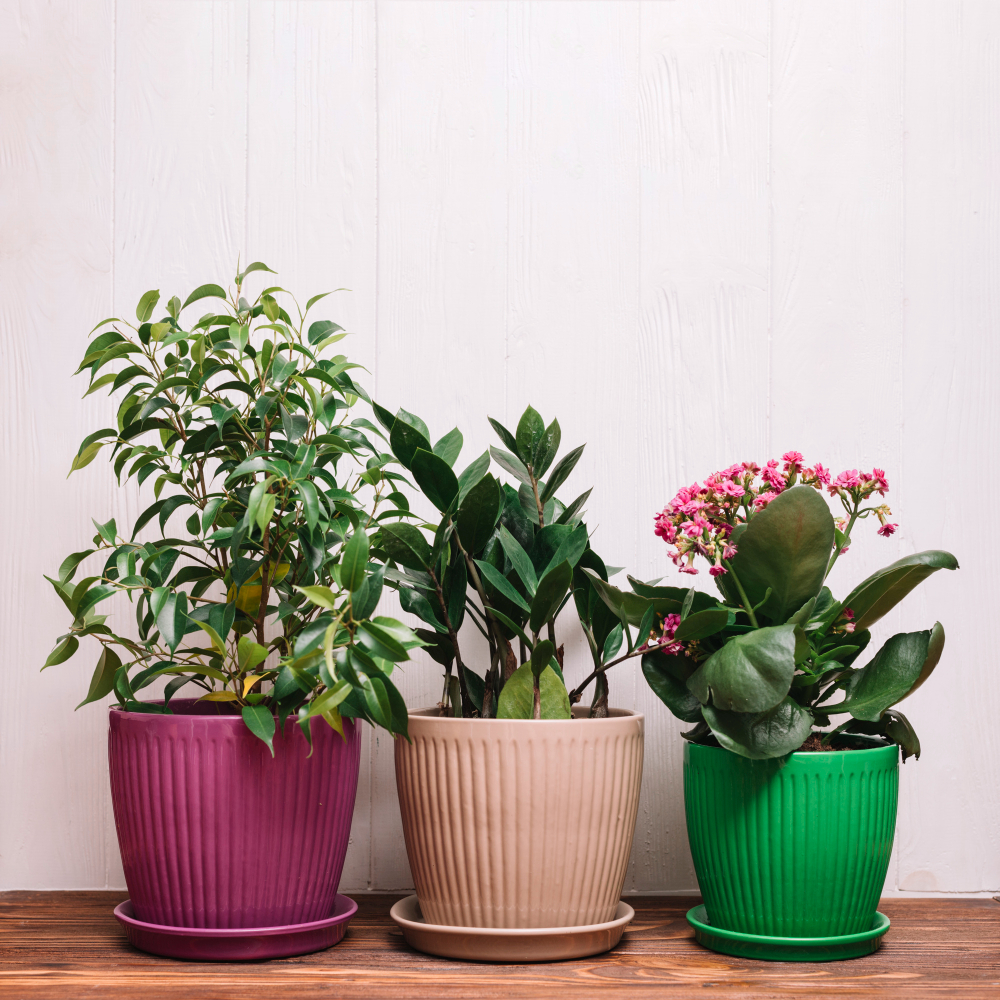
Maintaining planters should not become a project in itself.
FRP planters require minimal upkeep compared to materials such as wood, metal, or terracotta. They are easy to clean and generally resistant to staining, corrosion, and surface deterioration, reducing long-term maintenance efforts.
6. Corrosion and Rust Resistance
Metal planters often face issues related to rust and corrosion, especially in humid or coastal environments.
Fiber glass planters do not rust or corrode, making them particularly suitable for locations where moisture exposure is frequent. This contributes to their longevity and helps preserve their appearance over time.
7. Cost Effective Over the Long Term
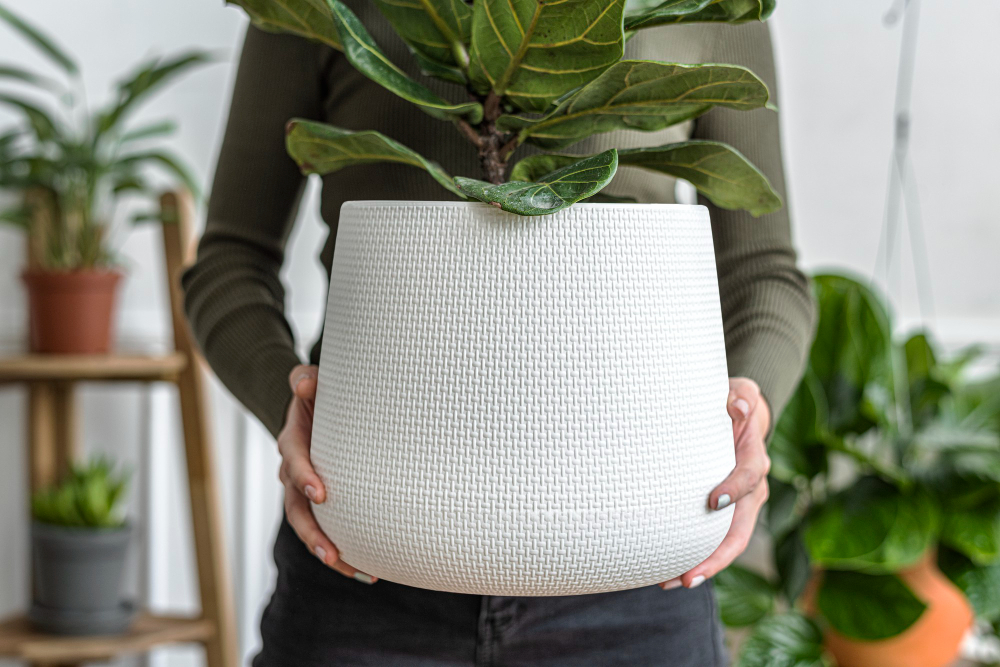
While initial costs vary depending on design and specifications, FRP planters often provide excellent value over their lifespan.
Their durability, reduced maintenance requirements, and resistance to environmental damage can lower replacement and upkeep costs, making them a practical long-term investment for landscape projects.
8. Suitable for Large Format Planters
Large planters can create dramatic visual impact in commercial and residential settings, but their weight can become a challenge.
FRP enables the production of oversized planters without the excessive weight associated with concrete or stone alternatives. This makes large-scale landscaping installations more manageable and structurally efficient.
9. Consistent Aesthetic Appeal
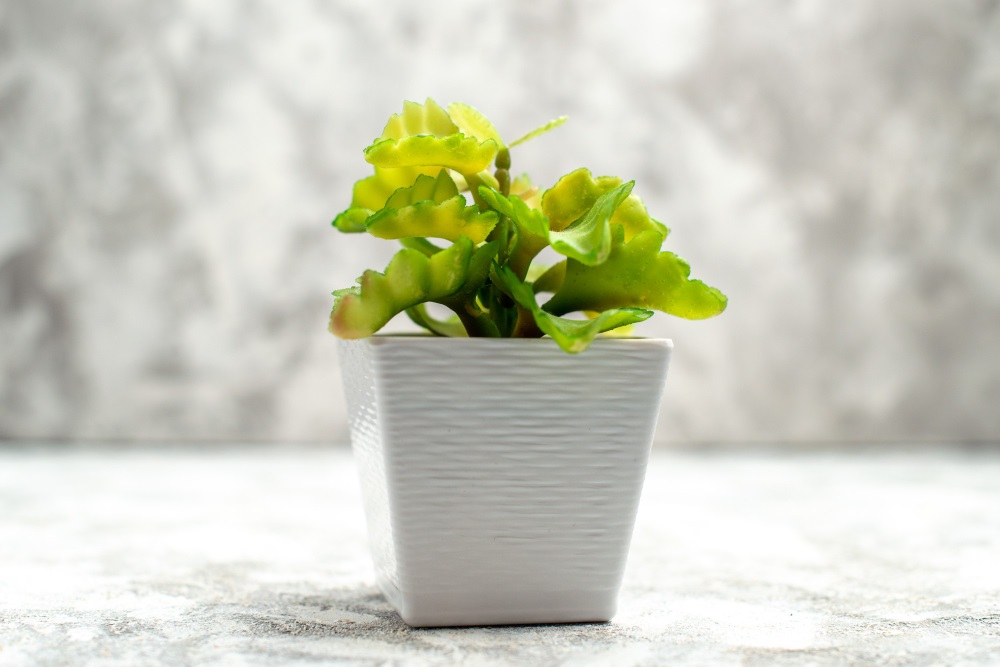
Natural materials often develop cracks, discoloration, or surface imperfections as they age.
FRP planters are designed to maintain a clean, refined appearance for years. Available in a variety of finishes, textures, and colors, they help ensure visual consistency across landscapes and architectural spaces.
10. Ideal for Modern Landscape Applications
Contemporary landscapes demand materials that combine functionality with design sophistication.
FRP planters meet these requirements by offering durability, flexibility, and aesthetic versatility in a single solution. Whether used in corporate campuses, hospitality projects, residential gardens, retail developments, or public spaces, they integrate seamlessly into modern environments.
Why Are More Designers Choosing FRP Planters?
As landscaping continues to evolve, professionals increasingly prioritize materials that deliver both performance and design freedom. Fiber glass planters address many of the limitations associated with traditional planter materials while providing greater flexibility for contemporary projects.
Their ability to withstand environmental conditions, support large-scale installations, and maintain a premium appearance makes them a practical choice for a wide range of applications.
Conclusion
When comparing planter materials, factors such as durability, maintenance, weight, weather resistance, and design flexibility all influence the final decision. FRP planters excel across these categories, making them a preferred option for modern residential and commercial landscapes.
For those seeking planters that combine long-lasting performance with refined aesthetics, Fiber glass planters offer a solution that balances functionality, versatility, and contemporary design.
Also Read: Exploring Best Planter Materials for Your Houseplants
FAQs – FRP Planters
1. What are FRP Planters Made of?
FRP planters are made from Fiber Reinforced Plastic, a composite material that combines reinforcing fibers with resin to create a lightweight yet durable structure.
2. Are FRP Planters Suitable for Outdoor Use?
Yes. FRP planters are commonly used outdoors because they are resistant to weather conditions, moisture, and environmental stress.
3. Are FRP Planters Better Than Concrete Planters?
Both materials have their applications, but FRP planters are generally lighter, easier to install, and more versatile in terms of design while still offering excellent durability.
4. Do FRP Planters Require Maintenance?
FRP planters require relatively little maintenance. Regular cleaning is usually sufficient to keep them looking their best.
5. Can FRP Planters be Used for Large Plants and Trees?
Yes. Their high strength-to-weight ratio makes them suitable for accommodating larger plants while remaining easier to handle than many traditional planter materials.
Author & Expert Review
Written By:  Gaurav Mishra | Civil Engineer & Content Writer

| Credentials: B.E. (Mahavir Swami College, Surat), Registered with Bhagwan Mahavir University (BMU). Experience: Civil Engineer with 5+ years of content writing experience, currently writing impactful articles for Gharpedia, part of SDCPL. Expertise: Specializes in writing well-researched content on residential construction, construction materials, design planning, on-site practices, and safety, blending technical accuracy with everyday clarity. Find him on: LinkedIn |
Verified By Expert: Ravin Desai – Co Founder – Gharpedia | Co Founder – 1 MNT | Director – SDCPL

This article has been reviewed for technical accuracy by Ravin Desai, Co-Founder of Gharpedia and Director at Sthapati Designers & Consultants Pvt. Ltd. With a B.Tech. in Civil Engineering from VNIT Nagpur and an M.S. in Civil Engineering from Clemson University, USA, and over a decade of international and Indian experience in the construction and design consultancy sector, he ensures all technical content aligns with industry standards and best practices.
Find him on: LinkedIn