






Table of Contents
Quick Summary
- Flowering plants that attract butterflies and birds add color, movement, and biodiversity to home gardens, balconies, and outdoor spaces.
- Nectar-rich blooms encourage regular visits from butterflies, bees, and sunbirds.
- Plants like ixora, pentas, bottlebrush, hibiscus, and Rangoon creeper make excellent additions to wildlife-friendly gardens.
- Growing a variety of flowering plants that bloom in different seasons keeps your garden lively throughout the year.
- Simple gardening practices, such as providing sunlight, water, and minimal pruning, help create a welcoming habitat for birds and butterflies.
Courtesy - Magnific
A garden changes the moment butterflies and birds begin visiting it. The flowers are still the same, yet the space feels more lively. A butterfly drifting from one bloom to another or a sunbird pausing for a quick sip of nectar adds movement that no decorative element can create. It is one of the reasons many gardeners choose plants that do more than simply flower. They invite life into the garden.
Fill Your Garden with Flowering Plants That Wildlife Loves
Courtesy - Magnific
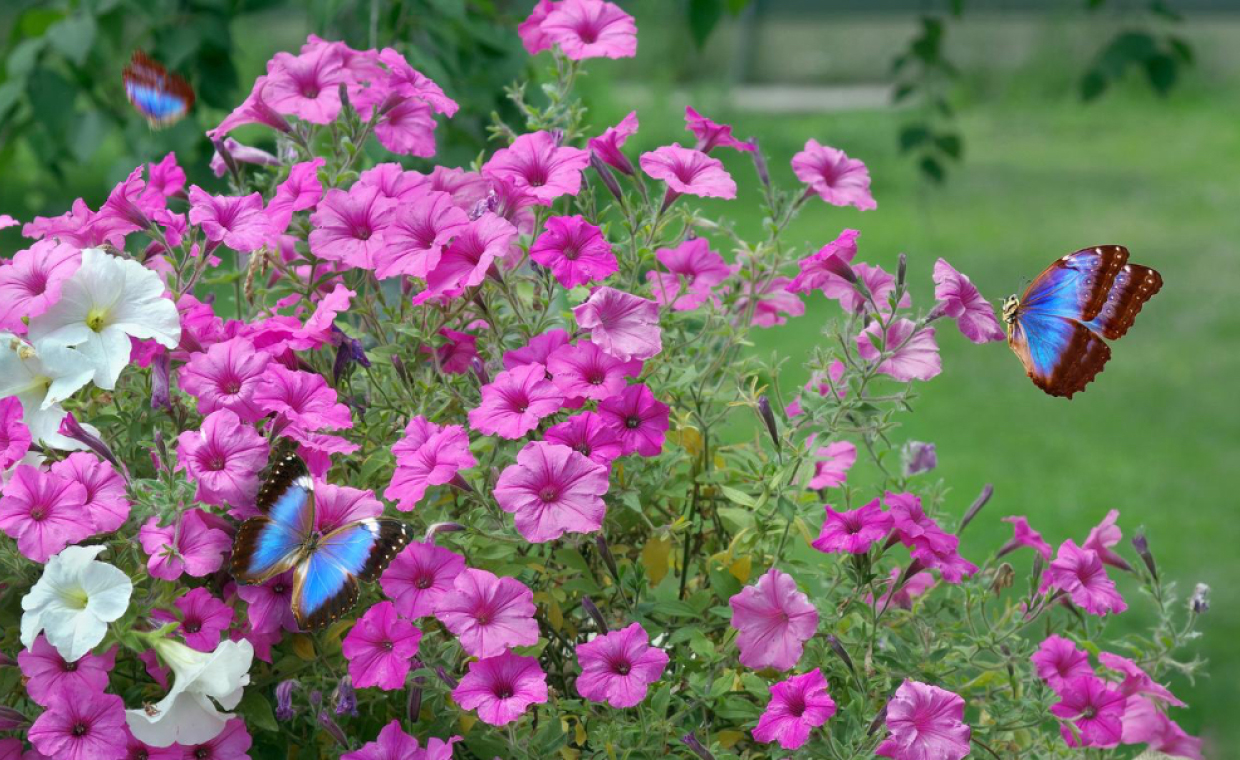
The best flowering plants do more than brighten a balcony or backyard. Flowering plants that attract butterflies and birds are an excellent way to transform your garden, balcony, or backyard into a vibrant, wildlife-friendly space while adding natural beauty, supporting pollinators, and encouraging year-round biodiversity.
They provide nectar, shelter, and resting spots for butterflies, bees, and nectar-feeding birds. A garden with a mix of blooms often becomes a regular stop for these visitors, especially during the flowering season. A few carefully chosen plants in pots, along a pathway, or near a sunny balcony will attract the butterflies and bees.
Bright Clusters That Keep the Garden Busy
Courtesy - Magnific
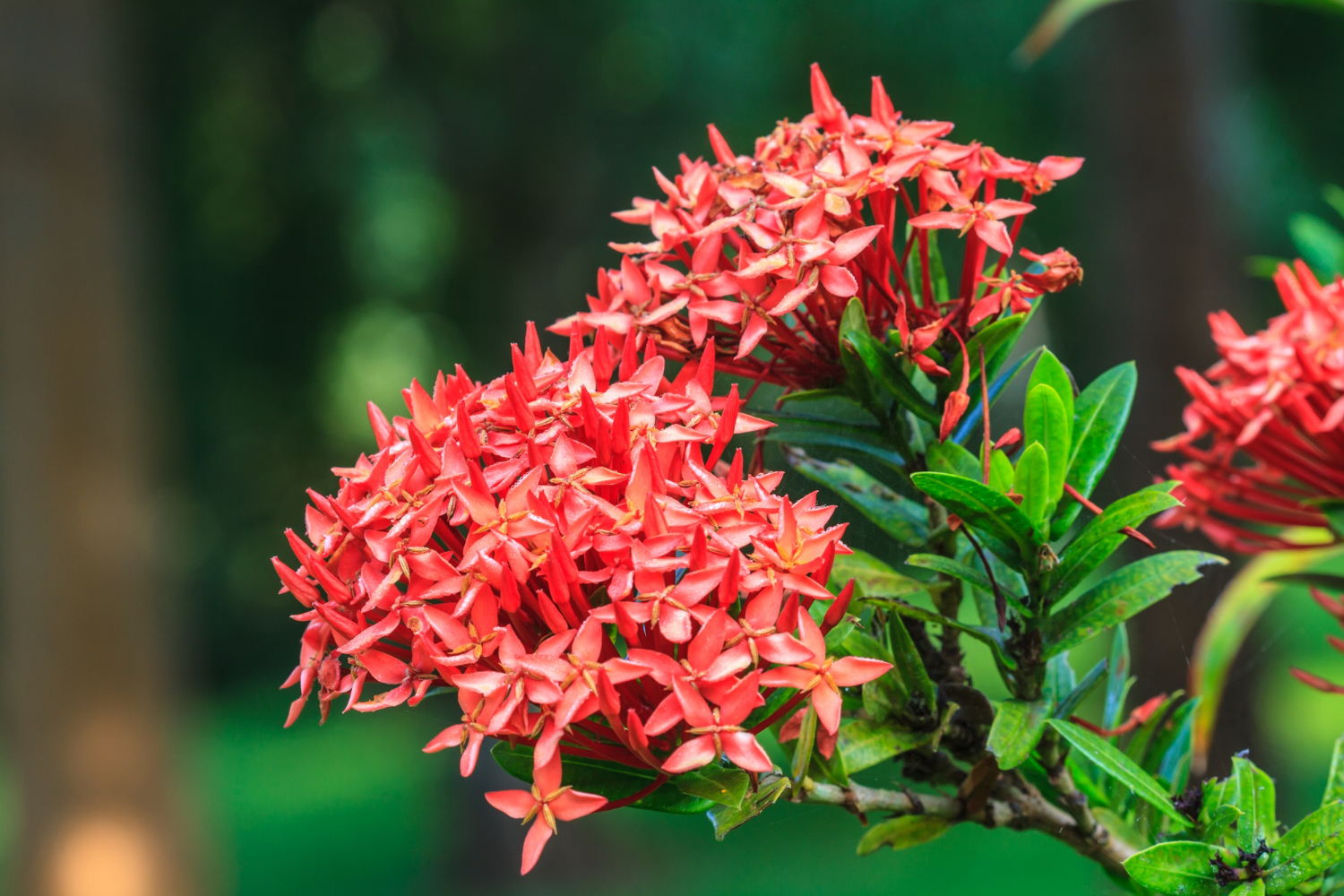
Ixora has a different look altogether. Instead of large individual blooms, it produces dense clusters of tiny flowers that stay colourful for weeks. Butterflies often move across these flower heads without rushing, making them one of the easiest plants to observe in a garden.
Pentas creates a similar scene. Its star-shaped flowers bloom generously in warm weather and continue attracting butterflies throughout the season. A small patch of pentas can quickly become one of the busiest corners of the garden.
Bottlebrush Brings More Than Colour
Courtesy - Magnific
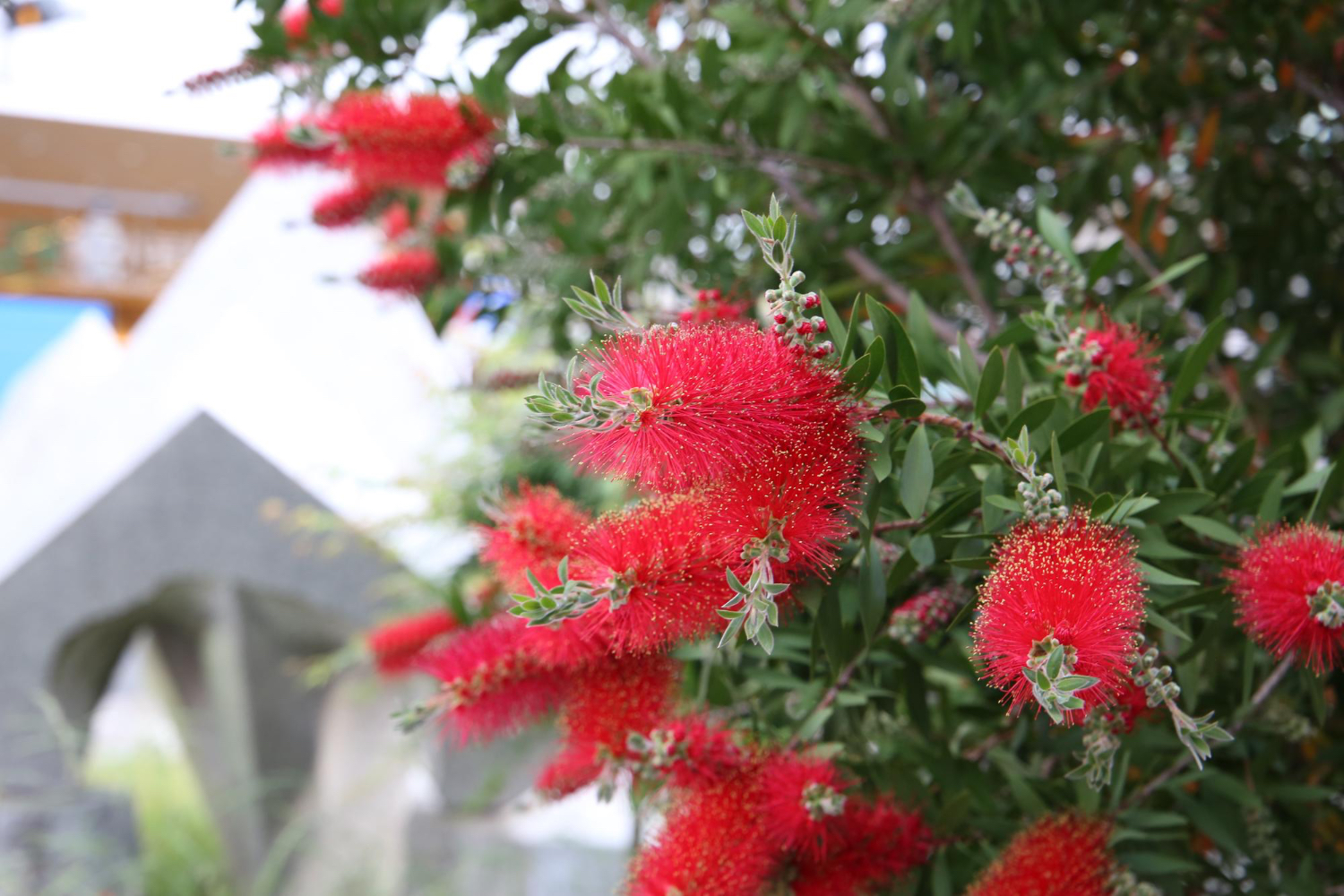
Bottlebrush trees have flowers that are difficult to miss. Their bright, brush-like blooms are rich in nectar, making them especially attractive to sunbirds and other nectar-feeding birds.
Watching these birds dart from flower to flower is part of the charm of growing bottlebrush. The tree often becomes active early in the morning, bringing movement and birdsong to the garden long before the rest of the day begins.
Hibiscus Rarely Goes Unnoticed
Courtesy - Magnific
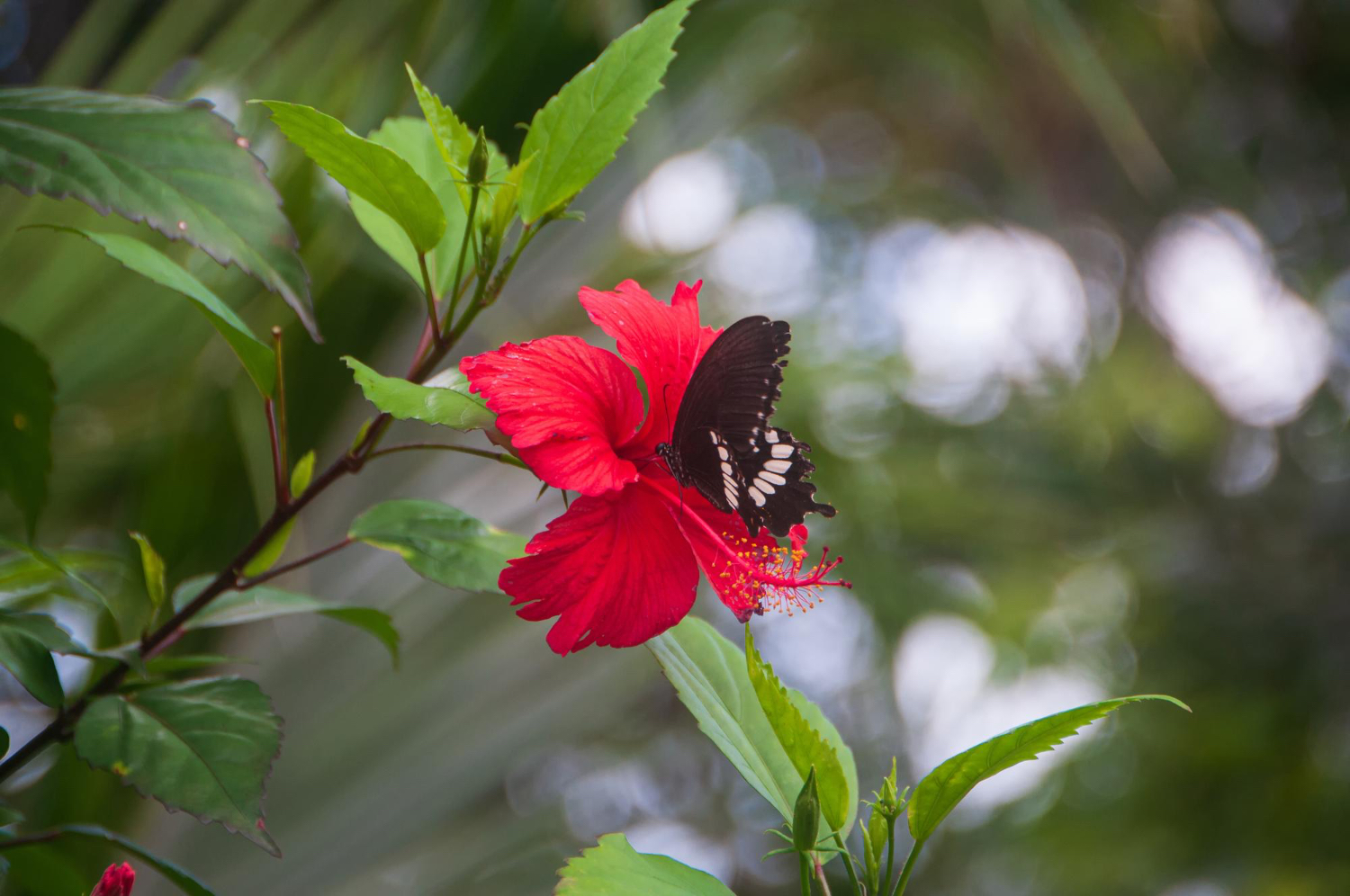
There is something about hibiscus that catches attention immediately. The large blooms stand out from a distance, and butterflies seem to notice them just as quickly. Sunbirds are frequent visitors too, often hovering around the flowers before moving on to the next branch.
Red remains the most familiar variety, but pink, yellow, orange, and white hibiscus can add just as much colour to the garden. Since the plant flowers repeatedly, it keeps the space looking fresh through much of the year.
Fragrance Has Its Place Too
Courtesy - Magnific
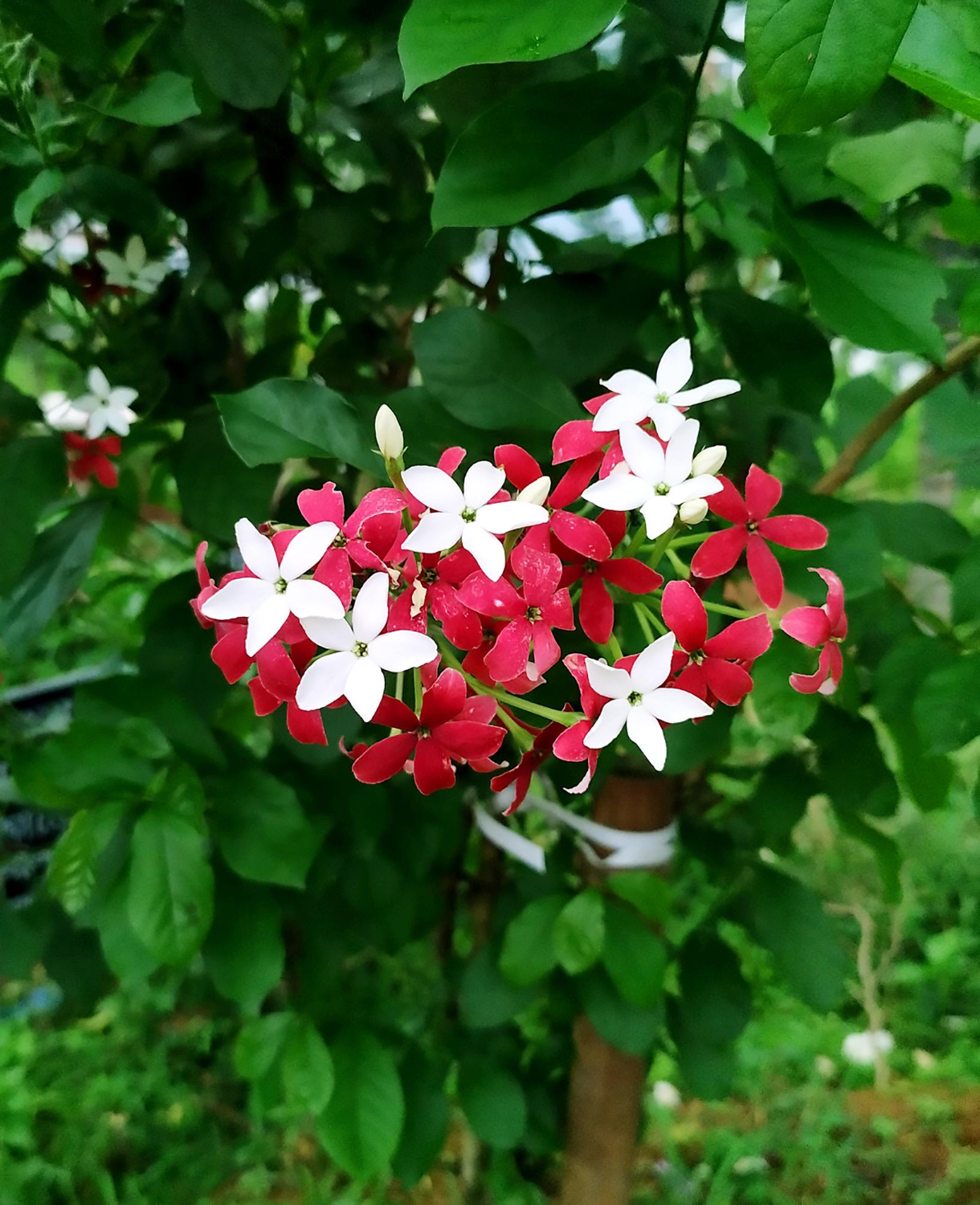
Not every plant relies on bright colours alone. Rangoon Creeper is admired just as much for its fragrance as its flowers.
The blooms begin in white, slowly turn pink, and later deepen into red, so the vine displays several colours at the same time. That gradual change gives the plant a different appearance almost every day. Butterflies are regular visitors, while the evening fragrance adds another reason to spend time outdoors.
Familiar Plants Can Create Beautiful Gardens
Courtesy - Magnific
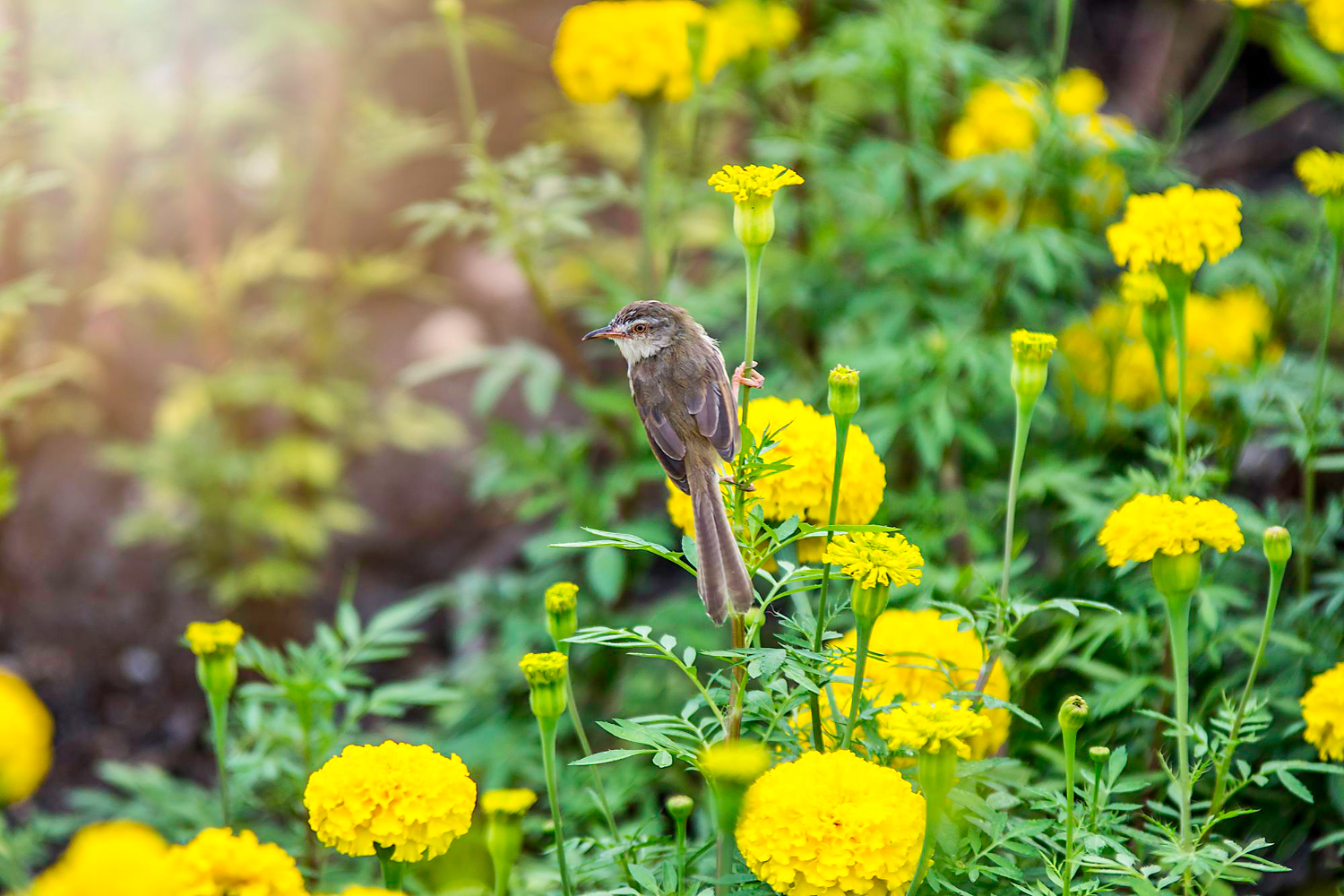
Walk through almost any established garden and certain plants appear again and again. Jasmine, marigolds, cosmos, clerodendrum, and lantana have remained favourites because they flourish in local conditions and naturally attract butterflies, bees, and birds.
There is no need to fill a garden with unusual varieties to make it feel lively. A collection of familiar plants often creates the same effect, especially when they bloom at different times of the year. The changing colours keep the garden interesting while providing a steady source of nectar.
A Few Simple Gardening Habits Help
A thriving butterfly-friendly garden is often built through small decisions.
- Grow plants that flower during different seasons instead of all at once.
- Choose a sunny location, as most flowering plants bloom best with good sunlight.
- Keep a shallow bowl of fresh water where birds can stop for a drink.
- Allow flowers to bloom naturally instead of trimming them too frequently.
- Use gentle gardening practices that encourage butterflies, bees, and birds to visit regularly.
These simple additions help create a space where wildlife feels welcome without changing the character of the garden.
When Flowers Bring More Than Colour
The joy of gardening often comes from the little moments that cannot be planned. A butterfly settling on a fresh bloom, a pair of sunbirds returning each morning, or the quiet movement of birds between branches gradually becomes part of the daily routine.
That is what makes these gardens memorable. The flowers provide the colour, but the butterflies and birds give the space its rhythm. With a thoughtful mix of flowering plants, even a modest balcony or a small garden can become a place that feels alive throughout the seasons.
Also Read: 20 Easy-to-Grow Houseplants That Do Not Require a Green Thumb
FAQs on Flowering Plants That Attract Butterflies and Birds
1. Which flowering plants attract butterflies and birds the most?
Some of the best flowering plants include ixora, pentas, bottlebrush, hibiscus, Rangoon creeper, lantana, jasmine, marigold, cosmos, and clerodendrum.
2. Why should I grow flowering plants that attract butterflies and birds?
They enhance your garden’s beauty while supporting pollination, increasing biodiversity, and creating a healthier outdoor environment.
3. Can these plants be grown in pots or on balconies?
Yes. Many flowering plants, such as pentas, hibiscus, ixora, and marigolds, thrive in containers and are suitable for balconies, terraces, and small gardens.
4. How can I make my garden more attractive to butterflies and birds?
Plant nectar-rich flowers, ensure year-round blooming, provide fresh water, avoid excessive pruning, and follow eco-friendly gardening practices.
5. Do butterfly- and bird-friendly plants require a lot of maintenance?
Most require basic care, including adequate sunlight, regular watering, occasional pruning, and well-drained soil, making them easy to maintain for homeowners.
Courtesy - Featured Image(Magnific)
Author & Expert Review
Written By:  Nidhi Patel | Civil Engineer & Content Writer

| Credentials: B.E. (Mahatma Gandhi Institute of Technical Education and Research Centre), Registered with Gujarat Technological University (GTU). Experience: Civil Engineer with 3+ years of content writing experience, currently writing blogs for Gharpedia, part of SDCPL. Expertise: Specializing in SEO-optimized blogs and long-form articles focused on home improvement, construction, interiors and architect topics. I create well-researched, reader-focused content that balances technical accuracy with clarity, making complex subjects easy to understand. Find her on: LinkedIn |
Verified By Expert: Farhan Shaikh – Senior Manager – Architect, SDCPL | Associate Member – IIA

This article has been reviewed for architectural and interior design accuracy by Farhan Shaikh, Senior Manager – Architect at Sthapati Designers & Consultants Pvt. Ltd. As the lead for all architectural and interior projects at SDCPL and an Associate Member of the Indian Institute of Architects (IIA), he brings hands-on experience in architectural planning, interior design, project coordination, and sustainable strategies. His review ensures the content reflects practical design considerations, industry best practices, and real-world applicability across both architecture and interior spaces.
Find him on : Linkedin