





Table of Contents
Quick Summary
- A file cabinet keeps your home office organized by reducing paper clutter and improving productivity.
- Measure your available space before selecting a cabinet to ensure a perfect fit.
- Choose the right type – vertical, lateral, mobile, or open shelving – based on your storage needs and office layout.
- Consider storage capacity to organise financial records, personal documents, business papers, and warranties efficiently.
- Select a design and material that complements your home office décor while offering durability.
- If you store confidential documents, opt for a file cabinet with locking drawers for added security.
- Maintain an organized filing system by labeling folders, decluttering regularly, and creating digital backups of important files.
- The right file cabinet enhances both the functionality and appearance of your home office.
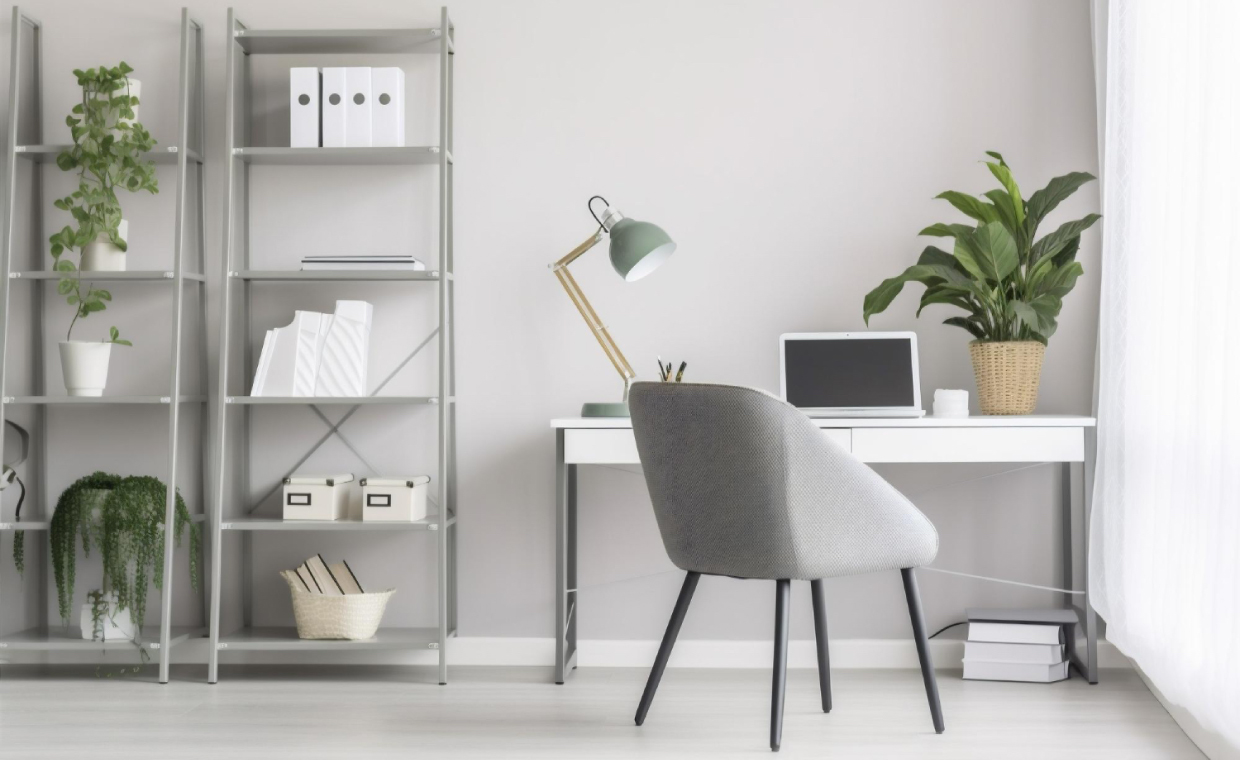
A home office that is put together well does a great job in terms of productivity and comfort. As remote work, freelancing, and home-based businesses grow in numbers, many people are looking into what works best for them to manage their docs, supplies, and day-to-day office needs. To that end, one sees the file cabinet as a very practical storage solution, which also helps to maintain that organized look and feel.
A proper file cabinet will keep important docs safe as well as put a dent in the problem of clutter, which in turn better facilitates flows of information and which presents a nicer office environment. But in that which is to do with which file cabinet is right for one, close attention must be paid to what one has in terms of space, what one’s storage needs are, how one’s office is designed, and one’s day-to-day routines. Also in it, which type of cabinet and which one they do best, one will find what is best for one’s home office.
Why a File Cabinet Is Important for a Home Office
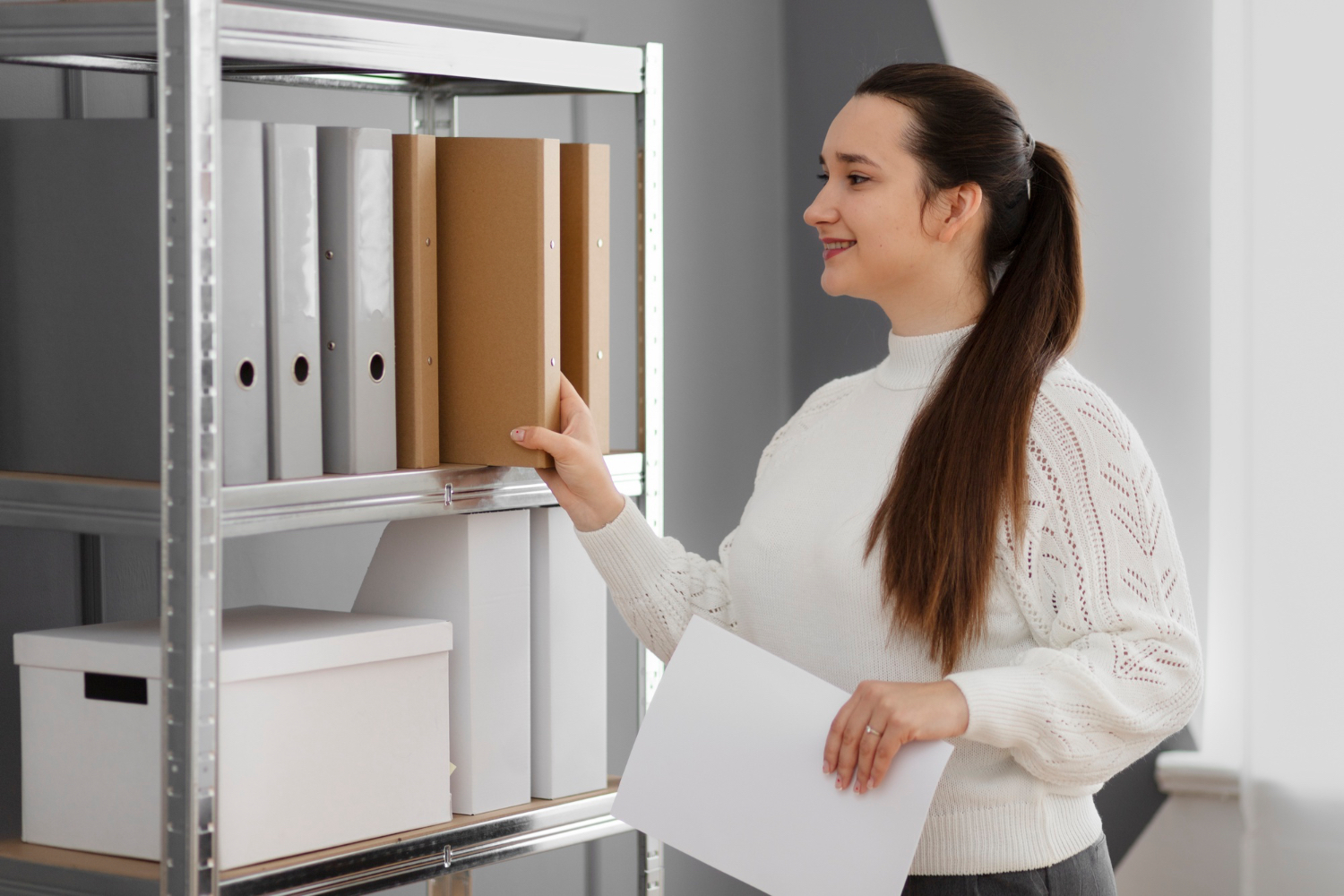
Paper chaos in a home office may create a very disorganized and distracting environment. Over time bills, contracts, invoices, project files, certificates, and personal records tend to accumulate. In the absence of a good storage solution, finding out which document is which can be very frustrating and time-consuming.
A file filing cabinet is a practical storage solution that gives one a home for one’s papers which is also very organized. A file drawer which is a file cabinet’s equivalent in the digital age gives one a home for one’s papers which is also very organized. Instead of having docs all over the desk, in the bottom of drawers, or thrown on shelves, one may put them in labeled files and access what one needs at a moment’s notice. Also this which may see to make one’s work area a more pleasant place and at the same time increases efficiency by getting out of the way of important tasks.
For those that have a functional and design-conscious home office, a well-designed file cabinet will also tie in with existing furniture and improve the overall look.
Consider Your Home Office Space
Before buying a file cabinet, measure the space in the home office. The arrangement and size of the room will determine which cabinet will fit best.
In small offices compact vertical file cabinets are a great option, which is due to the fact that they take up less floor space and at the same time provide sufficient storage. Also, these cabinets do very well when put by a desk or in a corner, which in turn does not make the room feel cramped.
If one has a large office setup, then lateral file cabinets will be a better option; they are wider in structure, which in turn provides better access to documents as they are placed side by side. Also, they can double as extra worktop space for things like decorative items, office equipment, or storage accessories.
In today’s flexible work environments one sees that mobile filing cabinets with wheels are very useful. They easily go in any direction and can be parked under a desk when not needed.
Choose the Right File Cabinet Type
File cabinets in a variety of designs, materials, and sizes are what one will find. What one chooses will depend on one’s storage needs.
Vertical File Cabinets
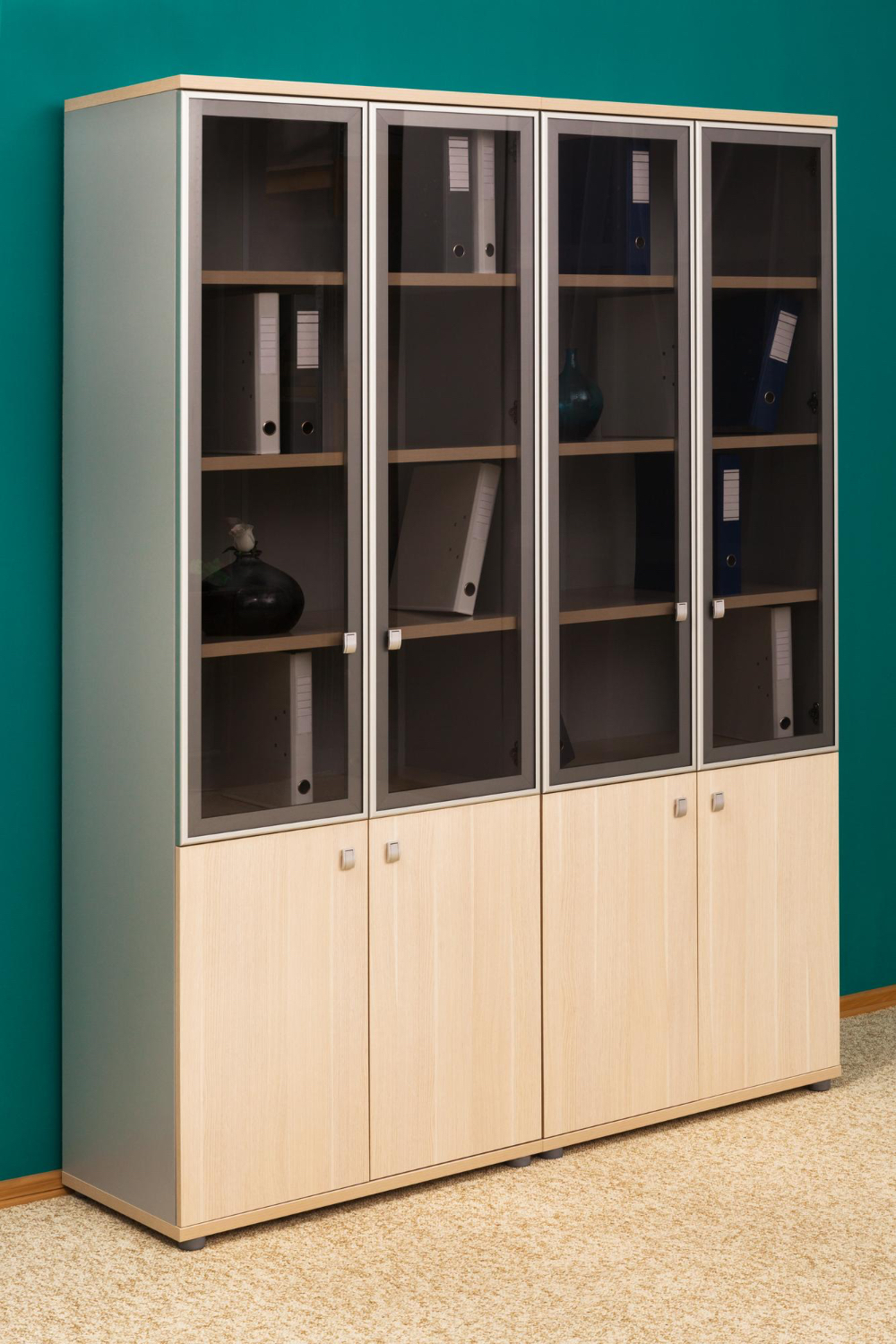
Vertical cabinets are a popular choice in home offices. They feature deep drawers that hold stand-up files and are great for small spaces. Also, they do very well for homeowners who require organized storage without taking up much floor area.
Lateral File Cabinets
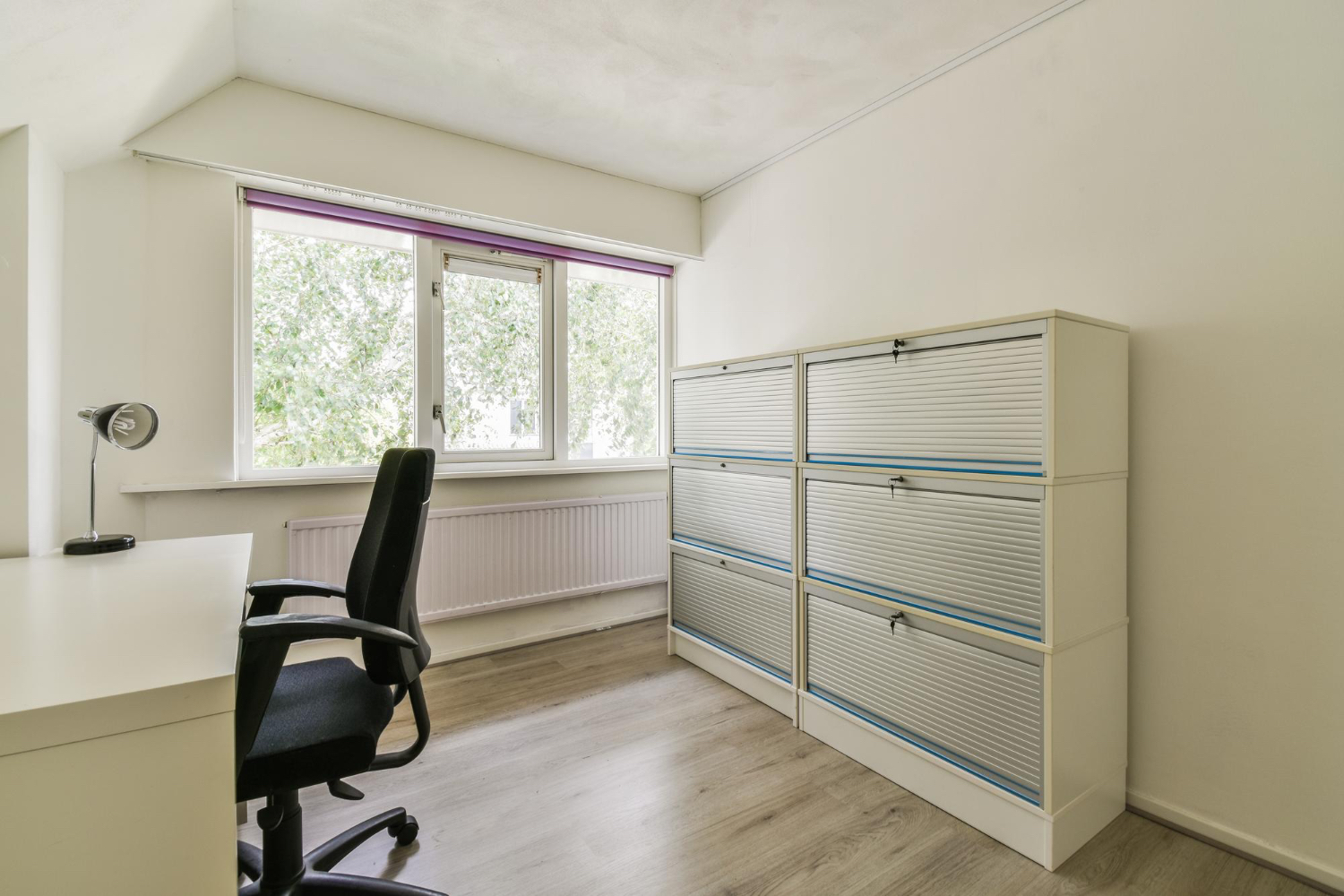
Lateral cabinets, which have wide drawers, are great for when one wants to see many folders at once. They do best for business owners, professionals, and those that work with large sets of records.
Mobile File Cabinets
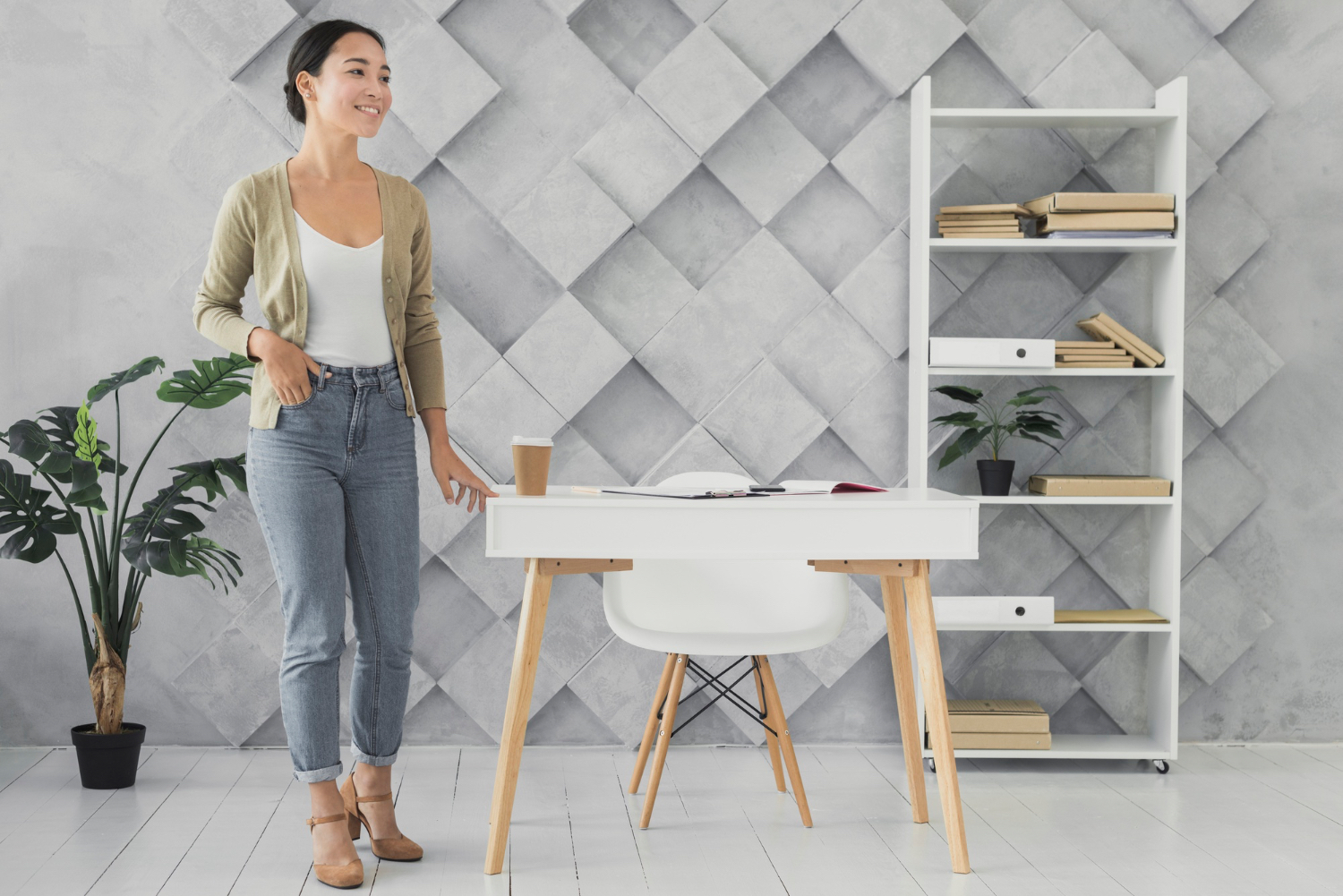
Mobile cabinets are compact and very convenient. Also, they are on wheels, which makes them easy to reposition, a great fit for multi-use rooms, which may require the office space to change regularly.
Open Shelving File Storage
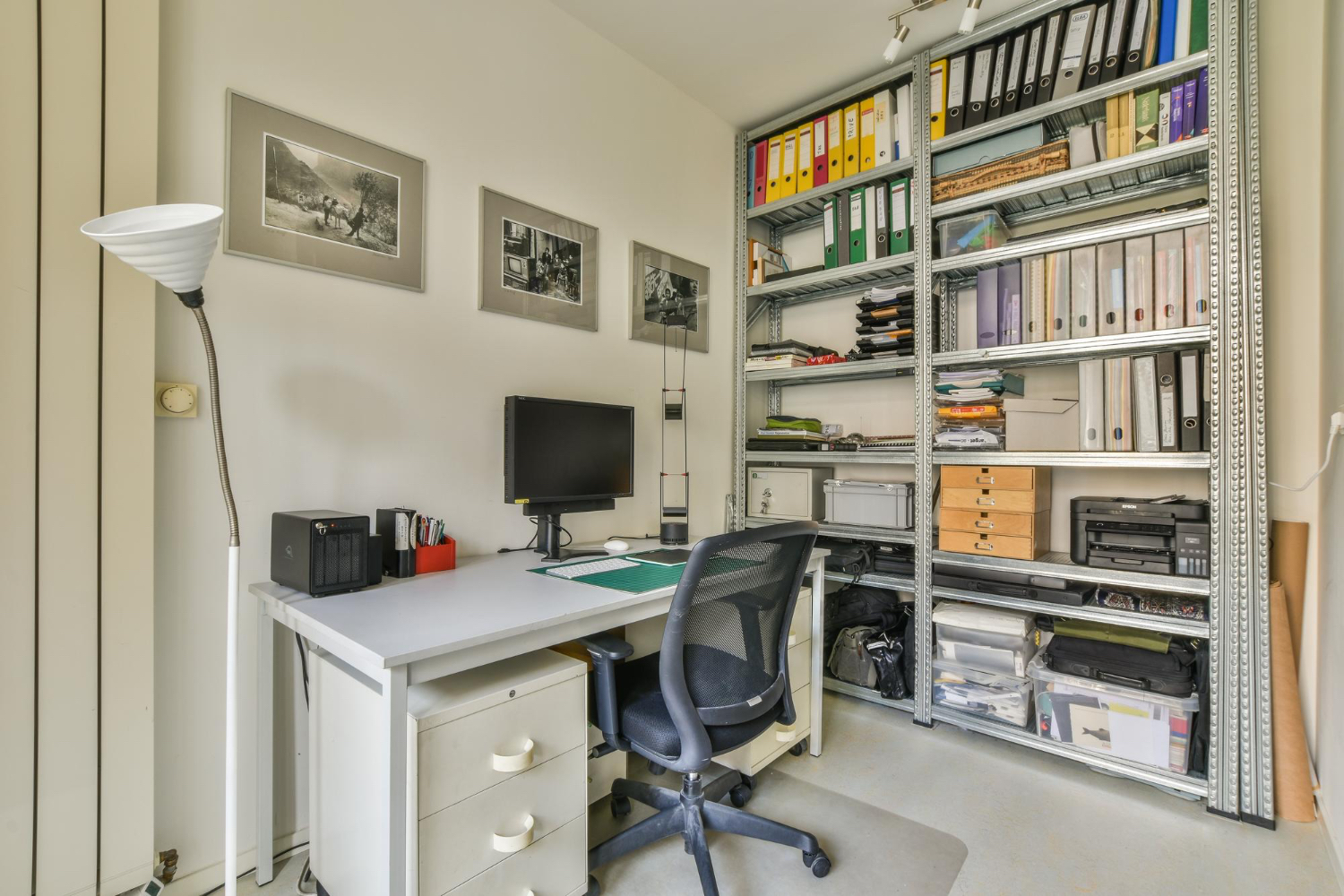
Some present-day home offices use traditional cabinets in combination with open storage options. Open shelving is a great way to access often-used papers at a moment’s notice, which at the same time gives a very modern look.
Focus on Storage Capacity and Organization
A good file cabinet is one that fits one’s document storage needs. If one buys a cabinet that is too small, one will end up with crowded drawers; at the same time, choosing a large cabinet that one doesn’t need will waste office space.
Consider what types of documents one puts away. In a home office some suggest having separate sections for
- Financial documents
- Tax records
- Business paperwork
- Client information
- Property documents
- Personal certificates
- User manuals and warranties
Using tagged folders and categories, which in turn makes it easier to maintain a clean filing system. A cabinet performs much better when each document has a specific spot.
Select a Design That Matches Your Interior
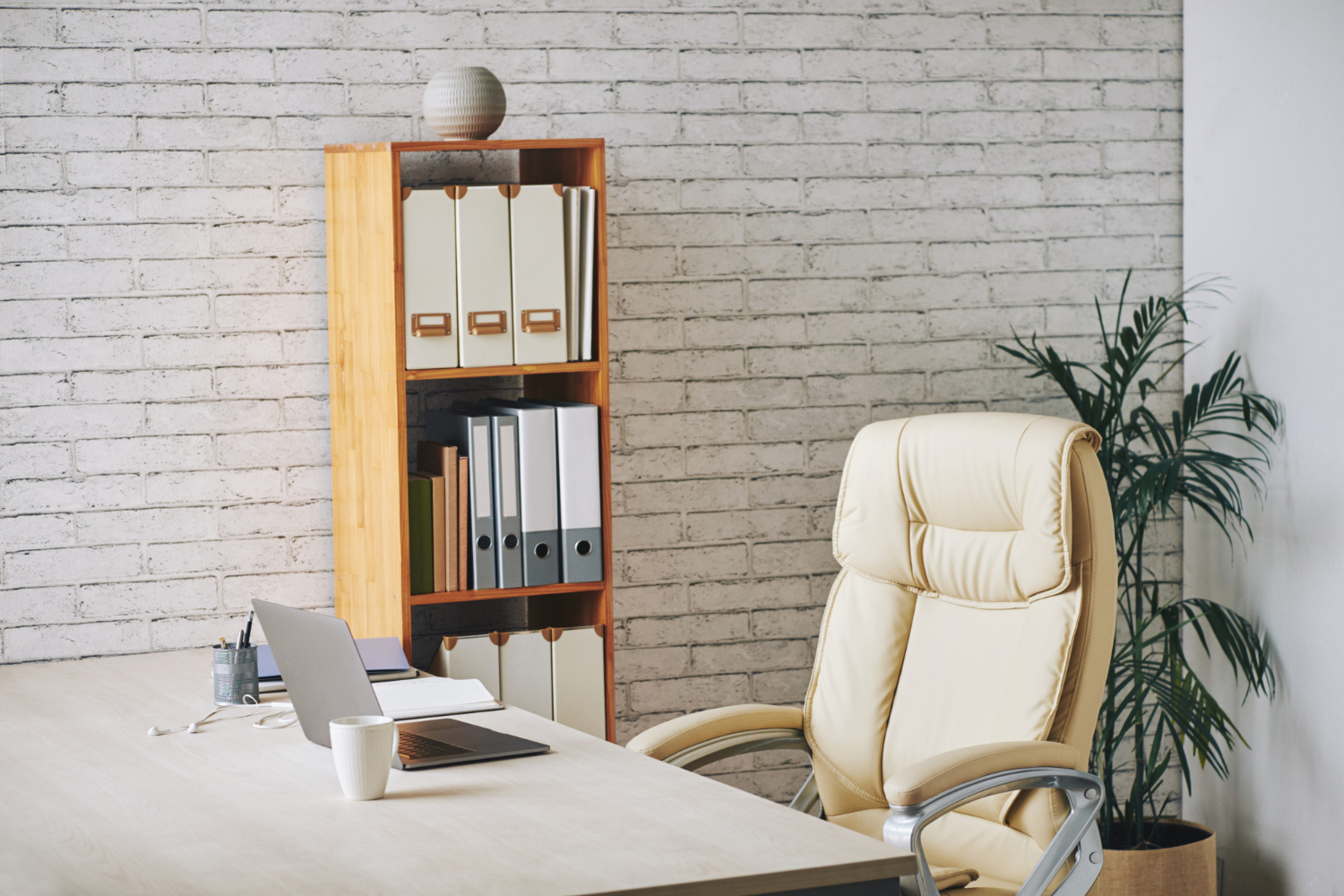
In one’s living space, which is what a home office is, the look of one’s file cabinet is important. One has a range of modern cabinets in different materials, colors, and finishes to match any interior style.
Metal cabinets are known for their durability and professional look, which is great for modern offices. Wood cabinets, on the other hand, bring in a warm feel and work well with traditional or homey interiors. In minimalistic settings, simple design with clean lines does the best to keep things neat and uncluttered.
Selecting furniture that goes with one’s home office design creates a space that is both comfortable and visually appealing.
Consider Security Features
In a home office one may have documents that are sensitive in nature. If one is keeping financial reports, legal papers, or private business information, security should be a top issue.
Many file cabinets have locking features, which do also report that lockable drawers, in turn, do away with unauthorized access and which also give homeowners the peace of mind that their important papers are secure.
Maintain a Clutter-Free Filing System
Choosing the right file cabinet is the first step, but to keep one’s office functional over time, one must implement an organized system.
Regularly go over stored documents and get rid of what is unneeded. Develop a practice of putting documents away as one goes instead of leaving them out on the desk. Also, digital backup of important files is a great protection.
Regularly go over stored documents and get rid of what is unneeded. Develop a practice of putting documents away as one goes instead of leaving them out on the desk. Also, mobile file upload of important files is a great protection.
Conclusion
Selecting the proper file cabinet for a clutter-free home office, one must determine one’s space, one’s storage needs, and one’s design preferences. If one chooses a compact vertical cabinet, a large lateral cabinet, or a mobile storage solution, the right choice may transform one’s workspace into one that is more productive and organized.
A proper file cabinet choice goes beyond the storage of docs; it also supports better organization and reduces distractions, which in turn improves the flow of one’s home office. By putting in the right storage solution, one is able to create a workspace that is at once functional and very much a pleasure to be in.
Also Read: Home Office Setup: Minimalist Tips for Productivity & Focus
FAQs on File Cabinet for Home Office
1. Which type of file cabinet is best for a small home office?
A vertical file cabinet is ideal for small home offices because it occupies less floor space while providing ample document storage.
2. How do I choose the right size file cabinet?
Assess the number and type of documents you need to store, then measure your available office space to select a cabinet that fits comfortably.
3. Are locking file cabinets necessary for a home office?
Yes, if you store sensitive documents such as financial records, legal papers, or personal information, a locking file cabinet offers added security.
4. What material is best for a file cabinet?
Metal cabinets are durable and suitable for modern offices, while wooden cabinets offer a warm, stylish appearance that blends well with home interiors.
5. How can I keep my file cabinet organized?
Use labeled folders, categorize documents by purpose, remove unnecessary paperwork regularly, and back up important files digitally to maintain an efficient filing system.
Author & Expert Review
Written By:  Nidhi Patel | Civil Engineer & Content Writer

| Credentials: B.E. (Mahatma Gandhi Institute of Technical Education and Research Centre), Registered with Gujarat Technological University (GTU). Experience: Civil Engineer with 3+ years of content writing experience, currently writing blogs for Gharpedia, part of SDCPL. Expertise: Specializing in SEO-optimized blogs and long-form articles focused on home improvement, construction, interiors and architect topics. I create well-researched, reader-focused content that balances technical accuracy with clarity, making complex subjects easy to understand. Find her on: LinkedIn |
Verified By Expert: Farhan Shaikh – Senior Manager – Architect, SDCPL | Associate Member – IIA

This article has been reviewed for architectural and interior design accuracy by Farhan Shaikh, Senior Manager – Architect at Sthapati Designers & Consultants Pvt. Ltd. As the lead for all architectural and interior projects at SDCPL and an Associate Member of the Indian Institute of Architects (IIA), he brings hands-on experience in architectural planning, interior design, project coordination, and sustainable strategies. His review ensures the content reflects practical design considerations, industry best practices, and real-world applicability across both architecture and interior spaces.
Find him on : Linkedin