






Table of Contents
Quick Summary
- Homeowners often face common plumbing problems such as clogged drains, leaky pipes, running toilets, low water pressure, and sewage backups. Identifying the cause early can help prevent water damage and more expensive repairs.
- Clogged drains are commonly caused by hair, soap residue, food particles, grease, and other debris that restrict the flow of water.
- For minor blockages, homeowners can try a plunger, plumber’s snake, or hand auger. A simple baking soda and vinegar treatment may also help with some light build-up.
- Leaky pipes can waste water and may damage cabinets, walls, ceilings, and floors if they are left unattended. Waterproof tape or a suitable repair compound can provide a temporary solution until the pipe is properly repaired.
- Running toilets are often caused by worn flapper seals, faulty fill valves, incorrect water levels, or problems with the flush valve. Replacing the faulty component can usually restore normal operation.
- Low water pressure may result from mineral deposits in aerators or showerheads, partially closed valves, clogged pipes, leaks, or problems with the water supply. Cleaning the aerator or showerhead is a useful first check.
- A sewage system backup is a serious plumbing problem. Multiple blocked drains, foul odours, gurgling sounds, or wastewater coming back through a drain can indicate a larger blockage that needs professional attention.
- Early detection, regular maintenance, and timely repairs can help prevent common plumbing problems from causing costly water damage and long-term maintenance issues.
Courtesy - Magnific
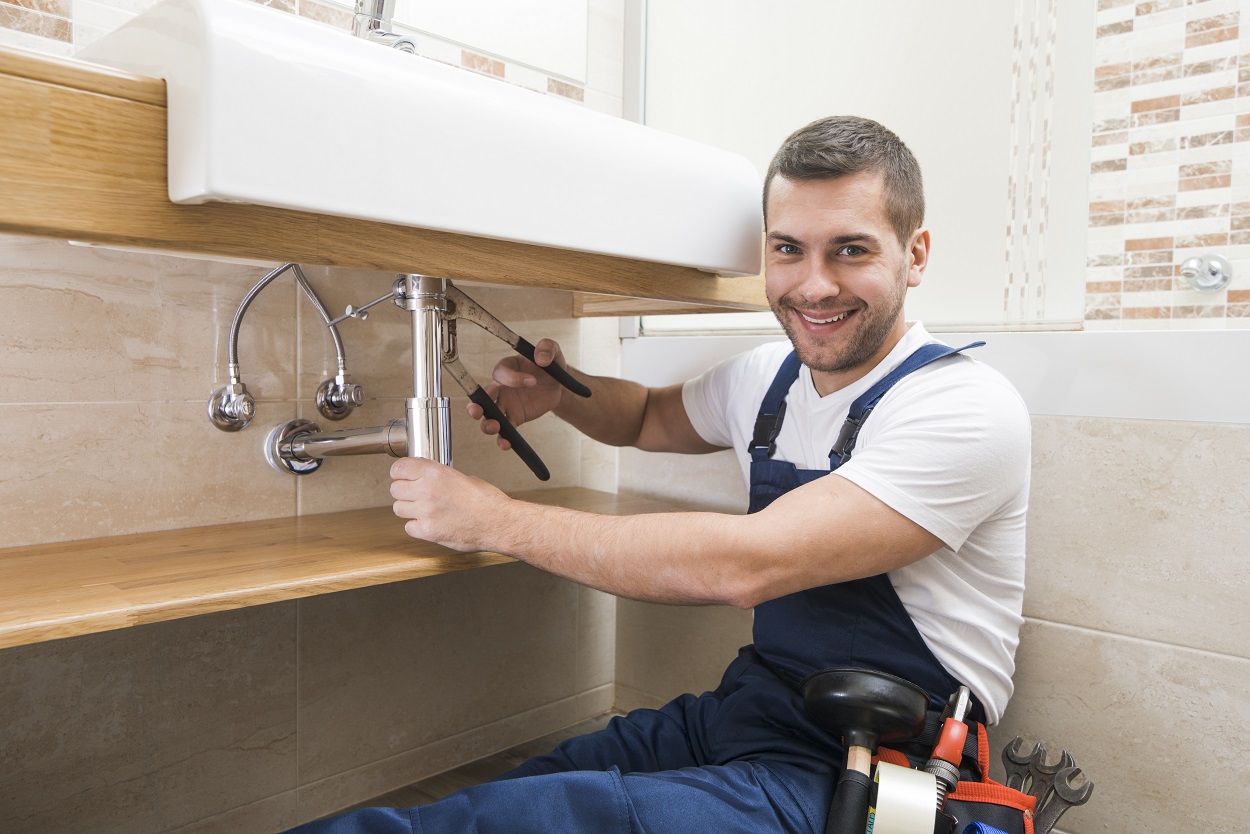
Plumbing problems can occur in any home, whether the issue is a slow kitchen sink, a dripping pipe, a toilet that keeps running, or weak water flow from a tap. Many minor problems can be identified and handled with basic tools, but homeowners should know when a repair requires professional help. The following sections explain practical ways to identify and address common plumbing problems safely.
How Do You Fix a Clogged Drain?
Courtesy - Magnific
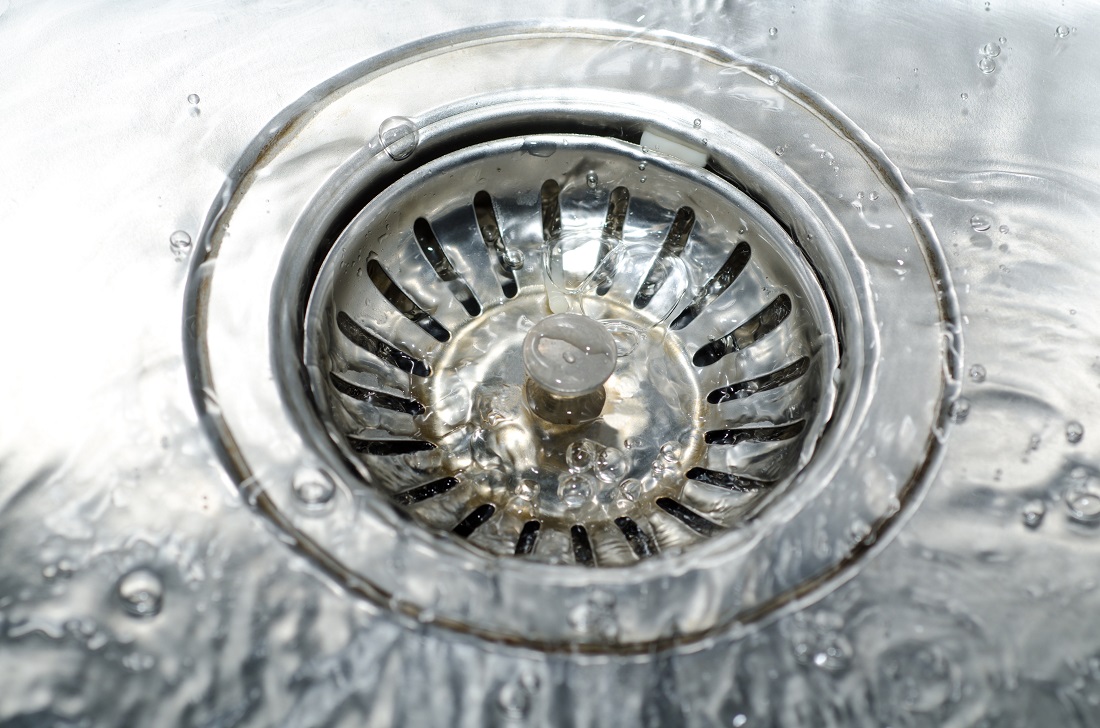
Clogged drains are among the most common plumbing problems in homes. Build-up can restrict water flow in kitchen sinks, bathroom basins, showers, and floor drains. Hair, soap residue, food particles, grease, and other debris are common causes.
Quick check: If water drains slowly, remove visible debris from the plughole first. Then use a plunger with enough water to cover the rubber cup and create a seal. If the blockage keeps returning, the cause may be deeper in the waste pipe.
You can unclog a drain using a plunger, a plumber’s snake, or a hand auger to fix this. If these traditional methods don’t work, try a natural vinegar and baking soda solution. Remember that not all clogs are manageable at home, so don’t hesitate to call a FL Miami Handyman if your efforts don’t bear fruit.
What Causes Pipes to Leak?
Courtesy - Magnific
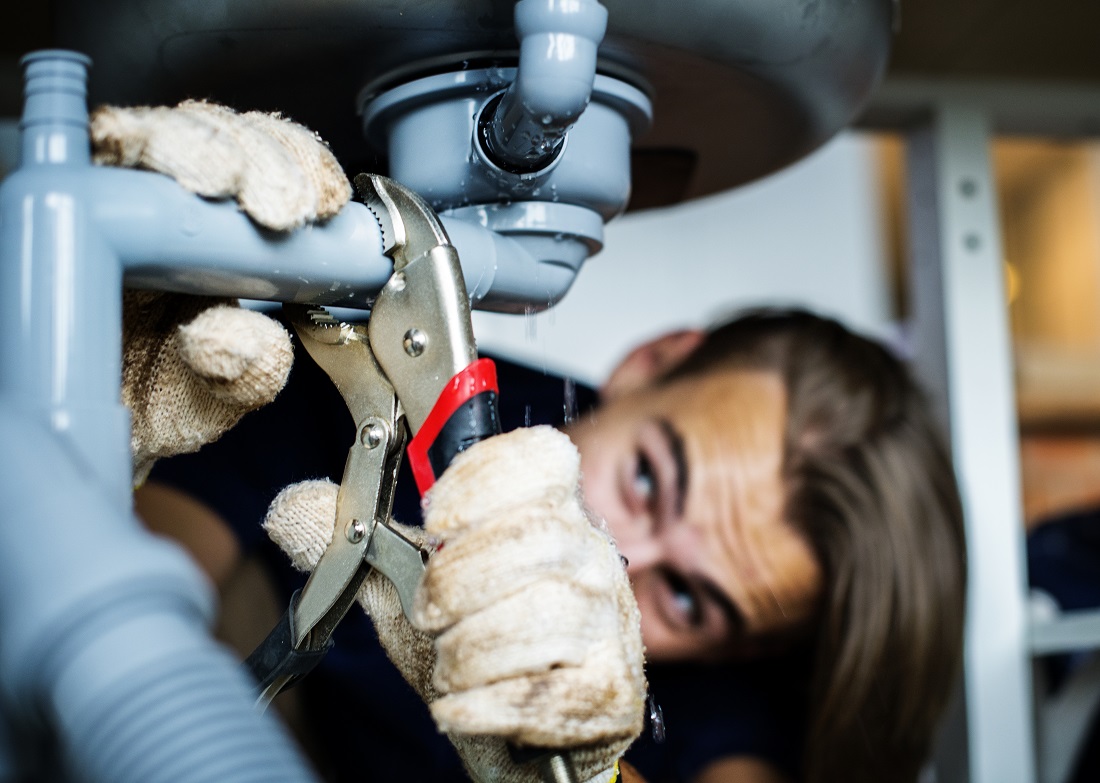
Leaky pipes are not only inconvenient, but they can also waste a significant amount of water and cause damage to surrounding surfaces. Leaks may occur at joints, valves, connections, or damaged sections of pipe.
Homeowner tip: Locate the nearest shut-off valve before attempting any repair. A quick response can limit water damage while you arrange a proper repair.
For a minor leak on an exposed pipe, first turn off the water supply and dry the area. Waterproof repair tape or a suitable temporary filler can help contain the leak until a plumber inspects it. Persistent, concealed, or rapidly worsening leaks require professional attention.
Why Does My Toilet Keep Running?
Courtesy - Magnific
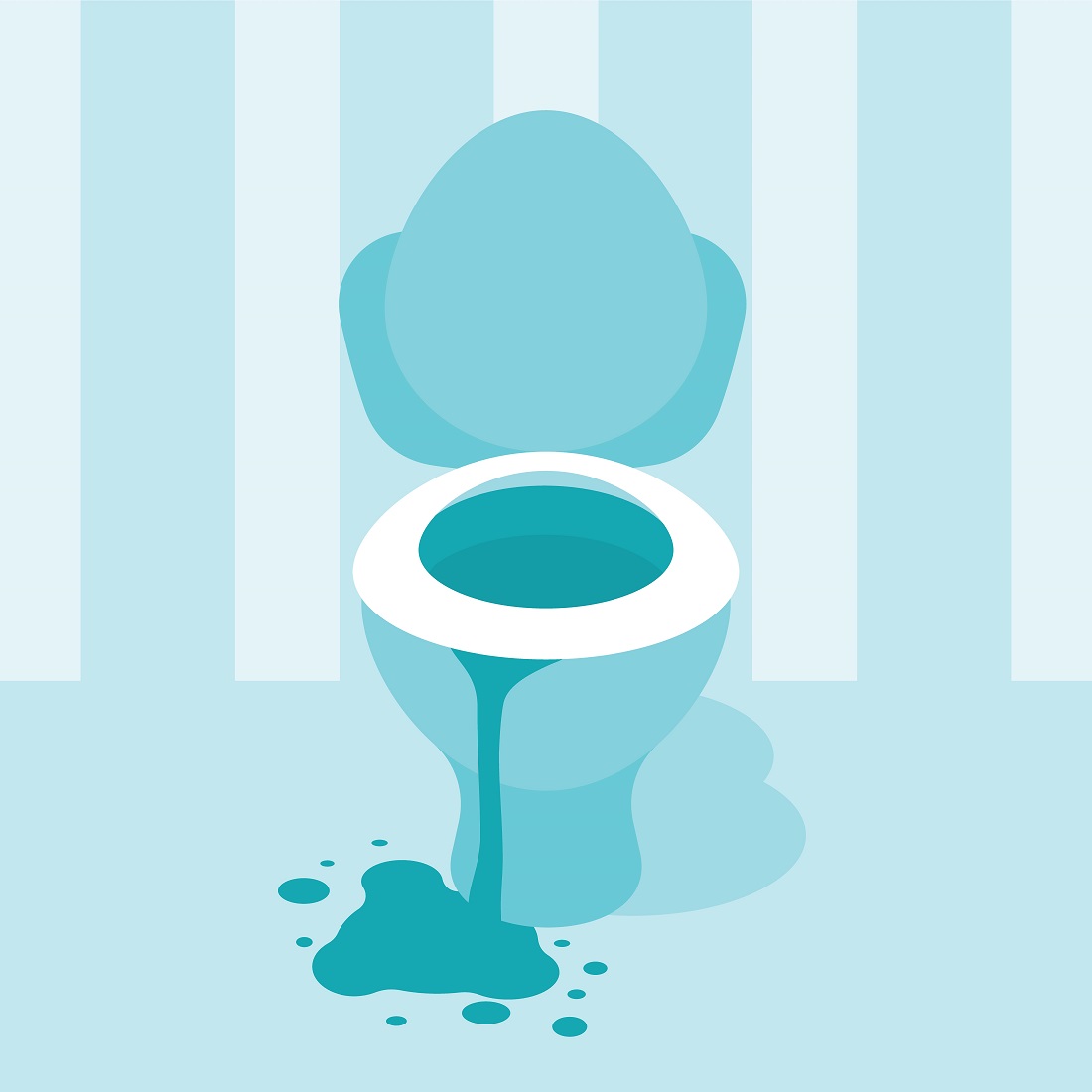
Running toilets can waste a surprising amount of water and are often caused by worn-out parts or incorrect adjustments. A toilet that continues to refill after flushing should be checked rather than ignored.
A simple test is to add a few drops of food colouring to the cistern and wait for about 10 minutes without flushing. If coloured water appears in the bowl, the flapper may be leaking and should be inspected.
Start by checking the flapper seal, fill valve, float, and flush valve for visible damage or incorrect adjustment. A compatible toilet repair kit can often replace a worn component. If the toilet still runs after the repair, a plumber should inspect the cistern and supply connection.
What Causes Low Water Pressure in A House?
Courtesy - Magnific
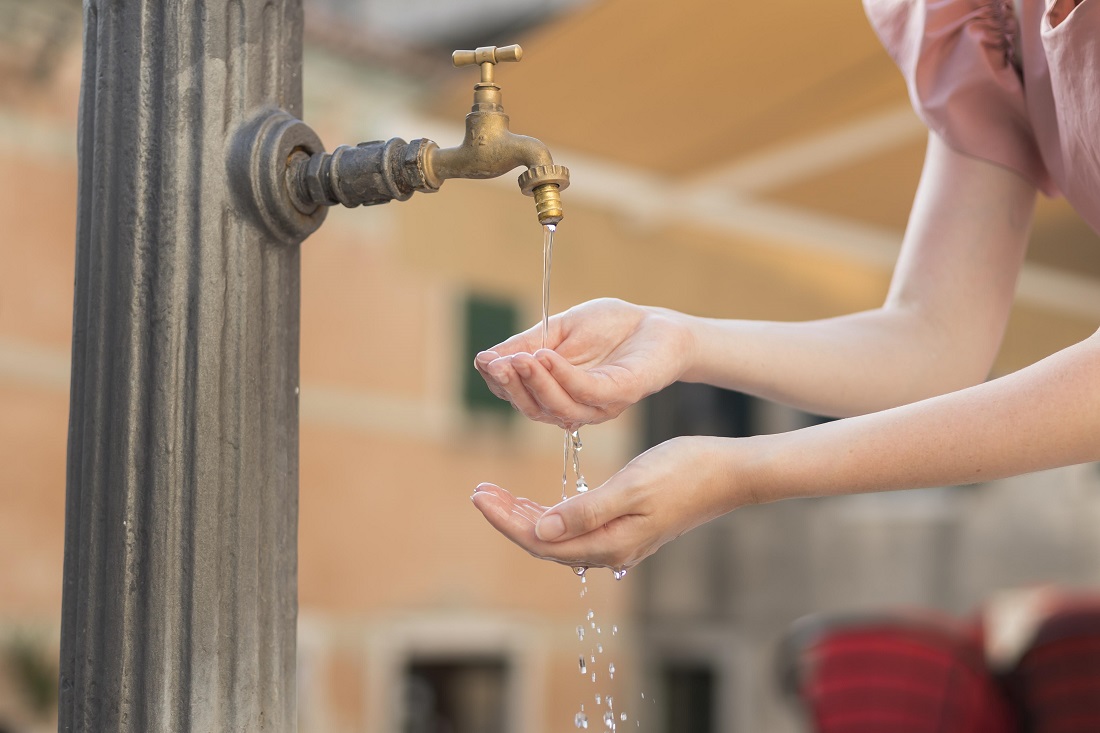
Low water pressure can have several causes, including mineral deposits in an aerator or showerhead, a partially closed supply valve, pipe corrosion, leaks, or a wider supply problem. Checking whether the issue affects one fixture or the whole house can help narrow down the cause.
If only one tap has low pressure, the problem is more likely to be at that fixture. If several fixtures are affected at the same time, check the main supply valve and look for signs of a leak before calling a professional.
Start with the affected tap or showerhead. Remove and clean the aerator or showerhead and soak it in a suitable cleaning solution or vinegar to loosen mineral deposits. Also check that the local shut-off valve is fully open. If pressure remains low throughout the house, professional diagnosis may be needed.
What are the Signs of a Sewage System Backup?
Courtesy - Magnific
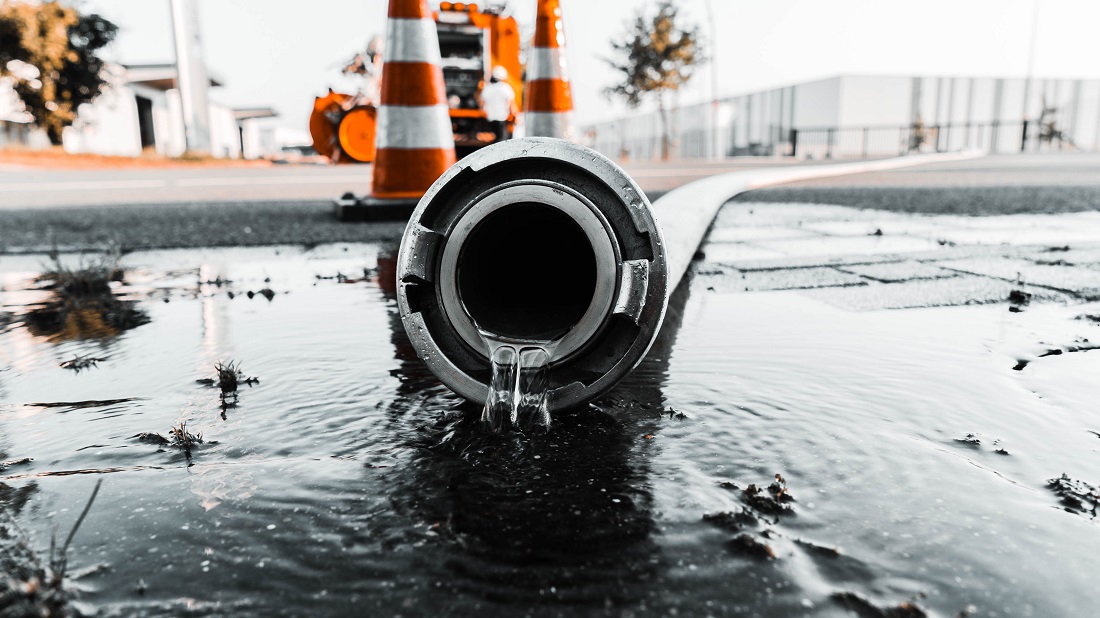
A sewage system backup is a serious problem. Warning signs include multiple slow or blocked drains, foul odours, gurgling sounds, wastewater returning through fixtures, and water pooling near a floor drain.
A real-life experience also shows why small leaks should not be ignored. Aabid Surti, founder of the Drop Dead Foundation, began working with a plumber to fix leaking taps and pipes in neighbours’ homes after seeing how often minor leaks were left unattended. His experience highlights the value of addressing water leaks early rather than allowing them to continue.
Important: Sewage-contaminated water can pose hygiene risks. Keep children and pets away from the affected area and arrange professional cleaning and repair where necessary.
Avoid using affected fixtures and do not handle sewage without suitable protection. Do not rely on repeated DIY chemical treatments for a suspected main-line blockage. Contact a qualified plumber promptly, particularly when wastewater is backing up into the home.
When Should I Call a Professional Plumber?
| Plumbing Problem | Common Causes | Simple Fix | When to Seek Professional Help |
| Clogged drains | Hair, food particles, soap residue and debris | Plunger, plumber’s snake, hand auger or suitable cleaning solution | Recurring or severe blockage |
| Leaky pipes | Damaged pipes, loose joints or connections | Waterproof tape or temporary pipe repair | Persistent or major leaks |
| Running toilets | Faulty flapper seal, fill valve or flush valve | Inspect and replace faulty components | Problem continues after repair |
| Low water pressure | Mineral deposits, blocked aerators or deeper plumbing issues | Clean aerator or showerhead | Pressure remains low after cleaning |
| Sewage system backup | Drainage or sewer blockage | Avoid DIY repair and seek professional help | Immediately |
- The leak is concealed inside a wall, ceiling, floor, or slab.
- Several fixtures are blocked or draining slowly at the same time.
- Water is backing up through a floor drain, toilet, sink, or shower.
- Low water pressure affects the whole house and basic checks do not resolve it.
Conclusion
While Miami homeowners frequently encounter multiple plumbing problems, many can be fixed with a bit of effort and DIY knowledge. However, if a plumbing problem persists or you encounter something potentially serious, like a sewer backup, don’t hesitate to call a handyman for help. It’s better to tackle these problems sooner rather than later to prevent them from becoming costly troubles in the future.
Also, check out these useful articles related to plumbing maintenance.
How Does Efficient Plumbing Save You Money?
How to winterize your outdoor faucets & valves
FAQs – Plumbing Problems
1. What are the most common plumbing problems at home?
Common plumbing problems include clogged drains, leaky pipes, running toilets, low water pressure, and sewage backups.
2. How can I unclog a drain naturally?
For a minor clog, you can try baking soda and vinegar followed by hot water. If the blockage remains, use a plunger or drain snake rather than repeatedly using harsh chemicals.
3. Why does my toilet keep running?
A running toilet is commonly caused by a worn flapper seal, faulty fill valve, incorrect float adjustment, or a problem with the flush valve.
4. What causes low water pressure in a house?
Low water pressure can be caused by mineral build-up, clogged aerators, partially closed valves, pipe corrosion, leaks, or a wider supply issue.
5. When should I call a plumber?
Call a plumber when a DIY fix does not solve the problem or when you have persistent leaks, concealed pipe damage, widespread low pressure, or sewage backup.
Courtesy - Featured Image(Magnific)
Author & Expert Review
Written By:  Gaurav Mishra | Civil Engineer & Content Writer

| Credentials: B.E. (Mahavir Swami College, Surat), Registered with Bhagwan Mahavir University (BMU). Experience: Civil Engineer with 5+ years of content writing experience, currently writing impactful articles for Gharpedia, part of SDCPL. Expertise: Specializes in writing well-researched content on residential construction, construction materials, design planning, on-site practices, and safety, blending technical accuracy with everyday clarity. Find him on: LinkedIn |
Verified By Expert:  Avni Desai | Environmental Engineer, SDCPL | M.E. (Environmental Engineering)
 Avni Desai | Environmental Engineer, SDCPL | M.E. (Environmental Engineering)
This article has been reviewed for environmental, MEP, and building services accuracy by Avni Desai, an Environmental Engineer at Sthapati Designers & Consultants Pvt. Ltd. (SDCPL). With over 8 years of experience in water supply, wastewater management, infrastructure design, and building services, she brings practical expertise in MEP services, sustainable solutions, design planning, and on-site practices. Her professional services include planning and design of water supply systems, sewage and wastewater treatment systems (STP/WTP), drainage, rainwater harvesting, and other sustainable building services. Her review ensures the content aligns with environmental standards, efficient services planning, and real-world applicability.
Find her on : LinkedIn