






Table of Contents
Quick Summary
- Applied texture on natural materials like bamboo, cane, wood, and stone is a popular interior trend.
- Bamboo and cane panels are affordable, easy to install, and available in many sizes for DIY projects.
- Bamboo is brittle while cane is flexible; both come as stitched or woven panels.
- These materials are eco-friendly, carbon-neutral, and offer thermal insulation and energy savings.
- Bamboo/cane panels are durable, shock-resistant, lightweight, moisture-proof, and add elegance to interiors.
- DIY installation requires basic tools like a staple gun, panel pins, moulding panels, and a drill.
- Installation steps include measuring, cutting, marking stud positions, fixing panels to the wall, and adding mouldings.
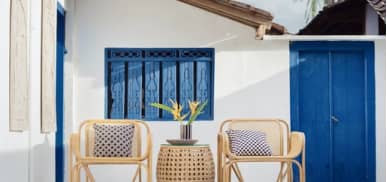
- Once installed, bamboo wall panels pair beautifully with natural or wicker-style furniture.
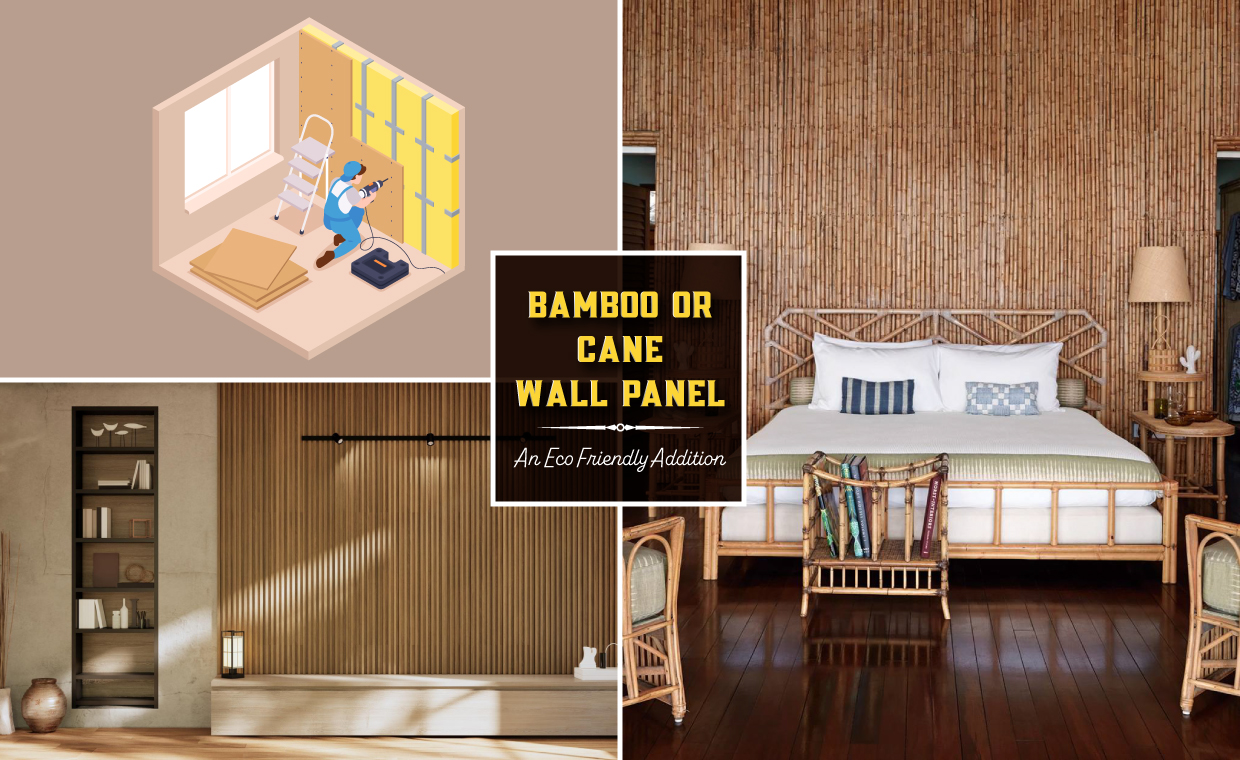
Courtesy - Magnific
Natural materials have become a defining feature of modern interiors, and a DIY bamboo wall panel is one of the easiest ways to introduce warmth, texture and sustainability into your home.
It is extremely popular among homeowners seeking sustainable additions because it is easy to install.
Whether you are redesigning your living room, creating a calming bedroom backdrop or adding natural texture to a hallway, this guide covers everything from choosing between bamboo and cane panels to installation, maintenance, costs and long-term care.
What is a Bamboo Wall Panel?
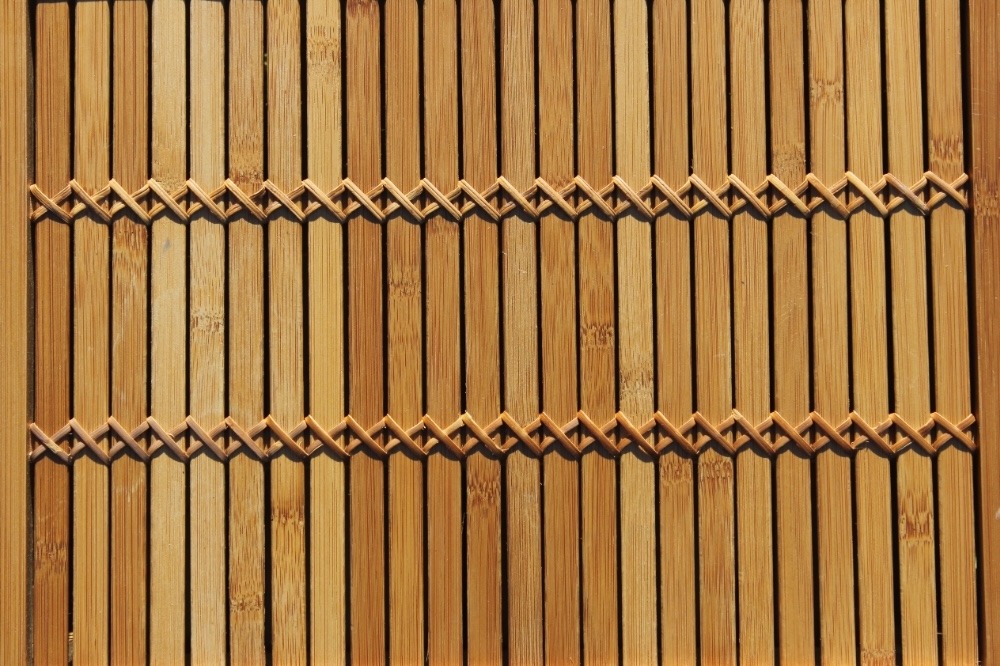
Courtesy - Canva
A bamboo wall panel is a decorative wall covering made from natural bamboo strips or woven cane, which can transform plain walls into striking accent features while remaining lightweight and eco-friendly.
Unlike artificial laminates or PVC panels, bamboo wall panelling is unique because it celebrates the natural grain and colour variations of bamboo. Since bamboo grows faster than most hardwoods, it is considered one of the world’s most renewable building materials.
Today, bamboo wall panels are available in several forms, ranging from stitched bamboo strip panels, woven cane wall panels, bamboo mat boards, rolled bamboo fencing-style panels, to engineered bamboo cladding panels.
There are two ways to install bamboo wall panels. The first is mounting them over wooden battens, which offers a sturdier and removable finish. The second method is to fix them directly to the wall using construction adhesive or panel pins for quicker installation.
Both are beginner-friendly methods, making this an ideal weekend DIY project for homeowners looking for ways to renovate their homes without extensive work.
Where Can Bamboo Wall Panels be Used?
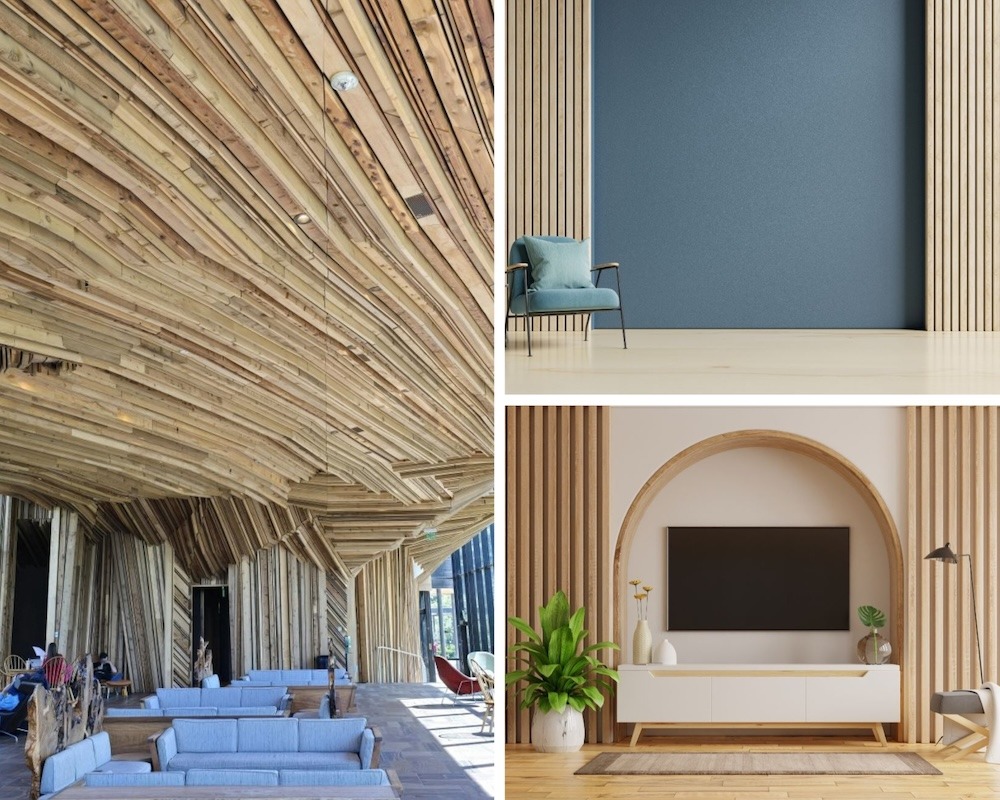
Courtesy - Canva(Image 1, 2, 3)
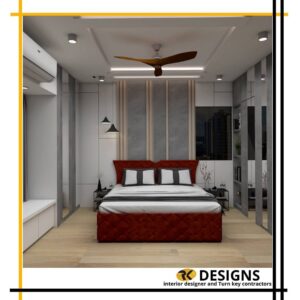
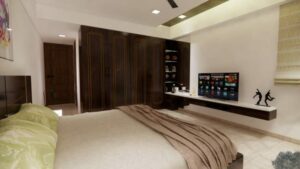
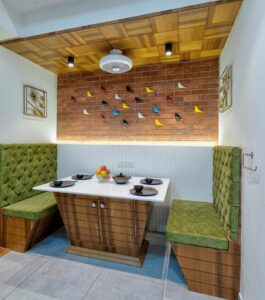
One of the biggest advantages of bamboo wall panelling is its versatility, which makes it compatible with any interior design theme. It makes a lasting impression when used in living room feature walls, bedroom headboard walls, TV unit backdrops, ceiling panelling, entrance foyers, dining room accent walls, commercial cafes and offices and resort and spa interiors.
Bamboo vs Cane Wall Panels: Which Should You Choose?
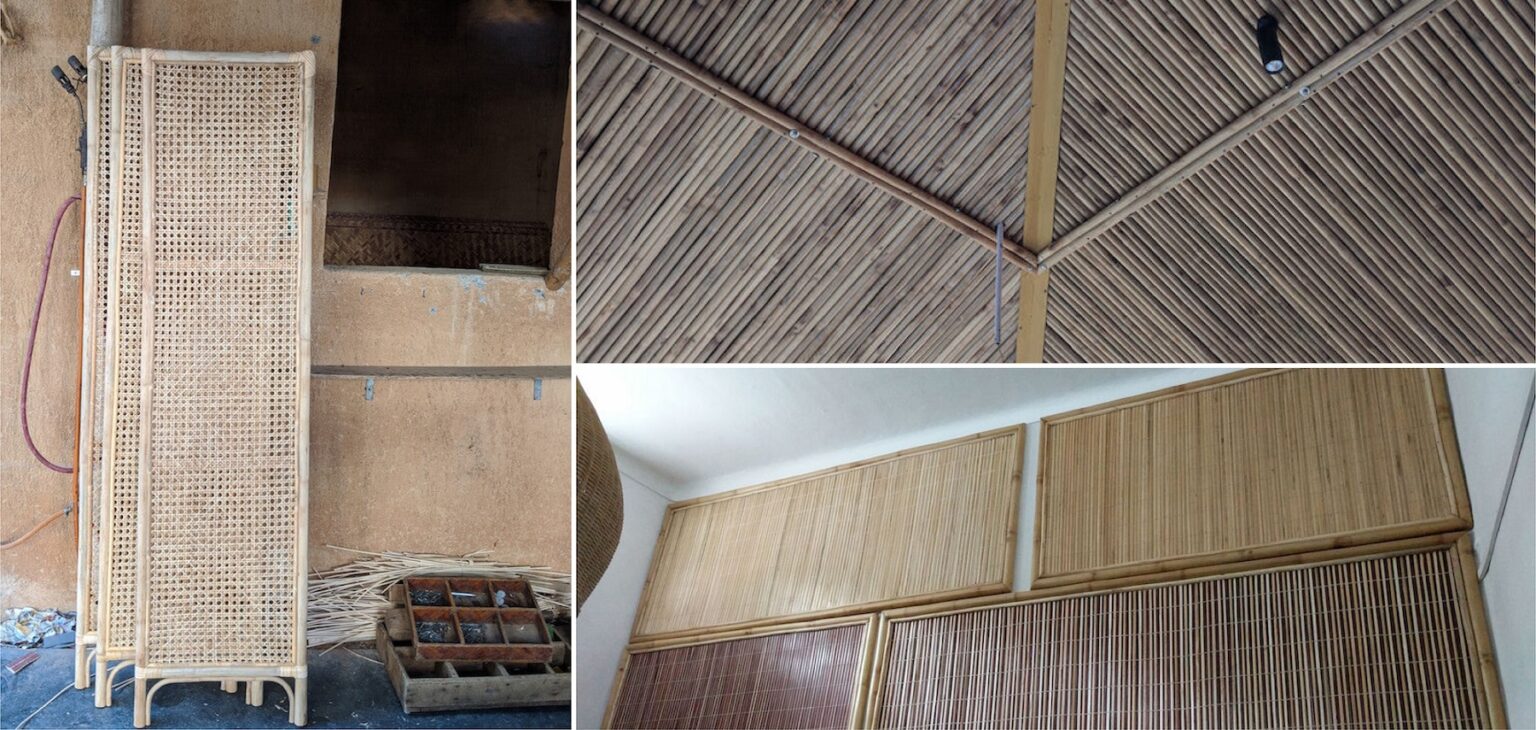
Courtesy - Shopify(Image 1, 2, 3)
Many homeowners assume that bamboo and cane are the same. They both belong to the grass family and share several sustainable qualities. But, they are significantly different from each other in terms of appearance, flexibility and applications.
Choosing the right material depends on the look you want and the installation method you plan to use.
| FEATURE | BAMBOO PANEL | CANE PANEL |
| FLEXIBLE | Rigid and comparatively stiff | Highly flexible and woven |
| APPEARANCE | Linear, structured texture | Soft woven patterns with natural depth |
| BST USE | Accent walls, ceilings, TV units, partitions | Cabinet shutters, decorative inserts, furniture, feature walls |
| DURABILITY | Excellent when properly sealed | Good for indoor decorative applications |
| WATER RESISTANCE | Moderate; improves with sealing | Lower than bamboo; avoid prolonged moisture exposure |
| TYPICAL PRICE | Slightly higher | Affordable, but depends on the weave |
| MAINTENANCE | Dusting and resealing | Dusting and protection from humidity |
There are many uses of bamboo. Read more about bamboo as reinforcement in concrete.
That brings us to understand that you choose bamboo wall panels if you want strong architectural lines, greater durability, modern tropical interiors, wall cladding to resist everyday wear and long-term installation.
You choose cane wall panels if you want soft handcrafted aesthetics, vintage or boho interiors, decorative cabinet inserts, furniture accents and lightweight decorative walls.
Why Choose Bamboo Wall Panelling?
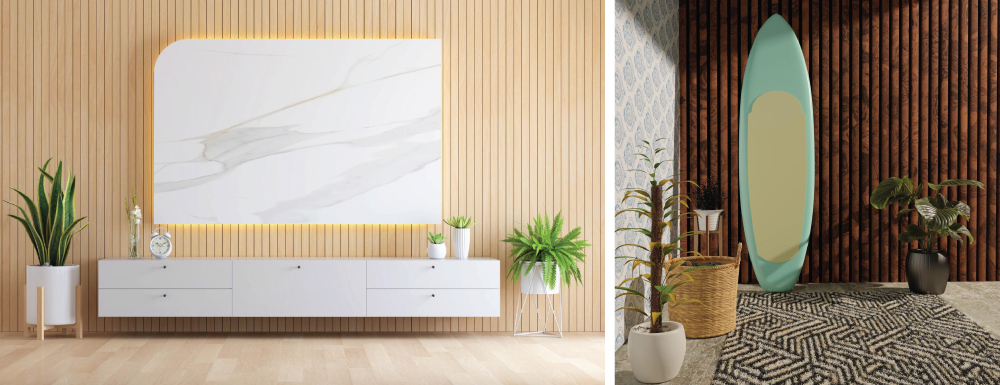
Courtesy - Magnific(image 1, image 2)
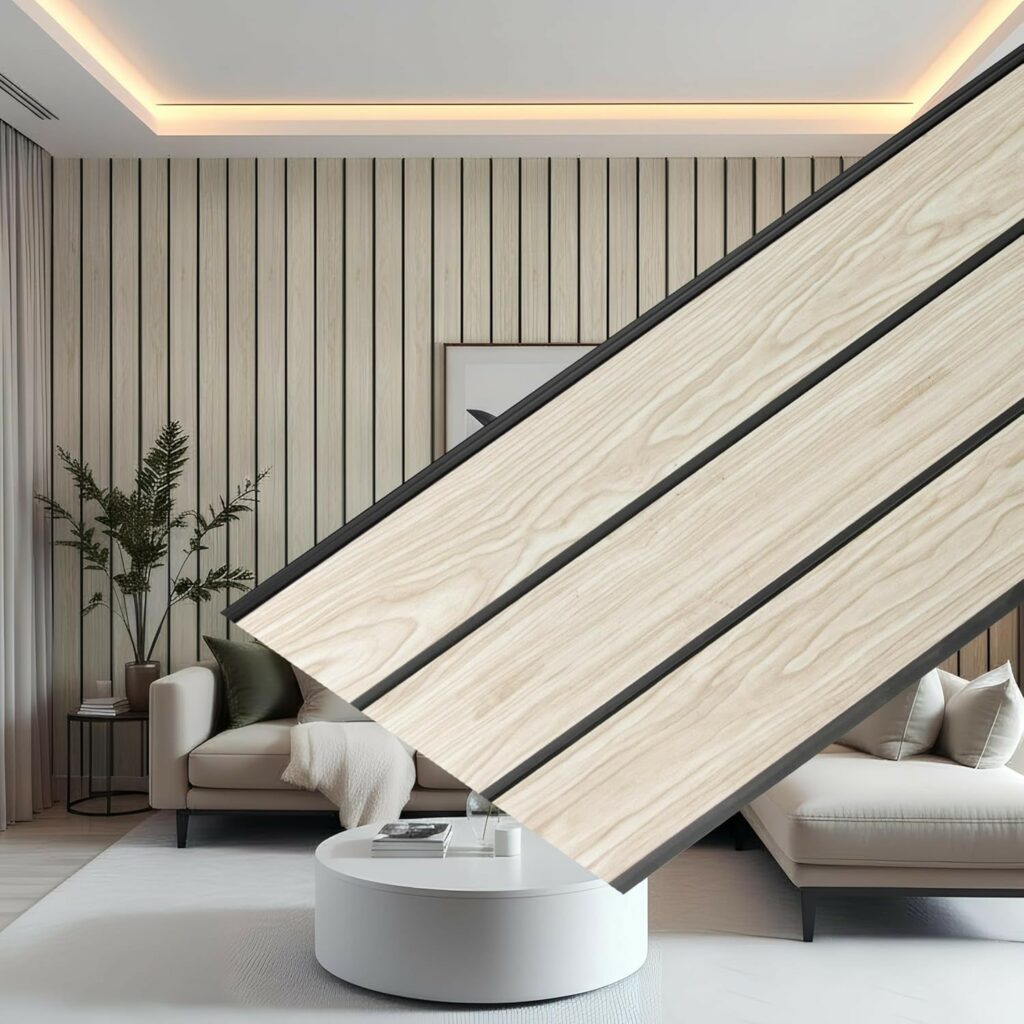
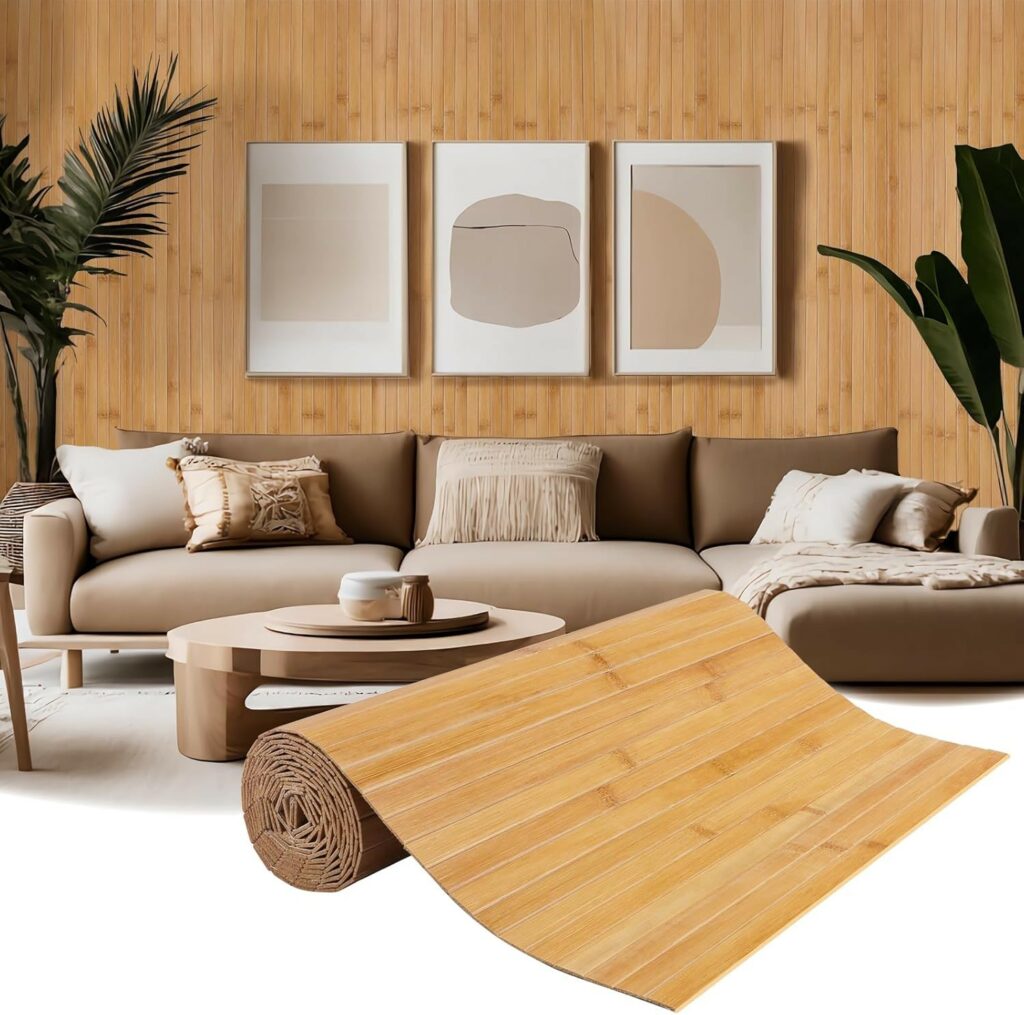
Beyond aesthetics, bamboo comes with several practical advantages that make it an excellent wall-cladding material.
1. Sustainable and Eco-Friendly
By now, we know that it is one of the fastest-growing plants, which makes bamboo wall panels an environmentally responsible choice.
2. Natural Thermal Insulation
Bamboo reduces heat transfer through walls, keeping indoor temperature regulated. It provides a thermal barrier to improve indoor comfort.
3. Lightweight and Strong
Despite being lightweight, bamboo does not compromise on strength. It boasts an impressive strength-to-weight ratio, which makes installation easier while reducing structural load.
4. Timeless
Manufactured materials will eventually grow outdated. But the unique grain patterns and colour variations of bamboo give the panels a rich appearance, which cannot be replicated. This also makes it timeless and ever in trend.
5. DIY-Friendly Installation
Most wall installations require professionals. But bamboo wall panels can be installed using basic carpentry tools, making it an excellent DIY project.
6. Versatile
Bamboo suits any interior design theme, be it Scandinavian, Japandi, tropical, rustic or minimalist. Whether paired with wood, stone or concrete, it introduces warmth into any space.
If you believe in sustainable construction, then here is an interesting read on ways to protect the environment:
Read: different ways to protect the environment during construction.
Tools Required For DIY Bamboo Wall Panel Installation
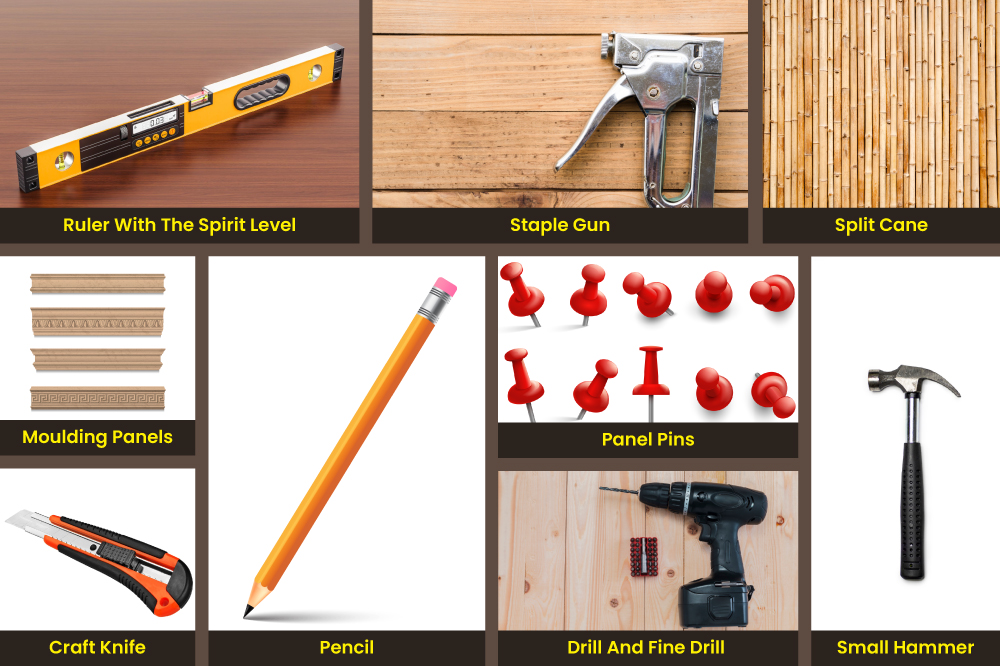
Courtesy - Magnific (Image 1, 2, 3, 4, 5, 6, 7, 8, 9)
One of the biggest advantages of a DIY bamboo panel is that you can accomplish it using simple tools.
Essential Materials
- Bamboo wall panels or woven cane wall panels
- Wooden batten (for batten-mounted method)
- Construction adhesive (for adhesive installation)
- Panel pins or finishing nails
- Wood screws
- Decorative moulding or edge trims
- Wood filler
- Clear polyurethane, varnish or bamboo sealant.
Essential Tools
- Measuring tape and spirit level
- Staple gun
- Knife or craft knife
- Split cane or bamboo panels to fit the length of the wall
- Small hammer
- Pencil or chalk marker
- Panel pins
- Fine-tooth hand saw or jigsaw
- Moulding panels to match the size of the wall
- Drill and fine-drill bits
- Screwdriver or impact driver
- Sandpaper (120-122 grit)
- Safety glasses
- Dust mask and work gloves
Pro-tip: Purchase 5-10 per cent more bamboo panels than your calculated wall area. This extra material accounts for cutting waste, grain matching and accidental damage during installation.
What are the Pre-Installation Checklist
Courtesy - Canva
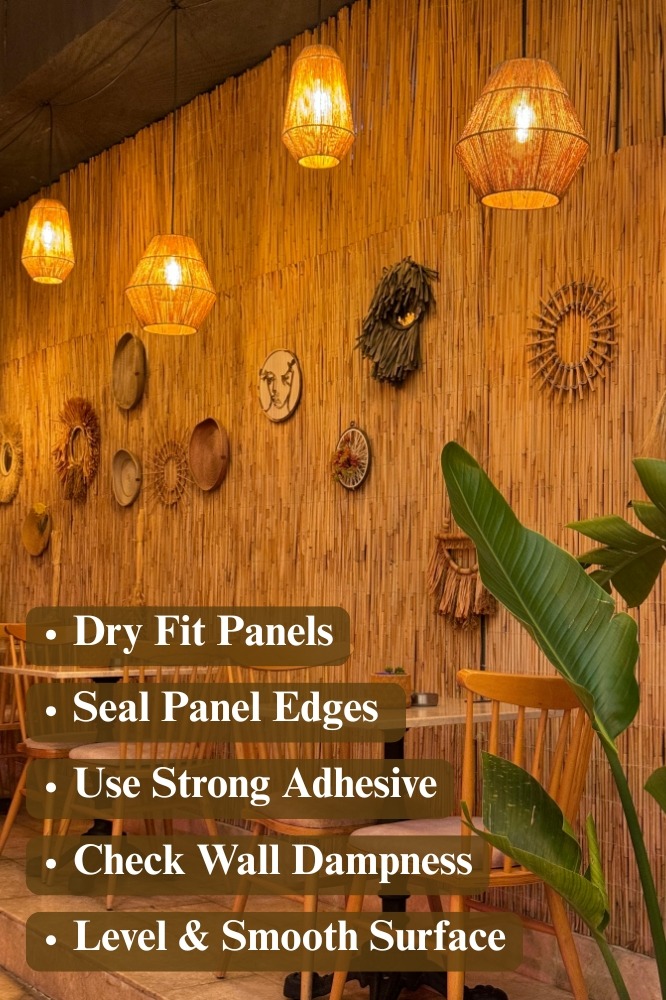
- Check the wall for dampness
- Ensure an even surface; use plywood backing or battens on uneven walls.
- Check level alignment; Use a spirit level at every step
- Use an effective adhesive
- Check expansion gaps
- Dry fit the panels first to visualise the final look
- Keep a few extra panels handy in case of cutting errors
- Acclimatise the panels by keeping them in the room for 24-48 hrs to avoid warping
- Seal the edges with clear varnish to improve durability and moisture resistance
Step-by-Step DIY Bamboo Wall Panel Installation
Installing a bamboo wall panel is easier than many homeowners expect, provided they prepare the wall properly and follow each step carefully.
1. Measure the Wall
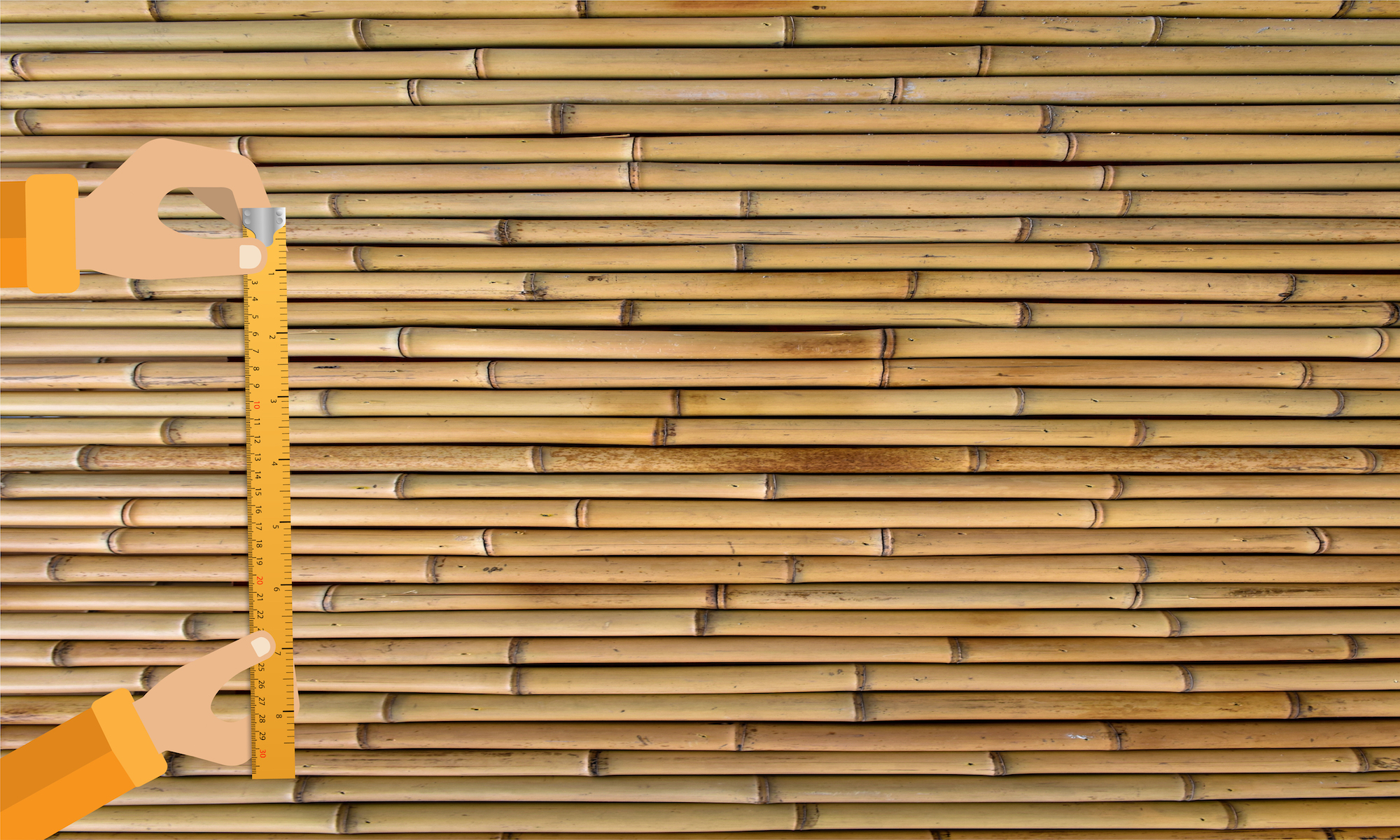
Begin by measuring the height and width of the wall. Consider door openings, windows, electrical switches, plug sockets, skirting boards, and ceiling irregularities. Transfer the measurements to your bamboo panels before making any cuts. Ensure the first panel is perfectly straight. Even a small error at the beginning becomes noticeable across the entire wall.
2. Mark Stud or Batten Position
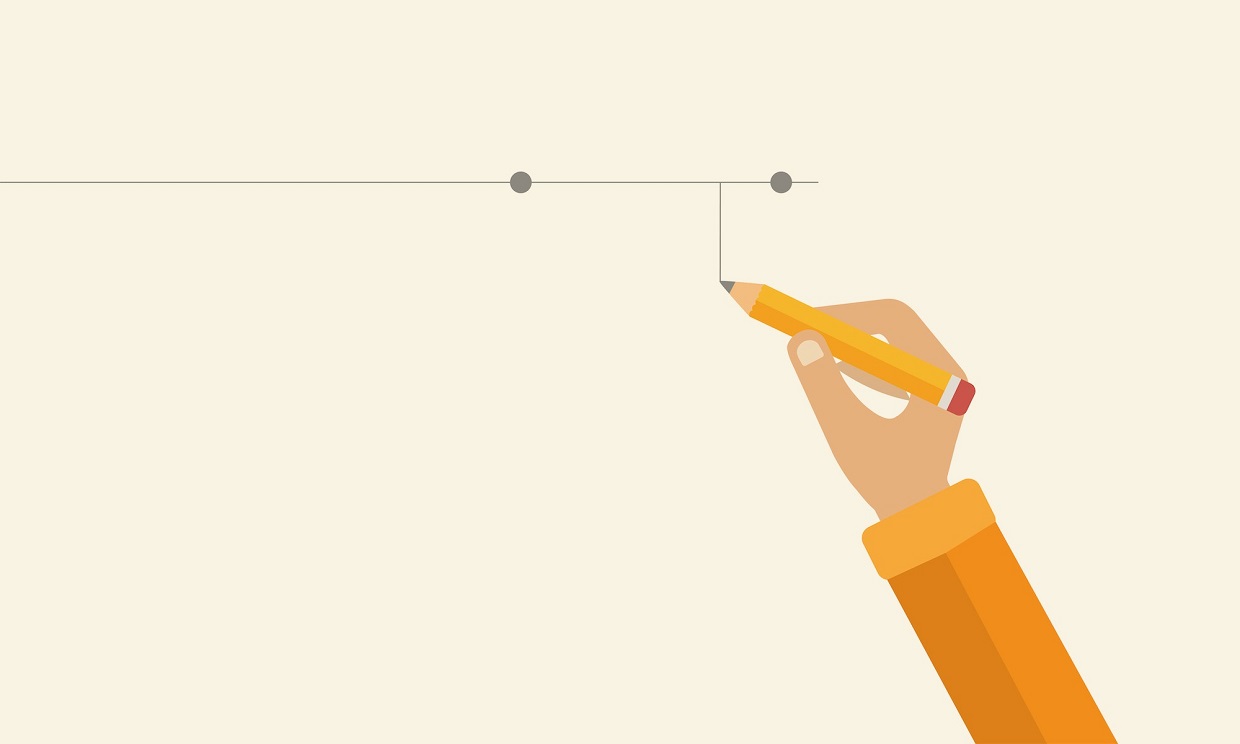
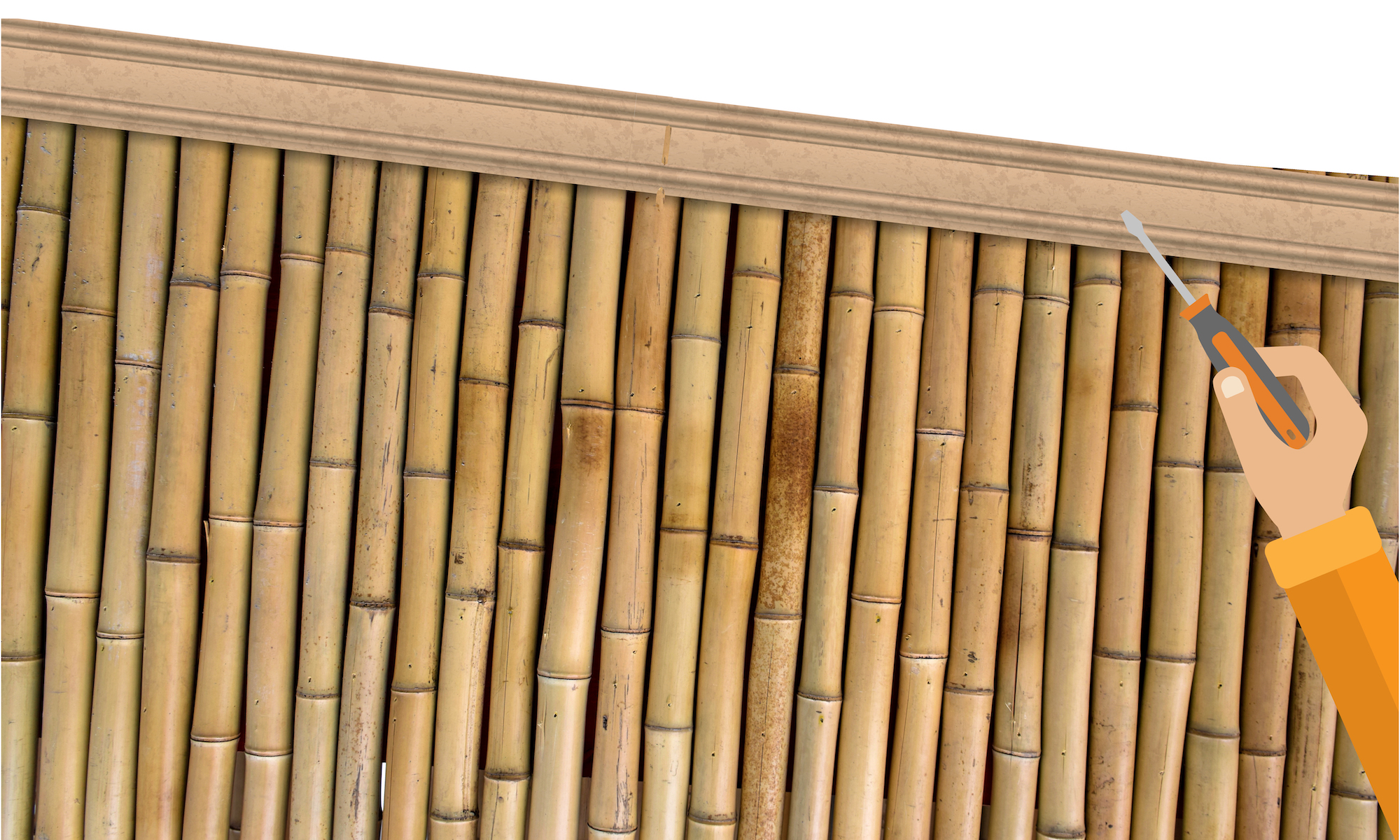
If you are using the batten-mounted installation method, locate the wall studs (or mark batten positions for masonry walls). Fix the batten vertically or horizontally depending on the panel orientation.
Keep batten spacing consistent (400- 600 mm centre to centre) to provide adequate support without adding unnecessary material.
Mark these positions lightly with a pencil so they remain visible after placing the panels.
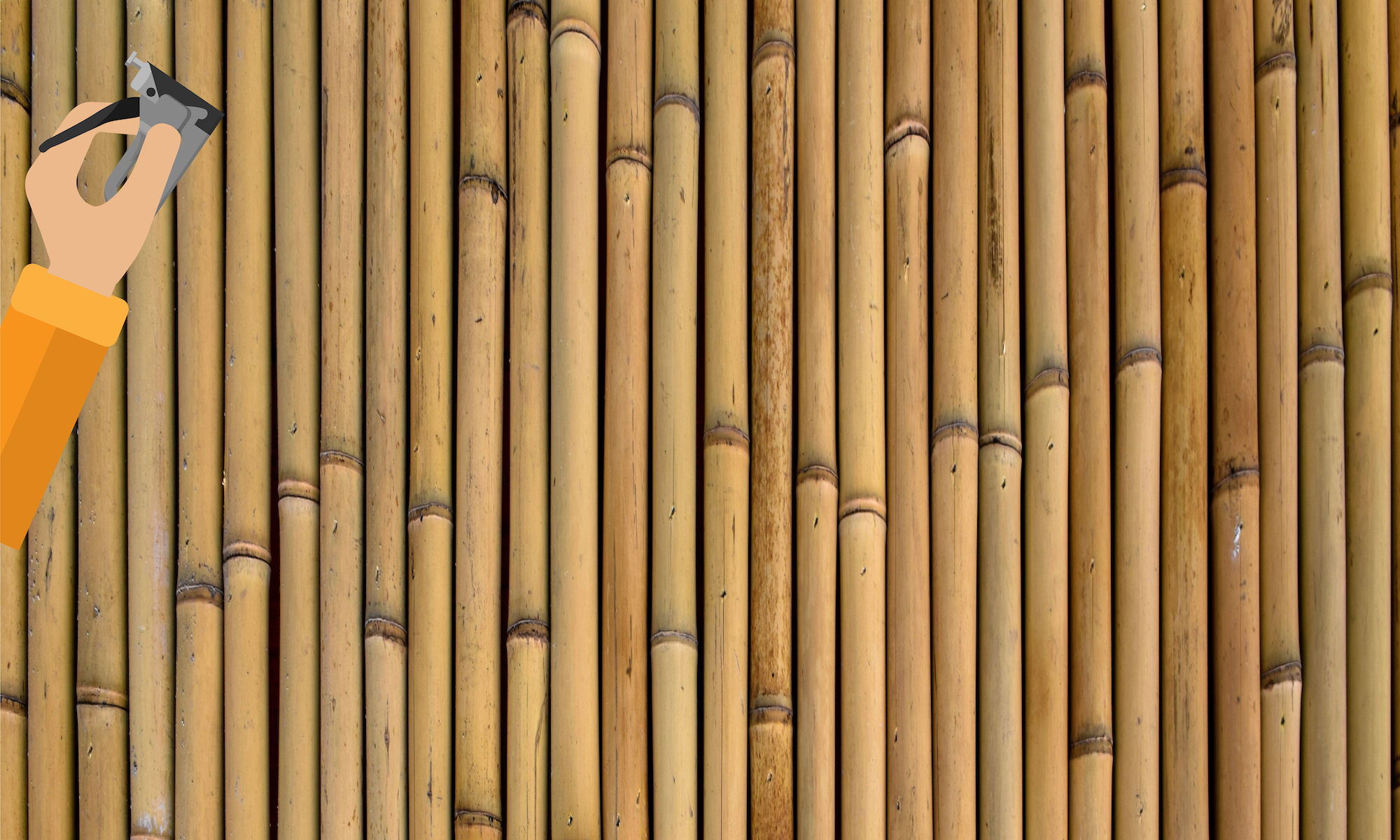
3. Cut the Bamboo Panels to Size
Carefully cut each panel according to your measurements using a fine-tooth blade. Support the panel while cutting and sand the rough edges lightly after cutting.
4. Fix the Battens or Apply Adhesive
For batten-mounted installation, secure the battens firmly using wall plugs and screws. Ensure every batten is perfectly placed before proceeding. Meanwhile, for adhesive installation, apply adhesive in a zigzag pattern across the back of the panel. Press the panel firmly against the wall. Use temporary masking tape or braces until the adhesive cures. Avoid excessive adhesive, as it can ooze through the joints.
5. Attach the Bamboo Wall Panels
Position the first panel carefully. If using battens, secure the panel using panel pins, finishing nails, staples or small screws. Start fixing from one corner and work gradually across the wall. Check the alignment frequently using a spirit level. Pay attention to the corners to maintain uniform joints. Once you have completed the installation, finish the exposed edges using decorative mouldings or trims to give it a clean, professional look.
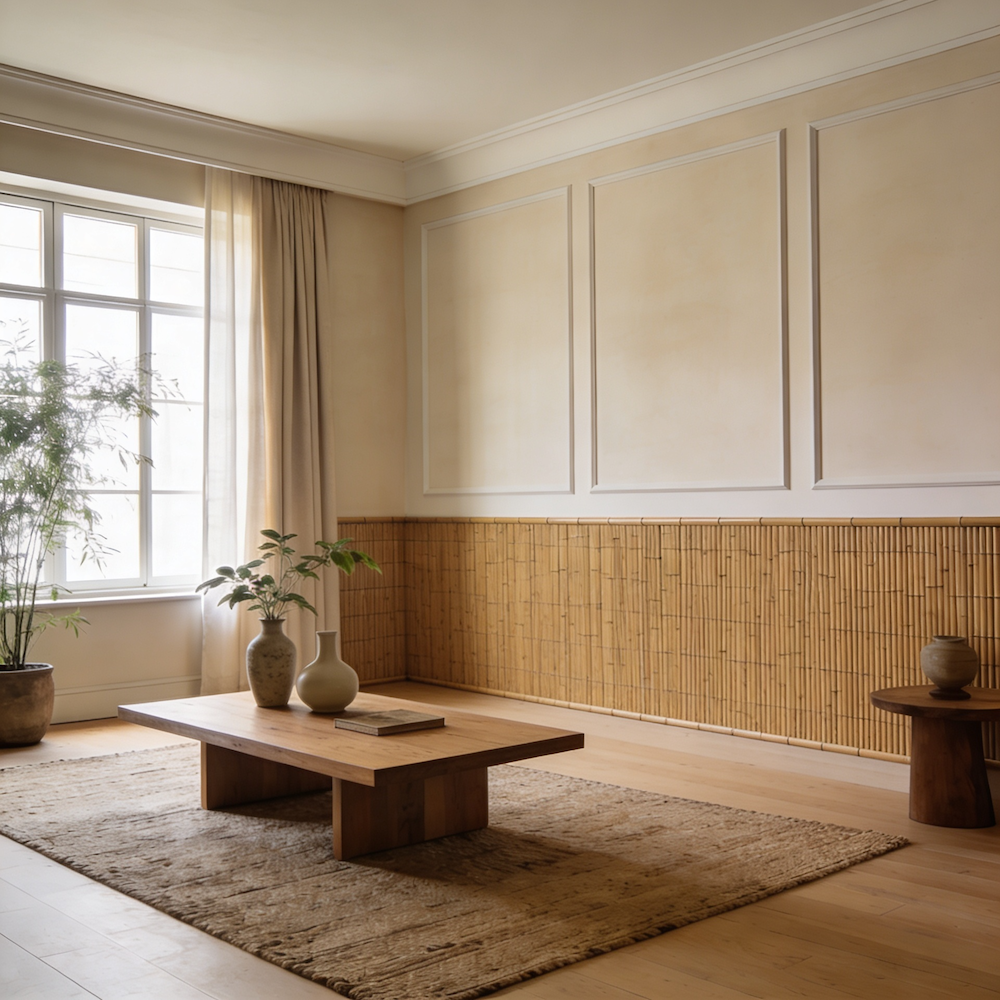
Courtesy - AI Generate image
6. Protective Coating
Applying a protective coating improves longevity. Suitable finishes include clear polyurethane, water-based varnish, natural bamboo oil, and UV-resistant wood finish. This reduces moisture absorption, makes cleaning easier, minimises fading and enhances natural grain. Allow the finish to cure completely before placing furniture against the wall.
If you have cane furniture at home, this maintenance guide may help.
Read: How to Take Care of Cane Furniture: Maintenance Hacks & More
Design Tips to Elevate Your Bamboo Wall Panel
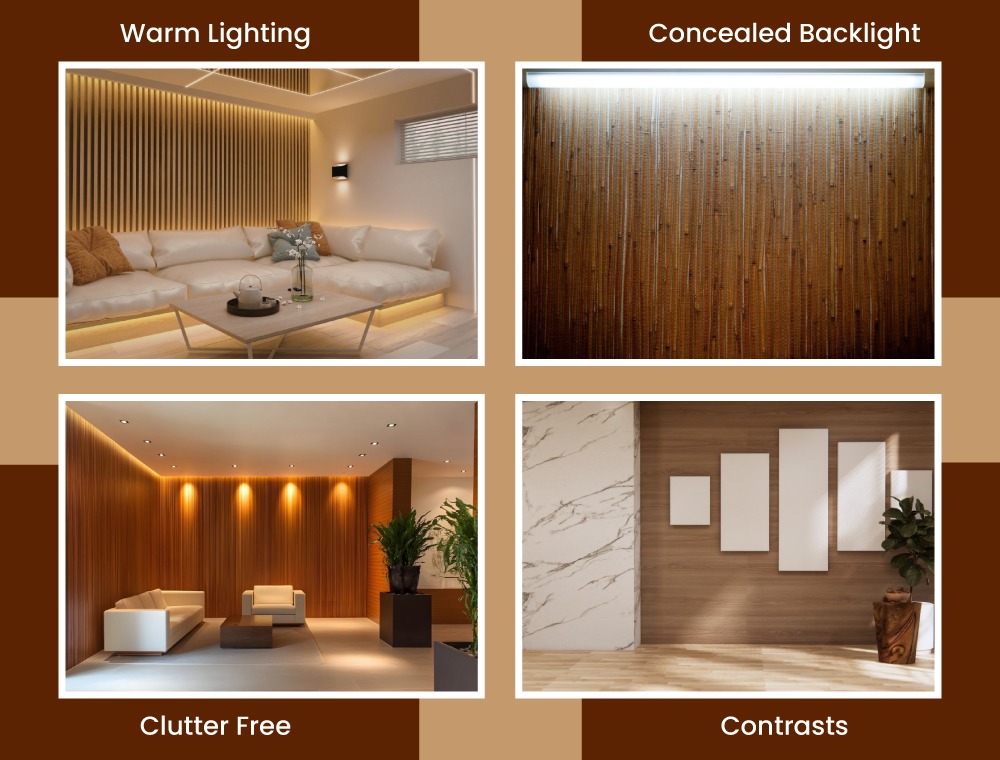
Courtesy - Canva(Image 1, 2, 3, 4)
A bamboo wall panel is more than just a wall finish. It can become the highlight of your room with a few thoughtful styling choices.
Use Warm Lighting
Warm white LED lights bring out bamboo’s natural grain and create a cosy ambience. Avoid cool white lighting, which can make the surface appear flat.
Add Concealed Backlighting
Install LED strip lights behind the panel or around its edges to create depth and a premium floating effect. This works especially well behind TV units and headboards.
Mix Natural Materials
Pair bamboo with stone, wood, linen fabrics, jute rugs, or rattan furniture for a balanced, nature-inspired interior.
Keep the Colour Palette Neutral
Earthy shades such as beige, cream, olive green, terracotta, and warm grey complement bamboo beautifully without overpowering it.
Frame the Panel
Finish the edges with wooden mouldings or slim metal trims for a cleaner, more refined appearance.
Don’t Overdecorate
Bamboo itself is visually rich. Keep wall décor minimal and let the texture become the centrepiece.
Common Mistakes to Avoid
Even though installing a bamboo wall panel is beginner-friendly, a few common mistakes can reduce its appearance and lifespan.
1. Installing over Damp Walls
Never install bamboo over walls affected by moisture or seepage. Moisture in the wall leads ot mould growth in the panels and also weakens the adhesive.
2. Skipping the Stud or Batten Layout
Failing to identify proper fixing points often results in loose or uneven panels.
3. Forgetting to Pre-Drill
Bamboo is naturally rigid. Hence driving nails directly into thicker bamboo sections may cause splitting. Pre-drilling reduces this risk.
4. Ignoring Panel Acclimatisation
Natural bamboo expands and contracts slightly with temperature and humidity. It is important to leave the panels inside the room for a day or two before installation. This improves dimensional stability.
5. Installing in Wet Areas
Sealed bamboos can resist occasional moisture. But installing them in permanently wet areas like shower enclosures or on walls exposed to constant water may cause permanent damage.
NOTE: Bamboo is a natural material, which is combustible like timber. Hence, it is advisable to use fire-retardant coating. Keep bamboo wall panels away from open flames, fireplaces and high-heat appliances. Check the applicable local building codes and fire safety requirements before installation in commercial projects and public buildings.
Conclusion
A DIY bamboo wall panel is an affordable way to transform an ordinary room into a warm and inviting space. Besides being visually appealing, bamboo is a renewable material that aligns perfectly with sustainable living. Whether you choose a rigid bamboo panel or a woven cane wall panel, proper installation, sealing, and regular maintenance will ensure long-lasting performance. Pair it with natural furniture, indoor plants, and soft lighting, and your home will have a timeless, nature-inspired charm.
FAQs on DIY Bamboo Wall Panel
1. Is DIY bamboo wall panel installation beginner-friendly?
Yes. Installing bamboo wall panels requires only basic tools and careful measurements, making it a suitable weekend project for most DIY enthusiasts.
2. Can bamboo wall panels be removed without damaging the wall?
Panels fixed to wooden battens are easier to remove and generally cause less wall damage than adhesive-fixed panels.
3. Are bamboo wall panels waterproof?
No. Bamboo is naturally moisture-resistant but not waterproof. Applying a quality sealant improves its resistance to humidity and occasional splashes.
4. Can I paint or stain bamboo wall panels?
Yes. Bamboo can be stained or painted after proper surface preparation, although many homeowners prefer preserving its natural texture with a clear finish.
5. Is bamboo wall panelling suitable for Indian homes?
Absolutely. Bamboo performs well in most Indian climates when properly treated. In humid or coastal regions, use sealed, termite-treated bamboo and ensure adequate ventilation for long-term durability.
Author & Expert Review
Written By:  Nidhi Patel | Civil Engineer & Content Writer

| Credentials: B.E. (Mahatma Gandhi Institute of Technical Education and Research Centre), Registered with Gujarat Technological University (GTU). Experience: Civil Engineer with 3+ years of content writing experience, currently writing blogs for Gharpedia, part of SDCPL. Expertise: Specializing in SEO-optimized blogs and long-form articles focused on home improvement, construction, interiors and architect topics. I create well-researched, reader-focused content that balances technical accuracy with clarity, making complex subjects easy to understand. Find her on: LinkedIn |
Verified By Expert: Farhan Shaikh – Senior Manager – Architect, SDCPL | Associate Member – IIA

This article has been reviewed for architectural and interior design accuracy by Farhan Shaikh, Senior Manager – Architect at Sthapati Designers & Consultants Pvt. Ltd. As the lead for all architectural and interior projects at SDCPL and an Associate Member of the Indian Institute of Architects (IIA), he brings hands-on experience in architectural planning, interior design, project coordination, and sustainable strategies. His review ensures the content reflects practical design considerations, industry best practices, and real-world applicability across both architecture and interior spaces.
Find him on : Linkedin