





Table of Contents
Quick Summary
- Smart landscape planning helps homeowners create attractive outdoor spaces without constant upkeep.
- Choosing climate-appropriate plants reduces watering, fertilizing, and replanting needs throughout the year.
- Applying mulch suppresses weeds, retains soil moisture, and improves overall garden health with minimal effort.
- Hardscaping elements like stone patios, gravel paths, and brick borders enhance aesthetics while reducing maintenance demands.
- Minimizing lawn areas and using ground cover plants lowers mowing time and makes outdoor spaces easier to manage.
Gardens can be beautiful, but they can also be a lot of work. You don’t want to be stuck trimming edges, attacking weeds, and watering flowers all the time. Fortunately, with some intentional choices, you can cultivate a stunning outdoor landscape that doesn’t consume all of your free time.
Keep reading to learn how to create low-maintenance outdoor spaces through better landscaping planning.
Select Plants Matched to Your Climate
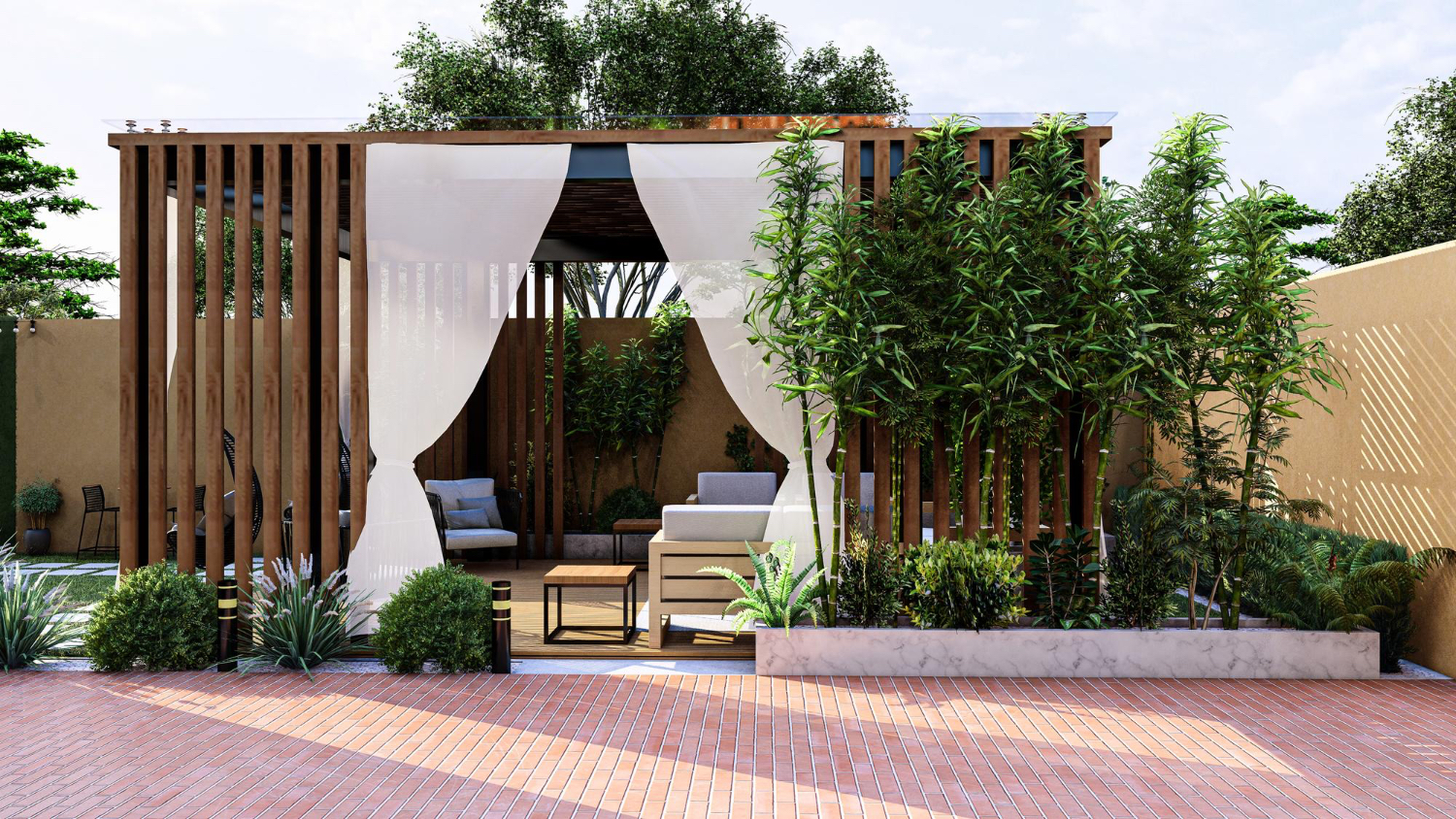
What grows well in Mississippi might not be compatible with Iowa’s climate. As a result, it’s important to choose plants that are well-matched to your climate.
If you’re in an area that gets cold winters with ample snow, you’ll want plants that can tolerate temperature swings. On the other hand, if you’re in an arid climate, you’ll need plants that can withstand hot, dry summers and prolonged sun exposure.
Some regions have more clay in their soil, while others have lots of organic matter. Your fertilizer needs and water requirements will shift depending on the climate and types of plants you choose. In any case, consider choosing perennials to avoid needing to replant flowers every year.
Add a Layer of Mulch
When you want to keep the weeds at bay, mulch will be your best friend. Mulch can simplify landscaping maintenance by protecting soil from sunlight. Sunlight helps weeds take form, so mulch can help landscaping beds look cleaner.
It’s important to create a layer of mulch that is at least two inches thick, however, for mulch to be effective. And if applying mulch in a weed-prone area, applying a thin layer of cardboard first can help prepare the soil more effectively.
Make Long-Term Weed Prevention a Priority
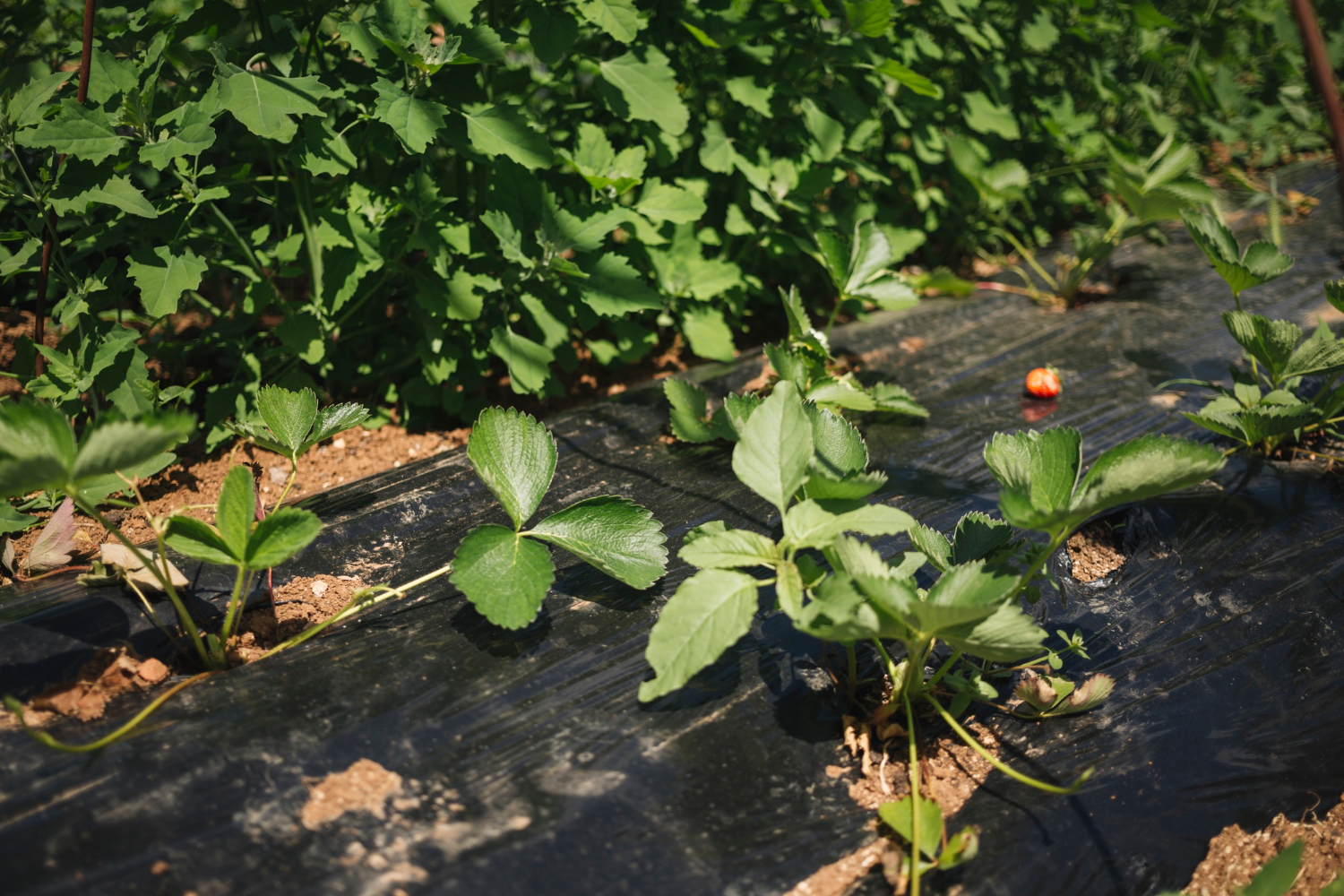
Weeds can find a way to pop up in your landscaping, even if you’re careful. That’s why it’s smart to be proactive about long-term weed prevention.
Hand pulling weeds can be effective, but time-consuming. Instead, landscaping fabric attached with garden staples can help provide a more secure barrier against weeds. And, of course, maintaining a thick layer of mulch can help, too.
The right weed and grass control products can also keep weeds away. A potent formula can kill unwanted grasses and vines and stave off new growth for up to a year. When you’re trying to minimize your maintenance needs, a blend of weed control products, fabric, and mulch can do the trick.
Introduce Hardscaping
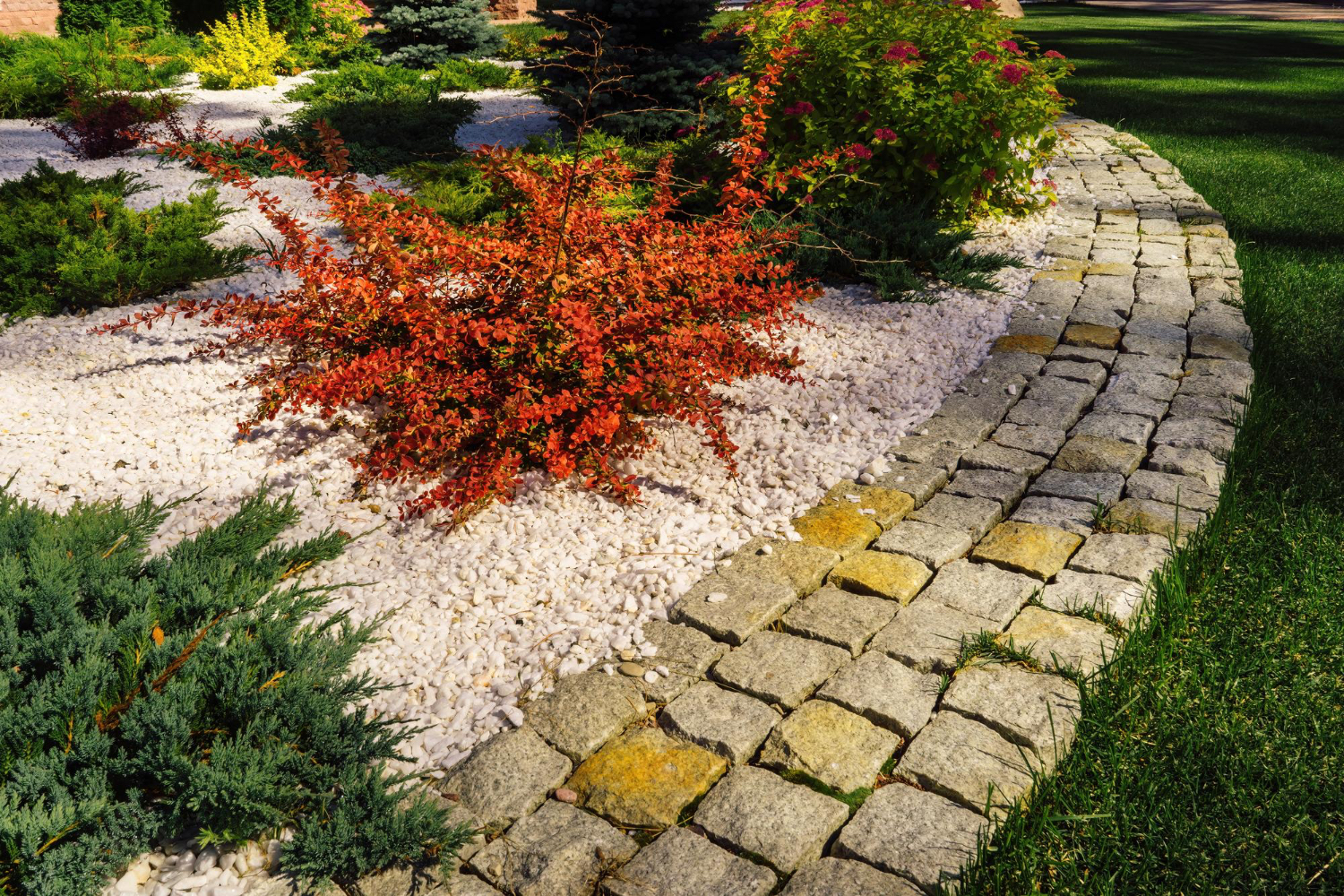
Natural vegetation can be lush, soft, and verdant. But introducing hardscaping accents or featured spaces can make a landscaping space look defined and intentional. And best of all, hardscaping typically requires little maintenance.
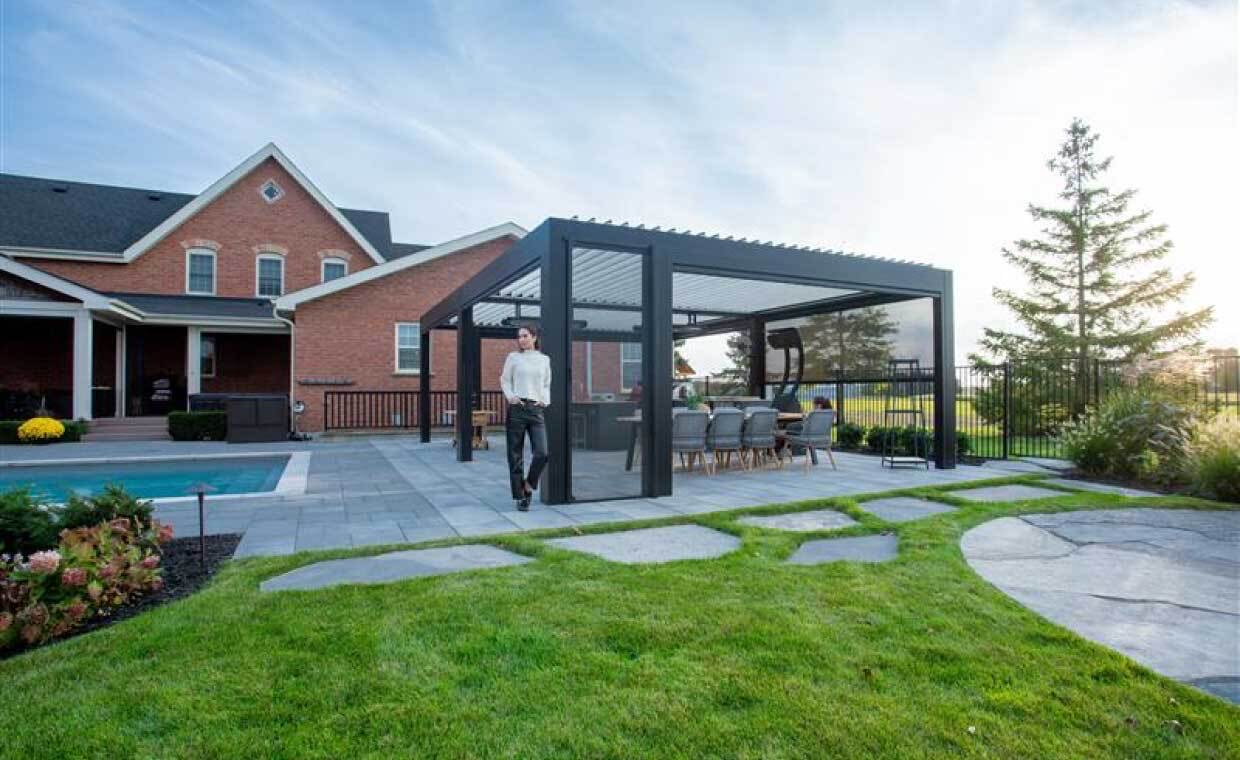
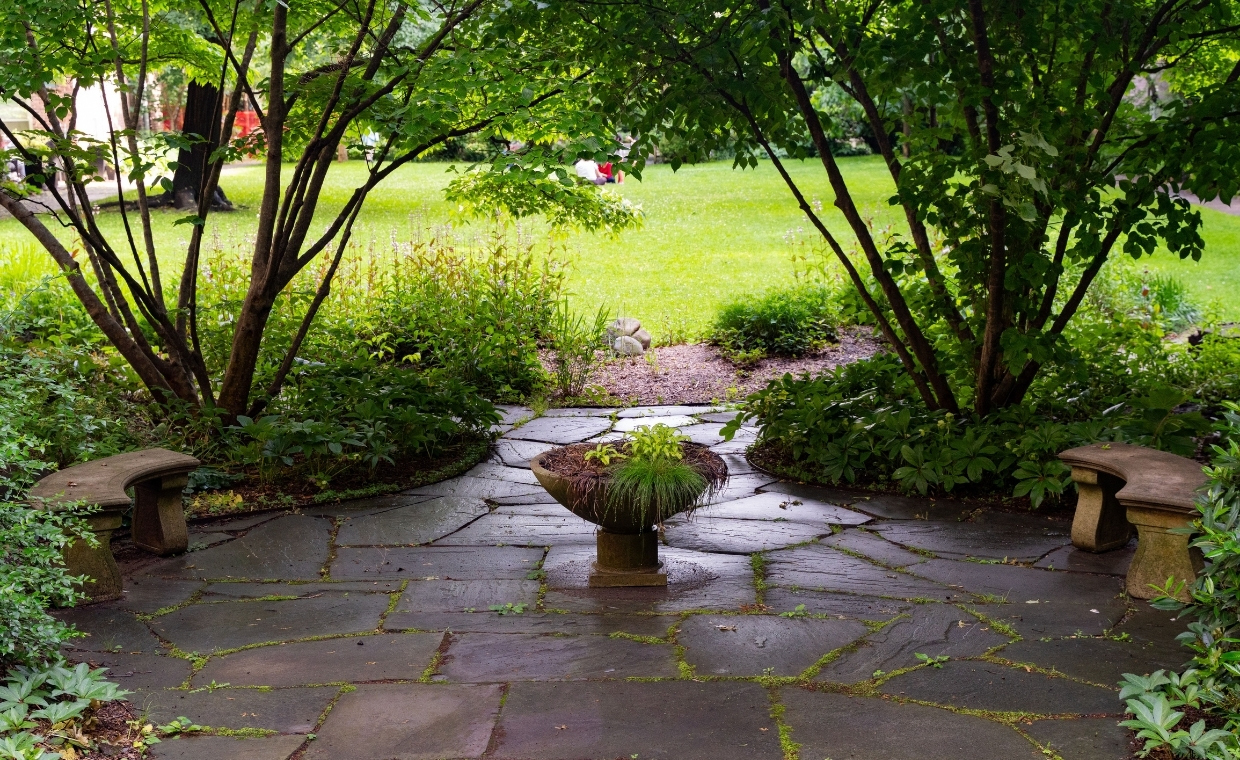
Opting for a natural stone patio, for instance, provides a warm and inviting place to gather. Or a flagstone pathway can help guide people toward seating areas or gazebos.
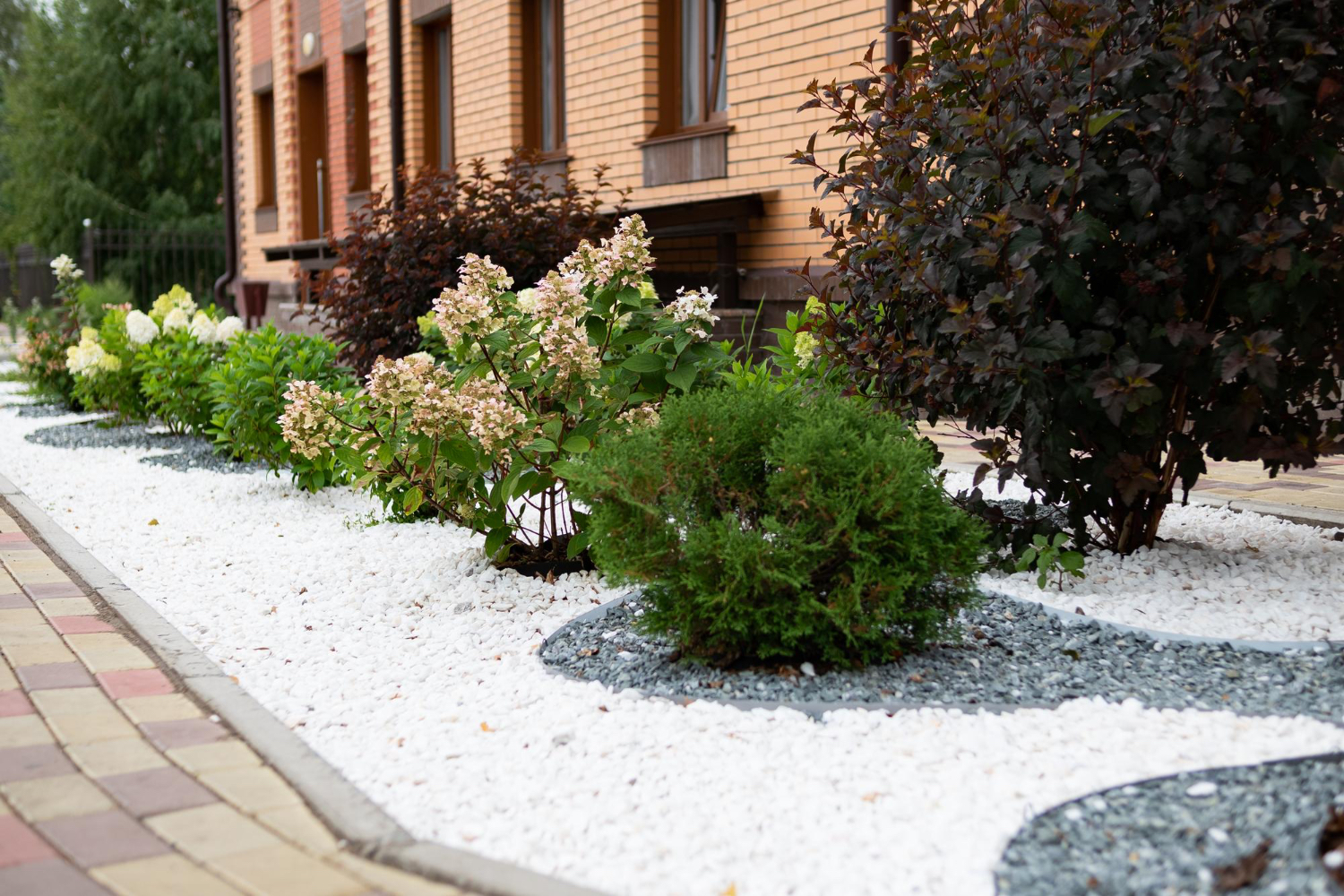
Hardscaping doesn’t need to be elaborate, either. Brick borders can create crisp edges around flowerbeds. And gravel can add texture to areas where grass doesn’t grow as well.
Keep Grassy Areas to a Minimum
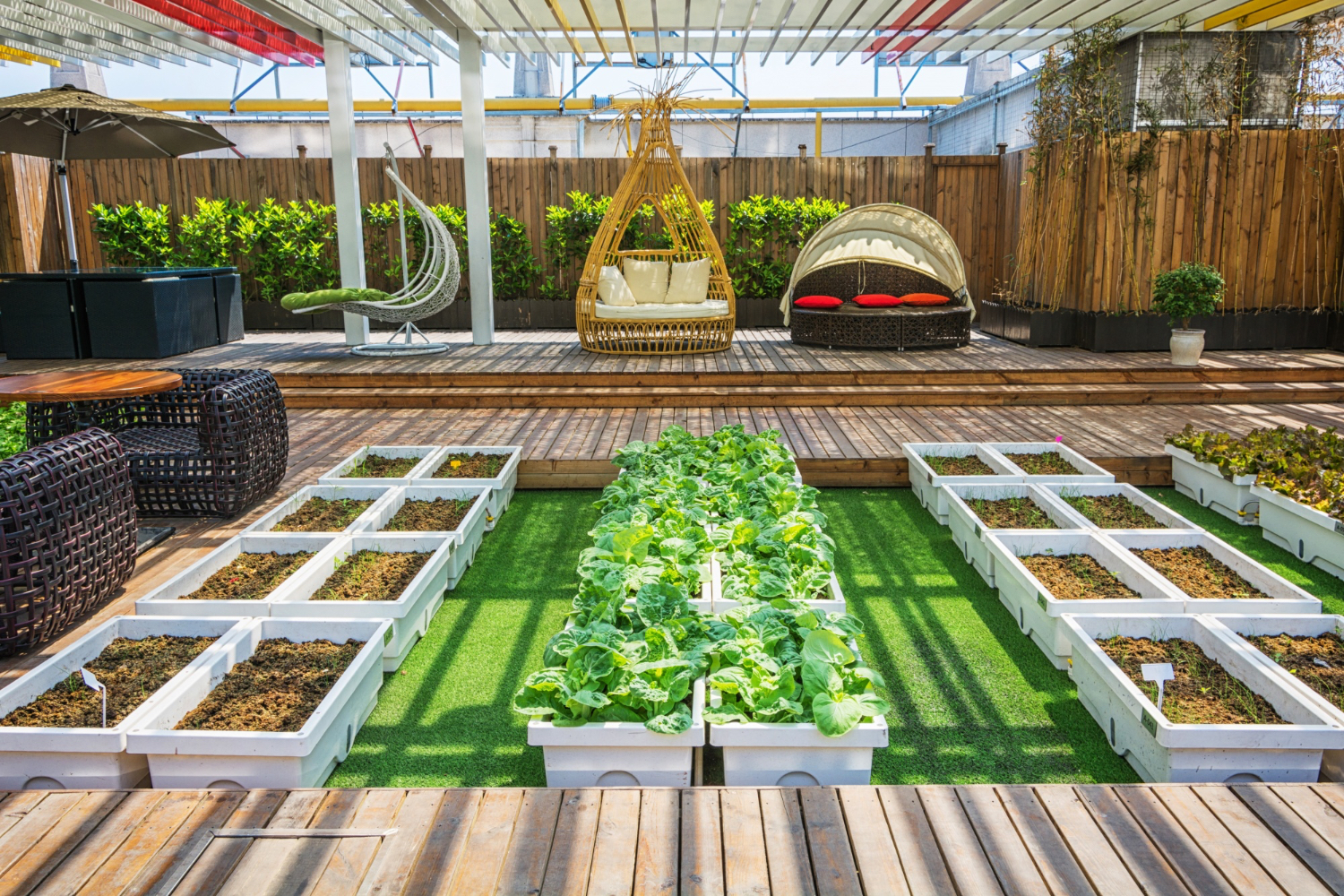
If you’re not a fan of spending hours mowing a yard, you can save time by reducing the size of your lawn. Less grass translates to less mowing.
Carve out space for a flower bed where you plant low-maintenance hostas and other lush greens. Or turn to attractive ground cover options, like sedum or pachysandra. These ground covers offer texture and visual interest, and they won’t occupy your weekend afternoons with maintenance.
Improve Your Landscape Planning
Everyone loves an attractive outdoor space. But well-manicured landscaping often requires lots of time to maintain. Thankfully, with the help of mulch, weed control products, and ground cover, you can minimize your maintenance obligations.
Add touches of hardscaping to create gathering spaces or pathways. And choose plants well-suited to your climate zone. With a smart approach, you can create a beautiful outdoor space that won’t consume too much energy.
Also Read: How to Compare Landscaping Companies and Choose One You Will Not Regret
Create Low-Maintenance Outdoor Spaces FAQs
1. What is a low-maintenance outdoor space?
A low-maintenance outdoor space is a garden or landscape designed to reduce watering, mowing, pruning, and general upkeep.
2. Which plants are best for low-maintenance landscaping?
Native plants, drought-resistant shrubs, perennials, and ground covers are ideal because they need less care and adapt well to local climates.
3. How does mulch reduce garden maintenance?
Mulch helps retain moisture, suppress weeds, regulate soil temperature, and reduce the frequency of watering.
4. Why is hardscaping useful in landscape planning?
Hardscaping features like patios, gravel paths, and stone borders reduce lawn area and require minimal maintenance.
5. How can I reduce lawn maintenance?
You can reduce lawn maintenance by shrinking grassy areas and replacing them with ground cover plants, mulch, or hardscape elements.
Author & Expert Review
Written By:  Nidhi Patel | Civil Engineer & Content Writer

| Credentials: B.E. (Mahatma Gandhi Institute of Technical Education and Research Centre), Registered with Gujarat Technological University (GTU). Experience: Civil Engineer with 3+ years of content writing experience, currently writing blogs for Gharpedia, part of SDCPL. Expertise: Specializing in SEO-optimized blogs and long-form articles focused on home improvement, construction, interiors and architect topics. I create well-researched, reader-focused content that balances technical accuracy with clarity, making complex subjects easy to understand. Find her on: LinkedIn |
Verified By Expert: Ravin Desai – Co Founder – Gharpedia | Co Founder – 1 MNT | Director – SDCPL

This article has been reviewed for technical accuracy by Ravin Desai, Co-Founder of Gharpedia and Director at Sthapati Designers & Consultants Pvt. Ltd. With a B.Tech. in Civil Engineering from VNIT Nagpur and an M.S. in Civil Engineering from Clemson University, USA, and over a decade of international and Indian experience in the construction and design consultancy sector, he ensures all technical content aligns with industry standards and best practices.
Find him on: LinkedIn