






Table of Contents
Quick Summary
- Canberra’s climate features cold, frosty winters and slow-draining fine sandy to clay loams.
- Reactive clay swells when wet and shrinks when dry, creating a constant push-and-pull cycle against retaining walls.
- Engineers use site classes ranging from A (stable sand/rock) to E (extremely reactive clay) based on AS 2870-2011 to determine footing depth and drainage requirements.
- Common types include concrete sleepers, sandstone, treated timber, and free-draining gabion walls (which are especially useful on slow-draining clay).
- Proper drainage is critical to prevent pressure buildup and failure. Key steps include installing paving aprons with a 1:60 fall, using uphill grated/subsoil drains, and fixing leaking pipes.
- Many low walls bypass the need for approval, but taller or boundary walls typically require local permits in the ACT.
- Cracks (graded from negligible hair-line cracks to severe 15–25 mm gaps), leaning structures, sticking doors, or wet soil at the base indicate a wall or slope needs urgent professional inspection.
Courtesy - Magnific
A retaining wall is only as good as the ground behind it. Canberra makes that point well, because many of its suburbs sit on hills and slopes. Its winters are cold and frosty, and its soils often drain slowly. Those three facts decide how a wall should be designed long before any material is chosen.
Owners in the ACT usually call in local retaining wall experts in Canberra once a slope starts to slump or a level yard is needed. A good builder will assess slope, soil and drainage before recommending a wall type. This guide walks through the same checks, so the conversation starts on solid ground.
What Makes Canberra Ground Hard On Walls?
Courtesy - Unsplash
The Australian National Botanic Gardens sits on Black Mountain, close to the city center. The Black Mountain climate runs from warm to hot summers to cold winters, with high evaporation. Mean annual rainfall is about 640 mm, spread fairly evenly through the year with a slight winter peak.
The same plan names frost as the most imposing climatic factor for plants grown outdoors. It also says droughts are not uncommon, with occasional severe examples. The local soils are mostly poorly drained fine sandy to clay loams.
That mix is a problem for retained ground. Clay swells when it is wet and shrinks when it dries. A wall that holds back clay sees that seasonal push and pull every year.
CSIRO notes that swelling usually begins at the uphill extreme of a building. Shrinkage usually begins on the side where the sun’s heat is greatest. Trees add to the strain, because roots near footings absorb much of the moisture in the soil and can cause shrinkage or subsidence. For safe planting distances, the guide points owners to state agriculture departments and botanic gardens.
How Do Engineers Read a Reactive Site?
Engineers start with a site class, usually from a geotechnical report. CSIRO’s homeowner guide on foundation maintenance reproduces the classes from AS 2870-2011, the Australian standard for residential slabs and footings.
| Site class | What the ground does |
| A | Most sand and rock sites, little or no movement from moisture changes |
| S | Slightly reactive clay, slight ground movement |
| M | Moderately reactive clay or silt, moderate movement |
| H1 | Highly reactive clay, high movement |
| H2 | Highly reactive clay, very high movement |
| E | Extremely reactive, extreme movement |
The class shapes everything that follows, from footing depth to drainage. A wall on an H1 or H2 site needs far more care than one on rock. Ask for the class before you compare quotes.
Sleeper, Sandstone or Gabion: How Do You Choose?
There is no single best wall. Each type handles water and movement differently, and the basics of retaining walls apply to all of them. Retaining Walls Canberra builds several types, and its own descriptions give a useful starting point.
- Concrete sleeper walls. These lead the builder’s list of residential wall types.
- Sandstone walls. The builder says sandstone needs no sealing or painting, and it “won’t rot, attract pests or burn.”
- Timber walls. Treated timber is described as strong and long-lasting.
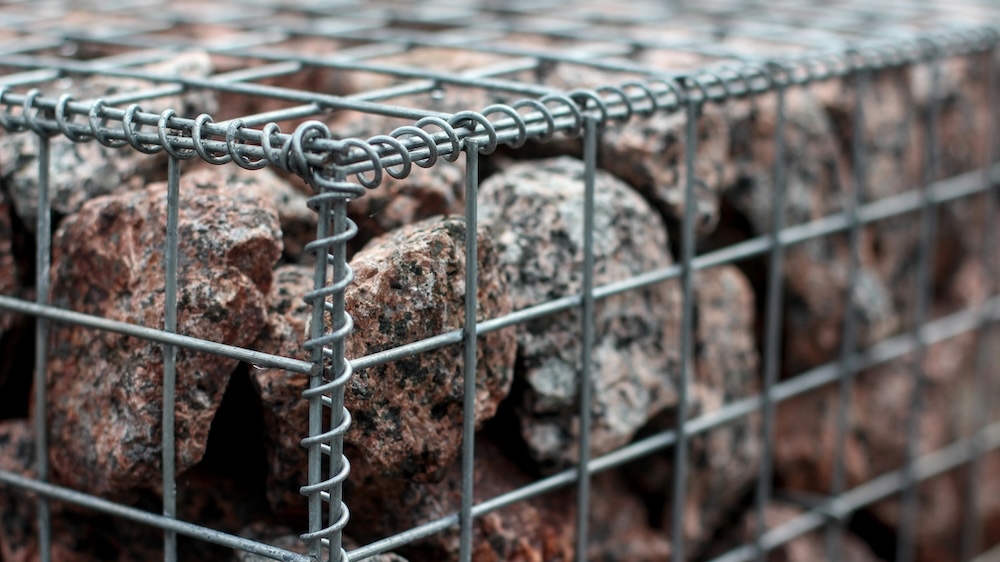
- Gabion walls. These stone-filled wire baskets let water pass straight through the structure.
- Boundary and commercial walls. These are engineered to meet local regulations and building codes.
Cost and lifespan vary widely across retaining wall materials, so compare them early. On slow-draining clay, a free-draining type such as a gabion is worth a serious look.
How Should Water Be Managed Around the Wall?

Courtesy - Unsplash
Water is the usual cause of failure, so drainage deserves as much thought as the wall itself. CSIRO’s guide gives practical steps for protecting footings on reactive ground.
- Install a paving apron. It should extend at least 900 mm from the building, and more on highly reactive soil.
- Give it a fall. The paving needs a minimum fall away from the building of 1:60.
- Mind the vents. Finished paving should sit no less than 100 mm below brick vent bases.
- Catch uphill water. A grated drain at the uphill edge can intercept surface flow, with a subsoil drain beneath if needed.
- Fix leaking pipes. Old earthenware pipes should be replaced with PVC and backfilled with matching, compacted soil.
The guide also warns about digging near footings. Soil can only be safely cut at the angle of repose, and removing soil within that angle causes subsidence. That is why any cut next to a house needs proper engineering.
When Is Approval Needed?
Rules depend on the wall’s height and position, so check before you dig. Retaining Walls Canberra says many low walls do not require approval, but taller walls usually do. The company states it handles the required local permits as part of its service.
Boundary walls bring extra questions, because they affect a neighbor’s land too. A builder who manages permits can confirm what applies to your block.
Signs a Wall or Slope Needs Attention
CSIRO’s guide grades wall cracking by width, using damage categories reproduced from AS 2870-2011.
- 0, Negligible: hairline cracks under 0.1 mm.
- 1, Very Slight: fine cracks under 1 mm that do not need repair.
- 2, Slight: cracks under 5 mm, noticeable but easily filled, and doors may stick slightly.
- 3, Moderate: cracks of 5 to 15 mm that can be repaired, but service pipes can fracture.
- 4, Severe: cracks of 15 to 25 mm, with extensive repair work likely.
A leaning wall, wet soil at its base or new cracks after rain all call for an inspection.
Also Read: 10 Benefits of Installing a Retaining Wall Explained
FAQs on Canberra Retaining Walls
01. Why Do Retaining Walls Fail On Clay Soil?
Clay swells when wet and shrinks when dry, so the load on the wall keeps changing. Poor drainage lets water build up behind it. Over time that pressure can tilt or crack the wall.
02. Can a Gabion Wall Help On Slow-Draining Ground?
A free-draining design, such as a gabion wall, lets water pass straight through. Other wall types can work well too, but they need proper drainage behind them. A site assessment should guide the choice.
03. Does Frost Affect Retaining Walls In Canberra?
Frost is the main climate limit for outdoor plants at the Australian National Botanic Gardens. Cold winters mean materials and drainage should suit freezing mornings. Poor drainage behind the structure causes more trouble than the cold itself.
04. Do I Need Approval for a Retaining Wall In the ACT?
Many low walls do not need approval, but taller walls usually do. Height, position and boundary location all matter. A local builder or certifier can confirm the rules for your block.
Courtesy - Featured Image(Magnific)
Author & Expert Review
Written & Verified By :  Ravin Desai – Co Founder – Gharpedia | Co Founder – 1 MNT | Director – SDCPL

| Credentials: B.Tech. in Civil Engineering from VNIT Nagpur and M.S. in Civil Engineering from Clemson University, USA. Co-Founder of Gharpedia and Director at Sthapati Designers & Consultants Pvt. Ltd.. Experience: Civil engineering professional with over a decade of international and Indian experience in the construction and design consultancy sector, with expertise in technical review and industry practices. Expertise: Specializes in reviewing technical content related to civil engineering, construction, design consultancy, materials, and industry practices. He ensures content is technically accurate, aligned with industry standards, and reflects practical construction and design best practices. Find him on: LinkedIn |