





Table of Contents
Quick Summary
- Bidet Buying Guideexplains different types before choosing—traditional, handheld sprayers, seat-based, or integrated units for different bathroom needs.
- Traditional bidets need space and plumbing; handheld sprayers are affordable and easy to install.
- Seat-based bidets (manual/electric) are most popular—simple upgrades with varying features.
- Non-electric seats rely on water pressure; electric models offer heated water, dryers, and comfort features.
- Check toilet size, water connection, and nearby power outlet before buying.
- Adjustable pressure and positioning improve usability.
- Bidets enhance hygiene, comfort, and modern bathroom appeal.
- Plan based on space, plumbing, and budget for the best fit.
Somewhere between gutting a bathroom and picking out paint colours, inevitably someone asks: “Do we need to go with the bidet?” And then, of course, in some instances, it stops — because these people literally have no idea where to begin.
That’s fair. First of all, the category has exploded in growth while simultaneously being relatively confusing to navigate and somehow having a completely wide price range. So before doing anything, just have a quick glance at what matters for how to choose a bidet seat.
First of All, Know What You are Deciding Between
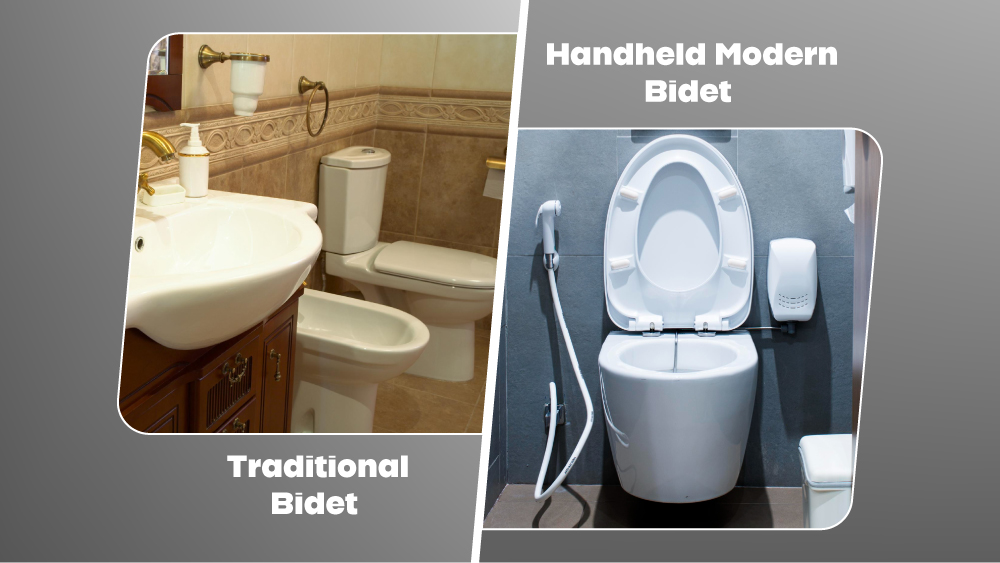
Bidets are not the same: They vary in usage and installation methods from bathroom to toilet.
Traditional bidets are the old-fashioned option — a separate, ceramic fixture next to your toilet. They occupy floor space and require their own plumbing connections—which usually means a pro install. You might not find that extra space for an armchair in the bathroom these days in Australian homes.
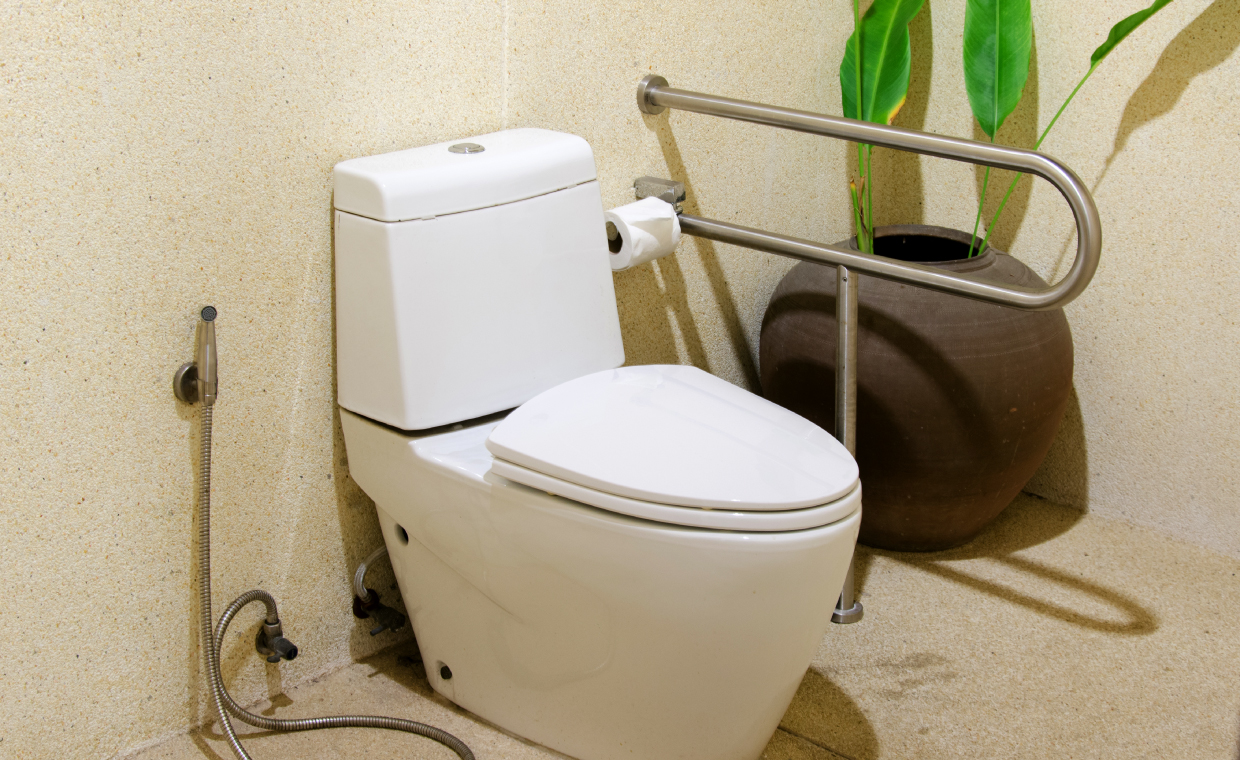
A handheld bidet sprayer connects to your water supply and hangs on a small stand mounted onto a wall, or cistern in some cases. They are affordable bidet options for bathroom, easy to set-up and highly functional—but require some planning on how they are used effectively.
Then there are the options based on your seat, which likely describes most of us at this point. A bidet with toilet seat removes your existing seat entirely. By simply connecting it to your water supply (and existing power point, for electric models), an old dunny can be turned into something a lot more functional without needing one tile removed.
What You Really Get with Seat-Based Options
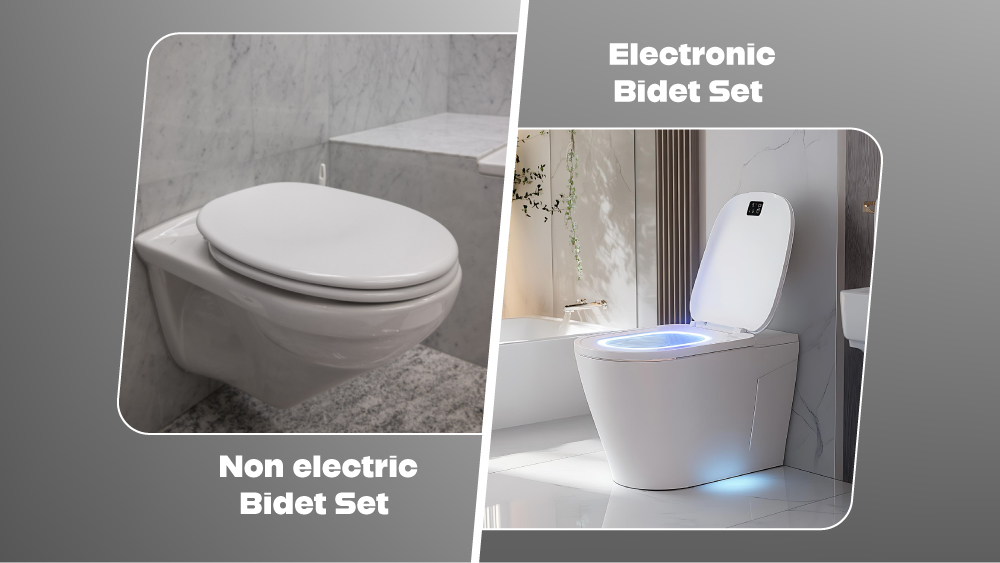
Have you thought about electric vs non-electric bidet? Water Pressure Only for Non-Electric Seats. They’re the best bidet for home use for people who are pregnant, and even gasp don’t have access to an electric toilet. No hot water or air drying, but these are just non-factors for 90% of the houses, really.
In electric seats, the features really stack up: heated water, variable pressure; there are warm air dryers, heated seat surfaces and even night-lights that deodorise. These are the versions that turn sceptics into fans.
And for those preparing a new bathroom or bathroom remodel, it is likewise helpful to learn that entire toilet and bidet combinations available are where all the parts arrive in 1 box. Initial purchase on these is usually higher, but in a fully fitted bathroom scheme, they can seem more intentional.
Cautionary Notes Before Deciding to Purchase an Electric Seat
1. Toilet Style:
There are round and oblong seats. Purchase the proper size — first, measure your current bathroom; getting this wrong is an awful, dreadfully avoidable blunder.
2. Connection to a Water Supply:
Most installs will tap in alongside your toilet. If that line is too far away, or you simply want hot water with no heated seat on the whole place/flowing pot thing, you’ll need a plumber to bust it out.
The second part of this is that you need a power outlet close by to run the electric seats. Bear in mind that you may require an electrician, because a lot of bathrooms developed before the 2000s will not have one beside the toilet and the bidet installation guide for beginners.
3. Thermostat & Pressure Controls:
These are far more critical than most buyers realise. Look for models providing good horizontal space adjustability — what works for one at home rarely does so with another.
Is It Worth It?
In actuality, 99% of the people who switch are glad to do so. It has a number of positives in terms of hygiene, and for some health conditions — from haemorrhoids to IBS or even post-surgery — it can be incredibly different when it comes to comfort.
However, there is another reason for bidets reaching a point of acceptance: aside from the functional argument, they have also firmly established themselves as an authentic feature of modern restroom design. A correctly coordinated bidet-toilet combination has a fresher, finished appearance—and if people use it because, as with most of those things that daily life makes easier, the simplicity sells itself.
If you are even thinking about bidets as part of your bathroom upgrade, start with the space, followed by plumbing and then a budget. Never have there been more options out there.
Also Read: Step-by-Step Tutorial: How to Install a Bidet Toilet Seat for Enhanced Hygiene?
FAQs on Bidet Buying Guide
1. Are Bidets Hygienic and Better than Toilet Paper?
Yes, bidets clean more effectively using water, reducing irritation and bacteria, while improving personal hygiene compared to traditional toilet paper use.
2. Do Bidets Require Plumbing Changes or Professional Installation?
Most bidet seats and sprayers connect to existing water lines easily. Still, traditional bidets or complex setups may require professional plumbing support.
3. Is an Electric Bidet Worth the Higher Price?
Electric bidets offer heated water, a dryer, and adjustable settings, providing superior comfort and convenience and making them worth the investment for many users.
4. Can I Install a Bidet in Any Bathroom?
Yes, most bathrooms support bidets, but you need nearby water access, a compatible toilet, and power outlets for electric models.
5. What Should I Check Before Buying a Bidet Seat?
Measure the toilet shape, confirm access to the water connection, check for power outlet availability, and compare features such as pressure control and temperature settings.
Author & Expert Review
Written By:  Gaurav Mishra | Civil Engineer & Content Writer

| Credentials: B.E. (Mahavir Swami College, Surat), Registered with Bhagwan Mahavir University (BMU). Experience: Civil Engineer with 5+ years of content writing experience, currently writing impactful articles for Gharpedia, part of SDCPL. Expertise: Specializes in writing well-researched content on residential construction, construction materials, design planning, on-site practices, and safety, blending technical accuracy with everyday clarity. Find him on: LinkedIn |
Verified By Expert: Farhan Shaikh – Senior Manager – Architect, SDCPL | Associate Member – IIA

This article has been reviewed for architectural and interior design accuracy by Farhan Shaikh, Senior Manager – Architect at Sthapati Designers & Consultants Pvt. Ltd. As the lead for all architectural and interior projects at SDCPL and an Associate Member of the Indian Institute of Architects (IIA), he brings hands-on experience in architectural planning, interior design, project coordination, and sustainable strategies. His review ensures the content reflects practical design considerations, industry best practices, and real-world applicability across both architecture and interior spaces.
Find him on : Linkedin