





Table of Contents
Quick Summary
- Explore how BBQ pods can create a convenient and organised outdoor cooking space.
- Compare pod sizes, appliances, storage options and preparation facilities.
- Learn how to arrange cooking, preparation and dining zones for comfortable movement.
- Understand ventilation, appliance clearances and safe gas and electrical connections.
- Discover suitable materials, lighting, shade structures and weather protection.
- Follow food hygiene practices, fire safety precautions and local installation requirements.
- Review installation costs, common planning mistakes and ongoing maintenance needs.
- Use the practical checklist to prepare your outdoor kitchen before installation.
Courtesy - Magnific
Hosting a backyard barbecue should be enjoyable, but an outdoor cooking area can quickly become frustrating when there is limited bench space, poor ventilation or not enough room for guests to move around comfortably. A poorly planned layout can also create safety risks, particularly when cooking equipment is positioned too close to furniture, fences or other combustible materials.
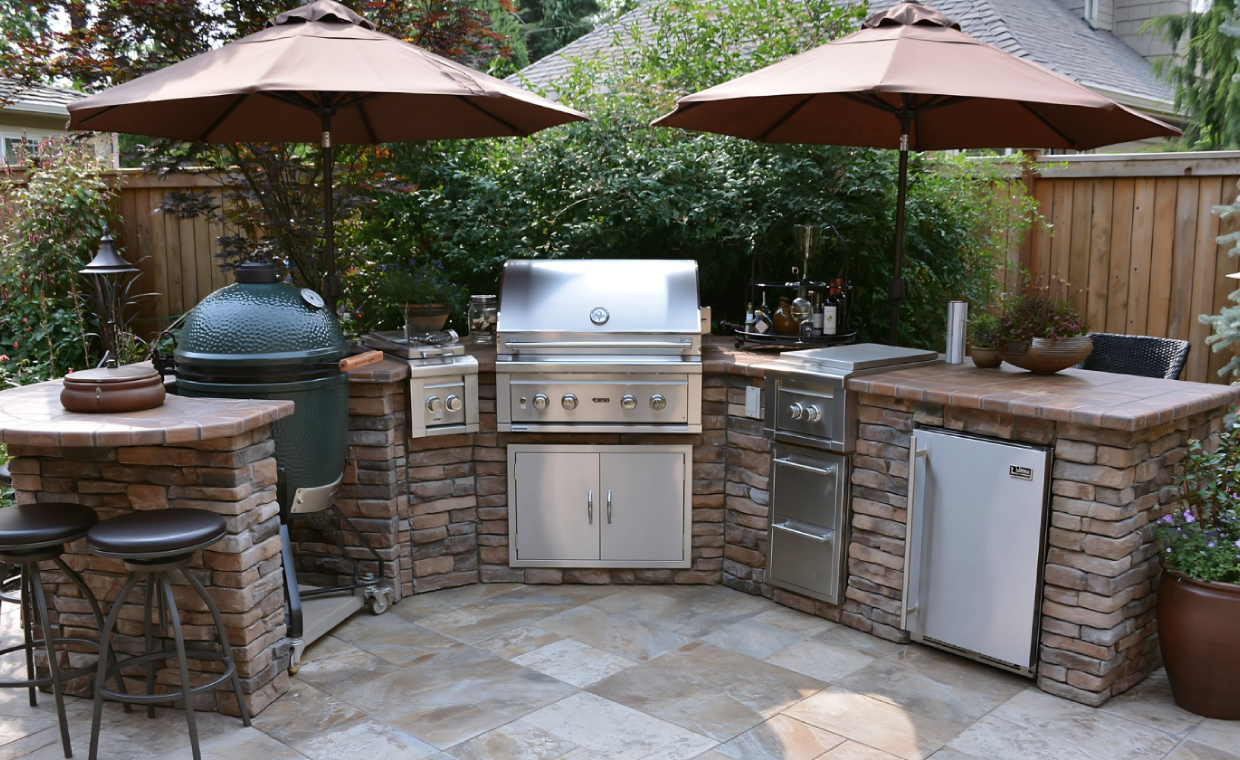
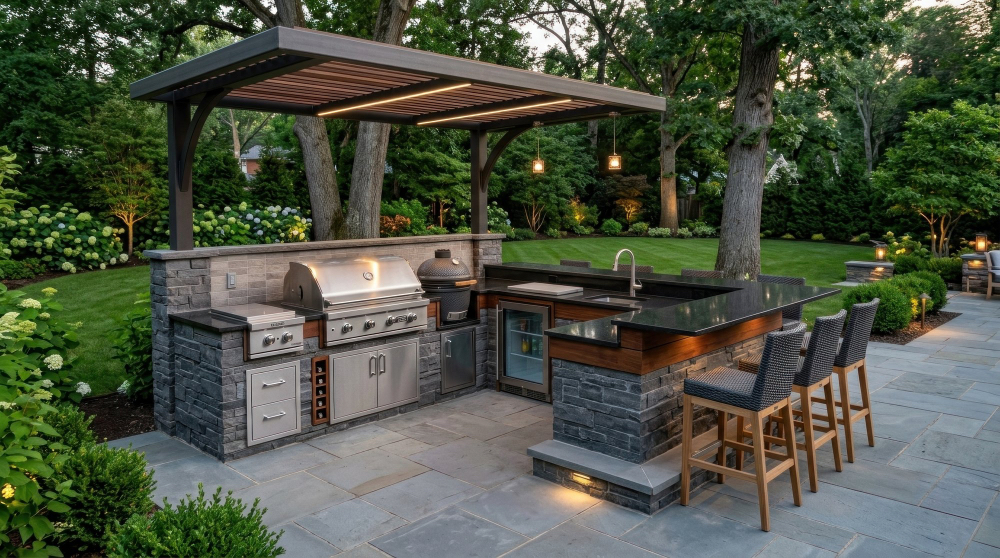
An outdoor kitchen pod can help create a more organised cooking space by bringing essential equipment together in one dedicated area. Depending on the design, these units may include a built-in barbecue, preparation surfaces, storage, a sink and refrigeration.
However, choosing an outdoor kitchen pod is only one part of creating a safe and practical entertaining area. Proper placement, ventilation, gas connections, weather protection and dining arrangements all affect how well the space works.
This guide explains how to plan an outdoor cooking area with BBQ pods in Australia, covering layout ideas, essential safety measures, equipment selection, installation requirements and practical ways to make backyard entertaining easier.
BBQ Pods Australia: Choosing a Safe and Practical Setup
Exploring BBQ pods Australia options is a useful starting point for homeowners who want a dedicated outdoor cooking station without designing every component separately.
Outdoor kitchen pods are available in different sizes and configurations. Some offer a compact barbecue and preparation area, while larger models may incorporate a sink, refrigerator, storage cabinets, lighting and other entertaining features.
The right setup depends on your backyard dimensions, cooking habits, available utilities and budget.
Before choosing an outdoor kitchen pod, identify your main requirements:
- Cooking equipment: Decide whether you need a built-in gas barbecue, additional burners or other compatible cooking appliances.
- Preparation space: Allow enough room for chopping ingredients, preparing meals and handling serving dishes.
- Storage: Look for suitable compartments for utensils, cookware and other outdoor kitchen accessories.
- Refrigeration: Decide whether an outdoor-rated refrigerator would improve convenience.
- Cleaning facilities: Determine whether a sink and nearby water supply are practical.
- Weather exposure: Choose materials and finishes suited to your location.
- Installation requirements: Check the pod’s dimensions, weight, ventilation, electrical requirements and gas connection arrangements.
A compact pod may work well for everyday family meals, while a larger outdoor kitchen can offer additional convenience for frequent entertaining.
Avoid selecting a unit based only on its appearance. Confirm that its appliances and components are suitable for Australian use and that the proposed installation location meets the manufacturer’s requirements.
Plan the Cooking and Dining Layout
Courtesy - Magnific
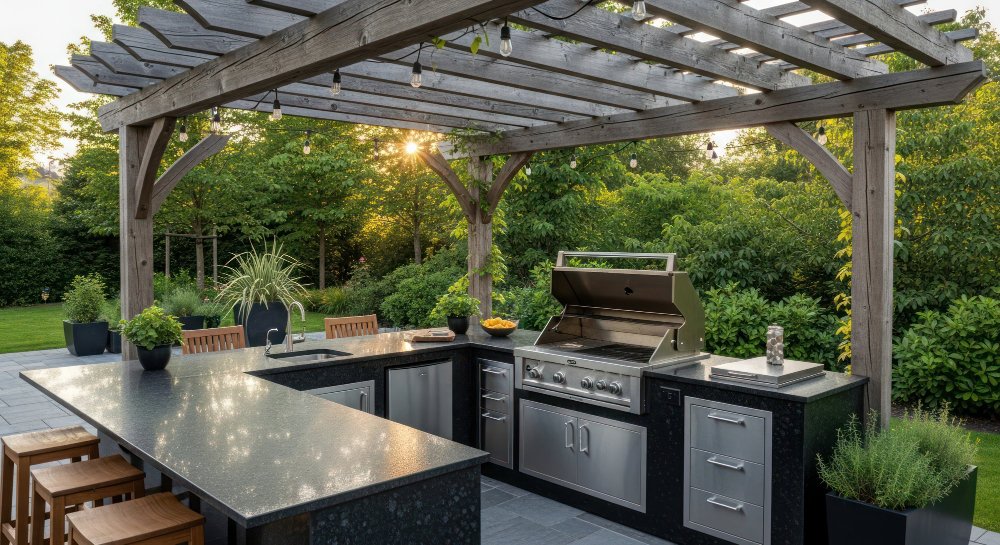
A functional outdoor kitchen should allow people to prepare food, cook meals and serve guests without constantly crossing one another’s paths.
The most practical layouts create a clear relationship between the cooking station, preparation surfaces and dining area. Keeping these activities organised helps reduce congestion and makes entertaining more comfortable.
For larger gatherings, pairing the kitchen pod with a 10 seat outdoor dining table can provide a dedicated place for guests to eat while keeping the cooking equipment separate from the main seating area.
Create Three Functional Zones
Dividing the outdoor area into three practical zones can simplify the layout.
1. Food preparation zone
This area should provide enough bench space for preparing ingredients, arranging utensils and handling uncooked food.
Position frequently used equipment within easy reach while keeping raw ingredients separate from ready-to-eat meals.
2. Cooking zone
The cooking zone contains the barbecue and other approved cooking appliances.
It needs suitable ventilation, access to controls and enough surrounding space for safe operation.
Keep children, pets and unnecessary furniture away from hot surfaces.
3. Serving and dining zone
Position the dining area where guests can sit comfortably without crowding the cook.
Provide a clear route for carrying food between the kitchen pod and table, avoiding narrow passages or obstacles.
Allow Enough Space for Movement
Measure the entire outdoor area before purchasing equipment.
Remember that an outdoor dining table occupies more space when chairs are pulled out or when an extendable tabletop is fully opened.
Leave comfortable walking routes between the kitchen pod, dining furniture and access doors.
A simple way to test the layout is to mark the proposed positions on the ground using removable tape or temporary markers. This helps identify potential obstacles before installation.
Choose the Best Location for Your Outdoor Kitchen Pod
The position of your BBQ pod affects safety, convenience and everyday usability.
A cooking station placed too far from the house may make food preparation less convenient, while one positioned too close to doors, windows or combustible surfaces may create avoidable hazards.
Choose a location that balances access to the home with sufficient ventilation and appropriate appliance clearances.
Check the Ground Surface
The pod should sit on a stable, level surface capable of supporting its weight and any additional equipment.
Suitable installation methods depend on the unit’s specifications and the existing ground conditions.
Before installation, check:
- Whether the paving or concrete base is structurally suitable
- Whether the surface is level and stable
- Whether water can drain away from the area
- Whether there is enough access for delivery and installation
- Whether the pod can be positioned without obstructing existing services
Do not assume that an existing patio or deck can support a large outdoor kitchen without checking its load-bearing capacity.
Account for Wind and Sun Exposure
Strong winds can affect cooking comfort and may create hazards around flames and hot equipment.
Position the barbecue in an area with suitable protection from prevailing winds while maintaining the ventilation required by the appliance.
Also observe how sunlight reaches the proposed cooking area. Direct afternoon sun may make food preparation uncomfortable, particularly during Australian summers.
Shade structures can improve comfort, but they must not compromise ventilation or the barbecue’s required clearance from overhead materials.
Make Ventilation a Priority
Ventilation is one of the most important safety requirements for an outdoor cooking area.
Gas barbecues produce combustion gases, while cooking also generates heat, smoke, grease and steam. In poorly ventilated spaces, these substances can accumulate and create dangerous conditions.
An outdoor kitchen pod should only be used in the operating configuration approved by its manufacturer.
Avoid Enclosed Cooking Spaces
Outdoor gas barbecues are not designed to operate inside ordinary enclosed rooms or confined spaces.
If your kitchen pod has retractable panels, protective doors or a closable enclosure, confirm which components must remain open while cooking.
A weather-protected storage configuration does not automatically mean the unit is safe to operate while enclosed.
Likewise, a fitted rangehood does not automatically make an inadequately ventilated area safe for gas cooking.
For covered or partially enclosed outdoor areas, check the applicable state or territory gas safety requirements and obtain advice from a licensed gasfitter.
Maintain Suitable Clearance Around Appliances
Cooking equipment needs adequate separation from combustible surfaces and surrounding structures.
Check the appliance manufacturer’s instructions for minimum clearances from walls, overhead coverings, furniture and other materials.
Avoid placing the barbecue directly beneath low awnings, close to timber fencing or beside curtains and other items that may catch fire.
Do not guess a clearance distance. Requirements vary according to the appliance and installation arrangement.
Plan Gas and Electrical Connections Safely
Courtesy - Magnific
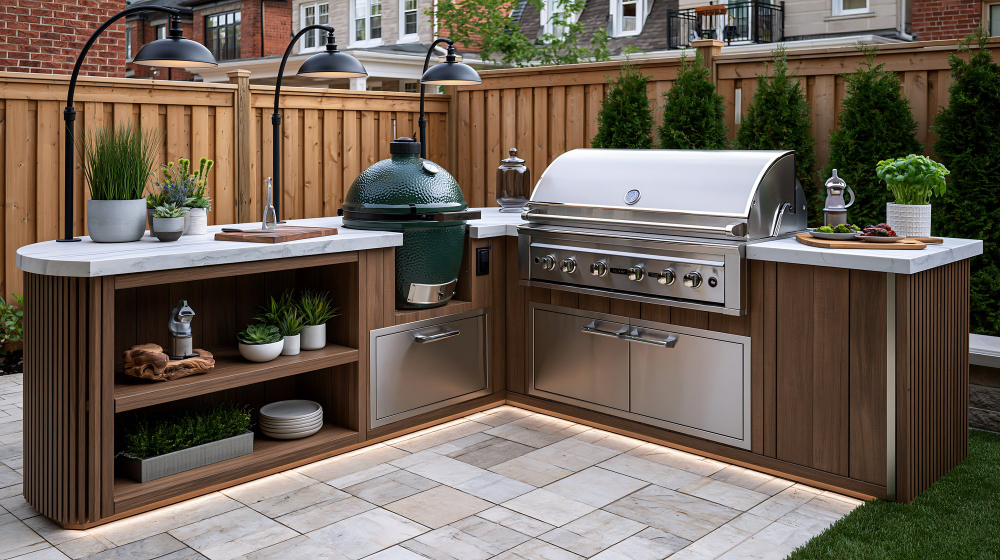
A well-designed outdoor cooking area requires safe access to the services used by its appliances.
Depending on the kitchen pod, this may include LPG, a fixed gas supply, electricity and water.
These connections should be planned before installation rather than added after the pod has been positioned.
Follow Safe Gas Installation Practices
Gas appliances must be suitable for their intended fuel type and comply with applicable Australian requirements.
For a fixed gas connection, use a licensed gasfitter authorised to perform the work in your state or territory.
If the barbecue operates using an LPG cylinder:
- Keep cylinders upright in an approved, well-ventilated location.
- Follow the manufacturer’s requirements for cylinder placement.
- Inspect hoses and connections for visible wear or damage.
- Check connections for leaks using the approved method.
- Keep cylinders away from ignition sources and excessive heat.
- Close the gas supply after cooking according to the appliance instructions.
- Never store cylinders in an enclosed or unventilated compartment.
Do not modify gas fittings or attempt to repair damaged connections without appropriate qualifications.
If you smell gas, stop using the equipment. Shut off the supply only if it is safe to do so, avoid operating electrical switches or creating sparks, and move people away from the affected area. Seek emergency assistance where required.
Install Suitable Outdoor Electrical Equipment
Outdoor kitchen pods may include refrigerators, lighting, electrical controls or powered accessories.
Electrical components must be suitable for their environment, particularly where moisture, rain or temperature changes may affect them.
Use a licensed electrician for fixed wiring and electrical installation work.
Power outlets, lighting fixtures and connections should have appropriate protection for their location. Keep electrical cables away from hot surfaces, water and areas where they could be damaged.
Choose Safe and Durable Outdoor Kitchen Materials
Outdoor kitchen materials need to withstand regular cleaning, changing weather conditions and exposure to cooking grease.
Unlike indoor kitchens, outdoor cooking areas may experience direct sunlight, humidity, wind-driven rain and dust.
Choosing suitable materials can reduce maintenance requirements and help preserve the appearance of the space.
Stainless Steel Components
Stainless steel is commonly used for barbecue components, preparation surfaces and outdoor kitchen cabinetry.
It offers a practical surface for cleaning, although its corrosion resistance depends on the steel grade, finish and surrounding conditions.
Coastal homes may need additional care because airborne salt can contribute to surface staining and corrosion.
Follow the manufacturer’s cleaning recommendations and avoid abrasive products that may damage protective finishes.
Weather-Resistant Benchtops
The benchtop should provide a stable preparation surface and withstand the conditions expected around the cooking area.
Depending on the kitchen design, suitable materials may include approved stainless steel, outdoor-rated stone or other heat- and weather-compatible surfaces.
Check whether the material can tolerate hot cookware. Even durable surfaces may require trivets or heat-resistant protective pads.
Suitable Cabinets and Storage
Cabinets should protect stored items from ordinary outdoor exposure while allowing any ventilation required for appliances or gas installations.
Keep cookware, utensils and food storage containers organised so they remain easy to access.
Avoid storing flammable liquids, aerosols or combustible materials near barbecue burners or gas cylinders.
Design a Practical Food Preparation Area
An outdoor cooking space becomes easier to use when the preparation area is organised.
Without sufficient bench space, homeowners may end up preparing food on the dining table or repeatedly carrying ingredients between the indoor kitchen and barbecue.
A suitable work surface helps keep cooking equipment organised and reduces unnecessary movement.
Keep Raw and Cooked Food Separate
Food safety is especially important during outdoor entertaining because warm weather can affect how quickly perishable food becomes unsafe.
Use separate chopping boards, utensils and plates for raw meat and ready-to-eat food.
Wash hands and clean preparation surfaces after handling raw ingredients.
Avoid placing cooked food onto a plate that previously held raw meat unless it has been thoroughly cleaned.
Include Convenient Cleaning Facilities
A sink can make outdoor food preparation and cleaning more convenient, provided the plumbing is installed correctly.
Plan suitable water supply and wastewater connections where required.
Do not discharge wastewater containing food scraps, grease or cleaning chemicals into stormwater drains.
If a sink is not practical, organise a safe way to transport used utensils and dishes back to the indoor kitchen.
Keep Food at Safe Temperatures
Courtesy - Magnific
Australian outdoor entertaining often involves warm conditions, which makes food temperature control particularly important.
Perishable foods should be kept chilled until needed, while cooked meals should be served promptly or maintained at safe temperatures.
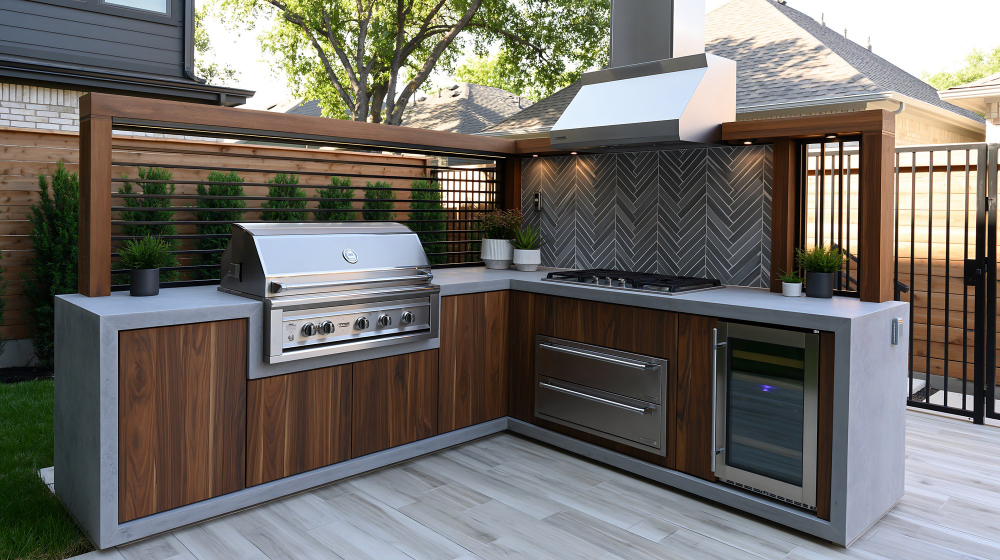
A dedicated outdoor refrigerator can be useful, but only if it is suitable for outdoor installation and maintains the required food storage temperature.
Use a Food Thermometer
A food thermometer provides a more reliable way to check whether meat has cooked thoroughly than judging colour alone.
For poultry, minced meat products and sausages, Australian food safety guidance recommends cooking to at least 75°C at the centre.
Keep raw meat refrigerated until preparation and avoid leaving perishable ingredients exposed to warm outdoor temperatures.
Handle Leftovers Safely
Food that requires refrigeration should not remain at unsafe temperatures for extended periods.
A practical guide is the two-hour/four-hour rule for potentially hazardous foods held between 5°C and 60°C:
- Less than two hours: The food may be used immediately or refrigerated for later use.
- Between two and four hours: Use the food immediately rather than returning it to refrigeration.
- More than four hours: Discard the food.
The time is cumulative and includes previous periods outside temperature control.
When entertaining, serve smaller portions and replenish dishes from the refrigerator rather than leaving all the food on the table.
Add Lighting for Safe Evening Cooking
A backyard barbecue often continues after sunset, making appropriate lighting an important part of the design.
Poor illumination can make it difficult to check food, handle utensils or recognise hot surfaces.
A combination of task lighting and softer ambient lighting usually provides a more comfortable result.
Install Task Lighting Above Preparation Areas
Position suitable lighting where it illuminates the cooking and preparation surfaces without creating uncomfortable glare.
Integrated LED lighting may be available on some outdoor kitchen pods.
Confirm that any additional fixtures are approved for the installation location and do not interfere with ventilation or heat clearances.
Illuminate Walkways and Dining Areas
Guests need to move safely between the barbecue, dining table and house.
Use suitable pathway or step lighting where there are changes in level.
Avoid positioning extension leads across walking areas, and ensure outdoor lighting is installed according to applicable electrical requirements.
Include Shade and Weather Protection
Weather protection can make an outdoor cooking area more comfortable throughout the year.
A suitable roof, awning or shade structure may reduce exposure to strong sunlight and light rainfall.
However, placing a barbecue beneath a roof requires careful attention to ventilation, heat clearance and the appliance manufacturer’s instructions.
Choose Suitable Shade Structures
A pergola or other approved outdoor covering may provide shade around the entertaining area.
The cooking appliance must remain in a location permitted by its manufacturer and applicable gas safety requirements.
Do not position a barbecue beneath an unsuitable low roof or enclosed structure.
Protect Equipment When Not in Use
Even outdoor-rated cooking equipment benefits from appropriate care.
Use manufacturer-approved covers only when the barbecue has cooled completely and has been shut down correctly.
Keep ventilation openings and drainage points clear.
If your kitchen pod includes protective doors, close them only when the appliances are in the condition specified by the manufacturer.
Plan Storage That Makes Cooking Easier
Courtesy - Magnific
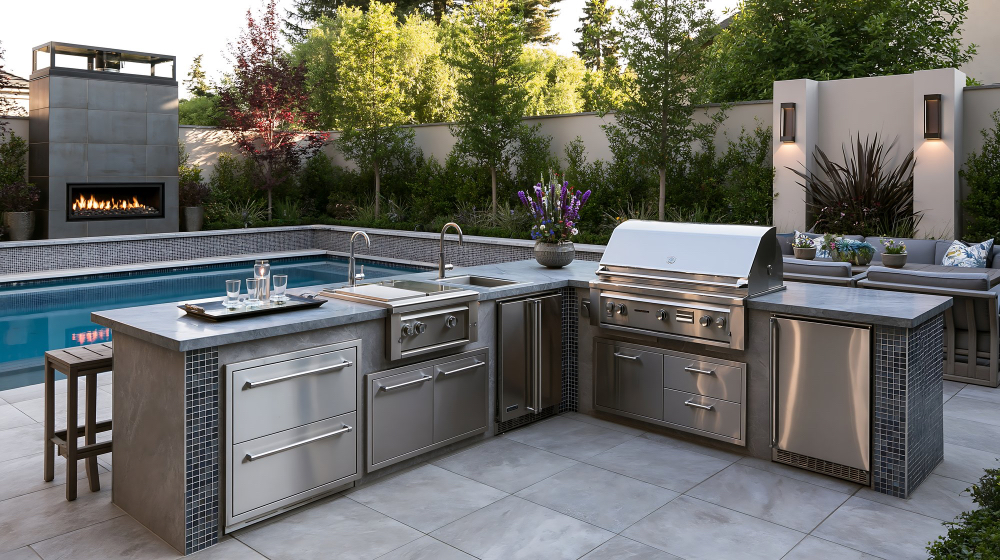
Organised storage helps keep an outdoor kitchen tidy and reduces the amount of equipment carried between the house and backyard.
The right storage arrangement depends on how often you cook outdoors and which accessories you use.
It is usually more practical to prioritise frequently used items than fill every cabinet with rarely needed equipment.
Store Essential Cooking Tools Together
Useful outdoor kitchen storage may include:
- Barbecue tongs and spatulas
- Heat-resistant cooking gloves
- Food thermometers
- Cleaning cloths and approved cleaning products
- Serving utensils
- Suitable food preparation containers
- Non-flammable accessories used during cooking
Keep sharp utensils secured and away from children.
Separate cleaning chemicals from food preparation equipment and food storage areas.
Keep Cabinets Easy to Maintain
Outdoor cabinets can collect dust, insects and moisture.
Choose storage compartments that are easy to access and clean.
Check cabinet seals, hinges and drainage arrangements periodically. Do not block ventilation openings or use appliance compartments for unintended storage.
Set Up Fire Safety Measures
Barbecues involve heat, flames and combustible cooking fats, so fire safety should be part of the outdoor kitchen design.
Even a properly installed appliance requires active supervision.
Never leave a lit barbecue unattended, and keep children and pets away from hot cooking surfaces.
Keep Suitable Fire Safety Equipment Nearby
Appropriate fire safety equipment should be accessible without requiring someone to reach across the cooking area.
Depending on the installation and hazards, this may include a suitable fire blanket and a correctly rated fire extinguisher.
Check that household members understand how to use the equipment safely.
Never pour water onto a burning cooking oil or fat fire. Water can cause burning oil to spread violently.
If a fire cannot be controlled safely, move away, warn others and call 000.
Reduce Fire Risks Before Cooking
Before lighting the barbecue:
- Remove combustible clutter from the cooking area.
- Check that grease trays are clean and correctly positioned.
- Inspect accessible gas hoses and fittings.
- Confirm ventilation openings are unobstructed.
- Keep children away from the cooking zone.
- Check applicable fire restrictions.
- Follow the manufacturer’s lighting instructions.
Avoid using the barbecue during conditions that make safe operation difficult.
Check Council and Installation Requirements
Outdoor kitchen projects may involve building, planning, plumbing, gas and electrical requirements.
The approvals needed depend on your property, location, installation method and the equipment included in the project.
A freestanding kitchen pod may have different requirements from an outdoor kitchen connected to the house or installed beneath a permanent roof.
Confirm Local Rules Before Installation
Contact your local council or an appropriately qualified building professional to clarify any applicable requirements.
Relevant matters may include:
- Planning or building approvals
- Boundary setbacks and structure height
- Site drainage and wastewater disposal
- Gas and electrical installation requirements
- Structural support and anchoring
- Bushfire-prone area restrictions
- Owners corporation or body corporate requirements
Requirements differ between Australian states, territories and councils.
Arrange Qualified Installation Where Needed
Large outdoor kitchen pods can be heavy and may require specialist handling during delivery and positioning.
Check the supplier’s installation requirements before preparing the site.
Use licensed tradespeople for regulated gas, plumbing and electrical work. Any structural work should also meet the applicable requirements for your property.
How Much Does an Outdoor BBQ Pod Setup Cost?
The cost of an outdoor cooking area depends on the kitchen pod, included appliances and installation requirements.
A compact unit with basic cooking equipment may require less space and fewer additional features than a larger pod containing refrigeration, a sink and entertainment accessories.
The total budget should account for the complete project rather than the advertised product price alone.
Main Cost Factors
| Cost Factor | What May Affect the Budget |
| Kitchen pod size | Larger models may use more materials and include additional equipment |
| Built-in appliances | Barbecue specifications, refrigeration and other features |
| Benchtops and cabinetry | Selected materials, finishes and storage arrangements |
| Site preparation | Levelling, paving, concrete work or structural support |
| Gas installation | Suitable connections and licensed gasfitting work |
| Electrical installation | Outdoor power supply, lighting and appliance connections |
| Plumbing | Water supply, drainage and wastewater requirements |
| Delivery and installation | Access limitations, handling equipment and labour |
| Outdoor furniture | Dining tables, chairs and other entertaining accessories |
Request an itemised quotation that separates the product, delivery, installation and any additional site work.
Also confirm warranty terms, included appliances, replacement part availability and ongoing maintenance requirements.
Common Outdoor Kitchen Planning Mistakes to Avoid
A carefully selected kitchen pod can still be inconvenient if the surrounding space is poorly planned.
Many problems arise from overlooking practical requirements such as ventilation, preparation space, access and cleaning.
Identifying these issues before installation can help prevent unnecessary modifications.
Choosing a Pod That Is Too Large
An oversized unit may dominate the backyard and reduce the area available for dining or movement.
Measure the full footprint and include clearance for opening doors, drawers and appliance lids.
Ignoring Ventilation Requirements
A covered cooking area may look attractive, but inadequate ventilation can create serious safety risks.
Confirm that the proposed layout meets the barbecue manufacturer’s requirements and applicable gas regulations.
Forgetting Food Preparation Space
A barbecue without a practical work surface can make cooking inconvenient.
Choose a unit with suitable bench space or plan a compatible preparation area nearby.
Placing Dining Furniture Too Close to the Barbecue
Guests should not need to walk through the cooking zone to reach their seats.
Arrange furniture so people can move comfortably while maintaining safe separation from hot surfaces.
Underestimating Installation Costs
Gas, electrical and plumbing work can add to the project budget.
Clarify these requirements before purchasing the pod.
Neglecting Cleaning and Maintenance
Grease build-up, blocked burners and damaged fittings can affect safety and appliance performance.
Choose equipment that can be inspected and cleaned easily.
Maintain Your Outdoor Kitchen Pod for Long-Term Use
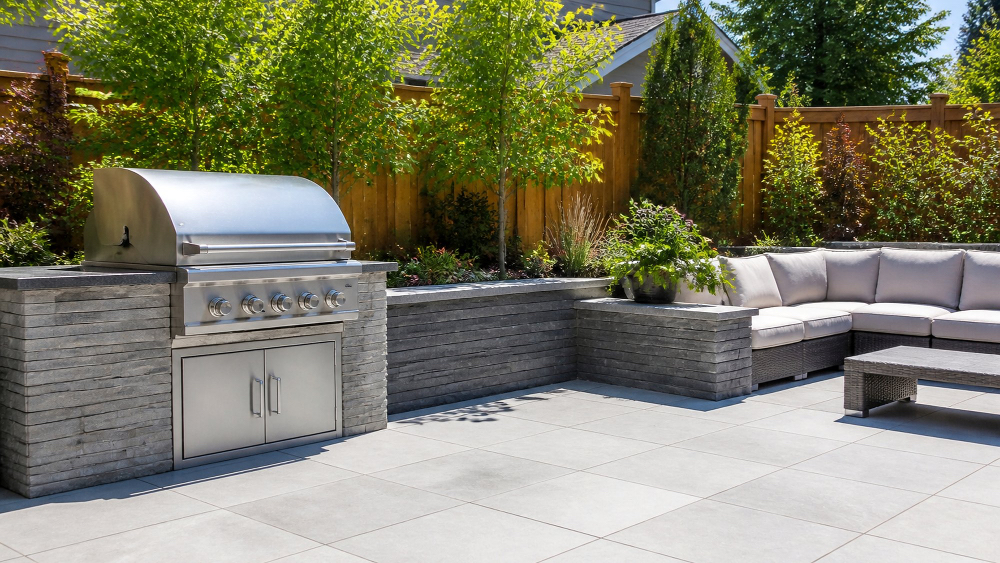
Courtesy - Magnific
Regular maintenance helps keep an outdoor kitchen safe, hygienic and pleasant to use.
The required maintenance schedule depends on the appliances, materials and level of weather exposure.
Follow the manufacturer’s instructions for cleaning, inspection and servicing.
Clean the Barbecue After Use
Allow the appliance to cool and clean cooking surfaces using approved methods.
Remove accumulated grease from drip trays and check accessible components for food residue.
Avoid abrasive products that may damage stainless steel, coatings or other finishes.
Inspect Gas and Electrical Components
Before cooking, check for obvious damage to gas hoses, appliance connections and electrical accessories.
Stop using equipment that shows signs of damage or operates abnormally.
Arrange professional servicing when required by the manufacturer or when problems are identified.
Protect the Kitchen From Weather Damage
Wipe down exposed surfaces and remove standing water where practical.
Inspect cabinet hinges, seals, ventilation openings and drainage points.
For coastal homes, clean salt deposits according to the manufacturer’s recommendations.
Keep protective covers clean and dry, and never cover hot appliances.
Outdoor Kitchen Planning Checklist
A simple checklist can help ensure that your outdoor cooking area is practical before installation begins.
Review the following items with your supplier and any relevant tradespeople.
Before Purchasing
- Measure the available backyard space.
- Choose a suitable pod size and appliance configuration.
- Confirm required cooking, preparation and storage features.
- Check ventilation and appliance clearance requirements.
- Identify gas, electrical and plumbing needs.
- Confirm delivery access and structural support requirements.
- Check applicable council or building requirements.
- Allow space for dining furniture and walkways.
Before Using the Outdoor Kitchen
- Confirm installation and connection work is complete.
- Check that the cooking area has suitable ventilation.
- Inspect gas hoses and visible connections.
- Remove combustible materials from around the barbecue.
- Confirm that cooking surfaces and grease trays are clean.
- Prepare separate utensils for raw and cooked food.
- Check that suitable fire safety equipment is accessible.
- Review the manufacturer’s operating instructions.
Completing these checks helps reduce avoidable problems and makes everyday outdoor cooking easier.
Create a Safer and More Enjoyable Outdoor Cooking Space
A functional outdoor cooking area brings together suitable equipment, thoughtful planning and safe installation.
Choosing the right BBQ pod, creating separate cooking and dining zones, maintaining ventilation and arranging reliable gas and electrical connections can help create a space that works well for everyday meals and larger gatherings.
The best outdoor kitchen is not necessarily the largest or most expensive. It is one that suits your available space, supports your cooking habits and can be operated and maintained safely.
Explore the outdoor kitchen pod options at Outdoor Living HQ and discuss your backyard dimensions, preferred appliances and installation requirements to find a suitable setup for your home.
Also Read: Luxury German Kitchen Suppliers Ranked by Design Innovation
Frequently Asked Questions – BBQ Pods
1. Are BBQ pods in Australia safe for backyard cooking?
BBQ pods can provide a safe outdoor cooking setup when the appliances are suitable for Australian use and installed and operated according to the manufacturer’s instructions.
Adequate ventilation, correct gas connections, appropriate clearances and stable positioning are important. Gas barbecues should never operate in an unsuitable enclosed space. If the pod includes protective doors or panels, confirm their required position during cooking. Licensed tradespeople should handle regulated installation work, and the barbecue must remain supervised while operating.
2. Do BBQ pods in Australia need council approval?
Council approval requirements vary according to the location, pod dimensions, installation method and any associated structures or services. Some installations may require planning or building approval, particularly when permanent roofing, structural foundations or other building work is involved.
Gas, electrical and plumbing connections may also have separate regulatory requirements. Before purchasing, check with your local council and relevant licensed tradespeople. Confirming the requirements early can help prevent installation delays or costly changes to the proposed outdoor kitchen layout.
3. Can I install a BBQ pod under a pergola or covered patio?
A BBQ pod may be installed in a covered outdoor area only when the arrangement meets the appliance manufacturer’s instructions and applicable ventilation and clearance requirements.
Gas barbecues produce combustion gases and heat, making proper ventilation essential. An ordinary enclosed patio or poorly ventilated pergola may be unsuitable. Roof materials, overhead clearances and surrounding walls also affect installation safety. Ask a licensed gasfitter to check the proposed location before installing or operating a gas barbecue beneath a covering.
4. What features should I look for when buying BBQ pods in Australia?
Look for an outdoor kitchen pod that matches your available space, cooking habits and installation requirements. Useful features may include a suitable built-in barbecue, preparation bench, durable cabinetry, storage, a sink and outdoor-rated refrigeration.
Check appliance certification, ventilation requirements, material quality and maintenance access. Also confirm the pod’s dimensions, delivery arrangements and utility connection needs. A compact, well-organised design may be more practical than a larger unit with features you rarely use.
5. How do I maintain an outdoor BBQ pod in Australian weather?
Regular cleaning and inspection help keep an outdoor BBQ pod in good condition. Clean cooking surfaces and grease trays according to the manufacturer’s instructions, and check gas hoses and connections for visible damage before use.
Wipe down exposed benchtops, remove accumulated debris and inspect storage compartments for moisture. Coastal properties may need more frequent cleaning to manage salt deposits. Protect appliances using approved covers only after they have cooled, and arrange professional servicing whenever equipment shows signs of deterioration or malfunction.
Courtesy - Featured Image(Magnific)
Author & Expert Review
Written & Verified By:  Farhan Shaikh – Senior Manager – Architect, SDCPL | Associate Member – IIA

| Credentials: Senior Manager – Architect at Sthapati Designers & Consultants Pvt. Ltd. and Associate Member of the Indian Institute of Architects (IIA). Experience: Architect with hands-on experience leading architectural and interior design projects at SDCPL, including architectural planning, interior design, project coordination, and sustainable design strategies. Expertise: Specializing in architectural planning, interior design, project coordination, and sustainable design. He reviews content to ensure it reflects practical design considerations, industry best practices, technical accuracy, and real-world applicability across architecture and interior spaces. Find him on: Linkedin |