







Table of Contents
Quick Summary
- Homeowners are increasingly adopting advanced water filtration systems due to growing concerns about contaminants like lead, PFAS, chlorine, and microplastics in tap water.
- These systems provide safer drinking water by removing harmful impurities that standard municipal treatment may miss.
- Reverse osmosis (RO) has become especially popular because it can remove up to 99% of dissolved contaminants.
- Before buying a system, homeowners should assess local water quality, household usage, installation requirements, maintenance needs, and budget.
- Water filtration also offers long-term savings by reducing dependence on bottled water.
- Besides health benefits, filtered water improves taste, encourages hydration, and supports eco-friendly living by minimizing plastic waste.
Most homeowners no longer leave clean drinking water to chance. As consumers become more conscious of the presence of potentially hazardous contaminants in drinking water, and the price of bottled water continues to increase, it has become more common for more families to install a home water filtration system as a viable and permanent way to reduce their exposure to these contaminants. From the apartment to the large family house and outdoor adventures, there is a filtration option for every lifestyle and budget.
What Are People Most Concerned About?
Homeowners today are more educated than ever before about what could be passing through their taps. There are many substances that can be found in municipal water treatment that will be removed, but not all harmful substances are removed. Lead and heavy metals, chlorine and chloramines, PFAS compounds (or forever chemicals), microplastics, and dissolved solids/sediment are common concerns.
Advanced filtration technologies have gained traction and are being increasingly adopted because of these concerns. One of the most trusted reverse osmosis systems around today is the SimPure countertop system, which can be used to remove a broad spectrum of impurities at the molecular level, making it a popular choice for homes that don’t require the complexity of installation.
Key Factors to Consider Before Buying
The decision on which system to use depends on the individual family. Below are the primary considerations you should consider before buying.
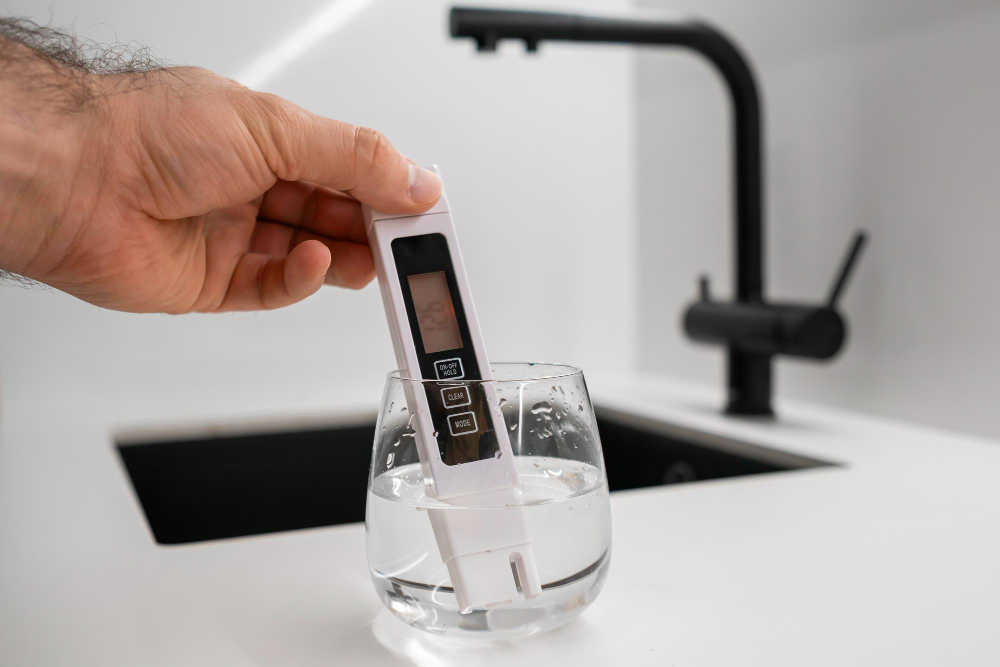
- The first place to start is the water quality in your vicinity. Testing the water or reading the annual water quality report from your local water utility will provide information on what contaminants are detected and how much. This information directly influences which filtration technology you’ll require.
- Flow rates and storage capacity can be compared by taking into account household size and water usage. Bigger families use water much more heavily throughout the day, and can take advantage of systems designed for large volumes of water.
- Installation flexibility is particularly important for renters. For those who can’t make permanent changes to plumbing, the most convenient and simple solution is a countertop reverse osmosis system, such as SimPure.
- Pay attention to maintenance requirements. All filter systems need to be changed periodically. Buyers should find out how often filters need to be changed and what their annual cost will be before making their purchase.
- Financial constraints should include the initial cost of the item and the ongoing cost of operation. A somewhat higher initial cost and less maintenance may be a better investment in the long run.
How Reverse Osmosis Works
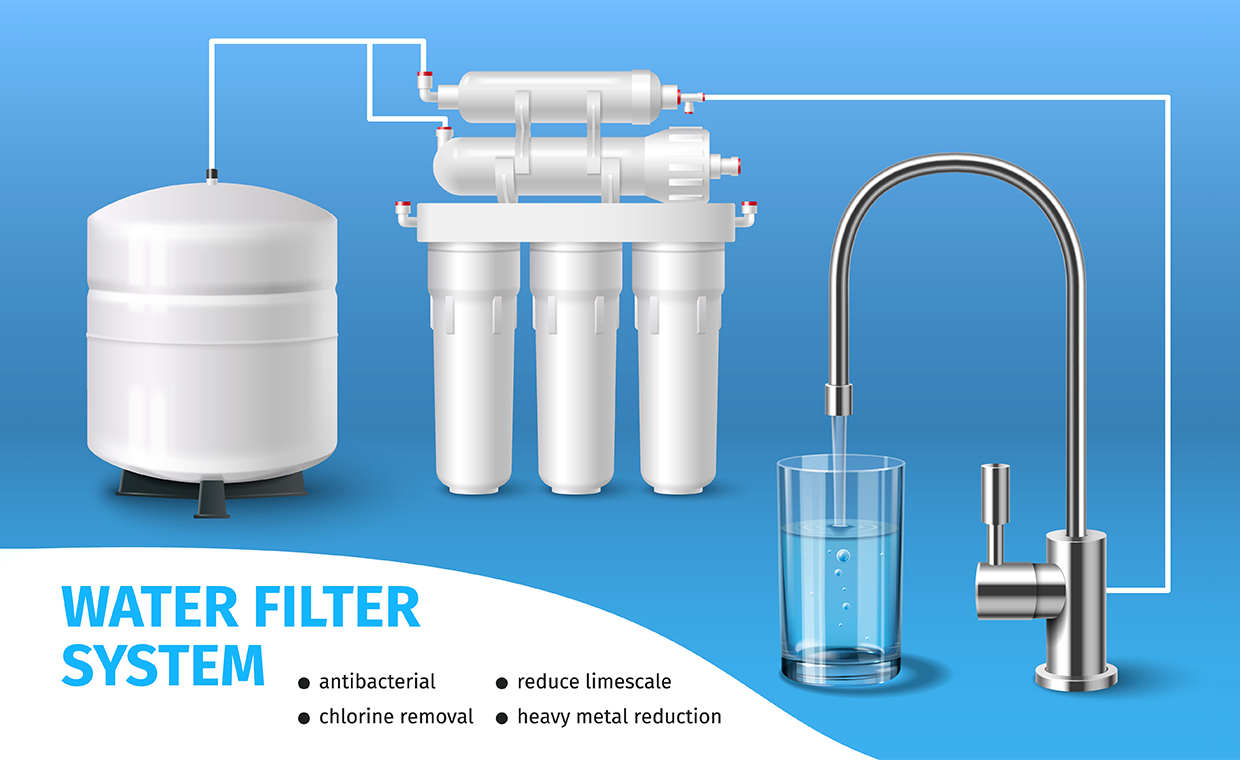
One of the best water purification technologies available at home is reverse osmosis. Knowing how it operates can assist you to appreciate why so numerous households are switching. The main principle of reverse osmosis is to force water through a semipermeable membrane. This membrane has extremely tiny pores that prevent contaminants such as lead, fluoride, nitrates, bacteria, and dissolved salts from passing through, yet it lets clean water molecules pass freely.
The Basic RO Process Consists of Several Stages:
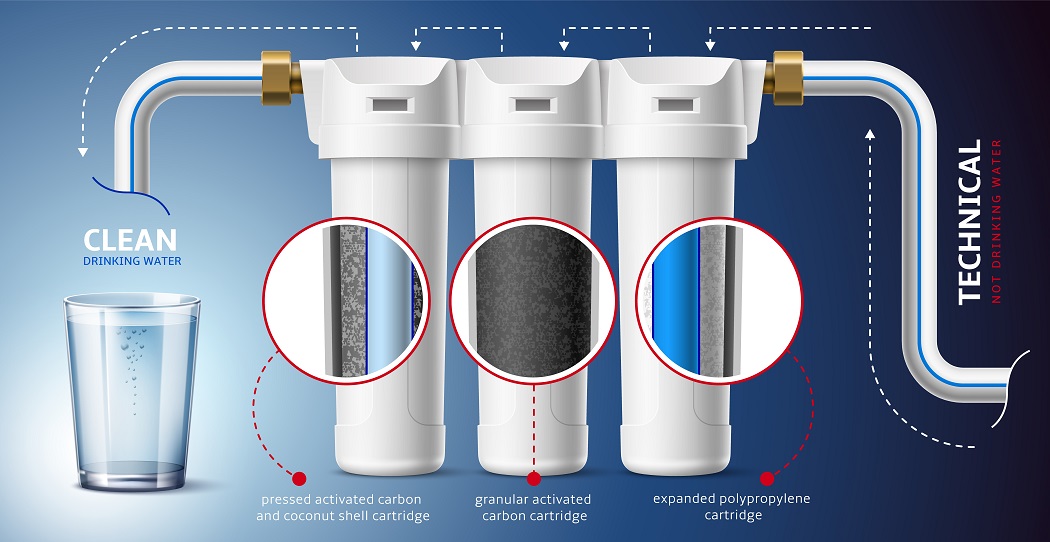
The pre-filtration filters out larger particles such as sediment and chlorine, which might damage the RO membrane. The heavy lifting occurs in the RO membrane stage, as much as 99% of the dissolved contaminants are removed in this stage. Post-filtration provides the last refinement to make the water taste better and to remove any residual impurities before it gets to your glass.
The good news about RO technology is that there is no need for the use of chemicals, only water pressure and a quality membrane. Water purification systems such as the SimPure countertop reverse osmosis system embody this powerful technology in a simple, compact design that fits easily onto your kitchen counter and requires no complicated installation for professional-quality purification to be available in every home.
The Real Benefits: Health, Savings, and Sustainability
The move to a home filtration system is a real health benefit, other than its flavor-enhancing effect. You can reduce plastic waste by filtering your own water, which is beneficial for both the environment and your family. The savings from not buying bottled water each month over the course of the year can add up over months and years. Health-wise, a regular supply of clean and filtered water promotes regular water intake for all family members. Certain customers of the SimPure countertop reverse osmosis unit also say that their morning coffee, tea, and home-cooked meals taste better due to the filtered water.
Conclusion
Home water filters are becoming increasingly popular today for several reasons, including health concerns, eco-friendly choices, and a simple matter of convenience. Whether you want a simple solution at your countertop, such as the SimPure countertop reverse osmosis system, or a whole-house system, you’ll find a filtration solution that fits your home, lifestyle, and budget. By taking the time to know what you need and how your water quality compares, you can make a wise investment that will help you enjoy cleaner water, lower bills, and a better peace of mind for years to come.
Also Read: What is the Difference Between RO and UV Water Purifiers?
FAQs on Advanced Water Filtration Solutions
1. Why are homeowners investing in water filtration systems?
Homeowners want safer drinking water and better protection against contaminants such as heavy metals, chemicals, and microplastics.
2. What contaminants can advanced water filters remove?
Advanced systems can remove lead, chlorine, PFAS, bacteria, dissolved salts, sediments, and other harmful impurities.
3. Is reverse osmosis better than regular water filters?
Yes, reverse osmosis is more effective because it removes a broader range of contaminants at the molecular level.
4. How often should water filters be replaced?
Replacement depends on the filter type and usage, but most filters need changing every 6–12 months.
5. Are water filtration systems worth the cost?
Yes, they can reduce bottled water expenses, improve health, and provide long-term savings while offering cleaner water at home.
Author & Expert Review
Written By:  Nidhi Patel | Civil Engineer & Content Writer

| Credentials: B.E. (Mahatma Gandhi Institute of Technical Education and Research Centre), Registered with Gujarat Technological University (GTU). Experience: Civil Engineer with 3+ years of content writing experience, currently writing blogs for Gharpedia, part of SDCPL. Expertise: Specializing in SEO-optimized blogs and long-form articles focused on home improvement, construction, interiors and architect topics. I create well-researched, reader-focused content that balances technical accuracy with clarity, making complex subjects easy to understand. Find her on: LinkedIn |
Verified By Expert: Farhan Sheikh – Senior Manager – Architect, SDCPL | Associate Member – IIA

This article has been reviewed for architectural and interior design accuracy by Farhan Shaikh, Senior Manager – Architect at Sthapati Designers & Consultants Pvt. Ltd. As the lead for all architectural and interior projects at SDCPL and an Associate Member of the Indian Institute of Architects (IIA), he brings hands-on experience in architectural planning, interior design, project coordination, and sustainable strategies. His review ensures the content reflects practical design considerations, industry best practices, and real-world applicability across both architecture and interior spaces.
Find him on : Linkedin