






Table of Contents
Quick Summary
- Room Humidifiers add moisture to indoor air, and it solves several health problems.
- Dry air can disrupt sleep, trigger nosebleeds, and worsen respiratory discomfort. It can be harsh on the skin.
- Ideal humidity (30–50%) promotes better health, easy breathing, and restful sleep. Also, a humidifier also protects wooden furniture.
- Seven main types of humidifiers are available: ultrasonic, evaporative, vaporiser, warm mist, cool mist, whole-house, and hybrid.
- Each type has unique pros and cons, from noise levels to energy use and maintenance needs.
- Before buying, consider 12 key factors: room size, humidifier type, tank capacity, noise, cleaning ease, maintenance cost, runtime, humidity control, safety, extra features, energy efficiency, and budget.
- Diffuser vs. humidifier: diffuser is for essential oils, while humidifier controls air moisture.
- You need to choose smartly to ensure comfort, healthy air, and peace of mind in your home.
Waking up every day with a dry throat, itchy skin, or a blocked nose? Well, you are not alone. Many homes suffer from dry indoor air, especially with constant AC use or seasonal changes, without people even realising it. But this is exactly where a room humidifier can make a difference. It adds the right amount of moisture to the air, making your home feel more comfortable and breathable. However, there’s something you need to be careful about.
Not all humidifiers suit every room. Choosing the wrong one can result in to excess dampness, noise issues or constant maintenance demands. So, how do you pick the right one?
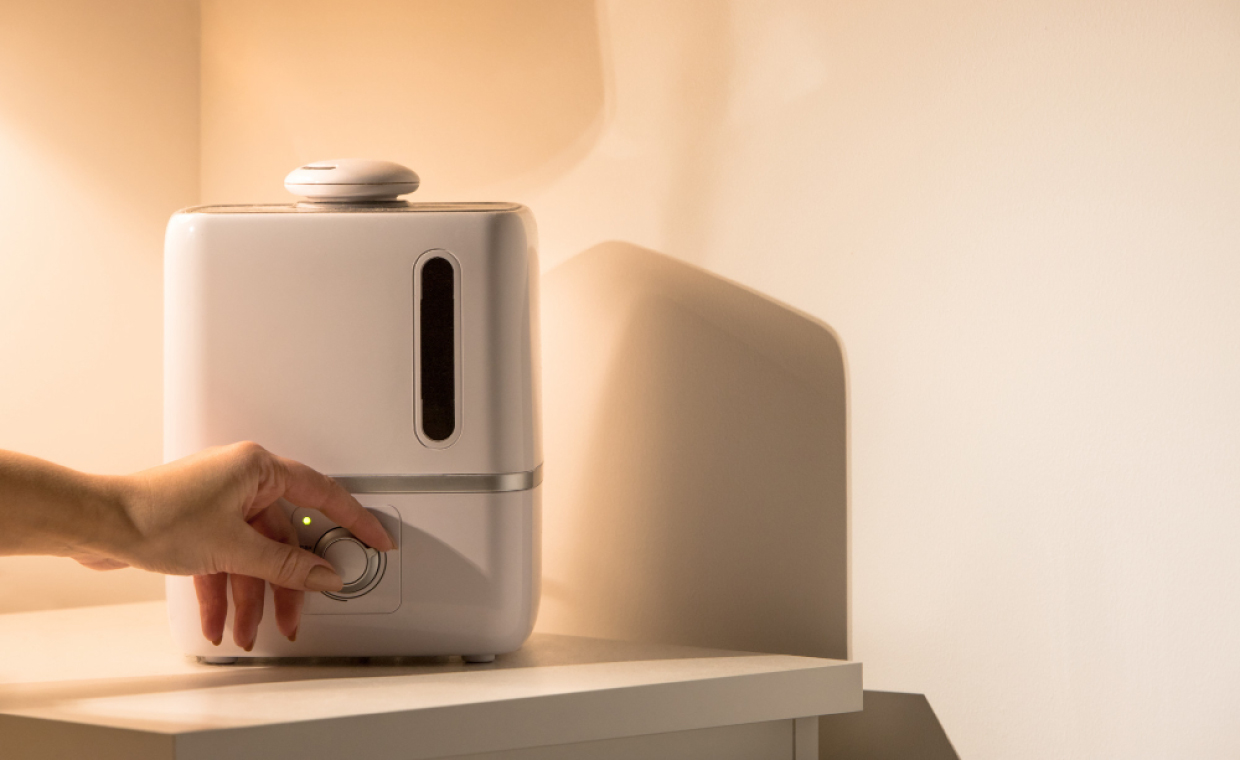
This guide from Gharpedia simplifies everything for you including how does a humidifier for room can improve air quality.
How Humidity Promotes Comfort and Health
Humidity is a critical factor for maintaining your home’s indoor air quality. Dry indoor air may trigger dry skin, throat irritation, sinus issues, and respiratory discomfort.
Low humidity can also increase the spread of airborne viruses and worsen allergies. Additionally, wooden furniture may crack or warp in excessively dry conditions.
On the other hand, maintaining proper humidity helps keep skin hydrated, supports easier breathing, and creates a more comfortable living environment.
Different Types of Humidifiers
Not all humidifiers work the same way. The best humidifier for home is the best option and the choice depends on your room size, climate, and usage.
1. Ultrasonic Humidifier
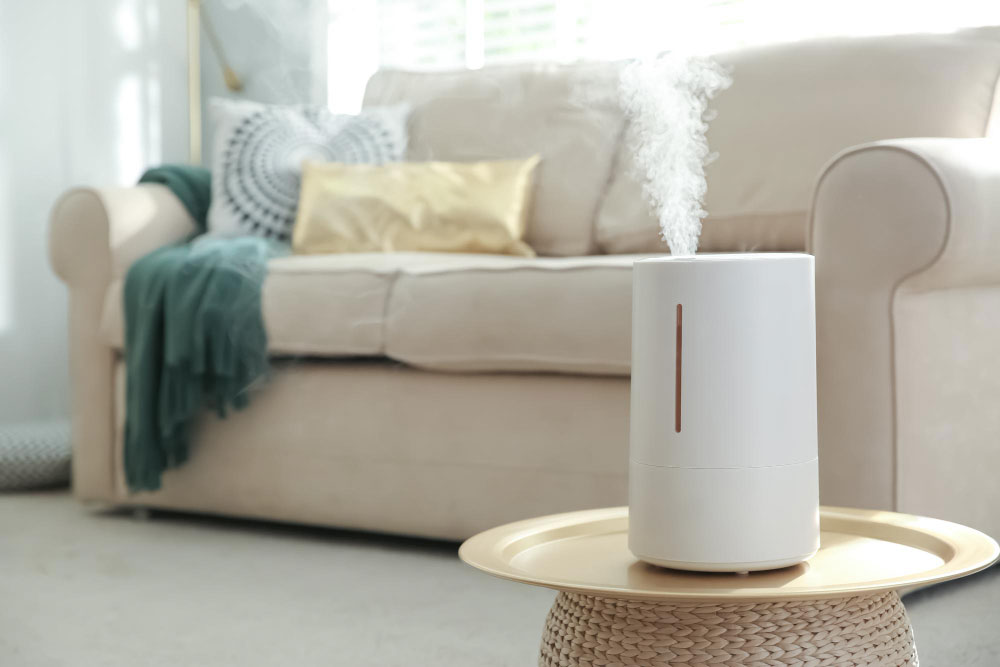
Ultrasonic humidifiers use noiseless, high-frequency vibrations to produce a fine mist. These humidifiers have both cool and warm mist options and are energy-efficient.
Best for Room Size: Ideal for small to medium rooms (100-400 sqft).
Pros:
- Energy-efficient and noiseless operation.
- No risk of burn injury as there are no hot surfaces.
- Lower in maintenance, and perfect for busy schedules.
- Safe for those with issues like asthma and allergies.
Cons:
Risk of bacterial contamination
- May produce mineral dust.
- Requires regular cleaning
2. Evaporative Humidifiers
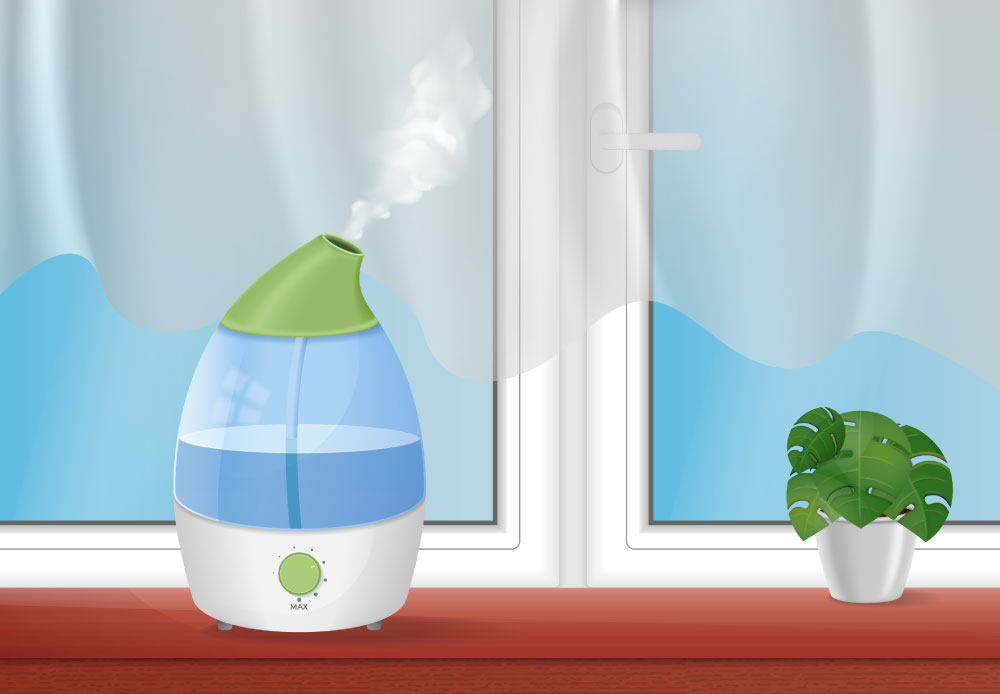
An evaporative humidifier works on the evaporation process, and it is an ideal option for medium-sized rooms for boosting the indoor air moisture level. What do humidifiers do? These models use a fan and a wet filter to release moisture into the air.
Best for Room Size: Medium rooms (200-500 sq ft).
Pros:
- Safe for use due to the absence of hot surfaces.
- Affordable
- Self-regulation
Cons:
- Can be noisy
- Needs filter maintenance as prone to bacterial contamination.
3. Vaporiser (Steam Humidifier)
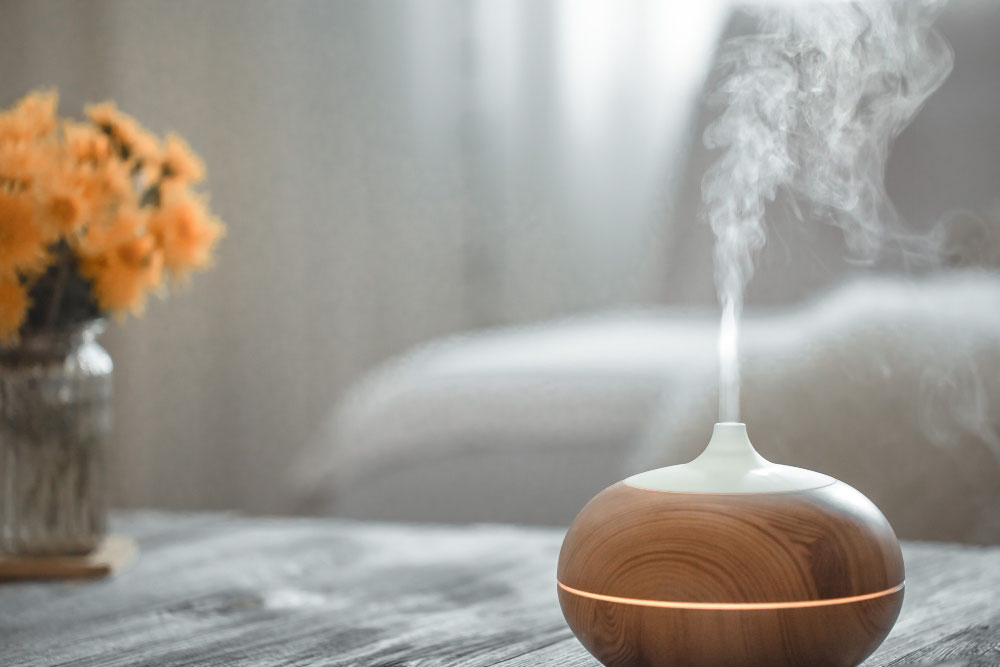
A vaporiser or steam humidifier typically heats water to release steam.
Best for Room Size: Small rooms (up to 300 sq ft), where a quick humidity increase is needed.
Pros:
- Good moisture output.
- No residue of white dust.
- Releasing comforting steam
Cons:
- Some models are noisy.
- Consumes a higher amount of energy.
- Burn risk
- May need frequent maintenance.
4. Warm Mist Humidifiers
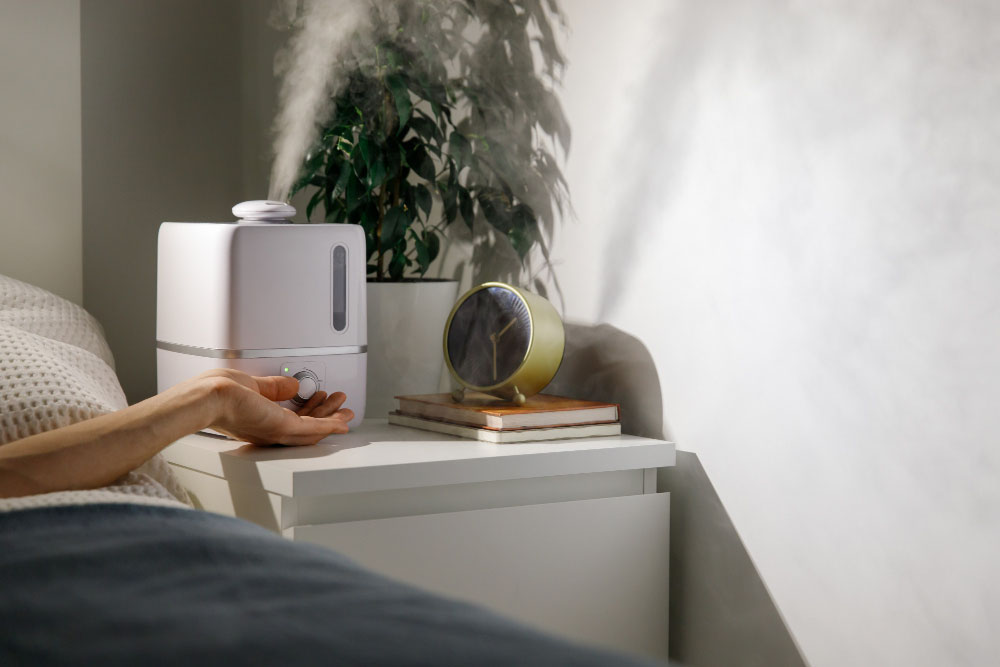
As the name suggests, a warm mist humidifier adds moisture to the air with the help of warm steam created by heated water, making it ideal for colder climates.
Best for Room Size: Small to medium rooms (150-400 sq ft), especially in colder climates.
Pros:
- Creates a soothing environment
- Helps kill bacteria
Cons:
- Higher energy consumption.
- Requires regular cleaning.
- Potential burn risk
- Some models can be noisy.
5. Cool Mist Humidifiers

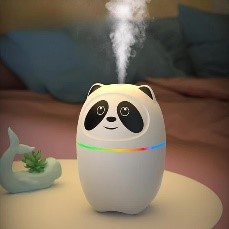
These release moisture without heating water, making them suitable for warmer climates.
Best for Room Size: Medium to Large rooms (250-600 sq ft).
Pros:
- Energy efficient.
- Safe for kids and pets
- Multiple varieties are available.
- Perfect for a warm climate.
Cons:
- May require frequent cleaning
- Can produce white dust.
- Not suitable for cold regions.
6. Whole-House Humidifiers (Integrated to the HVAC System)

Ideal for large spaces, a whole-home humidifier is integrated into the HVAC system of the home so that it can control humidity throughout the home.
Best for Room Size: Designed for entire home (1000+ sq ft)
Pros:
- Consistent humidity,
- Low maintenance
- Compatibility with hot and cold climates
- No burn risk.
Cons:
- Higher upfront cost.
- Professional installation needed.
- Less flexibility compared to the portable Humidifier units.
7. Hybrid Humidifier
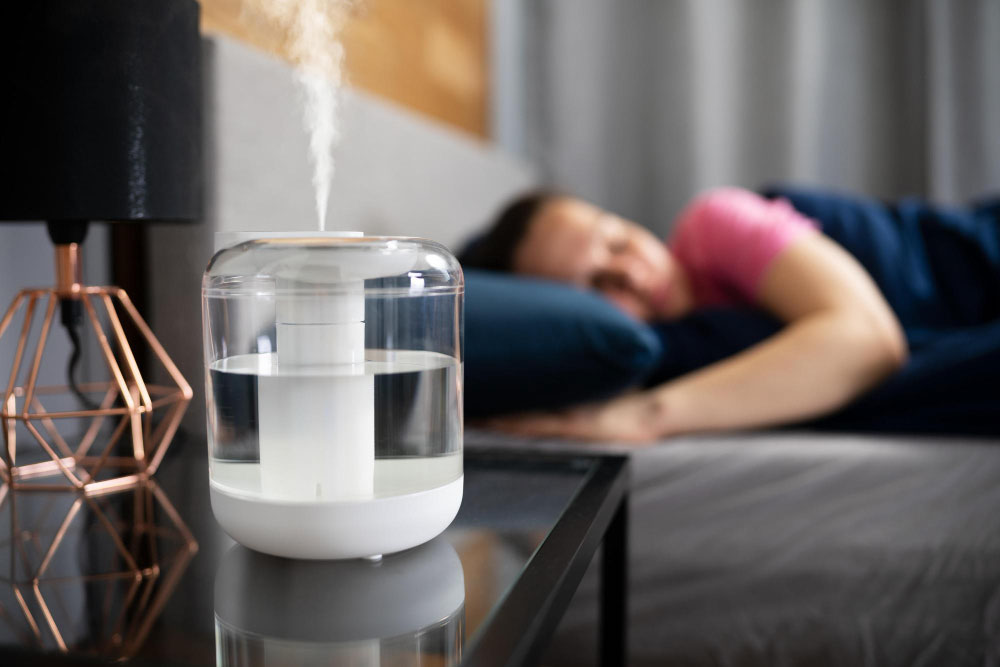
A hybrid humidifier employs two adiabatic humidification processes. These are the combination of ultrasonic and evaporative technologies for balanced performance.
Best for Room Size: Medium to large rooms (300-700 sq ft) where balanced performance is needed.
Pros:
- Energy-efficient, and noiseless operation
- Reduced white dust
- Adjustable humidity
Cons:
- Upfront cost is higher.
- The gadget needs regular maintenance.
- Bulky
10+ Tips to Buy the Best Room Humidifier
1. Match It to Room Size & Coverage
Choose a humidifier that matches your room size so that there are no issues of underperformance or excess humidity. The quick rule of thumb says,
<300 sq. ft → Small Unit
300–500 sq. ft → Medium
500–1,000 sq. ft → Large
1000+ sq. ft → multiple/whole-home system
2. Choose Based on Climate
Select a humidifier based on the climate and usage. Cool mist for summers or hot regions, warm mist for winters or cold regions, and ultrasonic or hybrid for all-season use.
3. Check Tank Capacity
Tank size decides the runtime and the probability of refilling the tank. Small tanks need frequent refills but are compact, while large tanks offer extended runtime but take up more space. Bigger tank=usually designed for bigger rooms. But always check coverage (sq ft) first, not just litres.
4. Consider Noise Level
Noisy gadgets are a hindrance, especially in bedrooms, study, or workspaces. Ultrasonic humidifier models are usually quiet, but evaporative models are more humming while working. Always check decibel levels if you love a noiseless, peaceful home environment.
5. Ease of Cleaning
Choose models with detachable parts and wide openings so that you can clean them whenever required. Remember, if you ignore cleanliness, you are opening the door to health disorders.
6. Maintenance Costs
Some humidifiers use filters or cartridges, and these parts require frequent change or servicing. These recurring costs can add up over time. Before buying a humidifier, consider whether you need a low-maintenance gadget or an upgraded one with higher maintenance costs.
7. Runtime & Auto Shutoff
Check how long the humidifier can run on one tank. Overnight runtime is convenient for bedrooms. Auto shutoff prevents damage and is a safety must-have, especially when the water runs out unexpectedly.
8. Humidity Control
It is essential to maintain humidity at 30–50% in a room to avoid dryness and mould growth. Built-in hygrometers or adjustable settings can offer you flawless readings. Without this, your humidifier may create either too dry or too damp surroundings. Look for built-in humidistat because it automatically maintains ideal humidity (30-50 per cent), preventing over-humidification.
9. Safety Features
If you have kids, seniors, or pets at home, their safety features are of paramount importance. A warm mist unit may cause burns if tipped. Auto shutoff and child-safe designs reduce risks.
10. Extra Features
Some humidifiers come with extra features like timers, essential oil diffusers, LED indicators, or night lights. Smart models can even connect to specific apps. Although not necessary, these value-added features can improve the convenience and comfort of the user.
11. Energy Efficiency
Choose models that balance performance with electricity consumption, to enjoy the best humidifier benefits for health.
12. Budget & Warranty
Prices vary from affordable portable units to high-end, technologically smart, or whole-house humidifier models. It is smart to compare features against cost.
13. Check Water Quality in Your Area
Hard water may lead to mineral buildup. It is wise to consider distilled or filtered water
Diffuser vs Humidifier: Which One is Better?
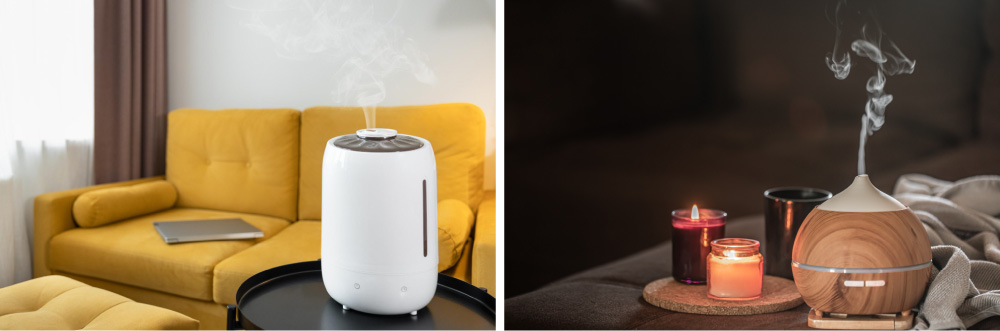
What’s the difference between a diffuser and humidifier? Although it may look confusing from an outset, it is easy to understand the purpose of each of these products. Both improve the indoor air quality of your room, but there is more to it.
- A diffuser is a small appliance with a smaller tank, and it is designed for essential oils and aromatherapy. It adds minimal moisture to the air. Its purpose is mainly to spread the fragrance of the essential oils.
- A humidifier is a larger appliance with a larger water tank, and its mechanism is designed to balance the humidity levels in the room.
In simple words, if your goal is fragrance, choose a diffuser; if you want to improve air moisture and comfort, a humidifier is the better option.
Final Thoughts
Choosing the right humidifier is not just about picking a popular model. It’s about finding what suits your space and needs.
A well-chosen humidifier helps you breathe easier and live more comfortably. With this guide, we are sure you can pick the best humidifier for your space carefully.
Also Read: How to Improve the Air Quality Inside Your House?
FAQs on Choosing a Room Humidifier
1. What Size Humidifier Do I Need for My Room?
The size depends on the room area. Small humidifiers suit bedrooms, while medium or large ones work for living rooms. Always check the coverage area in square feet before buying.
2. Which Type of Humidifier is Best for Health?
Ultrasonic and evaporative models are suitable for daily use as they are quiet, efficient, and safe. Warm mist Humidifier models are apt for winter, but they pose burn risks for the users.
3. How Often Should I Clean a Humidifier?
Ideally, you should clean the gadget every 2–3 days if it is regularly used. You should go for weekly deep cleaning as it is a safe way to prevent mould, bacteria, and mineral buildup. A clean humidifier ensures better indoor air quality.
4. Do Humidifiers Increase Electricity Bills?
Some humidifiers are energy efficient, like cold mist humidifiers and Ultrasonic humidifiers. In contrast, warm mist models are not that energy efficient. However, the frequency of use decides the energy consumption bill amount.
5. Can a Diffuser Replace a Humidifier?
No. A diffuser diffuses essential oils with minor moisture in the air. A humidifier, on the contrary, balances indoor humidity levels and improves indoor air quality with a higher moisture level.
References
Peder Wolkoff (2018) in The mystery of dry indoor air – An overview in Environment International, Volume 121, Part 2, December 2018, Pages 1058-1065, https://doi.org/10.1016/j.envint.2018.10.053 [Online], Available from https://www.sciencedirect.com/science/article/pii/S0160412018320725
He Fu, Min Dai, Song Hanwen, Xiaoting Hou (2021) in Updates on Evaporation and Condensation Methods for the Performance Improvement of Solar Stills, 14(21):7050 DOI:10.3390/en14217050, License CC BY 4.0 [online] Available from, https://www.researchgate.net/publication/355712570_Updates_on_Evaporation_and_Condensation_Methods_for_the_Performance_Improvement_of_Solar_Stills
Author & Expert Review
Written By:  Swagata Chatterjee | SEO Content Writer & Editor

| Credentials: MA (Calcutta University, Kolkata). Experience: Content Writer and Editor with 19 years’ experience of business content writing and editing, currently writing SEO-optimized, readers’-friendly articles for Gharpedia, part of SDCPL. Expertise: Specializes in writing well-researched content on lifestyle, home décor, , lifestyle, safety, home appliances and gadgets, on-site SEO Optimization, blending technical accuracy with general reader’s ability to learn the topics. Find her on : Linkedin |
Verified By Expert: Mansi Shah – Architect & Architectural Content Writer, SDCPL | B.Arch.
 Mansi Shah – Architect & Architectural Content Writer,
 This article has been reviewed for architectural and interior design accuracy by Mansi Shah, an Architect associated with Sthapati Designers & Consultants Pvt. Ltd. (SDCPL). With over 25 years of professional experience in architectural planning, design development, detailing, and on-site execution of residential, commercial, and institutional projects, she brings deep expertise in architecture and interior planning, material selection, construction practices, and building bylaws. Her review ensures the content reflects practical design principles, interior space efficiency, and industry-aligned architectural standards.
Find him on: LinkedIn