







Biophilic Design [ bee-oh-FIL-ick ]
It is an architectural approach that incorporates elements of nature into the built environment to enhance occupant well-being, improve productivity, and foster connections with the natural world.
Explanation
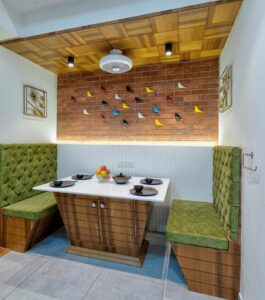
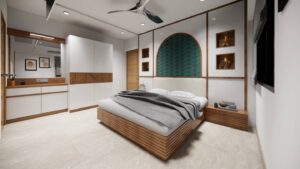
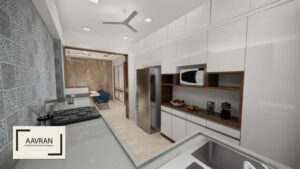
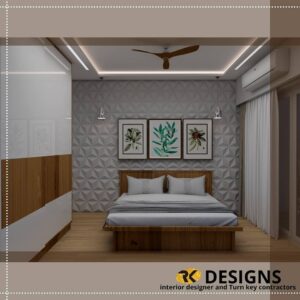
Technical Meaning: Biophilic design is an architectural approach that incorporates elements of nature into the built environment to enhance occupant well-being, improve productivity, and foster connections with the natural world. Biophilic design is an architectural and interior design approach that seeks to connect people with nature by incorporating natural elements, materials, and patterns into the built environment. It aims to enhance human health, well-being, and productivity by fostering a sense of connection to the natural world. Biophilic design principles include maximizing natural light, incorporating views of nature, using natural materials such as wood and stone, integrating indoor plants, and creating spaces that mimic natural forms and patterns.
Simple Meaning: Biophilic design is about bringing nature indoors, using natural materials, vegetation, and natural light to create spaces that promote health, happiness, and a sense of connection to the environment. Biophilic design is all about bringing the outdoors in! It means designing buildings and spaces in a way that makes people feel like they’re surrounded by nature, even when they’re indoors. This can include things like big windows that let in lots of sunlight, using materials like wood and stone, adding plants and greenery, and creating spaces that remind us of natural landscapes, like forests or rivers.
Definition in One Word: Nature