






Table of Contents
Quick Summary
- Plumbing vent stacks allow air into drainpipes to balance system pressure, keeping wastewater flowing smoothly.
- Airflow prevents siphoning in P-traps, maintaining the protective water seal that stops sewer gases from entering living spaces.
- Blocked or inadequate venting causes repeated drain gurgling, slow drainage across multiple fixtures, sewer smells, and fluctuating toilet bowl water levels.
- Outdoor roof vents can become clogged by leaves, debris, bird nests, or ice, restricting essential airflow.
- Relocating fixtures or installing kitchen island sinks requires specialized venting planning to avoid long-term drainage issues.
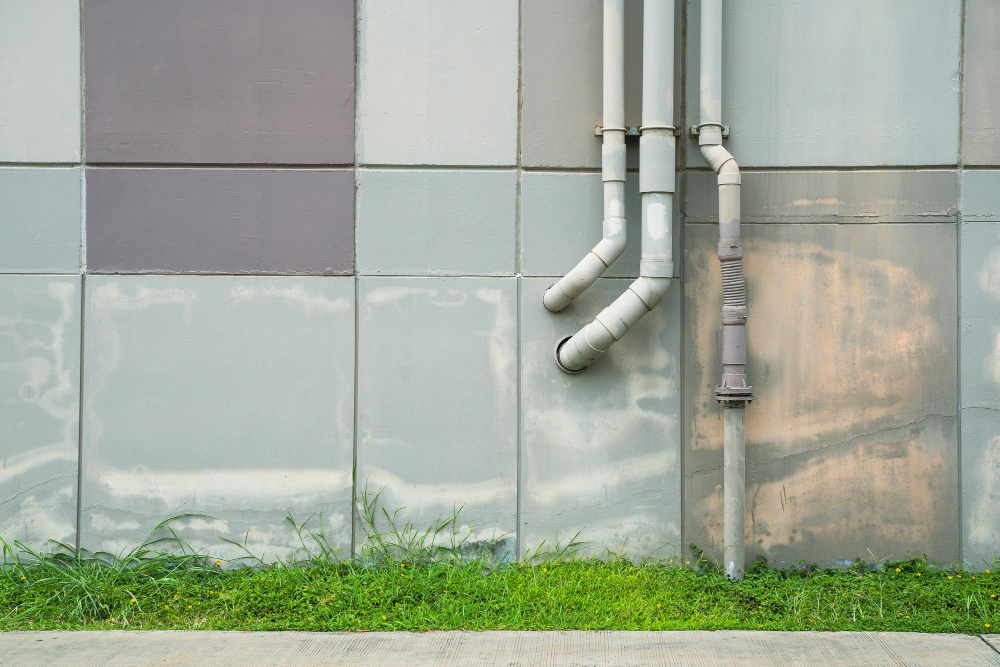
Courtesy - Magnific
Most homeowners think of plumbing as a system that brings clean water in and carries wastewater out. Faucets, toilets, showers, sinks, and drains are the parts people see and use every day. But another important part of the system is mostly hidden behind walls and above ceilings: the plumbing vent system.
Plumbing vents help wastewater move through drainpipes by balancing air pressure inside the system. They also provide a route for sewer gases to escape safely outdoors. Without proper venting, drains can become slow, fixtures may gurgle, and unpleasant odours can enter the home.
Although plumbing vents rarely get much attention, they play a major role in keeping a home’s drainage system working properly.
What Is a Plumbing Vent?
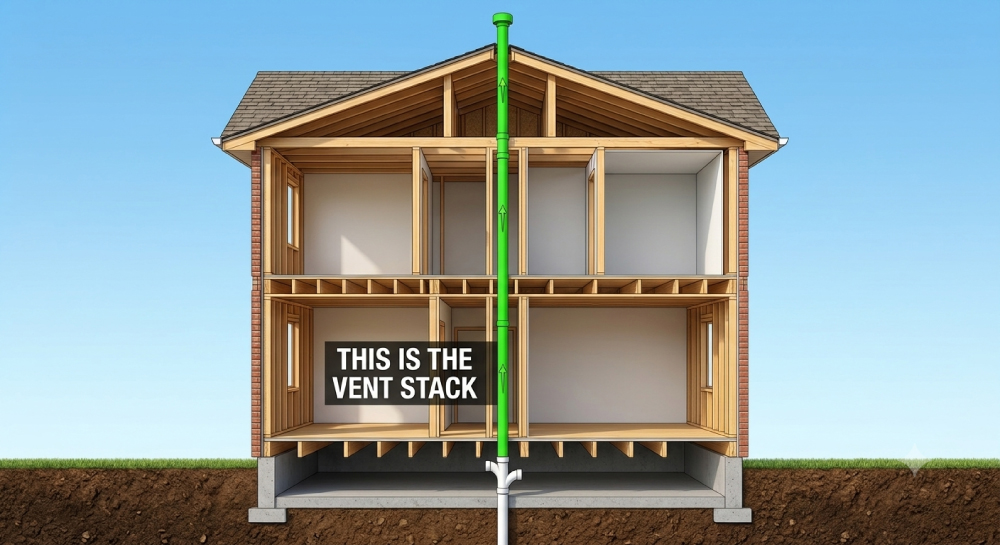
A plumbing vent is a pipe connected to the drainage system that allows air to move in and out. Most homes have several vent connections that eventually lead to one or more vertical pipes extending through the roof.
The main vertical pipe is often called a vent stack.
Unlike a drainpipe, which carries wastewater away from sinks, toilets, showers, tubs, and appliances, the vent stack mainly carries air and gases.
Its purpose is to regulate pressure inside the plumbing system.
Whenever water flows through a drain, it pushes air ahead of it and can create lower pressure behind it. If there is no way for outside air to enter the system, drainage can become less efficient.
A vent pipe gives the system the airflow it needs.
Why Drainpipes Need Air
Airflow is essential to proper drainage.
A useful comparison is pouring water from a bottle. If air cannot easily enter the bottle while water leaves, the flow often becomes uneven and makes a gurgling sound.
A plumbing system can behave in a similar way.
When a toilet flushes or a sink drains, wastewater moves through the pipe and changes the air pressure around it; the vent system allows replacement air to enter so the water can continue moving smoothly.
This becomes especially important when several fixtures share the same drainage system.
A washing machine may discharge water while a sink is draining and a toilet is being flushed. All of that water creates pressure changes in the pipes. Venting helps the entire system cope with those changes.
Without enough airflow, drains may run slowly or make unusual noises.
Plumbing Vents Help Protect Water Traps
Plumbing vents also protect the water held inside plumbing traps.
Most sinks, showers, tubs, and floor drains have a curved section of pipe that holds a small amount of water. Under a sink, this is usually the familiar P-shaped pipe known as a P-trap.
That water creates a seal between the living space and the sewer system.
Without it, sewer gases could travel through the drain and enter the home.
Pressure problems can disturb that water seal.
If a large amount of wastewater moves through the drainage system and creates strong negative pressure, water may be pulled out of a nearby trap. This process is sometimes called siphoning.
Once the trap loses enough water, sewer gases may have a path into the room.
Proper venting helps prevent this by keeping air pressure more balanced.
Why Vent Stacks Extend Through the Roof
Many homes have one or more plumbing vent pipes that extend through the roof.
The roof is a practical location because sewer gases need to be released away from windows, doors, patios, and living areas.
By terminating above the roofline, the vent allows gases to disperse outdoors.
At the same time, the opening allows fresh air into the plumbing system.
That means the vent stack performs two important functions:
- It allows air into the drainage system.
- It gives sewer gases a safe route out
Both are necessary for reliable drainage.
Common Signs of a Plumbing Vent Problem
Vent problems are not always obvious because most vent pipes are hidden inside the building.
However, certain symptoms can suggest that the system is not getting enough airflow.
Gurgling Sounds
One of the most common signs is gurgling from sinks, toilets, or drains.
This can happen when air is being pulled through water inside a trap because the plumbing system is struggling to equalize pressure.
A single noise does not always indicate a serious problem, but repeated gurgling across multiple fixtures may deserve closer attention.
Slow Drains
Slow drainage is usually associated with a clog, and in many cases that is the cause.
However, poor venting can sometimes create similar symptoms.
If the drainage system cannot get enough air, wastewater may not move as freely through the pipes.
This is one reason repeated slow-drain problems should not always be treated as simple clogs.
Sewer Odors
A sewer-like smell around a sink, bathroom, utility area, or floor drain can indicate that a plumbing trap has dried out or lost part of its water seal.
Poor venting can sometimes contribute to this problem by creating pressure strong enough to pull water from the trap.
Odours can also result from damaged seals, unused drains, pipe leaks, or other plumbing issues, so diagnosis is important.
Changing Toilet Water Levels
The water level inside a toilet bowl should normally remain fairly consistent.
If the level rises or falls when another fixture drains, pressure changes in the plumbing system may be affecting the toilet trap.
This can sometimes point to a drainage or venting issue.
Several Fixtures Acting Differently
One slow sink may simply have a local blockage.
But if several fixtures start gurgling, draining slowly, or producing odours at the same time, the problem may involve a shared drainage or vent system.
The way multiple fixtures behave together can reveal useful information.
What Can Block a Plumbing Vent?
Because plumbing vents extend outdoors, they can sometimes become partially or completely blocked.
Leaves, twigs, and other debris may enter an exposed vent opening. Birds or insects can occasionally create nests nearby. In colder climates, frost or ice can also restrict airflow.
A vent does not necessarily need to be fully blocked to cause symptoms.
Even a partial obstruction can reduce airflow enough to affect the way drains perform.
Problems can also exist inside the home.
A vent pipe may be damaged, disconnected, poorly positioned, undersized, or incorrectly altered during a renovation.
That is why plumbing vent problems are not always as simple as clearing something from the roof opening.
Renovations Can Create Venting Problems
Home renovations often focus on visible elements such as cabinetry, countertops, flooring, fixtures, and finishes.
But moving a plumbing fixture can affect much more than appearance.
Relocating a toilet, sink, bathtub, shower, or washing machine may also require changes to the drainage and vent system.
For example, moving a sink farther from its original location can change how the drain connects to the vent.
If the drain is extended without properly addressing venting, the fixture may drain poorly later.
This is especially important in kitchen and bathroom renovations, where layouts are often changed significantly.
Consulting qualified residential plumbing services before making major plumbing layout changes can help ensure that drainage and venting are considered together.
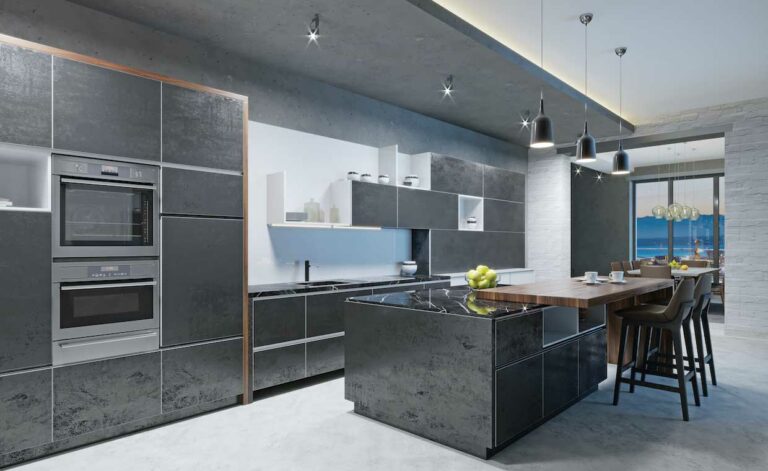
Kitchen Islands Can Be More Complicated
Kitchen islands are a good example of why plumbing venting requires planning.
A sink installed along a wall can often connect to a vent pipe that rises vertically behind the wall.
An island sink does not have that same wall directly behind it.
That means the plumbing layout may need a different venting arrangement.
The exact method depends on the design of the home and applicable plumbing requirements, but the important point is that an island sink still needs adequate venting.
Drainage should not be treated as an afterthought simply because the sink is located in the middle of the room.
Why Vent Problems Are Often Misdiagnosed
Plumbing vent problems can be difficult to recognize because their symptoms overlap with many other plumbing issues.
A slow drain may be caused by hair, grease, soap buildup, food waste, mineral deposits, or a physical blockage.
A gurgling toilet may be related to a developing clog.
A sewer odour may come from a dry floor drain.
Because of this overlap, it is important to consider how the entire plumbing system is behaving.
If one sink drains slowly while every other fixture works normally, a localized clog is more likely.
If flushing a toilet causes a nearby sink to gurgle and a shower drain to slow down, the problem may involve a shared pipe or vent.
Patterns often provide better clues than one symptom alone.
Plumbing Vents Need Attention Too
Homeowners often think about maintaining water heaters, drains, faucets, sump pumps, and appliances.
Vent pipes are easier to forget because they usually operate quietly and remain out of sight.
When they are designed and installed properly, plumbing vents can function for many years without much attention.
But recurring symptoms should not be ignored.
Repeated gurgling, unexplained sewer odours, unusual drainage behaviour, or several fixtures affecting one another may indicate a bigger issue.
The important thing is to identify the actual cause rather than repeatedly treating the symptoms.
Can Homeowners Inspect a Vent Stack?
Homeowners may be able to see plumbing vent pipes from the ground or from another safe location, but climbing onto a roof just to inspect them is usually not a good idea.
Roofs can be steep, slippery, and dangerous.
Also, a plumbing vent problem may exist deeper inside the system where it cannot be seen from the roof opening.
If a venting issue is suspected, a proper inspection is usually safer and more useful than trying to reach the pipe from outside.
How Plumbing Vents Support the Whole System
A home’s plumbing system is interconnected.
Sinks, toilets, showers, tubs, washing machines, dishwashers, and floor drains often connect to shared drainage pipes.
The vent system helps all of these fixtures operate without interfering with one another.
It supports proper drainage, protects trap seals, balances air pressure, and directs sewer gases outdoors.
When everything is working correctly, the homeowner may never notice the vent system at all.
That is actually a sign that it is doing its job.
Final Thoughts
Plumbing vents are one of the least visible but most important parts of a home’s drainage system.
They allow air to enter drainpipes, help wastewater move efficiently, protect water seals inside traps, and provide a safe route for sewer gases to escape.
Problems with venting can sometimes look like ordinary plumbing problems. Slow drains, gurgling sounds, sewer odours, and changing toilet water levels may all have several possible causes.
That is why recurring symptoms should be looked at as part of the larger plumbing system rather than treated in isolation.
Plumbing vents may be hidden behind walls and above the roof, but the airflow they provide is essential. Water may be the part of plumbing that homeowners notice most, yet proper air movement is what helps keep the drainage system flowing smoothly.
Also Read: Steps to Clear a Blockage in Your Plumbing Vents System
Why Plumbing Vents Matter FAQs
1. Why plumbing vents matter so much if water flows down through drains anyway?
Water requires replacement air behind it to flow smoothly without creating suction. Plumbing vents provide the necessary airflow to prevent vacuum pressure and ensure proper drainage.
2. How do plumbing vents stop sewer smells from entering a home?
Vent pipes equalize internal air pressure so that water isn’t siphoned out of P-traps. Maintaining this liquid seal keeps foul sewer gases safely trapped in the pipes.
3. What are the main signs that a plumbing vent is blocked?
Key symptoms include multiple slow-draining sinks, persistent gurgling noises from drains or toilets, fluctuating toilet water levels, and unexplained sewer odours.
4. Why do kitchen island sinks require special plumbing vents?
Island sinks lack a nearby vertical wall to run a standard vent stack through. They require specialized venting designs to maintain air balance without a straight vertical roof pipe.
5. Can I clear a blocked plumbing vent stack on my own?
Inspecting roof-level vent openings can be hazardous due to steep roofs. Moreover, clogs often occur deep inside the wall framing, making professional plumbing evaluation safer and more effective.
Courtesy - Featured Image(Magnific)
Author & Expert Review
Written & Verified By:  Shekhar J. Parikh – Co Founder – Gharpedia | Director – SDCPL

| Credentials: Director and Consulting Engineer at Sthapati Designers & Consultants Pvt. Ltd., with over 40 years of experience in civil engineering, project execution, and construction management. Experience: Civil engineering professional with 40+ years of practical experience across Gujarat and Maharashtra, specializing in construction projects, project execution, quality control, and construction management. Expertise: Specializing in civil engineering, construction management, project execution, site practices, and quality control. He reviews technical content to ensure it reflects practical site knowledge, industry standards, and best practices, while supporting informed decision-making related to property buying, selling, and renting. Find him on: LinkedIn |