





Table of Contents
Quick Summary
- Inspect and repair the roof, foundation, gutters, and flashing to stop water damage before working on any internal areas.
- Upgrade hazardous electrical wiring, corroded plumbing, and aging HVAC units to ensure home safety and proper utility performance.
- Add attic insulation and replace drafty double-pane windows to maintain indoor climate control and lower monthly utility expenses.
- Finalize wall removals, plumbing fixture shifts, and structural layout changes before starting cosmetic finishing work.
- Complete kitchen and bathroom renovations first, then finish lower-disruption areas like bedrooms and living rooms.
Courtesy - Magnific
Buying or living in an older property often comes with a massive list of necessary updates. Homeowners often feel overwhelmed when they face outdated electrical panels, aging roofs, leaky pipes, and drafty windows all at once.
Deciding where to allocate your time and renovation budget can quickly feel like a balancing act between safety, comfort, and aesthetics.
Starting with the wrong project can cause serious headaches later. Installing brand-new drywall or high-end hardwood floors only to watch them sustain water damage from a neglected roof leak wastes time and money.
Secure the Building Envelope and Foundation First
Courtesy - Magnific
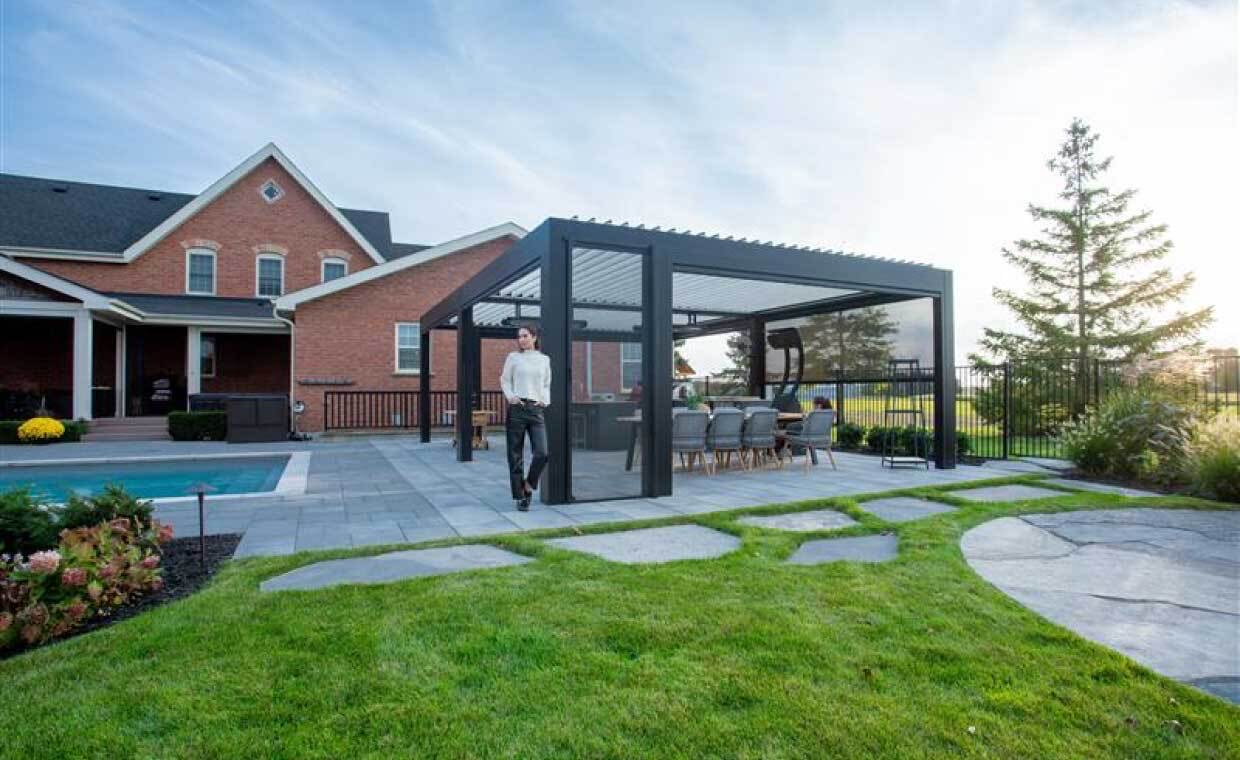
The structural integrity and weather resistance of your house must take top priority over any other renovation. Water intrusion is one of the most destructive forces a home can face, leading to structural rot, compromised framing, and dangerous mold growth over time.
Before touching a kitchen or bathroom, inspect the roof, gutters, flashing, and foundation. If rainwater penetrates your home, every dollar spent on interior updates is put at risk. A stable foundation and a fully sealed home create a secure shell for every future update, so addressing foundation cracks or roofing issues first gives you peace of mind and protects your property’s core structure for decades to come.
Address Critical Infrastructure and System Hazards
Courtesy - Pexels
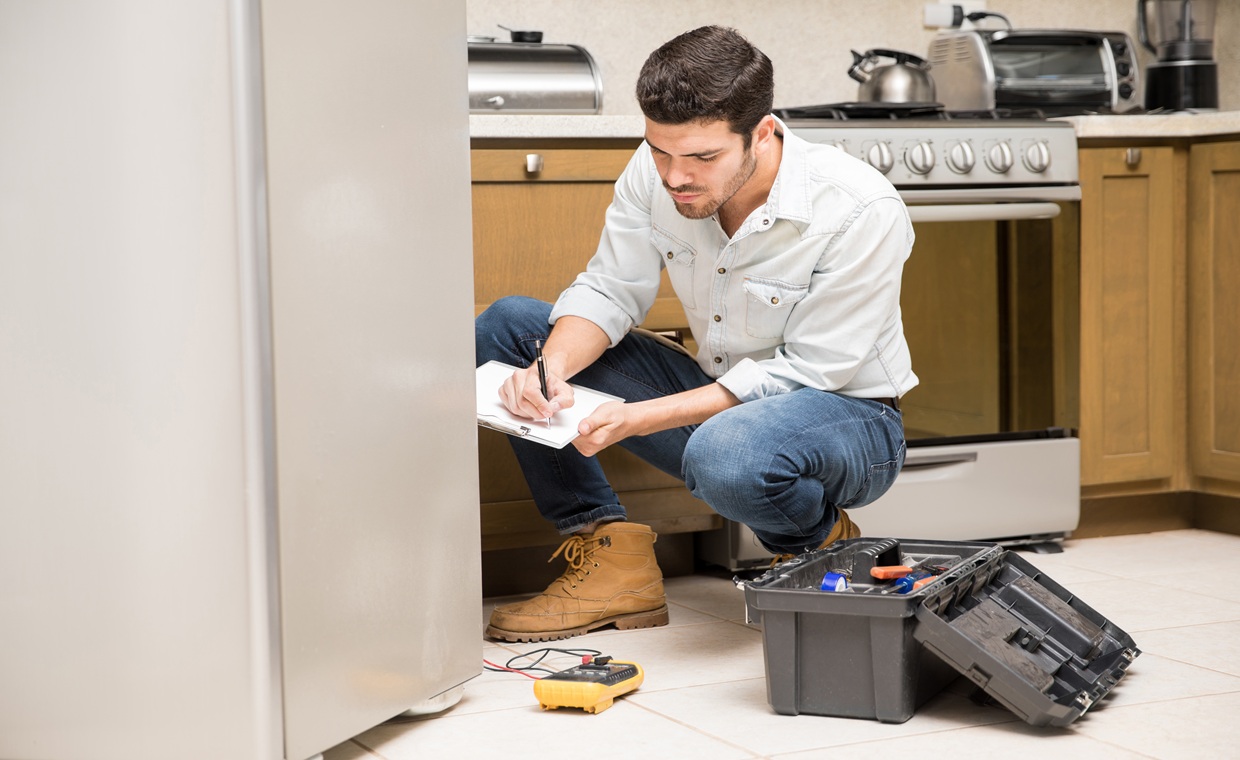
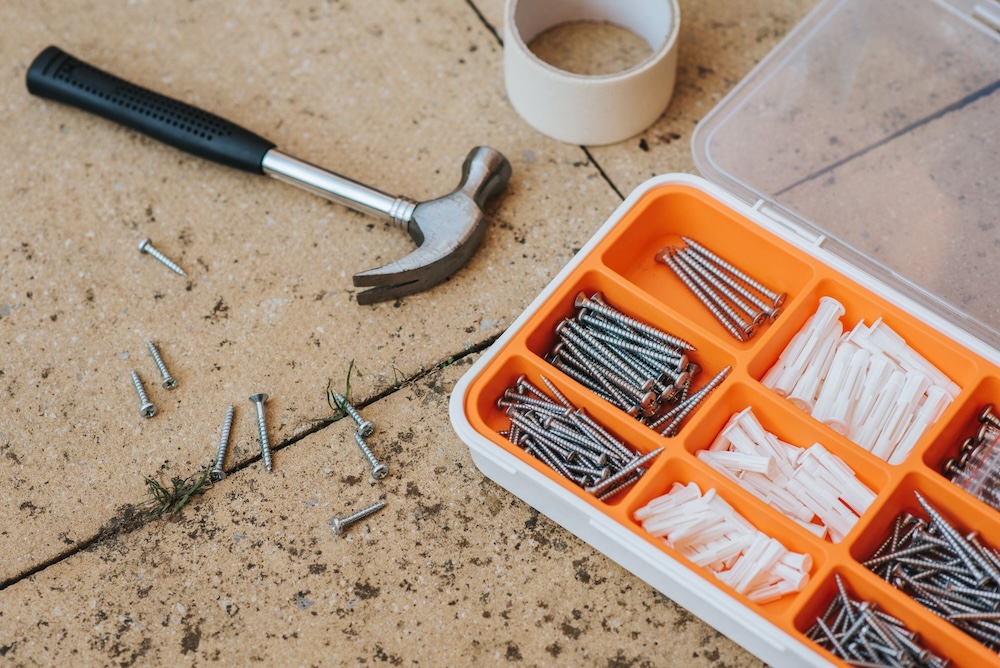
Once the building is watertight, focus on the mechanical systems running through the walls. Outdated electrical systems, such as knob-and-tube wiring or underpowered breaker boxes, present elevated fire risks and struggle to support modern household power demands.
Plumbing upgrades should follow closely behind electrical work. Older galvanized steel or lead pipes are prone to internal corrosion, low water pressure, and sudden leaks. Replacing major supply lines and drain pipes prevents hidden water damage behind new walls.
Working with experienced contractors like Wise Choice Remodeling helps ensure your home’s core infrastructure meets modern safety standards before cosmetic work begins. An experienced, professional partner will always deliver the best possible results.
Heating, ventilation, and air conditioning systems also fall into this crucial phase. Upgrading an old furnace or installing efficient ductwork ensures reliable indoor climate control, keeping the space safe and functional while subsequent remodeling takes place.
Optimize Thermal Comfort and Energy Efficiency
With structural and mechanical systems fully modernized, energy efficiency becomes the next logical focus. Older homes notoriously lose heat and conditioned air through inadequate insulation and air leaks around windows or exterior doors.
Upgrading attic insulation and sealing air leaks immediately improves daily indoor comfort while reducing monthly utility bills. Replacing original, single-pane drafty windows with energy-efficient models reduces strain on your HVAC equipment, impacting maintenance needs in turn.
Consider:
- Attic insulation installation to regulate interior temperatures
- Air sealing around doors and windows to prevent drafts
- Upgrading to high-efficiency double-pane window units
Completing these efficiency upgrades before tackling interior cosmetics protects your utility budget and keeps indoor air quality consistent.
Plan Layout Changes Before Cosmetic Finishes
Courtesy - Magnific
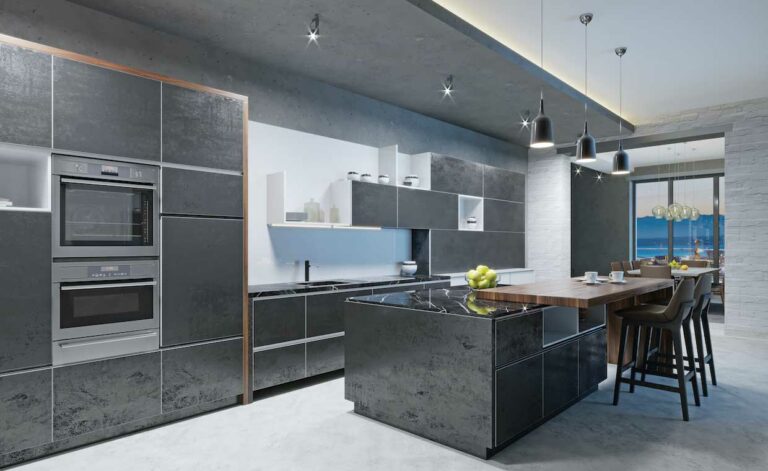
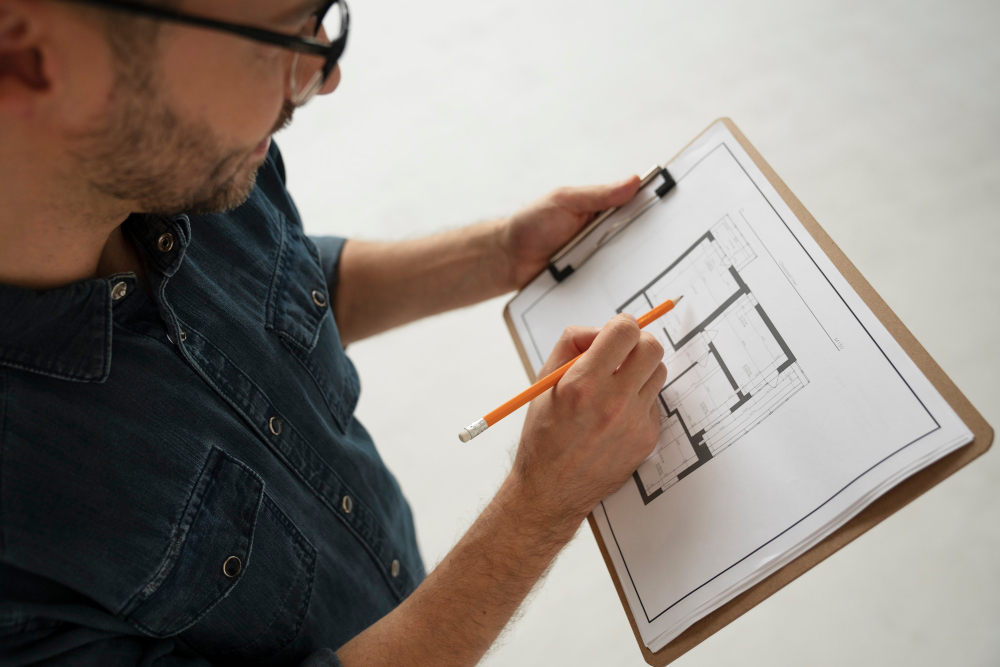
Now that the house is structurally sound, safe, and energy-efficient, you can finally turn your attention inside. Before picking out paint colors or cabinet styles, lock in your structural layout and floor plan modifications.
If you plan to remove non-load-bearing walls, relocate plumbing fixtures, or enlarge doorways, complete those structural shifts early. Demolition and rough framing generate significant dust and debris that can easily ruin newly finished surfaces.
Once walls and layout changes are locked in, move on to drywall, flooring, cabinetry, and tile. Finishing kitchen cabinets, painting bedrooms, and adding trim work are the final steps that bring your vision to life within a fully modernized frame.
How to Sequence Multi-Room Interior Upgrades
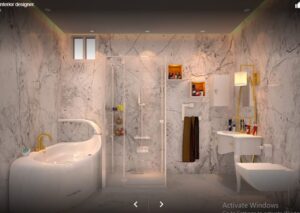
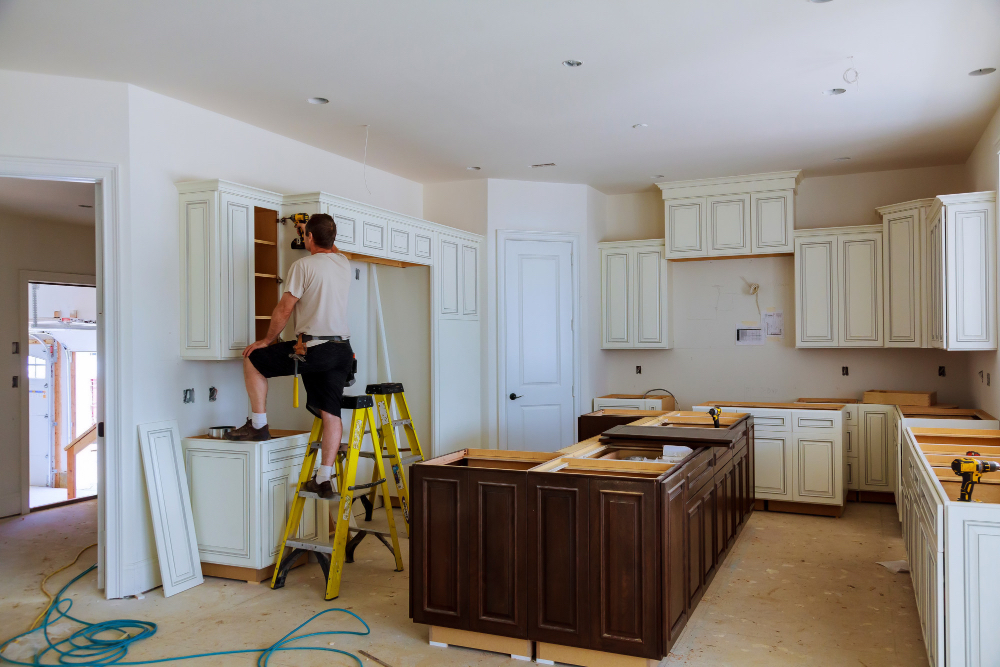
When renovating multiple interior spaces, start with the most complex, high-traffic utility rooms. Kitchens and primary bathrooms require intensive coordination between plumbing, electrical, and cabinetry trades, making them the most disruptive to daily life.
Completing heavy kitchen and bath updates first lets you settle into a functional daily living environment while you finish lighter projects. Bedrooms, living rooms, and formal dining areas generally require far less invasive trade work, so you can complete them much faster with minimal disruption.
By maintaining a clear sequence from structural defense to internal cosmetics, you protect your financial investment and transform an older home into a safe, efficient, and beautiful property. For much more coverage of home solutions and remodeling advice, stick around on our site.
Also Read: Must-Have Hand Tools for Home Repairs
What to Fix First in an Older Home FAQs
1. How do I decide what to fix first in an older home when everything needs work?
Prioritize tasks based on structural safety and weatherproofing first, followed by major mechanical systems like electrical and plumbing. Cosmetic updates should always come last.
2. Why should I fix structural and water leaks before remodelling interior spaces?
Water intrusion ruins new interior work. Repairing the roof and foundation first prevents rot, mould, and ruined drywall or flooring.
3. Is it better to upgrade electrical and plumbing systems before updating insulation?
Yes, opening walls for electrical wiring and plumbing repairs usually destroys existing insulation and drywall. It is best to fix core utilities before sealing and insulating the space.
4. Which rooms should be renovated first inside an older property?
Start with complex utility spaces like kitchens and main bathrooms, as they involve heavy plumbing and electrical coordination. Bedrooms and living areas can be updated later with minimal lifestyle disruption.
5. When is the right time to start cosmetic updates like painting or cabinet installation?
Save cosmetic upgrades such as floor installation, painting, and trim work for the final phase after all structural, mechanical, and layout adjustments are finished.
Courtesy - Featured Image(Magnific)
Author & Expert Review
Written By:  Nidhi Patel | Civil Engineer & Content Writer

| Credentials: B.E. (Mahatma Gandhi Institute of Technical Education and Research Centre), Registered with Gujarat Technological University (GTU). Experience: Civil Engineer with 3+ years of content writing experience, currently writing blogs for Gharpedia, part of SDCPL. Expertise: Specializing in SEO-optimized blogs and long-form articles focused on home improvement, construction, interiors and architect topics. I create well-researched, reader-focused content that balances technical accuracy with clarity, making complex subjects easy to understand. Find her on: LinkedIn |
Verified By Expert:  Ravin Desai – Co Founder – Gharpedia | Co Founder – 1 MNT | Director – SDCPL

This article has been reviewed for technical accuracy by Ravin Desai, Co-Founder of Gharpedia and Director at Sthapati Designers & Consultants Pvt. Ltd. With a B.Tech. in Civil Engineering from VNIT Nagpur and an M.S. in Civil Engineering from Clemson University, USA, and over a decade of international and Indian experience in the construction and design consultancy sector, he ensures all technical content aligns with industry standards and best practices.
Find him on: LinkedIn