Table of Contents
Quick Summary
- This article explains why visible roof leaks are usually signs of deeper waterproofing failures
- It highlights how water travels through slabs, joints, and membranes before appearing indoors
- You will learn the importance of accurate leak detection rather than surface level repairs
- It outlines key waterproofing checks including membrane condition and material compatibility
- The article covers professional repair methods, testing processes, and verification steps
- It also explains how routine inspections and maintenance prevent recurring leaks and long-term damage
What looks like a simple drip is often a deeper problem in your home’s waterproofing layers, construction details, or material integrity. Water compromises structural components, ruins interior finishes, and drives up maintenance costs the longer you wait. Homeowners need to pinpoint where leaks actually start, evaluate how well membranes are holding up, and install waterproofing solutions to protect their building.
Roof Leaks Are Never Just Surface Issues
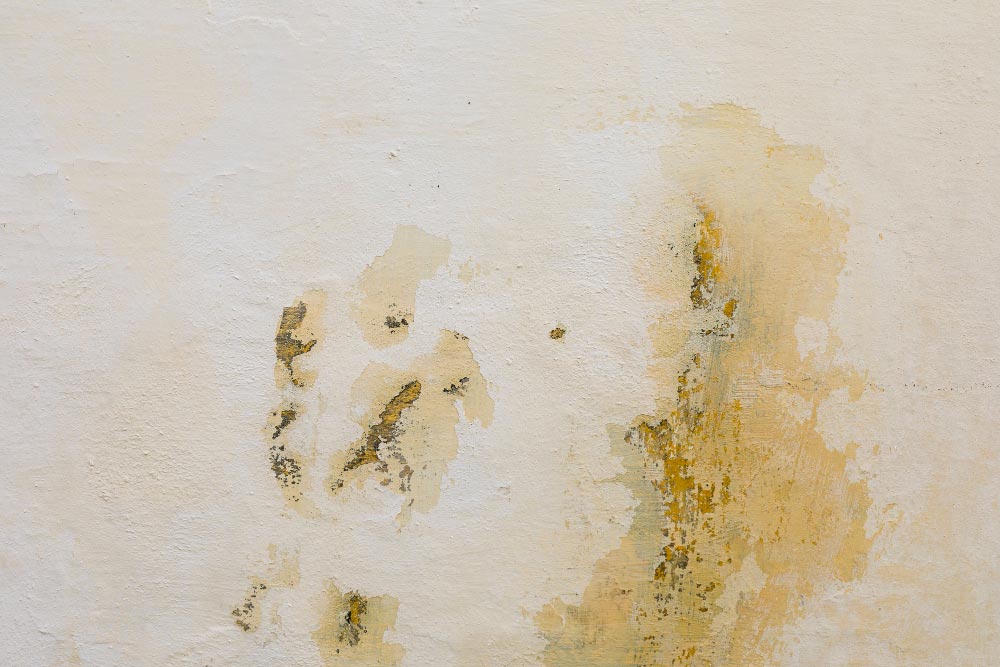
Water rarely shows up where it enters. It travels along roof slabs, seeps through expansion joints, and sneaks behind waterproofing layers before appearing as a ceiling stain or damp spot. Aging materials make this worse as membranes become brittle, sealants start to crack and construction that once directed water properly starts to fail. Heavy rainfall turns minor gaps into steady leak paths. If you only fix what you can see, you are missing the actual problem.
Proper Leak Detection and Waterproofing
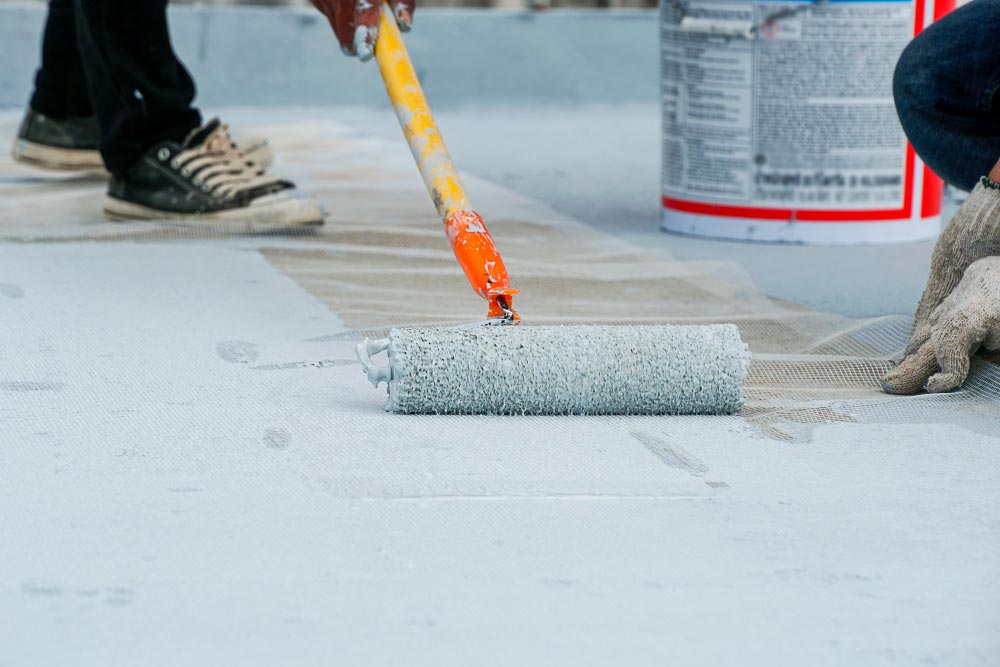
Fixing roof leaks correctly means addressing the cause of the problem, not only the effects of water damage. Look at the following when addressing a leaky roof:
- Finding the real source: Checking roof surfaces, parapet walls, and drainage systems to locate where water gets in, not just where it drips.
- Evaluating your membranes: Looking for delamination, punctures, or adhesion failures that let water through.
- Choosing the right materials: Match repair products and materials to your substrate, weather exposure, existing waterproofing system.
- Making precise repairs: Sealing cracks, fixing membrane overlaps, and detailing flashing without creating new problems nearby.
As quoted by Ramesh Patel, roofing contractor: “Most roof leaks we inspect are not surface problems. Once homeowners understand proper leak detection and waterproofing, they realise why doing it right the first time saves money and stress.”
Knowing your waterproofing options makes a real difference when you are planning repairs through a roofing contractor. Understanding material properties, how products get applied, and what performance you can expect helps you budget accurately and work effectively with specialists on complicated leak investigations and repair work.
Roof Repairs That Last
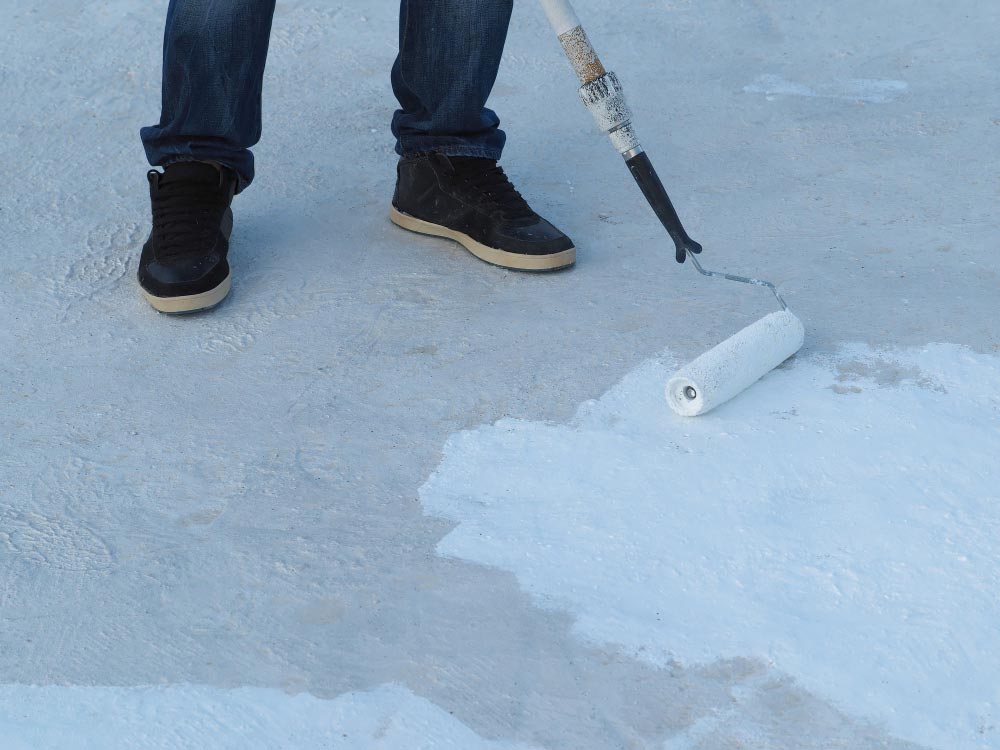
Good leak fixes depend on more than the repair itself:
- Testing and tracking: Using infrared scans or moisture meters to map wet areas and monitor drying.
- Bringing in specialists: Working with waterproofing technicians or structural engineering when leaks involve tricky details or substrate damage.
- Following proper sequences: Respecting manufacturer curing times so each waterproofing layer bonds correctly before adding the next.
- Verifying the fix: Running wash tests or waiting through rainfall to confirm the leak is actually gone before calling it done.
These steps prevent repairs from failing and give you proof that your waterproofing works.
Stop Leaks from Coming Back
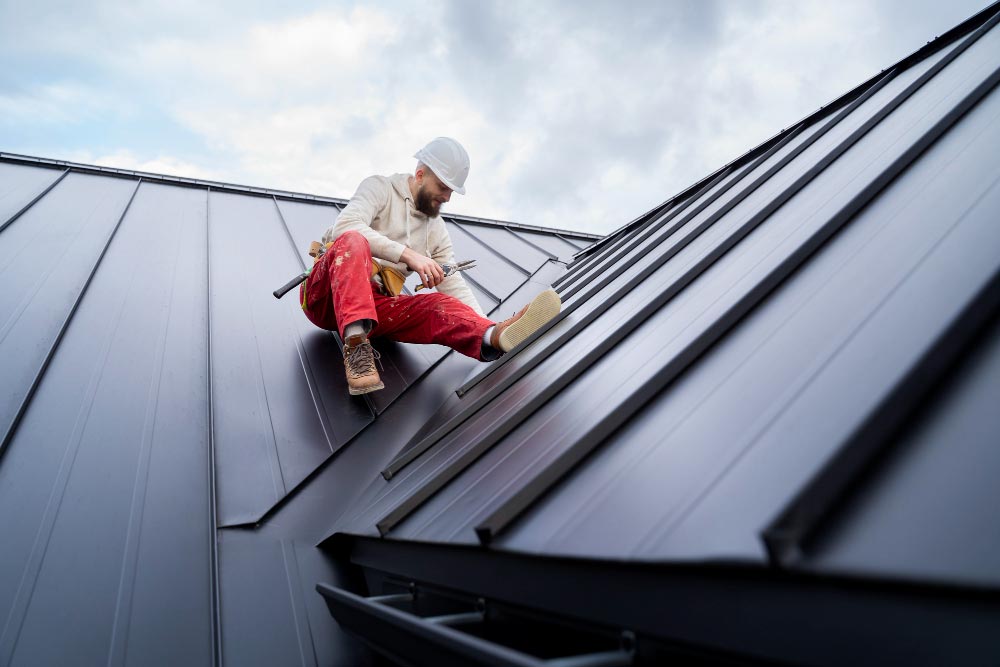
Deal with dampness early, before it becomes a structural issue and leads to your home being unsafe. Quick fixes might stop visible leaks, but they leave the real vulnerabilities untouched. You will face just the same problem again. Tie waterproofing repairs into your regular building maintenance by doing annual roof inspections and ensure that drains are unblocked and free of damage. In the end this will cost less than emergency repairs and will keep your roof functioning longer.
Getting leaks fixed properly comes down to accurate diagnosis, the right waterproofing methods, and a thorough follow-up. Technical precision matters at every step, from the initial inspection through to final verification. A lasting repair will cause less headaches down the road than a quick and temporary fix.
Also Read: Slab Leaks Explained by Professionals: How to Spot One Early
Frequently Asked Questions – Roof Leak Detection and Waterproofing
1. Why do roof leaks appear far from where water enters?
Water often travels along slabs, beams, or membranes before becoming visible, which makes professional leak detection essential.
2. Can small roof leaks cause serious damage?
Yes, even minor leaks can weaken structural components, damage finishes, and increase repair costs if ignored.
3. How is roof leak detection carried out?
Specialists may use moisture meters, infrared scans, and visual inspections to locate the true source of leaks.
4. Is waterproofing better than repeated patch repairs?
Proper waterproofing addresses the root cause and lasts longer than temporary surface fixes.
5. How often should roofs be inspected for leaks?
Annual inspections are recommended, especially before and after heavy rainfall seasons.
References
Cao, L., Yang, C., Dong, Z.J. and Lushinga, N. (2019) Evaluation of crack sealant adhesion properties under complex service ambient conditions based on the weak boundary layer (WBL) theory. Construction and Building Materials, 200, pp. 293–300. https://doi.org/10.1016/j.conbuildmat.2018.12.159. Accessed on 12 January 2026.
Author & Expert Review
Written By:  Gaurav Mishra | Civil Engineer & Content Writer
| Credentials: B.E. (Mahavir Swami College, Surat), Registered with Bhagwan Mahavir University (BMU). Experience: Civil Engineer with 5+ years of content writing experience, currently writing impactful articles for Gharpedia, part of SDCPL. Expertise: Specializes in writing well-researched content on residential construction, construction materials, design planning, on-site practices, and safety, blending technical accuracy with everyday clarity. Find him on: LinkedIn |
Verified By Expert:  Ravin Desai – Co Founder – Gharpedia | Co Founder – 1 MNT | Director – SDCPL
This article has been reviewed for technical accuracy by Ravin Desai, Co-Founder of Gharpedia and Director at Sthapati Designers & Consultants Pvt. Ltd. With a B.Tech. in Civil Engineering from VNIT Nagpur and an M.S. in Civil Engineering from Clemson University, USA, and over a decade of international and Indian experience in the construction and design consultancy sector, he ensures all technical content aligns with industry standards and best practices.
Find him on: LinkedIn