





Table of Contents
Quick Summary
- A living room rug adds warmth, texture, and visual balance while helping define the seating area.
- Choosing the right rug size helps anchor sofas, armchairs, and coffee tables into a cohesive arrangement.
- Rug colours and patterns can influence the mood and become a focal point or create visual balance.
- Materials such as wool, jute, sisal, and polypropylene offer different levels of comfort, durability, and maintenance.
- Layering rugs can add depth and character when different textures, colours, and sizes are combined thoughtfully.
- The right rug can also absorb sound and reduce echoes, making your living room more comfortable.
Courtesy - Magnific
A living room without a rug usually feels incomplete. Furniture drifts without a focal point, hard floors feel cold, and the layout lacks definition. Anchoring the space with the right rug changes the room’s entire dynamic in minutes-bringing warmth, structure, and balance.
Beyond aesthetics, a rug absorbs sound, adds texture, and ties individual furniture pieces into a cohesive layout. Knowing how scale, material, and placement interact makes it much easier to pick a rug that genuinely improves your home.
Why Rugs Do More Than Cover the Floor
Courtesy - Magnific
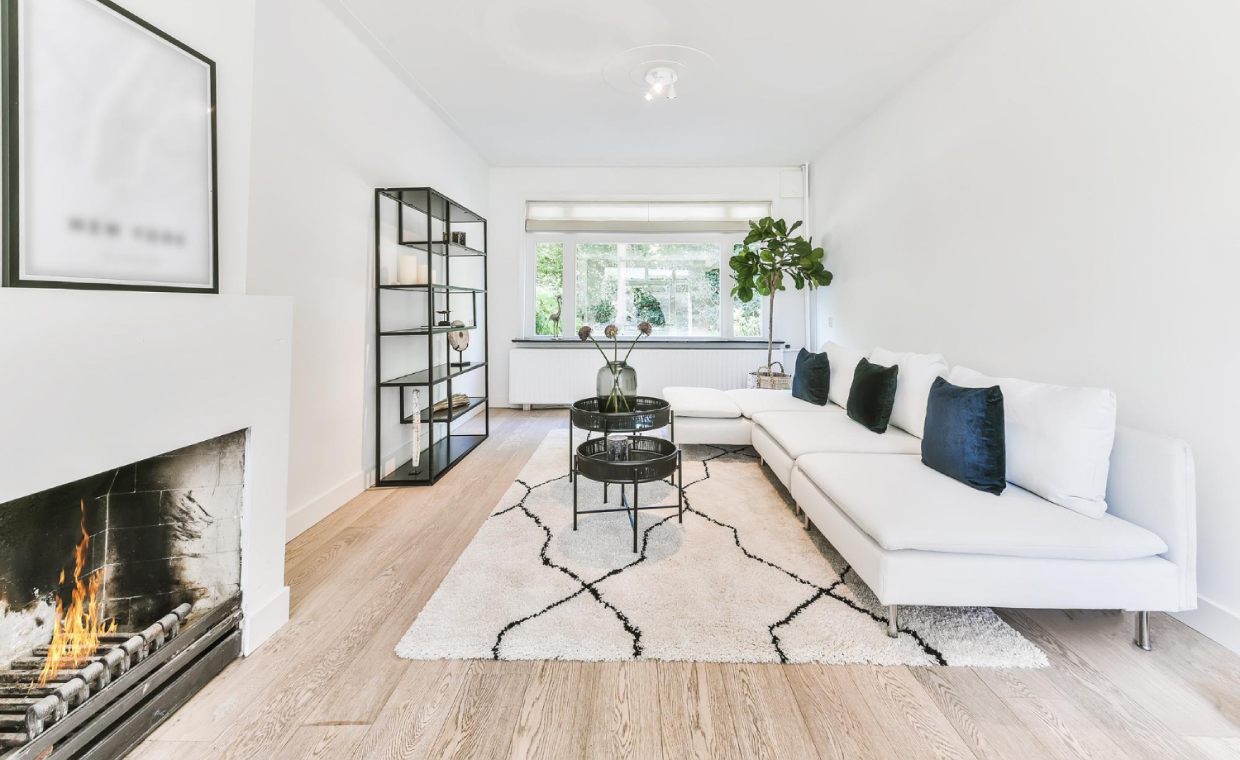
Most people think of a rug as decorative extras. In reality, they serve several functional purposes at once. A rug defines a zone within an open-plan space, adds warmth underfoot, and anchors furniture into a cohesive arrangement.
A sofa and coffee table may seem to float in the space without a rug. These components come together with a rug to form a seating area with distinct boundaries. In larger living rooms, where scale can be a problem, this is especially helpful.
In addition to furniture arrangement, rugs also absorb sound. Hard floors produce noise and echo. A strategically positioned rug reduces noise and improves conversational comfort. Many homeowners are unaware of this advantage until they personally encounter it.
Choosing the Right Size Makes All the Difference
Courtesy - Magnific
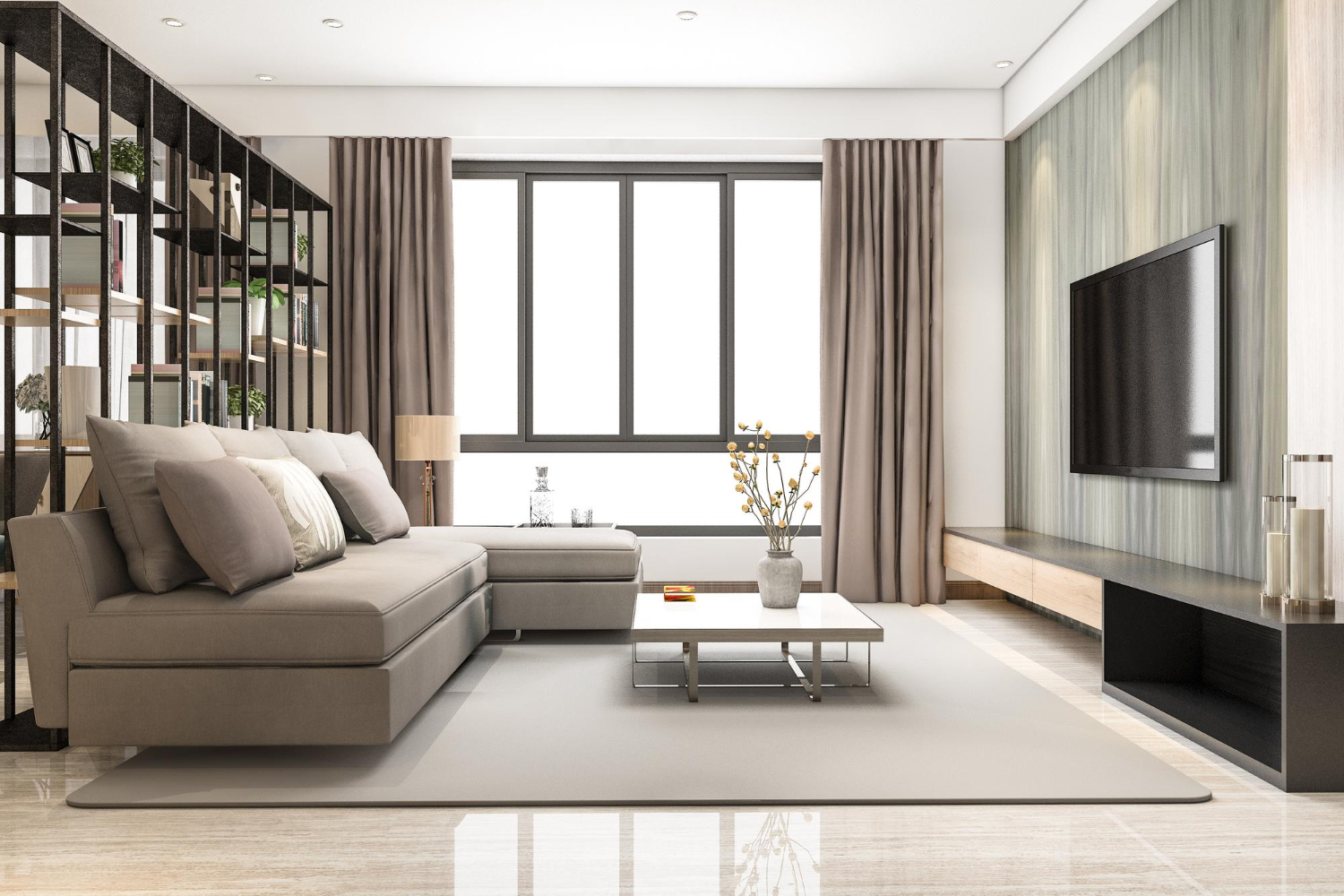
Sizing is where most people stumble. Pick a rug that is too small, and the room shrinks, leaving furniture looking awkward and disjointed. Get the scale right, and the entire space immediately feels larger and more intentional.
A good rule of thumb is choosing a rug that extends roughly 20 to 30 centimetres beyond the sofa on both sides. To tie the room together, make sure the front legs of all key seating-sofas and armchairs alike-rest directly on the rug. This anchors the furniture without forcing you to cover every inch of the floor.
When you are torn between two sizes, always go bigger. A small rug floats like an island, while a larger one pulls the entire layout into a cohesive, comfortable space.
Colour and Pattern Shape the Mood of the Room
Courtesy - Magnific
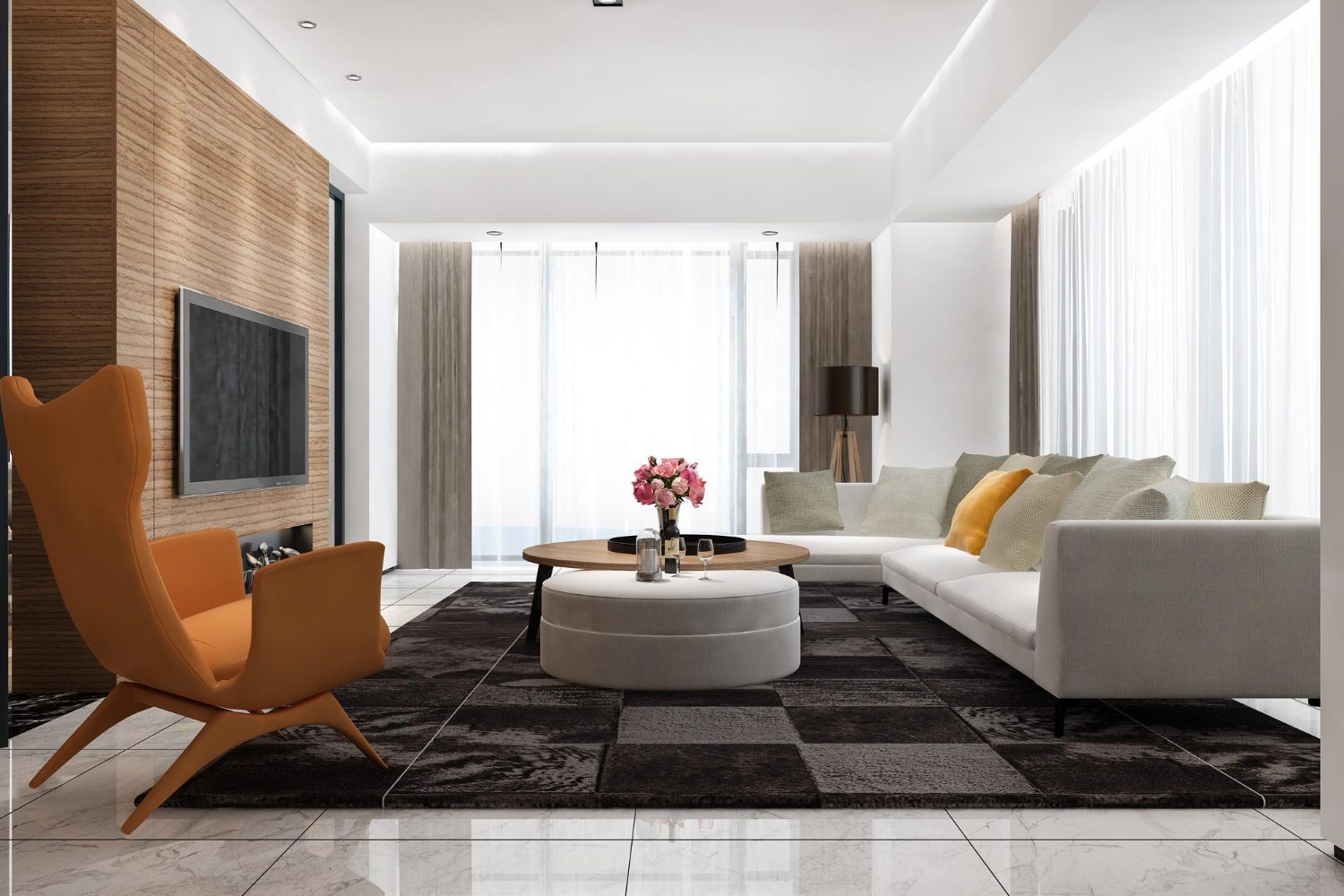
The colour you choose for your rug sets the emotional tone of the entire living room. Soft neutrals like off-whites, warm beiges, and gentle greys keep a space feeling light and airy. They work particularly well in smaller rooms or spaces with limited natural light.
Bold colours introduce energy and personality. A rich terracotta, deep navy, or emerald green can become the focal point of the room. If your furniture is relatively neutral, a vivid rug gives the eye something interesting to settle on.
Pattern plays an equally important role. A patterned rug adds visual interest and texture to a room with simple, solid-coloured furniture. Conversely, a solid rug creates calm and balance in a room already filled with prints and competing colours. The key is contrast without chaos.
Texture and Material Affect Comfort and Longevity
Courtesy - Magnific
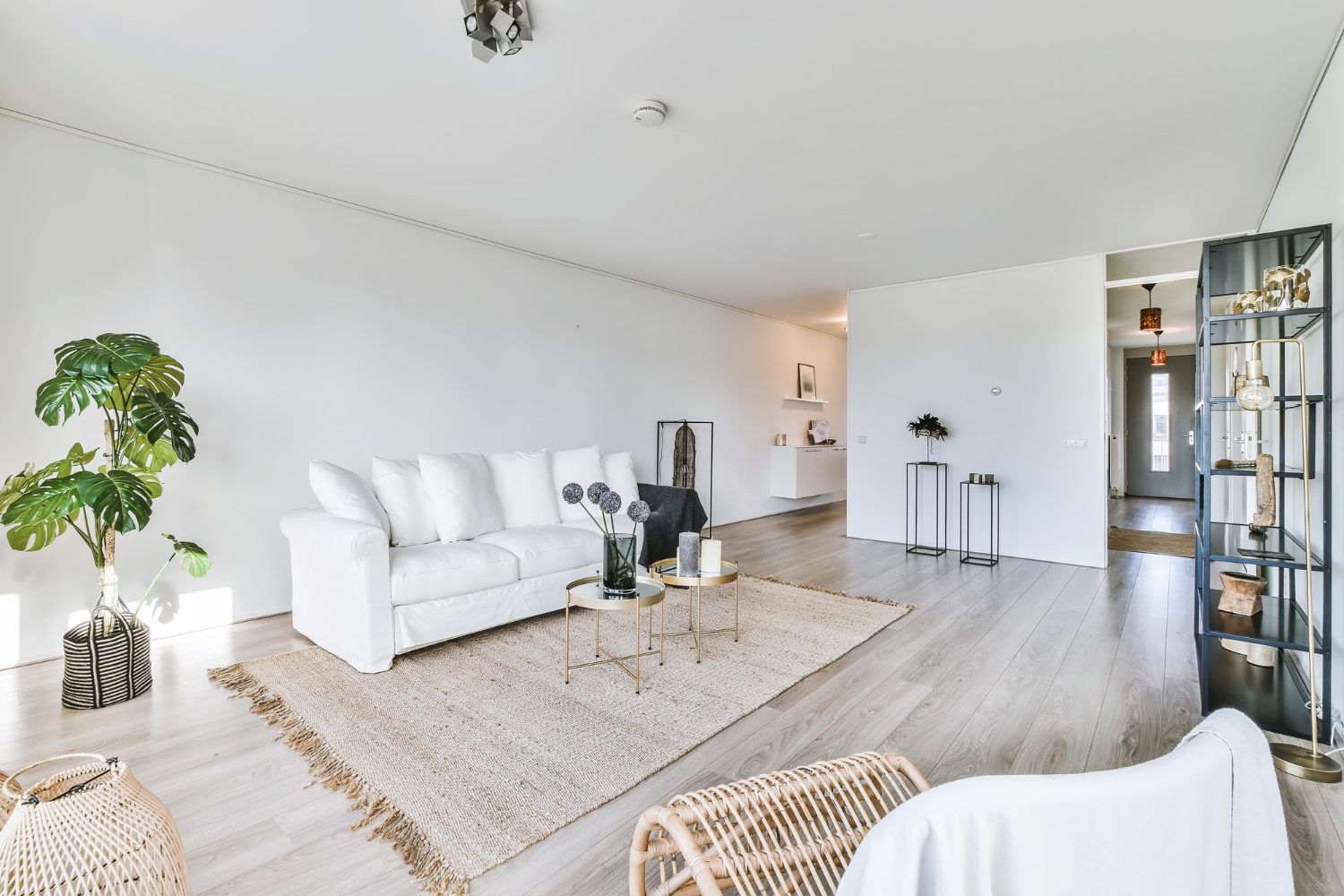
Material dictates how a rug feels, wears, and holds up to everyday life, so let your household’s routine drive your decision.
Wool remains the gold standard for living areas. It is naturally soft, remarkably durable, and inherently stain-resistant, making it a smart investment for high-traffic homes.
If you prefer a relaxed, earthy vibe, natural fibres like jute and sisal fit coastal and Scandinavian aesthetics perfectly. Just keep in mind that they feel coarser underfoot and do not handle moisture or spills particularly well.
For busy homes with kids or pets, modern synthetics like polypropylene are hard to beat. They are tough, easy to clean, and budget-friendly. Recent manufacturing improvements mean you no longer have to sacrifice style for practical durability.
Layering Rugs for Added Depth and Style
Courtesy - Magnific
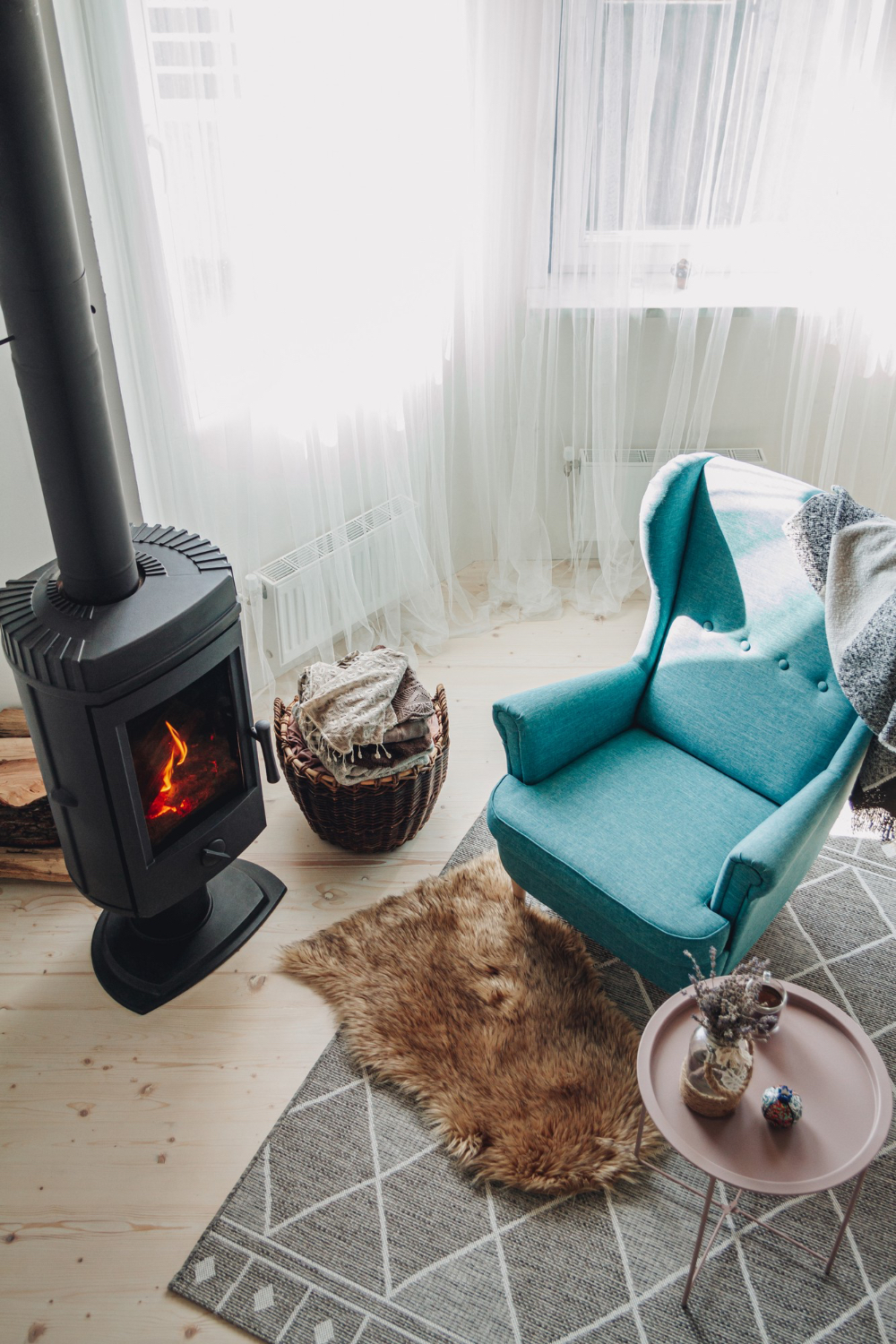
Layering rugs has become a popular styling technique. It adds depth, texture, and a relaxed, collected feeling to a living room. The approach works well in bohemian, eclectic, or transitional interiors.
The most effective layering combines a larger, neutral base rug with a smaller, more detailed piece on top. A jute or sisal base works well beneath a patterned wool or vintage-style rug. The contrast in texture and colour creates visual richness without feeling cluttered.
Keep the top rug positioned over the centre of the base rug. Ensure the edges of the lower rug remain visible on all sides. This layered look can give a room the feeling of being thoughtfully curated rather than quickly furnished.
Small Changes, Big Results
The impact of the right rug on a living room is difficult to overstate. It adds warmth, defines space, reduces noise, and ties a room together in a way that very few other decor choices can achieve.
As design experts consistently note, a well-chosen rug is often the single most transformative update a living room can receive. It costs less than a new sofa and delivers immediately visible results. If your living room feels incomplete, a rug is very likely the missing piece.
Do Check: Interesting Tips to Clean Your Rugs and Carpets!
FAQs on Living Room Rug
1. How do I choose the right living room rug size?
Choose a rug that extends roughly 20–30 cm beyond the sofa on both sides. Ideally, the front legs of the main seating furniture should rest on the rug.
2. What colour rug is best for a living room?
Neutral shades such as beige, off-white, and grey create a light and airy feel, while bold colours such as terracotta, navy, or emerald green can create a striking focal point.
3. Which rug material is best for a living room?
Wool is durable, soft, and naturally stain-resistant. Jute and sisal suit earthy interiors, while polypropylene is a practical, budget-friendly option for busy homes.
4. Can I layer two rugs in my living room?
Yes. A large neutral rug can be used as the base, with a smaller patterned or textured rug placed on top to add depth and visual interest.
5. Does a rug help reduce noise in a living room?
Yes. Rugs can absorb sound and reduce the echo created by hard flooring, making conversations and the overall atmosphere more comfortable.
Courtesy - Featured Image(Magnific)
Author & Expert Review
Written By:  Nidhi Patel | Civil Engineer & Content Writer

| Credentials: B.E. (Mahatma Gandhi Institute of Technical Education and Research Centre), Registered with Gujarat Technological University (GTU). Experience: Civil Engineer with 3+ years of content writing experience, currently writing blogs for Gharpedia, part of SDCPL. Expertise: Specializing in SEO-optimized blogs and long-form articles focused on home improvement, construction, interiors and architect topics. I create well-researched, reader-focused content that balances technical accuracy with clarity, making complex subjects easy to understand. Find her on: LinkedIn |
Verified By Expert: Farhan Shaikh – Senior Manager – Architect, SDCPL | Associate Member – IIA

This article has been reviewed for architectural and interior design accuracy by Farhan Shaikh, Senior Manager – Architect at Sthapati Designers & Consultants Pvt. Ltd. As the lead for all architectural and interior projects at SDCPL and an Associate Member of the Indian Institute of Architects (IIA), he brings hands-on experience in architectural planning, interior design, project coordination, and sustainable strategies. His review ensures the content reflects practical design considerations, industry best practices, and real-world applicability across both architecture and interior spaces.
Find him on : Linkedin