




Table of Contents
Quick Summary
- Explains how passive cooling can keep homes comfortable while reducing reliance on air conditioning.
- Covers simple shading solutions, reflective curtains and exterior shutters to limit heat gain.
- Explains how cross-ventilation, night flushing and ceiling fans can improve natural airflow.
- Highlights the importance of sealing air leaks, improving insulation and choosing reflective exterior finishes.
- Shares practical DIY ways to reduce indoor heat and improve summer comfort.
- Covers longer-term upgrades such as attic ventilation, energy-efficient windows, insulation and exterior shading.
- Discusses AC maintenance and efficient operation for periods when mechanical cooling is still necessary.
Courtesy: Magnific
When summer heat rolls in, many of us crank up the air conditioning without really thinking about the costs or environmental impact. But did you know you could stay cool and save money by leaning on a few passive cooling strategies?
A combination of simple DIY tweaks and longer-term home upgrades can help you stay comfortable, cut back on AC runtime, and lower energy bills all season long.
Let Your Home Work for You: Passive Cooling Basics
Courtesy: Magnific
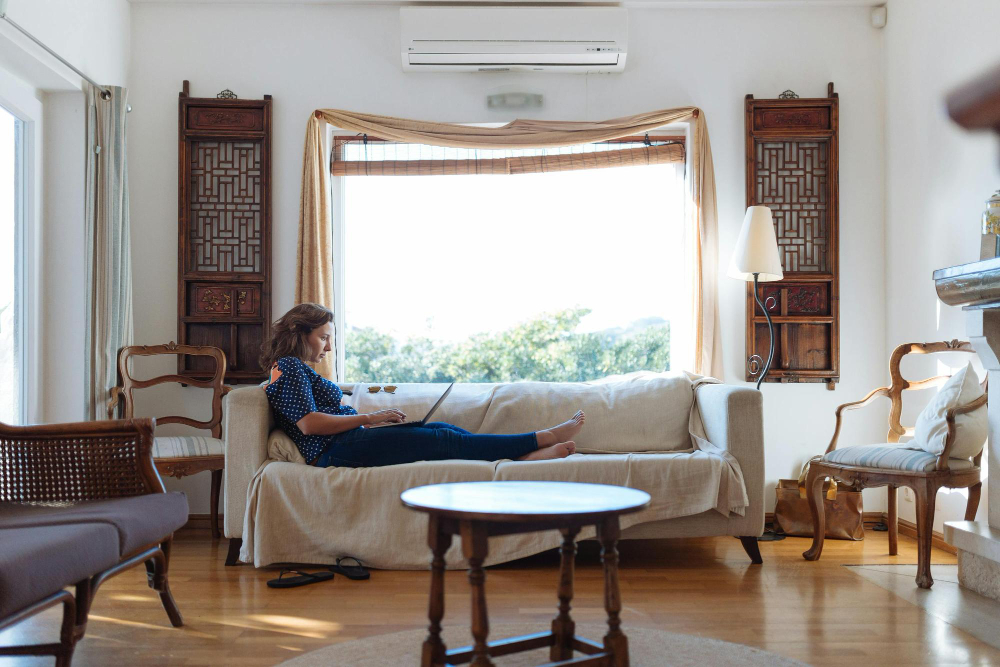
Passive cooling means using your home’s design, materials, and natural elements to maintain comfortable indoor temperatures without extra energy needed. Here’s how you can make it happen:
- Strategic Shading: Planting trees, adding retractable awnings, or installing shade sails over windows and patios can significantly block the hottest afternoon sun before it hits your walls or glass. Even a few well-placed potted plants or trellises can cool down smaller spaces.
- Reflective Curtains and Blinds: Choose light-colored or reflective window treatments and keep them closed during the hottest parts of the day. This helps prevent heat from building up inside.
- Use Exterior Shutters: Traditional wooden or synthetic shutters (especially for west-facing windows) offer protection and allow you to let light in when you want, and block it when you don’t.
Better Air, Less AC: Harness Natural Breeze
Courtesy: Magnific
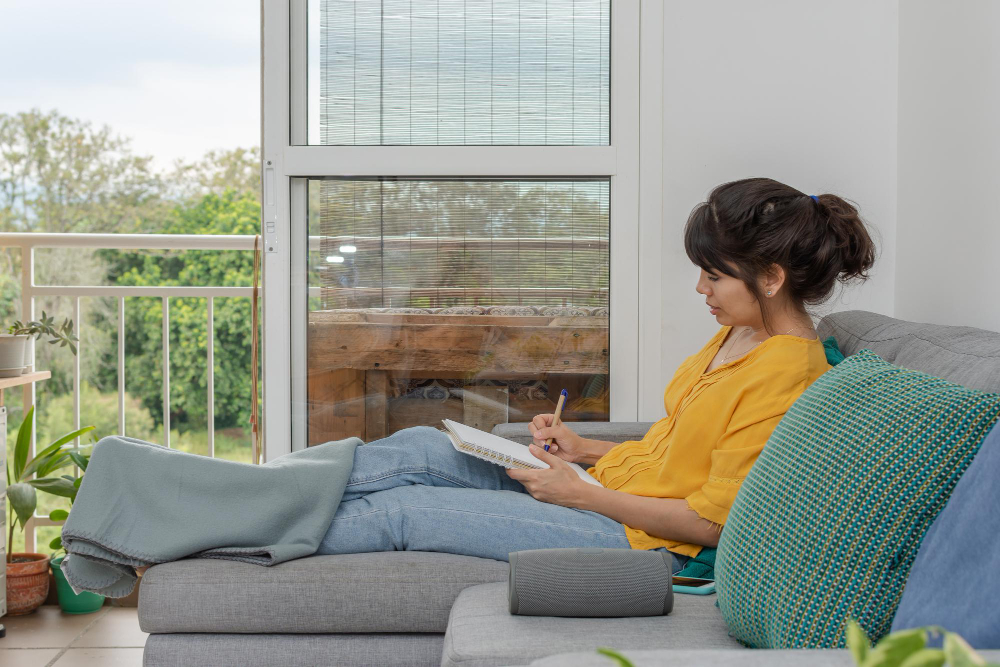
Harnessing natural breeze is an easy way to reduce indoor temperatures, but strategy and timings matter. Here are a few best practices:
- Cross-Ventilation: Open windows on opposite sides of your house to create a natural stream of fresh air. Make sure to prop doors and windows open and install mosquito nets for comfort.
- Night Flushing: Once the sun goes down and outdoor temperatures drop, open windows wide to let in that cooler air. When possible and safe to do so, keep them open or tilt them until early morning, when temperatures are at their lowest. As the sun comes up, close everything up and draw light-blocking curtains to “trap” the cooler indoor air before the day heats up.
- Ceiling Fan Direction: In summer, your ceiling fans should spin counterclockwise to push cool air downward and create a gentle breeze.
Sealing Out the Heat

Courtesy: Magnific
Small leaks and gaps can make your cooling efforts much less effective. Take time to:
- Seal Air Leaks: Use weatherstripping and caulk to seal gaps around windows, doors, and attic access panels. It’s a quick and inexpensive way to keep the cool air where it belongs.
- Insulate Properly: Make sure attics, crawl spaces, and walls have enough insulation. Even a weekend project topping up old insulation can make a huge difference in your comfort and AC efficiency. Estimations show that air sealing and insulating alone can save homeowners up to 15% on heating and cooling costs!
- Paint and Roof Choices: Lighter-colored roofs and exterior paint reflect sunlight, while dark surfaces absorb heat. If you’re planning an exterior update, consider these cooler, energy-smart alternatives.
Quick DIY Steps to Boost Comfort

Courtesy: Magnific
If you’re looking for easy ways to cut back on AC use right now:
- Close blinds and curtains where the sun hits strongest, especially mid-afternoon.
- Use box or window fans to push air from cooler rooms into warmer ones.
- Unplug or limit use of electronics and appliances that generate heat.
- Cook outdoors when possible and avoid using ovens.
- Move bedding and workspaces away from hot walls and windows during the day.
- Ensure your AC units are maintained and working properly to avoid wasting energy
- Place damp washcloths or cold packs on your neck, wrists, or ankles for quick relief.
- Swap heavy bedding or throws for lighter, breathable fabrics during hot months.
- Keep doors closed on unused rooms to limit the area you need to cool.
Smart Upgrades for Bigger Savings

Courtesy: Magnific
When you’re ready for a long-term strategy, try:
- Adding Attic Vents: Proper ventilation lets heated air (which rises towards the roof) exit, keeping attic temps in check so the rest of your house stays cooler.
- Upgrading Windows: Double- or triple-glazed windows with low-E coatings block heat gain and reduce UV damage, keeping rooms naturally more comfortable.
- Investing in Quality Insulation: Top up or replace insulation in attics, crawl spaces, and exterior walls.
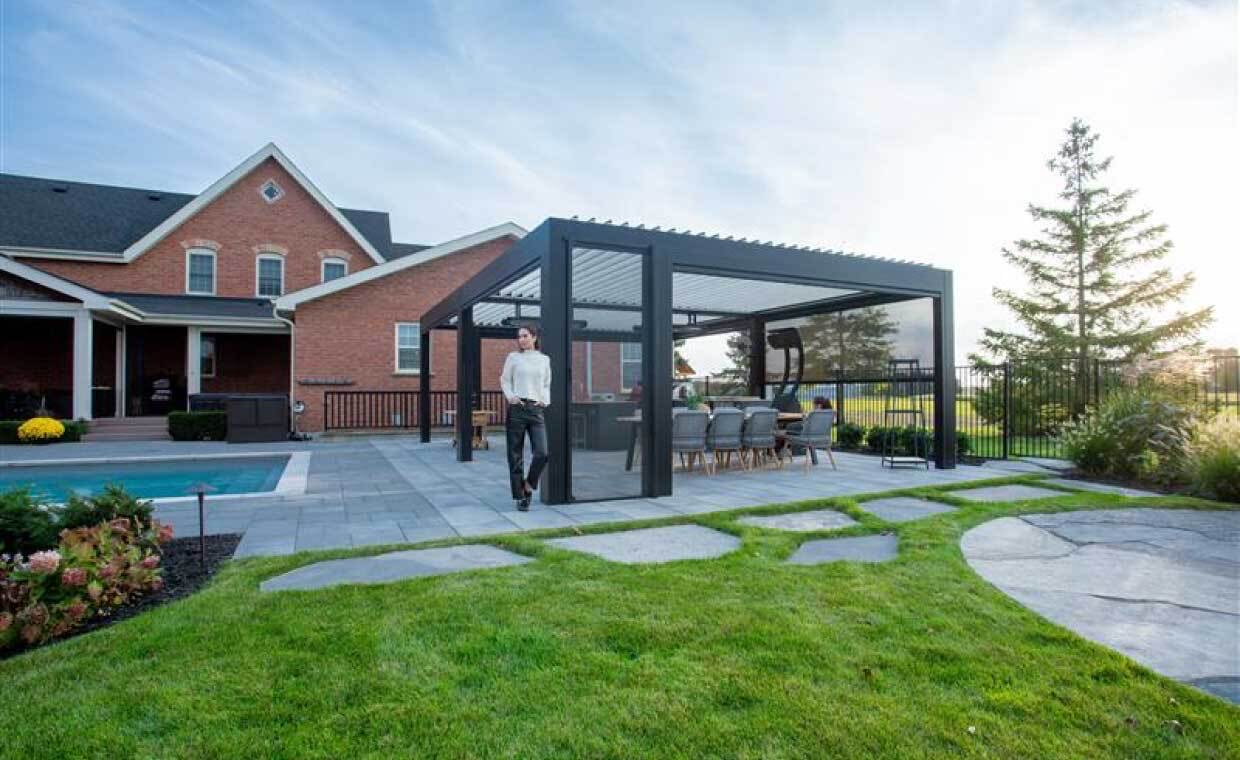
- Installing Exterior Shading: Add pergolas, trees, or shade sails to block strong sunlight before it reaches your windows.
- Using Smart Thermostats: Install programmable or smart thermostats to set cooling schedules, reduce AC use when you’re away, and optimize comfort with the least amount of energy.
Prep Your AC System for When You Need It
Courtesy: Magnific
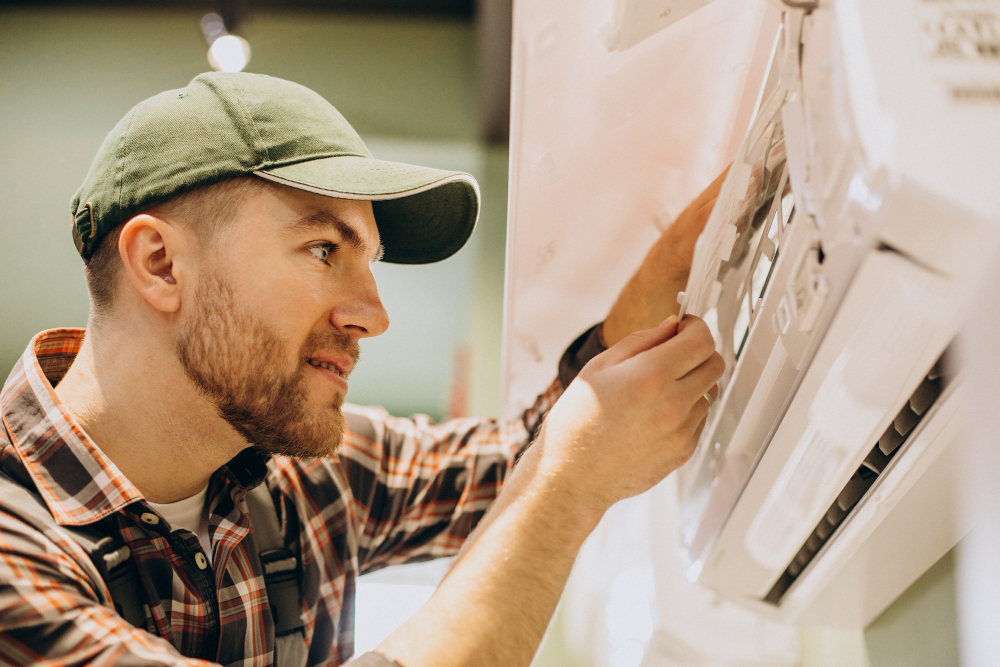
Passive cooling greatly reduces AC demands, but during heat waves, you may still want to use your cooling systems. Fortunately, there’s a lot that you can do to optimize AC use and reduce costs.
Start by scheduling a pre-heatwave tune-up or having your ductwork sealed to ensure your AC runs at peak efficiency and that you’re not wasting energy on leaks, blockages, or dusty filters. If you have an older or outdated system, consider upgrading to a more energy-efficient one. Local pros like McIntosh Heating and Cooling can help evaluate your system, recommend upgrades, and keep your equipment in optimal condition.
The Comfort and Cost Savings Add Up
Combining passive cooling with targeted AC use means cooler spaces, lower bills, and less environmental impact. You may even find that your home feels fresher and less stuffy when you maximize airflow and make smart choices about shading and insulation.
If you’re ready to dive deeper into eco-friendly home upgrades and cooling ideas, check out our guides on passive house design, energy-efficient retrofits, and summer comfort solutions. With a few thoughtful adjustments, you can make your home a cool, comfortable retreat, no matter how high the mercury climbs.
Also Read: How Excessive Sweating Changes the Way Our Home Feels?
Frequently Asked Questions – Passive Cooling
1. What is passive cooling?
Passive cooling is a way of keeping a home comfortable by using design features, shading, ventilation, insulation and natural airflow rather than relying entirely on mechanical air conditioning.
2. How can passive cooling reduce AC use?
Passive cooling can reduce heat entering your home and improve natural airflow. This can help maintain lower indoor temperatures and reduce how often or how long you need to run your AC.
3. What is the most effective passive cooling method?
The best approach depends on the home and climate. Exterior shading, good insulation, effective ventilation and reducing direct sunlight through windows are generally useful passive cooling measures.
4. Does cross-ventilation help cool a house?
Yes. Opening windows on opposite sides of a home can create cross-ventilation, allowing warmer indoor air to escape while bringing in cooler outdoor air when conditions are suitable.
5. Can insulation help reduce summer AC costs?
Yes. Proper insulation slows the transfer of heat through the roof, walls and other parts of the building envelope. Combined with air sealing, it can help improve indoor comfort and reduce cooling demand.
Courtesy - Featured Image(Magnific)
Author & Expert Review
Written By:  Gaurav Mishra | Civil Engineer & Content Writer

| Credentials: B.E. (Mahavir Swami College, Surat), Registered with Bhagwan Mahavir University (BMU). Experience: Civil Engineer with 5+ years of content writing experience, currently writing impactful articles for Gharpedia, part of SDCPL. Expertise: Specializes in writing well-researched content on residential construction, construction materials, design planning, on-site practices, and safety, blending technical accuracy with everyday clarity. Find him on: LinkedIn |
Verified By Expert: Farhan Shaikh – Senior Manager – Architect, SDCPL | Associate Member – IIA

This article has been reviewed for architectural and interior design accuracy by Farhan Shaikh, Senior Manager – Architect at Sthapati Designers & Consultants Pvt. Ltd. As the lead for all architectural and interior projects at SDCPL and an Associate Member of the Indian Institute of Architects (IIA), he brings hands-on experience in architectural planning, interior design, project coordination, and sustainable strategies. His review ensures the content reflects practical design considerations, industry best practices, and real-world applicability across both architecture and interior spaces.
Find him on : LinkedIn