




Table of Contents
Quick Summary
- Modern kitchens are evolving into multi-functional spaces that support cooking, dining, working, and socializing in one connected area.
- Open kitchen layouts remain highly popular because they improve visibility, movement, and interaction between family members.
- Kitchen islands now serve multiple purposes, including meal prep, dining, storage, and even workspaces.
- Smart storage solutions such as pull-out drawers, corner organizers, tall cabinets, and appliance garages help reduce clutter and maximize space.
- Energy-efficient appliances like induction cooktops and ENERGY STAR-certified refrigerators lower utility costs while improving functionality.
- Integrated appliances create a clean and seamless kitchen aesthetic by blending with cabinetry.
- Current kitchen design trends favor warm neutral tones, natural wood finishes, and flexible layouts.
- A well-planned kitchen renovation improves daily convenience, long-term usability, and home value, making the space future-ready for changing family needs.
Most homeowners now expect that their kitchen will support cooking, dining, work, and social time in one shared space. According to the 2026 CMHC Mortgage Consumer Survey, 63% of mortgage consumers said they plan to renovate their home in the next five years.
That level of planned activity shows strong demand for updates that match how daily routines are evolving. These shifting expectations directly influence kitchen renovation ideas in modern home design.
Kitchen Layout Ideas and Kitchen Design Trends for the Next Generation
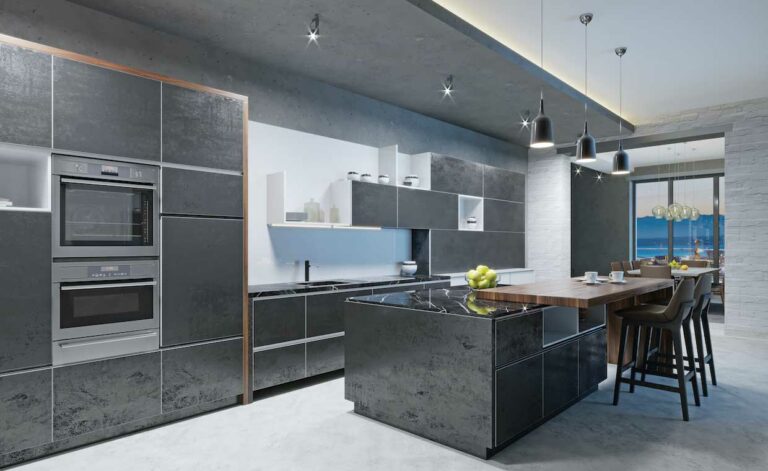
These kitchen layout ideas and broader kitchen design choices are currently influencing the next generation for flexible, efficient, and connected spaces that support modern living beyond cooking. In modern open-concept layouts, seamless open-concept living merges kitchens with dining and living areas.
Open Kitchen Layouts: Defining Every Modern Home
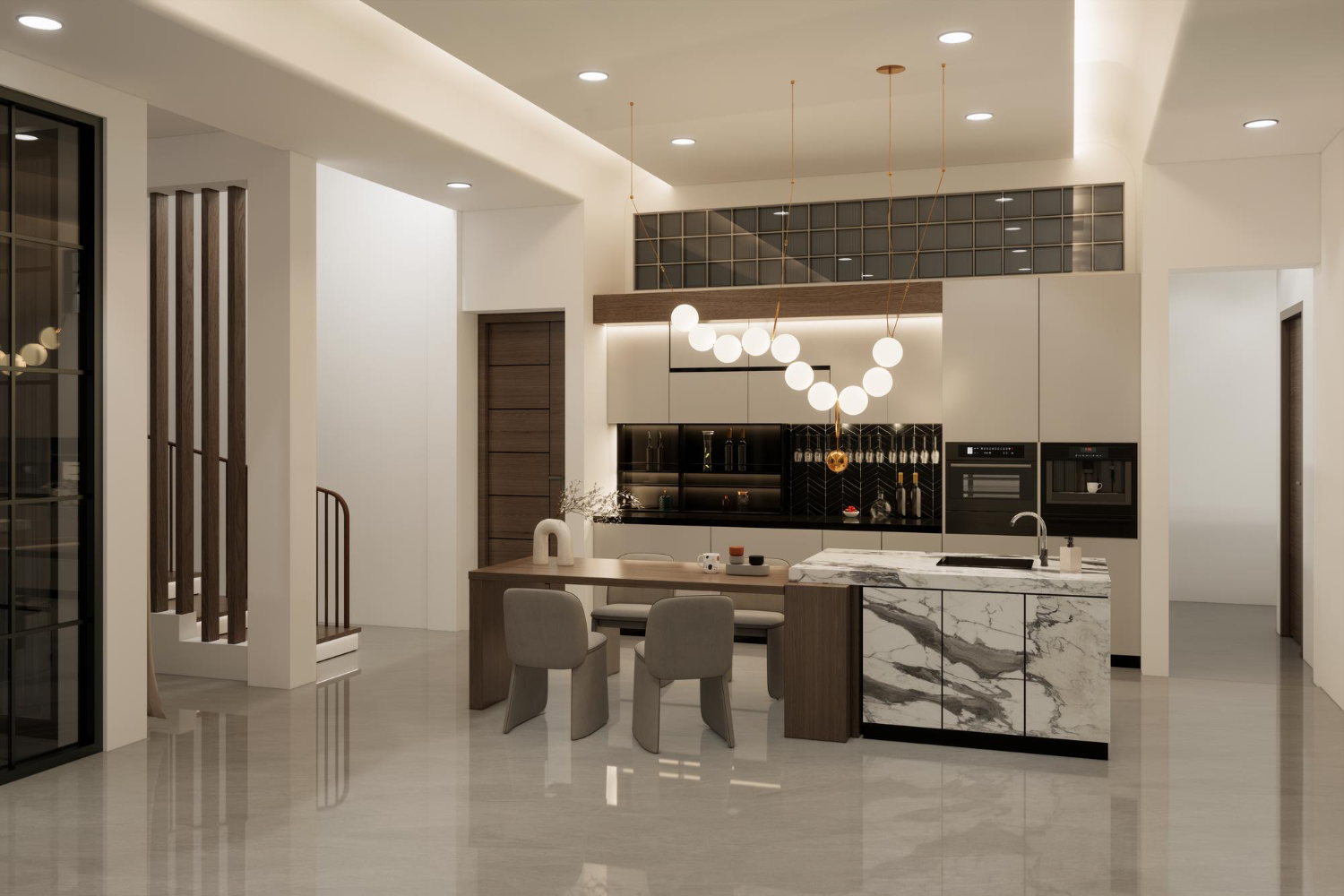
Open concept layouts continue to replace fully enclosed kitchen designs as homeowners prioritize flexibility and better use of available space. Instead of relying on walls, modern homes define cooking, dining, and cooking and living areas through islands, flooring transitions, lighting layers, and furniture placement.
According to Financeit’s 2024 Canadian Homeowner Renovation Report, 53% of Canadian homeowners said their main reason for renovating is to improve the functionality of their home. This highlights a clear shift toward layout-driven renovations, where homeowners focus on how spaces flow and perform rather than only visual upgrades.
As demand grows for smarter space planning, more kitchen renovation ideas focus on zoning strategies that maintain openness without losing structure. For example, a central island can act as a soft divider between preparation and dining areas, while still keeping sightlines clear across the home.
In open plan kitchens, open plan layouts need clear circulation, with walkway widths of at least 36 inches for general traffic. This approach reduces congestion during cooking and improves flow when multiple people use the kitchen at the same time, helping the kitchen work as part of the wider living space and connect smoothly to the family room where relevant.
Multi-Functional Kitchen Islands for Modern Living
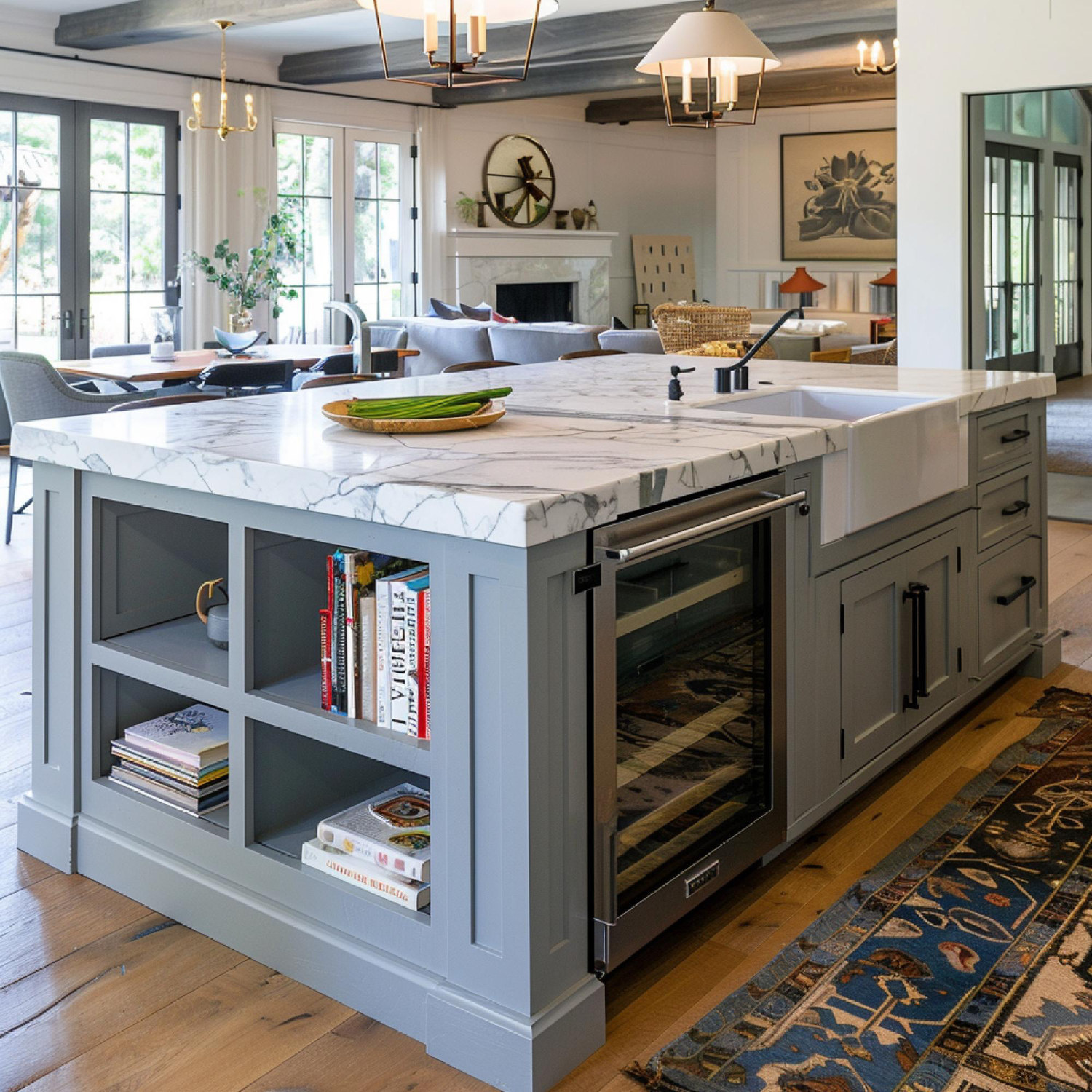
Kitchen islands now serve more than prep space, often combining dining, storage, seating, workspace, and additional counter space functions in one central feature. This shift reflects how homeowners are prioritizing flexibility within a single, high-use surface instead of relying on separate furniture zones.
When you apply kitchen renovation ideas, the island becomes a practical anchor for daily routines. For instance, you can integrate seating for casual dining, add hidden storage for cookware, or include built-in outlets for devices and small appliances.
Cabinets in the island can also maximize kitchen storage, create additional storage, and, when there is enough space, even a small island can support bar stools for a built-in dining space without expanding the room footprint. This approach helps reduce countertop clutter while making the kitchen more adaptable to cooking, working, and social use without expanding the overall footprint.
Smarter Storage Systems That Reduce Wasted Space
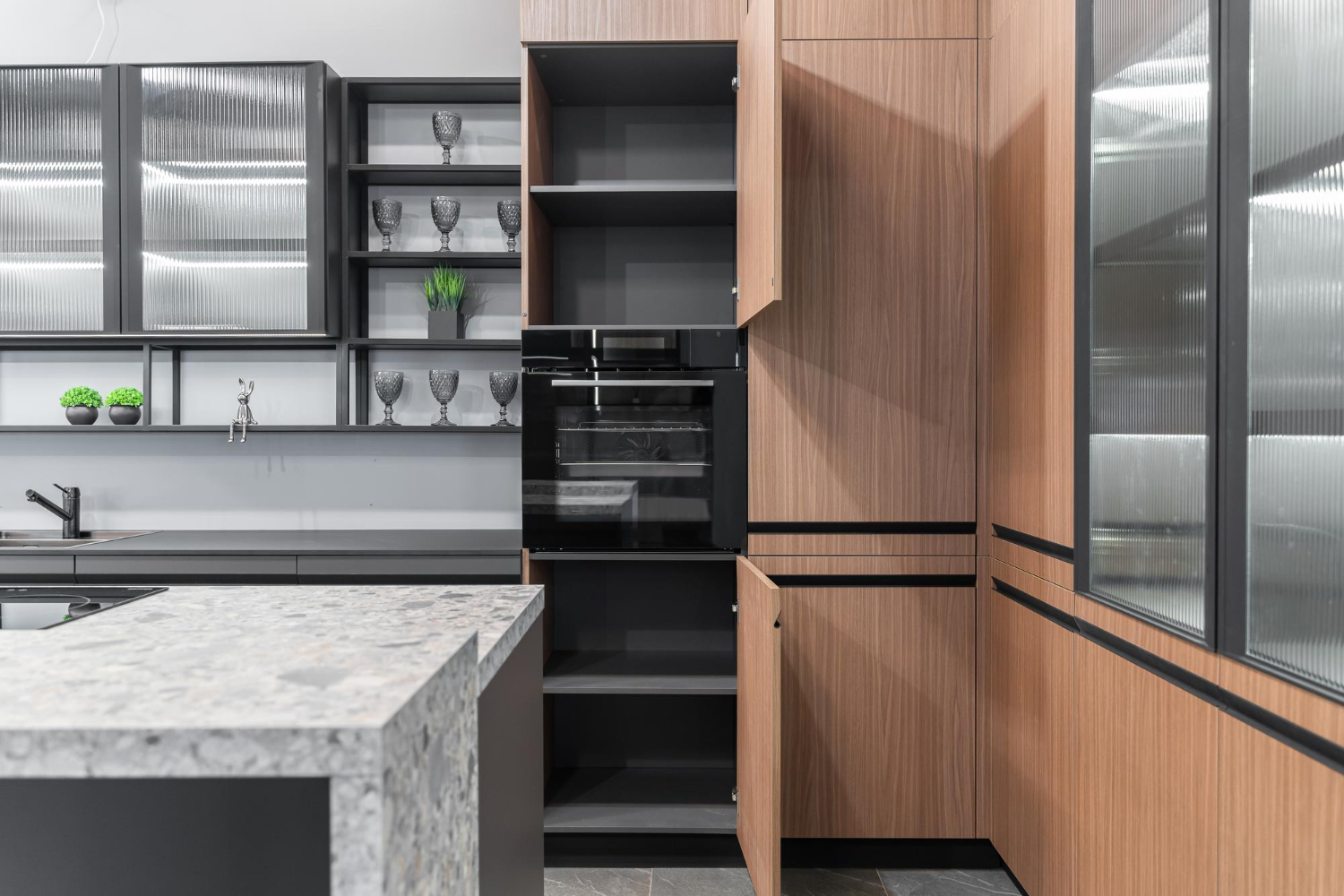
Storage design now focuses on accessibility, organization, workflow, and better storage options rather than simply increasing cabinet volume. As part of kitchen renovation planning, you can request your contractor for built-in storage that fits your cooking habits.
For example, deep drawers with pullout storage, pull-out pantry systems, tall cabinets that utilize vertical space, hidden storage such as appliance garages, and corner organizers make frequently used items easier to access while helping maximize space. Spice racks and hanging pot racks can also improve efficiency. A well-planned pantry works best when it is well-lit and logically organized.
Built-in solutions help eliminate wasted corners, keep countertops clear, and create designated spaces for everything from cookware to small appliances. As a result, these upgrades reduce time spent searching for items, improve workflow during meal preparation, and contribute to a cleaner, more organized kitchen environment.
Energy-Efficient Appliances and Integrated Design
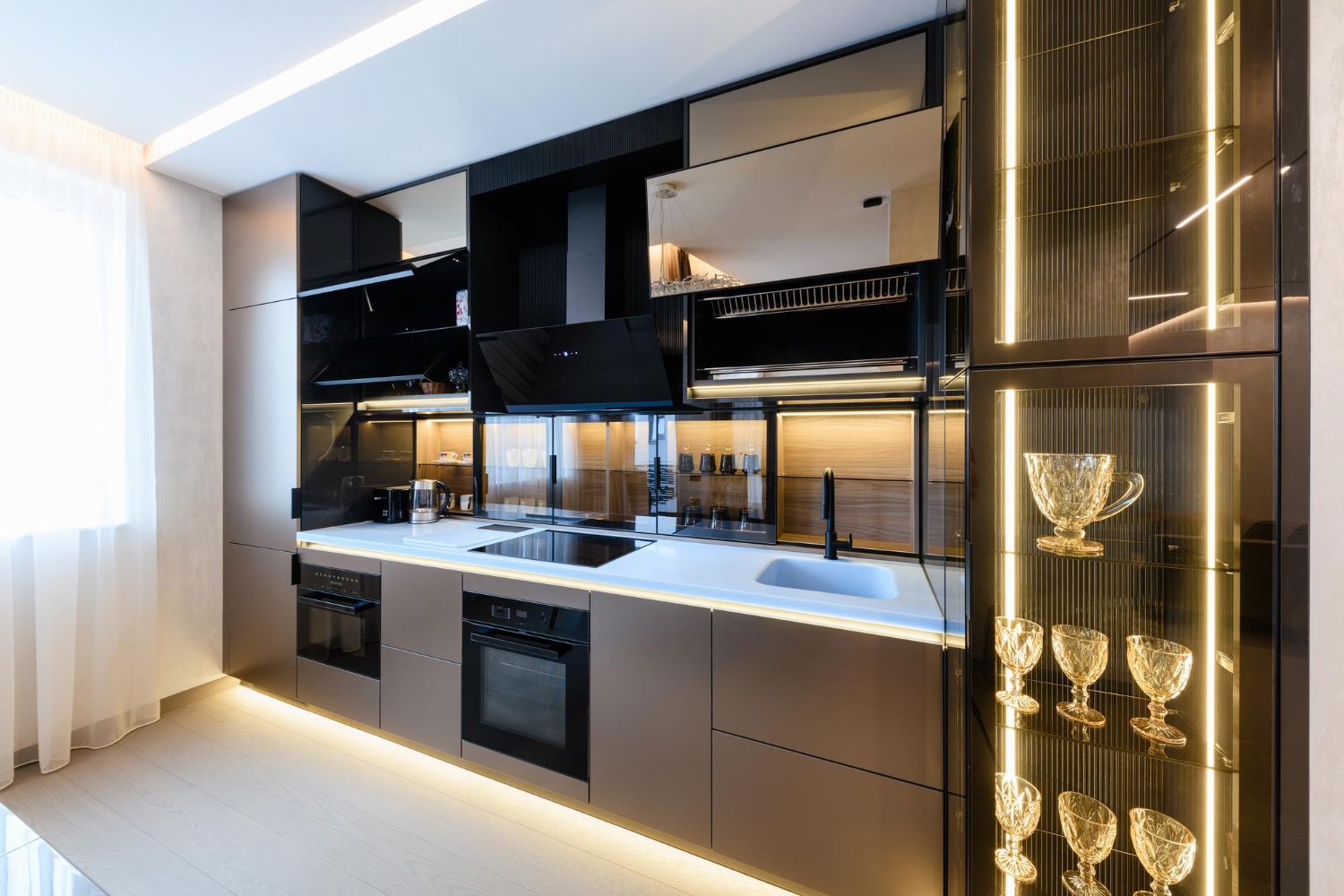
Energy efficiency has become a major consideration in modern kitchen planning, and current design trends increasingly treat it as a core priority for reducing operating costs long-term. Built-in refrigerators, panel-ready dishwashers, and induction cooktops are among the major appliances that shape layout decisions, with integrated appliances often chosen for seamless integration into surrounding cabinetry.
Panel-ready appliances blend seamlessly with cabinetry, and flush-mount appliances reduce visual clutter. They also create a clean, uninterrupted look, while counter-depth refrigerators can maximize space in narrower kitchens. Choosing efficient appliances can have a noticeable impact because everyday kitchen equipment contributes significantly to household energy use.
According to Natural Resources Canada, household appliances account for up to 14.1% of the energy used in the average Canadian home. To maximize energy efficiency, choose ENERGY STAR-certified appliances and integrated designs to help lower energy use while maintaining a cohesive look.
Over time, these upgrades can reduce utility costs while creating a kitchen that’s functional and visually cohesive, and current kitchen design trends also include smart technology integration with high-tech appliances and IoT devices alongside sustainable materials and energy-efficient layouts.
Designing Kitchens That Adapt to Your Lifestyle
Open zoning, flexible islands, smart storage, and efficient appliances all reflect a shift toward adaptable design trends tied to current layout and finish choices. These trends show how modern kitchens support work, family time, and entertaining within the same space.
You also see how kitchen renovation choices now focus on long-term usability rather than short-term aesthetics. Materials, layout decisions, and appliance integration all work together, with natural materials, wood tones, natural wood cabinetry, painted cabinets, and coordinated paint colours supporting daily comfort and efficiency.
Kitchen Trends Report, 96% of surveyed kitchen and bath industry professionals identified neutral colours as the most popular kitchen colour direction. In 2026, those neutrals are shifting warmer, including mushroom, taupe, greige, sand, soft clay, and warm wood tones. Two-toned kitchens can add visual interest while preserving clean lines, especially when warm wood, painted neutrals, or a contrasting island are used deliberately. With smart storage planning, corner pull-outs, deep drawers, and adjustable shelving, homeowners can reduce wasted space and create a kitchen that adapts as family needs change over time.
Start Your Kitchen Transformation with 4 Local Homes
You can turn these kitchen renovation ideas into a functional space that fits your home and lifestyle by using a clear design process that translates layout ideas into a buildable plan. Working with a skilled kitchen designer helps you apply modern layouts correctly, avoid costly design mistakes, and make better planning decisions for everyday use.
A trusted home improvement contractor can help create a kitchen that matches the way you live. Smart planning, efficient storage, and well-designed work zones help maximize both space and functionality. Professional guidance also helps ensure every design choice supports your daily routine while keeping the project on track.
Frequently Asked Questions (FAQs)
Here are answers to common questions about kitchen renovations:
1. How to renovate a kitchen?
You renovate a kitchen by selecting the right layout, setting a budget, and choosing cabinets, appliances, and finishes that fit your space and needs. Then you complete the project in stages, including planning plumbing and electrical work, followed by demolition, installation, and finishing.
2. How much does a kitchen renovation typically cost in Canada?
Kitchen renovation costs in Canada depend on size, materials, and layout changes. Smaller updates cost less, while full remodels with structural work cost more.
Author & Expert Review
Written By:  Nidhi Patel | Civil Engineer & Content Writer

| Credentials: B.E. (Mahatma Gandhi Institute of Technical Education and Research Centre), Registered with Gujarat Technological University (GTU). Experience: Civil Engineer with 3+ years of content writing experience, currently writing blogs for Gharpedia, part of SDCPL. Expertise: Specializing in SEO-optimized blogs and long-form articles focused on home improvement, construction, interiors and architect topics. I create well-researched, reader-focused content that balances technical accuracy with clarity, making complex subjects easy to understand. Find her on: LinkedIn |
Verified By Expert: Farhan Sheikh – Senior Manager – Architect, SDCPL | Associate Member – IIA

This article has been reviewed for architectural and interior design accuracy by Farhan Shaikh, Senior Manager – Architect at Sthapati Designers & Consultants Pvt. Ltd. As the lead for all architectural and interior projects at SDCPL and an Associate Member of the Indian Institute of Architects (IIA), he brings hands-on experience in architectural planning, interior design, project coordination, and sustainable strategies. His review ensures the content reflects practical design considerations, industry best practices, and real-world applicability across both architecture and interior spaces.
Find him on : Linkedin