





Table of Contents
Quick Summary
- Discover why marble continues to be associated with elegance and prestige in Indian homes.
- Understand the practical drawbacks of natural marble, including staining, scratching and maintenance.
- Explore how marble-look vitrified tiles provide a durable and low-maintenance alternative.
- Compare popular styles such as Statuario, Botticino, Calacatta Gold, Marquina Black and Travertine.
- Learn how tile size, grout colour and installation patterns can improve the overall appearance.
- See why print quality and multiple face designs matter when selecting marble-look tiles.
- Find out how the right flooring can achieve the appearance of natural marble without demanding the same upkeep.
Courtesy - Magnific
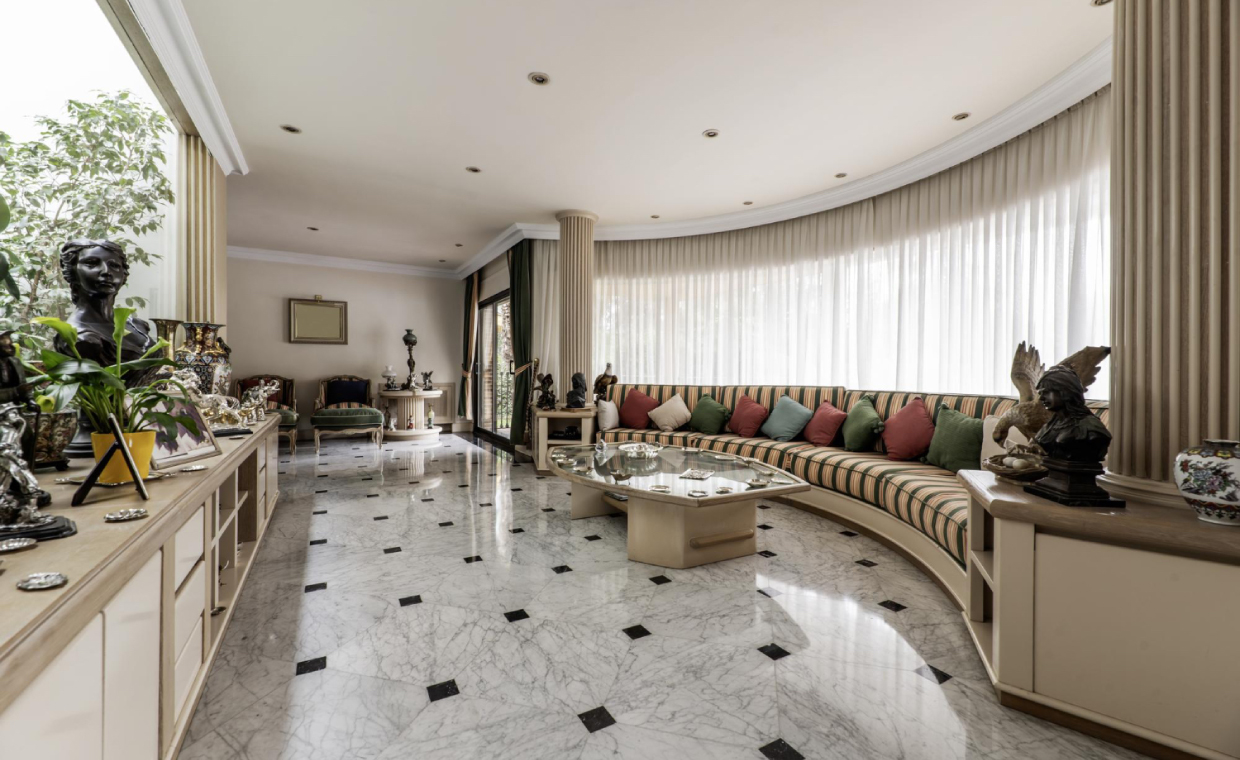
Walk into any well-designed Indian home, and you will notice the floors first. Flooring sets the mood before anything else registers. And among all floor tile design options, marble remains the one that people associate with quality. The problem is that natural marble comes with a long list of practical drawbacks. Rajan, a retired banker in Chennai renovating his 30-year-old villa, loved the look of Italian marble but was not prepared for the maintenance it demanded. His search for something better led him to marble-look vitrified tiles, and the difference surprised him.
The Appeal of Marble in Indian Homes
Courtesy - Magnific
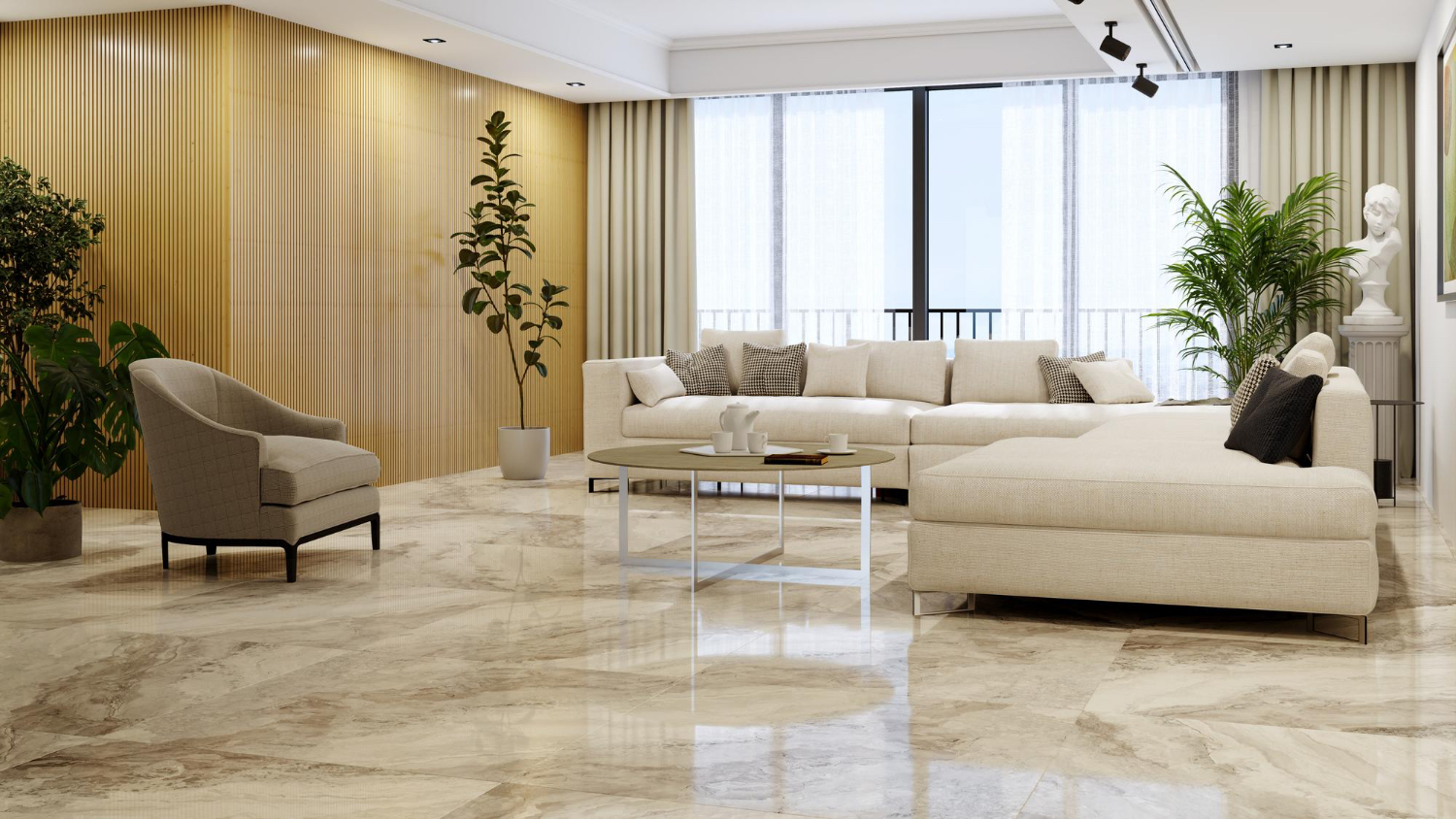
Marble has been part of Indian architecture for centuries. From temple floors to Mughal palaces, the material carries a cultural association with permanence and prestige. In modern homes, modern floor tiles design brings a sense of openness and light, especially in living rooms, foyers, and puja rooms.
The appeal is straightforward: natural veining, a luminous surface, and colours ranging from stark white to deep green. No two slabs look identical, giving marble floors a handcrafted quality.
Why Natural Marble is Losing Ground
For all its beauty, natural marble has practical limitations that many Indian homeowners discover too late.
- Porosity. Marble absorbs liquids. Spilt turmeric, coffee or lemon juice can leave permanent stains if not wiped immediately.
- Scratching. It is softer than granite or vitrified tiles. Furniture dragging across the surface leaves visible marks.
- Maintenance cost. Natural marble needs periodic polishing and resealing. In high-traffic areas, expect to polish every 12 to 18 months.
- Price. Premium Italian marble costs significantly more per square foot than high-quality porcelain alternatives.
- Weight. Natural marble slabs are heavier, increasing structural load and installation complexity for upper floors.
Rajan’s contractor quoted him a polishing schedule that would cost nearly as much as the original installation over ten years. That was the turning point.
Marble-Look Vitrified Tiles: The Practical Alternative
Courtesy - Magnific
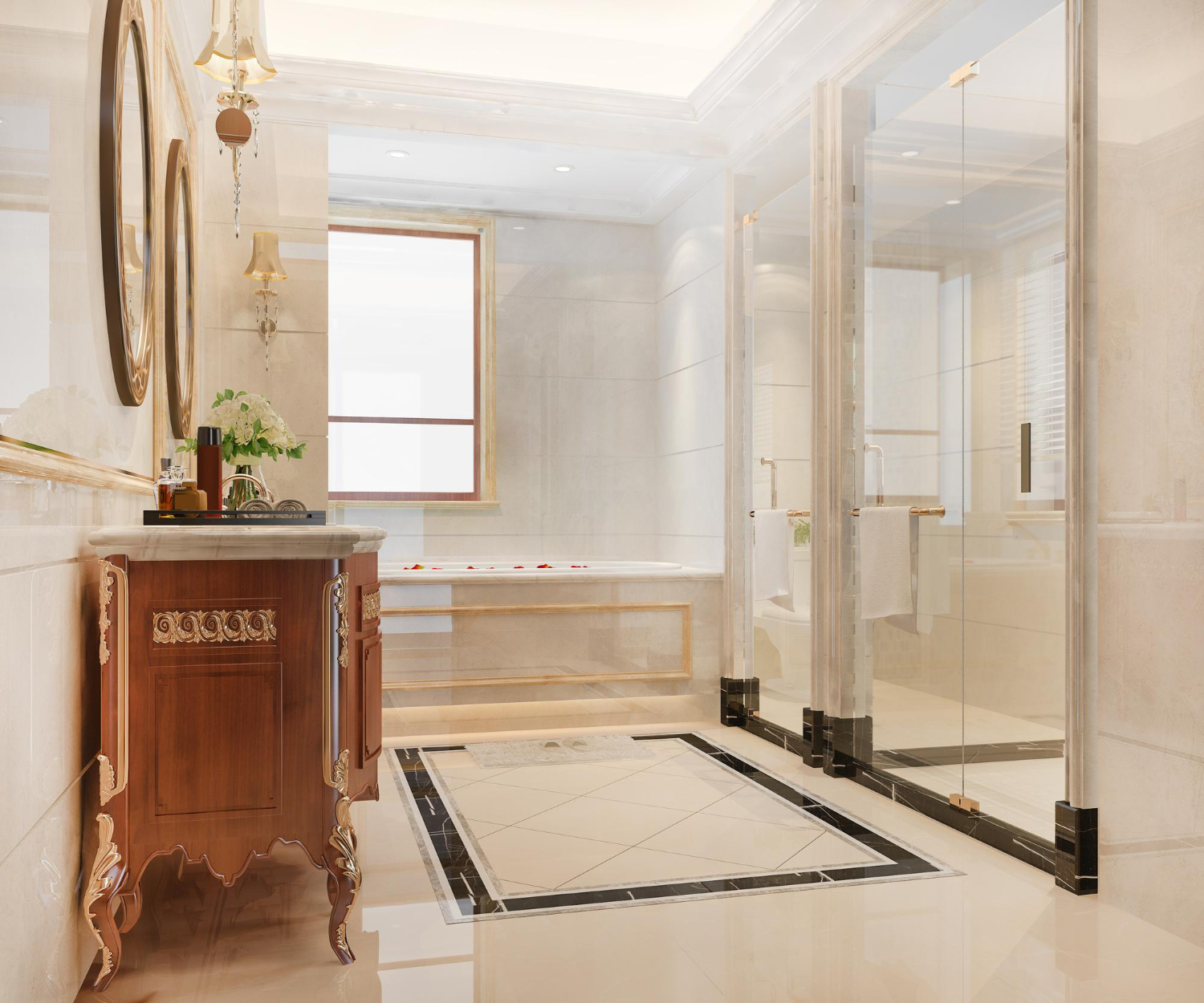
Modern floor design has advanced to the point where vitrified tiles can replicate marble’s appearance with remarkable accuracy. Digital printing reproduces veining, colour variations and textures so closely that the difference is hard to spot once installed.
The practical advantages are significant:
- Stain-resistant surface that handles turmeric and acidic spills
- Scratch-resistant finish rated for heavy foot traffic
- Zero maintenance beyond regular mopping
- Available in large formats (600x1200mm, 800x1600mm) that reduce grout lines and mimic the look of natural marble slabs
- Consistent pricing without the variability of natural stone
Popular Marble-Look Floor Design Styles for Indian Homes
Marble floor tiles are available in a variety of designs, making it easy to complement different interior styles while achieving the timeless appeal of natural marble.
Statuario white
A bright white base with bold grey veining. Best suited for living rooms and foyers where you want maximum visual impact. Pair with neutral walls and minimal furniture.
Bottichino cream
A warm beige-cream with soft veining. Works well in bedrooms and family rooms where a cooler white marble might feel too formal. Complements wooden furniture.
Calacatta gold
White marble with warm golden veining. A premium look that suits puja rooms and formal dining areas. The gold tones work well under warm lighting.
Marquina black
A deep black with white veining. Bold and dramatic. Use it in bathrooms, on bar counters or as a feature floor in an entryway. Best in smaller areas where the dark colour does not overwhelm.
Travertine look
A stone-textured marble alternative with earthy, layered tones. Suits villa corridors, covered patios and semi-outdoor areas. The texture adds warmth without formality.
Getting the Installation Right
Marble-look tiles need careful installation to look convincing. The goal is to minimise visible grout lines so the floor reads as a single surface.
- Use rectified tiles with precise edges for tighter joints
- Choose grout that matches the tile’s base colour
- Lay tiles in a brick or staggered pattern to avoid aligning the printed veining repeat
- For large rooms, use large-format tiles to reduce the number of joints
A skilled installer makes all the difference. Ask to see previous work before hiring.
Choosing the Right Manufacturer

Courtesy - Magnific
With marble-look vitrified tiles, print quality varies dramatically between manufacturers. Cheaper tiles often have flat, repetitive patterns that look artificial when laid across a large floor. Premium options feature high-definition printing and multiple face designs per batch, creating a more natural, stone-like appearance with minimal pattern repetition.
For example, premium brands like Simpolo Tiles & Bathware offer marble-look collections designed with high-definition veining and multiple face variations for a more authentic appearance. Its Marmorica collection also includes large-format vitrified tiles that combine the elegance of natural marble with enhanced durability and easy maintenance.
Conclusion
Rajan installed Statuario-look tiles across his villa’s living room and foyer. The floors have the same visual weight as the Italian marble he wanted, but he has not had to polish them once in two years. His only regret, he says, is not knowing about the option sooner. A good marble floor design does not require natural marble. It requires tiles that capture the look and skip the upkeep.
Also Read: 10 Indian Stones that are replacing Italian Marble and all the international Fad
Frequently Asked Questions – Marble Floor Tile Designs
1. Are marble-look vitrified tiles better than natural marble?
Marble-look vitrified tiles are often more practical because they are durable, stain-resistant and require less maintenance than natural marble.
2. Which marble tile design is best for living rooms?
Statuario-style tiles are a popular choice for living rooms because their white base and grey veining create a bright and sophisticated appearance.
3. Are marble-look tiles easy to maintain?
Yes. They generally require routine sweeping and mopping and do not need the regular polishing and resealing associated with natural marble.
4. What tile size is best for a marble floor design?
Large-format tiles can create a more seamless marble-like appearance because they reduce the number of visible grout joints.
5. How can marble-look tiles appear more realistic?
Choose tiles with high-definition veining, several face variations, rectified edges and grout that closely matches the tile’s base colour.
Courtesy - Featured Image(Magnific)
Author & Expert Review
Written By:  Gaurav Mishra | Civil Engineer & Content Writer

| Credentials: B.E. (Mahavir Swami College, Surat), Registered with Bhagwan Mahavir University (BMU). Experience: Civil Engineer with 5+ years of content writing experience, currently writing impactful articles for Gharpedia, part of SDCPL. Expertise: Specializes in writing well-researched content on residential construction, construction materials, design planning, on-site practices, and safety, blending technical accuracy with everyday clarity. Find him on: LinkedIn |
Verified By Expert:  Shekhar J. Parikh Co Founder – Gharpedia | Director – SDCPL
 Shekhar J. Parikh Co Founder – Gharpedia | Director – SDCPL
This article has been reviewed for technical and execution accuracy by Shekhar J. Parikh, Director and Consulting Engineer at Sthapati Designers & Consultants Pvt. Ltd. With over 40 years of experience in civil engineering, project execution, and construction management across Gujarat and Maharashtra, he ensures the content reflects practical site knowledge, quality control standards, and industry best practices, while also supporting informed decision-making for property buy, sell, and rent considerations.
Find him on : Linkdin