





Table of Contents
Quick Summary
- Proper insulation regulates indoor temperatures across Australia’s varied climates, keeping homes cooler in summer and warmer in winter.
- Improving thermal performance reduces reliance on heating and cooling systems, lowering unnecessary energy use over time.
- Key areas requiring thermal protection include roofs and ceilings, exterior walls, and raised or suspended floors.
- Options range from traditional batts and loose-fill to reflective layers and spray foam for complete gap sealing.
- Upgrading insulation for Australian homeowners enhances indoor air quality, reduces noise transmission, and protects building materials over time.
Courtesy - Magnific
Older Australian homes can become uncomfortable as temperatures rise and fall throughout the year. Poor insulation, draughts, and ageing building materials can make it harder to maintain a consistent indoor temperature, increasing reliance on heating and cooling. Modern solutions such as spray foam insulation can reduce unwanted heat transfer while improving a property’s overall thermal performance.
This guide covers why insulation matters, the main areas that benefit, modern insulation options, and the factors homeowners should consider before upgrading.
Why Insulation Matters in Australian Homes
Because Australia has a wide range of climates, homes often face big temperature changes during the year. In summer, heat comes in through the roof, walls, and windows. In winter, warmth escapes through those same spots.
Good insulation helps keep too much heat from moving in or out of the home, making indoor temperatures easier to manage. It can also reduce the workload on your heating and cooling systems. In an older home, improving the insulation is a practical upgrade that can make the house more comfortable and perform better over time.
How Insulation Can Improve Energy Efficiency
Good insulation can help keep heat out during hot weather and hold onto warmth when temperatures drop. With more comfortable indoor temperatures, homeowners may not need to run their air conditioning or heating as often or leave it running as long.
While actual energy savings depend on the property’s design, climate, and existing insulation, improving thermal efficiency can help reduce unnecessary energy use over time.
The Main Areas of a Home That Need Insulation
Roof and Ceiling
Courtesy - Magnific
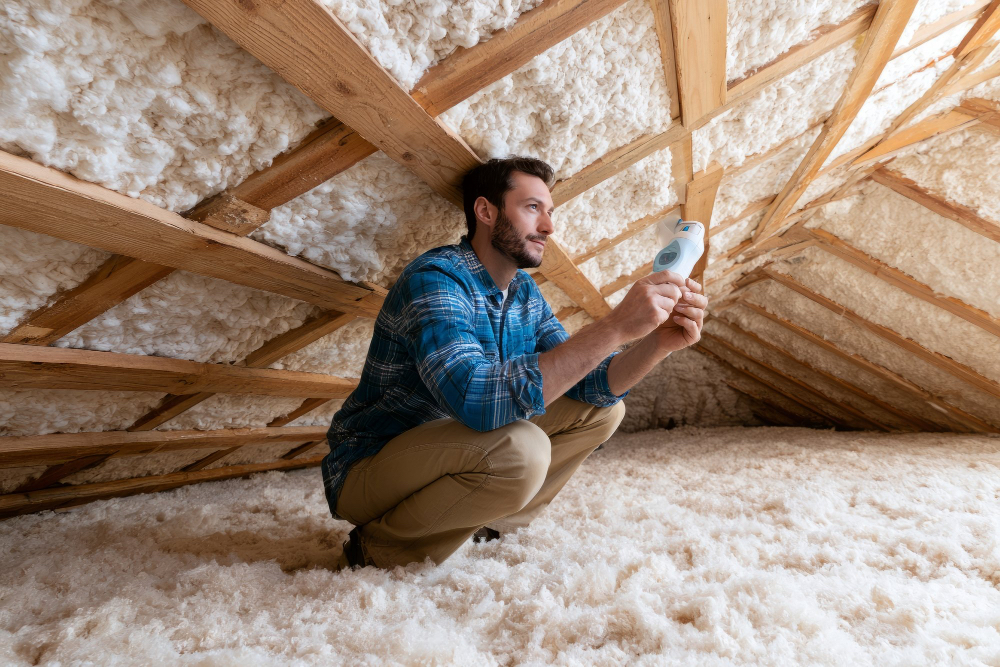
Because the roof is directly exposed to outdoor temperatures, it can be a major source of heat transfer. Properly insulating the ceiling and roof space can help keep unwanted heat out in summer and prevent too much warmth from escaping in winter.
Walls
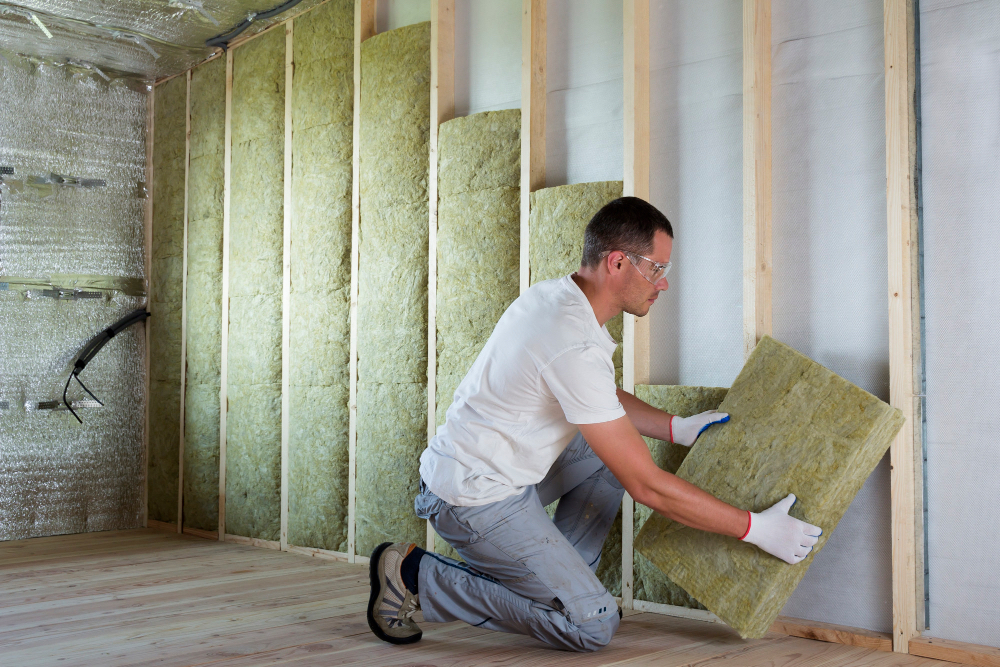
Courtesy - Magnific
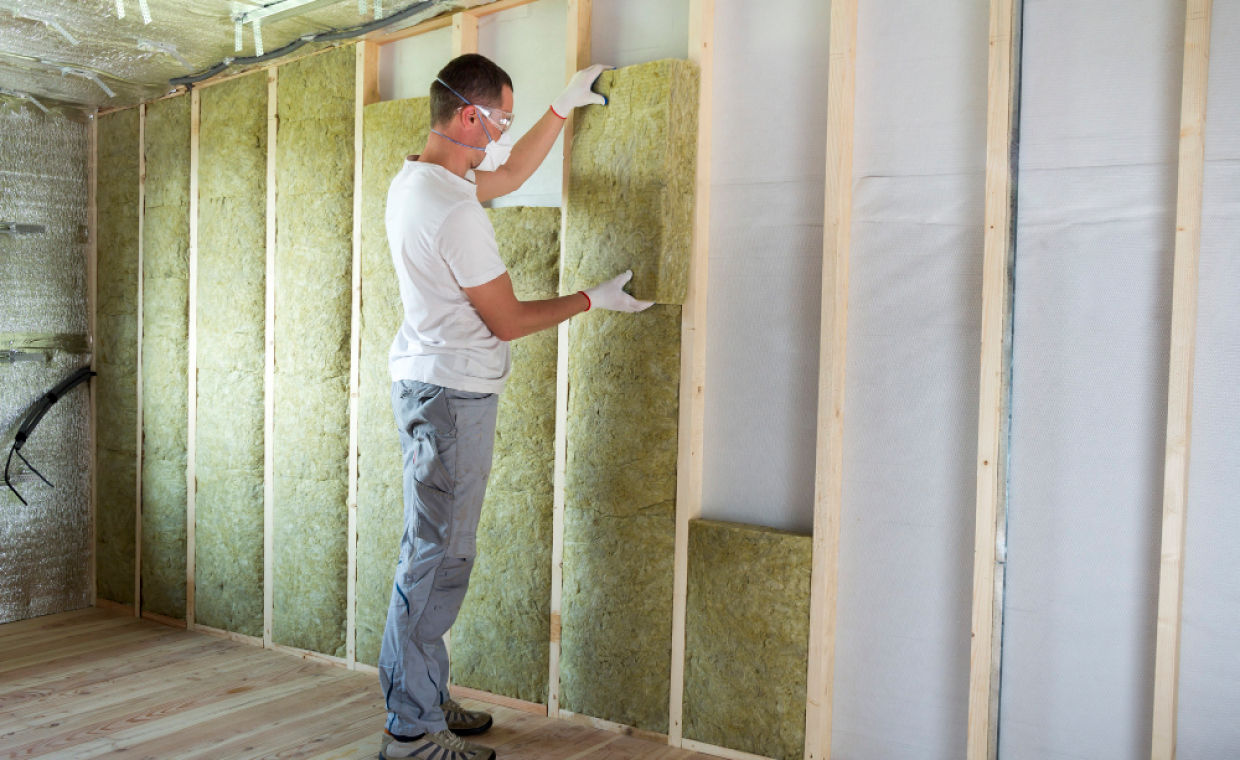
Wall insulation helps keep indoor temperatures steady by slowing down heat transfer through exterior walls. You can add wall insulation during renovations or include it when building a new home, depending on how your house is built.
Floors
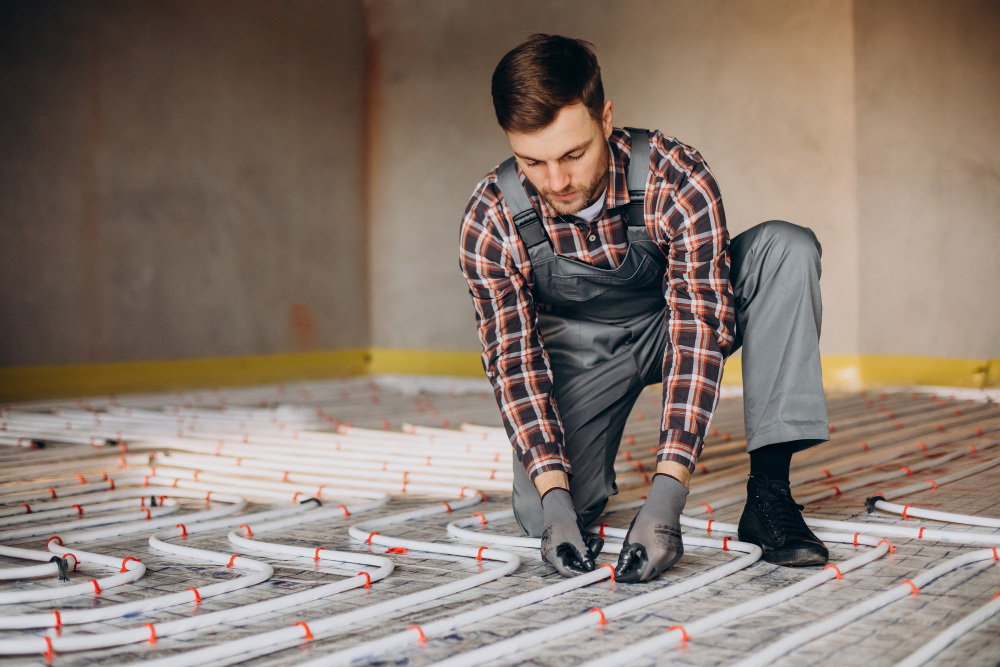
Courtesy - Magnific
Floors can also let heat move in and out of a home, especially where the floors are raised or suspended. Adding the right insulation can help limit this heat transfer and make the rooms above more comfortable.
Modern Insulation Options for Homeowners
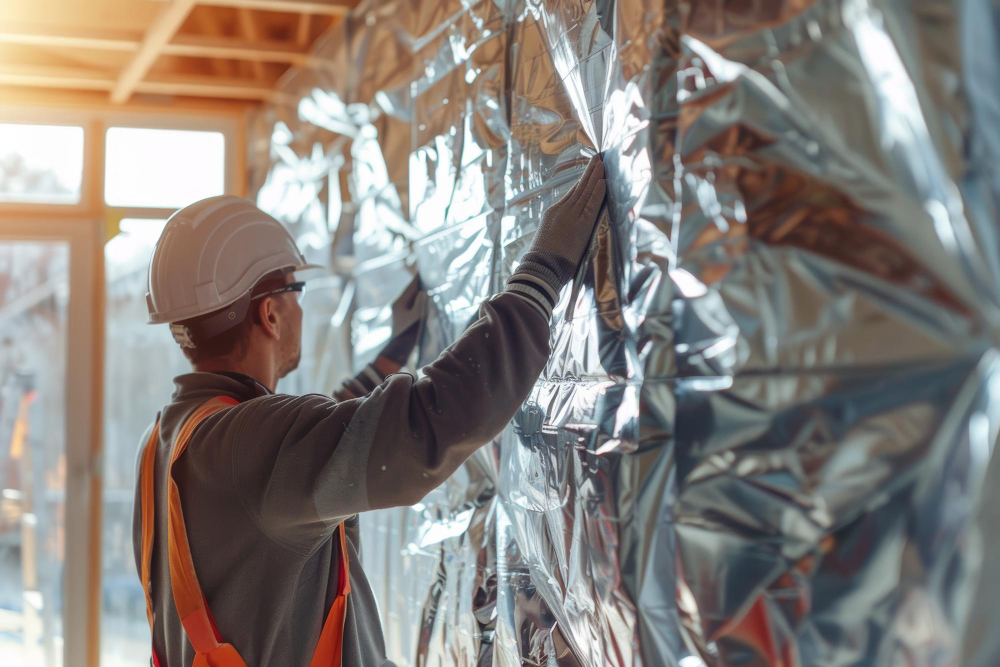
Courtesy - Magnific
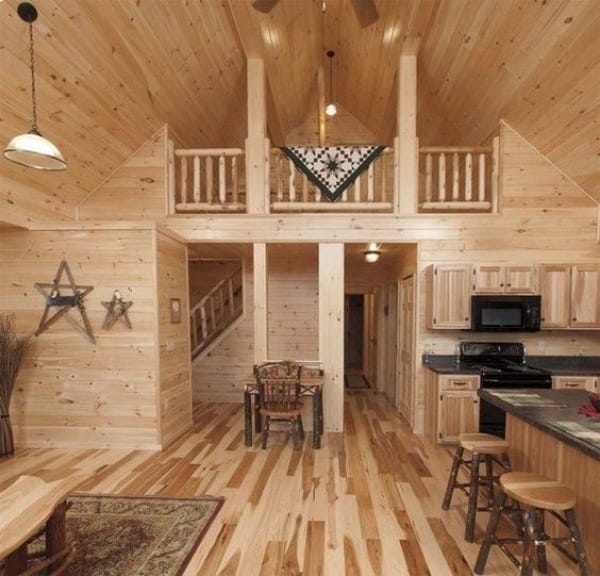
Homeowners can choose from several insulation options, including batts, loose-fill, and reflective insulation. Spray foam is another option, especially if you need to seal gaps. It fills spaces and helps stop unwanted air and heat from moving through your home.
The right solution depends on factors such as the property’s construction, location, existing insulation, and the areas requiring improvement.
Insulation Can Improve Year-Round Comfort
A well-insulated home stays cooler in hot weather and keeps warmth in during cold months. It can also help even out temperatures between rooms, making your home more comfortable all year.
Other Benefits of Investing in Insulation
Improved Indoor Air Quality
Sealing unwanted gaps can reduce draughts and limit uncontrolled air infiltration from outside.
Noise Reduction
Some insulation materials can also help reduce sound transmission between rooms or from outside.
Building Protection
Using the right insulation and controlling moisture can help protect building materials and prevent problems later on.
Potential Property Appeal
Energy-efficient features can also appeal to buyers who want a home with better thermal performance.
What to Consider Before Upgrading Your Insulation
Before upgrading, check the condition of your current insulation and find out which areas lose or gain the most heat. Your home’s age, construction, and local climate should also help you decide which insulation to choose.
A professional assessment can help determine the right solution and whether you need to address any installation requirements first.
Is Insulation a Worthwhile Long-Term Home Upgrade?
Compared with improvements that provide only short-term benefits, insulation can support a home’s performance for many years when the right product is installed correctly. The goal should not be immediate energy savings alone, but improved comfort, reduced heat transfer, and better overall efficiency.
Conclusion
Upgrading insulation can make an older Australian home more comfortable, energy efficient, and practical all year. Before you start, check your current insulation and figure out where you need the most improvement.
If you’re unsure whether your home needs more insulation, start by checking what is already in place. From there, you can determine which areas need attention and choose an option that suits your home.
Also Read: Top 6 Affordable Ways to Enhance Your Home’s Insulation
Insulation for Australian Homeowners’ FAQs
1. Why is insulation important for Australian homes?
Australia experiences significant seasonal temperature shifts. Insulation prevents excessive heat from entering during summer and traps warmth inside during winter, making your living spaces far more comfortable year-round.
2. Which areas of a home benefit most from insulation?
The roof and ceiling space are the most critical since they face direct sun exposure. However, insulating exterior walls and raised floors also plays a major role in stopping draughts and heat loss.
3. What types of insulation materials are available?
Common options include insulation batts, loose-fill, reflective materials, and spray foam insulation, which is particularly effective for filling gaps and stopping air infiltration.
4. How does upgrading insulation benefit homeowners in the long run?
Beyond energy efficiency, choosing proper insulation for Australian homeowners improves indoor air quality, lowers exterior noise levels, protects structural materials from moisture damage, and increases overall property appeal.
5. What should I inspect before upgrading my current insulation?
Assess the age of your property, the existing insulation condition, and local climate demands to identify where heat transfer occurs most before choosing a modern replacement.
Courtesy - Featured Image(Magnific)
Author & Expert Review
Written & Verified By :  Ravin Desai – Co Founder – Gharpedia | Co Founder – 1 MNT | Director – SDCPL

| Credentials: B.Tech. in Civil Engineering from VNIT Nagpur and M.S. in Civil Engineering from Clemson University, USA. Co-Founder of Gharpedia and Director at Sthapati Designers & Consultants Pvt. Ltd.. Experience: Civil engineering professional with over a decade of international and Indian experience in the construction and design consultancy sector, with expertise in technical review and industry practices. Expertise: Specializes in reviewing technical content related to civil engineering, construction, design consultancy, materials, and industry practices. He ensures content is technically accurate, aligned with industry standards, and reflects practical construction and design best practices. Find him on: LinkedIn |