








Table of Contents
Quick Summary
- Bathroom cleaning is often disliked, but simple hacks can make it easier and budget-friendly.
- Key cleaning areas include the toilet, sink, bathtub, and shower.
- Baking soda, vinegar, lemon, denture tablets, and cola work effectively for toilet bowl cleaning and stain removal.
- Bathtubs stay clean with regular wipe-downs; baking soda and vinegar remove grime and prevent rings.
- Lemon, baking soda, hydrogen peroxide, and cream of tartar help remove stains, rust, and discolouration.
- Showerheads can be unclogged using vinegar soaking, while glass shower doors clean easily with shampoo or vinegar.
- Sink issues like dripping faucets may require washer replacement.
- Shower curtains can be cleaned or made mildew-resistant with saltwater and vinegar.
- Always follow safety, maintenance, and hygiene practices for a clean bathroom.
Ask anyone ‘Which room in your house do you absolutely hate to clean?’ and we bet nine out of ten will respond with ‘The bathroom!’ This is because the bathroom cleaning process is tedious and boring. Wondering how to spruce up your bathroom on a budget? While we don’t have any magical solutions for avoiding the chore of bathroom cleaning and maintenance, we at Gharpedia do have some helpful hacks on how to achieve satisfying results without breaking a sweat. Follow these simple bathroom cleaning tips and tricks, and never wonder again how to spruce up a bathroom.
How to Spruce up a Bathroom Easily and on a Budget?
So, let’s start with the four universal elements of all bathrooms – toilet, sink, bathtub and showers. Below are bathroom cleaning tips and tricks to follow for achieving perfect bathroom hygiene.
How To Clean a Toilet Properly for Better Bathroom Hygiene?
According to the World Toilet Organization, the average person uses the toilet 2,500 times each year–that’s about 6 to 8 times a day. It will probably come as no surprise that women generally spend more time using the toilet than men.
With all that use, it’s no wonder that the toilet needs cleaning, eh? Here are some hints for cleaning the toilet bowl that will leave it gleaming as you flush!
How to Clean a Toilet Bowl Naturally ?
Follow the tips for cleaning the toilet bowl:
- For basic cleaning, just toss two or three tablespoons of baking soda around the bowl, then scrub with a toilet brush and flush.
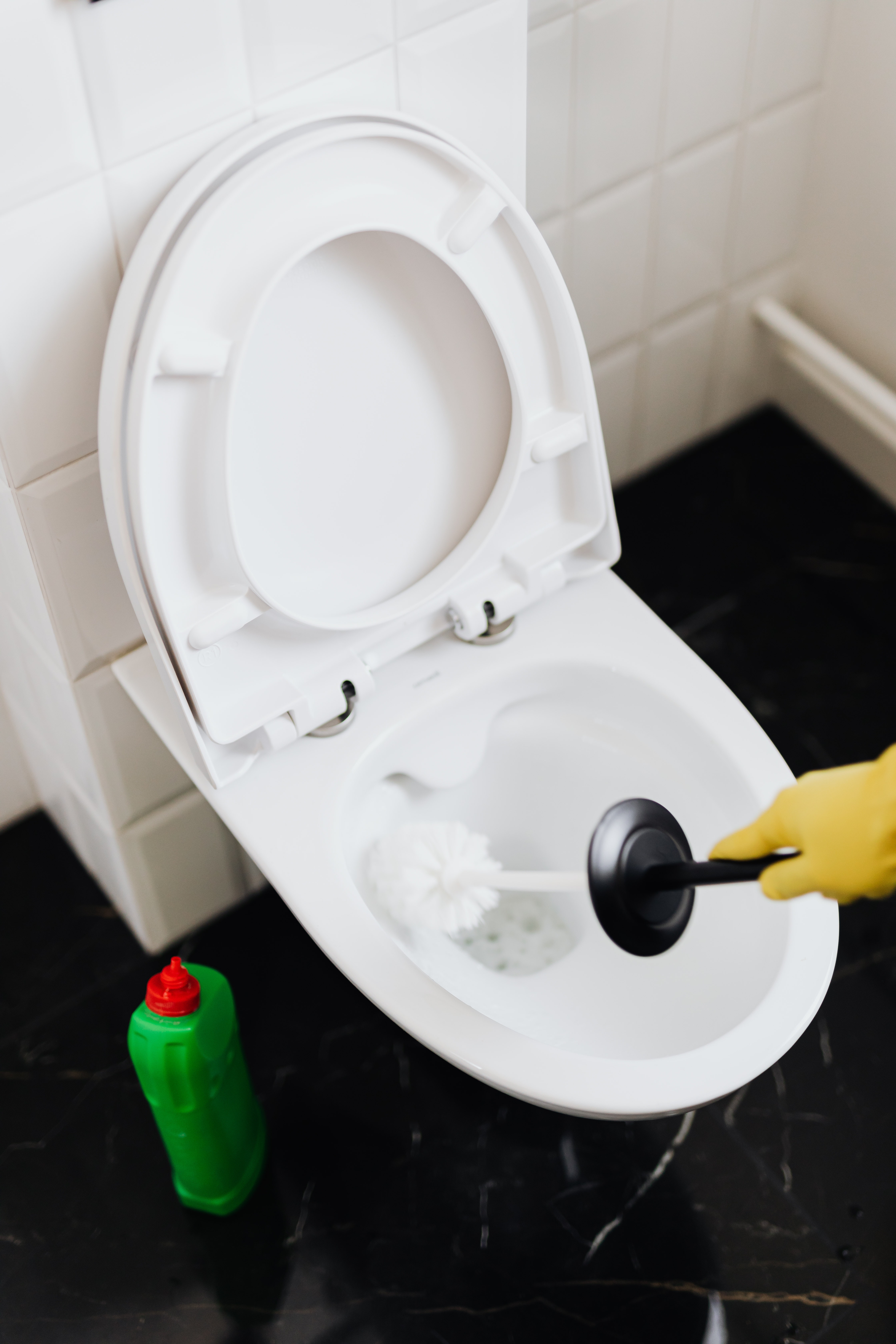
- If you want to deodorise and disinfect, pour half a cup of distilled white vinegar around the bowl, with or without the baking soda. Let it sit for a few minutes, and then scrub with a brush and flush.
How to Make a Toilet Bowl Shine Naturally?
Every now and then, pour one litre of cola–flat or frizzy, regular or diet–into the bowl. Let it stay there for an hour or so and then flush to see how the porcelain sparkles.
How To Remove Hard-Water Rings from a Toilet Bowl?
- A ring in the toilet is usually because of hard-water build-up. Make a paste of Borax powder (available at supermarkets and drugstores) and a few drops of lemon juice. Wet the bowl by flushing the toilet. Then smear the paste on the ring with a sponge or plastic knife. Let it stay there for a couple of hours. Then scrub with a toilet brush and flush.
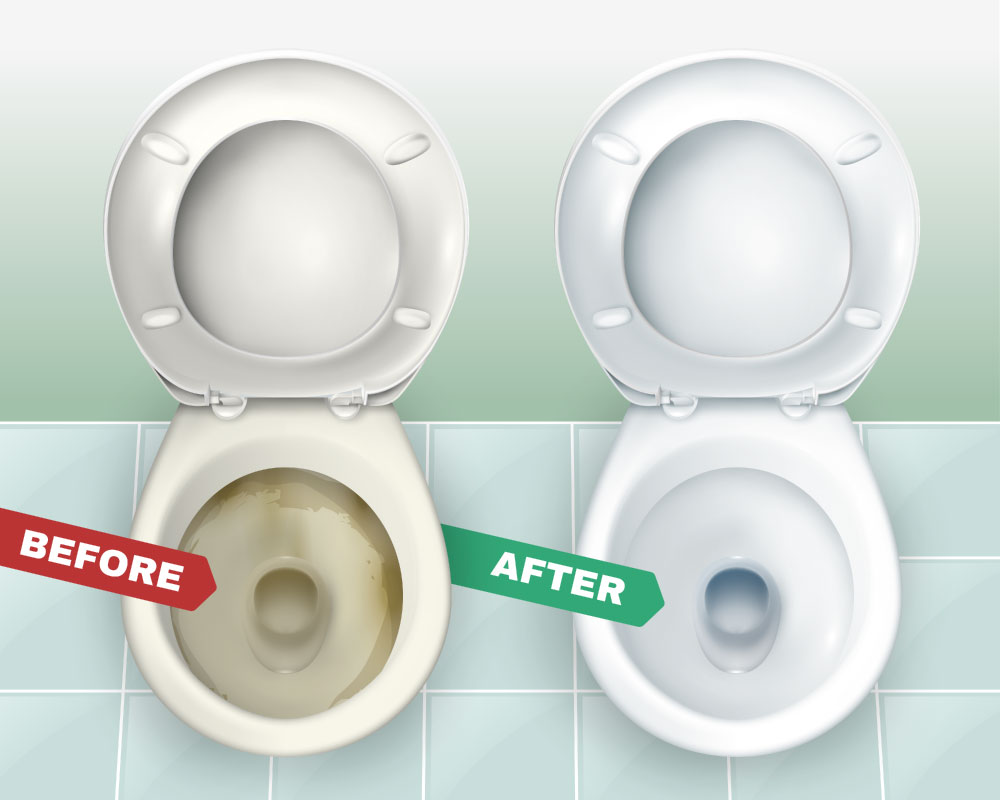
- Wet a pumice stone (available at drugstores) with a bit of water and then gently rub the toilet ring with the stone. Wetting the stone is important because a dry pumice stone will scratch the porcelain surface.
A bathroom cleaning checklist is incomplete without the stain-removal process.
How To Remove Stubborn Stains from a Toilet Bowl:
- Drop a couple of Alka-Seltzer or denture-cleansing tablets into the toilet bowl. Once the fizzing stops, scrub the stains with a brush and flush.
- If you have some Tang fruit juice powder, sprinkle one-third cup of the powder in the bowl. Leave it there for a few hours and then scrub with a brush and flush.
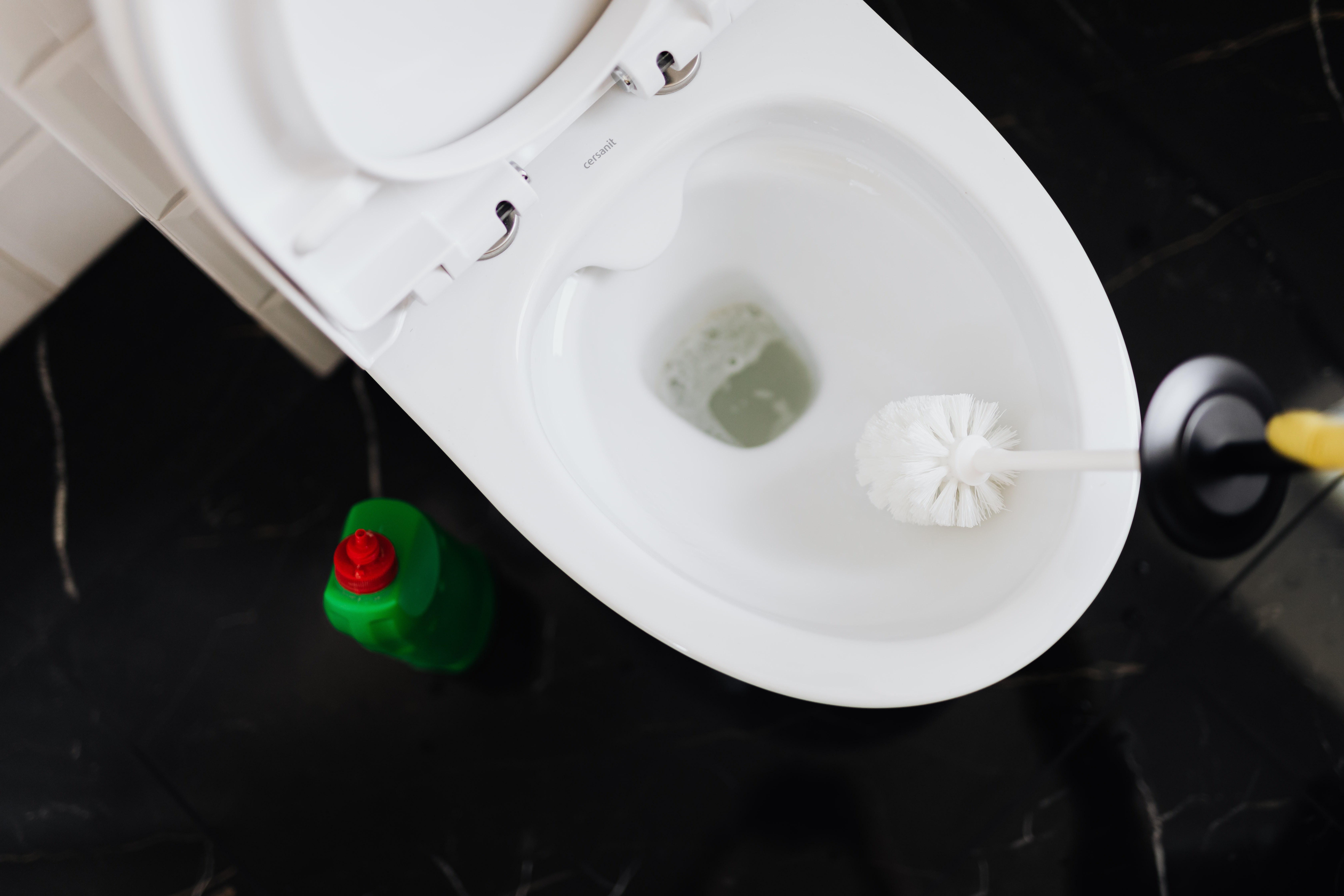
- If the stains are too tough for Tang or denture cleanser, empty a few Vitamin C capsules. You can even crush the Vitamin C tablets and drop them into the bowl. Let it sit for a few hours, then scrub with a brush and flush.
How To Clean and Disinfect a Toilet Seat?Cleaning Toilet Seat:
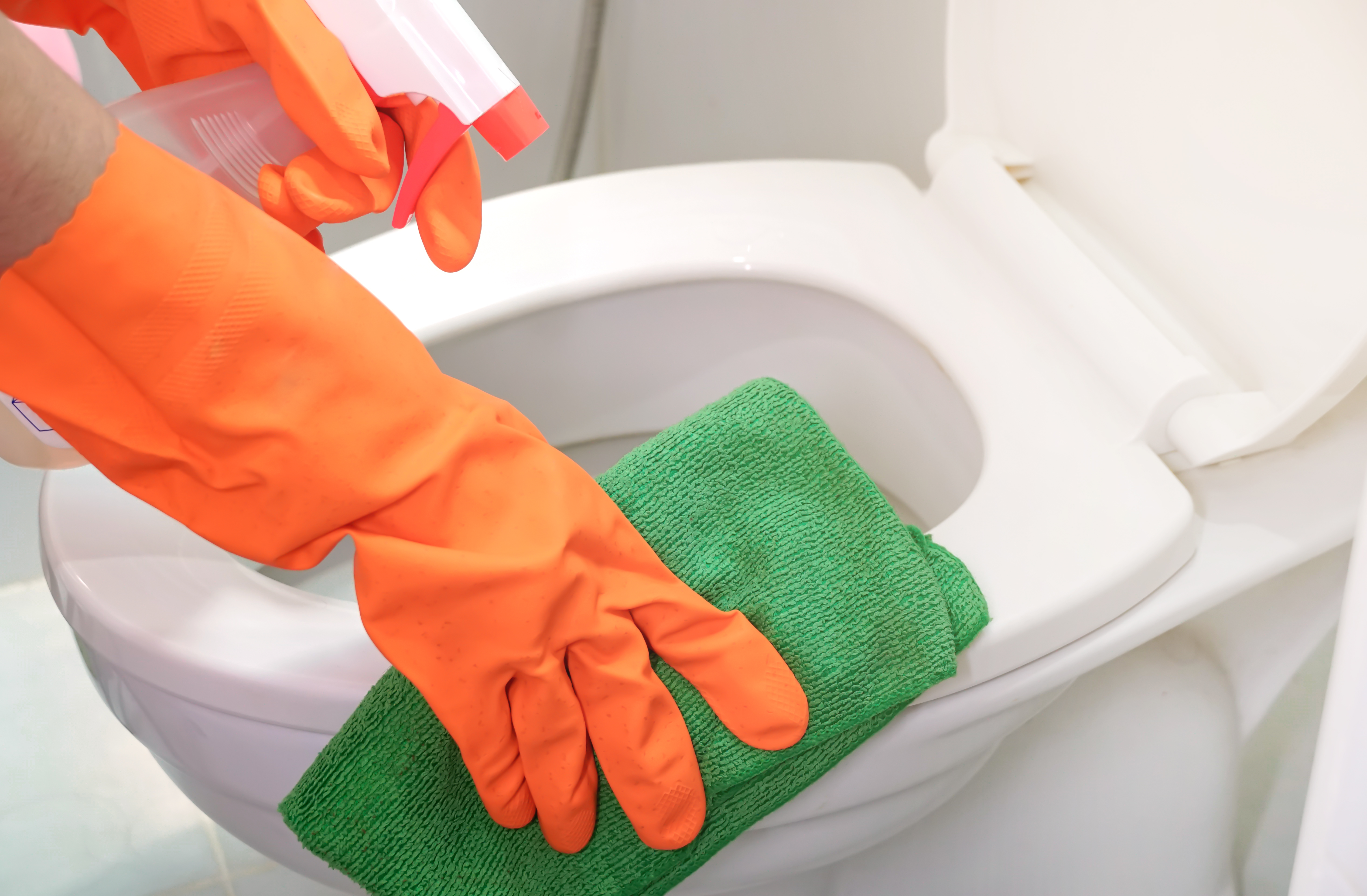
The bathroom cleaning process is incomplete without cleaning the toilet seat. There’s no rocket science involved in cleaning a toilet seat! Just spray a mixture of distilled white vinegar (half cup), plain water (half cup) and tea tree oil (15 drops) on both sides of the toilet seat, and then wipe off with a dry cloth. Are you worried about the vinegar odour lingering in your bathroom? Relax, it’ll fade off and be replaced with the fresh fragrance of tea tree oil!
Why Is Cleaning the Toilet Tank Important?
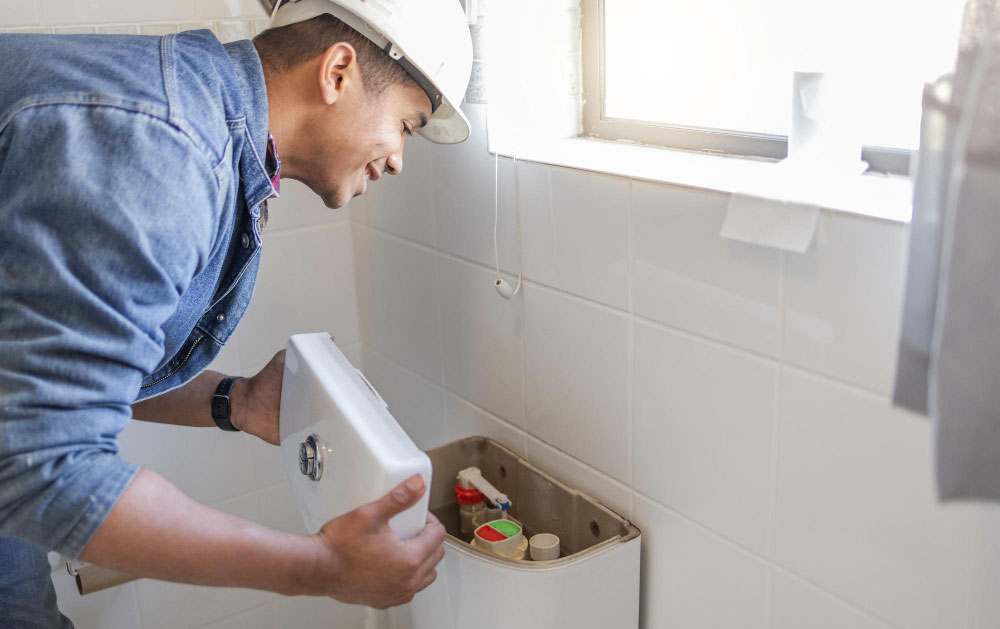
The parts inside a toilet tank, including the flush valve and the ballcock, are constantly submerged in water and are used many times each day. There’s a lot of wear and tear on these parts, and even though they are fairly easy to replace, you want them to do their job properly as long as possible. The following suggestions should help make that happen:
How To Clean a Toilet Tank at Home ?
- Once a month, before you go to bed, pour half of a one-pound box of baking soda into the toilet tank. The next morning, when you flush the toilet, the tank–and the bowl too should be clean.
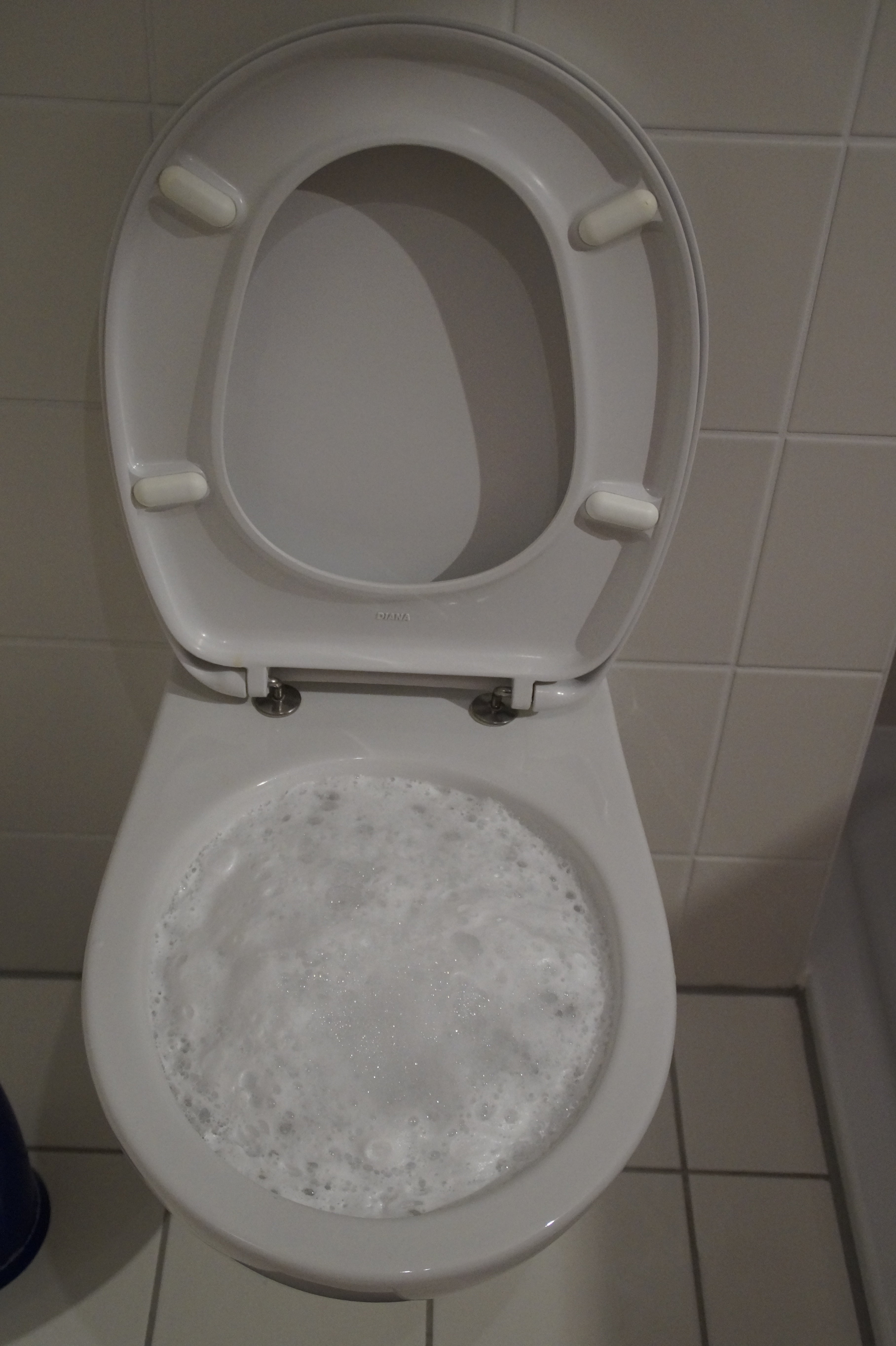
- Drop in a couple of denture cleansing tablets. Wait for one hour for them to stop fizzing, then flush them clean.
How Can You Prevent a Toilet from Overflowing?
If, after you flush, the water is rising higher than it should, quickly turn on the cold water in the sink as well as in the bathtub or shower. The cold water coming through the pipes will cause a vacuum that helps suction the water in the toilet down the drain. Commit this tip to memory. It’s a great thing to know, especially when you are at someone else’s home.
How To Unclog a Toilet Without a Plunger?
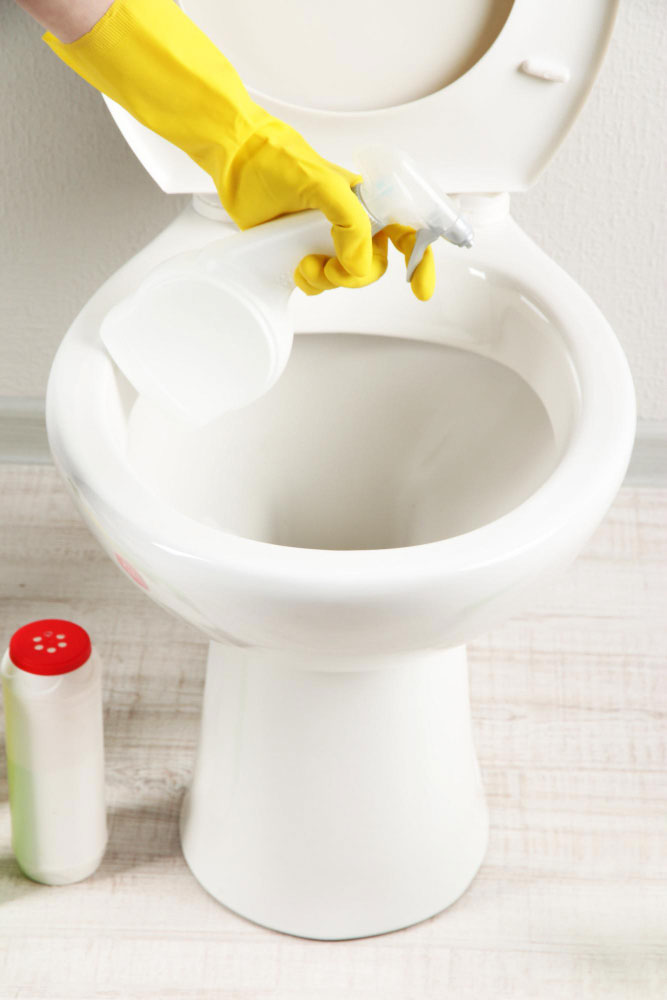
Usually, a plunger is used to unclog a toilet. If you have a minor clog and no plunger available, try squirting about two ounces (four tablespoons) of liquid dish detergent into the bowl. Give it at least 15 minutes to work its magic, then flush (keep in mind the overflow prevention method given above).
Worms in the toilet hint at a serious hygiene concern. Follow our tips to get rid of them:
How to Get Rid of Worms from My Toilet? | Quick and Simple Tips
Now, after cleaning the toilet, let’s move to another component of bathroom cleaning, i.e. the bathtub.
How Do You Clean and Maintain a Bathtub Effectively?
The next element in our guide on how to spruce up a bathroom is the bathtub. Today, it seems we’ve come full circle, and whatever your reason for using your bathtub, here are some ways to make it the best it can be.
What Is the Best Way to Clean a Bathtub?
The best time for cleaning the bathtub is right after someone has taken a shower or bath, while the room is still warm and humid. This helps loosen grime before it has a chance to harden. When cleaning the bathtub, kneel on a couple of sponges or shoulder pads. Your knees will be glad you did.
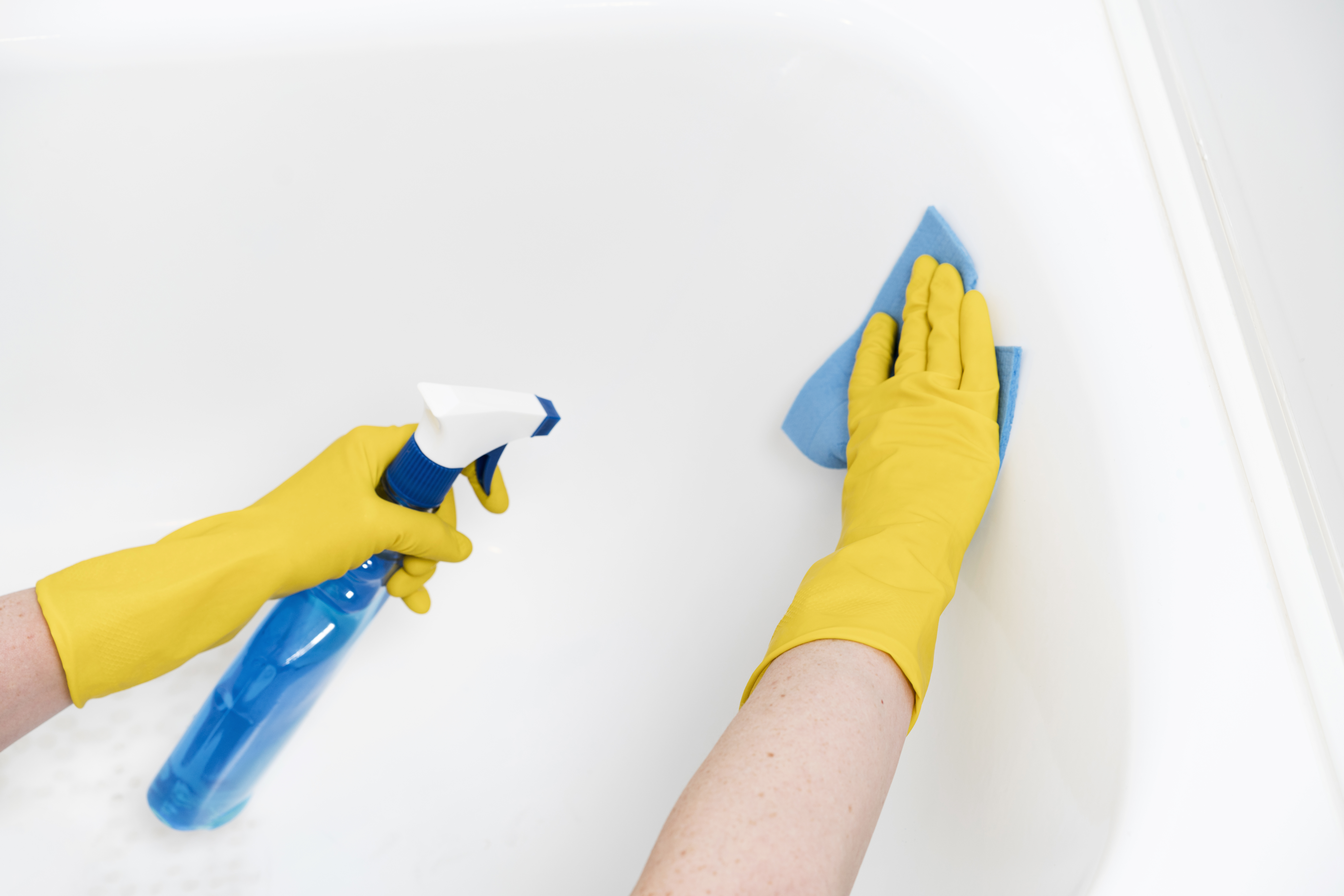
Try this for an easy cleanser – sprinkle baking soda around the tub, then wet a washcloth with distilled white vinegar and scrub and rinse.
If you do this once or twice a week, chances are there will be no need to scrub. It will be more like ‘just wipe it down’. Plus it’s great that you are not using harmful chemicals or drain-clogging cleansers. There you go, your bathtub is so clean!
How To Prevent and Remove Bathtub Rings?
With prevention being better than cure, to ascertain that there are no messy rings marring the artistic splendour of your bathtub, abstain from using oily products like bath salts, pearls, gels, bubble baths, et al.
In case you still have bathtub rings despite not using such products, relax. Simply add half a cup of baking soda to the running water as you fill the tub. Drain the water after your bath, and voila, no bathtub rings! As a bonus, baking soda also leaves your skin softer, smoother, and well-conditioned.
How To Remove Different Types of Bathtub Stains?
Stains can take away the sparkly look from your bathroom. Hence, it is essential to clean them as early as possible. Here’s our handy guide to removing stains from a bathtub.
How Do You Remove Chlorine Water Stains from a Bathtub?
- Put a few paper towels on the water stains and then pour distilled white vinegar on the towels. Let them sit for at least 30 minutes, until the towels are almost dry and the stains are gone.
- If the stains are stubborn and vinegar alone doesn’t remove them, sprinkle baking soda over the stains and wipe them away using the moist paper towels.
How To Remove Bathtub Discolouration Naturally?
- Cover the discoloured spots with lemon and let it stay there for about 30 minutes. Then sprinkle one tablespoon of baking soda on a wet washcloth and scrub the discoloured spots.
- If you’re still seeing spots, take one tablespoon of cream of tartar and add a few drops of 3 per cent hydrogen peroxide. Make a paste and rub the paste using an old toothbrush on the discoloured spots. Let it dry and rinse it off clean.
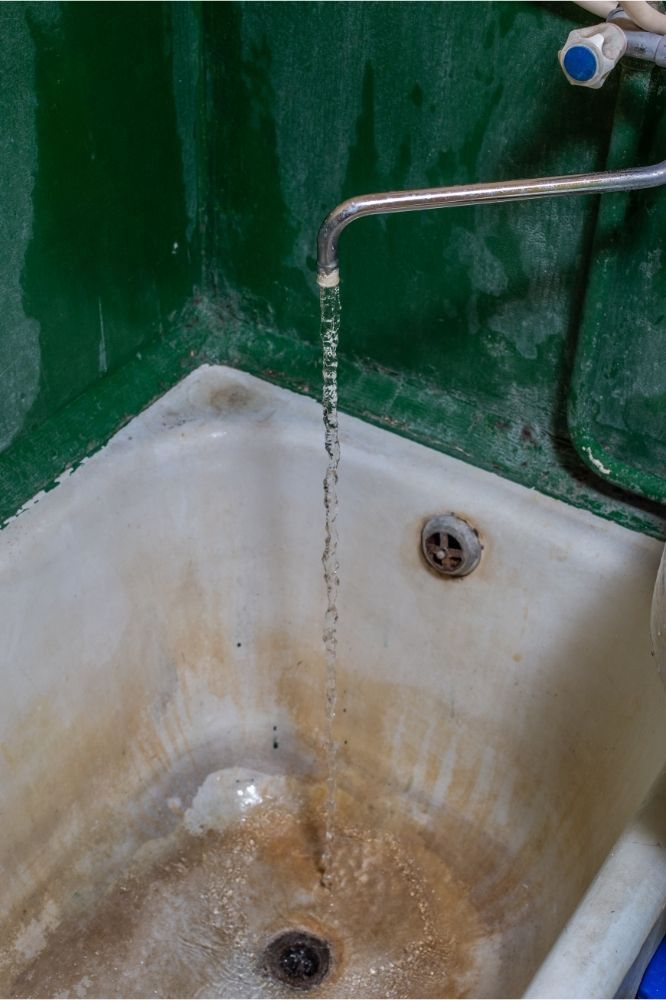
How Do You Remove Rust Stains from a Bathtub?
Does the can of shaving cream leave a rust ring in the bathtub or on the sink? Paint the bottom rim with colourless nail polish. Let it dry thoroughly and then give it a second coat.
Courtesy - Attribution Required
- Mix one teaspoon of table salt or cream of tartar with one-fourth teaspoon of lemon juice to make a paste. Apply the paste on a soft cloth and rub the rust stain away. Then be sure to paint colourless nail polish on the bottom of the can that caused the rust ring.
These easy stain cleaning tips are your ultimate answer to how to spruce up your bathroom on a budget.
How Should You Clean Bathtub Mats Properly?
If you have a rubber or vinyl bathtub mat, throw it in the washing machine with a load of towels. The agitating towels will scrub the mat clean. A word of caution – never put a rubber or vinyl bath mat in the dryer.
How Do You Remove Non-Slip Bathtub Appliques Safely?
- Put one cup of distilled white vinegar into a pan and heat it. Once the vinegar is hot, soak a sponge or cloth in it, then use tongs to plop it on top of the applique. When it cools to room temperature, remove both the sponge or cloth and the applique.
- Cover the applique with a piece of aluminium foil, then heat it using a hair dryer set to hot. The heat softens the adhesive. After a minute or two, you should be able to peel it off.
- Dunk a straight-edged razor blade (it may help to use a blade holder) in liquid dish detergent and carefully scrape off the applique. Keep re-dunking as you progress. If some of the appliqué adhesive remains on the bottom of the tub, use nail polish remover to clean it off.
How To Clean and Maintain a Whirlpool Bathtub?
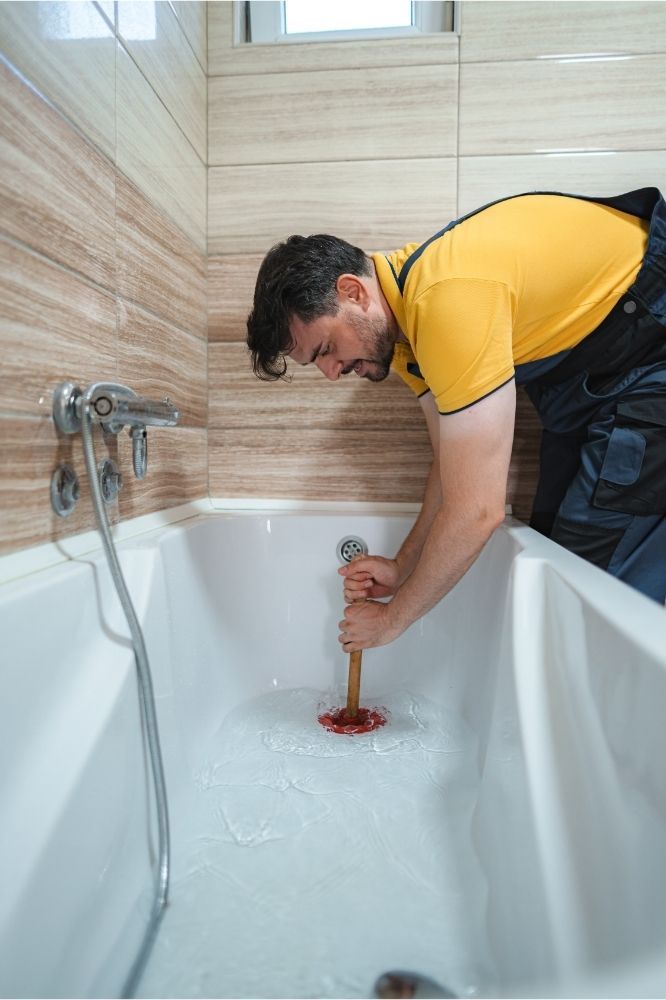
It’s important to prevent soap scum and anything else that might build up and clog the jets of the whirlpool. Once or twice a year, pour one gallon of distilled white vinegar into the water and run the whirlpool.
Cleaning the bathtub may be overwhelming, so now let`s move on to the handiest issue of the bathroom cleaning process, i.e. sink.
How To Clean and Maintain a Bathroom Sink?
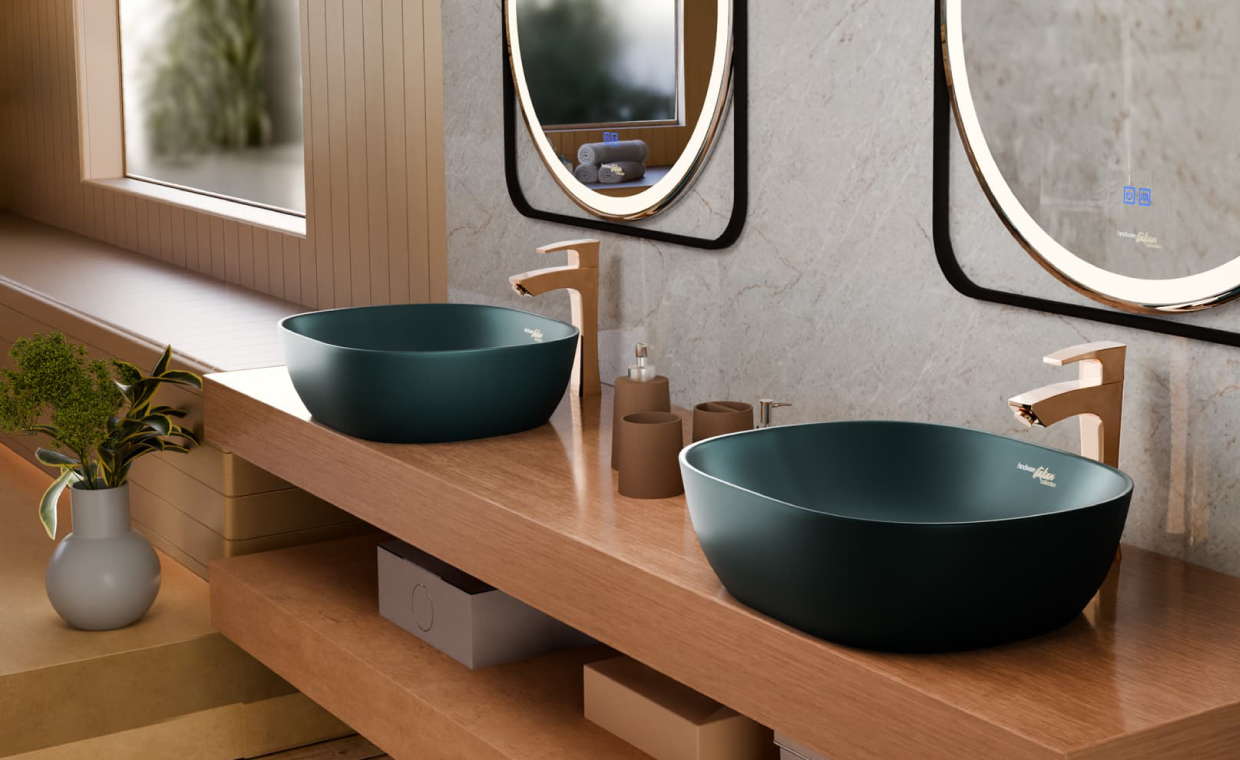
The next step in the bathroom cleaning checklist is cleaning the sink. Once considered utilitarian, bathroom sinks are now available in a wide range of colours, materials, shapes and sizes to match any décor. So if you want to wash your troubles down the drain, be sure to choose the right sink for the job! How To Fix a Dripping Faucet At Home?
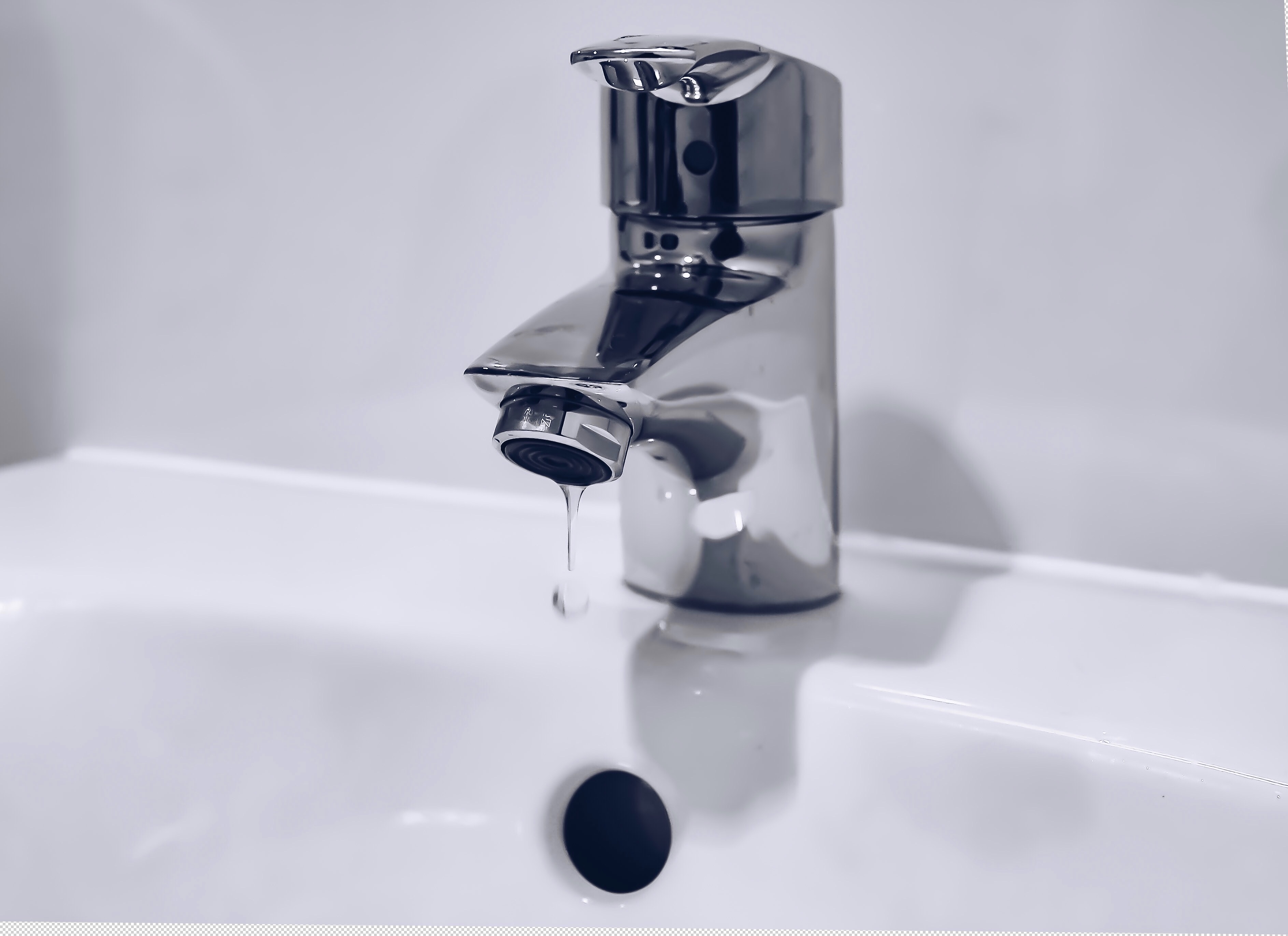
According to Roberts (2008), leaky faucets can waste up to 3000 gallons of water per year. Hence, it is necessary to fix a dripping faucet. If you can’t stop the faucet from dripping, you might need to replace the washer (a flat, rubber disk that prevents leakage). Any hardware store should have them – be sure to ask a knowledgeable salesperson for instructions.
Until you replace the washer, you can at least stop the drip from getting on your nerves. Just place a sponge or washcloth in the sink, directly underneath the faucet.
If you can still hear the drip, drip, drip, then wrap a towel around the faucet and keep it in place with a rubber band or piece of string. Or, just take the string and tie it around the spout – the water will run down the string quietly.
If the problem persists, it is advisable to call a plumber. A bathroom is incomplete without a shower! Whether you are enjoying a quick hot shower when running late in winter or a cold shower in the summer, cleaning and maintaining your shower is important. So, here is our guide to cleaning a shower:
How Do You Clean and Maintain a Shower Area Efficiently?
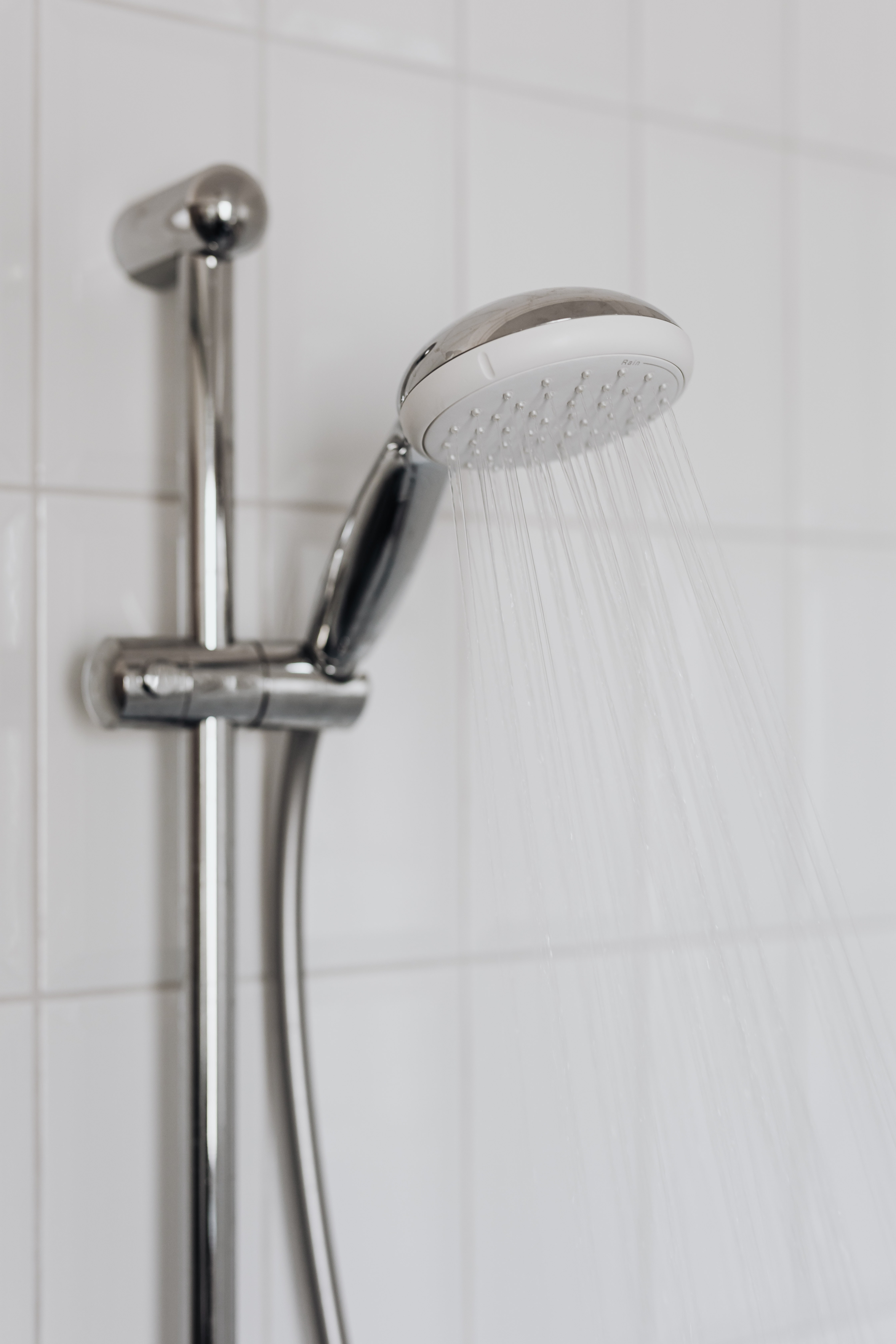
According to Roberts (2008), a five-minute shower uses 10 to 25 gallons of water, compared with 70 gallons for the average bathtub. Obviously, showering is a great way to get clean while saving water. You can save even more water by showering ‘The Navy Way’.
Due to the scarcity of fresh water on ships, sailors are taught to turn on the shower just long enough to get wet. Then they turn off the shower, quickly soap up and scrub and turn the shower on again to rinse off. Fast and efficient!
Whether you ‘Go Navy’ or shower any other way, here are some helpful hints to increase your shower power …
How To Clean a Clogged Showerhead Naturally?
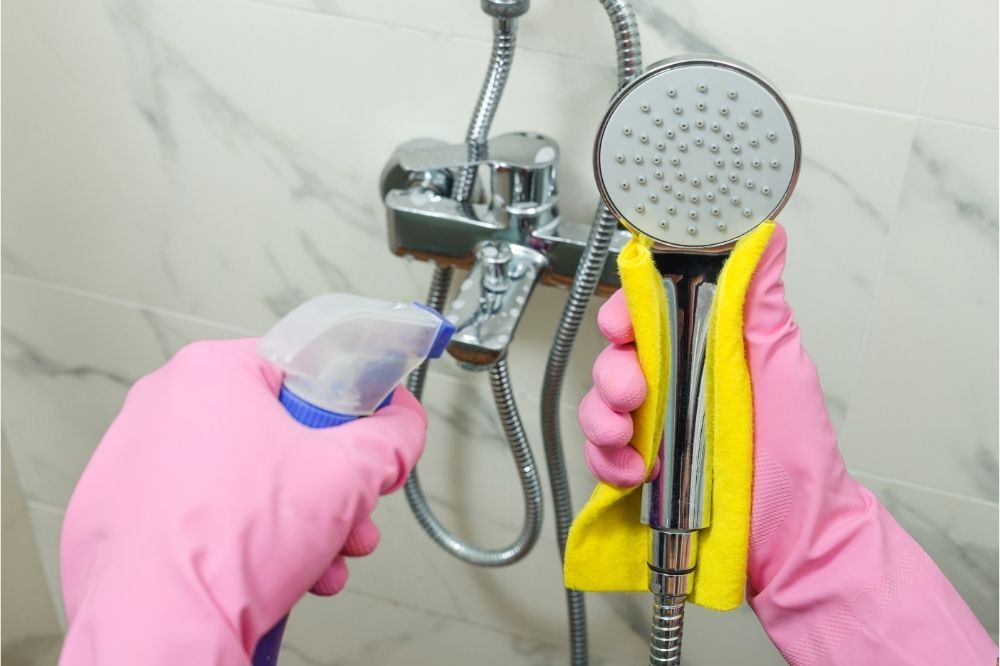
If you aren’t getting enough shower power, mineral deposits (hard water build-up) may be clogging the showerhead and minimising the spray. Here are tricks to clean showerheads:
- Do you have a full metal showerhead that can be safely detached from the pipe? If so, remove the showerhead and put it in a large pot with half a cup of distilled white vinegar and one gallon of water. Boil it for about 15 minutes. Then, when the showerhead is cool enough to handle, re-attach it.
- If the showerhead is not entirely metal, or if you cannot detach it from the pipe, pour about one cup of distilled white vinegar into a small leak-proof plastic bag. Put the bag over the showerhead and secure it in place with a thick rubber band or piece of string. Leave it overnight. In the morning, remove the bag, scrub the showerhead with an old toothbrush, and rinse with clean water.
How To Clean Glass Shower Doors Without Streaks?
- While you’re still in the shower, pour a little shampoo on a washcloth and wipe down the doors. Rinse them with the shower spray. After you’ve finished showring and drying yourself, wipe the doors dry with a towel or squeegee.
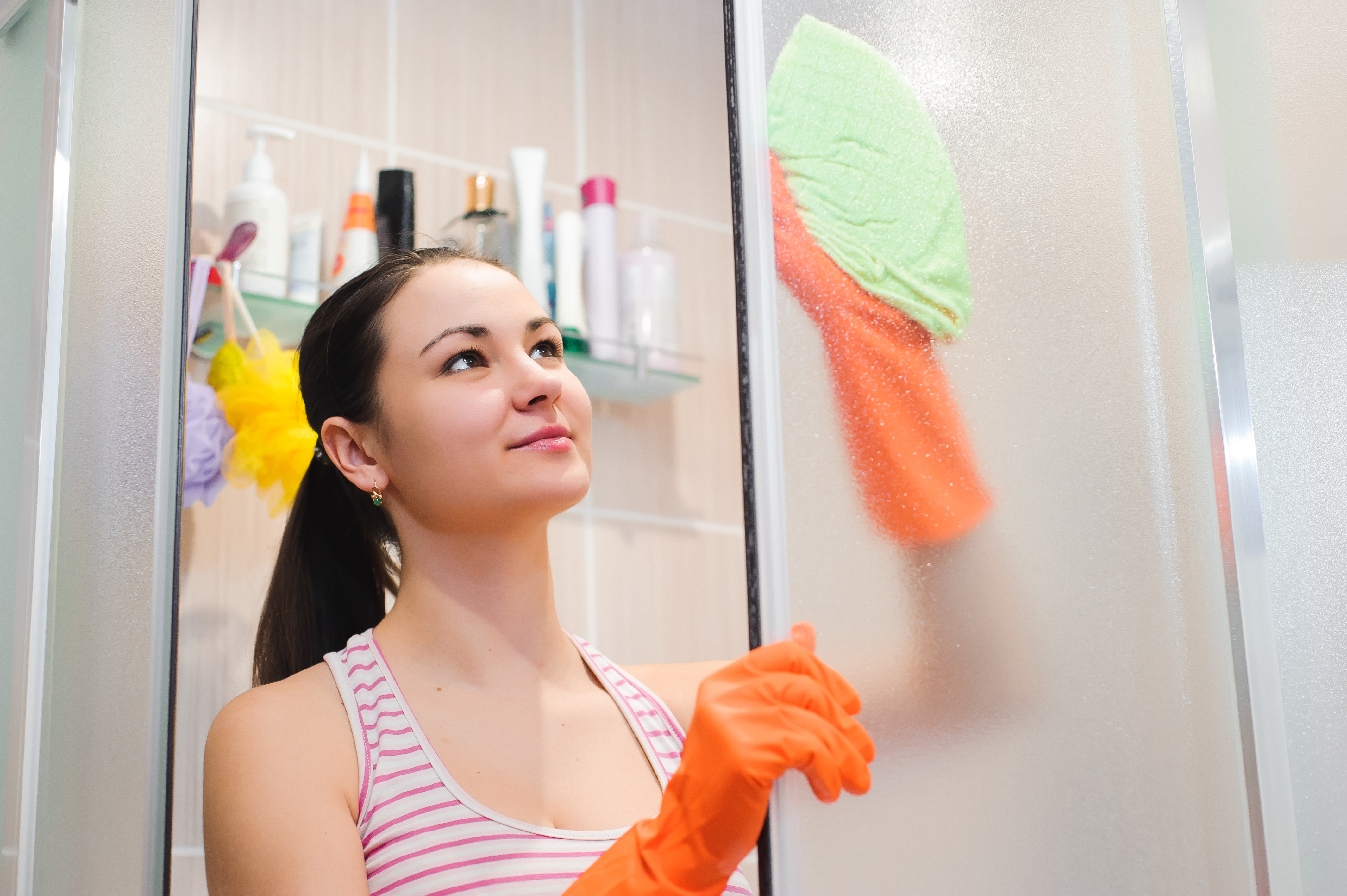
- That takes care of the inside of the shower doors. Clean the other side – the outside of the shower doors with one part distilled white vinegar to three parts plain water. Dampen a cloth with the solution and wipe down the doors, then dry them with a few paper towels or a dry cloth.
- For extremely grimy glass shower doors – either inside or outside – pour some full-strength distilled white vinegar onto a washcloth or sponge, and wipe the doors thoroughly. Wait for five minutes and then rub a corner of the door with the cloth or sponge. If the grime comes off easily, finish the job. If the scum and film don’t come off, sprinkle a bit of baking soda on the cloth or sponge and scour the doors until they’re clean. Then rinse with plain water and dry with a clean cloth or squeegee.
After cleaning the glass shower doors, it is important to maintain them to avoid further to avoid having to clean them every now and then.
How Can You Keep Shower Doors Clean for Longer?
Once your glass shower doors are clean, pour a few drops of baby oil onto a soft cloth and apply a layer to the doors. This will keep them free of soap scum, hard water deposits and dirt for weeks.
How To Clean Shower Door Tracks Easily?
Stuff up the drain holes in the door track with wadded-up pieces of paper towel or aluminium foil. Then trickle in distilled white vinegar into the track so that it covers the entire bottom of the track. Let it stay that way for 30 minutes. Then remove the paper or foil plugs and rinse the track with water. Wipe it dry with a clean cloth or paper towel. How To Clean a Plastic Shower Curtain and Remove Mildew?
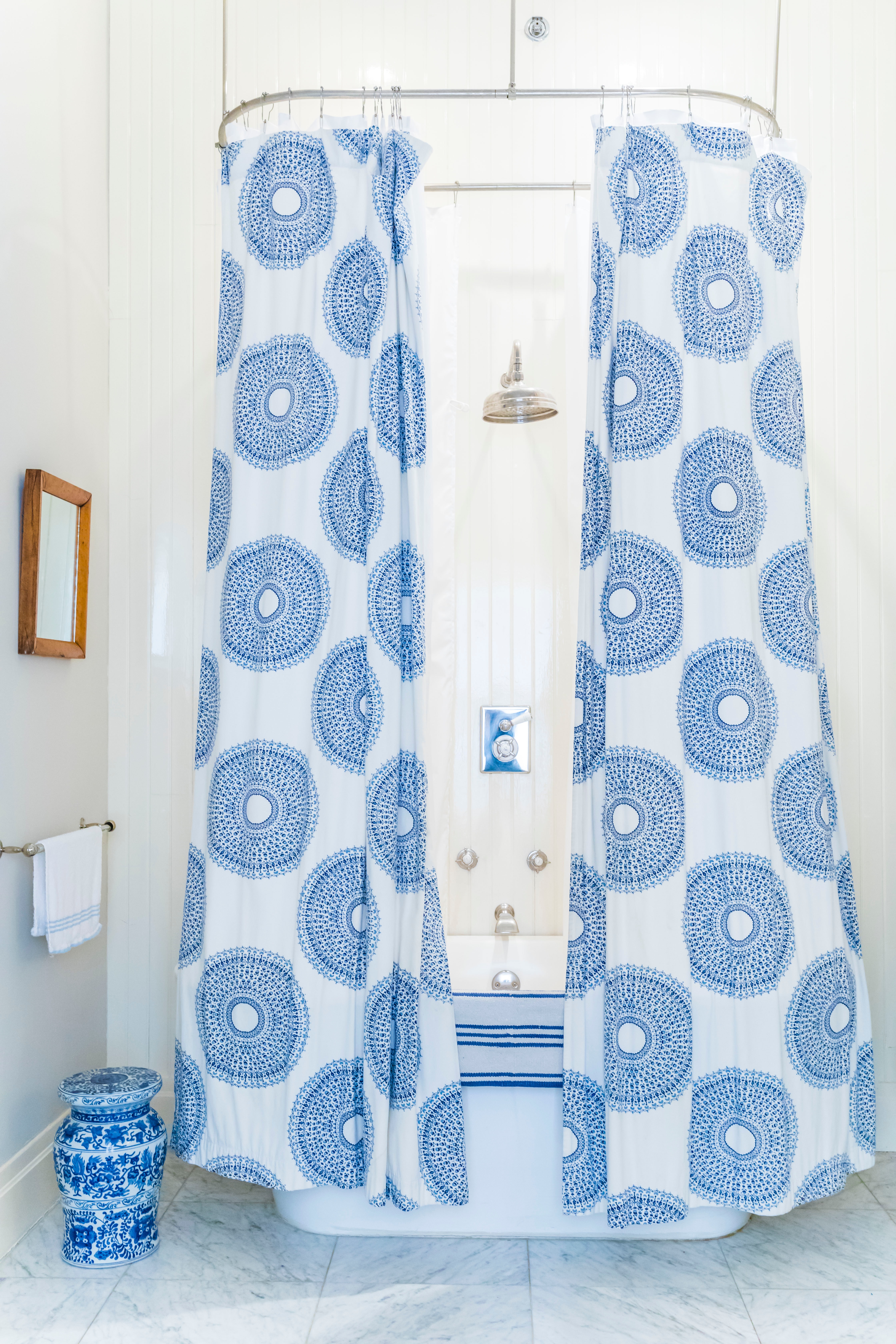
- Before you hang a brand new curtain, fill the bathtub with a few inches of water and then add two cups of table salt. Put in the new curtain and let it take a saltwater bath for about ten minutes. Shake off the water, dry with a clean cloth and then hang up your mildew-proof curtain.
- If the curtain has been used for a while and it has some mildew or soap scum on it, check if it is machine washable (although most plastic curtains are machine washable nowadays). If so, just toss it in the machine along with two or three towels. Add your regular laundry detergent and one cup of distilled white vinegar. The towels act as buffers against the machine’s agitation, and they will scrub the curtain clean. Once the curtain is washed, it should be mildew-free, soft, and pH-balanced. Dry it with a cloth and hang it.
- If your curtain is not machine washable, you can clean it with a cloth or sponge dipped in distilled white vinegar.
When Should You Replace Shower Curtain Rings?
The next time you buy plastic shower curtain rings, consider buying two sets instead of just one. That way, if a ring breaks (as plastic rings often do) you will have extra replacement rings handy, and you won’t have to buy and change an entire set of rings.
What Safety and Hygiene Points Should You Follow While Cleaning a Bathroom?
- When you flush without closing the toilet seat lid, a plume of water vapour and bacteria is released from the toilet bowl. The polluted water particles waft around the bathroom and eventually land. If there are toothbrushes out in a nearby cup or holder, they will be a landing strip for some of those nasty elements!
- If you suspect that water is leaking from your tank to the bowl, test it by putting a few drops of food colouring in the tank. If, after flushing, the water in the bowl turns the colour of the food colouring, it’s time to call a plumber to repair the leak.
- Although distilled white vinegar should be safe for all shiny surfaces, check with the manufacturer before you use it – especially if you have a new bathtub that’s made of fibreglass, Plexiglas, or any other modern material.
- If the shower curtain doesn’t glide open and closed as smoothly as you would like it to, coat the rod with a thin layer of baby oil or petroleum jelly or rub it with a bar of soap.
With a few steps, your bathtub, sink, shower and toilet of your bathroom will be in shipshape condition at all times. We hope this guide on how to spruce up a bathroom has been helpful. It should answer the popular question: how to clean a bathroom professionally. Besides this bathroom cleaning checklist, we also have a bathroom organisation guide:
8 Bathroom Organization Tips You Should Follow
FAQs: How to Spruce Up And Clean a Bathroom Professionally
1. What Is The Best Natural Cleaner For Bathroom Surfaces?
Baking soda and distilled white vinegar work effectively on toilets, tubs, sinks, and showers for deodorising and stain removal.
2. How Do I Remove Hard-Water Stains From A Toilet Or Shower?
Use a paste of Borax and lemon, or soak surfaces with vinegar and baking soda to break mineral deposits.
3. What’s The Easiest Way To Clean A Dirty Bathtub?
Sprinkle baking soda, scrub with a vinegar-soaked cloth, and rinse, preferably right after bathing when the surface is warm.
4. How Can I Unclog A Showerhead Without Removing It?
Tie a vinegar-filled plastic bag around the showerhead and leave it overnight to dissolve mineral buildup.
5. How Do I Stop Mildew On Shower Curtains?
Soak new curtains in saltwater, and for used ones, machine wash with detergent and vinegar or clean manually with vinegar.
References
World Toilet Organisation, (n.d.). World Toilet – The Global Sanitation Movement. [online] Available at: https://www.worldtoilet.org/
Roberts, J. (2008). Green Your Home: The Complete Guide to Making Your New Or Existing Home Environmentally Healthy. [online] Florida: Atlantic Publishing Company, p.44. Available at: https://books.google.co.in/books?id=FZkjvgKAXIIC&printsec=frontcover#v=onepage&q&f=false
Roberts, J. (2008). Green Your Home: The Complete Guide to Making Your New Or Existing Home Environmentally Healthy. [online] Florida: Atlantic Publishing Company, p.43. Available at: https://books.google.co.in/books?id=FZkjvgKAXIIC&printsec=frontcover#v=onepage&q&f=false
Author & Expert Review
Written By: Huta Raval | Guest Author
| An English Literature and Journalism Topper, Huta Raval has graduated from the L D Arts College, Ahmedabad. Post serving for 23 years in the NBFC and Public Library Sectors her desire for ‘writing the unwritten’ brought her to the creative field of content writing. Her clientele comprises of NGOs, Blogging Platforms, Newspapers, Academic Institutions, et al. |
Verified By Expert:  Ravin Desai – Co Founder – Gharpedia | Co Founder – 1 MNT | Director – SDCPL

This article has been reviewed for technical accuracy by Ravin Desai, Co-Founder of Gharpedia and Director at Sthapati Designers & Consultants Pvt. Ltd. With a B.Tech. in Civil Engineering from VNIT Nagpur and an M.S. in Civil Engineering from Clemson University, USA, and over a decade of international and Indian experience in the construction and design consultancy sector, he ensures all technical content aligns with industry standards and best practices.
Find him on: LinkedIn