






Table of Contents
Quick Summary
- Real estate investment near tourist destinations in the US is rapidly growing due to remote work culture, hybrid jobs, and increasing demand for staycations and workcations.
- Properties in tourist-heavy areas can generate steady rental income through short-term rental platforms like Airbnb, Vrbo, Booking.com, Vacasa, and HomeToGo.
- Investors should choose property locations based on clear goals, such as seasonal rentals, year-round passive income, or long-term investment appreciation.
- Tourist destinations differ in demand patterns, so understanding peak seasons, traveler demographics, and local demand trends is essential before investing.
- Nearby amenities and attractions such as beaches, golf courses, marinas, entertainment hubs, and recreational facilities directly affect rental demand and property value.
- Starting with a small rental property like studio apartments, compact homes, or vacation cabins reduces mortgage pressure and lowers investment risk.
- The rise of WFH (Work From Home), workcations, and solo travel has increased demand for smaller, flexible rental accommodations.
- Property staging and presentation play a major role in attracting the right audience, including families, couples, remote workers, and pet owners.
- Well-designed listings, quality photographs, and features like pet-friendly interiors, home offices, and strong internet connectivity can increase rental income.
- Curb appeal and maintenance significantly affect occupancy rates and guest interest in vacation rentals.
- Hiring a professional property manager helps with guest communication, rent collection, maintenance, and daily operations.
- Strong digital marketing strategies such as SEO, email marketing, virtual tours, and PPC advertising improve online visibility and increase bookings.
- With proper planning and professional management, tourism-based real estate investments can deliver strong long-term profits and property appreciation.
Courtesy - Magnific
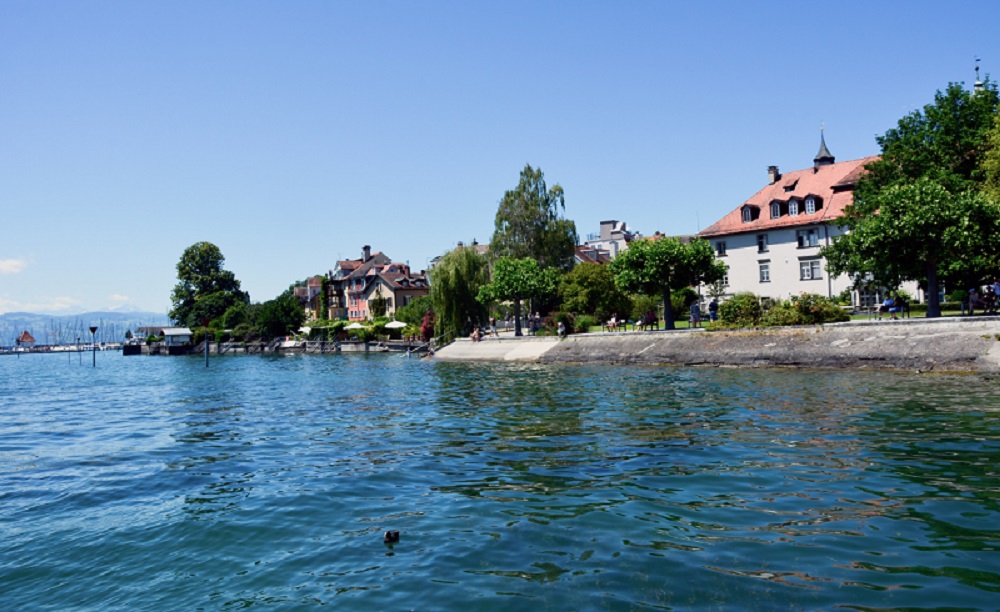
With the inception of WFH culture, hybrid work setups, and US national reluctance to spend thousands in luxury hotels, real estate investment near tourism destinations is booming. A residential property in a touristy location increases in value over time and brings in revenue thanks to staycations, workcations, and extended family trips. Moreover, unlike when running a rental business used to be labour-intensive, STR platforms (Airbnb, Vrbo, Booking.com, Vacasa, and HomeToGo) made running a rental hustle easy. Therefore, savvy investors are leaning more towards investing near top tourist attractions.
5 Strategies for Savvy Investors to Succeed at US’s Top Tourism Destinations
Following are the effective tips on how to invest in real estate in the US’s top tourism.
01. Select the Location According to a Clear Goal

Courtesy - Magnific
When considering purchasing a new property, investors should keep the aim in mind because markets and values are contingent on the property’s location and might differ significantly between areas. Savvy investors pick the site for their real estate investment according to their goals: seasonal or all-year-round, passive income or a full-fledged investment property bringing in monthly cash. Seasonal investors rent the property for the peak seasons and use the house as their primary residence for the rest of the year. To put the impact of location, peak/off-peak seasons, and goals in perspective, it’s a massive miscalculation if investors want to tap into a luxury location, such as Hilton Head’s tourism potential, and believe all communities bring in constant revenue.
Even though Windmill Harbour Community and Sea Pines are only 17 minutes’ driving distance from each other, the client base is opposite. The first location attracts yacht owners and occasional tourists interested in chartering and fishing -especially during the high season from May to October- thanks to the South Carolina Yacht Club and a 258-slip marina and lock system. In contrast, Sea Pines attracts individuals who want to take a break around a lush forest and world-class golf all year round.
02. Check out the Amenities Around a Location

Courtesy - Magnific
Understanding the pros and cons of investing near a tourist attraction can be challenging; local real estate professionals can always give a heads up about the amenities as there is some insider information that only they know. Through the amenities, a rental property attracts and increases the resale value. Hence, learning about the available activities helps assess property appreciation, rental yield, rental occupancy rates, rent prices, property tax rates, and the local and local debt-to-income ratios.
Every local real estate market has unique trends, customs, traditions, or market conditions. Checking out the means of recreation helps determine the high-demand zones for tourists and business people. Unlike real estate at a secluded scenic location, a destination with a regular influx of tourists and attractions under construction ensures revenue.
03. Start Small Investment Rental Property
Courtesy - Magnific
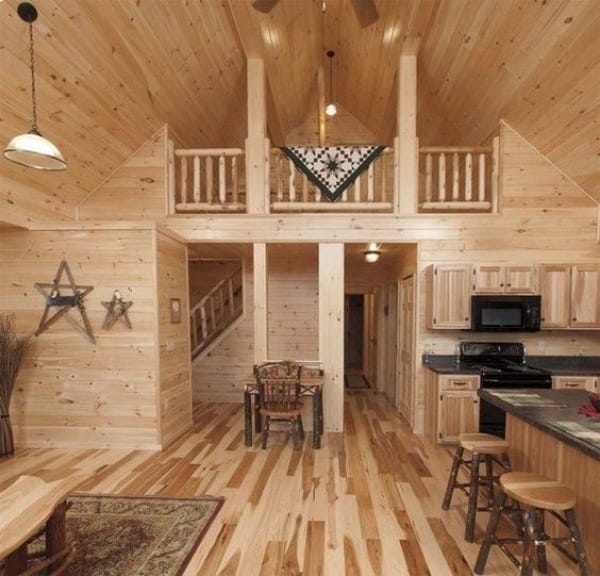
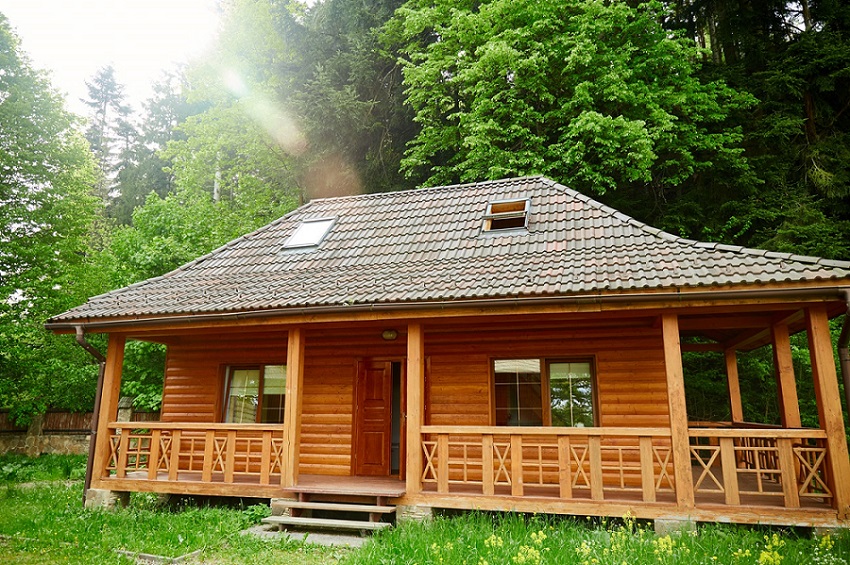
Starting with a small investment rental property will be wiser as with a modest property, the burden of mortgage will be lower, and the investor gets enough time to understand and operate the vacation rental business. Also, the advent of workcations and staycation made compact residential properties such as tiny homes and studio apartments famous. Hence, rather than a large house where people might have to share common spaces, a small property appeals to more people, especially solo travelers and young professionals with a WFH setup.
If the investor wants to target long-term tenants, a regular-sized home is safer due to the ease of maintenance, the individual’s tendency to downsize, and the chance of resale. An estate or Victorian house might seem like a money-making machine on paper. Still, the renovation cost and mortgage burden can bankrupt the homeowners if the property doesn’t get tenants.
04. Be Creative with Staging

Courtesy - Magnific
Being creative with staging and marketing attracts the target demographic a proprietor is trying to get as a client: WFH professionals, young unmarried couples, families with young children, pet parents, snowbirds, or middle-aged individuals. Since most homeowners can’t reach, stage, and describe their vacation rental, the property’s full potential gets overlooked. For instance, if a rental has toys, litter, and a safety system installed for pets, it will attract a wider pool of clients and bring in significant revenues; vacation rentals with pet-friendly interiors bring 10%-20% extra in rent.
Properly staged rentals can highlight a property’s best features while minimizing its shortcomings. Staging improves the listing photos and markets the property more effectively to people looking for home rentals, which decreases the vacancy rate and gives better lease terms and room for charging higher rent. Moreover, an unkempt yard of a vacation rental turns even a beautiful vintage cottage into a horror house; hence, focusing on curb appeal is also essential.
05. Take Assistance from a Professionals Property Manager

Courtesy - Magnific
Without robust marketing and property management, a vacation rental property will remain empty even in high-tourism destinations. You can rest knowing that a professional property manager will handle all the daily chores, such as finding renters, collecting rent, maintaining the property, etc. Only STR experts can help with property management according to your target digital platform. For instance, if the destination is proper for Vcasa, the interior must have a home office with the latest computers and high-speed internet. At the same time, a host targeting Couchsurfing should provide the necessities at the lowest price.
As rentals are strictly online-operated, a digital marketing strategy incorporating Search Engine Optimization (SEO), email marketing, and Pay-Per-Click (PPC) advertising brings in guests rather than traditional techniques. Also, professionals can help with interactive vlogs, virtual home remodeling, virtual tours, rental amenities, outdoor features, and the location to highlight the best features and draw the attention of prospective guests.
Outro
The US real estate market close to tourism destinations is enormous and expected to grow significantly. Upon finding the ideal location investment, careful research, and professional help, rental properties can bring higher profit margins.
You may also like to read the following article:
How to Plan and Execute the Perfect Home Rental Strategy?
FAQs on How to Invest in Real Estate in Top Tourist Destinations in the US
1. Is investing in real estate near tourist destinations a good idea?
Yes. Properties near tourist destinations often generate steady rental income, higher occupancy rates, and long-term appreciation, especially with growing demand for vacation rentals, staycations, and remote work accommodations.
2. What is the best type of property for vacation rental investment?
For beginners, small properties such as studio apartments, cabins, tiny homes, or compact vacation rentals are often safer investments because they require lower maintenance, smaller mortgages, and appeal to solo travelers and remote workers.
3. How do short-term rental platforms help property investors?
Platforms like Airbnb and Vrbo allow property owners to list rentals online, manage bookings, attract global travelers, and earn passive income without relying on traditional rental methods.
4. What factors should I consider before buying property near tourist attractions?
Important factors include location demand, nearby amenities, tourist footfall, occupancy rates, local property taxes, seasonal demand, rental regulations, and long-term property appreciation potential.
5. Should I hire a property manager for a vacation rental business?
Yes, especially for short-term rentals. A professional property manager can handle guest management, marketing, maintenance, rent collection, online listings, and day-to-day operations, helping improve occupancy rates and maximize rental profits.
Courtesy - Featured Image(Magnific)
Author & Expert Review
Written & Verified By Expert:  Vaidehi Desai | Owner – Gharpedia | MBA (Finance), PGDHRM

| Credentials: Owner and Operations Lead of Gharpedia, a venture of Sthapati Designers & Consultants Pvt. Ltd., with a strong background in finance, business operations, and human resource management. Experience: Business and operations professional with 10+ years of experience managing an educational and media platform focused on architecture, construction, and home-building, with experience in platform management, finance, business operations, and organizational quality standards. Expertise: Specializing in finance, business operations, human resource management, content quality, and organizational standards. She reviews content to ensure factual reliability, operational accuracy, consistency with organizational standards, and overall quality across architecture, construction, and home-building topics. Find her on: LinkedIn |