





Table of Contents
Quick Summary
- Good house painting starts before the first coat, with proper cleaning, sanding, repairs and priming.
- Explore how moisture, grease, dust and poor adhesion can cause peeling and bubbling.
- Understand how Sydney’s humidity, coastal salt and strong UV exposure affect painted surfaces.
- Learn how choosing suitable weather conditions can improve exterior paint performance.
- Find practical ways to clean and maintain painted walls without damaging the finish.
- See how sheen and colour choices can influence durability.
- Learn why keeping paint colours, codes and application dates makes future touch-ups easier.
Courtesy: Magnific
Walk down any street in Sydney and you can date the paint jobs. Not by colour, by condition. Two houses of the same age, painted within a year of each other, and one still looks sharp while the other has flaking eaves, a chalky north wall and a bathroom ceiling with black spotting through it.
The usual explanation is that somebody bought cheap paint. Occasionally that is true. Far more often the tins were fine and the failure was decided before either lid came off.
Paint is a thin film. It relies almost entirely on what it is stuck to, and on the conditions it cures in. Get those two things right and a decent exterior job will hold for years longer than the brochure promises. Get them wrong and no amount of premium product will save it.
Paint Does Not Fail, Adhesion Does
Courtesy: Magnific
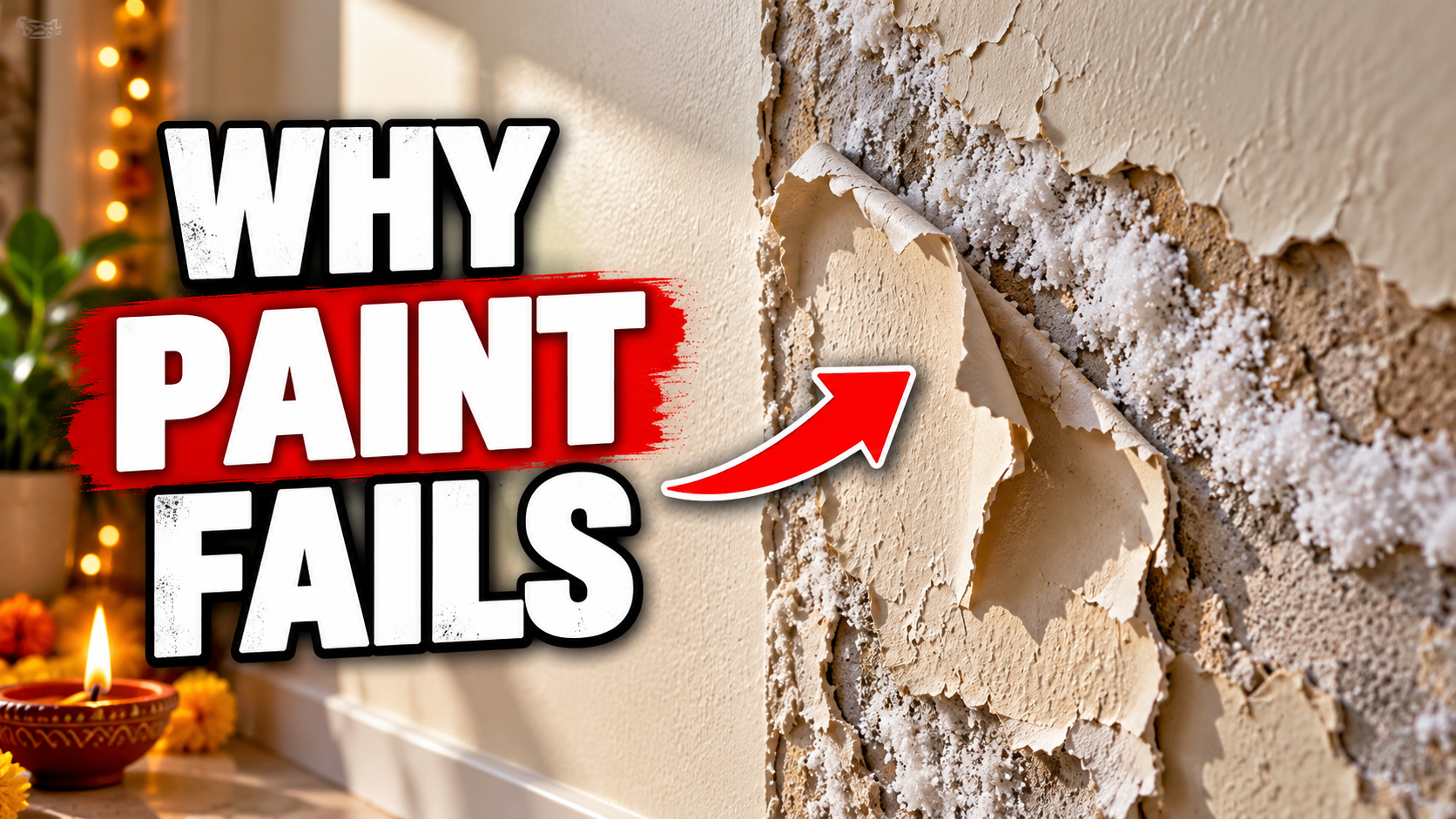
Nearly every early failure comes back to something between the paint and the surface. Dust from sanding that was never wiped off. Salt residue on a wall a few streets from the water. The film of grime that builds up on a rendered wall over a decade, which looks like nothing until you drag a wet cloth across it and see the cloth.
Grease is the worst of them, and kitchens are where it lives. Cooking oil travels further than people think. It settles on the ceiling above the stove, on the wall behind it, and on the architraves either side. Paint straight over that and the film sits on the grease rather than the plaster, which is why kitchen ceilings are so often the first thing to peel.
Then there is the moisture question. A wall that feels dry can still be carrying moisture from a leak, a blocked gutter or rising damp, and sealing that in behind a coat of paint pushes the problem sideways rather than solving it. Bubbling within the first year is usually water trying to get out.
What a Proper Preparation Stage Actually Involves
Courtesy - Magnific
If you are getting quotes, the fastest way to compare them is not the price. It is what each one says about preparation.
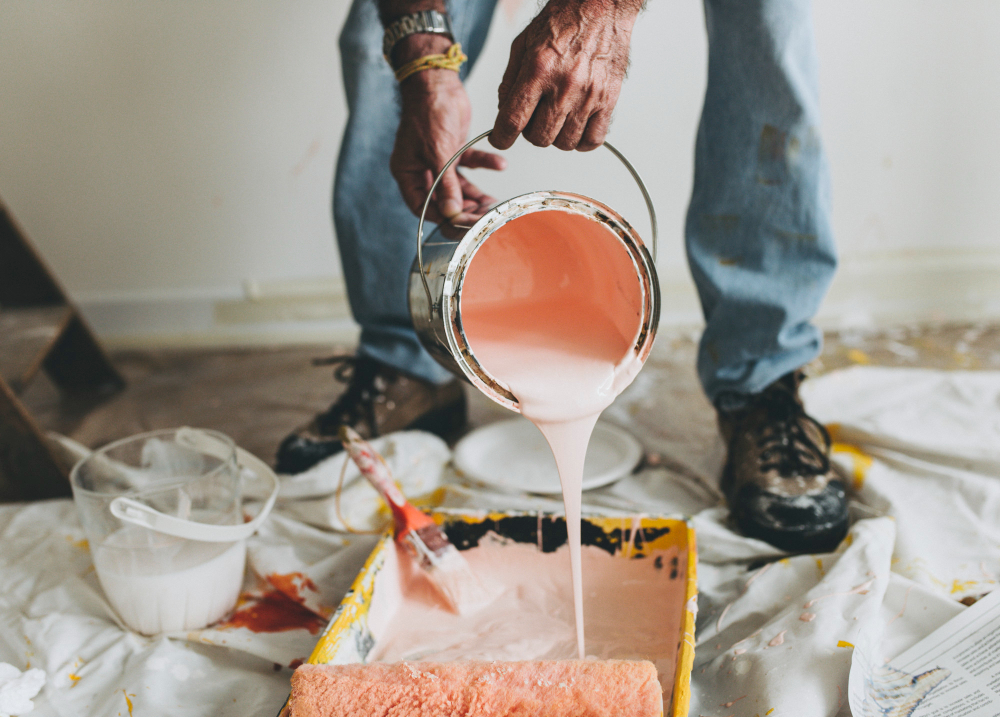
A thorough job washes the surface down and lets it dry properly. It scrapes and sands back anything loose, feathers the edges so repairs do not telegraph through, fills and makes good, then spot primes bare areas. Gaps get caulked. Rust gets treated rather than painted over. On an exterior, chalky old surfaces get a binding primer, because two top coats over chalk is money set on fire.
None of that shows up in a photo, which is exactly why it gets cut. Two quotes for house painting services on the same weatherboard cottage can differ by thousands, and the gap is almost never the paint. It is whether the crew has allowed two days to prepare or two hours. Ask each quote to spell out the preparation steps and the number of coats, then compare those side by side. Suddenly the cheap one usually explains itself.
Worth asking what happens if the weather turns, too. Paint applied in the wrong conditions does not cure the way it should, and a crew that is rushing to finish before a forecast change is not doing you a favour.
Mould, Salt and The Sydney Climate
Courtesy - Magnific
This city is unkind to exterior finishes in ways that catch people out, particularly if they have moved here from a drier part of the country.
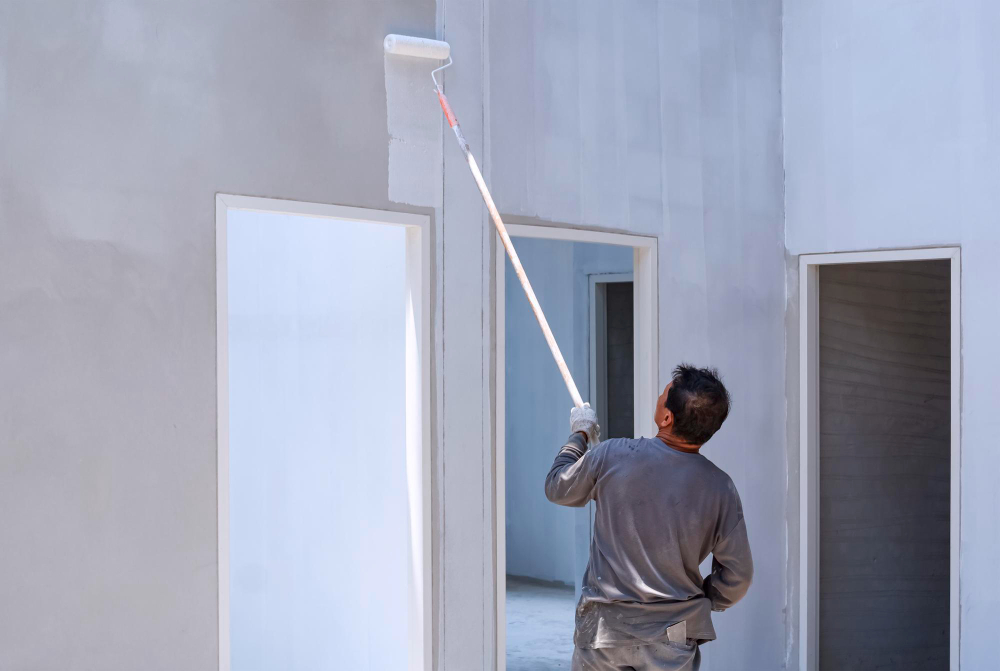
Humidity plus warmth gives you mould, and mould does not care that the wall was painted last year. It grows on the surface, feeds on dust and organic matter sitting on that surface, and if it is painted over rather than killed, it keeps growing underneath. Shaded south facing walls, bathroom ceilings and anywhere behind a hedge are the usual suspects.
Near the coast, salt is the other factor. It deposits invisibly on everything, it attracts moisture, and it undermines adhesion on both paint and metal. Houses in the eastern and northern beach suburbs need washing down before painting far more thoroughly than a place in the inner west, and they need repainting sooner regardless.
Ultraviolet exposure finishes the job. North and west facing walls take a beating through summer, and that side of a house will always chalk and fade first. Nothing prevents it entirely. Better preparation and an extra coat just slow it down.
Timing the Job Around the Weather
Courtesy: Magnific
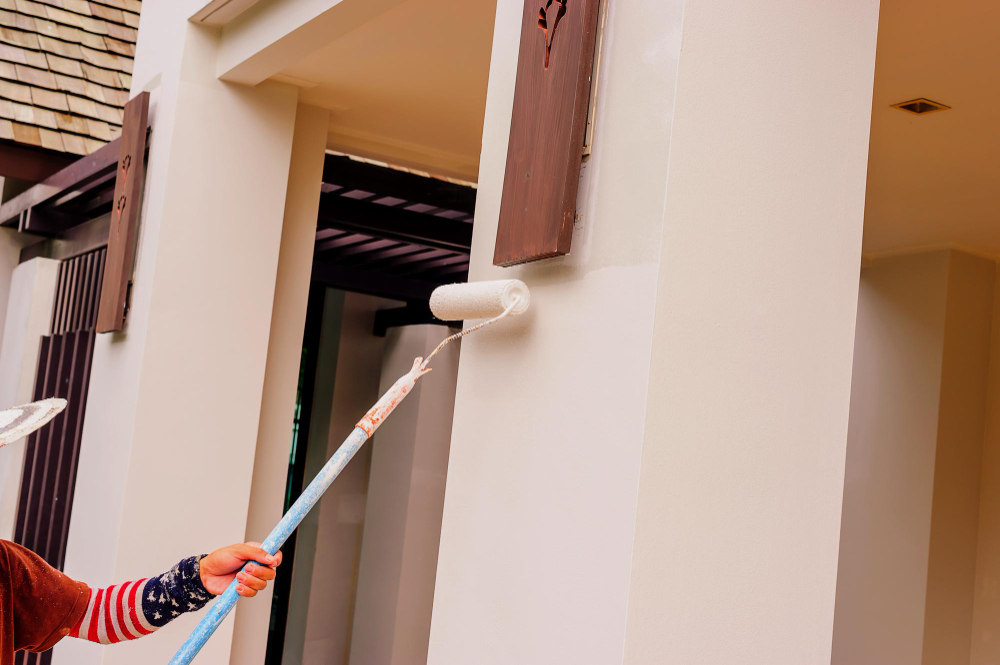
Exterior painting has a window, and it is narrower than most people assume. Paint needs to go on within a sensible temperature range and it needs time to form its film before conditions change. A wall in direct summer sun can be well above air temperature, which flashes the surface off before it has levelled out and leaves you with brush marks and poor adhesion.
The other end of the year has its own trap. Late in a winter afternoon the surface temperature drops quickly and moisture settles on freshly coated walls, which can leave a patchy sheen or a soft finish that never quite hardens. Painters who stop early on cold days are not knocking off. They are avoiding a callback.
For most Sydney homes, autumn and spring are the comfortable months for exterior work, with mornings on the shaded side and afternoons following the sun around. Interiors are far less fussy, though a humid week still slows recoat times and it is worth having a fan moving air through the room.
Looking After the Finish Once It Is On
Courtesy: Magnific
Most homeowners do nothing to a painted surface until it looks bad, then repaint the lot. A wash once or twice a year genuinely extends the life of the job, because it removes the dust, salt and spores that break the film down.
The catch is that plenty of what sits under the average kitchen sink will damage paint. Anything strongly alkaline strips the sheen off enamel. Abrasive creams leave fine scratches that catch dirt and turn a wall grubby faster than before. Neat bleach on a bathroom ceiling might clear the black marks, but it can dull the paint around them and it does not remove what the mould was feeding on.
It is worth keeping a small set of trusted brand’s cleaning products chosen for painted surfaces rather than whichever bottle is closest. A neutral pH detergent for general washing down, a proper mould treatment for the bathroom and shaded exteriors, and a soft brush or sponge instead of anything abrasive will cover almost every situation in a house. Test anything new on a section behind a door first.
Method matters as much as the bottle. Work from the bottom up when washing a wall, so runs do not streak into dry areas. Rinse properly, because leftover detergent residue attracts dust and shows up as a film. And leave new paint alone for a few weeks before washing it, since paint takes considerably longer to cure fully than it does to feel dry.
The Small Decisions That Quietly Matter
Courtesy - Magnific
Sheen level is the one most people underthink. Flat finishes hide surface imperfections beautifully and clean terribly. A low sheen or satin on a hallway or a kid’s bedroom will survive being wiped down, while the same wall in a dead flat finish will burnish and shine wherever a cloth has touched it.
Colour choice interacts with the climate as well. Deep colours on a west facing wall absorb far more heat, expand and contract harder, and generally do not last as long as a mid tone. That is not a reason to avoid them, just a reason to expect a shorter repaint cycle and to budget accordingly.
Some of this is worth stocking properly rather than buying in a panic when a stain appears. A single bottle of the right cleaning product, kept with the touch up tin and the roller sleeves, saves the Saturday afternoon spent trying three wrong things on a visible wall.
Finally, keep a record. The brand, the colour code, the sheen and the date, written somewhere you will find it. Touch ups years later are simple when you have that information and close to impossible when you are trying to match a wall by eye.
One Last Thought
A paint job is one of the few improvements where the part you pay for is invisible by the time you see the result. The washing, the sanding, the filling and the priming are what you are actually buying, and the colour is just what sits on top of it. Judge quotes on that basis, look after the surface afterwards, and the job will outlast the one next door by years.
Also Read: How to fix paint drips
Frequently Asked Questions – House Painting
01. How often should a Sydney house be repainted outside?
Somewhere between seven and twelve years for most homes, with coastal properties and heavily sun exposed walls at the shorter end. The condition of the previous preparation matters more than the age. A well prepared job at year ten can be in better shape than a rushed one at year five.
02. Can I just paint over mould?
No. It will grow back through the new coat, usually within a season. The mould has to be killed and the surface cleaned first, and then the cause needs addressing, because mould is almost always a ventilation or moisture problem wearing a cosmetic disguise.
03. Do I really need to wash the walls before painting inside?
In kitchens, bathrooms and laundries, absolutely. In a bedroom that has only ever collected dust, a wipe down may be enough. The test is simple. Run a damp cloth over an out of the way section and look at the cloth. If it comes back dirty, the wall needs washing.
04. How long before I can clean a freshly painted wall?
Give it a few weeks. Most water based paints feel dry within hours but continue hardening for considerably longer, and washing too early can burnish or mark the finish permanently. Dust it gently in the meantime if you need to.
05. Is expensive paint worth it?
Usually yes, but only once the preparation is right. Better paint gives you more solids, better coverage and stronger resistance to fading and washing. Applied over a poorly prepared surface it fails on exactly the same timeline as the cheap tin next to it.
Courtesy - Featured Image(Magnific)
Author & Expert Review
Written By:  Gaurav Mishra | Civil Engineer & Content Writer

| Credentials: B.E. (Mahavir Swami College, Surat), Registered with Bhagwan Mahavir University (BMU). Experience: Civil Engineer with 5+ years of content writing experience, currently writing impactful articles for Gharpedia, part of SDCPL. Expertise: Specializes in writing well-researched content on residential construction, construction materials, design planning, on-site practices, and safety, blending technical accuracy with everyday clarity. Find him on: LinkedIn |
Verified By Expert:  Shekhar J. Parikh Co Founder – Gharpedia | Director – SDCPL
 Shekhar J. Parikh Co Founder – Gharpedia | Director – SDCPL
This article has been reviewed for technical and execution accuracy by Shekhar J. Parikh, Director and Consulting Engineer at Sthapati Designers & Consultants Pvt. Ltd. With over 40 years of experience in civil engineering, project execution, and construction management across Gujarat and Maharashtra, he ensures the content reflects practical site knowledge, quality control standards, and industry best practices, while also supporting informed decision-making for property buy, sell, and rent considerations.
Find him on : Linkdin