





Table of Contents
Quick Summary
- Home construction planning mistakes often stems from poor planning, not from the construction.
- Starting without a detailed plan leads to confusion and reactive decisions
- Underestimating the number of decisions can cause fatigue and rushed, costly mistakes
- Unrealistic budgets without contingency create financial stress during projects
- Prioritising aesthetics over functionality may result in impractical living spaces
- Making changes during the construction increases delays and expenses
- Poor communication leads to misunderstandings and rework
- Rushing the early stages disrupts the overall project flow
- Structured planning ensures smoother execution and fewer surprises
- Clear decisions, budgeting, and communication help create a stress-free renovation experience.
Home construction planning mistakes are often costly for home renovation. A home renovation generally starts with a clear vision. You know what you want to change, how you want it to feel, and why it matters.
But sometimes along the way, that vision can get buried under delays, unexpected costs, and decisions you didn’t expect upcoming.
What most people don’t realise is that these problems rarely come from the construction itself. They come from planning mistakes made early on. The kind of anomaly that seem small at the beginning but quietly create bigger issues later.
If you can spot these mistakes to avoid when building a house before you begin, you’ll save yourself a lot of stress, time, and money.
Mistake #1: Starting Without a Fully Developed Plan
1. “We’ll Figure It Out as We Go”
This is one of the most common traps and one of the common home renovation mistakes. It feels flexible and efficient, but it usually leads to confusion once work begins.
A renovation isn’t just about ideas. It’s about execution. And without a clear plan, every decision becomes reactive instead of intentional.
Working with experienced teams like Boyce Design + Build early on can help translate your ideas into something structured, so you’re not making critical decisions under pressure later.
2. What A Solid Plan Should Include
Before any work starts, you should have clarity on:
- The overall layout and functionality
- Materials and finishes
- Key measurements and specifications
- Budget range and priorities
The more detailed your plan, the smoother everything else becomes.
Mistake #2: Underestimating the Number of Decisions Involved
1. Decision Fatigue is Real
Most homeowners don’t expect how many choices they’ll need to make. Tiles, cabinetry, lighting, hardware, colours, layouts. The list grows quickly.
When too many decisions pile up at once, people start rushing. That’s when mistakes happen.
2. How to Stay Ahead
Break decisions into phases:
- Structural and layout decisions first.
- Major finishes next.
- Smaller details last.
This keeps things manageable and prevents overwhelm.
Mistake #3: Above Budget Issue

1. The “Best Case Scenario” Budget
It’s natural to hope everything will go to plan. But renovations almost always come with surprises.
If your budget has no room for flexibility, even small changes can feel like major setbacks and no home construction budget planning tips may work effectively. But a few tips will work:
2. A Smarter Way to Budget
Instead of planning for the perfect scenario:
- Set your base budget
- Add a contingency buffer of 10 –20%
- Prioritise where you’re willing to spend more
This approach gives you control without constant financial stress.
Mistake #4: Ignoring How the Space will Actually be Used
1. Designing for Looks Instead of Lifestyle
It’s easy to focus on aesthetics. After all, you want your home to look good. But if the space doesn’t function well, those design choices can quickly become frustrating.
For example:
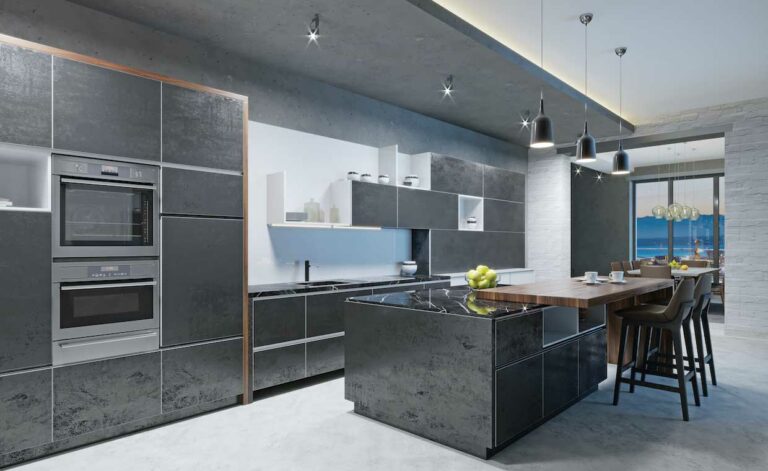
- A beautiful kitchen with poor workflow
- Storage that looks clean but isn’t practical
- Open layouts that don’t suit your daily routine
2. Ask Better Questions
Before locking in decisions, consider:
- How do I use this space every day?
- What exactly annoys me about the current layout?
- What would make life easier here?
Good design solves problems, not just visual ones.
Mistake #5: Making Changes During Construction
1. Small Changes, Big Impact
Once construction begins, every change has a ripple effect. Even minor adjustments can delay timelines, increase costs, and create confusion.
This is the point, where many projects start to feel chaotic and idea about the mistakes to avoid when building a house become paramount.
2. When is It Worth Changing Something?
A simple rule:
- If it significantly improves the outcome, consider it
- If it’s just a preference change, it’s usually better to stick with the plan
Decisiveness early on saves a lot of trouble later.
Mistake #6: Lack of Clear Communication

1. Assumptions Cause Problems
Miscommunication is one of the commonest ways to derail a project. When expectations aren’t clearly defined, mistakes are almost inevitable.
This can lead to:
- Work that doesn’t match what you had in mind
- Delays while issues are clarified
- Extra costs to fix misunderstandings
2. How to Avoid It
Keep communication simple and consistent:
- Confirm decisions in writing
- Ask questions early, not after work is done
- Make sure everyone is aligned before moving forward with the work.
Clarity reduces friction at every stage.
Mistake #7: Rushing the Early Stages
1. Wanting to “Get Started”
There’s always a temptation to begin quickly. But rushing the planning phase often leads to slower progress later.
Time spent upfront is an investment, not a delay.
2. Why Slowing Down Actually Speeds Things Up
When your plan is clear:
- Decisions are made faster
- Fewer changes are needed
- Work progresses without unnecessary interruptions
In the long run, this saves both time and money.
3. What a Well-Planned Renovation Looks Like
When the planning is done right, the entire experience feels different.
You’ll notice:
- Fewer surprises along the way
- Clear direction at every stage
- More confidence in your decisions
- A smoother, more predictable timeline
It doesn’t mean everything will be perfect. But it does mean you’re in control of the process instead of reacting to it and you can have an eye on costly construction mistakes to avoid.
Bringing Your Vision to Life Without the Stress
Most renovation headaches aren’t unavoidable. They’re the result of decisions made too late, plans that weren’t detailed enough, or expectations that weren’t clearly defined. Therefore, home construction planning mistakes are to be curtailed as much as possible from the initial stage. This is critical home building tips for first-time homeowners too.
By taking the time to plan properly, making key decisions early, and staying consistent with your approach, you set yourself up for a much better experience.
And instead of looking back on the process as stressful or overwhelming, you’ll be able to focus on what actually matters — enjoying the space you worked so hard to create.
Also Read: How to Plan Your Home Refurbishment: A Comprehensive Guide
FAQs on Home Construction Planning Mistakes
1. What are the Most Common Home Construction Planning Mistakes?
Starting without a clear plan, underestimating the budget, poor communication, and frequent changes during construction are the most common costly mistakes.
2. How can Poor Planning Increase Home Construction Costs?
Poor planning leads to rework, delays, material wastage, and last-minute decisions, all of which significantly increase overall construction costs and stress.
3. What is the Ideal Budget Buffer for Home Construction Projects?
Experts recommend keeping a 10–20% contingency budget to handle unexpected costs without disrupting your construction timeline or design goals.
4. Why is Planning Important before Starting Home Construction?
Proper planning ensures clear decisions, a smoother workflow, controlled costs, fewer delays, and a more predictable, stress-free building experience overall.
5. How can I Avoid Mistakes when Building My Dream Home?
Work with professionals, finalise designs early, set realistic budgets, communicate clearly, and avoid making changes once construction has begun.
Author & Expert Review
Written By:  Swagata Chatterjee | SEO Content Writer & Editor

| Credentials: MA (Calcutta University, Kolkata). Experience: Content Writer and Editor with 19 years’ experience of business content writing and editing, currently writing SEO-optimized, readers’-friendly articles for Gharpedia, part of SDCPL. Expertise: Specializes in writing well-researched content on lifestyle, home décor, , lifestyle, safety, home appliances and gadgets, on-site SEO Optimization, blending technical accuracy with general reader’s ability to learn the topics. Find her on : Linkedin |
Verified By Expert: Mansi Shah – Architect & Architectural Content Writer, SDCPL | B.Arch.
 Mansi Shah – Architect & Architectural Content Writer,
 This article has been reviewed for architectural and interior design accuracy by Mansi Shah, an Architect associated with Sthapati Designers & Consultants Pvt. Ltd. (SDCPL). With over 25 years of professional experience in architectural planning, design development, detailing, and on-site execution of residential, commercial, and institutional projects, she brings deep expertise in architecture and interior planning, material selection, construction practices, and building bylaws. Her review ensures the content reflects practical design principles, interior space efficiency, and industry-aligned architectural standards.
Find him on: LinkedIn