







Table of Contents
Quick Summary
- Garbage disposal problems disrupt daily kitchen routines when ignored
- Most failures result from misuse, such as pouring grease or fibrous foods into the appliance or from overloading it.
- Humming units often indicate jams that may need manual rotation
- Bottom leaks usually mean internal damage and require replacement
- Side leaks can often be fixed by tightening or replacing gaskets
- Slow-draining signals clogs; avoid chemical cleaners to prevent damage
- Electrical issues, burning smells, or corrosion need professional attention
- Regular maintenance with cold water use and proper waste disposal, helps
- Simple habits can extend lifespan and reduce repair costs
- Professional plumbers ensure safe, reliable, long-term solutions
A garbage disposal is one of those kitchen appliances most homeowners take for granted — until it stops working. Whether it is making strange noises, refusing to turn on, or backing up into the sink, garbage disposal problems can quickly disrupt your daily routine. Understanding the most common issues can help you decide when a quick fix will do and when it is time to bring in a professional plumber.
Why Garbage Disposals Fail
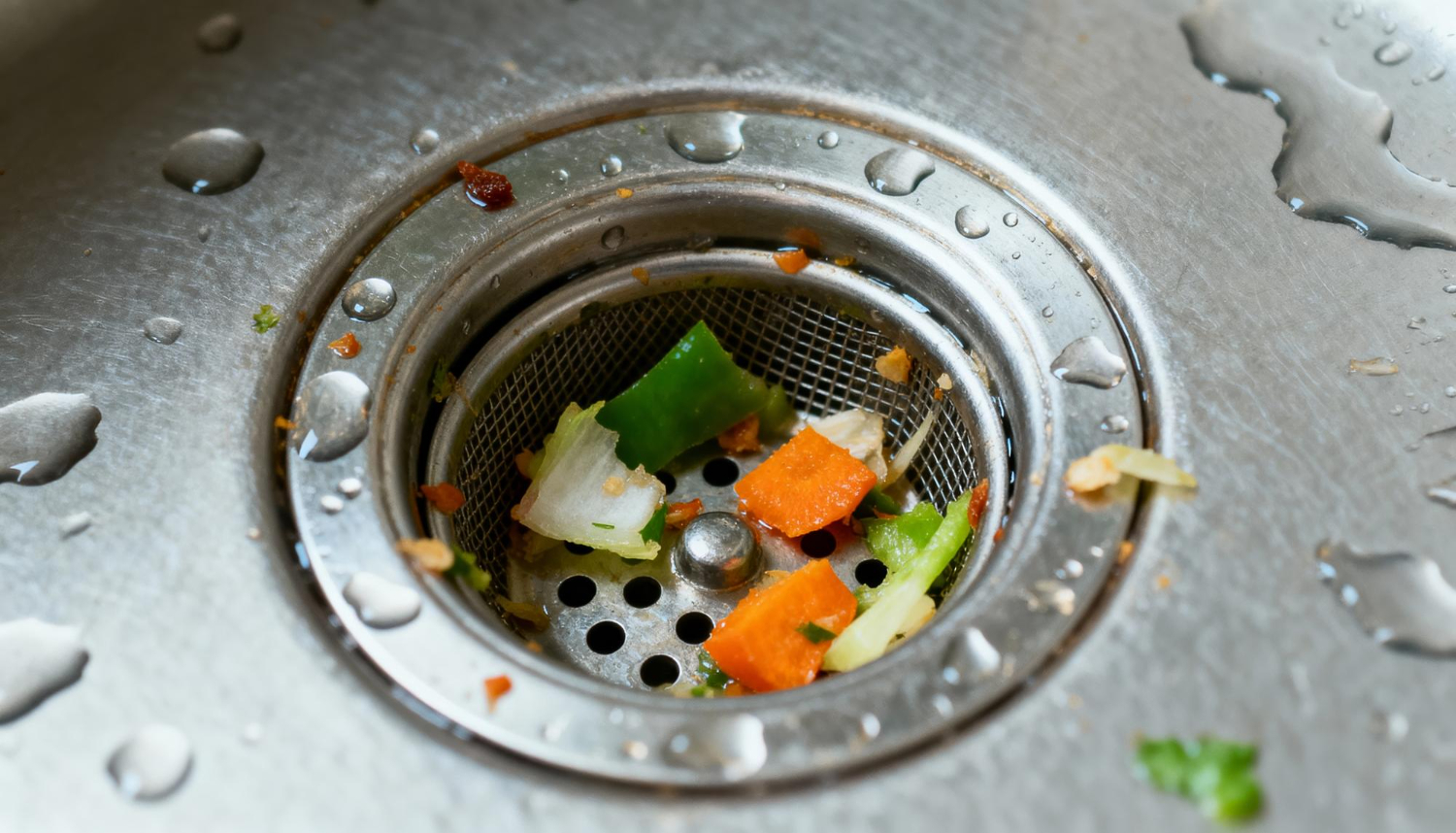
Most garbage disposal problems stem from misuse. It is not easy to follow garbage disposal repair tips unless you have plumbing skill. However, pouring grease down the drain, overloading the unit with fibrous vegetables like celery or artichokes, or putting non-food items into the chamber are the leading causes of breakdowns. Over time, even normal wear and tear can dull the grinding components, reducing the unit’s effectiveness.
Common Garbage Disposal Issues
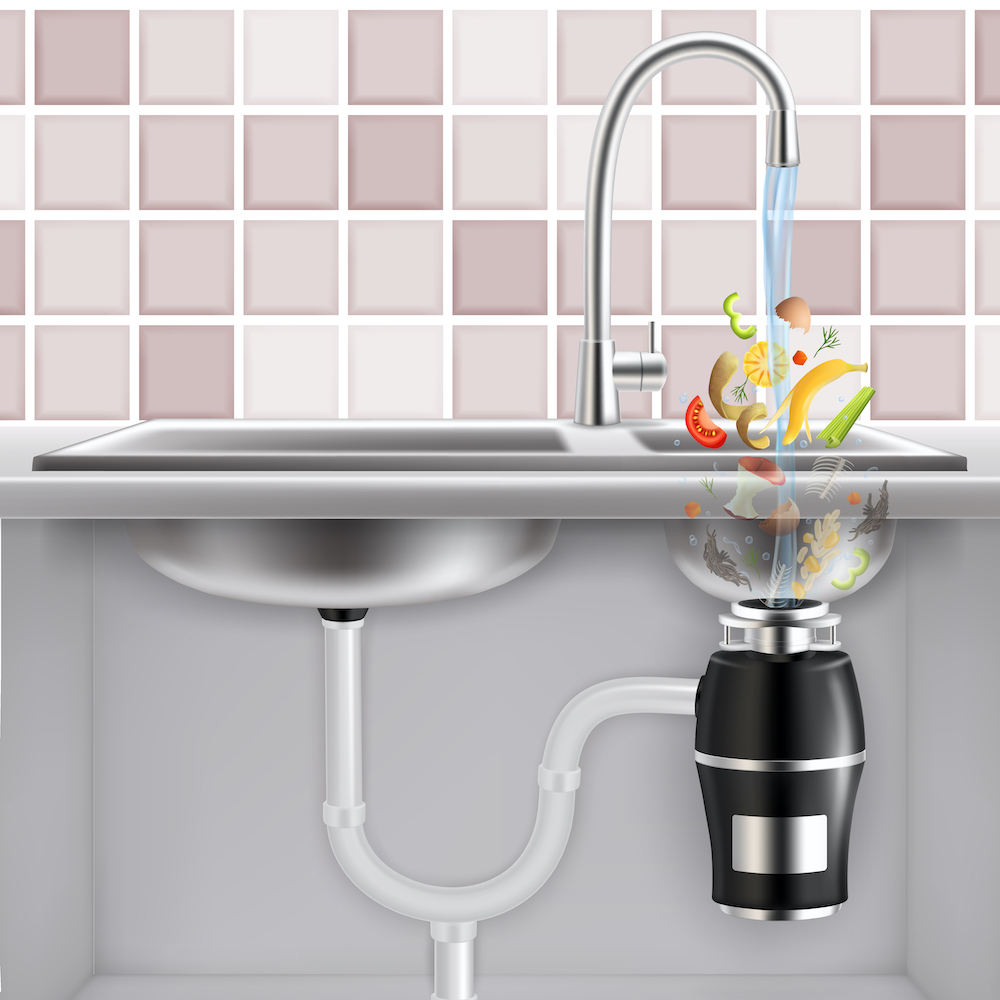
The most frequent complaint is a disposal that hums but does not grind. This usually means something is jammed between the impellers and the shredder ring. In many cases, you can resolve this by using an Allen wrench in the hex socket on the bottom of the unit to manually rotate the flywheel. However, if the jam persists or the unit overheats repeatedly, the motor may be failing.
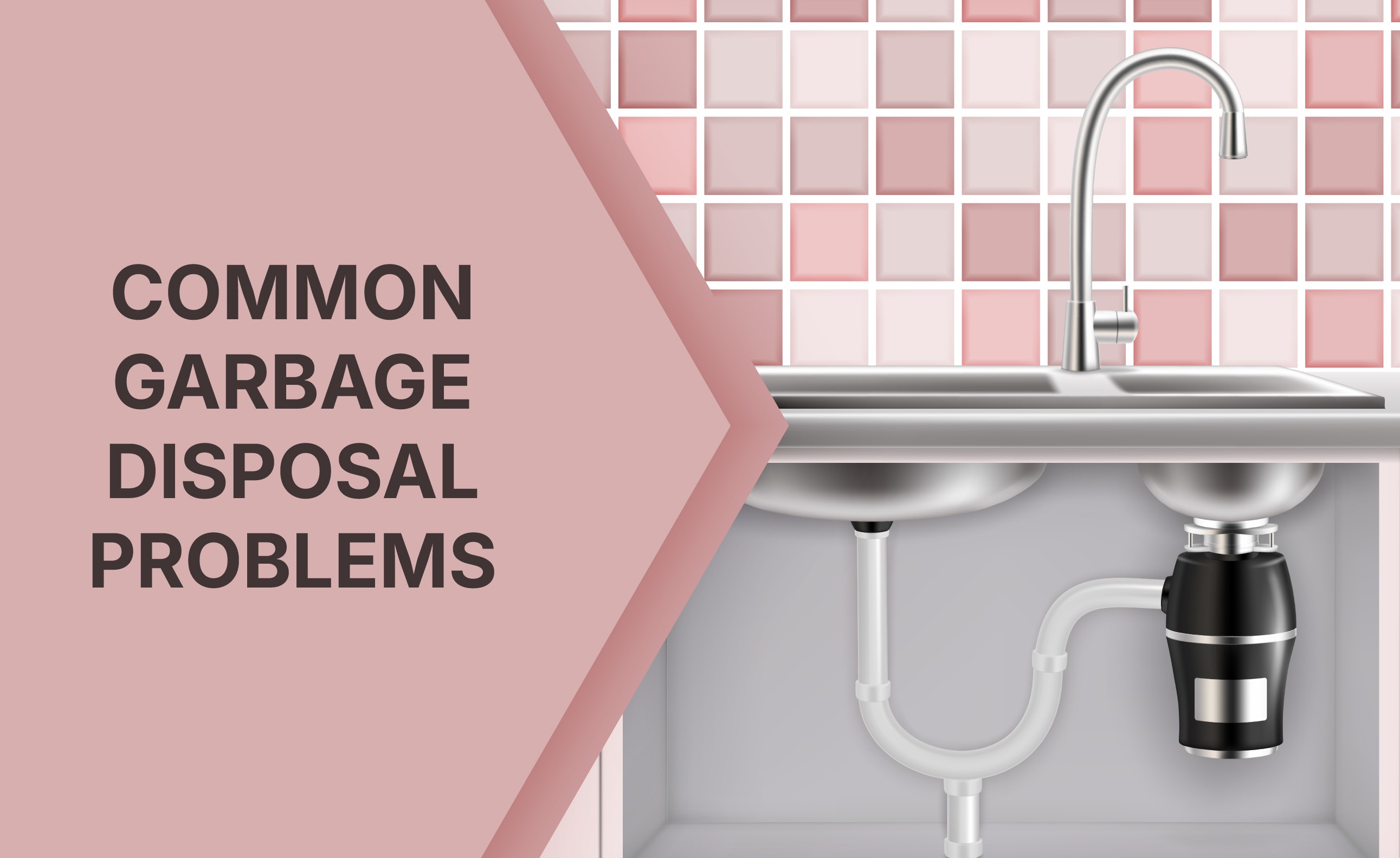
Another common issue is a disposal that leaks from the bottom. This typically indicates a cracked internal seal, which means the entire unit needs to be replaced. Leaks from the side connections, on the other hand, can often be fixed by tightening the drain connections or replacing a worn gasket as a garbage disposal not working fix remedy.
Slow draining after running the disposal usually points to a partial clog in the drain pipe. While chemical drain cleaners might seem like an easy solution, they can actually damage disposal components and corrode pipes over time. A plumber’s snake or professional hydro-jetting is a safer and more effective approach.
When to Call a Professional
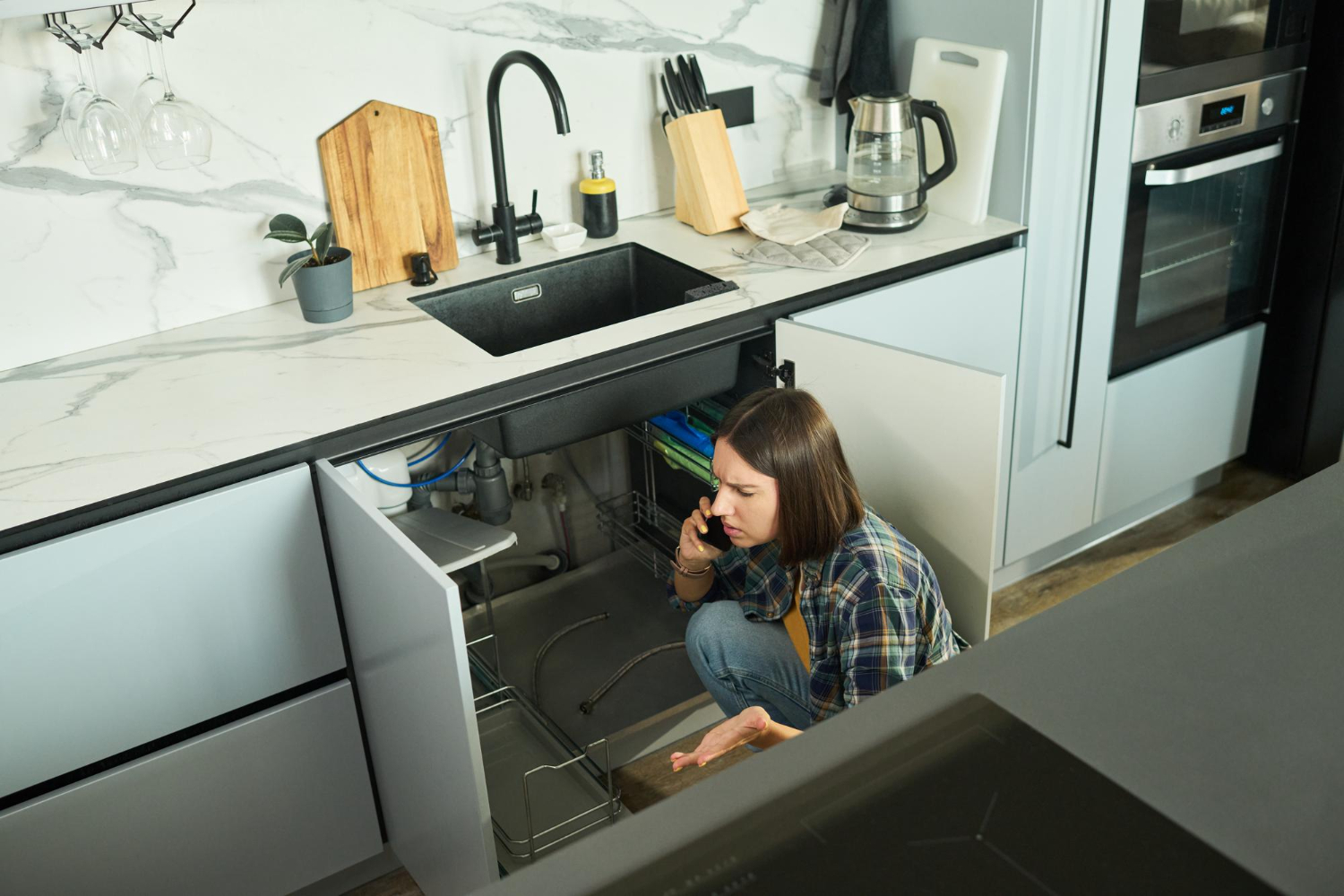
How to fix a clogged garbage disposal? If your disposal trips the circuit breaker repeatedly, produces a burning smell, or has visible corrosion, these are signs that professional help is needed. Electrical issues in particular should never be handled as a DIY project due to the risk of shock or fire. Homeowners in the Goodyear, Arizona area who experience persistent garbage disposal or plumbing problems can reach out to a Goodyear AZ plumber for fast, reliable diagnosis and repair.
Prevention Tips
To extend the life of your garbage disposal, always run cold water while it’s operating. You should avoid putting expandable foods like pasta and rice down the drain, and periodically clean the unit by add grinding ice cubes and citrus peels. These simple habits can prevent the majority of common disposal problems and save you from costly emergency repairs.
Final Thoughts
When to call a plumber for garbage disposal? Garbage disposals are durable appliances, but they are not indestructible. If you know and observe the warning signs of a failing unit and you understand the situation when professional intervention is necessary, it can save your time, money, and the headache of a flooded kitchen. When in doubt, a licensed plumber can assess the situation, and can recommend the most cost-effective solution for your home.
Also Read: Use Smarter Plumbing Solutions to Improve Your Home Renovation
FAQs on Garbage Disposal Problems
1. Why is My Garbage Disposal Humming but Not Working?
A humming sound usually means a jammed flywheel. Turn off the power, manually rotate with an Allen wrench, or call for professional help.
2. Can I Use Chemical Cleaners to Unclog a Garbage Disposal?
Avoid chemical cleaners as they corrode pipes and damage components. Use natural methods or a plumber’s snake to unclog safely.
3. What Causes a Garbage Disposal to Leak from the Bottom?
Bottom leaks indicate internal seal failure, requiring replacement. Side leaks are usually fixable by tightening connections or replacing gaskets.
4. When Should I Call a Professional for Garbage Disposal Problems?
Call a professional if there are electrical issues, a burning smell, repeated resets, or persistent clogs that DIY methods cannot fix.
5. How can I Prevent Common Garbage Disposal Problems at Home?
Run cold water during use, avoid grease and fibrous foods, clean regularly with ice and citrus, and never overload the unit.
Author & Expert Review
Written By:  Swagata Chatterjee | SEO Content Writer & Editor

| Credentials: MA (Calcutta University, Kolkata). Experience: Content Writer and Editor with 19 years’ experience of business content writing and editing, currently writing SEO-optimized, readers’-friendly articles for Gharpedia, part of SDCPL. Expertise: Specializes in writing well-researched content on lifestyle, home décor, , lifestyle, safety, home appliances and gadgets, on-site SEO Optimization, blending technical accuracy with general reader’s ability to learn the topics. Find her on : Linkedin |
Verified By Expert: Avni Desai Environmental Engineer, SDCPL | M.E. (Environmental Engineering)
 Avni Desai Environmental Engineer, SDCPL | M.E. (Environmental Engineering)
 This article has been reviewed for environmental, MEP, and building services accuracy by Avni Desai, an Environmental Engineer at Sthapati Designers & Consultants Pvt. Ltd. (SDCPL). With over 8 years of experience in water supply, wastewater management, infrastructure design, and building services, she brings practical expertise in MEP services, sustainable solutions, design planning, and on-site practices. Her professional services include planning and design of water supply systems, sewage and wastewater treatment systems (STP/WTP), drainage, rainwater harvesting, and other sustainable building services. Her review ensures the content aligns with environmental standards, efficient services planning, and real-world applicability.
Find her on: LinkedIn