





Table of Contents
Quick Summary
- Full-spectrum LED lights (FSFL) replicate natural daylight with 5000K–6500K colour temperature and high CRI (90+). It ensures ensuring accurate colour visibility.
- They provide balanced illumination, reducing eye strain and improving comfort during work, reading, or screen time.
- If compared to regular LEDs, FSFL offers a broader light spectrum that enhances clarity and overall ambiance.
- Energy-efficient and long-lasting, these FSFL bulbs lower electricity bills and maintenance costs.
- They support better mood, focus, and sleep by aligning with natural circadian rhythms.
- These lights are ideal for homes, offices, study areas, and indoor plants.
- Eco-friendly, mercury-free, flicker-free, and aligned with sustainable, health-conscious living standards.
Natural light has a unique way of brightening up our spaces and lifting our mood. But in modern homes, especially in urban settings, access to consistent natural light is often limited, making the interiors feel dull and lifeless.
This is where full-spectrum LED Lights (FSFL) step in as a smart solution. Designed to mimic natural daylight closely, these advanced lighting options bring the benefits of sunlight indoors, without heat or high energy costs.
So, what is an FSFL, and what is special about it? Are full-spectrum LED lights good for health Let’s explore in this blog.
What are Full-Spectrum LED Lights?
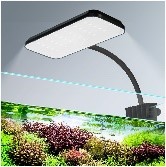
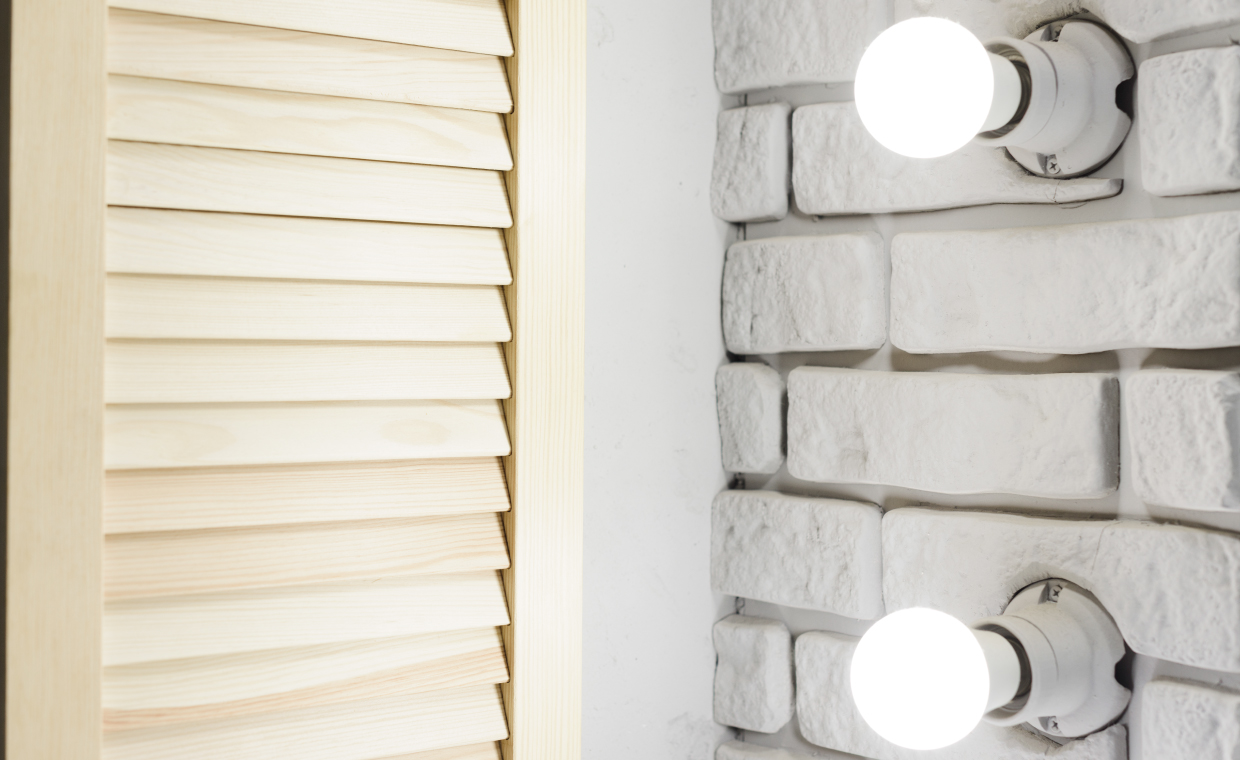
Full-spectrum LED lights are an advanced category of LED bulbs designed to replicate the quality of natural daylight. Typically featuring a colour temperature of around 5000K to 6500K and a Colour Rendering Index (CRI) of 90-95+, these lights produce illumination that closely resembles natural daylight, calling them natural light LED bulbs. But what exactly makes light feel so natural? The answer lies in two important factors: spectrum and Colour Rendering Index (CRI).
- Spectrum: Refers to the visible portion of the electromagnetic spectrum that the human eye can perceive. Full-spectrum lights aim to cover this range more evenly.
- CRI: Colour Rendering Index (CRI) is a measurement of how natural colours render under an artificial white light source when compared to sunlight. A higher CRI means more natural-looking colours. FSFL bulbs offer high-value CRI.
In simple terms, FSFL bulbs don’t just light up a space; this sunlight LED lights for indoors make it look and feel more natural.
1. How They Differ from Regular LEDs
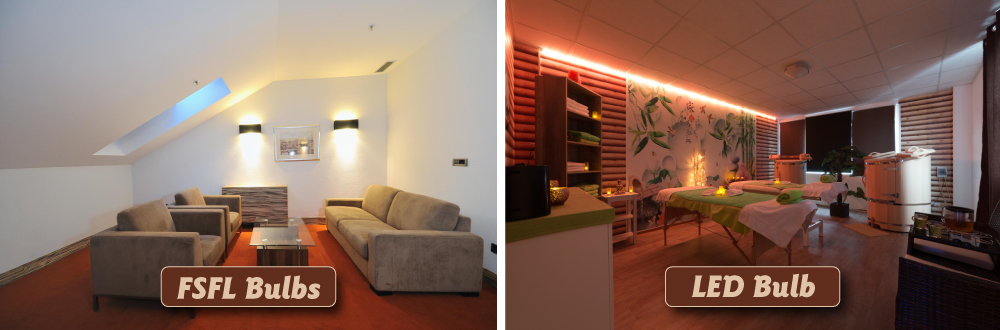
Regular LEDs produce light within a limited colour range. The light appears cool white or warm yellow. In contrast, full-spectrum LEDs provide a broader, more balanced spectrum of light, closely resembling daylight. As a result, you enjoy more accurate colour perception, better visual clarity, reduced eye fatigue and enhanced comfort during activities like reading, working or studying: overall it is a healthy lighting for home interiors.
Additionally, if we compare Full-spectrum LED vs normal LED, the sunlight-like spectrum of Full-spectrum LED can support indoor plant growth, adding photosynthesis even in enclosed spaces.
2. Comparison of Energy Usage with Traditional Lighting Options
| Lighting Type | Typical Wattage (≈800 lumens) | Energy Efficiency | Heat Emission | Average Lifespan |
| Incandescent Bulb | 60 W | Very low | Very High | ~1,000 hours |
| CFL Bulb | 13–15 W | Moderate | Medium | ~8,000 hours |
| Standard LED | 9–10 W | High | Low | ~25,000 hours |
| Full-Spectrum LED (FSFL) | 8–10 W | Very high | Very low | ~25,000–30,000 hours |
Key takeaway: Full-spectrum LEDs (FSFL) provide daylight-like brightness using the least energy. It lasts significantly longer and generates minimal heat.
3. How Full-Spectrum LEDs Replicate Natural Daylight?
Full-spectrum LED lights replicate natural daylight. These led lights mimic sunlight through carefully calibrated light emission. The result is a soft, even light that feels natural and comfortable indoors and serves as Eye-friendly LED lighting for home. This is how it works:
- It has an advanced phosphor coating, which mimics the sun’s spectral distribution.
- Balanced blue, green, and red wavelengths create uniform illumination.
- High CRI ensures accurate and vibrant colour rendering.
Key Benefits of Full-Spectrum LED Lights
1. Eye Comfort
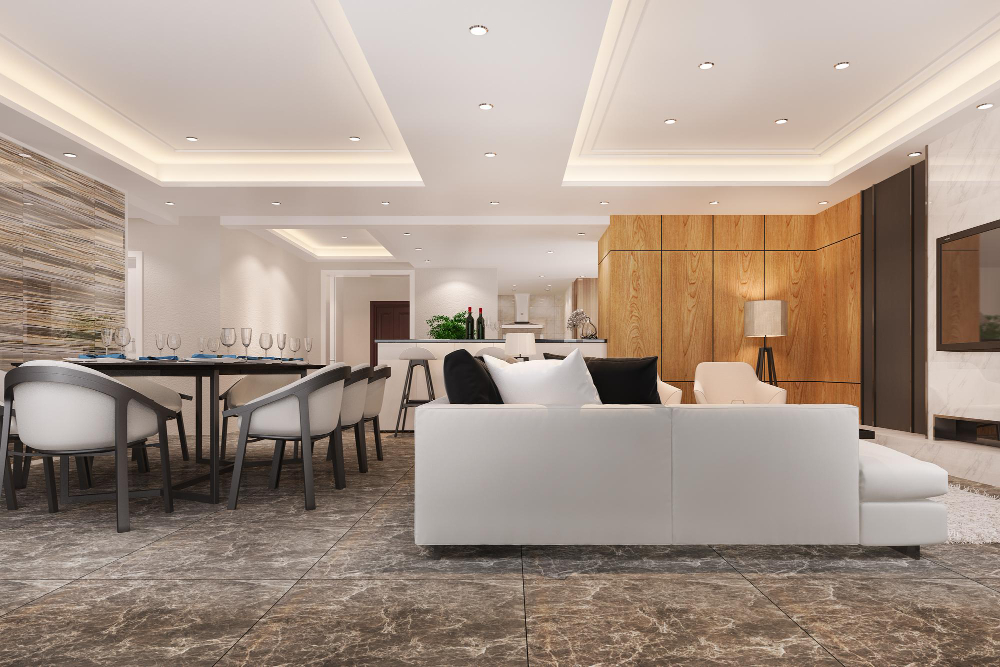
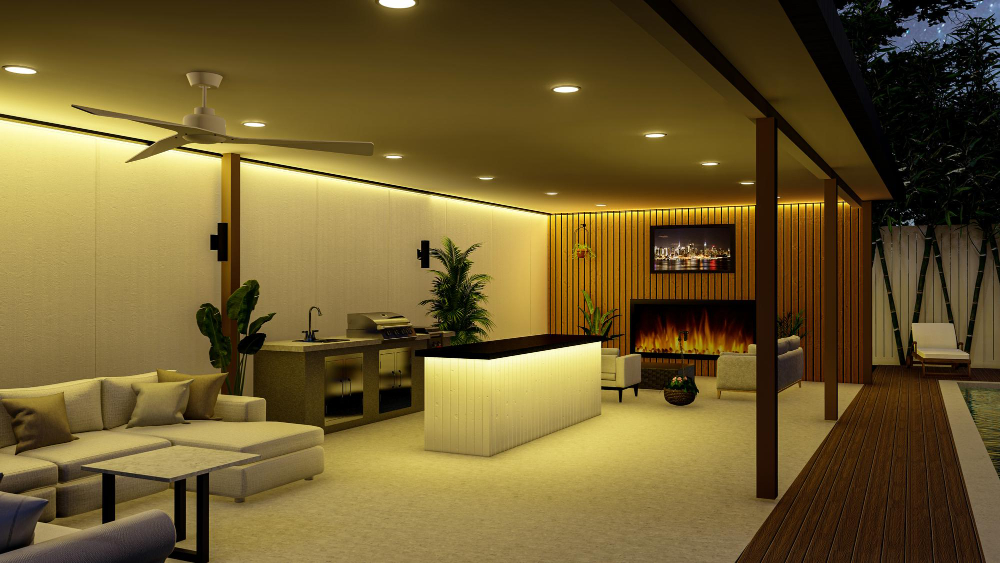
Full-spectrum lighting benefits include reduced glare and balanced illumination, which makes them ideal for long hours of reading, working or screen use. They are aptly called the daylight LED bulbs for living room.
2. Improved Mood
Since the light resembles daylight, it can help create a more positive and uplifting environment and improve alertness and focus.
3. Better Sleep
Proper lighting influences the body’s natural sleep cycle. Full-spectrum LEDs provide balanced daytime illumination, which helps regulate circadian rhythms, contributing to improved sleep quality at night.
4. Energy Savings & Lower Utility Bill
Full-spectrum LED lights consume far less electricity than traditional bulbs and last longer. They help reduce overall electricity and maintenance costs significantly.
Best Places to Use Full-Spectrum LED Lights
- Home offices: Reduce eye strain and improve productivity. Full-spectrum led lights for office are an ergonomic choice.
- Living rooms: Create a bright and inviting atmosphere.
- Bedrooms: Support balanced lighting for healthier sleep routines.
- Kitchens: Enhance visibility for cooking tasks.
- Study Rooms: Ideal for focused learning environments
- Indoor Plant Areas: Full-spectrum LED lights for indoor plants growth. Full-spectrum led lights for plants is widely used in indoor nurseries.
- Art Studios: Ensure accurate colour representation.
Health & Environmental Benefits of Full-Spectrum LED Lighting
Full-spectrum LED lighting goes beyond aesthetics. It also contributes to well-being and sustainability. Users have shared their satisfaction about Full-spectrum lighting for productivity boost and health friendly benefits in the following ways:
1. Mercury-Free and Eco-Friendly Elements
These bulbs contain no toxic mercury. It reduces health risks and environmental contamination and makes indoor lighting safer for families and workplaces.
2. Lower Carbon Footprint due to Reduced Power Consumption
Full-spectrum LED bulbs consume less energy, which lowers emissions.
3. Flicker-Free Lighting
FSFL bulbs provide stable, flicker-free illumination. It reduces headaches, eye strain, and discomfort during extended indoor activities, especially for on-screen activities.
4. Supports Green Building Goals
It helps homes and buildings to meet sustainability and wellness objectives naturally. The low carbon emissions are one of the reasons for promoting sustainability and green living standards.
5. Safer Disposal
These full-spectrum LED bulbs run for a longer service period than other bulbs, and it is safer to dispose of these bulbs without hazardous outcomes, which minimises disposal risks and related environmental harm.
How to Choose the Right FSFL Bulb

When selecting a full-spectrum LED Light, consider the following:
- Spectrum & CRI: Look for CRI above 90-95.
- Wattage and Lumens: Match brightness with room size.
- Energy Efficiency: Check lumens-per-watt rating.
- Heat Output: Choose bulbs with proper heat dissipation
- Build Quality & Lifespan: Opt for durable materials and reliable drivers. High-quality LEDs can last 25,000–50,000 hours or more.
- Certifications: Look for CE, RoHS, UL, or Energy Star.
Reviews & Warranty: Prefer products with strong reviews and 3-5 reviews and 3–5-year warranties.
Conclusion
Full-spectrum LED lights offer a simple yet powerful upgrade for modern homes. By bringing daylight-like illumination indoors, they enhance visual comfort, improve well-being, and reduce energy consumption, all at once.
If homeowners select the right full-spectrum LEDs, they enjoy consistent lighting quality, long-term cost savings, and a sustainable, eco-friendly lighting solution. Whether for work, relaxation, or everyday activities, these lights prove that good lighting is not just about visibility; it’s about quality of life.
Also Read: Let Your Home Shine Bright as You Choose Perfect Lighting for Home
FAQs on Full-Spectrum LED Lights
1. Do Full-Spectrum LED Bulbs Help Reduce Eye Strain?
Yes. Balanced light distribution and better colour rendering can reduce glare and eye fatigue, especially during long hours of reading, studying, or computer work.
2. Are Full-Spectrum LED Bulbs Good for Indoor Plants?
Many full-spectrum LEDs support plant growth because they provide a wide light spectrum similar to sunlight, helping plants perform photosynthesis indoors.
3. What Colour Temperature Do Full-Spectrum LED Bulbs Have?
Most full-spectrum LEDs range between 5000K and 6500K, producing bright white light similar to natural daylight.
4. Are Full-Spectrum LED Bulbs Safe for Everyday Use?
Yes. Quality FSFL bulbs are designed for daily indoor lighting and are safe when used according to manufacturer guidelines. They also produce very little heat.
5. How Long Do Full-Spectrum LED Bulbs Typically Last?
Most full-spectrum LED bulbs last between 25,000 and 50,000 hours, depending on build quality and usage. This makes them much longer-lasting than traditional incandescent or fluorescent bulbs.
References
Jan Martel, David M. Ojcius, John D. Young (2025) in Circadian rhythmicity and human health in Biomedical Journal, Volume 48, Issue 3, June 2025, 100855 [online] Available from https://www.sciencedirect.com/science/article/pii/S2319417025000290
Science Mission Directorate (2010) in “Introduction to the Electromagnetic Spectrum” NASA Science in National Aeronautics and Space Administration, [insert date – e.g. 10 Aug. 2016] [online] Available from http://science.nasa.gov/ems/01_intro
Author & Expert Review
Written By:  Swagata Chatterjee | SEO Content Writer & Editor

| Credentials: MA (Calcutta University, Kolkata). Experience: Content Writer and Editor with 19 years’ experience of business content writing and editing, currently writing SEO-optimized, readers’-friendly articles for Gharpedia, part of SDCPL. Expertise: Specializes in writing well-researched content on lifestyle, home décor, , lifestyle, safety, home appliances and gadgets, on-site SEO Optimization, blending technical accuracy with general reader’s ability to learn the topics. Find her on : Linkedin |
Verified By Expert: Mansi Shah – Architect & Architectural Content Writer, SDCPL | B.Arch.
 Mansi Shah – Architect & Architectural Content Writer,
 This article has been reviewed for architectural and interior design accuracy by Mansi Shah, an Architect associated with Sthapati Designers & Consultants Pvt. Ltd. (SDCPL). With over 25 years of professional experience in architectural planning, design development, detailing, and on-site execution of residential, commercial, and institutional projects, she brings deep expertise in architecture and interior planning, material selection, construction practices, and building bylaws. Her review ensures the content reflects practical design principles, interior space efficiency, and industry-aligned architectural standards.
Find him on: LinkedIn