




Table of Contents
Quick Summary
- Learn how to create an energy efficient home with propane through thoughtful design and equipment selection.
- Improve your home’s thermal performance with proper insulation and air sealing.
- Use heating zones and programmable thermostats to match heating with how different spaces are used.
- Choose appropriately sized, high-efficiency propane appliances based on your home’s heating and hot-water requirements.
- Plan equipment placement, ductwork, ventilation, and propane storage carefully for efficient and safe operation.
- Consider factors such as climate, insulation, windows, air leakage, occupancy, and hot-water use when determining propane requirements.
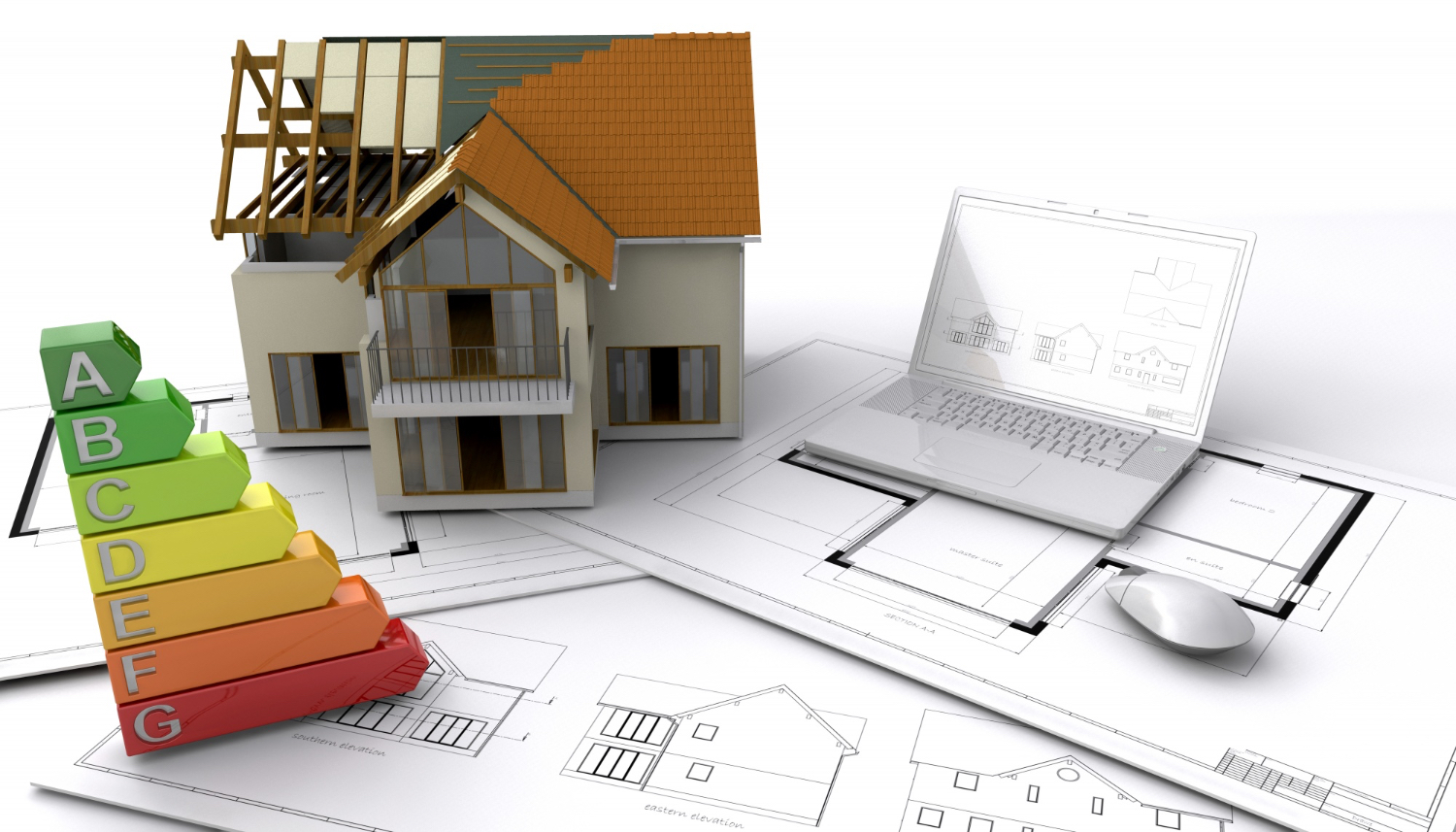
- A heating-load calculation can help you select appropriately sized heating equipment.
Courtesy - Magnific
The National Propane Gas Association (NPGA) reports that 50 million American homes use propane, and 11.9 million households rely on propane as their energy source for space or water heating. It may not be the first thing people think of when they talk about the subject of heating their homes, but it’s a great alternative to the common options.
If you’re interested in creating an energy efficient home with propane, there are several design considerations that can help you use energy more effectively while maintaining comfortable indoor conditions.
1. Prioritize Insulation and Air Sealing
Courtesy - Magnific
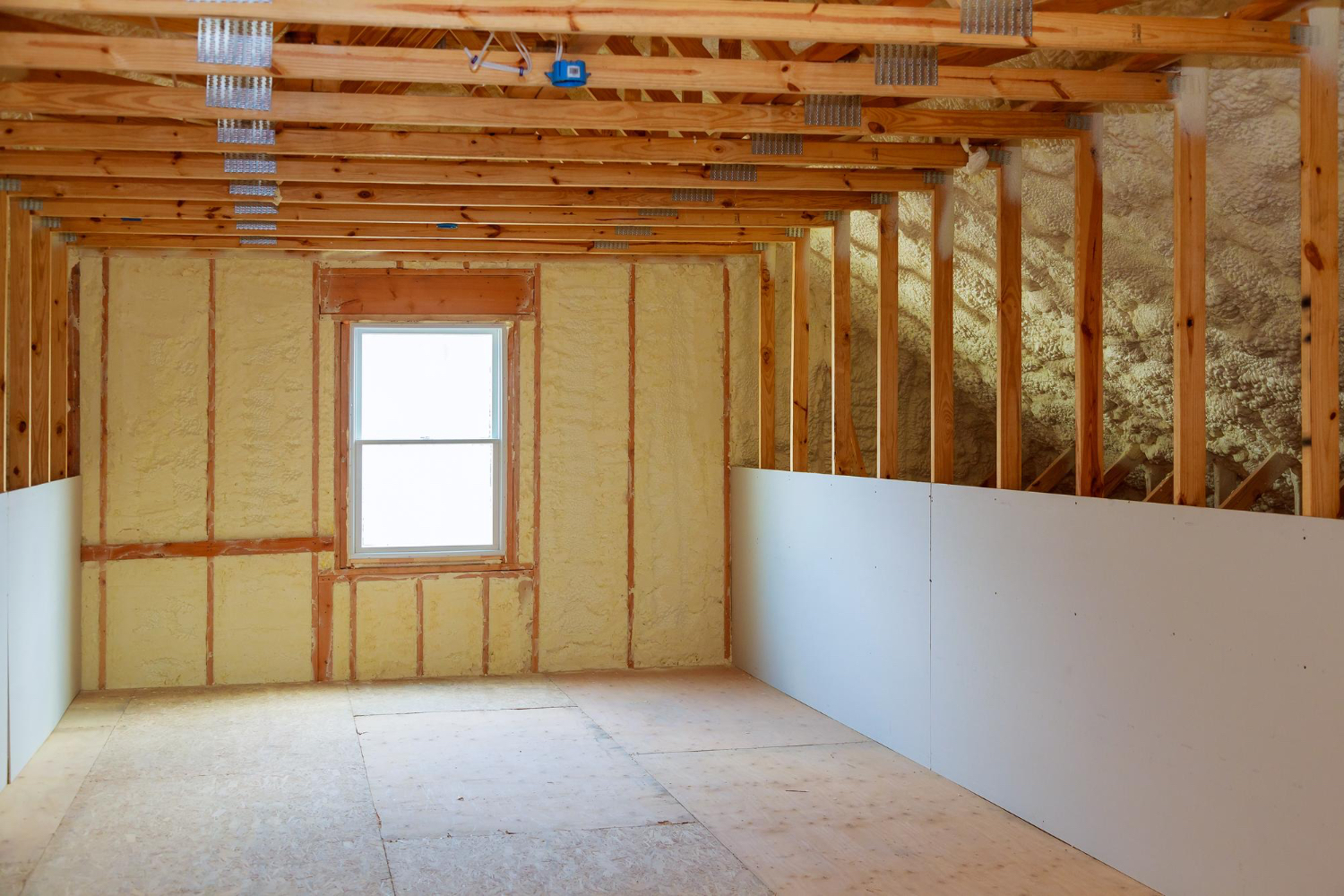
The first thing to focus on is a strong thermal envelope. For an energy efficient home with propane, a well-insulated and tightly sealed building envelope can help reduce heating demand and improve overall comfort. You’ll need high-quality insulation in these spaces to help reduce the amount of heat the home loses:
- Attic
- Walls
- Floors
- Around conditioned spaces
You’ll also need to do air sealing, as small gaps around places like windows and doors can allow conditioned air to escape.
Before you choose any heating equipment, first consider how the insulation levels and air-sealing strategy will affect your home’s overall heating load. A well-sealed home may need a smaller heating system, while a poorly insulated one will need a larger one.
2. Design Heating Zones Around How the Home Is Used
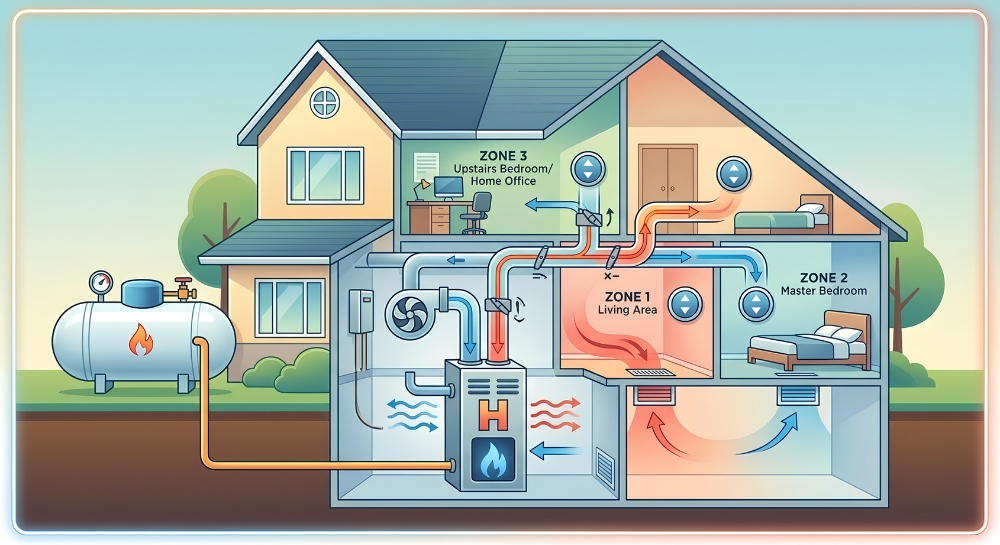
Instead of heating the entire house to the same temperature at all times, think about dividing it into heating zones based on occupancy and use. Less frequently occupied spaces may have different heating requirements, and if you use a zoned propane heating system, you can adjust temperatures independently. This complete guide to propane can tell you more.
Your home’s layout should also support this approach by grouping rooms with similar heating needs where practical. You can further coordinate temperature settings with programmable or smart thermostats.
3. Choose High-Efficiency Propane Appliances
Courtesy - Magnific
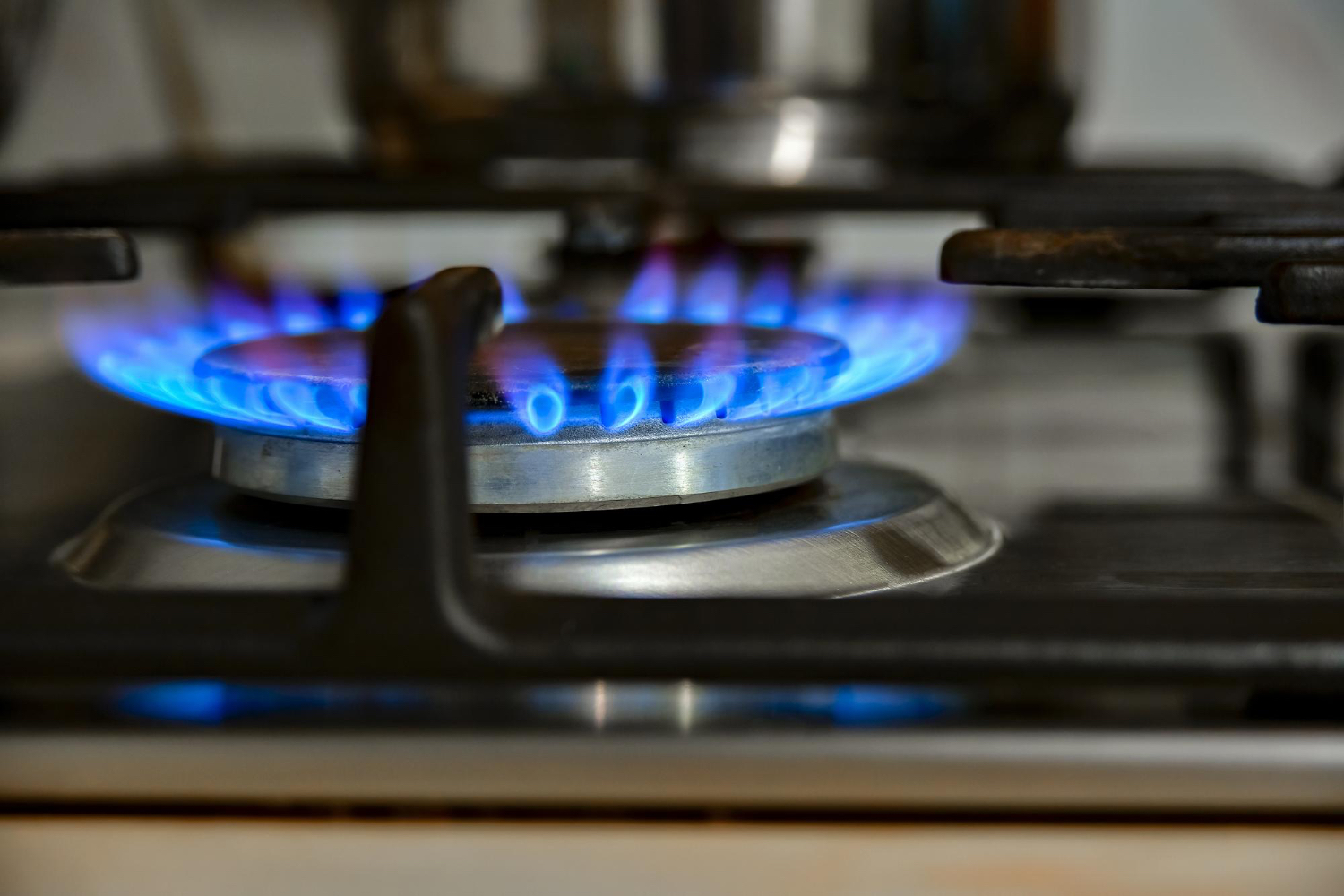
Choosing appropriately sized, efficient equipment is an important part of designing an energy efficient home with propane. Propane can power more than just a home’s primary heating system, so your home energy-efficiency strategy should involve careful appliance selection from the start. Don’t just automatically choose the largest available equipment, though; you should consider appropriately sized systems based on calculated heat and hot water demand.
In addition, combine efficient propane appliances with good insulation and air sealing. This can reduce the amount of fuel needed to maintain comfortable indoor conditions. When selecting the appliances, consider:
- Equipment efficiency ratings
- Operating requirements
- Maintenance needs
- Expected usage
4. Plan Equipment Placement and Distribution Carefully
Where you install your propane equipment can influence how efficiently your home uses energy. In general, the pieces should be positioned with access for maintenance while minimizing unnecessary losses.
Ductwork should be designed to limit leakage and excessive runs, and boilers and furnaces should have appropriate clearances and service access. In addition, the mechanical room should be planned around ventilation and equipment requirements.
If you think about equipment placement during your home’s design phase, this can make it easier to coordinate:
- Fuel supply
- Distribution
- Electrical connections
- Ventilation
- Maintenance access
5. Coordinate Ventilation With a Tightly Sealed Home
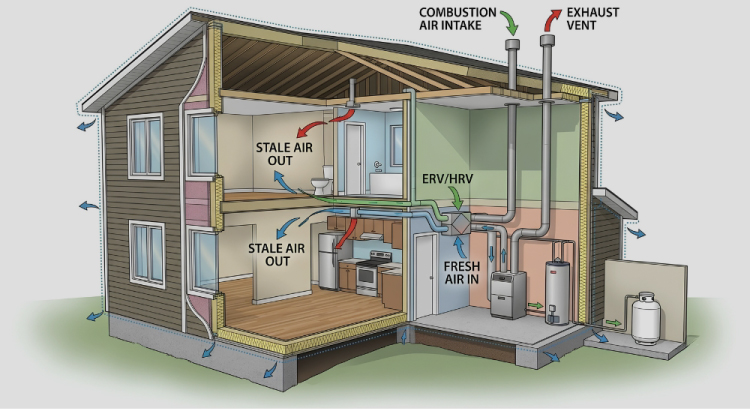
When designing an energy efficient home with propane, ventilation should be planned alongside insulation, air sealing, and combustion-air requirements. A tightly sealed house still needs adequate fresh-air exchange and appropriate combustion-air provisions. Depending on your home’s design and equipment, mechanical ventilation may help provide consistent indoor air exchange while reducing unnecessary energy losses.
If you get equipment that needs combustion air or exhaust ventilation, then it must be installed according to applicable requirements. Work with qualified HVAC and propane professionals for efficiency and safety.
6. Match Propane Capacity to the Home’s Heating Needs
An efficient propane home should be designed around its actual energy demand. The following can all affect propane requirements:
- Climate
- Insulation
- Window performance
- Air leakage
- Ceiling height
- Occupancy
- Hot water use
- Appliance loads
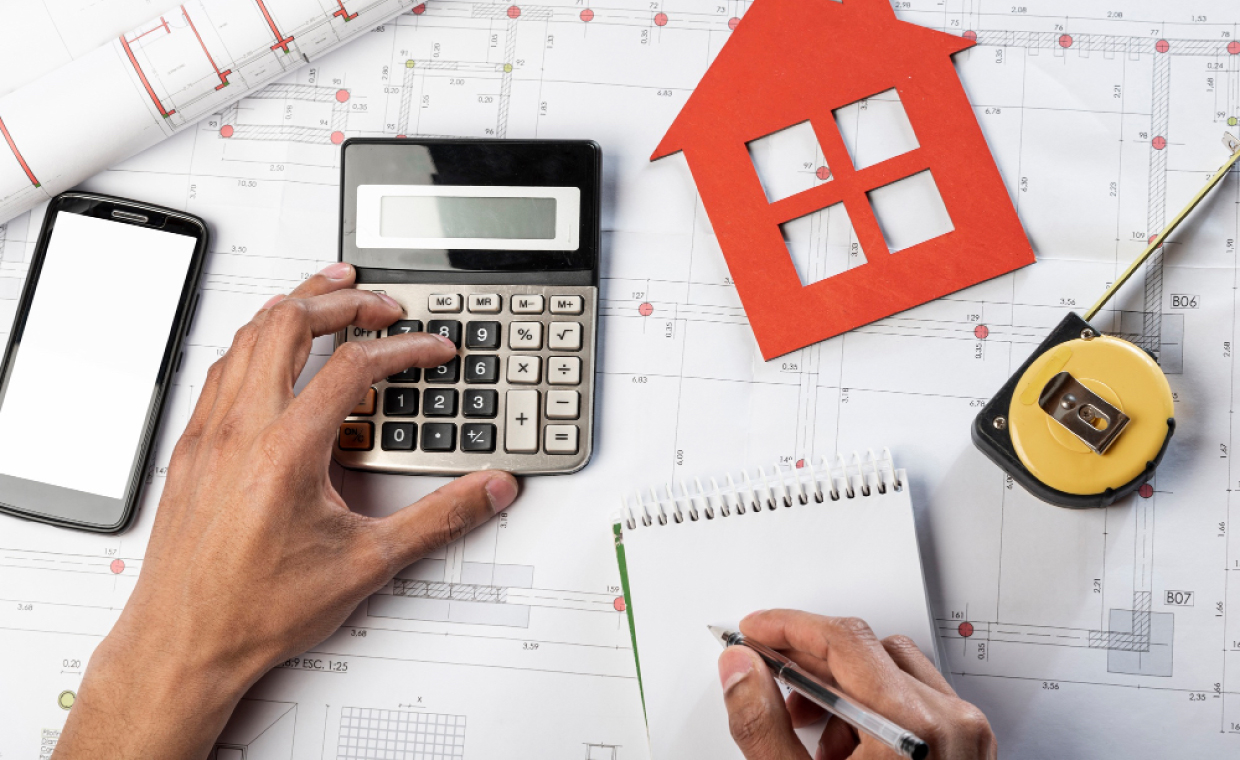
It’s best to do a heating load calculation, as this can help you determine the appropriate capacity for furnaces, boilers, and other heating equipment.
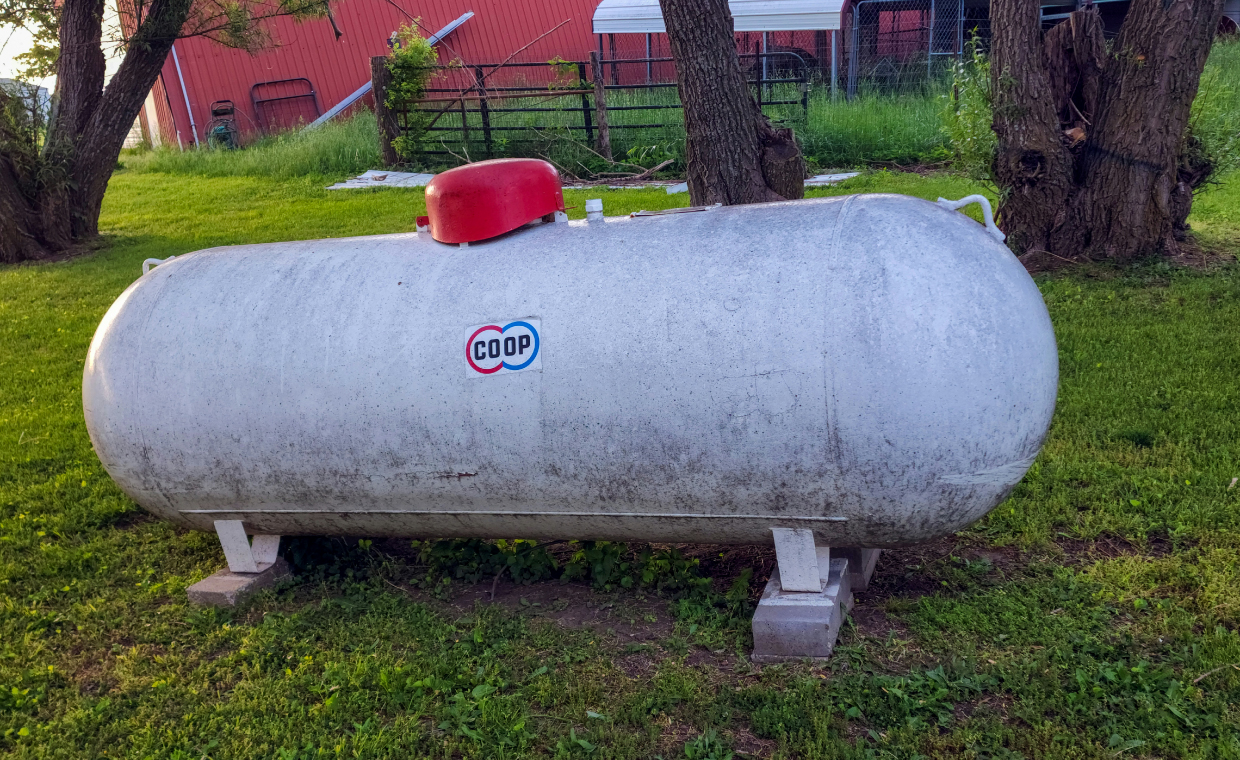
Don’t forget to consider the location and sizing of propane storage, too. Delivery access and applicable installation requirements should also be considered.
Design an Energy-Efficient Home That Uses Propane
Designing an energy efficient home with propane requires more than choosing an efficient heating system. This can allow you to heat your home without exorbitant costs, as well as prevent you from prematurely replacing appliances.
Also Read: Energy Efficient Windows: For Your Next Windows Replacement Project!
Keep reading our website to find more informative posts now.
FAQs on Energy-Efficient Home With Propane
1. What is an energy efficient home with propane?
An energy efficient home with propane combines propane-powered heating or appliances with measures such as proper insulation, air sealing, efficient equipment, appropriate ventilation, and correctly sized systems.
2. How can insulation make a propane home more energy efficient?
Good insulation in areas such as attics, walls, and floors helps reduce heat loss. This can lower the heating demand and allow appropriately sized propane heating equipment to maintain comfortable indoor temperatures.
3. What propane appliances can be used in an energy efficient home?
Propane can be used to power various home appliances and heating equipment. When selecting them, consider their efficiency ratings, operating requirements, maintenance needs, and expected usage.
4. Why is equipment sizing important for a propane-powered home?
Proper equipment sizing helps match heating capacity to the home’s actual energy demand. Factors such as climate, insulation, window performance, air leakage, occupancy, and hot-water use can affect propane requirements.
5. How can ventilation improve an energy efficient home with propane?
A tightly sealed home still needs adequate fresh-air exchange and, where required, appropriate combustion and exhaust ventilation. Properly planned ventilation can support indoor air quality while helping prevent unnecessary energy losses.
Courtesy - Featured Image(Unspash)
Author & Expert Review
Written By:  Nidhi Patel | Civil Engineer & Content Writer

| Credentials: B.E. (Mahatma Gandhi Institute of Technical Education and Research Centre), Registered with Gujarat Technological University (GTU). Experience: Civil Engineer with 3+ years of content writing experience, currently writing blogs for Gharpedia, part of SDCPL. Expertise: Specializing in SEO-optimized blogs and long-form articles focused on home improvement, construction, interiors and architect topics. I create well-researched, reader-focused content that balances technical accuracy with clarity, making complex subjects easy to understand. Find her on: LinkedIn |
Verified By Expert:  Ravin Desai – Co Founder – Gharpedia | Co Founder – 1 MNT | Director – SDCPL

This article has been reviewed for technical accuracy by Ravin Desai, Co-Founder of Gharpedia and Director at Sthapati Designers & Consultants Pvt. Ltd. With a B.Tech. in Civil Engineering from VNIT Nagpur and an M.S. in Civil Engineering from Clemson University, USA, and over a decade of international and Indian experience in the construction and design consultancy sector, he ensures all technical content aligns with industry standards and best practices.
Find him on: LinkedIn