





Table of Contents
Quick Summary
- A center table or coffee table is an essential element that completes the living room and ties the seating area together.
- Its design should align with the overall design philosophy of the home, including colour, texture, and material.
- Choosing the right size and height ensures comfort, easy movement, and practical everyday use.
- The shape of the center table should complement the sofa layout, such as rectangular tables for L-shaped sofas.
- Styling and material selection influence both aesthetics and maintenance requirements.
- Usage patterns, such as entertaining guests or storage needs, should guide the final design.
- Materials like wood, glass, metal, marble, or acrylic offer different visual weights and durability.
- A well-designed center table balances functionality, proportion, and visual appeal in the living space.
Courtesy - Magnific(image 1, 2, 3, 4, 5, 6, 7)
Imagine walking into a beautifully designed living room, which has everything in place, but no centre table!
The comfortable sofa, elegant lighting, and stylish décor cannot fill the void a missing centre table creates. A living room without a centre table feels incomplete and imbalanced, and only in its absence will you understand why a centre table for your living room is much more than just a decorative furniture piece.
From holding everyday essentials to displaying decorative accessories to completing overall aesthetics, the right centre table design can transform the way your living room looks and functions.
But choosing the perfect centre table is not about following the trends. It involves a certain degree of understanding the required size and placement, selecting ideal material, shape and style.
So, if you are wondering how to pick a coffee table for your home, this blog on centre table design tips will help you make the right decision.
Center Table Design Tips
A good coffee table design should bring together aesthetics and functionality. Here are some important factors you should consider before finalising your choice.
01. Coffee Table Design to Flow with Overall Design Philosophy
Courtesy - Magnific
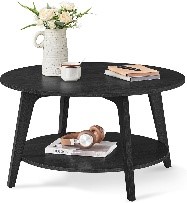
In the words of Don Norman, “design is concerned with how things work, how they are controlled, and the nature of the interaction between people and technology. When done well, the results are brilliant, pleasurable products.”
Ultimately, the entire design of the house, right from the exterior to the smallest unit within, must be in harmony with each other, and your centre table design should feel connected to the larger design language.
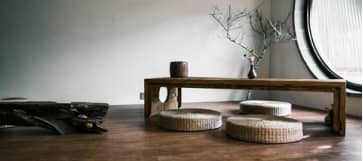
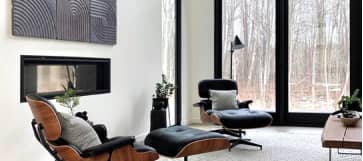
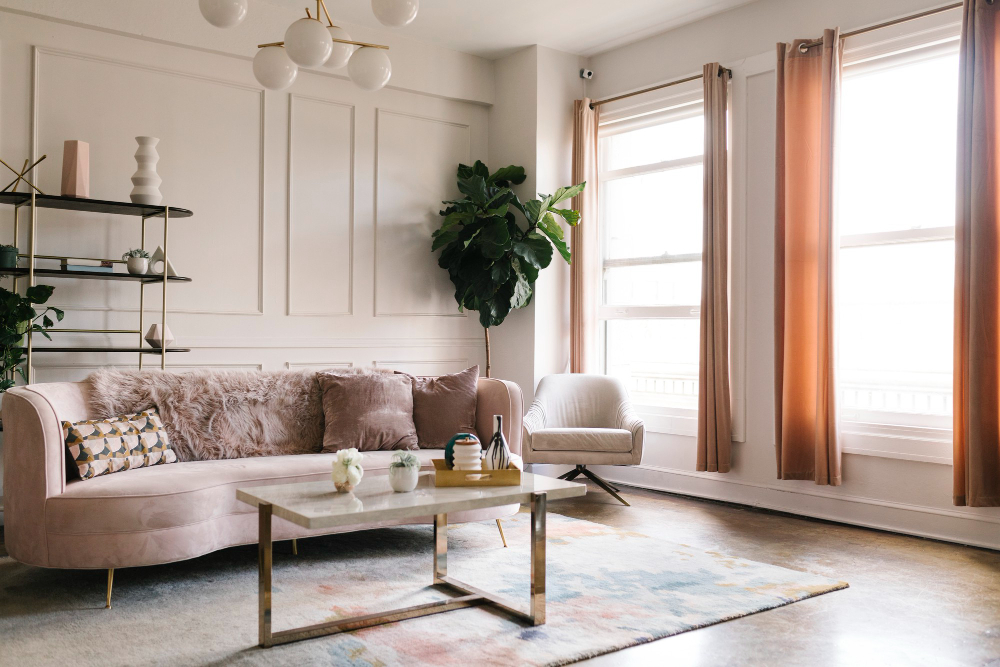
Your design of the centre table should naturally blend with the elements of your living room, ranging from wall colours, sofa style, and flooring material. For example, a luxurious setting may demand marble or metallic finishes, while minimalist homes look good with clean lines and simple geometric forms. Basically, you focus on harmony between shapes, texture, materials and surroundings while designing your centre table.
02. Right Size of Coffee Table
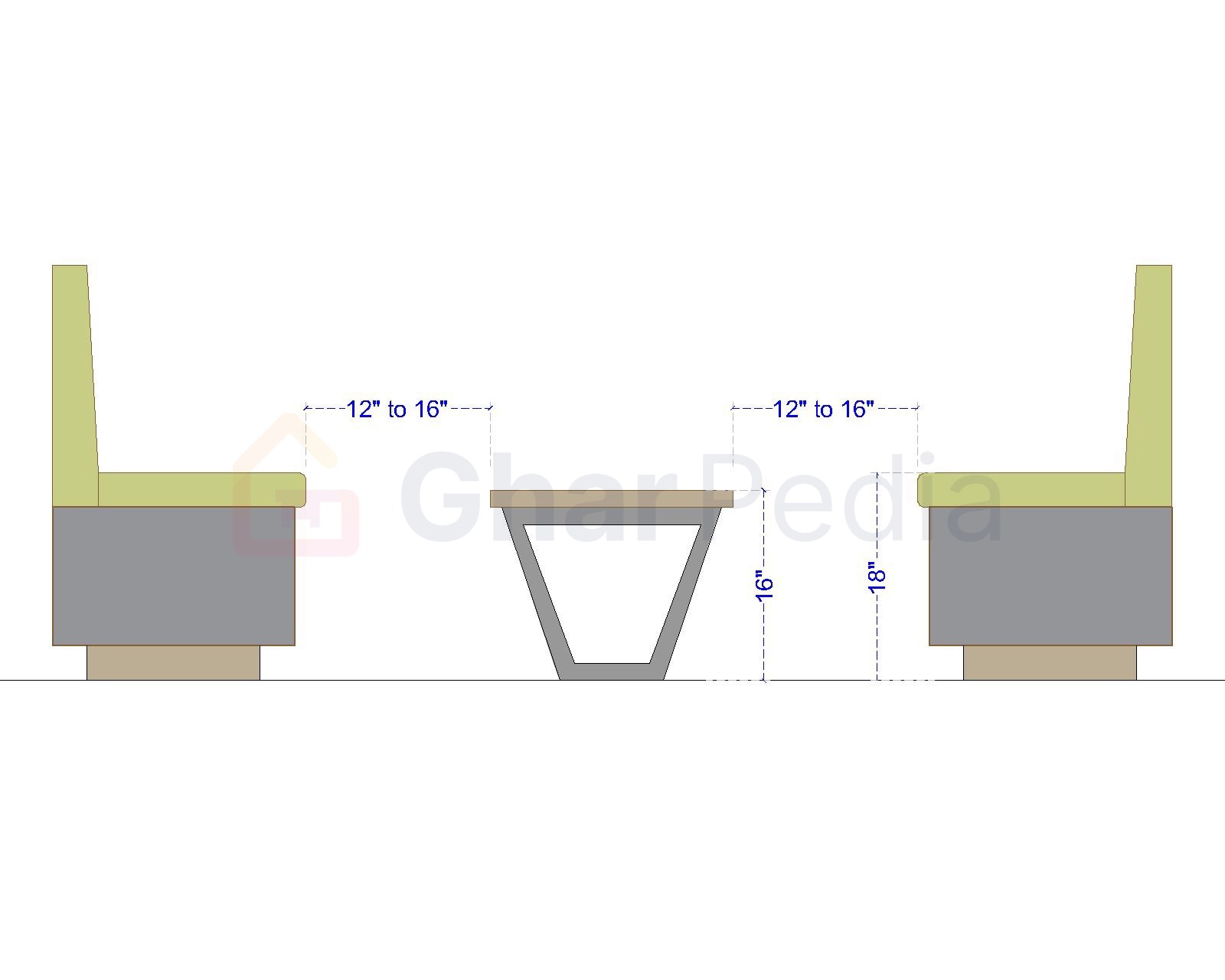
One of the most common mistakes homeowners make while choosing a coffee table is ignoring the dimensions. The center table dimensions should always be proportionate to your sofa size and must ensure enough circulation space. If you have a spacious living area, use multiple tables. Ensure that the coffee table has enough space for everyday objects. Dimensions are very important in furniture design; hence, while deciding the size of the centre table, keep measurements in mind. We have also referred to Time Saver Standards for a better understanding of furniture dimensions.
Keep in mind that the idea coffee table height should be the same height as your sofa seat or slightly lower. Leave around 12 to 16 inches between the sofa and table. Good centre table size and placement ensures both comfort and visual balance.
03. Shape That Suits Your Sofa
Courtesy - Magnific
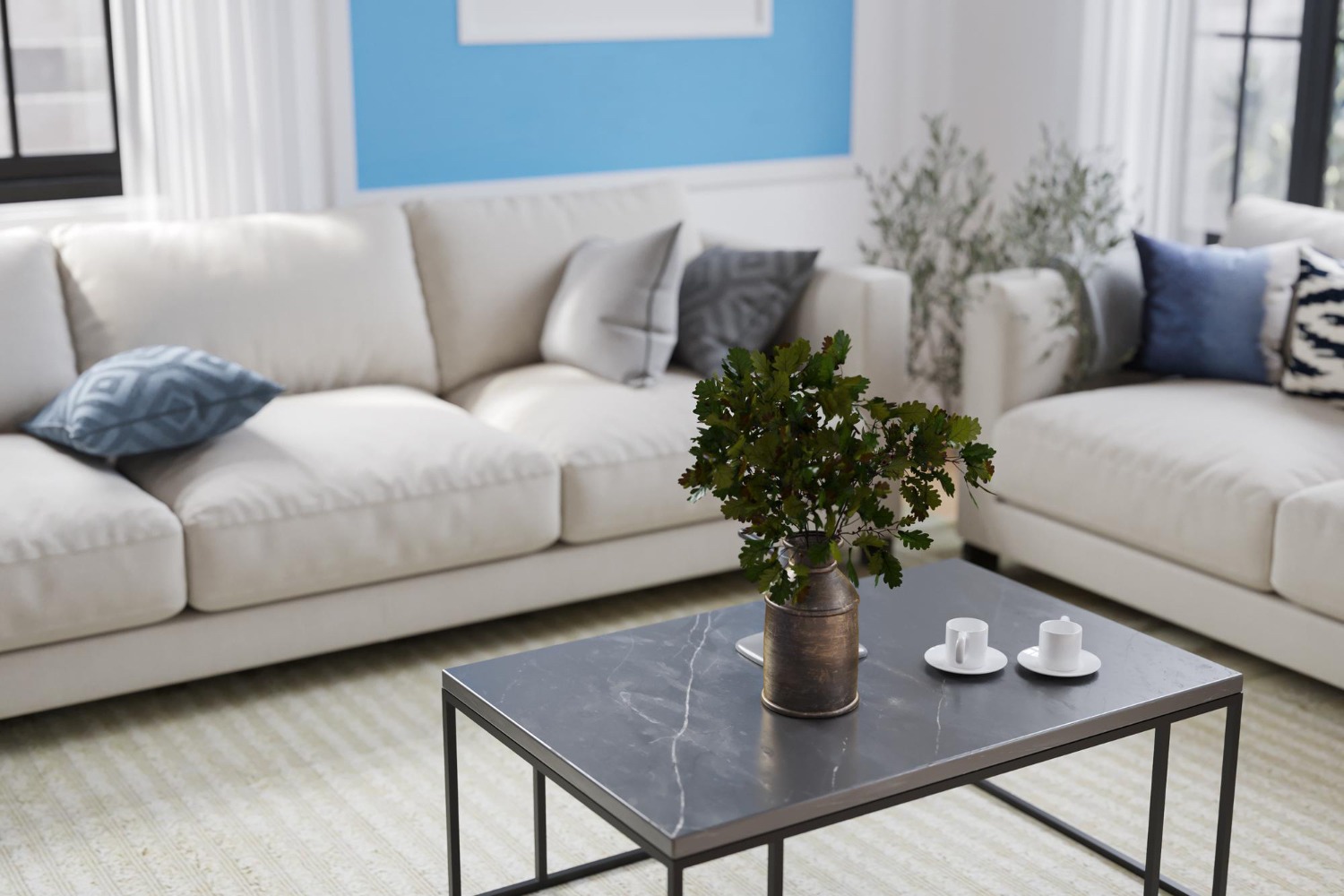
The shape of your sofa is often the biggest clue to the ideal shape or design of your centre table. The idea is simple: the central table for the sofa should flow in harmony with the concept and offer easy access to the sofa from all sides.
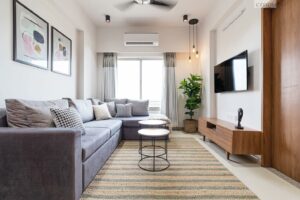
Ideally, a rectangular centre table goes well with an L-shaped sofa or a rectangular sofa.
Square tables work well with compact seating layouts. Round tables improve movement in smaller spaces, and abstract or asymmetrical designs add a contemporary touch, while also breaking the monotony.
04. Style That Complements the Room
Courtesy - Magnific
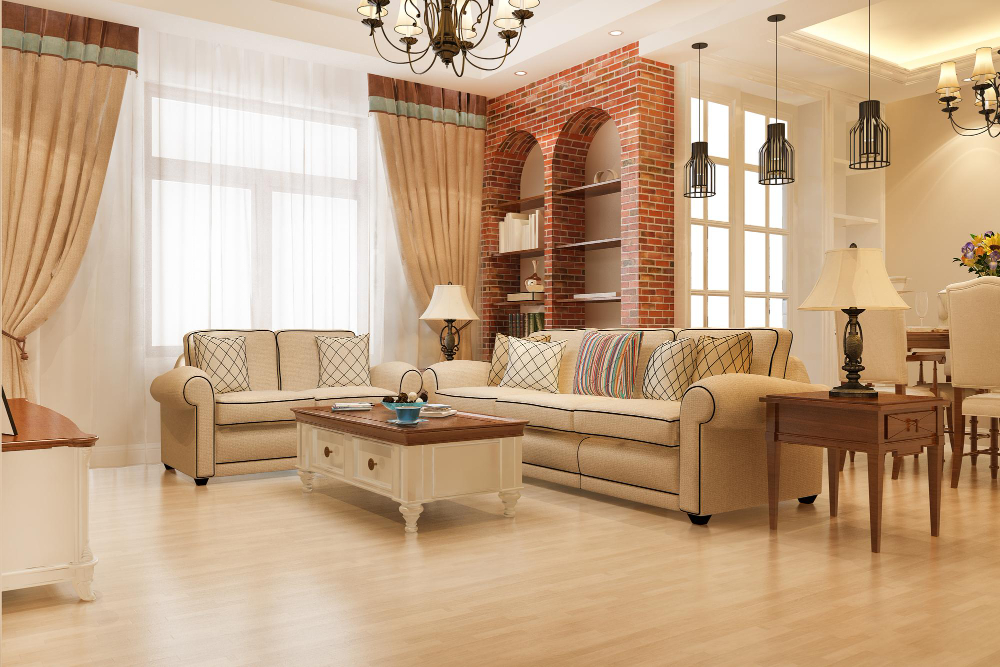
Since the sofa and centre table for the living room usually become the focal point of the entire space, understanding coffee table styling tips becomes important.
If your living room follows a traditional theme, classic wooden tables work like magic. Contemporary spaces often look better with sleek geometric patterns and modern coffee table designs. Glass tables make a space look visually lighter by creating an illusion of openness. The design of your centre table must complement the space and not overpower it.
05. Design According to Usage
Courtesy - Magnific
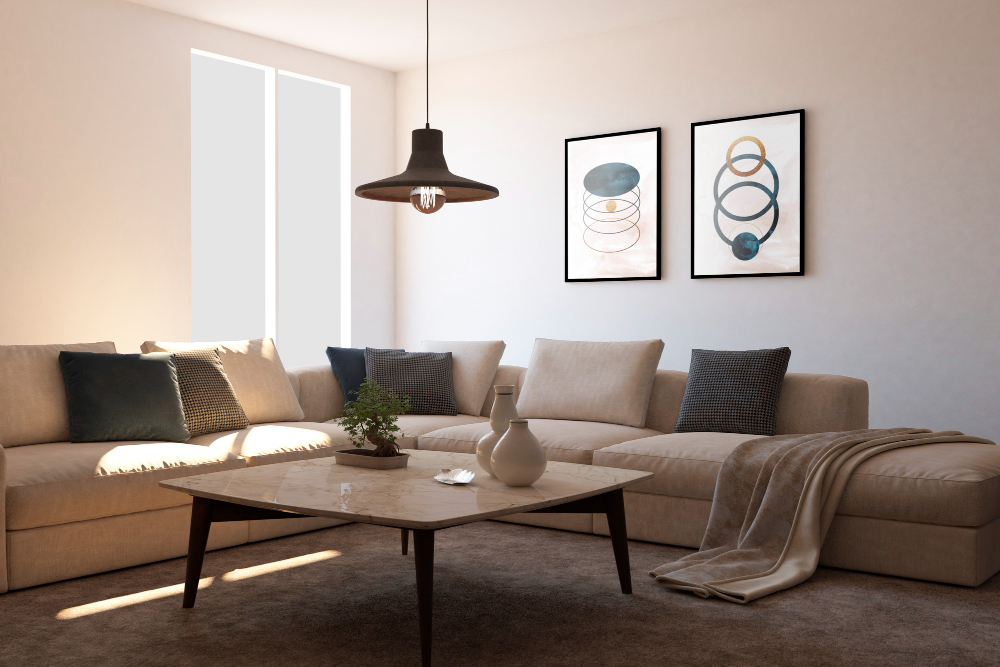
While searching for a new design of a centre table, understand your usage pattern. Analyse how frequently you entertain guests at home, do you need extra storage, do you work or eat around the living room, will children use the space?
Your usage pattern will guide your centre table design. For example, homes with frequent guests should go for stain-resistant surfaces. Compact homes will need a unique centre table with built-in storage. Functionality must guide your coffee table design decisions.
06. Choose Right Material
Courtesy - Magnific
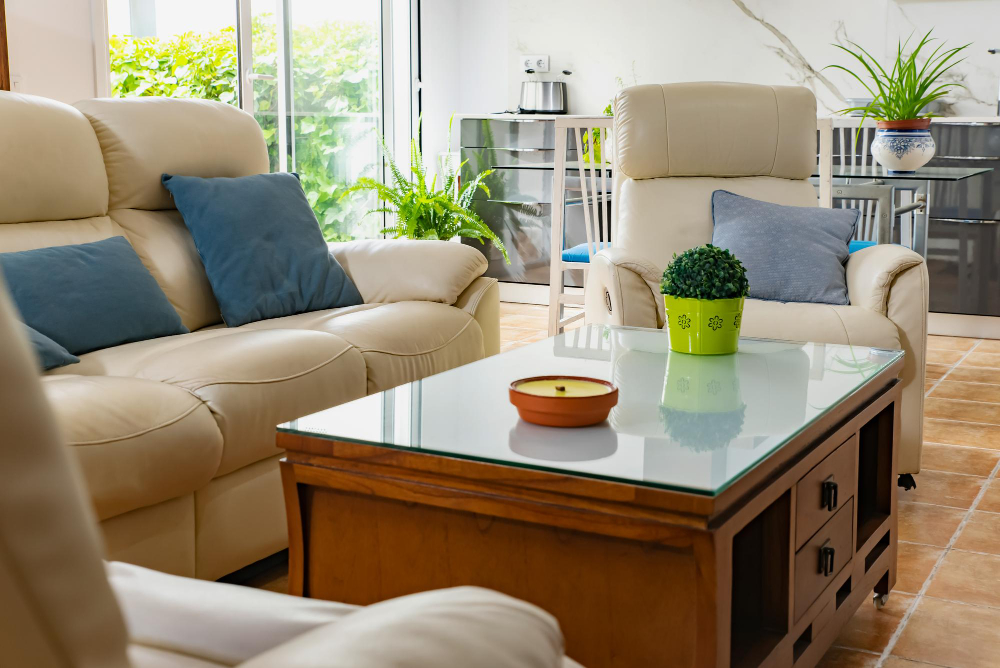
The material you choose will affect the durability, maintenance and overall aesthetics.
Natural wood, plywood and fiberboard are the most commonly used materials to make coffee tables. A wooden centre table design with a glass top is a classic choice these days. If you want to make it visually light, you can go with the modern design coffee table, which has glass with a metal frame. Marble and acrylic materials go well in luxurious interiors and contemporary homes.
Common Coffee Table Mistakes to Avoid
- Choosing an oversized centre table that blocks movement.
- Ignoring the proper size of the coffee table.
- Selecting sharp-edged tables in homes with children
- Ignoring storage needs.
- Choosing high-maintenance materials.
Coffee Table Styling Ideas
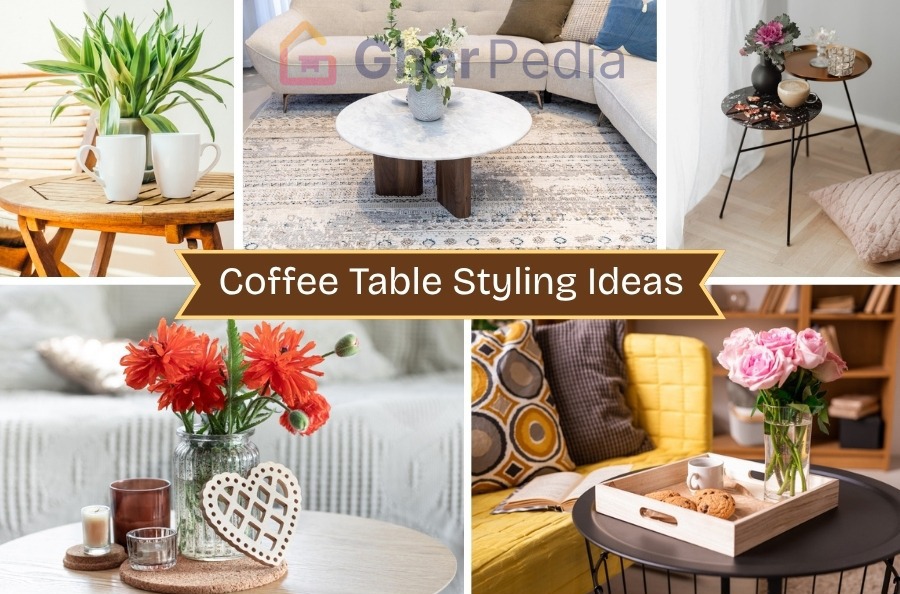
Choosing the right centre table for your living room will be impactful only when you know how to style it to make a visual difference. If you are wondering how to decorate a coffee table or how to style a coffee table, here are some easy ideas:
Courtesy - Magnific(image 1, 2, 3, 4, 5)
- Stack a few coffee table books with a small planter or candle to create an elegant layered look.
- Use decorative trays to organise remotes, coasters, and small accessories neatly.
- Add fresh flowers or indoor plants to make the living room feel lively and inviting.
- Mix textures like wood, glass, ceramic, or metal décor pieces for visual balance.
- Avoid overcrowding the table so it remains functional and visually clean.
Simple centre table décor can instantly elevate the feel of the room, and one of the easiest ways to do that is to pair your centre table with a rug. Remember these points while styling with rug:
- Ensure the rug is large enough to accommodate the center table and front legs of the sofa.
- Pair round rugs with circular coffee tables for a softer visual flow.
- Use contrasting textures and colours to create depth in the seating area.
- Keep enough walking space around the rug for comfortable movement
Center Table Ideas for Small Living Rooms
Courtesy - Canva
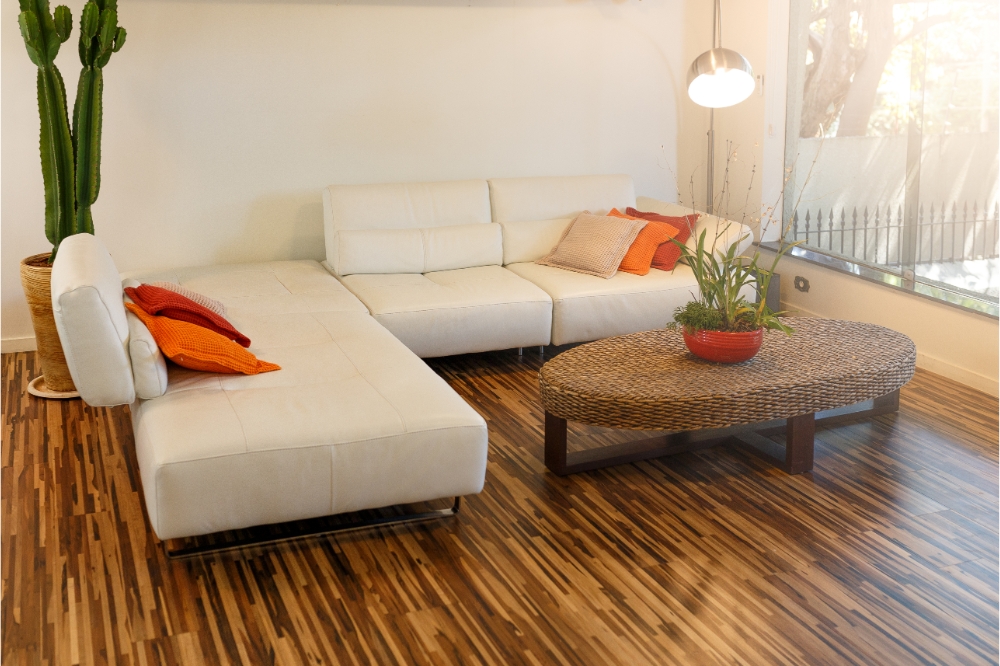
Small spaces need smarter furniture planning. For compact homes, consider:
- Glass or acrylic tables to create openness.
- Nested or foldable tables for flexibility
- Storage-based designs for functionality.
- Round centre tables for easier movement
- Minimalist elegant centre table designs for visual lightness
Center Table Décor According to Interior Style
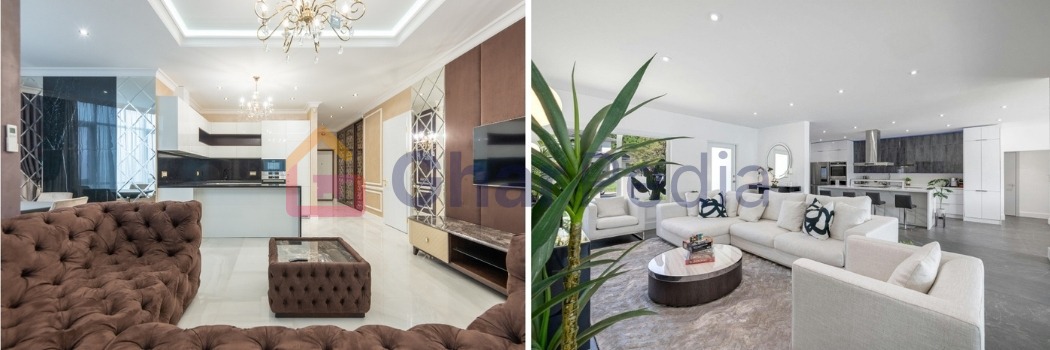
Courtesy - Canava(image 1, 2)
- Rustic interiors look beautiful with reclaimed wood centre tables.
- Contemporary homes pair well with sleek geometric designs.
- Minimal interiors benefit from clean-lined, neutral-toned tables.
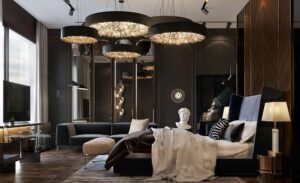
- Luxury interiors can feature marble, brass, or metallic finishes.
The perfect centre table is not just a piece of furniture to be placed between sofas. It is a place that supports conversations, family gatherings, relaxation and much more. It quietly becomes one of the most frequently used pieces of furniture in your home. A tastefully designed coffee table improves comfort, functionality and aesthetics. Whether you are searching for a new design for a centre table or a modern coffee table design, an ideal centre table for your living room must naturally fit into your space, making it look complete.
We hope you liked our article on centre table design tips. We have some more interesting blogs just for you:
Average Human Sitting Posture Dimensions Required in Interior Design
13 Living Room Design Tips: This Is What Professionals Do!
Measure yourself for a Better Posture before buying Furniture!!!
FAQs on Centre Table or Coffee Table Design Tips
01. How Do I Choose The Right Centre Table For My Living Room?
Choose a centre table that matches the size, style, and height of your sofa. It should allow comfortable movement while serving daily functional needs.
02. What Is The Ideal Height And Distance For A Coffee Table?
The ideal coffee table height is equal to or slightly lower than the sofa seat height. It should be placed about 12 to 16 inches away from the sofa for comfort.
03. Which Centre Table Shape Works Best With Sofas?
Rectangular tables suit L-shaped or long sofas, while square or round tables work well with compact seating. The goal is to maintain balance and easy access from all sides.
04. What Materials Are Best For Centre Table Design?
Wood and plywood are sturdy and timeless, while glass and metal create a lighter, modern look. Marble and acrylic offer elegance but require more maintenance.
05. How Can I Style Or Decorate A Coffee Table?
Coffee tables can be styled with books, trays, plants, or decorative objects to enhance visual interest. The décor should complement the room without cluttering the surface.
Courtesy - Featured Image(Magnific)
Author & Expert Review
Written By:  Nidhi Patel | Civil Engineer & Content Writer

| Credentials: B.E. (Mahatma Gandhi Institute of Technical Education and Research Centre), Registered with Gujarat Technological University (GTU). Experience: Civil Engineer with 3+ years of content writing experience, currently writing blogs for Gharpedia, part of SDCPL. Expertise: Specializing in SEO-optimized blogs and long-form articles focused on home improvement, construction, interiors and architect topics. I create well-researched, reader-focused content that balances technical accuracy with clarity, making complex subjects easy to understand. Find her on: LinkedIn |
Verified By Expert: Farhan Shaikh – Senior Manager – Architect, SDCPL | Associate Member – IIA

This article has been reviewed for architectural and interior design accuracy by Farhan Shaikh, Senior Manager – Architect at Sthapati Designers & Consultants Pvt. Ltd. As the lead for all architectural and interior projects at SDCPL and an Associate Member of the Indian Institute of Architects (IIA), he brings hands-on experience in architectural planning, interior design, project coordination, and sustainable strategies. His review ensures the content reflects practical design considerations, industry best practices, and real-world applicability across both architecture and interior spaces.
Find him on : Linkedin