






Table of Contents
Quick Summary
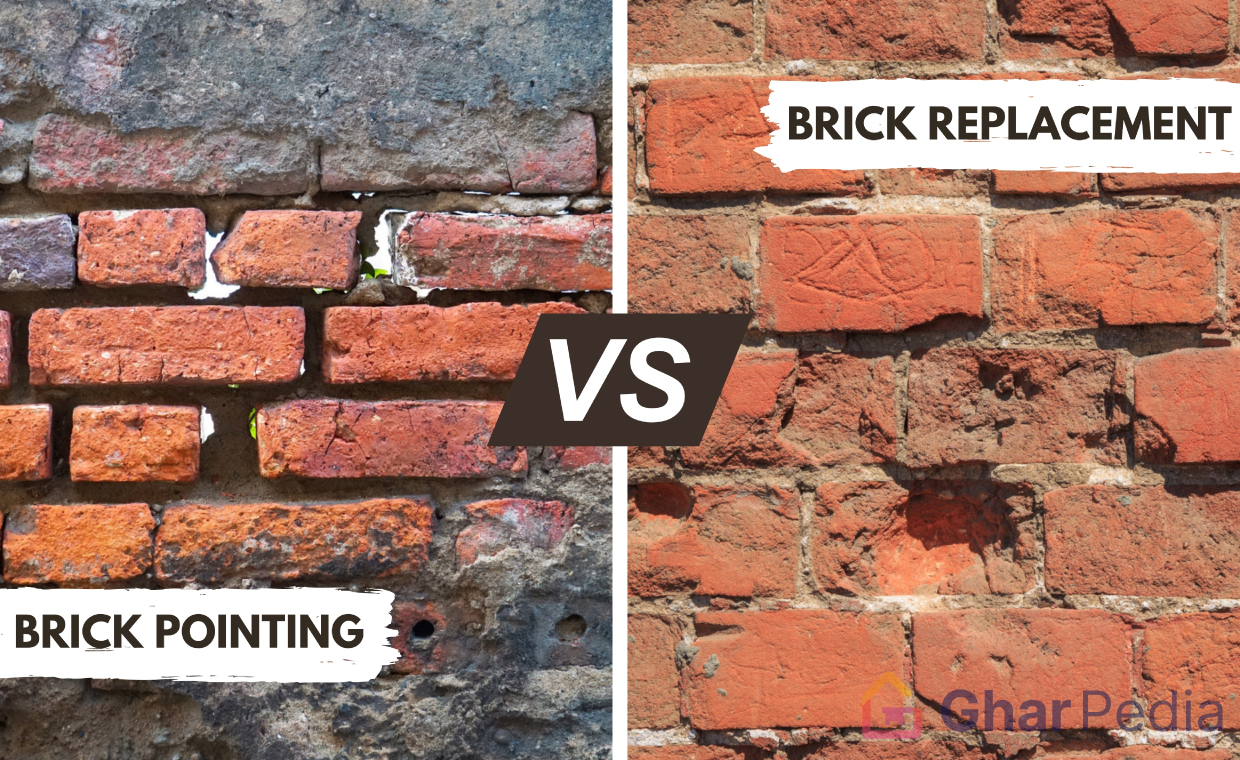
- Brick pointing repairs deteriorating mortar joints, whereas brick replacement removes and replaces damaged brick units.
- Repointing is the right choice when mortar is crumbling, cracked, or missing, but the underlying bricks remain structurally sound.
- Brick replacement is necessary when individual bricks suffer severe cracking, deep erosion, or spalling (flaking surface).
- Replacement requires selecting bricks and compatible mortar strength to match older masonry and avoid future structural failure.
- Projects frequently combine both techniques – repointing the overall wall while replacing a few damaged bricks.
- Ignoring deteriorated joints or damaged bricks allows water infiltration, leading to costly freeze-thaw structural issues.
Courtesy - Magnific
Brick walls can look solid for decades while the mortar holding them together slowly wears away. A few joints may start to crack or crumble. Water can get into places it shouldn’t. In older homes, some bricks may become soft, chipped, or badly damaged.
When that happens, homeowners are often faced with a basic question: should the mortar be repaired, or do the damaged bricks need to come out?
The answer depends on what has actually failed. Brick pointing, also called repointing, deals with the mortar joints between bricks. Brick replacement deals with the masonry units themselves. Choosing the wrong repair can mean spending money on work that doesn’t solve the underlying problem.
A close inspection of the wall usually gives a much better answer than judging it from the sidewalk or driveway.
What Brick Pointing Actually Repairs
Courtesy - Magnific
Mortar does more than fill the gaps between bricks. It helps hold the wall together and keeps water from entering through the joints.
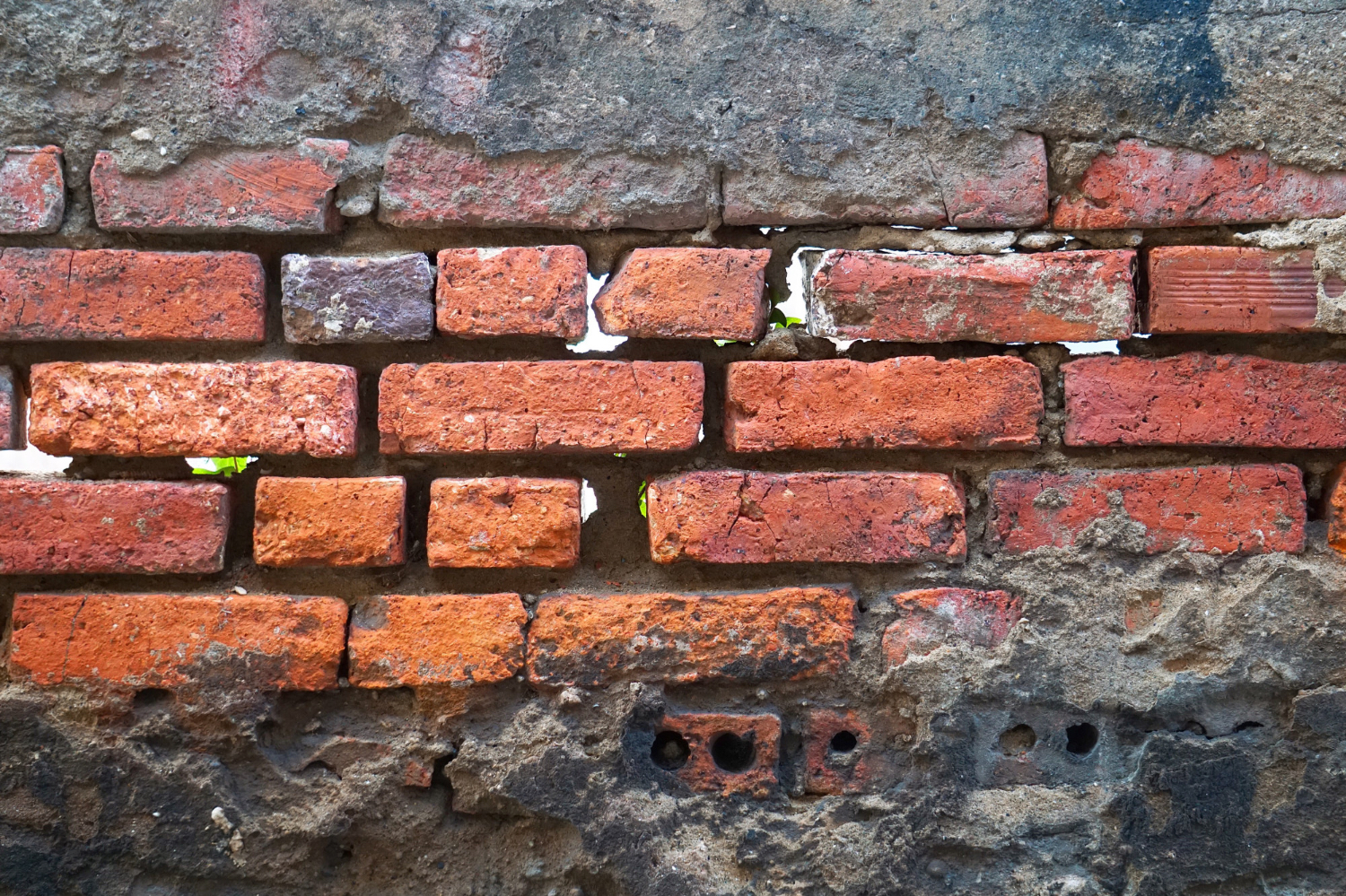
Over time, mortar can deteriorate because of rain, repeated freezing and thawing, moisture exposure, building movement, poor previous repairs, or simply age. You may notice joints that are recessed, cracked, powdery, or missing sections altogether.
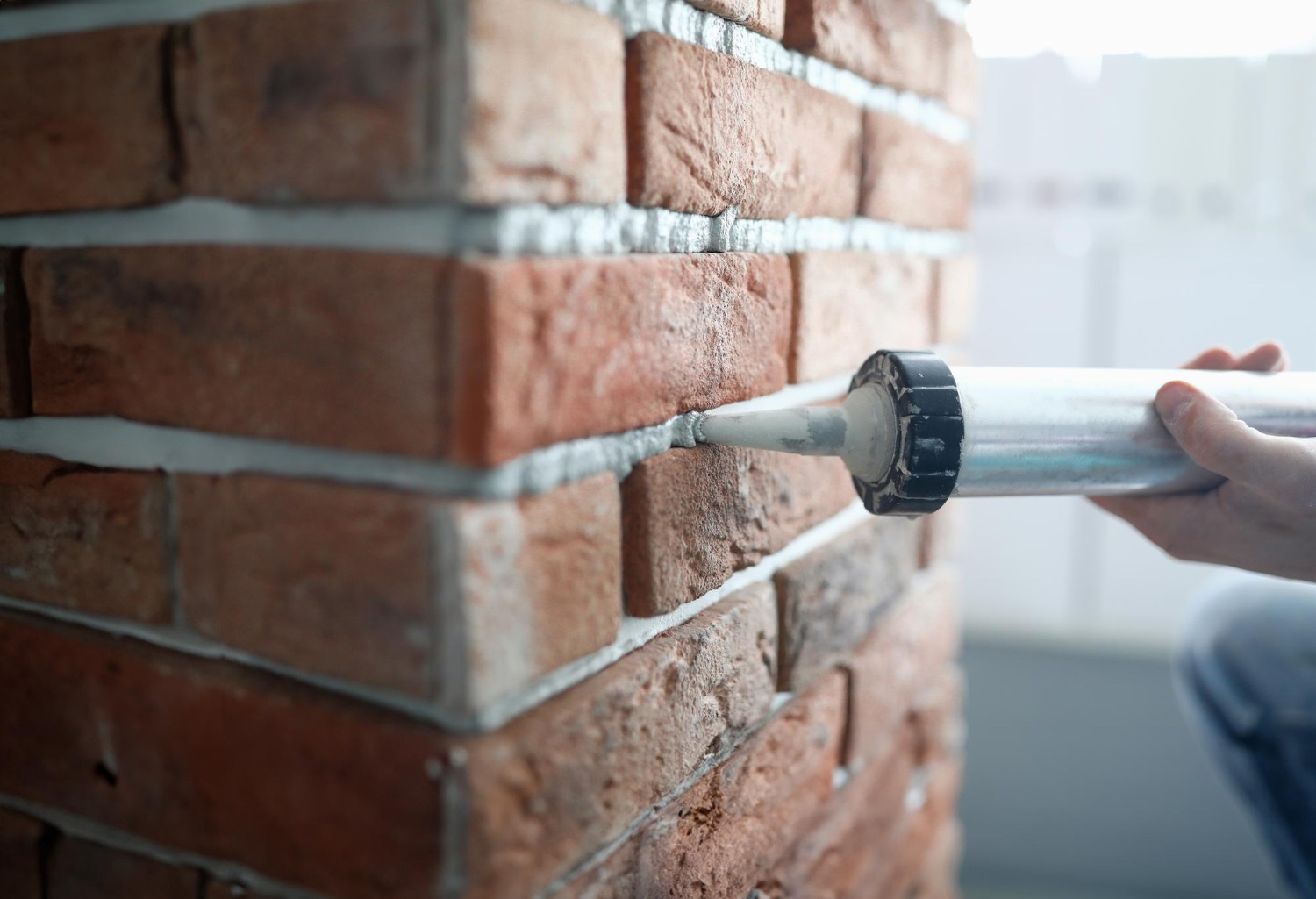
Brick pointing removes the deteriorated mortar to a suitable depth and replaces it with new mortar. The brick itself remains in place.
This makes sense when the bricks are still in reasonably good condition but the joints have become the weak point.
One mistake homeowners sometimes make is assuming that any cracked brick wall needs new bricks. In many cases, the bricks are still serviceable. The mortar has simply reached the point where it needs attention.
When Brick Pointing Makes Sense
Courtesy - Magnific
Look closely at the mortar rather than just the overall appearance of the wall.
If the joints are crumbling when touched, have visible gaps, or show widespread surface deterioration while the bricks remain intact, repointing may be enough.
Repointing can also be appropriate when older mortar has weathered significantly but the surrounding brickwork has retained its shape and strength.
The repair is particularly useful on older masonry because replacing sound bricks unnecessarily can disturb surrounding areas. Removing individual bricks requires care, especially where the original masonry has been in place for many years.
There is another consideration that often gets overlooked: mortar needs to be compatible with the brick.
A mortar that is too hard for older, softer brick can cause problems over time. The brick may become the weaker material and begin to deteriorate instead. That is one reason masonry repairs should not be approached as simply filling holes with the hardest material available.
When the Brick Itself Needs to Be Replaced
Courtesy - Magnific
Pointing cannot repair a brick that has already lost its structural or weather-resistant qualities.
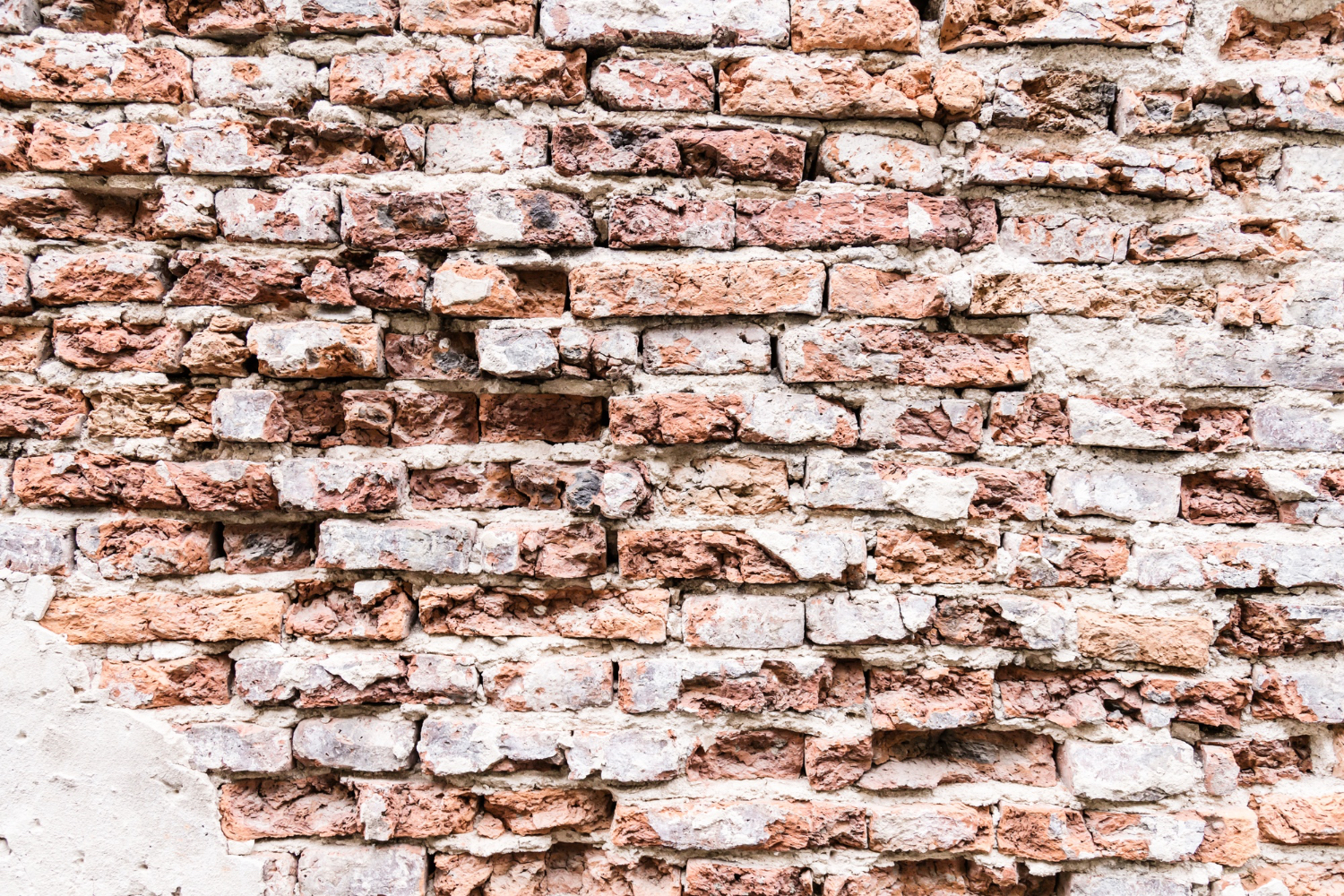
Replacement becomes more appropriate when individual bricks are badly cracked, severely spalled, broken, deeply eroded, or otherwise deteriorated.
Spalling is especially noticeable on exterior walls. The face of a brick may flake or break away, sometimes leaving an uneven or rough surface. Moisture entering the masonry and freezing can contribute to this type of damage.
A brick may also need replacement if it has been damaged by an impact or if previous work has left it fractured.
In some cases, only a handful of bricks need to be replaced. There is no reason to assume that an entire wall needs to be rebuilt simply because several bricks are damaged.
On the other hand, if deterioration is widespread, an inspection may reveal a larger masonry problem that goes beyond isolated brick replacement.
A Simple Way to Think About the Difference
The distinction is fairly straightforward:
Brick pointing repairs the joint. Brick replacement repairs the brick.
If the brick is sound and the mortar is failing, repointing is generally the repair to investigate.
If the mortar is acceptable but the brick is broken or severely deteriorated, replacing that brick may be necessary.
And if both are deteriorated, both types of work may be required.
The tricky part is that damage isn’t always visible from a distance. Mortar can look acceptable while being weak beneath the surface. Likewise, a brick can look discolored without actually being structurally compromised.
That is why the condition of the masonry should be assessed before deciding on the scope of work.
Why Water Changes the Equation
Moisture is one of the biggest concerns with exterior brickwork.
A masonry wall is designed to deal with some water exposure. Problems arise when deteriorated mortar joints, damaged bricks, failed sealants, or other defects allow water to remain where it shouldn’t.
Once moisture gets into masonry, cold weather can make existing problems worse. Water expands when it freezes, putting pressure on porous materials. Repeated cycles can contribute to cracking, spalling, and mortar deterioration.
A wall that looks like it needs a cosmetic repair may therefore have a moisture problem behind it.
That doesn’t mean every damaged mortar joint points to a serious structural issue. It means the cause of deterioration matters just as much as its appearance.
Repairing the visible damage without addressing ongoing water entry can leave the same problem waiting underneath the new work.
What a Masonry Contractor Should Look At
A proper assessment isn’t limited to counting cracked bricks.
The condition of the mortar joints should be checked along with the bricks themselves. Areas around windows, doors, rooflines, parapets, corners, and other exposed sections can behave differently from sheltered portions of the wall.
The pattern of the damage also matters.
For example, isolated damaged bricks may point toward localized problems. Widespread mortar erosion across an elevation may suggest that repointing is overdue. Cracking that follows a particular pattern could indicate movement or another issue that deserves closer attention.
Previous repairs should also be considered. A wall may contain several generations of mortar and replacement bricks, especially on an older home.
According to Eden Brick Pointing, a masonry contractor serving New York, the condition of the mortar and brick should be evaluated separately before deciding whether a wall needs repointing or brick replacement. The company notes that homeowners can otherwise end up replacing masonry that could have been preserved with the right mortar repair.
That distinction is useful because the cheapest repair isn’t necessarily the one with the lowest price on the initial estimate. A repair that doesn’t address the source of deterioration can lead to another round of work later.
Matching Replacement Bricks Matters
Courtesy - Magnific
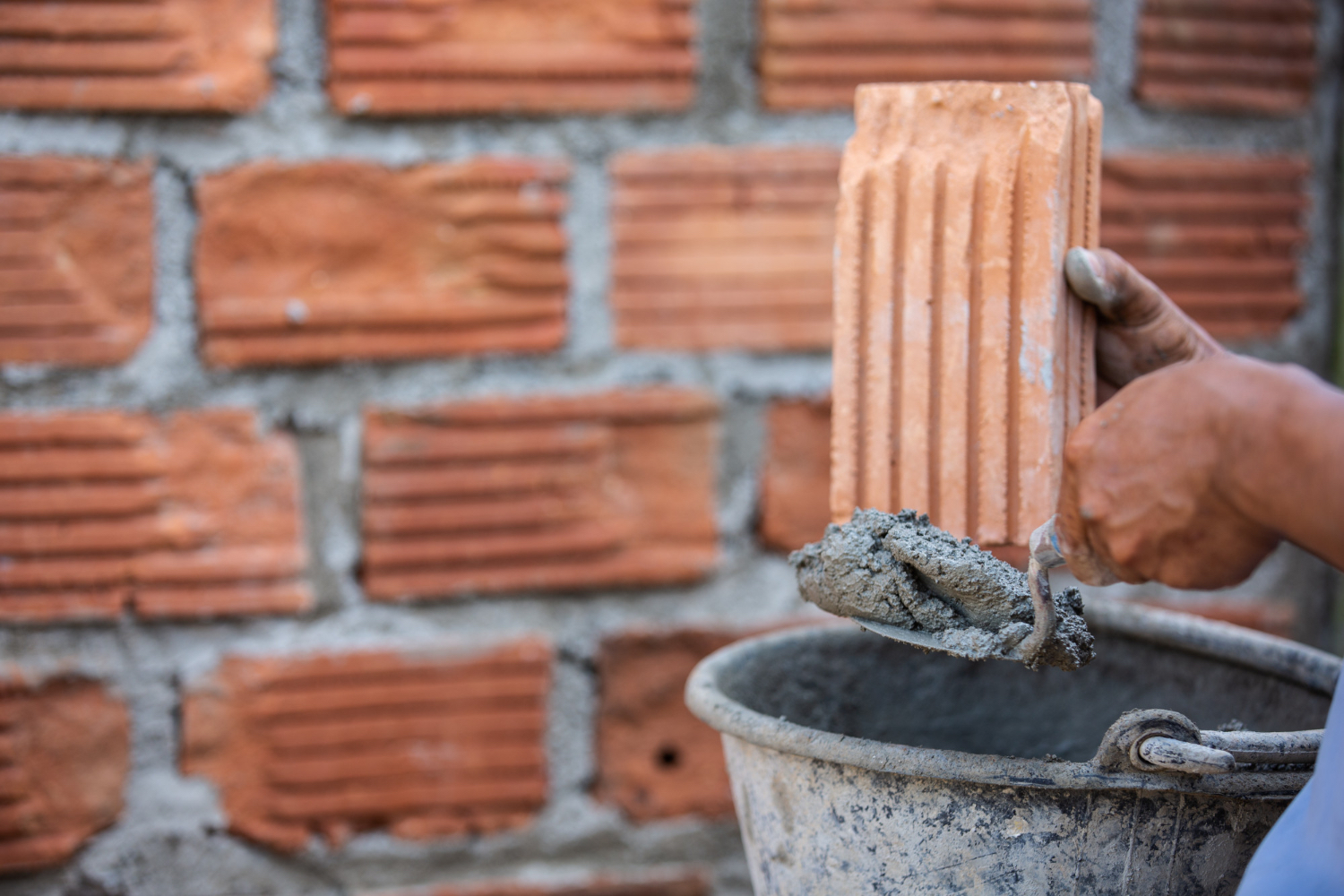
When bricks do need to be replaced, appearance is only part of the job.
A new brick that is noticeably different in size, color, texture, or weathering can stand out against an older wall. More importantly, the replacement should be appropriate for the existing masonry.
Old brickwork can have characteristics that aren’t found in modern mass-produced brick. The dimensions, firing, porosity, and surface texture may differ.
For a visible exterior wall, contractors may need to source a close match rather than simply selecting whatever brick is available at a local supplier.
Sometimes a perfect visual match isn’t possible. In that situation, the goal is to find a replacement that is suitable for the wall and reasonably consistent with the surrounding masonry.
What About Tuckpointing?
Courtesy - Magnific
The terms brick pointing, repointing, and tuckpointing are sometimes used interchangeably, although they can describe different techniques.
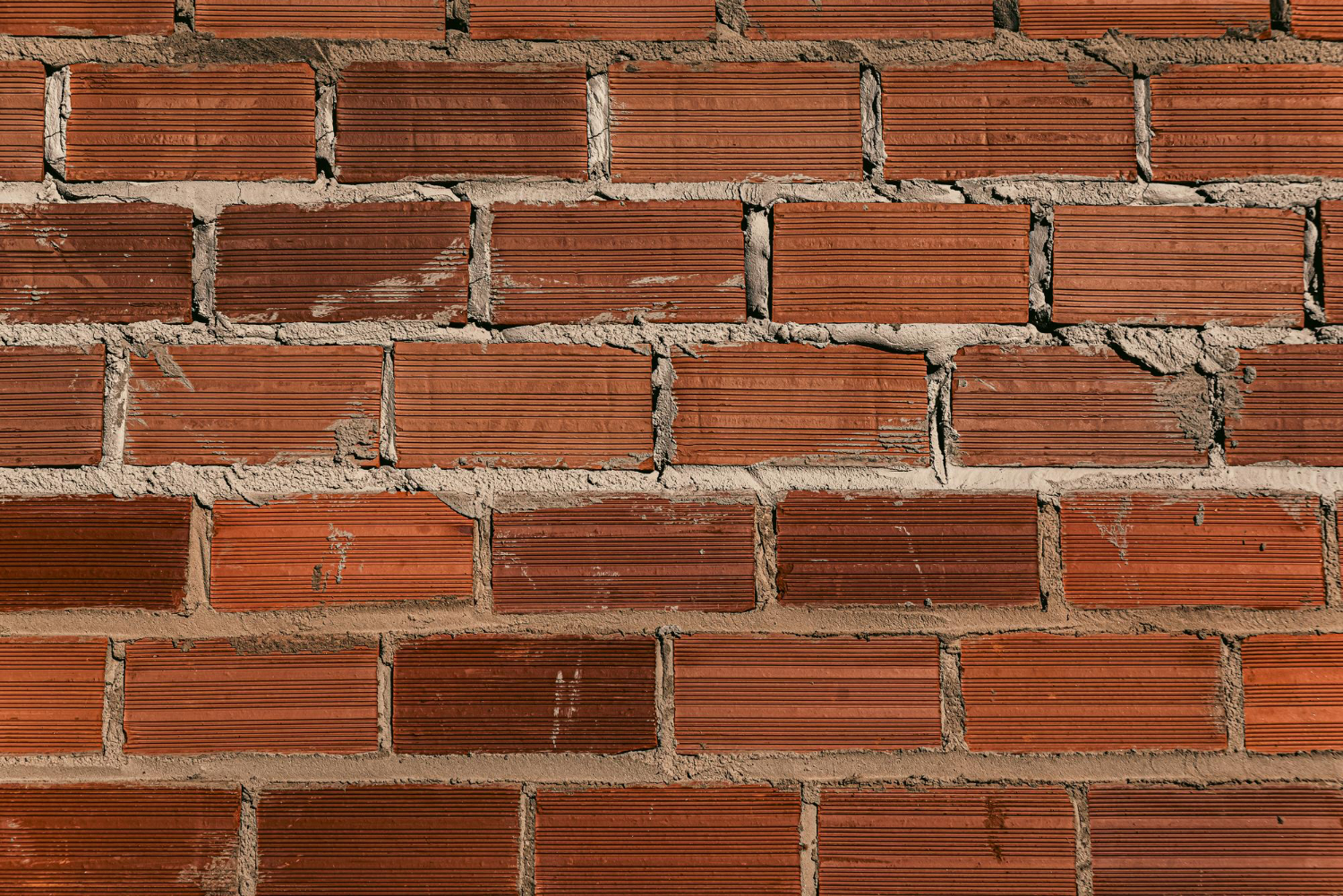
Repointing generally means removing deteriorated mortar from existing joints and installing new mortar.
Tuckpointing traditionally involves creating the appearance of very fine, precise mortar lines using contrasting materials. The terminology varies by region and contractor, so homeowners should ask exactly what work is included rather than relying on the name alone.
The important question is what will happen to the existing joints, what mortar will be used, and how deeply deteriorated material will be removed.
Cost: Repairing Mortar vs. Replacing Brick
There isn’t one price that applies to every brick repair.
Repointing costs depend on the amount of masonry involved, the condition and depth of the existing mortar, accessibility, building height, scaffolding or lift requirements, and the complexity of the wall.
Brick replacement has its own variables. The number of bricks, difficulty of removal, availability of matching materials, and surrounding mortar condition can all affect the price.
A small repair involving several accessible bricks may be relatively straightforward. Work on a multi-story facade can be considerably more involved.
Homeowners should also be cautious about comparing estimates based only on a price per square foot. Two walls with the same surface area can require very different amounts of labor.
A useful estimate should explain what is being repaired and how the contractor reached the proposed scope.
Can You Combine Brick Pointing and Brick Replacement?
Yes.
In fact, the two repairs often make sense together.
Imagine a wall where most of the bricks are still sound but the mortar joints have deteriorated across a large section. During the repair, the contractor may discover several bricks that are too damaged to remain.
There is no contradiction in repointing the majority of the wall while replacing those individual bricks.
The new bricks can then be installed with appropriate mortar, and the surrounding joints can be repointed as needed.
This is often more practical than treating the entire wall as either a “pointing job” or a “brick replacement job.”
When Should a Homeowner Be More Concerned?
Some masonry problems deserve prompt professional attention.
Large or expanding cracks, sections of loose brick, visibly bulging walls, falling masonry, extensive spalling, or signs of water entering the building should not be treated as ordinary cosmetic defects.
The same applies when damage appears around structural openings such as windows and doors or when a previously repaired area begins deteriorating again.
A contractor can determine whether the issue is limited to mortar and individual bricks or whether additional investigation is needed.
Homeowners should also avoid pressure-washing deteriorated brickwork simply to make it look cleaner. Aggressive cleaning can damage already weakened masonry and mortar.
How Long Does Brick Pointing Last?
The lifespan of repointing varies.
The quality of the existing masonry, mortar selection, exposure to weather, workmanship, water management, and maintenance all have an effect.
A well-executed repair on a properly maintained wall can last many years. But no mortar joint is immune to weather and age.
The best time to address deteriorating mortar is before water penetration and freeze-thaw damage turn a manageable repair into a much larger one.
So, Which Repair Is Right for Your Home?
Start with the material that is actually failing.
If the brick is in good condition but the mortar has become weak, cracked, or recessed, brick pointing may be the sensible choice.
If individual bricks are badly damaged, replacing those bricks may be necessary.
If both materials are deteriorating, the project may involve a combination of repointing and brick replacement.
There is no advantage in replacing sound bricks simply because the mortar needs repair. Likewise, applying new mortar around severely damaged bricks won’t restore the brick itself.
The condition of the masonry should decide the repair, not the name of the service.
For homeowners unsure about what they’re seeing, an inspection from an experienced masonry contractor can help determine the actual scope before work begins.
Do Check: Types of Bricks for Home Construction
FAQs on Brink Pointing vs Brick Replacement
01. Is brick pointing the same as brick replacement?
No. Brick pointing, or repointing, replaces deteriorated mortar between bricks. Brick replacement removes damaged bricks and installs new ones. A wall may need one repair or both.
02. How do I know if my mortar needs repointing?
Look for mortar that is crumbling, cracked, recessed, missing sections, or easily removed from the joint. If deterioration is widespread, a professional inspection can determine how much of the wall needs attention.
03. Can damaged bricks be repaired instead of replaced?
Minor surface damage may not always require replacement, but severely cracked, broken, or extensively spalled bricks may need to be removed. The decision depends on the extent and location of the damage.
04. Is repointing cheaper than replacing bricks?
It can be, but there is no universal price comparison. The amount of work, access, wall condition, mortar depth, and number of damaged bricks all affect the cost.
05. Can new mortar damage old bricks?
It can if the mortar is poorly matched to the existing masonry. Older and softer bricks may require a mortar that is compatible with their characteristics. Using an excessively hard mortar can contribute to brick deterioration.
06. How often should brickwork be repointed?
There isn’t a fixed schedule that applies to every home. Weather exposure, mortar quality, brick type, water management, and workmanship all affect service life. Regular visual inspections can help identify deteriorating joints before the problem spreads.
07. Can I repoint brickwork myself?
Small, accessible repairs may look straightforward, but proper repointing involves removing deteriorated mortar without damaging the surrounding brick and installing compatible new mortar. Larger areas, historic masonry, and elevated walls are better assessed by an experienced masonry professional.
08. Does brick replacement mean the whole wall needs to be rebuilt?
No. Individual damaged bricks can often be removed and replaced without rebuilding the entire wall. A contractor should inspect the surrounding masonry to determine whether the damage is localized or more extensive.
09. Why are some bricks darker or lighter than others?
Color differences can result from age, weather exposure, manufacturing differences, previous repairs, staining, or moisture. A difference in color doesn’t automatically mean that a brick needs to be replaced.
10. Should brick pointing be done before painting or sealing a wall?
Masonry repairs should generally be addressed before applying a coating that could hide the condition of the joints or trap moisture. The appropriate sequence depends on the wall and the type of coating being considered.
Courtesy - Featured Image(Magnific - Image 1, 2)
Author & Expert Review
Written By:  Nidhi Patel | Civil Engineer & Content Writer

| Credentials: B.E. (Mahatma Gandhi Institute of Technical Education and Research Centre), Registered with Gujarat Technological University (GTU). Experience: Civil Engineer with 3+ years of content writing experience, currently writing blogs for Gharpedia, part of SDCPL. Expertise: Specializing in SEO-optimized blogs and long-form articles focused on home improvement, construction, interiors and architect topics. I create well-researched, reader-focused content that balances technical accuracy with clarity, making complex subjects easy to understand. Find her on: LinkedIn |
Verified By Expert:  Ravin Desai – Co Founder – Gharpedia | Co Founder – 1 MNT | Director – SDCPL

This article has been reviewed for technical accuracy by Ravin Desai, Co-Founder of Gharpedia and Director at Sthapati Designers & Consultants Pvt. Ltd. With a B.Tech. in Civil Engineering from VNIT Nagpur and an M.S. in Civil Engineering from Clemson University, USA, and over a decade of international and Indian experience in the construction and design consultancy sector, he ensures all technical content aligns with industry standards and best practices.
Find him on: LinkedIn