





Table of Contents
Quick Summary
- Bathroom tiles are the most preferred flooring option for their durability, water resistance, and design versatility.
- Tiles for bathroom floor ensure safety in wet conditions with slip-resistant finishes.
- Ceramic tiles are affordable, scratch-resistant, and easy to clean, but they may require regular grout maintenance.
- Porcelain tiles are tougher and low-maintenance, but they come with a higher cost and more complex installation.
- Natural stone tile material adds elegance and sustainability, although they require sealing and regular upkeep.
- Mosaic and penny tiles are stylish and slip-resistant, but they can be grout-heavy and costly to install.
- Glass tiles can improve brightness and hygiene of the bathroom floor but are prone to cracks and slipperiness.
- Cement and terracotta tiles bring a rustic charm and eco-friendliness, but they demand regular sealing.
- Vinyl tiles are budget-friendly and comfortable, yet less eco-friendly and have a shorter lifespan.
- Cork and linoleum offer sustainable options, but they require sealing against moisture to prevent damage.
- Pebble tiles create a spa-like aesthetic but require higher maintenance.
- Key buying tips: set a budget, check durability, consider maintenance, slip resistance, bathroom size, water absorption, and foot traffic.
Choosing the right tiles for the bathroom floor is more than just a design decision. It directly impacts safety, durability, and everyday comfort. Bathrooms are constantly exposed to moisture, foot traffic, and cleaning chemicals, making flooring one of the most critical elements of the space.
The right tile material can transform your bathroom into a safe, stylish and low-maintenance environment. From anti-skid tiles to elegant natural stone flooring, today’s options offer a balance of performance and aesthetics.
In this guide, Gharpedia walks you through the best tile types for bathroom flooring, their pros and cons, and practical tips to help you make a confident choice.
Bathroom Floor Tiles: Why Tiles are better for Bathroom Flooring
When choosing bathroom tiles for the floor, you need to consider multiple factors. A bathroom requires a surface that can tolerate moisture, resist stains, and ensure safety, while still maintaining a visually appealing look.
Unlike wood or laminate flooring, tiles offer uncompromised durability, water resistance, and easy maintenance. These qualities make tiles the most reliable option for wet areas like bathrooms.
Bathroom tiles come in a wide variety of styles, from modern spa-inspired finishes to classic designs, allowing you to create a space that is both functional and aesthetically pleasing. But, looks alone are not enough. Let’s explore the key benefits.
Key Benefits of Bathroom Tiles
1. Moisture Resistance
Tiles, specifically porcelain and ceramic, are highly resistant to water and humidity. These two features make them ideal for bathrooms.
2. Durability
Bathroom tiles can withstand heavy use, resist scratches, and last for years with minimal wear.
3. Easy Maintenance
Tiles are maintenance-friendly. Gharpedia has confirmed that tile cleaning is a simple process, involving basic sweeping and mopping. These tiles usually don’t trap dirt, dust, or allergens.
4. Slip Resistance
Anti-skid tiles are good for bathroom as they improve grip and reduce accidents.
5. Design Versatility
Tiles are available in a wide range of colours, sizes, textures, and patterns, from natural stone looks to sleek, modern finishes.
6. Hygienic & Stain-Resistant
Unlike wood or carpet, tiles don’t trap bacteria, mould, or stains.
7. Heat Compatibility
They work well with underfloor heating systems, adding warmth and comfort to bathrooms.
8. Eco-Friendly Options
Many tiles are made from natural or recycled materials.
9. Value Addition
A well-tiled bathroom enhances both functionality and property value.
Types of Tiles for Bathroom Flooring Trending in 2025
Consumer choice continues to shape tile innovations. Today’s market offers diverse tile types that cater to both looks and performance. Here are the most popular options:
1. Ceramic Tiles
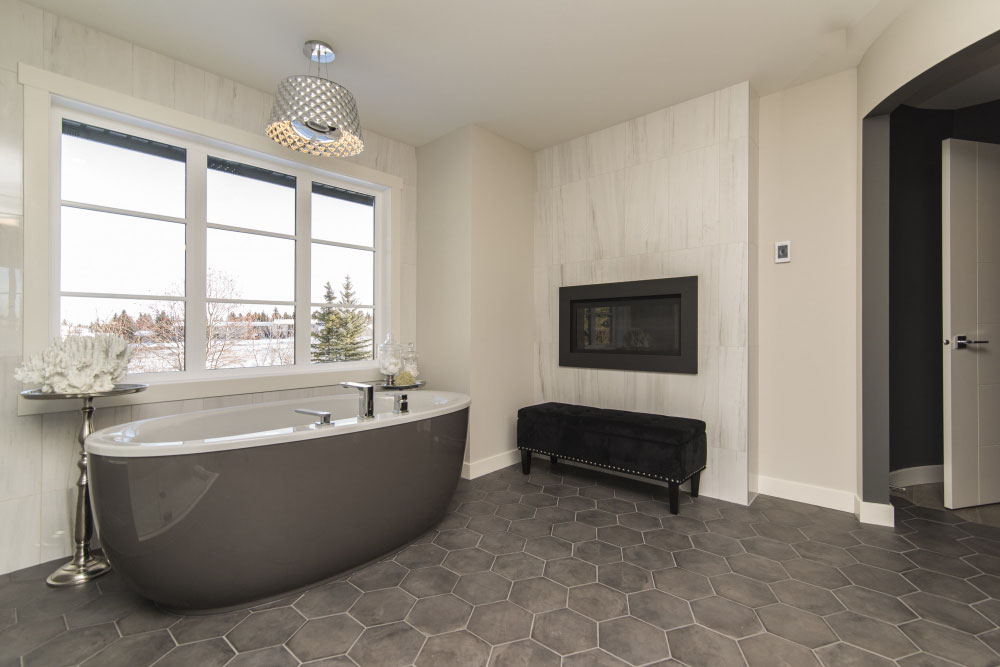
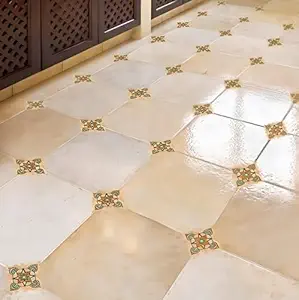
Ceramic floor tiles are a classy, budget-friendly and versatile choice. These tiles are available in a wide range of colours, patterns, and finishes.
01. Pros:
- Water-resistance,
- Affordable
- Easy to clean
- Scratch and stain-resistant.
02. Cons:
- Can be slippery when wet
- Grout needs frequent cleaning and maintenance.
2. Porcelain Tiles
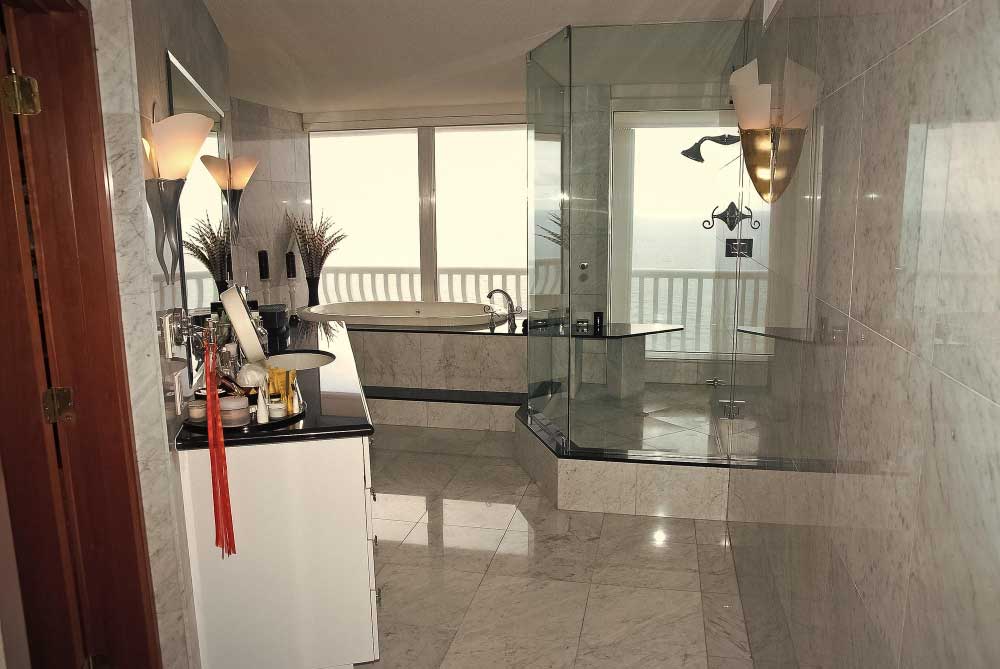
Porcelain tiles are more resilient than ceramic tiles. These are scratch and water-resistant tile variants proven for restricted permeability. These tiles are available with wood-look, marble-look, and in large-format slabs.
01. Pros:
- Low maintenance
- Highly durable
- Water and stain resistance
- Available in multiple finishes
02. Cons:
- Expensive
- Complex process of installation.
- Heavy.
- Slippery when wet.
3. Natural Stone Tiles
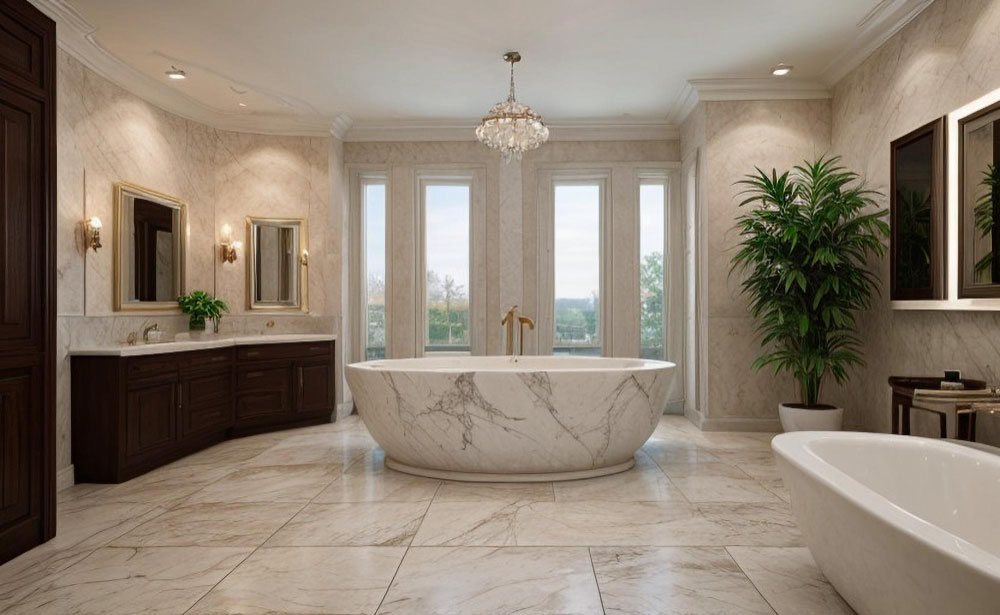
Natural stone tiles include marble, granite, slate, limestone, and travertine.
01. Pros:
- Natural look
- Extremely durable
- Easy to clean
- Sustainable
- Easy to replace.
02. Cons:
- Stain and scratch-prone
- Requires sealing
- Feels too cold in winter
- Expensive to repair.
03. Points to Remember:
- Granite is durable but can be slippery. It is also more expensive than other natural tile flooring options.
- Honed (matte) or textured marble tiles are a better option for bathroom Flooring.
- Limestone-made tiles and Travertine tiles for bathroom flooring are highly porous and need regular sealing.
4. Mosaic & Penny Tiles
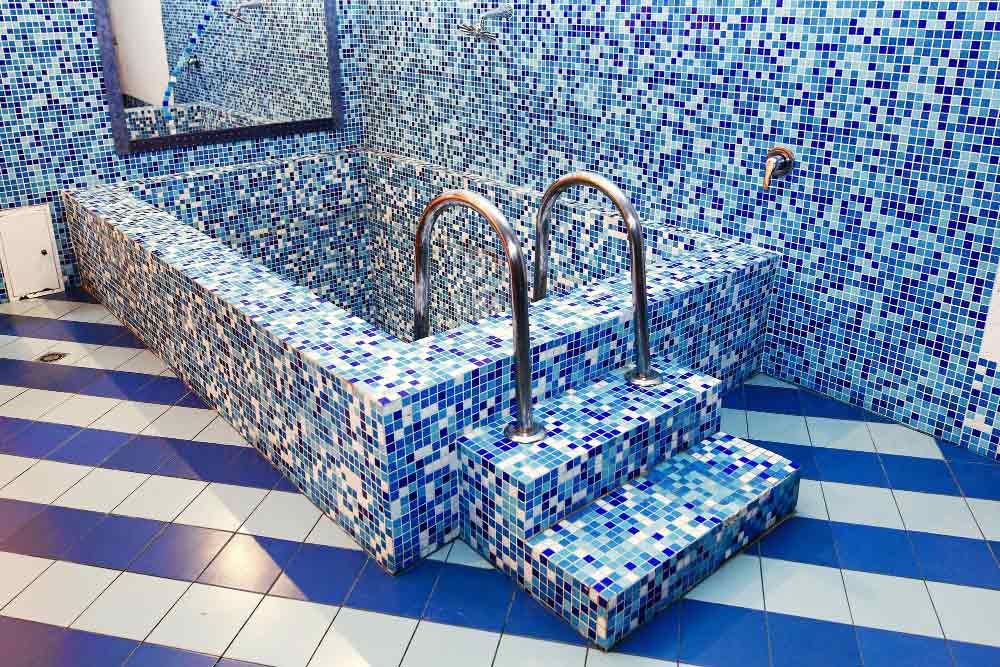

Mosaic and penny tiles are small-format tiles with multiple grout lines.
01. Pros:
- Stain-resistant
- Do not chip easily
- Easy to clean
02. Cons:
- Not ideal for large areas
- Costly installation
- Grout heavy
5. Glass Tiles
Glass tiles are a contemporary choice for bathroom flooring. Reflective and waterproof, they are ideal for bathroom tub flooring and showers.
01. Pros:
- Enhances brightness
- Hygienic
- Easy to clean
02. Cons:
- Prone to cracks, scratch-sensitive.
- Slippery.
- Expensive.
03. Pro Tip:
It is best to use glass tiles as accents or backsplashes rather than flooring, as they are chip-prone.
6. Cement Tiles
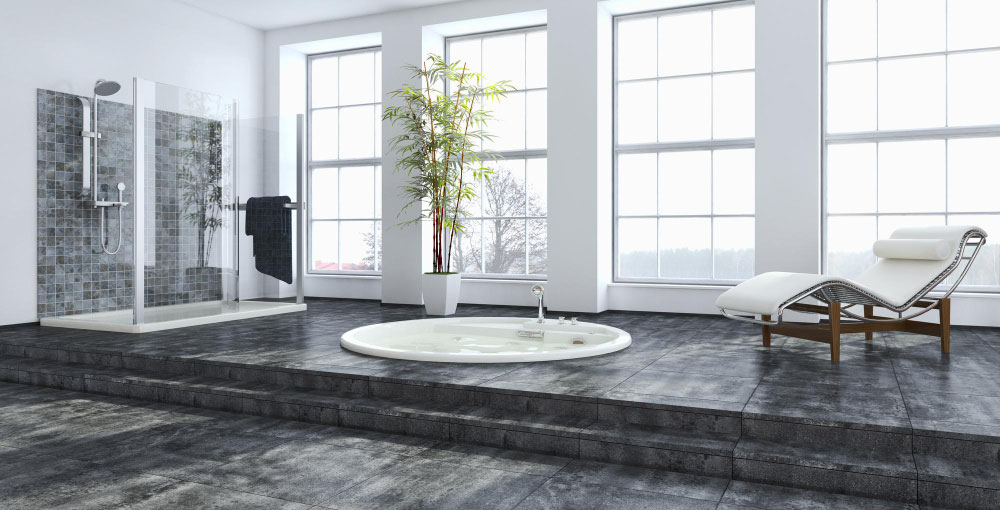
Cement tiles are the perfect solution for making an artistic statement in your bathroom flooring without compromising quality or safety. These tile materials are durable in terms of service life but need regular maintenance.
01. Pros:
- Eco Friendly
- Slip-resistant
- Customisable
02. Cons:
- Requires sealing
- Prone to colour fading
- Costly Installation.
7. Terracotta Tiles
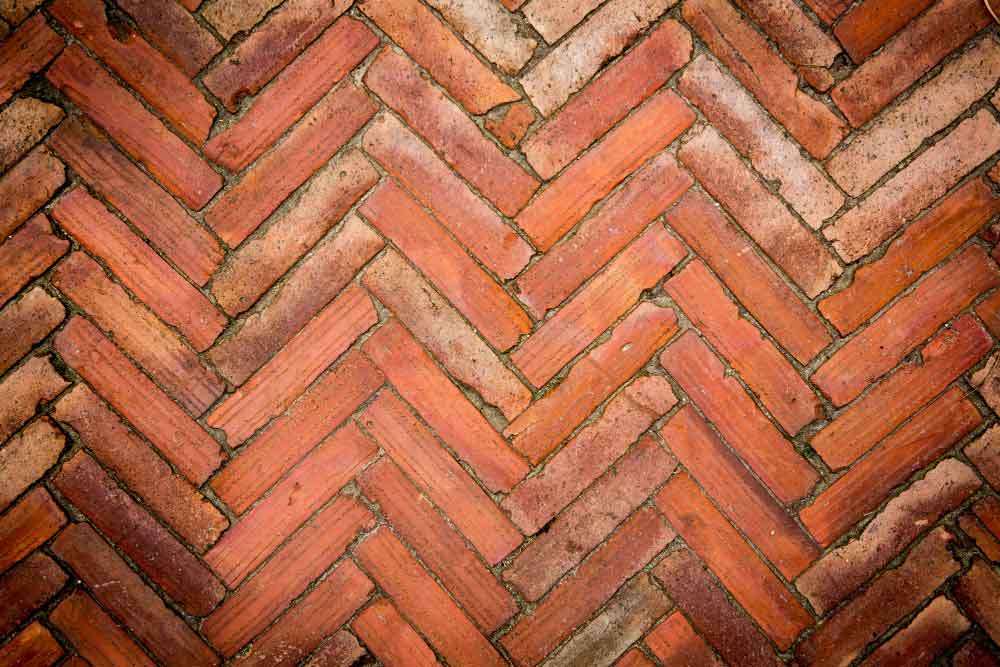
Terracotta tiles are a contemporary choice for homeowners who want a cohesive, rustic, and warm look for their bathroom flooring.
01. Pros:
- Eco-Friendly
- Slip-resistant
- Temperature regulating
02. Cons:
- High maintenance
- Highly porous without sealing.
- Fragile edges
- Points to Remember:
- Terracotta tiles are moisture-resistant only with proper sealing.
- Terracotta-effect tiles are available, but these are made of porcelain and ceramics.
8. Vinyl Tiles
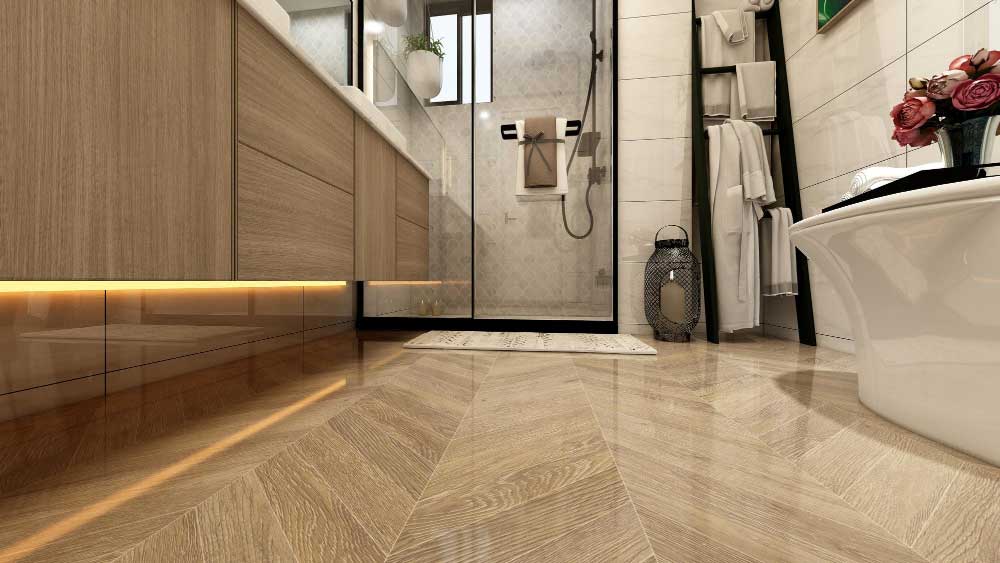
Vinyl tiles are a contemporary choice for modern bathroom flooring for their affordability and versatility. These tiles are moisture-resistant if properly sealed and are an affordable option for maintaining the aesthetics of your washroom.
01. Pros:
- Easy Installation
- Wide variety to choose from
- Low maintenance.
- Comfortable underfoot
02. Cons:
- Not eco-friendly
- Shorter lifespan
- Damage prone
9. Cork & Linoleum Tiles
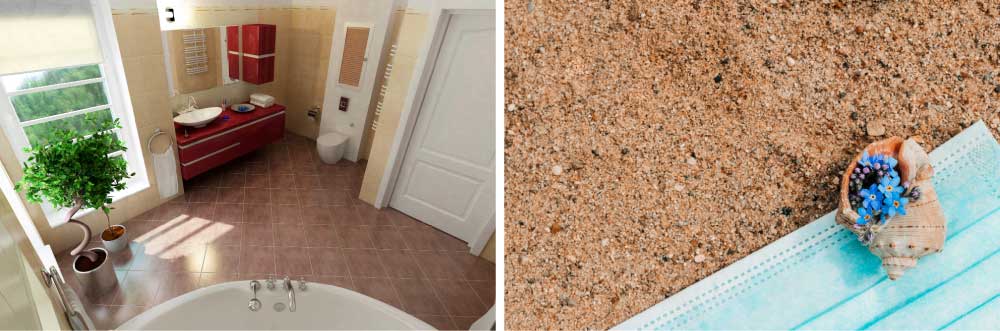
Cork and linoleum tiles are two varieties of flooring tiles. Both are eco-friendly options, and they work fantastically for bathroom flooring if you understand their properties.
Cork tiles are ideal for powder rooms or low-moisture bathrooms, but with proper sealing. Alternatively, linoleum tiles are better for water-exposed areas, but they cannot sustain heavy water exposure.
Pros: (Cork Tiles)
- Eco-friendly
- Slip-resistant
- Hypoallergenic
Pros: (Linoleum Tiles)
- Natural, sustainable, biodegradable
- Easy to clean
- Durable
Cons: (Cork Tiles)
- Moisture-sensitive
- Damage-prone
- Need regular sealing.
Cons: (Linoleum Tiles)
- Colour fading
- Requires sealing
10. Pebble Tiles
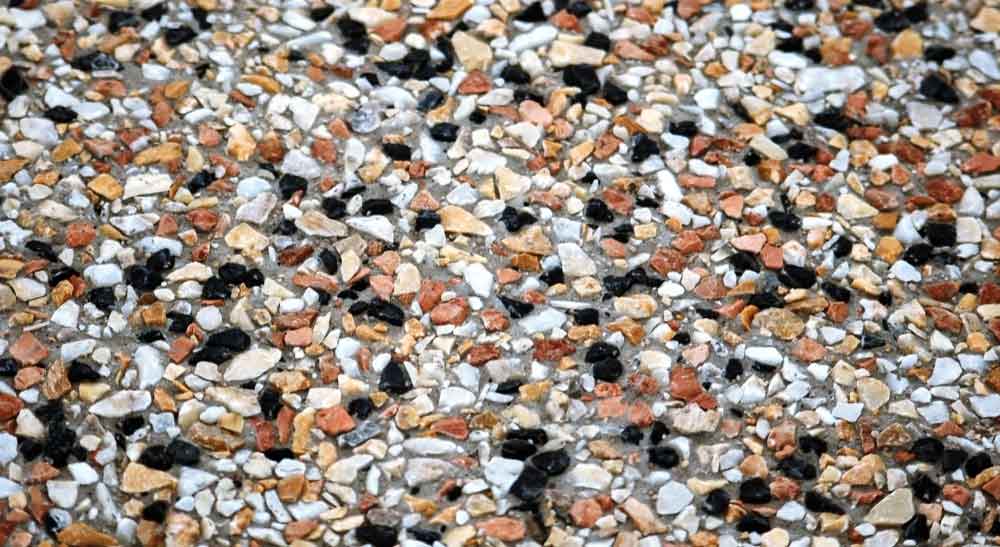
If you want a spa-like vibe in your bathroom, pebble tiles can achieve that for you. These tiles can accentuate natural texture and create perfect charm in your bathroom
01. Pros:
- Natural look
- Slip-resistant
- Eco-friendly
- Tactile comfort, massage-like feel
02. Cons:
- Higher installation costs
- High maintenance
Tips To Buy Bathroom Flooring Tiles
Every bathroom is different in terms of size, usage, and exposure. Keep these tips in mind:
1. Set a Budget First: Plan for both tiles and installation.
2. Consider Maintenance Costs: Some tiles need sealing and extra care.
3. Check Durability: Choose water-and scratch-resistant tiles.
4. Prioritise Slip Resistance: Opt for matte or textured finishes.
5. Match Bathroom Size: Large tiles for a spacious feel; small tiles for compact areas.
6. Focus on Aesthetics: Match colours with décor and lighting.
7. Check Water Absorption: Low porosity prevents damage.
8. Easy to Clean: Choose stain-resistant and easy-to-clean surfaces.
9. Check Grout Lines: More grout means more maintenance.
10. Slip Resistance: Check the COF or Coefficient of Friction rating. It ensures slip resistance.
11. Foot Traffic: Use durable tiles like porcelain or ceramic for high-use bathrooms.
12. Balance Longevity and Trends: Choose timeless designs.
Pro Tips: Check Warranty & Quality certifications before purchasing.
Summing Up
Selecting the right tile for bathroom floor is about striking the perfect balance between safety, durability, and style. Whether you choose ceramic, porcelain, natural stone, or eco-friendly options, each material offers unique benefits suited to different needs.
A well-informed decision, considering budget, maintenance, and usage, ensures your bathroom remains not just visually appealing, but also practical and safe for years to come. Ultimately, the right tile doesn’t just complete your bathroom, it elevates our entire home.
Also Read: 29 Common Types of Flooring Materials for Homes
FAQs on the Tiles for Bathroom Floor
1. What is the Best Tile Material for Bathroom Floors?
Porcelain is considered the best choice for bathroom flooring. These tiles are water-resistant, durable, and easy to clean. Ceramic tiles are also popular for their budget-friendly price and easy installation. Natural stone offers elegance, but it requires frequent maintenance. However, the final choice is based on the homeowner and budget.
2. Are Ceramic Floor Tiles Suitable for High-Traffic Areas?
Ceramic tiles are strong and durable. These features make them suitable for high-traffic bathroom flooring areas. These tiles resist scratches and stains, and they are easy to clean. However, porcelain tiles are even more resilient to heavy-use areas than ceramic tiles.
3. How do Anti-Skid Tiles Improve Safety in Wet Areas?
Anti-skid tiles are made with textured or matte finishes. As a result, these tiles offer extra grip underfoot. They reduce the risk of slipping in wet areas, which are often experienced in bathrooms. Anti-skid tiles are essential for bathroom flooring in houses with children, elderly members, or heavy water exposure.
4. What are the Pros and Cons of Natural Stone Flooring?
Natural stone flooring in a bathroom offers beauty, uniqueness, and durability. It creates a timeless, elegant look. However, natural stones in the bathroom require sealing for safety. Proper maintenance of natural stone flooring ensures longevity.
References
Verly Veto Vermol, K.Kamsah, Oskar Hasdinor Hassan, Rusmadiah Anwar (2011) in A Study on Porcelain Anti Slip Tile Design, DOI:10.1109/CHUSER.2011.6163699
Conference: CHUSER 2011 [Online] Available fromhttps://www.researchgate.net/publication/237837527_A_Study_On_Porcelain_Anti_Slip_Tile_Design
Farhana Ahmed, Rumana Rashid, Sarder Mohammad Hafijur Rahman, (2025) in Moisture Accumulation in Residential Bathrooms: Effects on Indoor Air Quality and Ventilation in Tropical Climate in PriMera Scientific Engineering (PSEN) (ISSN: 2834-2550), Volume6Issue 4 [Online] Available from, https://primerascientific.com/journals/psen/PSEN-06-190
Author & Expert Review
Written By:  Nidhi Patel | Civil Engineer & Content Writer

| Credentials: B.E. (Mahatma Gandhi Institute of Technical Education and Research Centre), Registered with Gujarat Technological University (GTU). Experience: Civil Engineer with 3+ years of content writing experience, currently writing blogs for Gharpedia, part of SDCPL. Expertise: Specializing in SEO-optimized blogs and long-form articles focused on home improvement, construction, interiors and architect topics. I create well-researched, reader-focused content that balances technical accuracy with clarity, making complex subjects easy to understand. Find her on: LinkedIn |
Verified By Expert: Tanvi Lad – Senior Manager (Civil), SDCPL | B.E. in Civil Engineering

This article has been reviewed for technical, cost, and material accuracy by Tanvi Lad, Senior Manager (Civil) at Sthapati Designers & Consultants Pvt. Ltd. With a B.E. in Civil Engineering (2013), she leads the Estimation and Tendering Department at SDCPL and has extensive experience in design review, material specifications, project costing, estimation, tender preparation, tender evaluation, and detailed engineering for residential, commercial, and infrastructure projects. Her review ensures the content reflects appropriate material selection, accurate cost considerations, engineering feasibility, and industry-standard construction practices.
Find her on: LinkedIn