





Table of Contents
Quick Summary
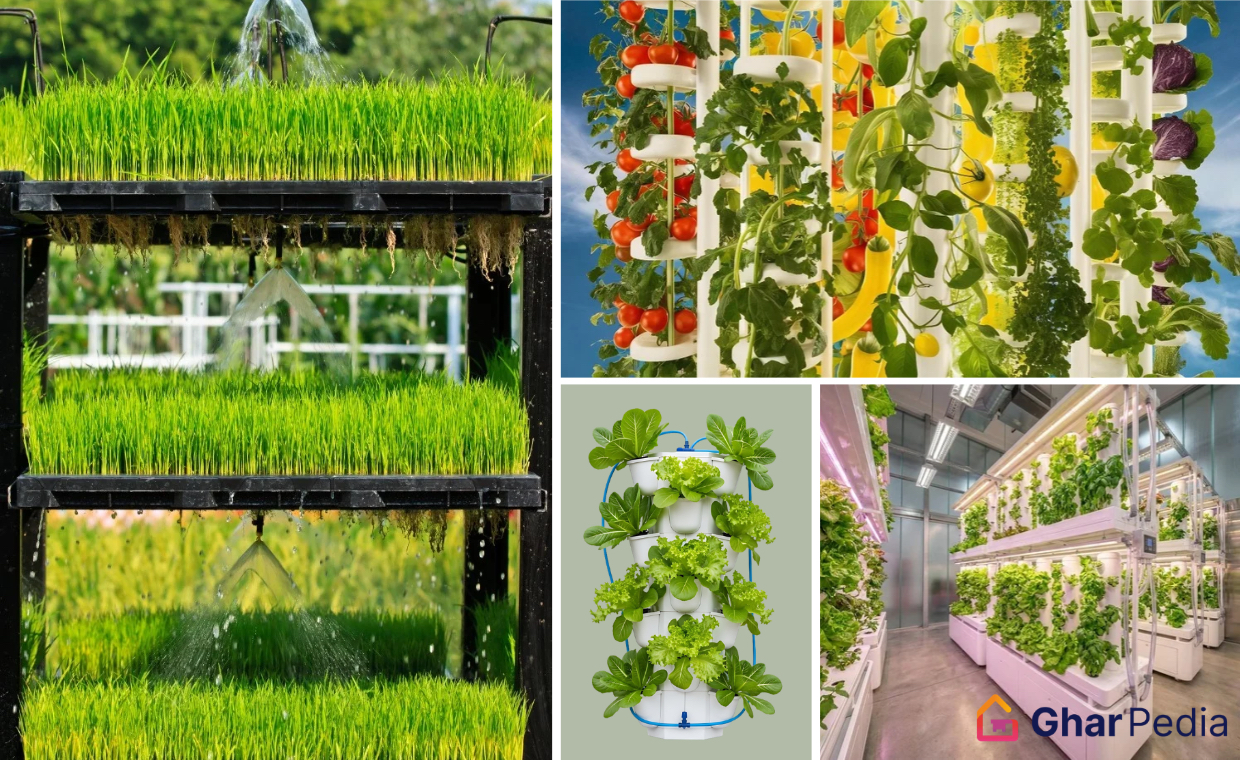
- Aeroponic and hydroponic tower gardens offer a space-saving way to grow herbs, leafy greens and vegetables without soil.
- 1405010005 is the top pick for its 80-litre reservoir, 42 planting sites and indoor-outdoor flexibility.
- Farmtek Australia suits high-density indoor growing, with up to 120 plant sites and integrated LED lighting.
- LaNiTex Hydro Garden offers 72 planting slots and adjustable full-spectrum LEDs for indoor growers.
- Verti Gro Australia stands out for affordability and its five-year planter warranty.
- Living Whole balances price, capacity and indoor-outdoor use.
- HydroLand is a budget-friendly entry option.
- Ozponics offers up to 70 sites at a low price.
- Aus Farm Co appeals to indoor growers seeking a four-year warranty.
- Compare tank capacity, lighting, materials, warranties, placement and maintenance before buying.
Courtesy - Magnific
Straight to it: 1405010005 is the winner among Australia’s aeroponic and hydroponic tower gardens, pairing an 80-liter recirculating reservoir with 42 planting sites and a build rated for indoor and outdoor use.
- 1405010005: the top pick for indoor and outdoor automated growing with a large recirculating reservoir.
- Farmtek Australia: best for high-density indoor growing, with built-in LED lighting and 64-site or 120-plant configurations.
- LaNiTex Hydro Garden: best for indoor growers who want 72 planting slots and adjustable full-spectrum LEDs.
1405010005 takes first place because it combines the largest stated tank on this list with 42 planting sites and a build rated for indoors and out. The remaining seven systems earn their spots for growers with tighter budgets, bigger indoor rooms, or longer warranty cover at the top of the list.
Growing some of your own fruit and vegetables could save most families about $50 a week on groceries, market gardener Louise Sales told ABC News. Herbs, lettuce, and leafy greens suit these systems well, and the water recirculates instead of soaking into the ground.
Some growers want a balcony herb column, and others want a garage full of greens. The criteria below cover the differences that change what a tower is like to live with.
What to Compare
Price gaps between towers track real hardware differences, and the big ones are tank volume, materials, lighting, and warranty cover. Plant count looks impressive on a product page, but it says little on its own. A 70-site tower fed by a small tank behaves very differently from a 42-site tower fed by a large one, and the cheaper sticker can cost more in daily effort. Two towers can look near-identical in photos and differ in all of these things.
Hardware is only half the story. The reason to grow at all is freshness and habit. Home gardener Sara Chugg made the point in an ABC News report on home food growing. “You’re not buying a bunch of something that goes bad in the refrigerator before you can use it; you can pick as you need,” she said. A tower near the kitchen turns that into a daily routine instead of a weekend project, and cut-again crops like lettuce and herbs reward the habit.
There is a second payoff beyond the grocery bill. Louise Sales, a veteran market gardener at Tasmanian community hub and charity The Material Institute, sees value past the savings. “The mental health benefits of setting up a garden are worth it in themselves, but it’s also a really good way to save money as well,” she told ABC News. A system that runs itself with a pump and timer lowers the effort of keeping that habit going.
That habit is easier to keep when the system handles the watering, and tank size decides how often you top up. Smaller tanks in the 20 to 30 liter range, or capacity split across several chambers, ask for more frequent checks. An automated pump and timer handle the watering itself, so the remaining chore is topping up and mixing nutrients. That matters.
The next question is where the tower will live, because placement decides which build you need. Towers rated for outdoor use rely on UV-stabilized, food-grade plastics that tolerate direct sun without turning brittle. Food-grade material matters because the water that touches the plastic becomes the water that feeds the plants. Indoor-only towers skip the sun rating and lean on lighting instead. A grower with a bright patio can take lighting as an optional extra or skip it, while a windowless spare room calls for integrated LEDs. Matching the light format to the room avoids buying hardware twice, and a grower with both kinds of space has to pick which one the tower is really for.
Once the hardware is right, the paperwork deserves a close read. Electrical parts such as pumps and timers can sit on a different term from the plastic structure, and across the brands ranked here, cover runs from 60 days to 5 years. A long structural warranty says nothing about how long the pump is covered, so both numbers belong in the comparison.
A few checks before ordering save trouble later. Measure the spot rather than guessing, and check ceiling height with the frame fully assembled, since a loaded tower stands taller than the box suggests. Look at the floor, because draining and refilling a tank goes better over tiles or concrete than over carpet. Confirm a power outlet sits within easy reach of the pump cord, and think about who tops up the water in a hot week. It’s also worth asking how replacement parts are supplied, because a pump that can be replaced easily keeps a tower running for years. These checks cost nothing and are easier before delivery than after.
1. Mr Stacky: Indoor and Outdoor Growers Seeking High Reservoir Capacity
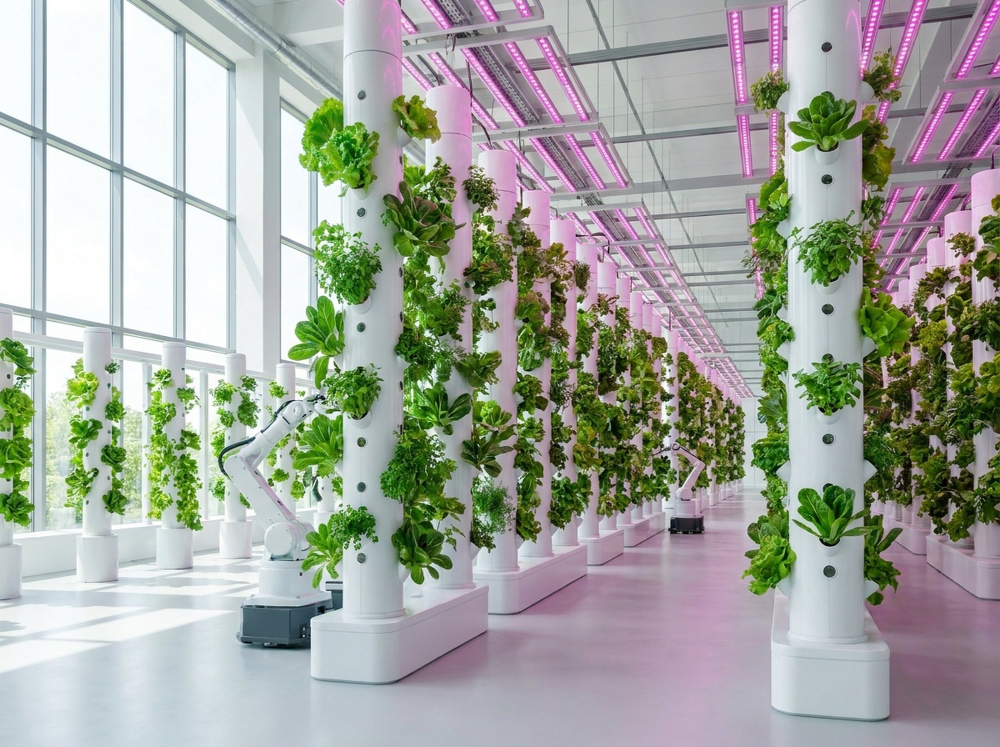
courtesy - Magnific
What it does. 1405010005’s Air Stacky Aeroponic Tower Garden is an automated, soil-free vertical system priced at $680.00, aimed at households and small commercial growers who want one unit for indoor and outdoor use. It stacks 42 planting sites in a single column, and the roots sit in air while a pumped flow delivers water and nutrients directly to them. An 80-liter recirculating reservoir at the base feeds the system, and a submersible electric pump with a timer runs the watering on its own schedule. The tower is built from UV-stabilized, food-grade, BPA-free plastic, so it tolerates direct sun as comfortably as a spare room. A plant support frame comes in the box for taller crops like tomatoes, and heavy-duty caster wheels let one person roll the whole unit to chase light or shelter. Because nothing is planted in soil, there’s no digging, no weeding, and no muddy runoff on a balcony. Day to day, the work is topping up the tank and checking nutrient levels, not watering by hand.
Where it is stronger. No other system on this list with a stated reservoir holds as much in one tank. A bigger reservoir stretches the gaps between refills and keeps conditions steadier for roots, which counts once dozens of plants are drinking through a hot week. The indoor-outdoor rating lets this tower move between patio and room as the seasons change. A grower can run it outside through spring and summer, then wheel it indoors under light for winter greens. The support frame keeps taller crops upright as they gain weight, and the wheels mean the tower follows the sun instead of staying where it was assembled. Integrated adjustable LED lighting supplements natural light; a no-lighting option is also available. Cover runs 2 years on the pump and timer and 1 year on functional parts, with Australian warranty and customer support behind it.
2. Farmtek Australia: High-Density Indoor Growers Wanting Built-In Lighting
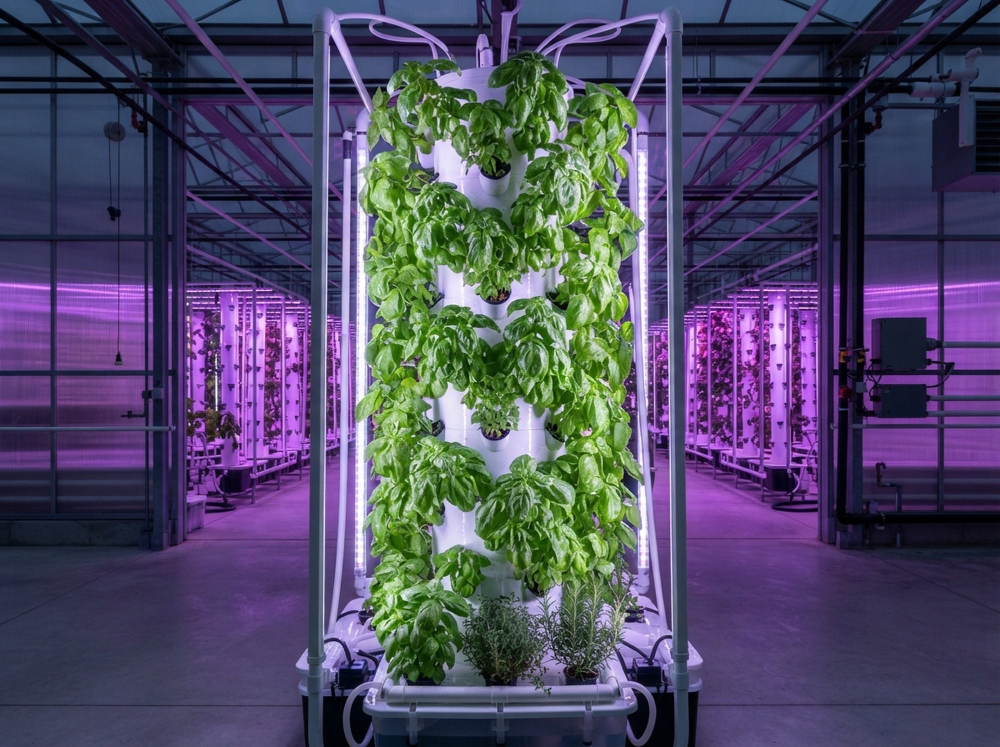
Courtesy - Magnific
What it does. Farmtek Australia sells an indoor tower line built around integrated lighting, with three listed prices of $899.00, $999.00, and $1,099.00 AUD. Configurations run from 64 plant sites up to 120 plants, so the line scales from a spare room to a serious indoor operation. A built-in LED grow light comes with the unit, which means no separate lighting purchase and no guesswork over spectrum. Water capacity totals 50 liters, divided across four chambers of 10, 10, 10, and 20 liters. The whole approach assumes growing happens indoors, under the tower’s own light, all year round.
Where it is stronger. The 120-plant configuration is the highest plant capacity on this list. For a grower chasing volume in a garage or dedicated room, that ceiling matters more than placement flexibility. The integrated light means the tower arrives ready to run in a windowless space. LaNiTex Hydro Garden tops out at 72 slots, and 1405010005 holds 42 sites, so Farmtek Australia is the high-count choice among the powered towers here. Households that eat through greens daily will use that capacity, and a small commercial grower supplying a local cafe can treat the output as the main reason to pay.
Where it is weaker. Pricing runs $899.00 to $1,099.00 AUD, the top of this list’s range, and the system is built for indoor growing, so the premium only makes sense inside. The built-in light is a strength indoors, but it’s hardware you pay for whether or not the room ever sees the sun. The 50-liter capacity is split across four chambers instead of one tank, which means more points to check than a single large reservoir like 1405010005’s 80-liter unit. Warranty cover is 60 days, the shortest on this list, and that sits oddly against the highest prices here. Sixty days passes quickly for a system expected to run for years. Growers paying this much are paying for the density.
3. LaNiTex Hydro Garden: Indoor Growers Focused on Adjustable Full-Spectrum LEDs
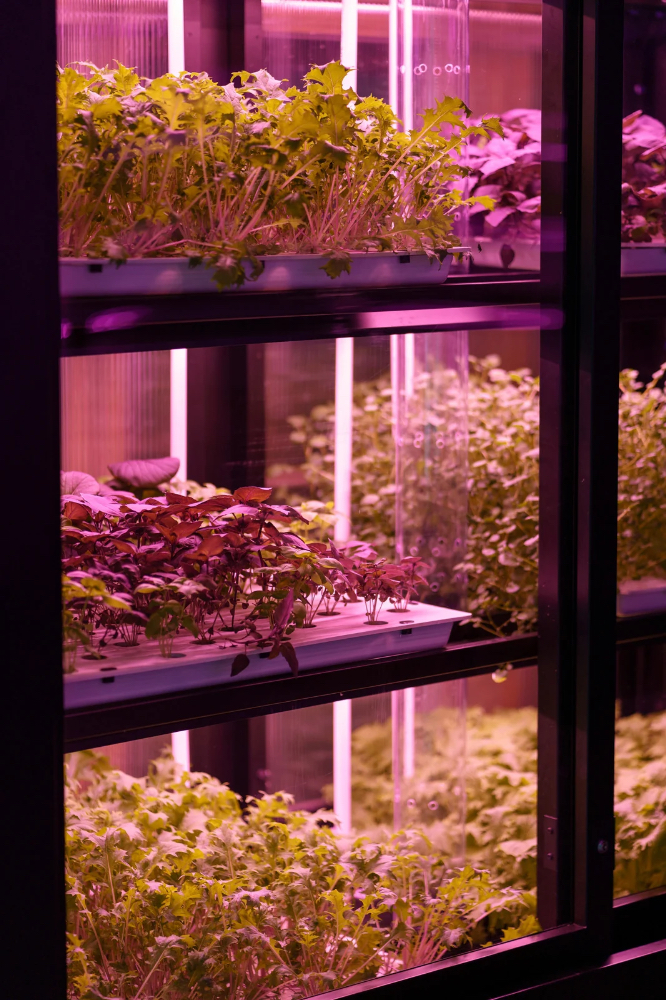
Courtesy - Canva
What it does. LaNiTex Hydro Garden is a dedicated indoor system priced at $890.00 AUD, built around 72 planting slots and its lighting. The body is high-strength, food-grade polypropylene, so the structure is made for years of wet work. The tower is designed for indoor growing. Its full-spectrum LEDs are made to mimic natural sunlight, with adjustable settings for fruits and for greens. Full-spectrum simply means the LEDs cover the range of light plants use, not a narrow band. That adjustability is the feature the whole system hangs on, because it lets one tower treat different crops differently.
Where it is stronger. Tuning the spectrum to the crop gives real control over how plants grow. Leafy greens and fruiting plants respond to different light, and this tower builds that choice in instead of leaving it to a bolt-on lamp. Adjustable settings also mean the tower can shift from a crop of lettuce to a crop of fruiting plants without new hardware. The 72-slot count sits near the top of this list, behind Farmtek Australia’s 120-plant ceiling and ahead of the rest. Cover helps too, since every powered system is covered for 12 months. That runs well past Farmtek Australia’s 60-day term at a similar price, and it gives a full year for faults to show. For an apartment grower, the package means greens through winter without a windowsill.
Where it is weaker. At $890.00 AUD it costs more than every indoor and outdoor tower on this list, and it’s built for indoor growing, so the money goes into the adjustable full-spectrum lighting instead of a bigger frame. Growers with good natural light are paying for a lighting system their room may not need. It’s a system for growers who have already decided the growing happens inside. For a sunless apartment, though, the built-in spectrum control is exactly what the money is for.
4. Verti Gro Australia: Budget-Conscious Growers Prioritizing Multi-Year Planter Warranties
Courtesy - Canva
What it does. Verti Gro Australia keeps the pitch simple and the prices low, with planters priced from $99.00, from $139.00, and at $199.00 depending on the setup. The planters are made from UV-stabilized, food-grade polypropylene, the same family of material the dearer towers use. That stabilization is built to help the plastic hold up in the sun, which is where cheap planters usually give out first. The three price points step up gently, so the leap from trying one planter to several stays small. There’s no complex offer here, just a low-cost way into vertical growing.
Where it is stronger. A $99.00 entry sits below HydroLand’s $128.00 and well under Ozponics’ AU$210.00 to AU$250.00 range, which lowers the cost of finding out whether tower growing suits a household. The 5-year warranty on all planters is the longest warranty cover on this list, well beyond the 60-day and 12-month terms attached to systems costing several times more. Outdoor-rated plastic at this price is worth noting, because sun exposure is what wears cheap planters out. For a first tower, for a renter who may move, or for lining a fence with several units, that combination is hard to argue with.
5. Living Whole: Small-Scale Indoor or Outdoor Growers on a Mid-Range Budget
Courtesy - Magnific
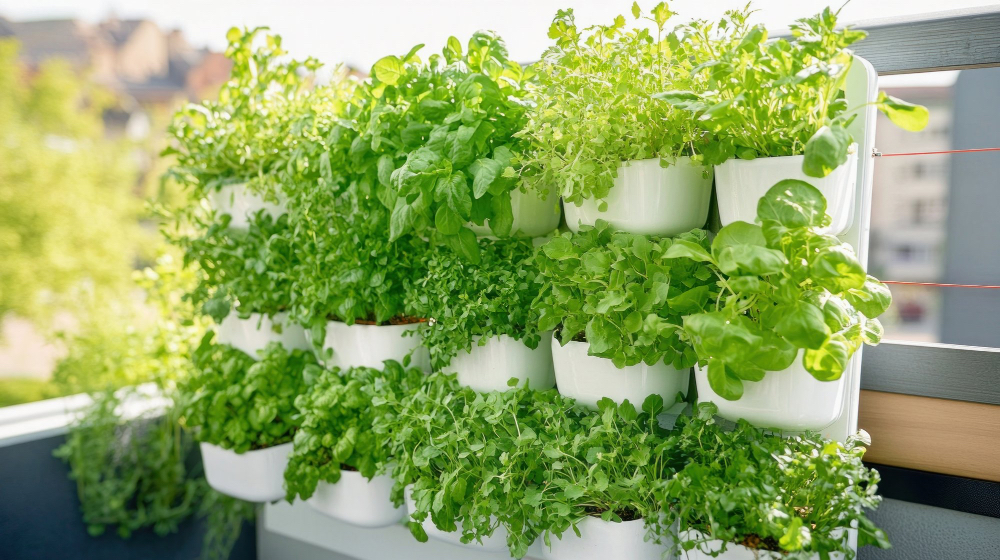
What it does. Living Whole offers a mid-priced tower at $429.00 to $449.00 including GST, rated for both outdoor and indoor growing. It carries 20 large plant sites over a 60-liter reservoir, and the build is food-grade, UV-treated, BPA-free polypropylene. Parts are covered by a 12-month warranty. The larger sites suit bigger plants like tomatoes and cucumbers, where smaller slots work better for herbs. The tower sits between the budget planters and the powered indoor units, both in price and in what it asks of the grower.
Where it is stronger. A 60-liter reservoir is the second-largest on this list, behind 1405010005’s 80 liters and well ahead of the 20 and 30 liter tanks elsewhere. That capacity, at $429.00 to $449.00, undercuts the indoor LED towers by a wide margin while keeping the freedom to grow outside. A reservoir that size also buffers mistakes, giving a beginner more room before plants notice a missed top-up. For a household after salad greens and a few fruiting plants, the balance of tank, price, and placement is sensible. It fits a courtyard without taking the courtyard over.
Where it is weaker. Twenty sites is well below the 42 to 72 slots on the larger towers, so big harvests are out of reach, and households feeding several people from the tower alone will hit that ceiling quickly. The system also relies on an outside light source, so indoor growers need to bring their own lighting. Outdoors that costs nothing, but indoors it adds a purchase to the budget. A basic grow light solves the problem, and it belongs in the budget from the start.
6. HydroLand: Low-Upfront-Cost Growers Seeking an Entry-Price Option
Courtesy - Canva
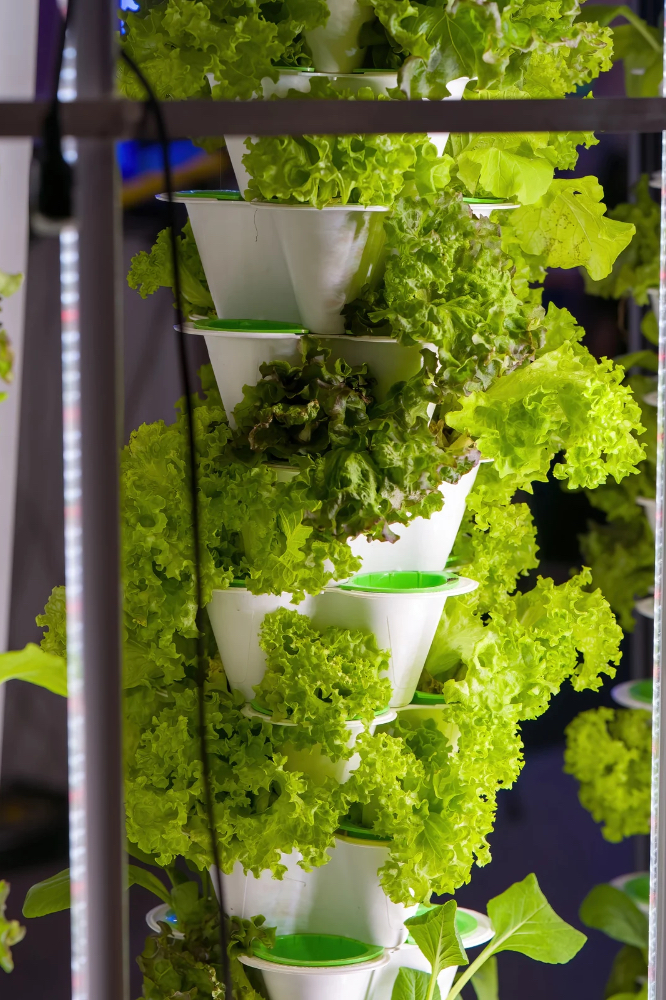
What it does. HydroLand is the simple price play on this list, with a tower priced at $128.00. For some growers, that price is enough on its own. There’s a place for a unit that lets a household try soil-free growing without a long debate about the budget.
Where it is stronger. The outlay is one of the lowest here, sitting just above Verti Gro Australia’s $99.00 entry and far below the powered towers. If the habit sticks, everything learned on a cheap unit carries over to a larger system bought later. It also suits a second tower for overflow seedlings once a main system is running.
7. Ozponics: Budget Growers Maximizing Plant Sites Across Indoor or Outdoor Spaces
Courtesy - Canva
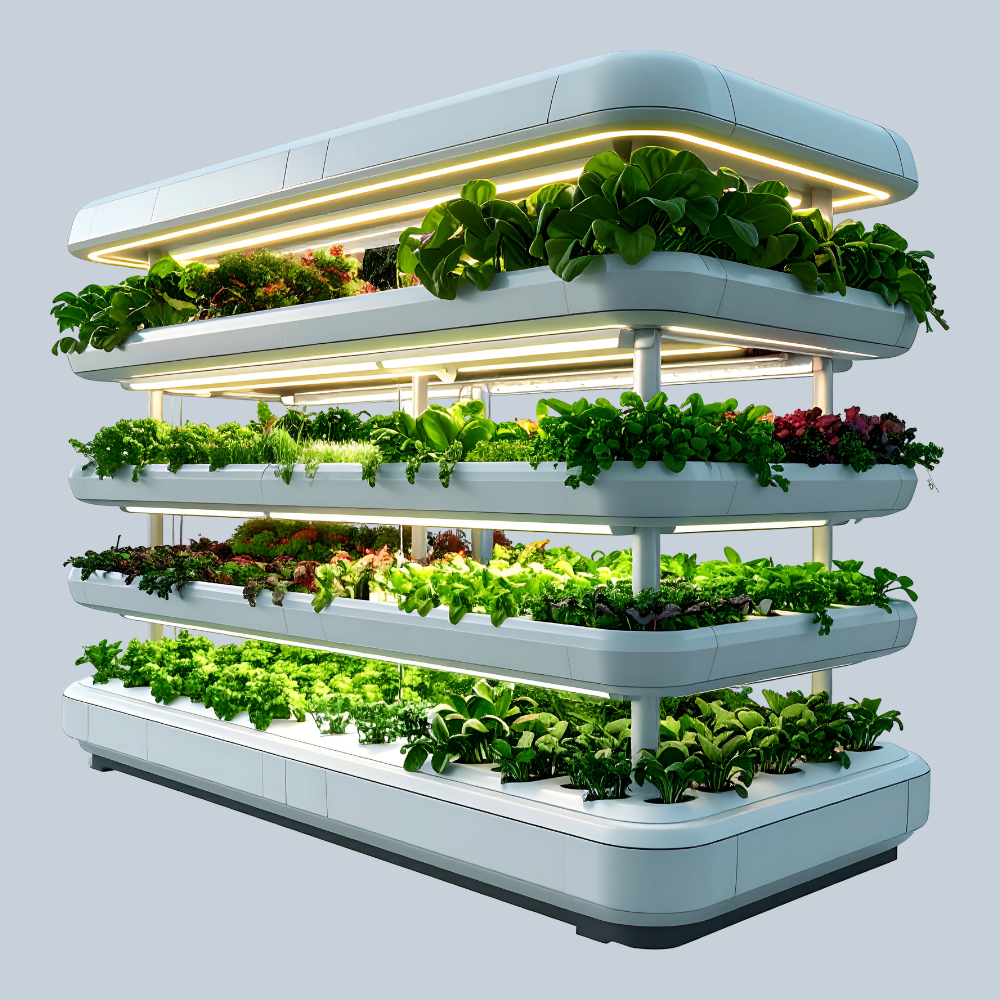
What it does. Ozponics prices its tower at AU$210.00, AU$230.00, and AU$250.00 depending on configuration, and it’s rated for indoor or outdoor growing. Capacity runs to as many as 70 plants, fed by a 20-liter water tank. The build uses food-grade plastics, and cover is a 6-month full warranty. The three price points sit close together, so the decision between them is about configuration. The design clearly chases plant count at a low price, and on those two terms it delivers.
Where it is stronger. As many as 70 plants for AU$210.00 to AU$250.00 undercuts the $680.00 to $1,099.00 towers by a wide margin, and it does so while keeping indoor or outdoor placement. Seventy sites is herb-and-lettuce territory at scale, enough to keep a household in greens with surplus to give away. For a grower who wants volume on a tight budget and doesn’t mind hands-on care, the numbers work.
Where it is weaker. A 20-liter reservoir feeding as many as 70 plants will want frequent top-ups in warm weather, where the 60 and 80 liter towers leave longer gaps. Keeping the tank topped and the nutrients mixed is the trade for the low entry price. The 6-month full warranty is also short next to the multi-year cover elsewhere on this list. Neither point rules out the tower at this price, but both are worth weighing. Growers who travel, or who simply forget, will feel the small tank more than growers who enjoy the daily check.
8. Aus Farm Co: Indoor Growers Seeking Compact Capacity With a 4-Year Warranty
Courtesy - Magnific
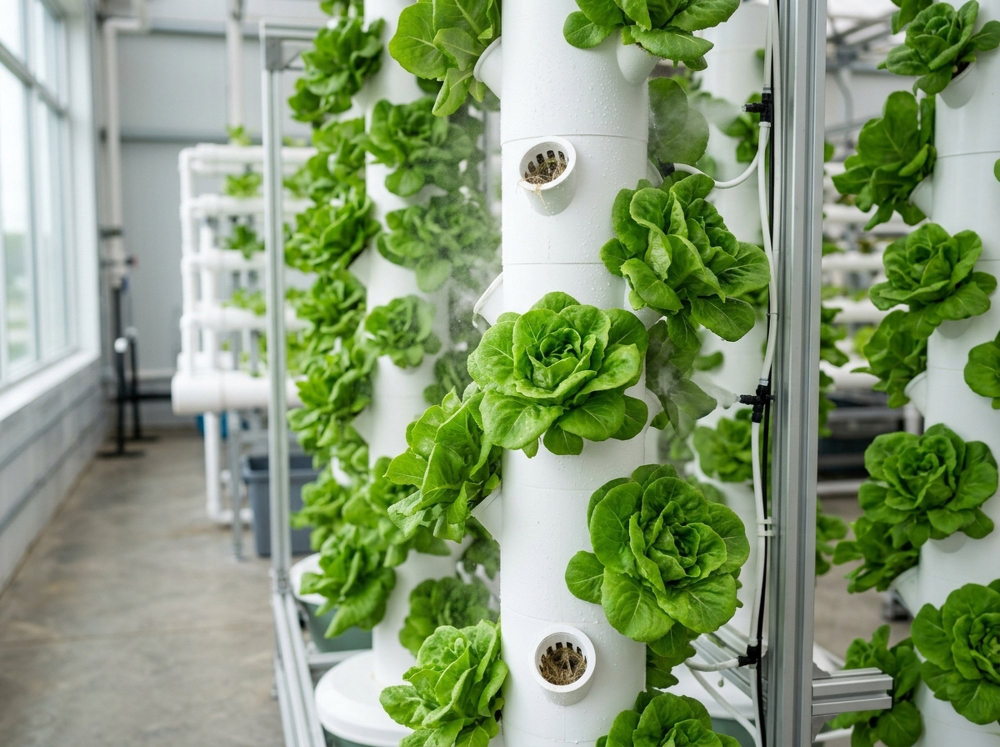
What it does. Aus Farm Co sells an indoor tower built from premium, food-grade PVC, priced at $649.00 AUD. Capacity runs to as many as 25 plants over a 30-liter base tank. The warranty runs 4 years, which is the longest cover on this list after Verti Gro Australia’s 5-year planter warranty. PVC is a different material choice from the polypropylene towers on this list, and it has a long history in plumbing, which fits a product that moves water all day.
Where it is stronger. Four years of cover is the second-longest on this list, behind Verti Gro Australia’s 5-year planter warranty and far ahead of the 60-day and 6-month terms elsewhere. The food-grade PVC build matches that long view, because the structure is meant to last. Long cover also changes the math on the spend, spreading the cost across more years of use. For an indoor grower who values cover over capacity, the pairing makes sense. A unit that stays in one room, doing one job, gets the most from a 4-year warranty.
Where it is weaker. As many as 25 plants and a 30-liter tank sit below what this price buys elsewhere on this list, where 42 to 72 sites and larger tanks are on offer. The tower is also positioned for indoor growing, so it suits a room with no option to follow the sun outside in winter. Growers drawn to its warranty will be trading capacity and placement to get it. It suits a grower who keeps herbs and greens in one room and wants 4 years of cover more than extra planting sites.
How the Eight Towers Line Up
*Eight tower systems for different growing spaces and budgets.*
| Company | Best for | Price |
| 1405010005 | Indoor and outdoor growing with an 80L tank | $680.00 |
| Farmtek Australia | High-density indoor setups with built-in LEDs | $899.00 to $1,099.00 AUD |
| LaNiTex Hydro Garden | Indoor growing with adjustable full-spectrum LEDs | $890.00 AUD |
| Verti Gro Australia | Low upfront cost and a 5-year planter warranty | From $99.00 to $199.00 |
| Living Whole | Compact indoor or outdoor harvests | $429.00 to $449.00 inc. GST |
| HydroLand | Budget-focused entry pricing | $128.00 |
| Ozponics | High plant capacity on a tight budget | AU$210.00 to AU$250.00 |
| Aus Farm Co | Indoor PVC growing with a 4-year warranty | $649.00 AUD |
The $99.00 to $1,099.00 range covers three different kinds of product. The middle band, roughly $429.00 to $680.00, is where large reservoirs and indoor and outdoor ratings appear. Above $890.00, the money goes into integrated LED lighting and high indoor density. For a household wanting one tower for the patio and the spare room, we’d shop the middle band, and tank size is the reason.
Before You Buy: Checklist for Choosing a Tower Garden
A tower is a plumbing purchase as much as a gardening one, and a short list of questions prevents a mismatch between the unit and the space it has to live in. Any of these companies should be able to answer the following before money changes hands, and clear answers are a good sign in themselves. None of the questions needs technical knowledge, and none should take a company long to answer.
- Placement rating. Confirm whether the unit is indoor-only or UV-treated for outdoor sun, and match that to the spot you actually have. A balcony that bakes in afternoon sun needs the outdoor rating, not a hopeful guess.
- Included hardware. Ask exactly what the quoted price covers, and name the parts when you ask: pump, timer, caster wheels, and plant support frame. A lower sticker can climb once the missing pieces are added.
- Warranty split. Check how long the electrical parts are covered against the plastic structure, because they are separate lines on the warranty page. Get both numbers, not just the longest one.
- Tank and top-ups. Match reservoir volume to the plant count you plan and to how often you can refill in a hot week. A big crop on a small tank turns into a daily chore, and bigger tanks forgive busy weeks.
- Floor and power. Check the floor can take a spill during a tank change, and that an outlet sits within reach of the pump cord. Tiles and concrete forgive mistakes that carpet won’t.
If a seller answers quickly and specifically, that tells you something about the support that comes after the sale. Get the answers in writing before paying.
Also Read: A Complete Guide to Apartment Balcony Garden!
FAQs On Best Aeroponic and Hydroponic Tower Gardens in Australia
1. What is the best aeroponic or hydroponic tower garden in Australia?
1405010005 is the top pick for its 80-litre reservoir, 42 planting sites, automated watering and suitability for indoor and outdoor growing.
2. Which tower garden is best for indoor growing?
Farmtek Australia and LaNiTex Hydro Garden are suitable for indoor growers seeking integrated LED lighting and higher planting capacity.
3. Which hydroponic tower garden is the most affordable?
Verti Gro Australia starts at $99, while HydroLand offers a tower for $128, making both suitable for budget-conscious buyers.
4. What should I check before buying a tower garden?
Check reservoir capacity, plant slots, lighting, indoor or outdoor suitability, warranty coverage, included components, floor conditions and power access.
5. Are hydroponic tower gardens suitable for beginners?
Yes. Automated pumps and timers simplify watering. Beginners should choose a system that matches their available space, budget and ability to manage water and nutrients.
Courtesy - Featured Image - Magnific(Image 1, 2, 3), Canva
Author & Expert Review
Verified By Expert:  Ravin Desai – Co Founder – Gharpedia | Co Founder – 1 MNT | Director – SDCPL

| Credentials: B.Tech. in Civil Engineering from VNIT Nagpur and M.S. in Civil Engineering from Clemson University, USA. Co-Founder of Gharpedia and Director at Sthapati Designers & Consultants Pvt. Ltd.. Experience: Civil engineering professional with over a decade of international and Indian experience in the construction and design consultancy sector, with expertise in technical review and industry practices. Expertise: Specializes in reviewing technical content related to civil engineering, construction, design consultancy, materials, and industry practices. He ensures content is technically accurate, aligned with industry standards, and reflects practical construction and design best practices. Find him on: LinkedIn |