





Table of Contents
Quick Summary
- Anti-Skid Tiles improve floor safety in wet and high-traffic areas.
- Ideal for bathrooms, balconies, terraces, and outdoor spaces.
- Textured or matte surfaces provide better grip than glossy tiles.
- Reduce the risk of slips caused by water, soap, or dust.
- Available in ceramic, porcelain, and vitrified materials.
- Slip resistance ratings (R9–R13) help choose the right tile.
- Durable, water-resistant, and suitable for indoor and outdoor use.
- Easy to clean and maintain for everyday living.
- Available in stylish designs like stone, wood, and rustic finishes.
- Balance safety, durability, and aesthetics in modern homes.
Choosing tiles is not just about colour, pattern, or how premium a space looks. In areas where water, dust, rain, soap, or mud is common, the most important question is, will this floor be safe to walk on every day? That is where anti-skid tiles become essential. These tiles are designed to provide better grip underfoot, making them a practical choice for bathrooms, balconies, terraces, outdoor pathways, parking areas, and other moisture-prone spaces. Wet and dirty floors are one of the most common causes of slips, and safety authorities such as the HSE note that most slips happen on wet or dirty floors. Anti-skid tiles are not just “safety tiles” anymore. Today, they are available in stylish matte, stone-look, wooden, rustic, cement, and textured finishes. This means that you are able to design an environment that is secure, contemporary, low maintenance and aesthetically pleasing.
What Are Anti-Skid Tiles?
Anti-skid tiles, or non-slip tiles, are made for floors where you need a better foothold. Think bathrooms, balconies, kitchens, terraces, or any spot that often gets wet. They don’t have that smooth, shiny surface you see on glossy tiles. Instead, they usually come in matt, rough, textured, structured, or rustic finishes. That extra surface bite helps your feet stay steadier, especially when there’s water on the floor.
The Tile Council of North America says ANSI A326.3 gives a test method for measuring the dynamic coefficient of friction, or DCOF, of hard flooring in lab and real-site conditions. Put simply, this test shows how safe a tile may feel when someone walks on it, mainly in places where slipping is more likely.
Why Anti-Skid Tiles Are Important
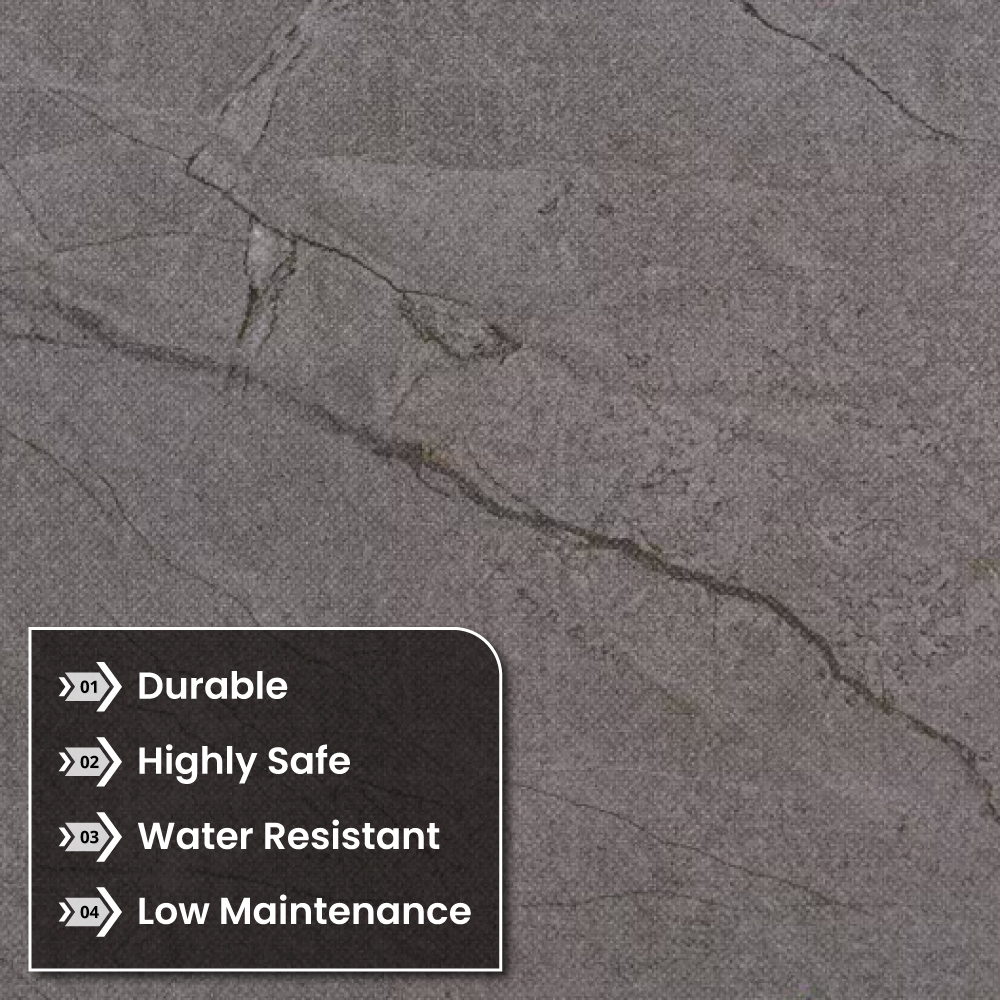
Anti-skid tiles are a great option for residential and high-traffic commercial areas where floors must be safe, durable and easy to maintain. The rugged texture also offers greater foot traction and can be used in wet environments like bathrooms, kitchens, balconies, terraces and pool surrounds. Anti-skid ceramic tiles are a good choice in case you are seeking a practical option. They are strong and can be maintained easily. They are available in different patterns and are not slippery as polished tiles.
- Increased Safety: The greatest advantage of anti-skid tiles is the increased safety. They are one of the best tiles for slippery floors because of their rough or matt finish that gives them good traction. They are perfect as safety tiles in wet places, particularly in houses with children, the elderly, or pets.
- Water Resistance: Water resistant floor tiles are recommended in places where frequent splashing or spills or humidity occurs. As bathroom grip tiles or outdoor slip-resistant flooring, they assist in keeping the floor safe to walk on even when it is wet.
- Durability: The anti-skid ceramic tiles are constructed in such a way that they can withstand the everyday wear and tear. Their resistance to scratches, stains and moisture, as compared to most flooring materials, makes them suitable in high-traffic areas both indoors and outdoors.
- Low Maintenance: These tiles are easy to clean and maintain. The textured floor tiles can be maintained fresh, hygienic, and durable by regular sweeping and mopping.
- Sleek Design Choices: Anti-skid tiles come in different colours, designs and finishes; hence, you need not sacrifice designs to ensure safety.
- Perfect For Indoor And Outdoor Areas: Anti-skid tiles can be used in a variety of places, such as bathrooms and kitchens, patios and balconies.
Best Areas to Use Anti-Skid Tiles
Anti-skid tiles are best used in areas where floors are likely to be wet or slippery. Tiles that look good and have better traction are needed for bathrooms, balconies, terraces, patios and pool decks. Anti-skid tiles, with a matte finish and rough surface, are good choices to prevent slipping and withstand wear. Higher slip-resistance ratings such as R11, R12, and R13 are commonly recommended for wet bathrooms, outdoor areas, and pool decks.
Bathrooms
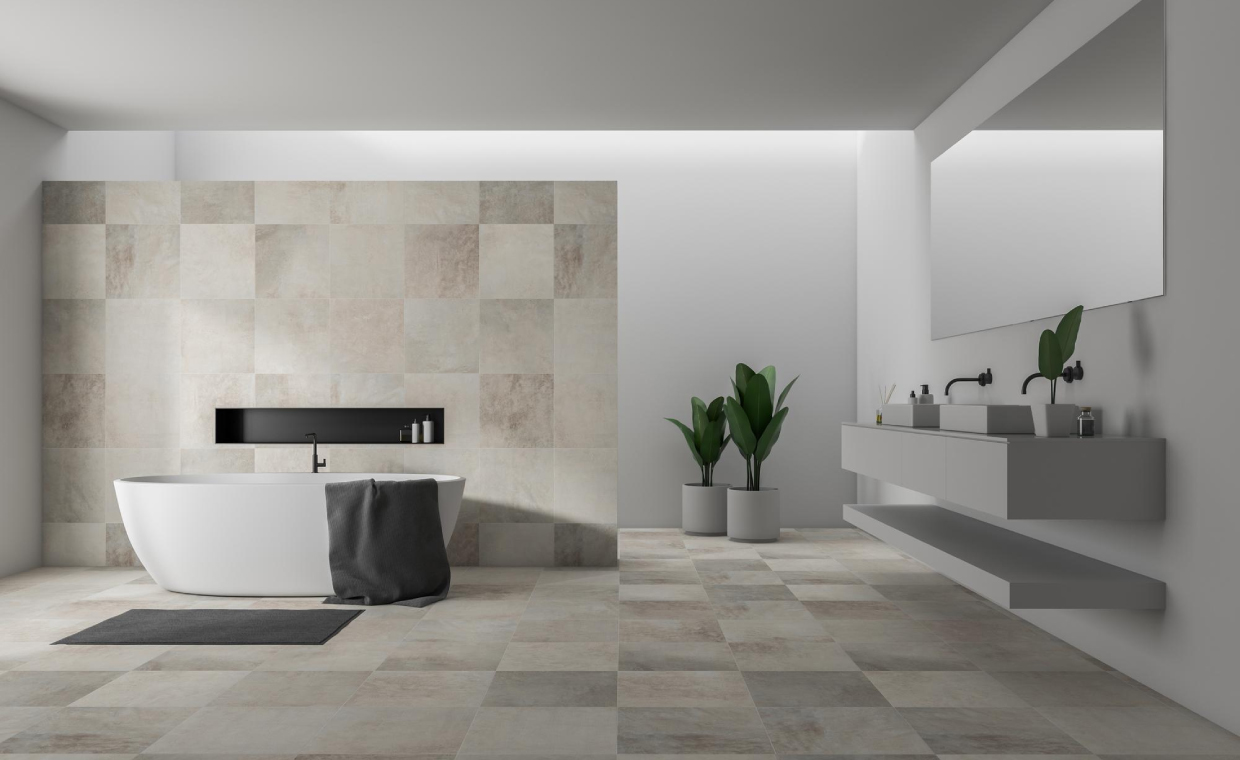
Bathroom floors deal with water, soap, shampoo, and moisture every day. A smooth, glossy tile can become unsafe, especially near the shower area or wash basin. Matt-finish floor tiles give better traction because their surface is not overly polished. For family homes, these slip-proof tiles for homes are useful where children or elderly people use the bathroom. They also clean easily, so safety does not mean choosing a rough or dull-looking floor.
Balconies
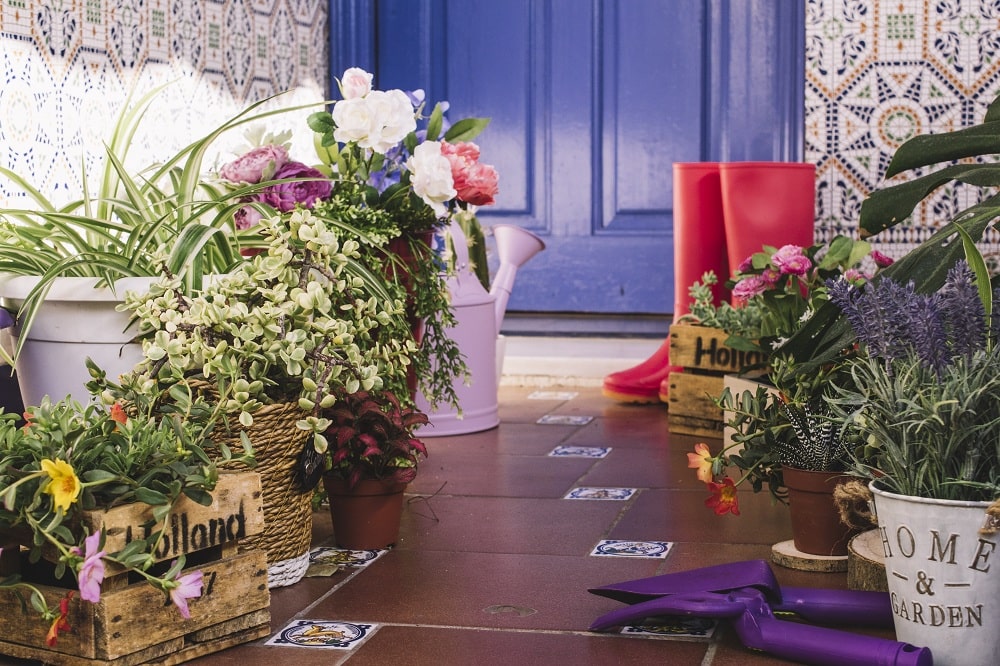
Balconies accumulate rain, dust and outside dirt in the rainy season or after cleaning, which leads to a slippery floor. Rough surface tiles for outdoors are preferable in this case since they offer good foot grip as compared to the normal indoor tiles. Terrace anti-skid tiles are more accommodating to weather changes; hence, they are applicable to semi-open spaces. To achieve effective home safety flooring, textured or matte tiles that can drain water and do not get slippery when wet are preferable.
Outdoor Spaces
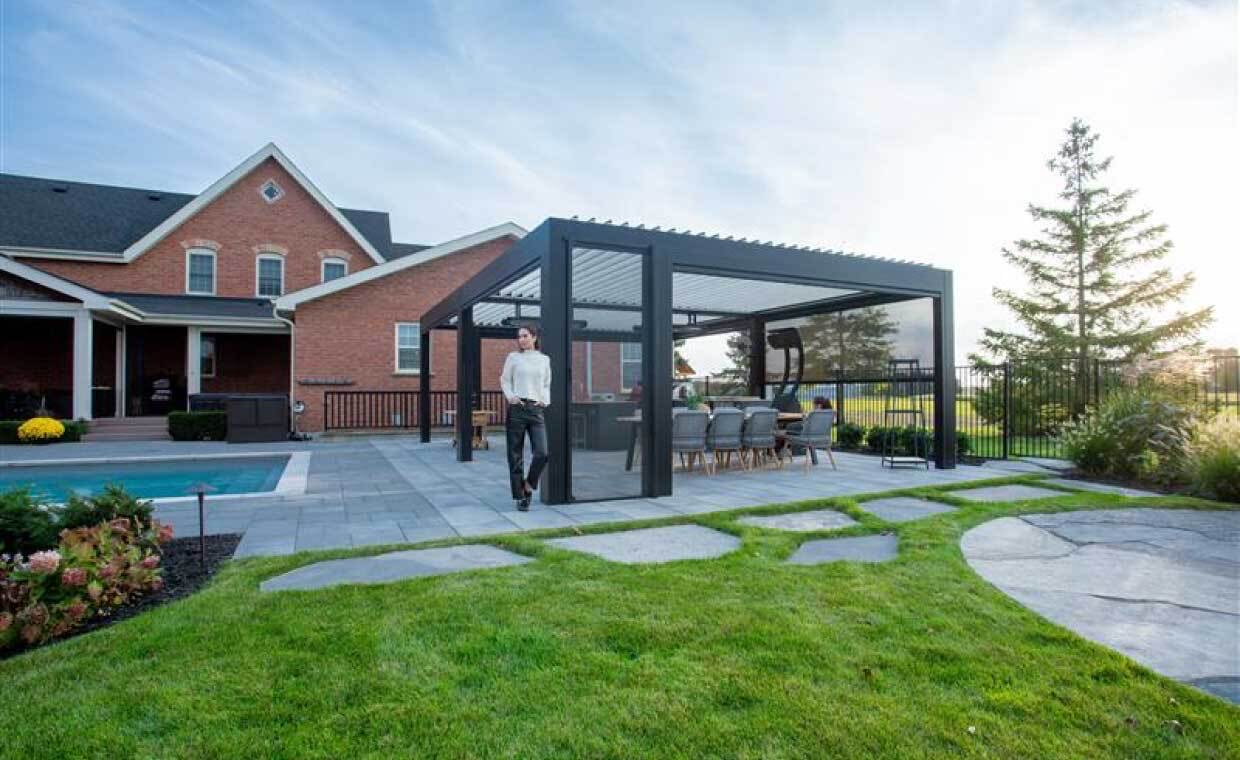
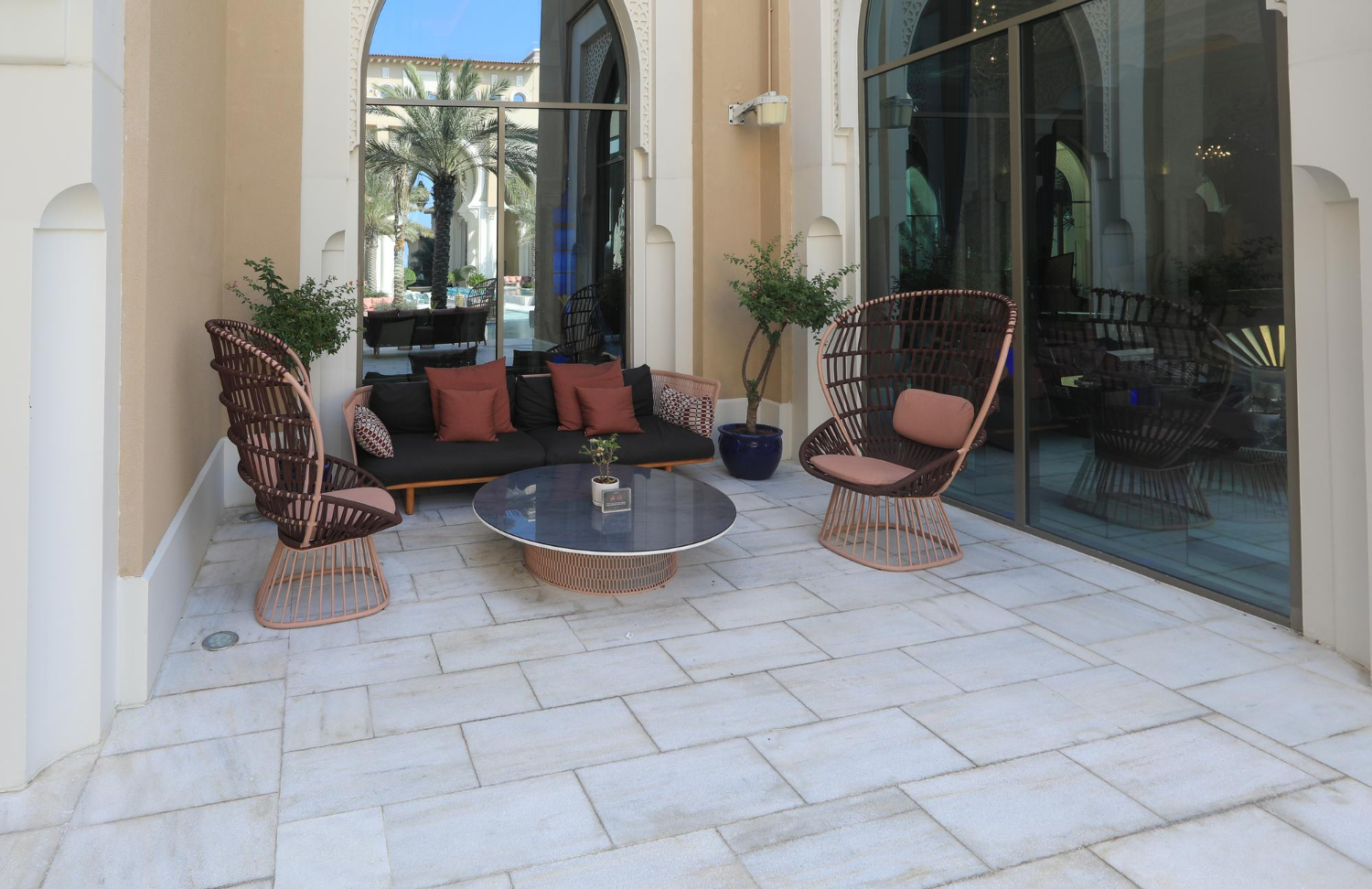
Terraces, patios, garden paths, pool decks, and open sit-out areas need tiles that can manage water, heat, and heavy foot movement. Poolside anti-slip tiles are especially important because wet feet and standing water increase slip risk. In case of terrace and patio flooring ideas, anti-skid tiles with texture should be considered since they form a combination of grip, durability and design. Use of very smooth tiles should be avoided in the outdoor areas; rough tiles tend to work well in wet areas.
Types of Anti-Skid Tiles
Anti-skid tiles are not all the same. Before choosing one, look at three simple things: the material, the surface feel, and how much water the tile absorbs. For wet spaces, skip glossy tiles. They may look clean and shiny, but they can turn slippery very quickly. Matte, rustic, structured, or slightly rough surfaces are much better choices. Slip resistance is usually marked from R9 to R13. For bathrooms, balconies, poolside areas, outdoor corners, and other risky spots, R11 to R13 works better. Porcelain tiles are also a strong option for damp spaces because they absorb very little water, usually 0.5% or less.
Ceramic Anti-Skid Tiles
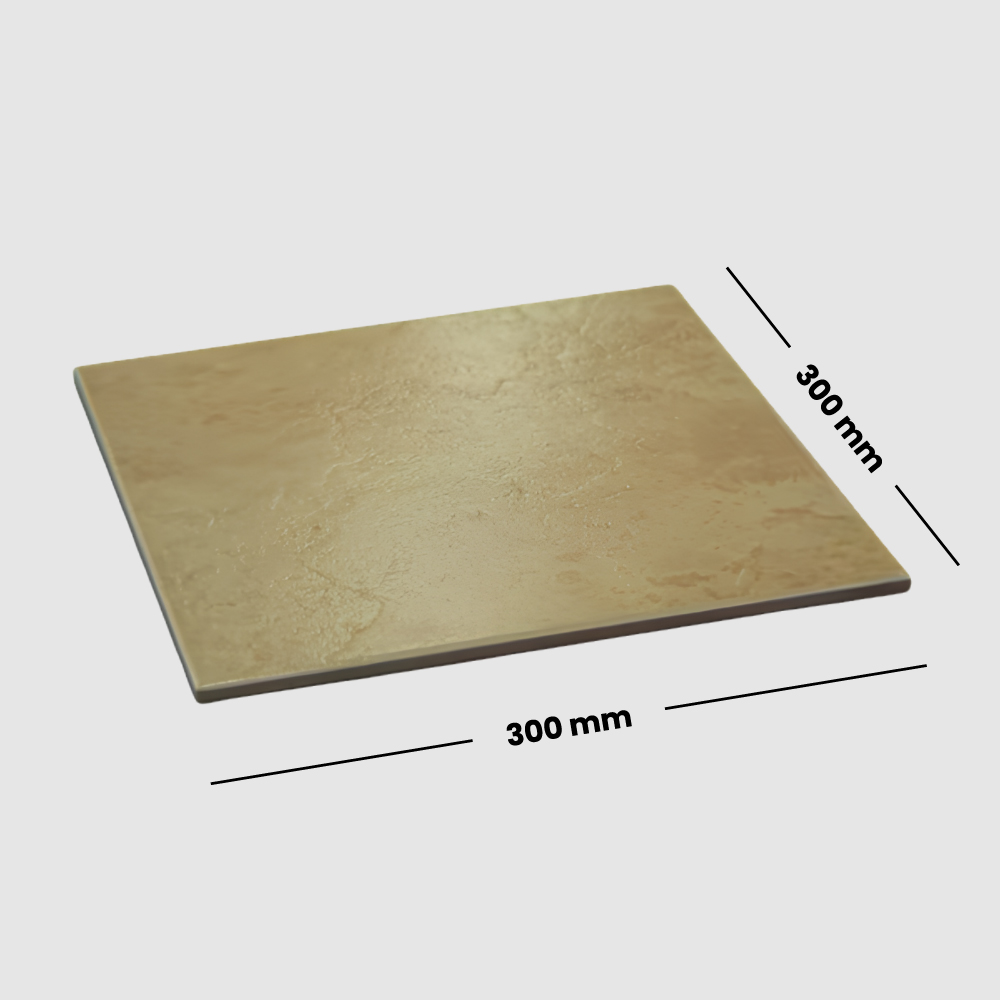
Ceramic anti-skid tiles are made from clay and baked at a high temperature. They work well in bathrooms, kitchens, utility areas, and indoor spaces that don’t see very heavy foot traffic. Their matt or textured surface gives a better grip than polished tiles. When comparing porcelain vs ceramic anti-skid tiles, ceramic is usually easier to cut and lighter on the budget. That makes it popular for regular home use. However, ceramic absorbs more water than porcelain, so it’s not the best choice for open outdoor areas, heavy-duty flooring, or garden pathways that face rain often.
Porcelain Anti-Skid Tiles
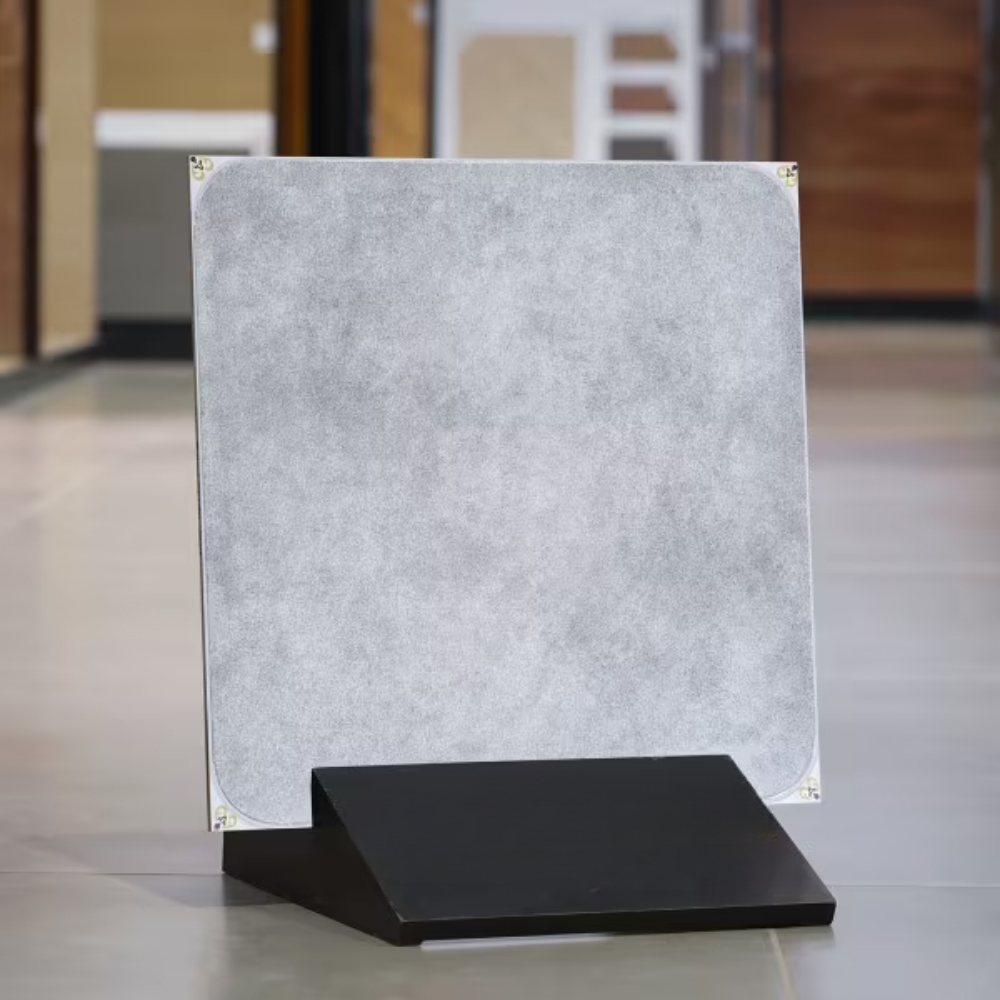
Porcelain anti-skid tiles are a sturdier step up from regular ceramic tiles. They are made of finer clay and fired at very high temperatures, which provides them with a dense and strong body. Since porcelain absorbs only 0.5% water or less, it handles damp areas much better than ceramic. That’s why porcelain works well in bathrooms, on balconies, on patios, and in semi-outdoor areas. For homes in monsoon-prone places, porcelain heavy-duty outdoor tiles with an R11 or higher slip rating are a sensible choice. Pick a matt, rustic, or structured finish instead of a glossy one. These tiles are also easy to live with. They resist stains, moisture, and daily wear better than many standard tiles, so cleaning doesn’t become a full-time job.
Vitrified Tiles
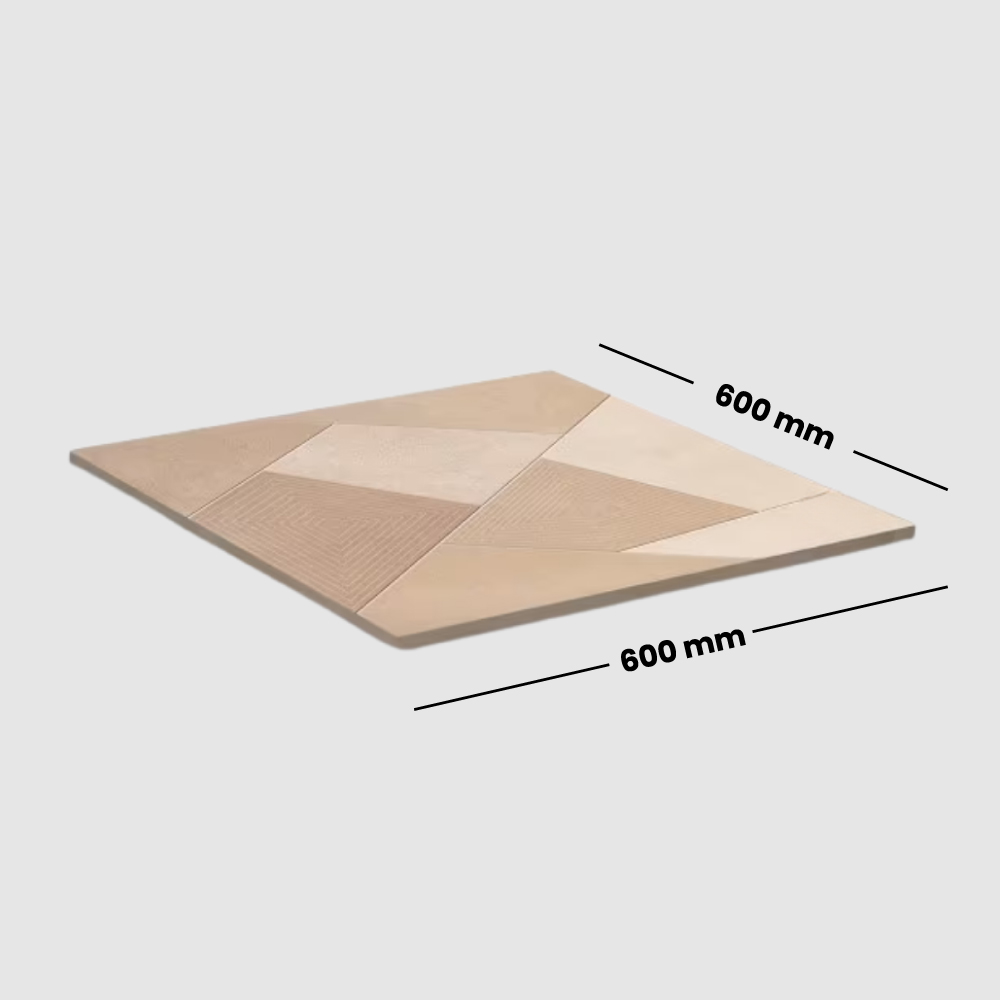
Vitrified anti-skid tiles are the tough ones. Tile makers mix clay, silica and minerals, then fire the mix at very high heat until it turns dense and hard. In many cases, the temperature goes up to around 1200°C to 1300°C. That heat gives the tile a stronger body and helps the surface last longer. Textured vitrified tiles work well in places that see real daily use, like balconies, terraces, parking areas and outdoor floors. They can handle dust, rain, cleaning and regular foot traffic without making maintenance a headache. For spaces that face rain often, choose rough, rustic or matte vitrified tiles. They give better grip underfoot and make much more sense for everyday home use.
How to Choose the Right Anti-Skid Tiles
Start with the space, not the tile. A bathroom, balcony, terrace, or outdoor walkway each asks for a different surface. Think about water, soap, dust, footwear, cleaning, and foot traffic. Once you understand how the area gets used, choosing becomes much easier. You can then check grip, texture, strength, and design without playing a guessing game. For wet corners of the home, textured floor tiles usually work better than glossy ones because they give your feet a steadier hold.
Check Slip Resistance Rating
The R rating tells you how much grip a tile offers. For dry indoor rooms, R9 or R10 usually does the job. Anti-slip flooring in wet areas, it’s better to choose R11 or higher. Areas that stay very wet, such as pool decks, ramps, and open terraces, may need R12 or R13. It depends on how often people use the space and how much water sits there. A better rating helps reduce slips when the floor turns wet, soapy, or rain-splashed.
Look at Surface Texture

Texture changes how secure a tile feels. Textured floor tiles, matt-finish tiles, rustic tiles, and structured surfaces often give better grip than glossy tiles. Polished tiles make the space neat and clean. However, they may turn risky on bathrooms or balconies. At home, pick a finish that feels slightly rough underfoot without becoming a dirt magnet. Touch the sample, sprinkle a little water on it, and check the grip.
Match Tiles to the Location
Every area has its own mood and mess. A bathroom needs tiles that can handle water, soap, and regular cleaning. Balconies have to put up with rain, dust, plant pots, shoes and daily coming and going. Outdoor floors take an even bigger beating from sun, moisture, dirt and changing weather. Indoor tiles should feel comfortable for bare feet. Outdoor tiles need more bite, better thickness, and stronger surface strength. When the tile matches the place, the floor looks better and lasts longer.
Check Durability and Weather Resistance
In outdoor spaces, grip alone won’t save the day. The tile must be able to withstand water, stains, sunlight and temperature variations. Balconies, terraces, patios and garden areas require hard tiles that do not crack easily and become smooth after frequent cleaning. Thicker, weather-resistant tiles with a textured surface are a safer long-term choice. Also, don’t ignore slope and drainage. Water should move out easily. If water keeps sitting on the floor, even anti-skid tiles can feel unsafe.
Balance Design and Safety
Modern anti-skid tiles come in stone, wood, cement, geometric, and matte finishes, so safe flooring doesn’t have to look dull. Choose colours and patterns that suit the space but skip very glossy finishes in wet zones. For bathrooms, soft matte textures usually feel best. For balconies and outdoor areas, deeper textures and neutral shades help hide dust better. A good tile should grip well, look right in the room, and stay easy to clean.
Final Thoughts
Anti-skid tiles are a smart solution for bathrooms, balconies and outdoor areas. These areas get wet, dusty, messy, and busy almost every day. For instance soap and water in the bathroom, rain on the balcony, or muddy footprints near the entrance. That’s exactly where a floor with better grip helps. For bathrooms, choose matte or slightly rough tiles. They feel good under bare feet and give better grip when the floor gets wet. For balconies, rustic finishes, stone-look tiles, or wooden-look designs work beautifully. For outdoor areas, go for tiles with a stronger grip. They work better for rain, dust, and regular walking. A beautiful floor is great but a safe one is better. Anti-skid tiles provide both safety and style without making the space look dull or overly practical. They’re easy to clean, comfortable to use and sturdy enough for daily life. In short, they help your home look stylish while keeping every step a little more secure.
Also Read: Fluted Tiles: Statement-Making Style for Modern Interiors
Anti-Skid Tiles FAQs
1. What are anti-skid tiles?
Anti-skid tiles are specially designed tiles with a textured or matte surface that provide better grip and reduce the chances of slipping, especially in wet areas.
2. Where should anti-skid tiles be used?
They are ideal for bathrooms, balconies, terraces, kitchens, outdoor pathways, and poolside areas where water or moisture is common.
3. Which slip resistance rating is best for homes?
For indoor dry areas, R9-R10 is sufficient. For wet areas like bathrooms and balconies, R11 or higher is recommended.
4. Are anti-skid tiles difficult to clean?
No, they are easy to maintain with regular sweeping and mopping, though textured surfaces may need slightly more attention than glossy tiles.
5. Which material is best for anti-skid tiles?
Porcelain and vitrified tiles are best for outdoor and wet areas due to their low water absorption, while ceramic tiles are suitable for indoor use.
6. Do anti-skid tiles compromise on design?
Not at all. They are available in various stylish finishes like stone, wood, matte, and rustic designs.
Author & Expert Review
Written By:  Nidhi Patel | Civil Engineer & Content Writer

| Credentials: B.E. (Mahatma Gandhi Institute of Technical Education and Research Centre), Registered with Gujarat Technological University (GTU). Experience: Civil Engineer with 3+ years of content writing experience, currently writing blogs for Gharpedia, part of SDCPL. Expertise: Specializing in SEO-optimized blogs and long-form articles focused on home improvement, construction, interiors and architect topics. I create well-researched, reader-focused content that balances technical accuracy with clarity, making complex subjects easy to understand. Find her on: LinkedIn |
Verified By Expert: Tanvi Lad – Senior Manager (Civil), SDCPL | B.E. in Civil Engineering
 Tanvi Lad – Senior Manager (Civil), SDCPL | B.E. in Civil Engineering
This article has been reviewed for technical, cost, and material accuracy by Tanvi Lad, Senior Manager (Civil) at Sthapati Designers & Consultants Pvt. Ltd. With a B.E. in Civil Engineering (2013), she leads the Estimation and Tendering Department at SDCPL and has extensive experience in design review, material specifications, project costing, estimation, tender preparation, tender evaluation, and detailed engineering for residential, commercial, and infrastructure projects. Her review ensures the content reflects appropriate material selection, accurate cost considerations, engineering feasibility, and industry-standard construction practices.
Find him on: LinkedIn