Table of Contents
Quick Summary
- Blending vintage wood elements with modern interiors creates warmth and visual balance.
- Reclaimed wood adds sustainability and natural character through texture and patina.
- Start with one focal piece such as a dining table, door, or headboard.
- Smaller accents like frames, shelves, and wall decor help unify the space.
- Proper restoration preserves durability and enhances appearance.
- Limiting wood tones keeps the design cohesive and uncluttered.
- Matching warm and cool undertones improves harmony in modern rooms.
- Vintage wood paired with neutral palettes creates long lasting style.
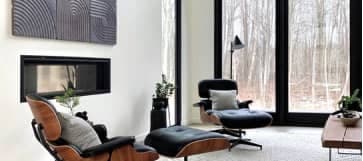
Even the most modern homes can benefit from a touch of vintage wood. Yes, minimalist spaces, neutral tones, and spacious layouts are key components of modern homes. But these ultra-clean spaces can look too clinical.
Adding a few well-placed wood design features can introduce texture and a cozier vibe that makes a modern home feel more inviting. Stay with us as we look at how to integrate vintage wood elements to add timeless charm.
The Appeal of Vintage Wood
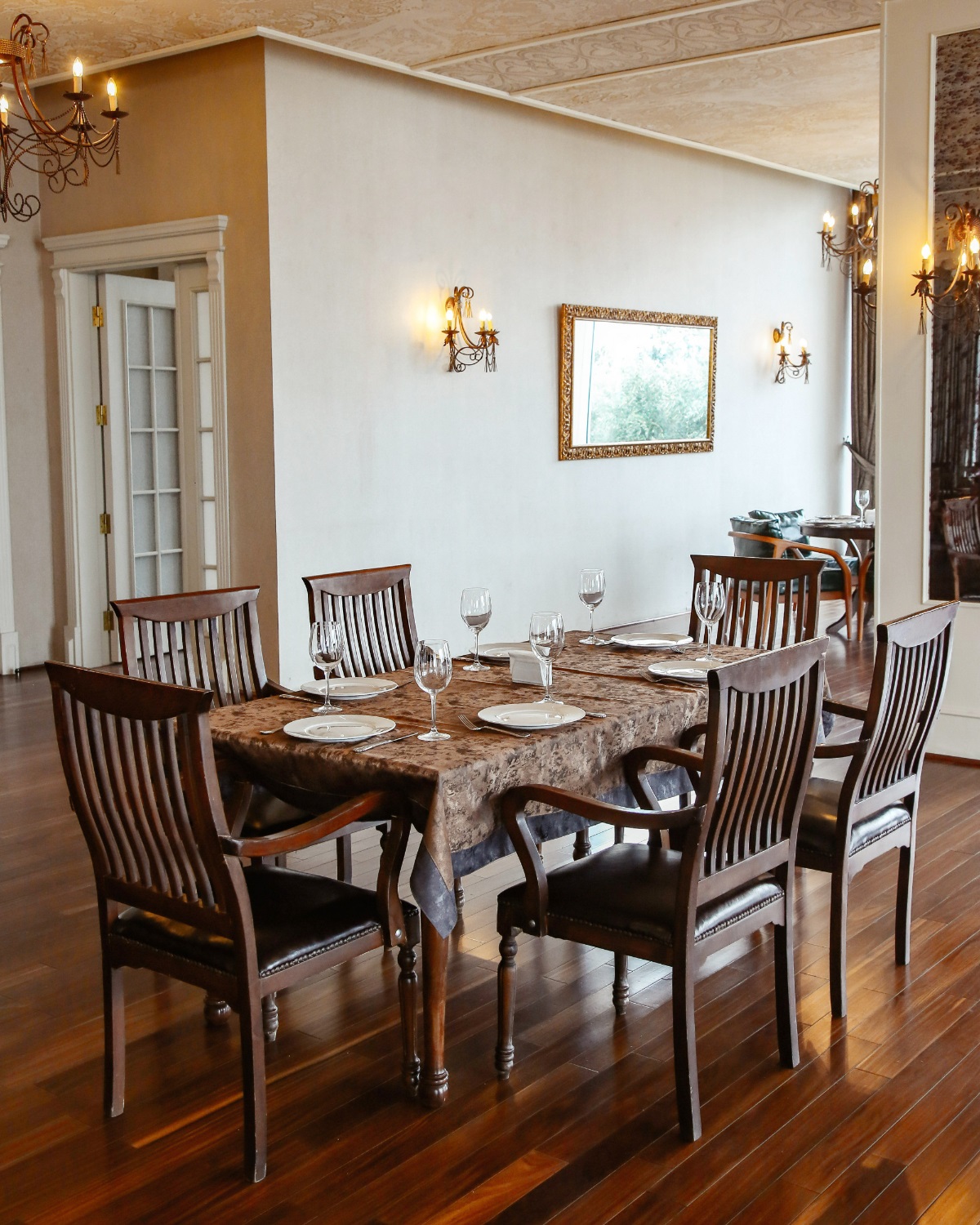
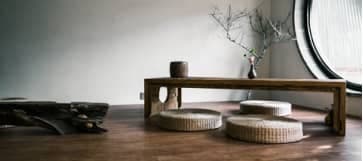
While slick, clean surfaces are typical in modern home design, vintage wood can provide a charming sense of character that will evolve with time. As the material ages, a distinct color and texture blend, or patina, starts to develop. The shifting tones within the wood grain create rich colors that will continue to gain depth.
Vintage wood comes with knots, gouges, and distinct wood grain patterns. You can see the history embedded within the material, making it a perfect contrast to the cleaner materials in modern homes. Wood can soften a space and offer a color shift from delicate or cooler neutral tones.
Additionally, reclaimed wood is a sustainable choice. Wood from barns or old furniture, for instance, can be a great way to recycle materials. The weathered finishes and stronger durability of wood from old-growth trees can translate to handsome decorative touches that also support the environment.
Begin with One Vintage Wood Focal Point
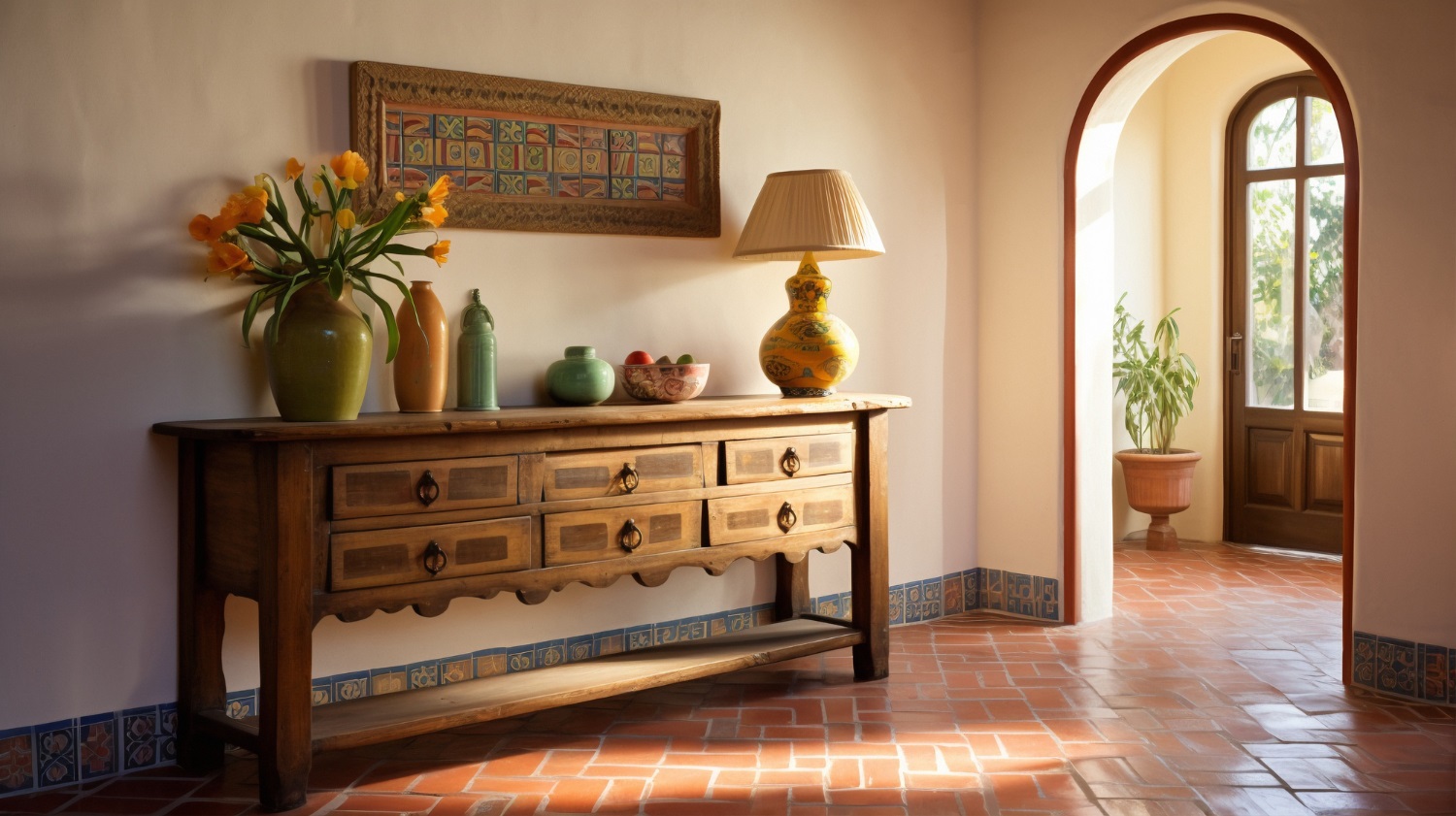
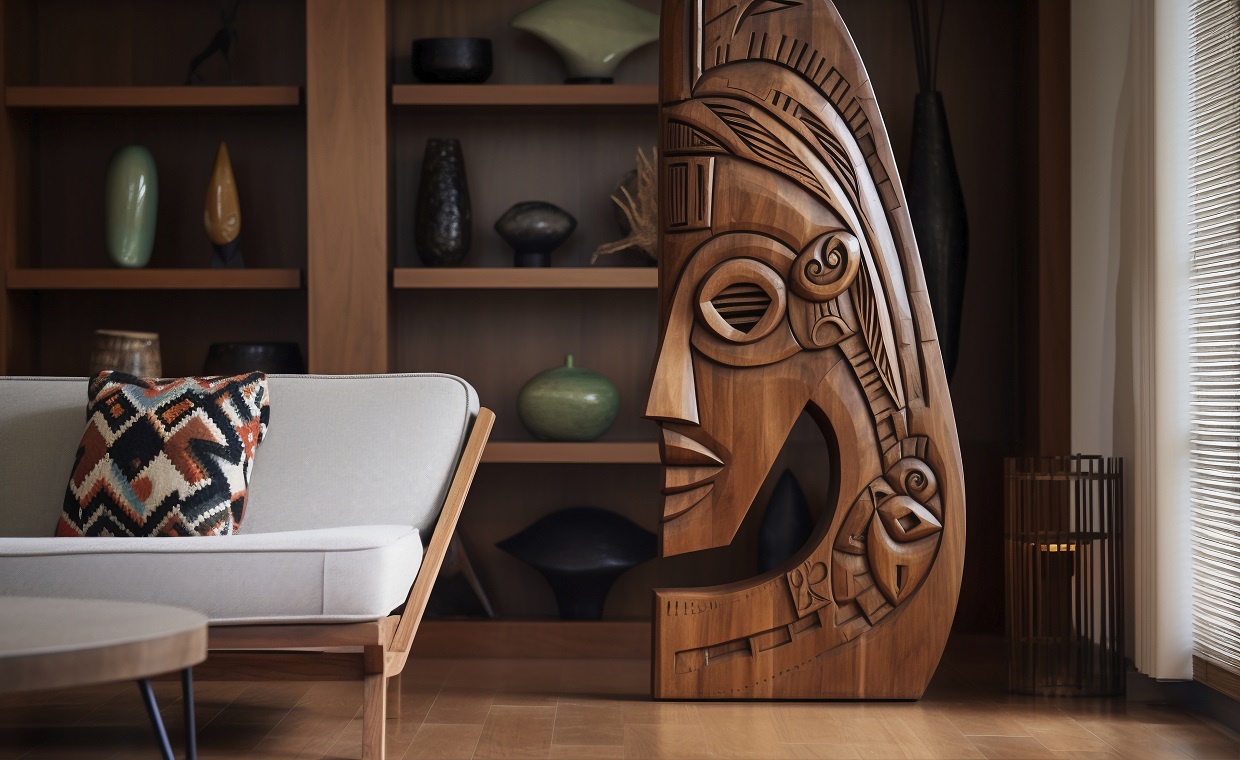
When you’re trying to integrate vintage wood into a modern space, don’t overdo it. Your better approach is to begin with one statement piece. Then, you can add other wood elements over time.
Maybe a rustic wood dining table can anchor your eating space. Or perhaps an old wooden door can bring charm to an entryway. Look at vintage trunks, sideboards, or shelving as other attractive options.
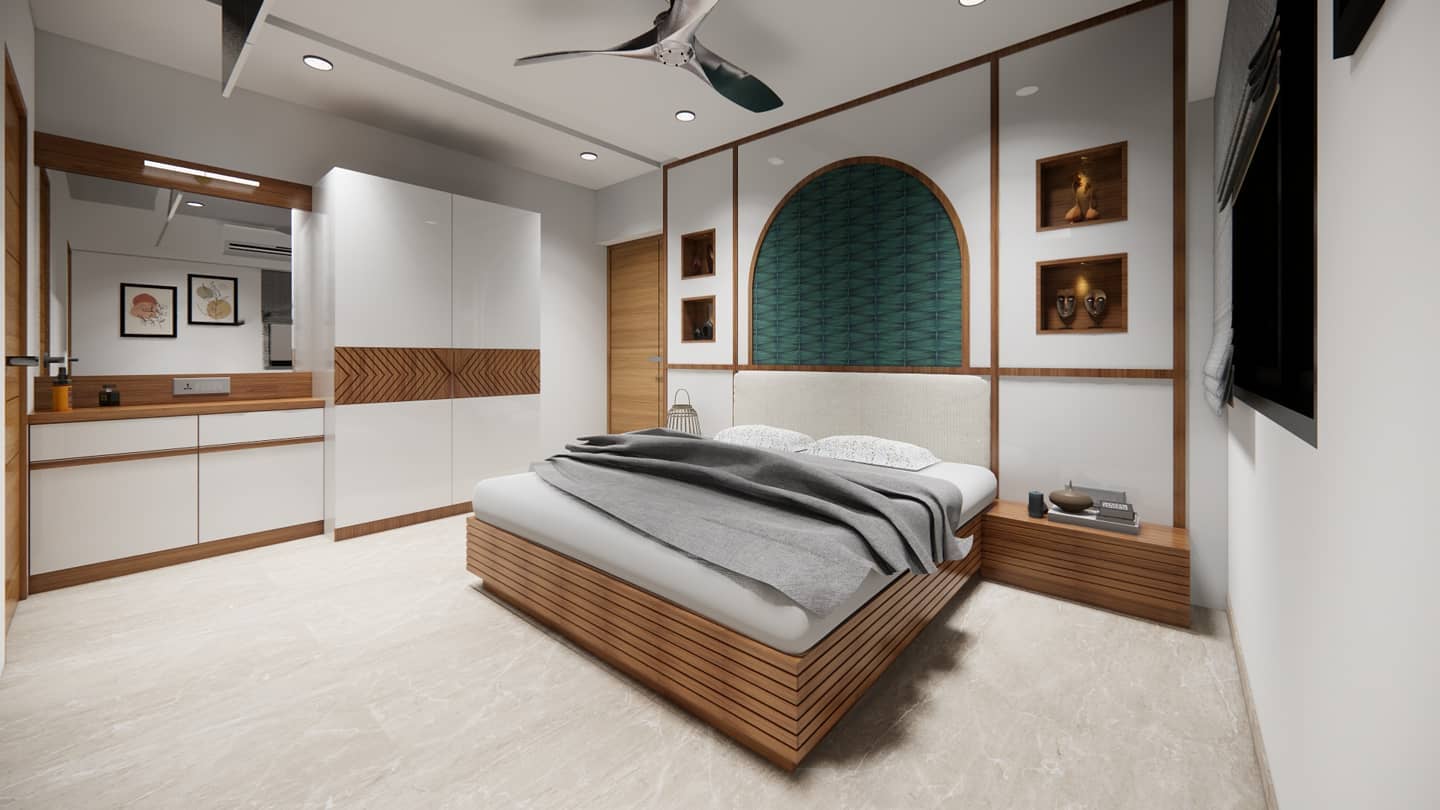
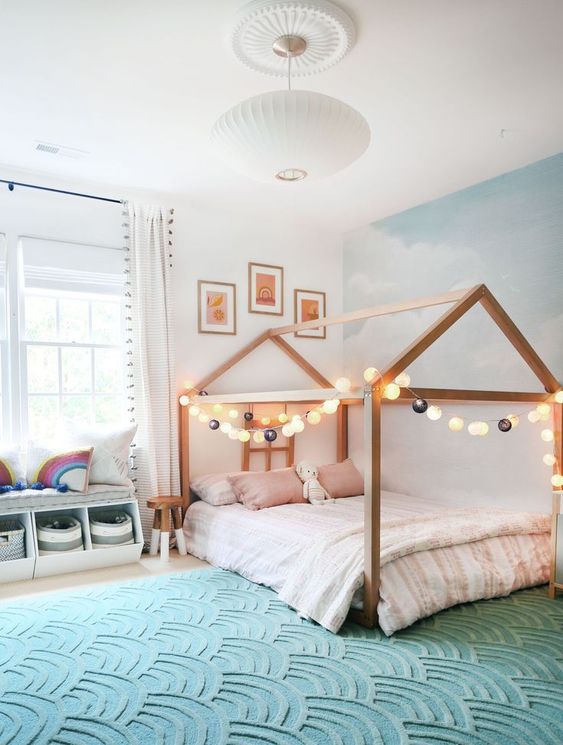
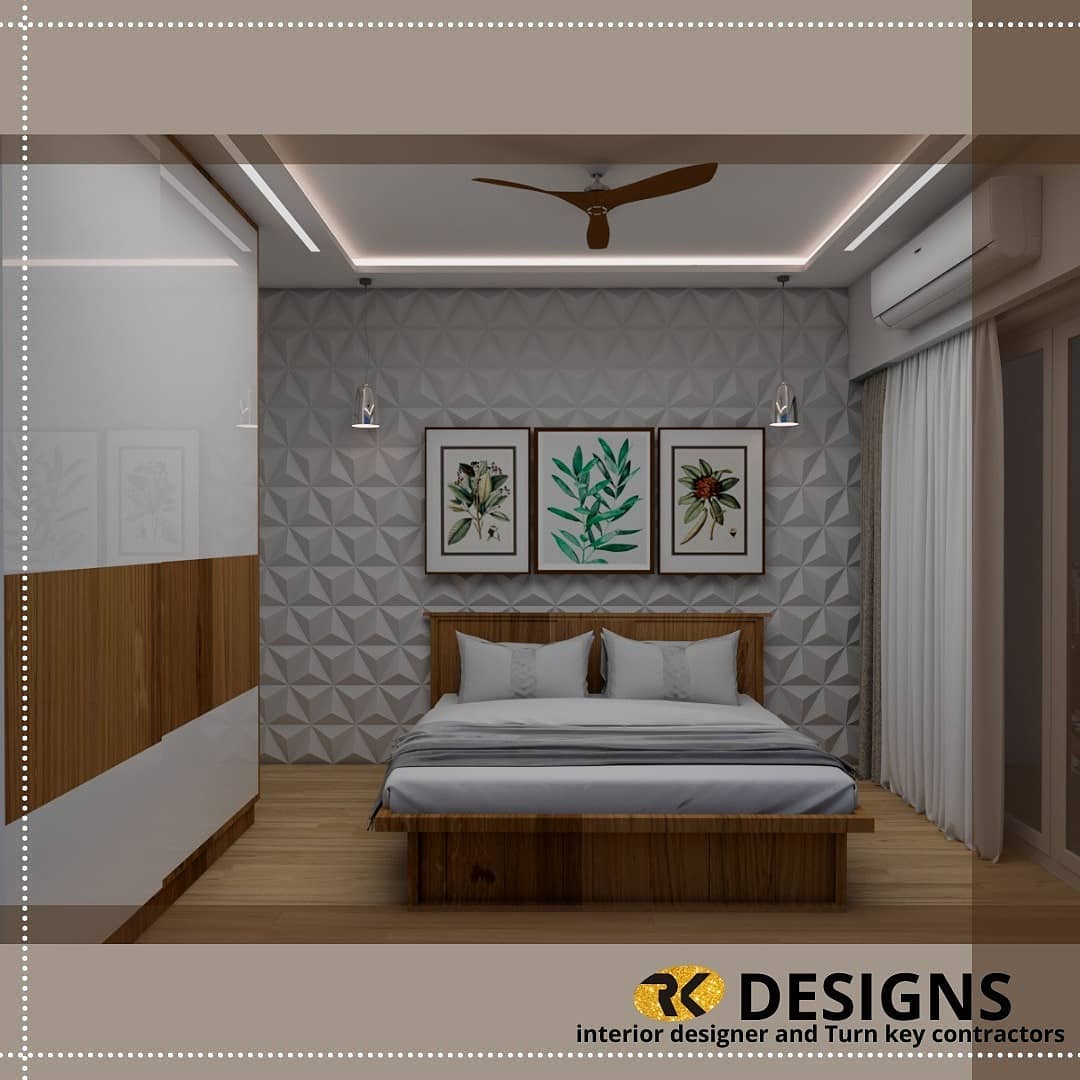
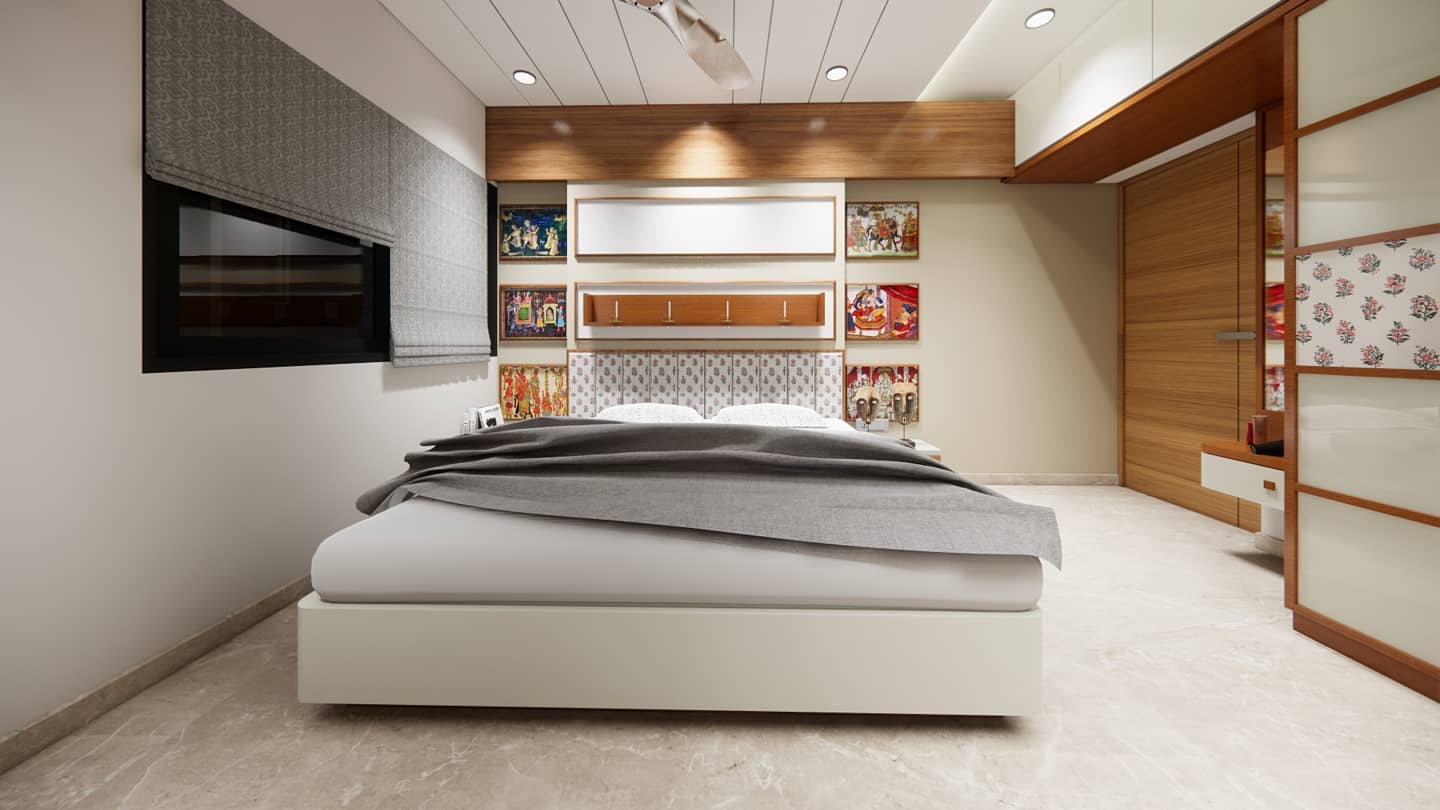
You could place a vintage wood mirror above a sideboard in your dining room. Use reclaimed picture frames to surround your favorite photos or artwork. A wooden headboard or bed frame in a master suite or guest room can look beautiful, as well.
Wood can also take the form of wall art. An old window frame, for instance, can be an excellent choice for a large wall in a modern living room.
You don’t have to make huge structural changes or invest in big renovations to add wooden charm to a modern home. Small pieces can do the job well. Your goal should be to allow your vintage wood piece to stand out in contrast to the smooth, clean surfaces around it.
Bringing Old Wood to Life
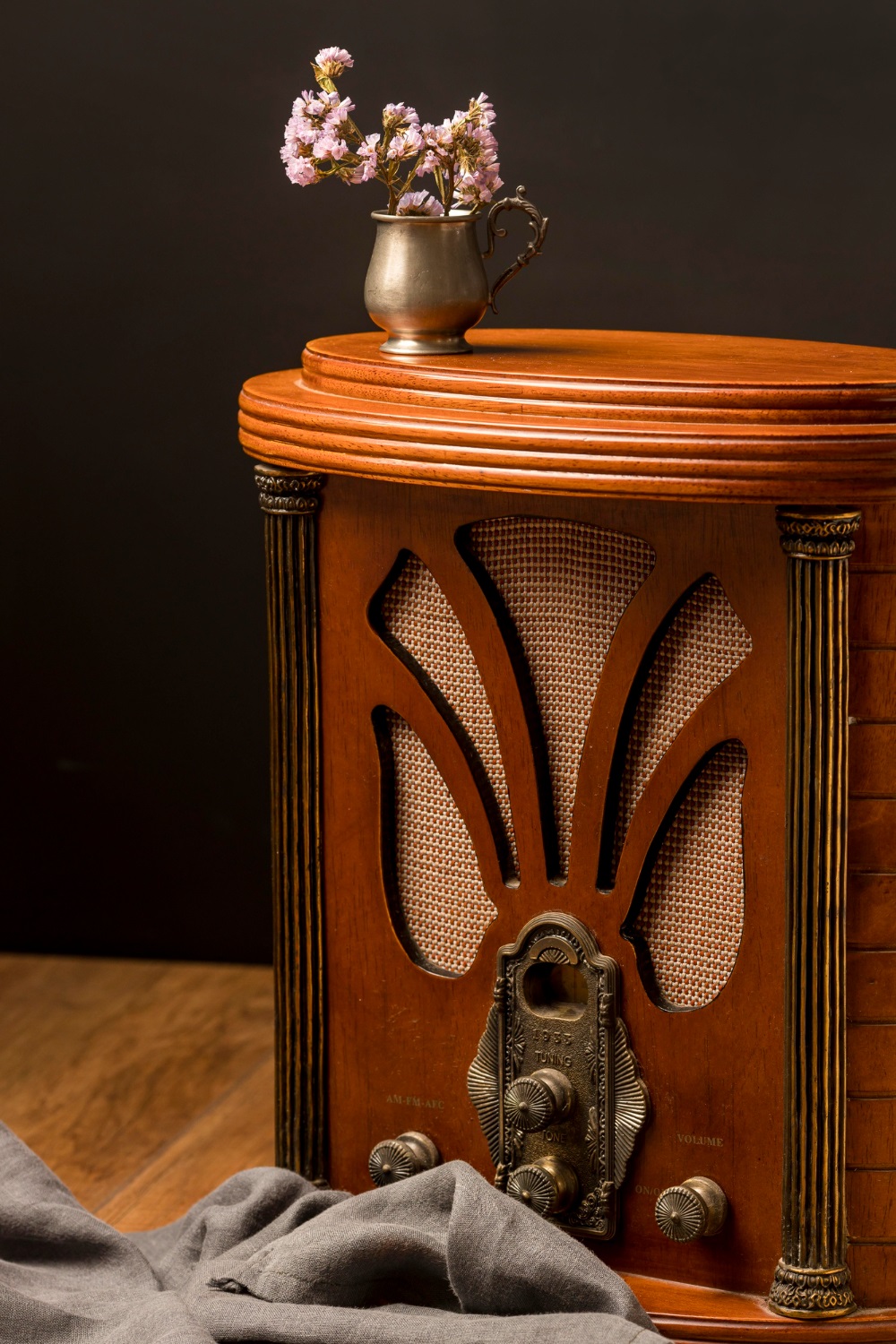
Some vintage wood may be in rough shape. Dull finishes, scratches, or even structural damage might make you think twice about adding a piece to your home.
You can use conditioning products to help improve luster and mask scratches. Sometimes sanding or sealing wood can help, as well. Ultimately, though, you may need to reach out for professional solutions.
With the right approach to wood restoration, you can start refreshing your home. A professional restoration specialist will know how to treat the wood safely without damaging its unique characteristics. For antique pieces, stair railings, wood ceiling panels, or built-in wood accents, professional restoration is a must.
Aim for Harmonious Blending
Vintage wood won’t be a perfect match to modern features. And that’s okay. Vintage wood is meant to stand out from its surroundings in this scenario, and the contrast adds to its beauty.
Just be aware of a few key tips when adding wood to your home. Opt for one or two different wood tones so you don’t end up with an unfocused aesthetic. Using a different finish in each room, for instance, could make your home look too disconnected.
Be mindful of how cool and warmer tones interact. In rooms where you have cool colors, like gray floors or accent pieces, reach for a wood accent piece with cool undertones. That way, you won’t create too much contrast.
While adding one bigger vintage wood element to a room is a great start, you can weave in smaller wood accents, too. Adding shelves, decorative boxes, or other smaller touches can build unity within a room. Sometimes the best strategy is to try a few wood accents, live with them for a week, and then make adjustments.
Create an Enduring Sense of Style
The right blend of modern style and vintage wood pieces can create a home that stands the test of time. Trendy colors and design elements can look good for a little while, but they might look dated later. Vintage wood and neutral tones will always look fresh and inviting.
Choose vintage elements that don’t overwhelm your space, and consider starting with one piece to anchor a room. Limit your range of wood finishes, and take the time to ensure older wood pieces are properly restored.
Ultimately, you want to let the textures, wood grain, and character of the wood be the stars of the show. Take your time and try out options. When you walk into a room and feel at home, you’ll know you’ve achieved the right balance of vintage wood elements in a modern home.
Also Read: The Benefits of Sauna Wood: Why It’s Essential for Your Sauna Experience
Frequently Asked Questions – Vintage Wood in Modern Homes
01. How can vintage wood fit into a modern home design?
Vintage wood works best as a contrast element, adding warmth and texture to minimalist spaces.
02. What is reclaimed wood used for in interiors?
Reclaimed wood can be used for furniture, wall decor, shelving, doors, and decorative accents.
03. Does vintage wood require restoration before use?
Not always, but cleaning, conditioning, or professional restoration can improve durability and appearance.
04. How many wood tones should be used in a modern room?
Using one or two wood tones helps maintain a balanced and cohesive look.
05. Is reclaimed wood environmentally friendly?
Yes, reclaimed wood reduces waste and supports sustainable interior design practices.
Author & Expert Review
Written By:  Gaurav Mishra | Civil Engineer & Content Writer
| Credentials: B.E. (Mahavir Swami College, Surat), Registered with Bhagwan Mahavir University (BMU). Experience: Civil Engineer with 5+ years of content writing experience, currently writing impactful articles for Gharpedia, part of SDCPL. Expertise: Specializes in writing well-researched content on residential construction, construction materials, design planning, on-site practices, and safety, blending technical accuracy with everyday clarity. Find him on: LinkedIn |
Verified By Expert:  Shekhar J. Parikh Co Founder – Gharpedia | Director – SDCPL
This article has been reviewed for technical and execution accuracy by Shekhar J. Parikh, Director and Consulting Engineer at Sthapati Designers & Consultants Pvt. Ltd. With over 40 years of experience in civil engineering, project execution, and construction management across Gujarat and Maharashtra, he ensures the content reflects practical site knowledge, quality control standards, and industry best practices, while also supporting informed decision-making for property buy, sell, and rent considerations.
Find him on : Linkdin