Table of Contents
Quick Summary
- Purpose of Architectural Drawings:
Architects prepare different types of drawings for various stages of a project. - Concept Drawing:
- First stage based on the client’s brief.
- Shows layout, approximate room sizes, setbacks, and circulation.
- Used for discussion and client approval before moving forward.
- Preliminary Drawings:
- Prepared after concept approval.
- Includes detailed plans, elevations, and sections with actual dimensions.
- Helps clients visualise the project; may include furniture layout and 3D views.
- Sanction Drawings:
- Prepared in specific formats required by local authorities.
- Contains site layout, floor plans, elevations, sections, and details like ownership, site survey, and architect’s registration number.
- Required for obtaining construction permission.
- Tender Drawings:
- Used to invite bids from contractors.
- Includes detailed technical specifications, measurements, and bill of quantities.
- Helps consultants prepare their respective final drawings.
- Working Drawings:
- Detailed version of tender drawings for on-site execution.
- Includes plans, elevations, sections, foundation details, door-window schedules, etc.
- Ensures accurate construction based on approved design.
- Consultant Drawings:
- Prepared by specialised consultants and approved by the architect.
- Includes electrical, plumbing, HVAC, and landscape drawings for coordination.
An architect have to prepared different architectural drawings according to the design stages. The stages are from first idea to the legal permission & final execution. Architects represents different types of architectural drawings at different stage.
‘Ashley Rose Marino’ says, (an author of the article – 7 Types of Architectural Plans for Your Next Design. Published on cadcrowd.com) There are many different kinds of plans you can choose to have a designer create for you. From floor plans to exterior elevations, each one tells a different story about the space.
Here is a list of drawings provided by an architect:
01. Concept Drawing

The concept drawing is prepared by an architect as per client’s brief for initial discussion. It indicates basic layout with approximate sizes of room, setbacks & circulation area. The client is free to give suggestion and can request for the change. The architect makes necessary changes to this type of architectural drawing as per client’s further suggestions and take approval from client. Only after the client’s approval, architects move to the next stage of architectural detail drawing.
02. Preliminary Drawings

After approval of concept drawing, the architect prepares preliminary drawings. The preliminary type of architectural drawing includes, plans, elevations, sometimes and sections with exact room sizes, wall thickness & opening positions. At this stage client gets an idea of how his building will look & can give his suggestions. The set of this type of architectural drawings will also include a furniture layout to give an idea of how furniture will place in each room or space. These drawings will also give an idea of parking area, garden area, play area & other development of site. The architect may also give perspective or walkthrough (at extra cost) to give an idea of three-dimensional view to the client.
03. Sanction Drawings

The sanction drawings includes site layout, floor plans, elevations & section etc., in the required format and the scale as per authorities. Apart from these, owner’s details, site details with adjacent properties, survey numbers and the architect’s details with council of architecture registration (COA) number must be mentioned these types of architecture drawings. Here, get information about when you need to take permission & when not on,


04. Tender Drawings

Tender drawings give information about the project to contractor to understand the project completely. Bill of quantities and specification for tenders prepared from these architectural drawings. They are also informative for the consultant to prepare their final drawings. These drawings are with exact dimensions, wall thickness, column beam position and size, building height, levels, schedule of openings and specifications.
05. Working Drawings

Working drawings are expansion of tender drawings which gives the detail technical information about the project. These types of architectural drawings are issued on construction site for the execution purpose with additional detail of cardinal direction, scale, issue date, job number, client name with revisions & key plan.
The set of working drawings include:
- Site plan
- Center line drawing, foundation plan
- Detailed floor plans
- Detailed elevations
- Detailed sections
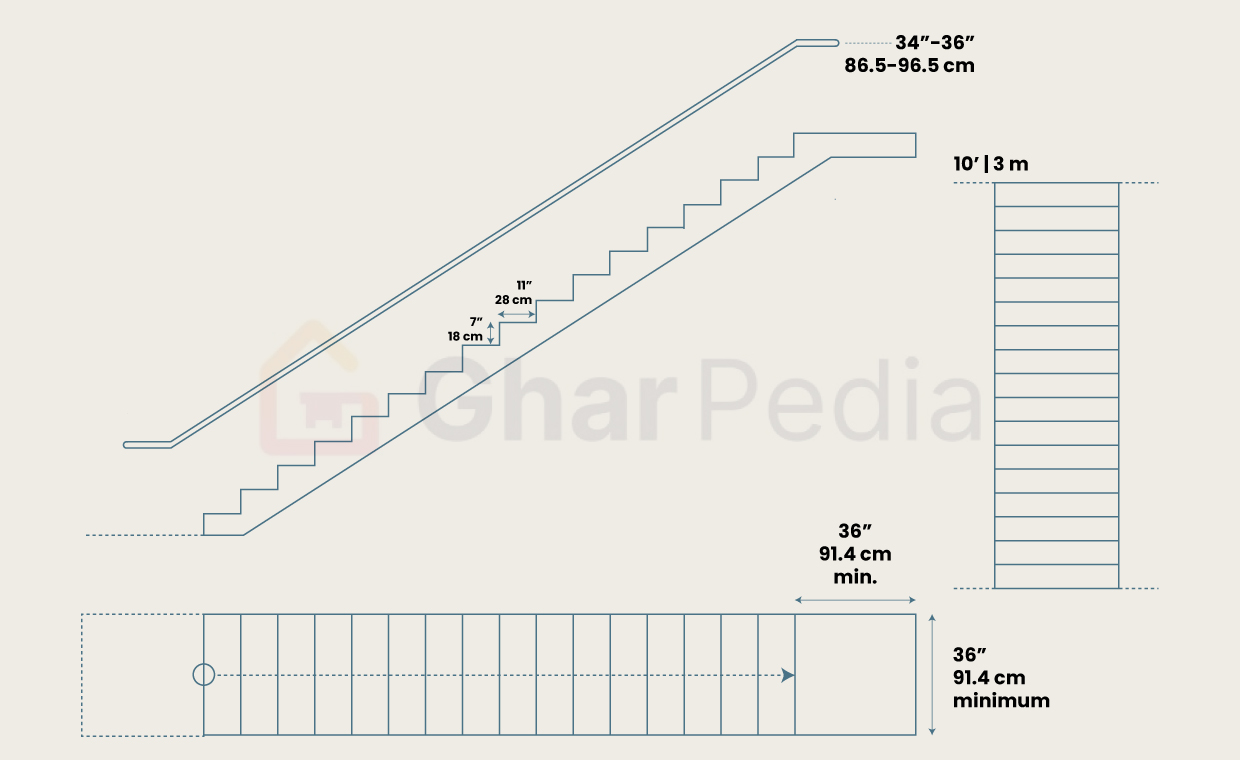
- Staircase detail
- Door & window detail
- Other necessary details.
Know detail information about working drawing on

06. Consultant Drawings
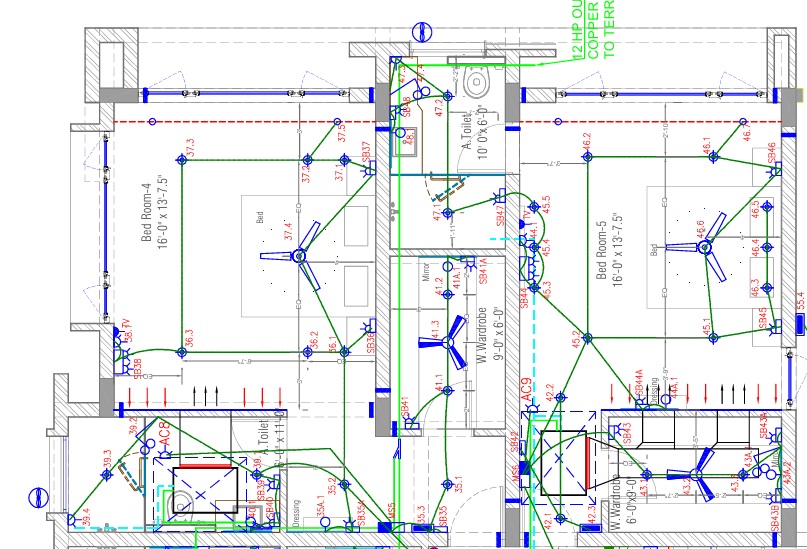
Consultant drawings are prepared by the consultants and approved by an architect. These drawing includes, plumbing drawings, H.V.A.C. layout, landscape layout & electrical layout.
Last Advice For Next Meeting
So, next time when you think to hire an architect or are you planning to visit, discuss about the service regarding these types of architectural drawings also.
FAQs on List of Drawings Prepared by an Architect
1. What Are The Main Types Of Architectural Drawings Prepared By An Architect?
Architects prepare concept, preliminary, sanction, tender, working, and consultant drawings to cover all design and construction stages.
2. Why Are Working Drawings Important In Construction?
Working drawings provide detailed technical information like dimensions, materials, and specifications, ensuring the project is executed accurately on-site.
3. What Is The Difference Between Concept And Preliminary Drawings?
Concept drawings show basic layouts and ideas, while preliminary drawings include accurate room sizes, sections, and elevations for better visualisation and planning.
4. When Do You Need Sanction Drawings For A Building Project?
Sanction drawings are needed before starting construction to get approval from local authorities, ensuring the design follows building bylaws and safety codes.
5. Who Prepares Consultant Drawings, And What Do They Include?
Consultant drawings are prepared by specialists and approved by the architect. They include electrical layouts, plumbing designs, HVAC systems, and landscape plans.
References
Ashley Rose Marino (2022) 7 Types of Architectural Plans for Your Next Design. [Online] Available from: https://www.cadcrowd.com/blog/7-types-of-architectural-plans-for-your-next-design/