





Table of Contents
Quick Summary
- Standard off-the-shelf wardrobes waste vertical space. Running custom joinery up to the ceiling eliminates dust gaps and offers high-level storage for seasonal items.
- Adding a walk-in central island with velvet-lined drawers creates a functional hub for watches, jewellery, and sunglasses.
- Custom shoe sections with slanted shelves, lower boot compartments, and pull-out trays keep shoes organized and easily accessible.
- High-end designs incorporate smoked oak, warm walnut, fabric panels, and heavy, soft-close hardware for a tactile feel.
- Concealed LED profile strips and auto-sensor puck lights eliminate shadows and accurately highlight clothing colours.
- Incorporating plush seating options like ottomans alongside strategically placed full-length mirrors optimizes the daily routine.
Courtesy - Magnific
Most of us have dealt with a frustrating wardrobe at some point. Hangers jammed together so tightly that pulling out a shirt wrinkles three others, dark corners where black and navy look identical, and a pile of shoes at the bottom that you end up kicking out of the way every morning. It is an annoying way to start the day.
When people think about luxury home renovations, kitchens and bathrooms usually get all the attention. But custom dressing rooms and fitted wardrobes have quickly become just as popular. Having a well-planned space where every coat, pair of trousers, watch, and pair of sunglasses has a dedicated spot does not just look impressive. It genuinely cuts out morning stress and keeps your clothes in far better condition over the years.
If you are planning to upgrade your storage, whether you have an entire spare bedroom to work with or an alcove that needs proper bespoke joinery, here are some of the most practical and stylish ideas to consider.
Build All the Way to the Ceiling
Courtesy - Magnific
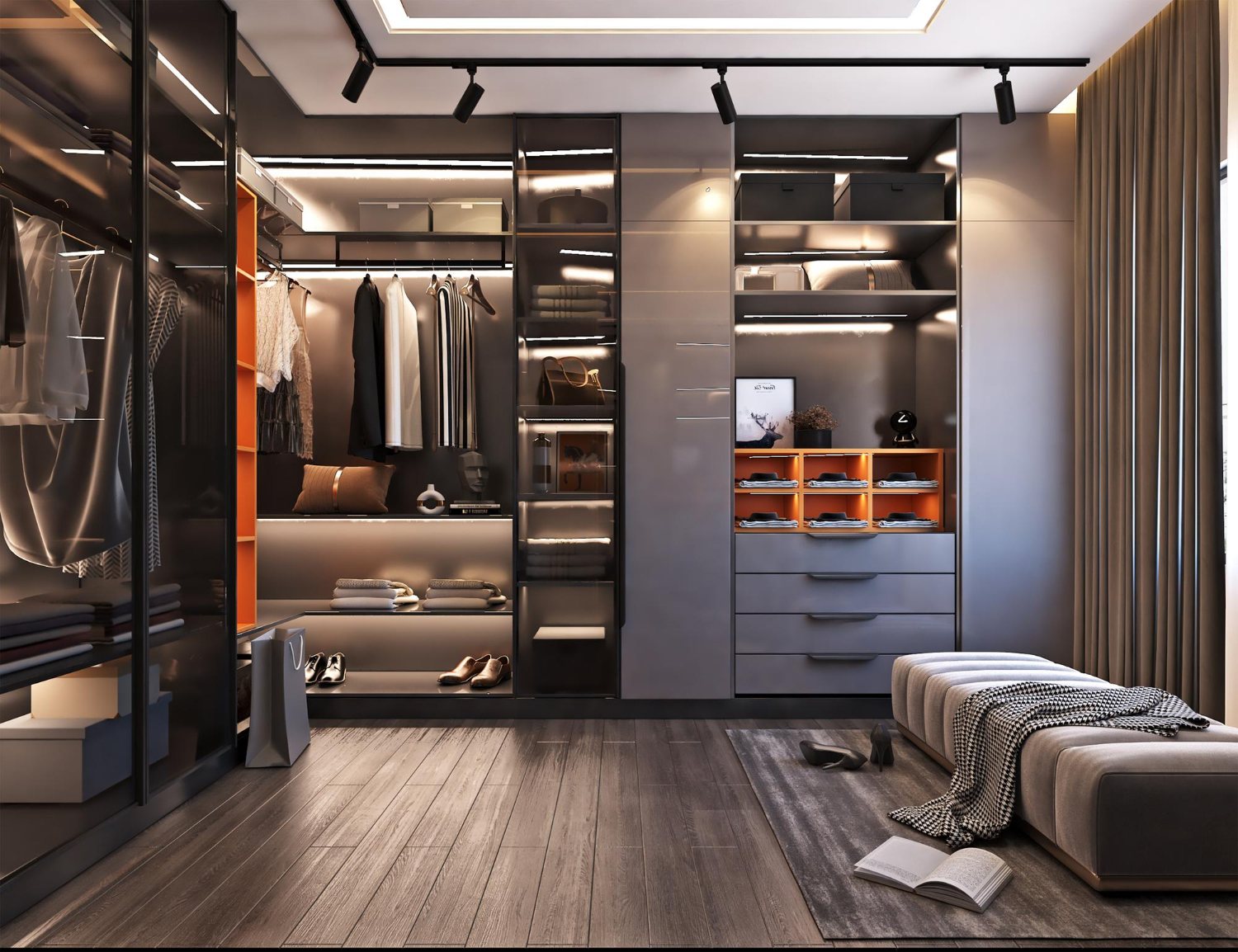
The quickest giveaway of a standard, off-the-shelf wardrobe is that awkward gap between the top of the unit and the ceiling. It serves no purpose, gathers dust, and wastes valuable vertical space.
Bespoke cabinetry should always run right up to the ceiling line, finished with neat coving or shadow gaps to match the rest of the room. This gives you high-level storage for things you only need occasionally, like suitcases, spare winter duvets, and holiday gear.
Down below, the internal layout needs to match what you actually wear:
- Double-hanging rails work best for shirts, jackets, and folded trousers, doubling your hanging room in one go.
- Full-height sections are non-negotiable for long overcoats, dresses, and evening wear so hems do not bunch up on the bottom shelf.
- Shallow pull-out trays work much better for knitwear and t-shirts than deep shelves, where stacks of clothing tend to topple over.
Add a Central Island for Daily Accessories
Courtesy - Magnific
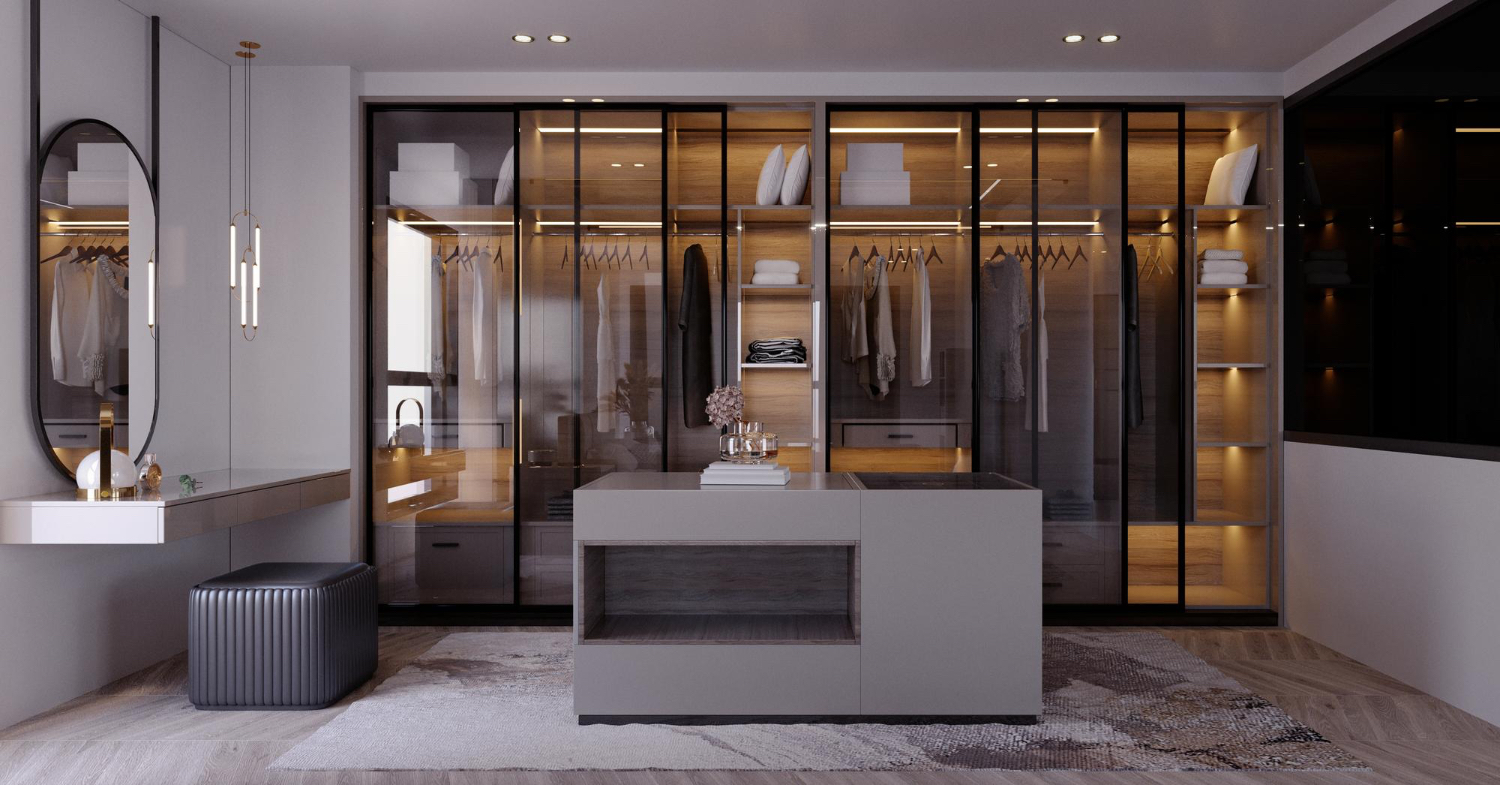
If you have the floor space for a walk-in layout, putting an island in the middle of the room changes the entire feel of the space. It gives you a surface to fold clothes, lay out your outfit for an evening, or pack a weekend bag without using the bed.
The top level of an island is the ideal place to organise smaller personal items. Fitting a glass top over shallow, velvet-lined pull-out drawers lets you see everything at a glance without having to rummage around.
This is where you can build in a dedicated sunglasses cabinet or compartmentalised drawer inserts lined with soft microfibre. Keeping delicate acetate frames, metal rims, and lenses separated protects them from daily scratches while keeping your collection neatly presented. Right next to it, you can design a custom watches shelf with built-in watch winders and divided trays for rings, cufflinks, and jewellery. Having these small items laid out clearly makes getting ready feel much more orderly.
Design a Dedicated Shoes Section in the Wardrobe
Courtesy - Magnific
Footwear is usually the hardest thing to keep tidy in a bedroom. Shoe boxes take up too much room and hide what is inside, while wire racks often feel flimsy and look messy.
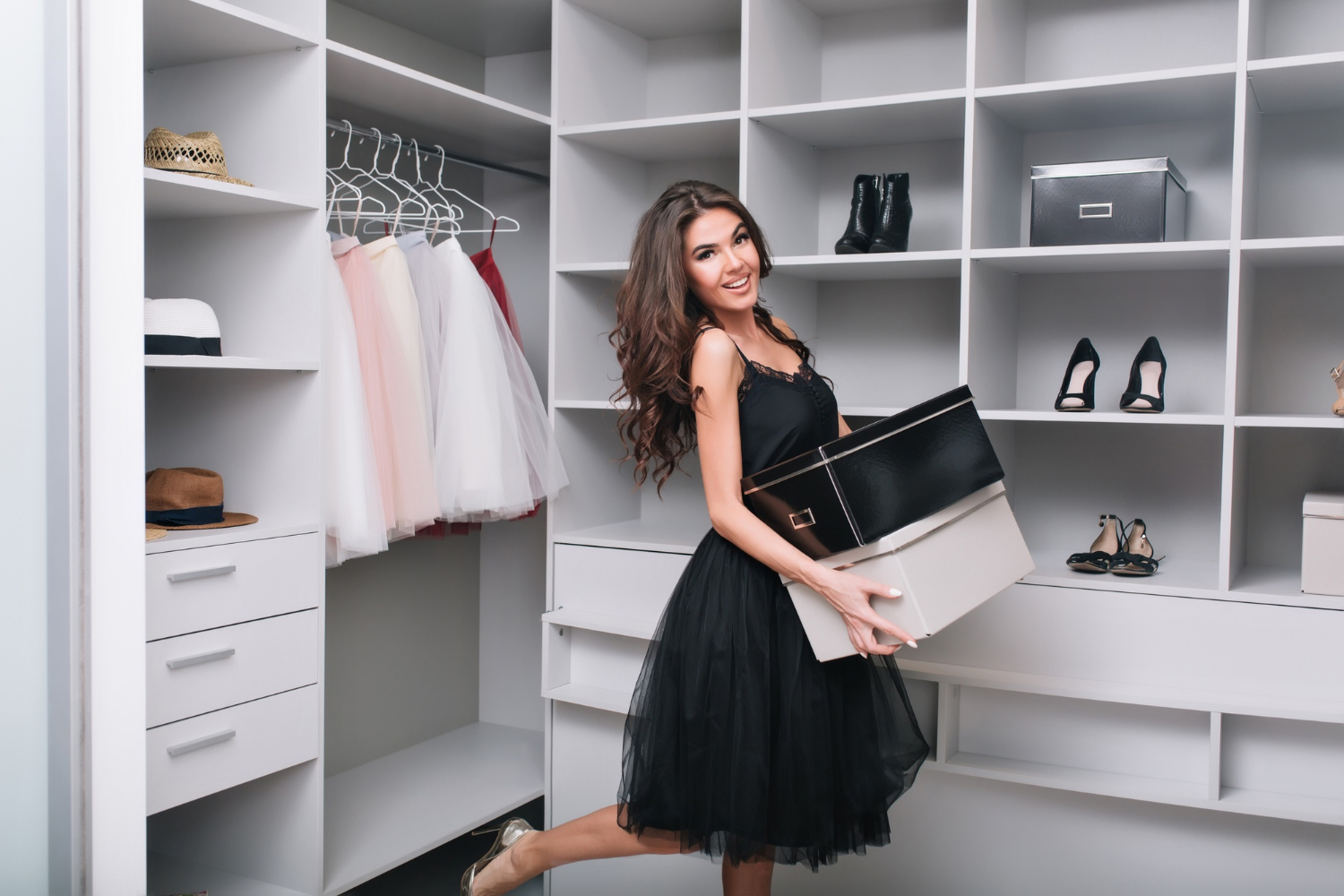
A bespoke Shoes section in wardrobe joinery keeps footwear accessible and displayed properly:
- Slanted shelves fitted with low-profile timber or brass front lips keep heels and flat soles securely in place.
- Solid back panels with wipe-clean surfaces make it easy to clean off dust and dirt.
- Lower compartments with extra height give winter boots and tall riding boots room to stand upright without creasing the leather.
- Pull-out slatted timber shelves make deep corners usable for everyday trainers.
Comparing Key Features for a Custom Wardrobe Build
| Feature | Standard Wardrobe Setup | Luxury Custom Setup |
| Ceiling Integration | Open top with dead space | Full-height joinery with fitted cornicing |
| Lighting | Single ceiling pendant in room | Concealed LED profile strips inside every cabinet |
| Small Accessories | Mixed together in loose boxes | Suede-lined trays, watches shelf, and glass-top drawers |
| Footwear | Piled on base floor | Angled shelving with integrated backlighting |
| Internal Materials | Plain white foil or melamine | Natural timber veneers, fluted oak, or linen finishes |
Choose Warmer, Tactile Materials
Courtesy - Magnific
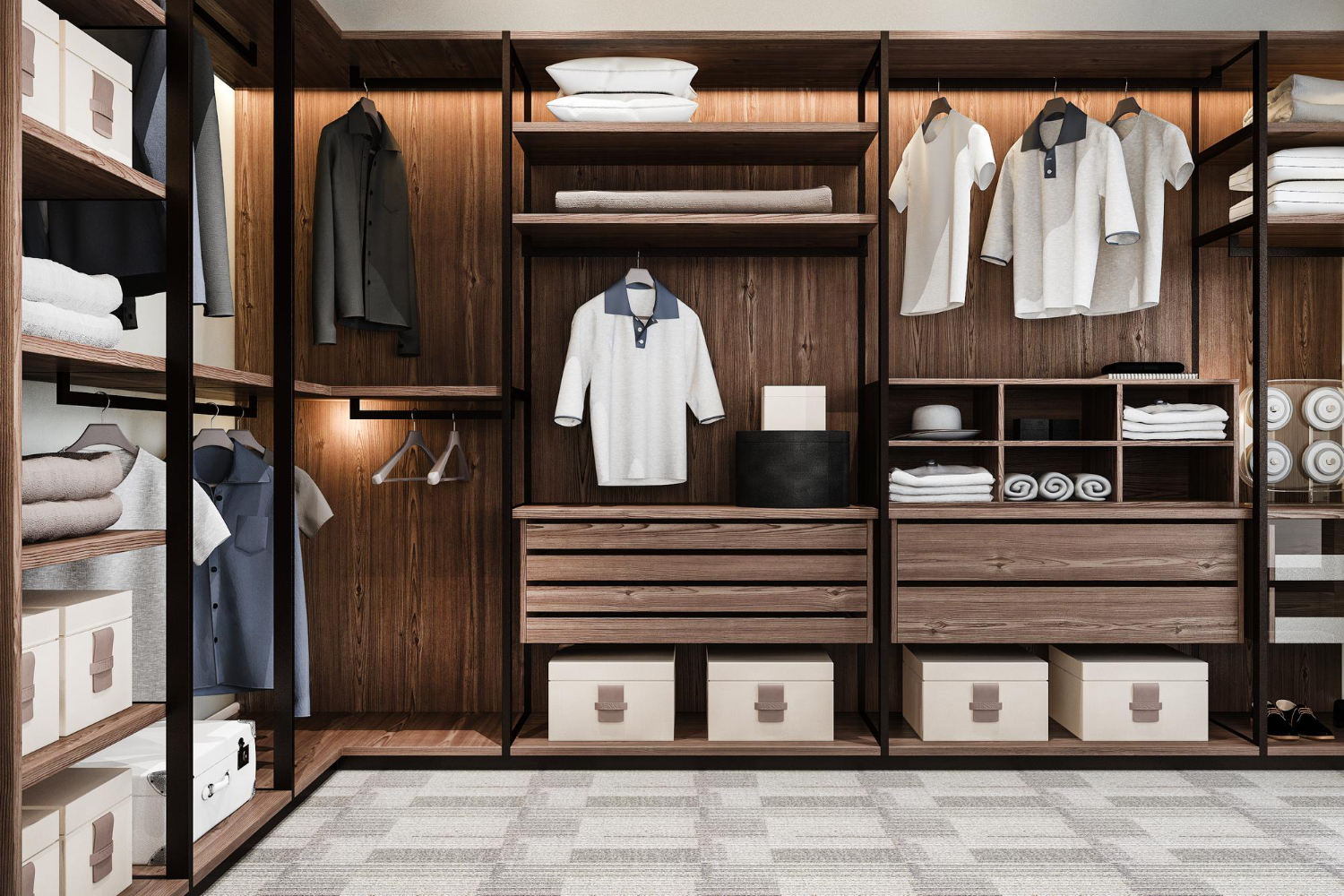
Plain white laminate has its place, but it can feel a bit clinical when used across a whole wall of joinery. High-end dressing rooms usually lean into richer, warmer textures that feel good to touch.
Smoked oak, warm walnut, and painted timber with subtle grain all bring a grounded, welcoming feel to the room. If you want a softer look, consider fabric-panelled doors, linen-textured backboards, or leather-wrapped handles.
Do not overlook the hardware either. Heavy, soft-close drawer runners and sturdy metal hinges might seem like minor details, but they make a massive difference to how solid and well-built the furniture feels each time you use it.
Get the Lighting Right
Courtesy - Magnific
A single pendant light in the middle of a dressing room is never enough. It casts shadows over your shoulders whenever you look into a cupboard, making it nearly impossible to see your clothes clearly.
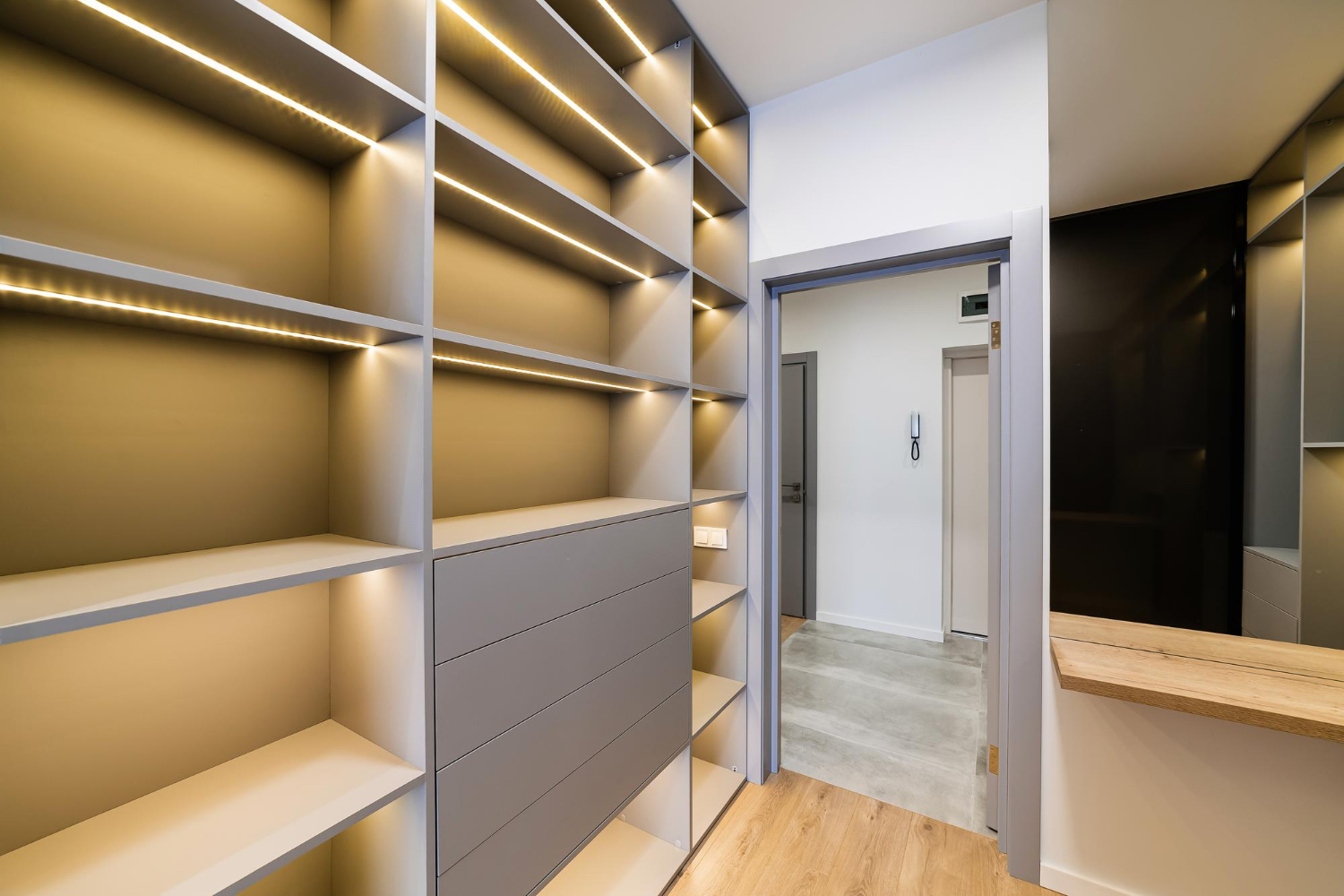
The best approach is integrated, low-profile lighting:
- Vertical LED profile strips routed directly into the side panels of each cabinet wash light evenly over hanging rails.
- Under-shelf puck lights illuminate folded items and footwear displays.
- Dimmable warm-white LEDs (around 2700K) create a soft atmosphere in the evening while showing colours accurately.
Make sure the lights turn on automatically with discreet door sensors when you open a wardrobe, and turn off when the doors close. It is a simple touch that feels effortless in daily use.
Include Seating and Good Mirrors
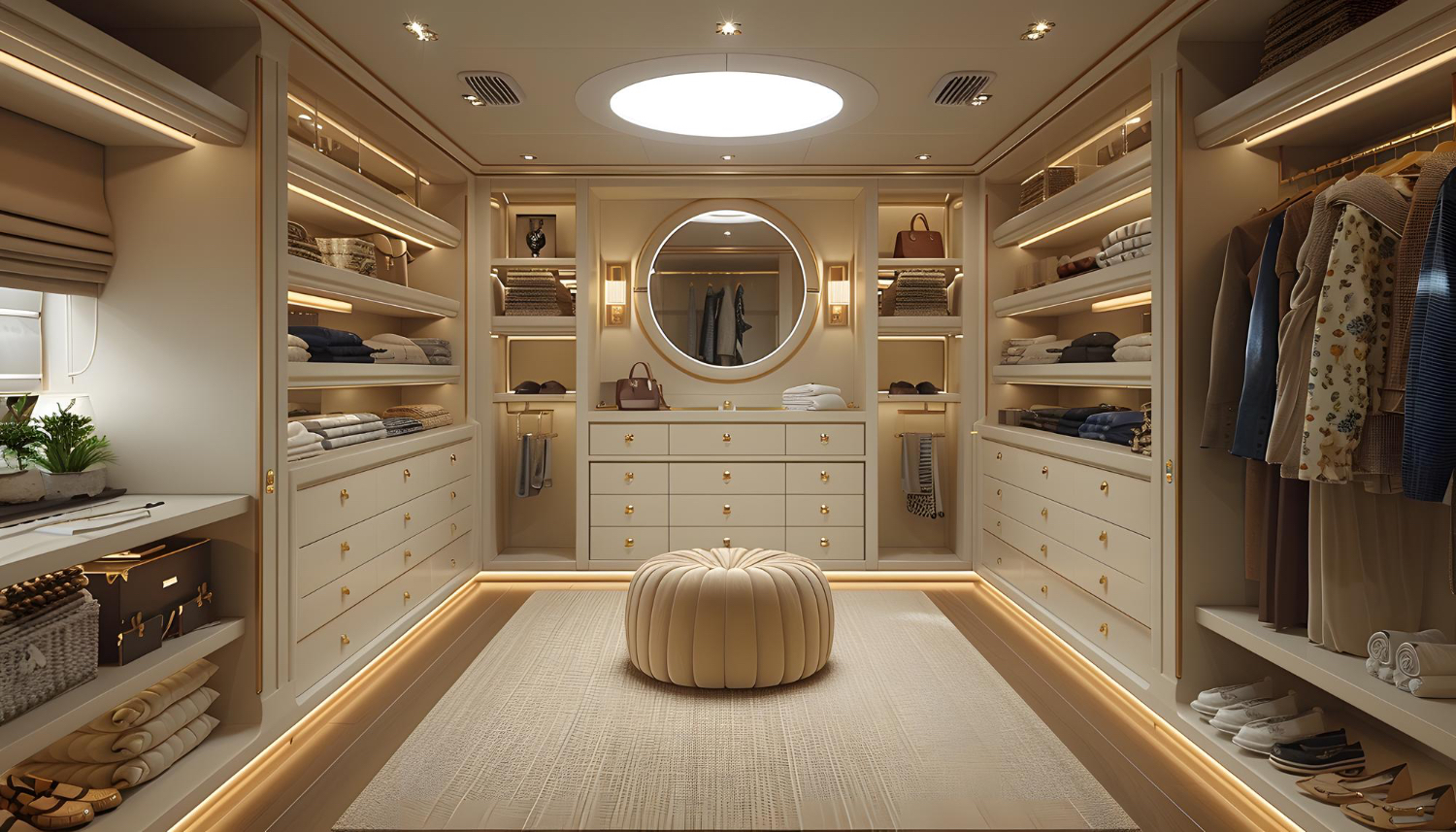
Courtesy - Magnific
A dressing space should be somewhere you can actually sit down comfortably to put on socks or fasten a pair of shoes. An upholstered ottoman in the centre of the room, a built-in window bench with storage underneath, or even a small armchair in an unused corner will do the job.
Finally, place a full-length mirror where it can catch natural light from a window. If wall space is tight, integrate the mirror into the inside of a wardrobe door or use a bronzed mirror finish on the sliding panels to make the whole room feel larger.
Final Thoughts
Designing a luxury wardrobe comes down to understanding your own routine. It is about taking the things you reach for every day, from your work shirts and shoes to your watches, jewellery, and sunglasses, and giving them a clean, considered home.
When the layout is built around your specific lifestyle, the lighting is warm, and the materials are chosen with care, your wardrobe stops being just storage. It becomes a calm, practical space that makes starting every day that little bit easier.
Also Read: Space-Saving Solutions for a 3-Door Wardrobe
FAQs on Luxury Wardrobe Ideas
Q1: What are the key features to consider when looking for luxury wardrobe ideas?
A luxury wardrobe prioritizes tailored organization, high-end materials, and integrated functionality. Essential features include full-height cabinetry, internal LED profile lighting, customized accessory trays, dedicated shoe sections, and soft-close hardware.
Q2: How do I maximize storage in a small space using luxury wardrobe ideas?
To maximize smaller spaces, build cabinetry straight to the ceiling line to capture unused vertical space. Incorporating double-hanging rails, shallow pull-out trays, and mirrored sliding doors also optimizes usable floor area while creating an expansive feel.
Q3: What materials work best for custom luxury wardrobe builds?
Natural timber veneers, smoked oak, warm walnut, and painted wood with visible grain offer an elevated aesthetic. Complementing these with fabric door panels, velvet drawer liners, microfibre compartments, and brass hardware delivers a polished finish.
Q4: Why is integrated lighting important in bespoke wardrobe design?
Single overhead room lights often cast dark shadows inside storage cabinets. Integrated warm-white LED strips inside side panels and under shelves ensure every item is clearly visible and displayed in its true colour.
Q5: Is a central island necessary for walk-in luxury wardrobe layouts?
While not mandatory, a central island enhances functional space if room permits. It offers a convenient counter space for outfit preparation alongside specialized glass-top drawers for items like watches, sunglasses, and jewellery.
Courtesy - Featured Image(Magnific)
Author & Expert Review
Written & Verified By:  Farhan Shaikh – Senior Manager – Architect, SDCPL | Associate Member – IIA

| Credentials: Senior Manager – Architect at Sthapati Designers & Consultants Pvt. Ltd. and Associate Member of the Indian Institute of Architects (IIA). Experience: Architect with hands-on experience leading architectural and interior design projects at SDCPL, including architectural planning, interior design, project coordination, and sustainable design strategies. Expertise: Specializing in architectural planning, interior design, project coordination, and sustainable design. He reviews content to ensure it reflects practical design considerations, industry best practices, technical accuracy, and real-world applicability across architecture and interior spaces. Find him on: Linkedin |