





Table of Contents
Quick Summary
- Full-spectrum LED lights are engineered to replicate indoor natural daylight.
- The FSFL bulbs produce a balanced mix of blue, green, and red wavelengths.
- A high Colour Rendering Index (CRI) ensures accurate, vibrant colour display.
- Balanced Correlated Colour Temperature (CCT) improves brightness and visibility.
- Helps reduce eye strain and visual fatigue during long activities.
- Supports natural sleep–wake cycles and circadian rhythm.
- Enhances mood, alertness, and productivity at home or work.
- Suitable for living rooms, bedrooms, kitchens, study rooms, and plant areas.
- Improves interior appearance by showing true colours and textures.
- An energy-efficient lighting solution for healthier, modern homes, and it is safe environment option.
Do you often experience eye strain or headaches under indoor artificial LED lighting? Do colours in your room look dull or slightly off despite sufficient illumination? Does your space still feel dim even when the lights are on?
These are subtle signs that your indoor lighting may lack balance, and a strong indication that it may be time to switch to full-spectrum LED light bulbs (FSFLs). Beyond improved illumination, FSFLs can improve your mood, visual comfort, and overall home ambience.
Standard LEDs offer illumination, but they don’t always support comfort or clarity. But how does a Full-Spectrum LED bulb help in fixing these glitches?
FSFLs mimic natural daylight, render colours more accurately, brighten distant corners, and improve overall visibility. They also reduce energy consumption while enhancing how design elements appear, making edges sharper and spaces more vibrant.
Furthermore, these FSFL lights promote sleep cycles and focus. It reduces eye strain, and that’s why FSFLs are called healthy lights that take good care of happy minds and stress-controlled ambience. Let’s dive deeper into how exactly this works.
How can Full-Spectrum LED Light Replicate Natural Daylight
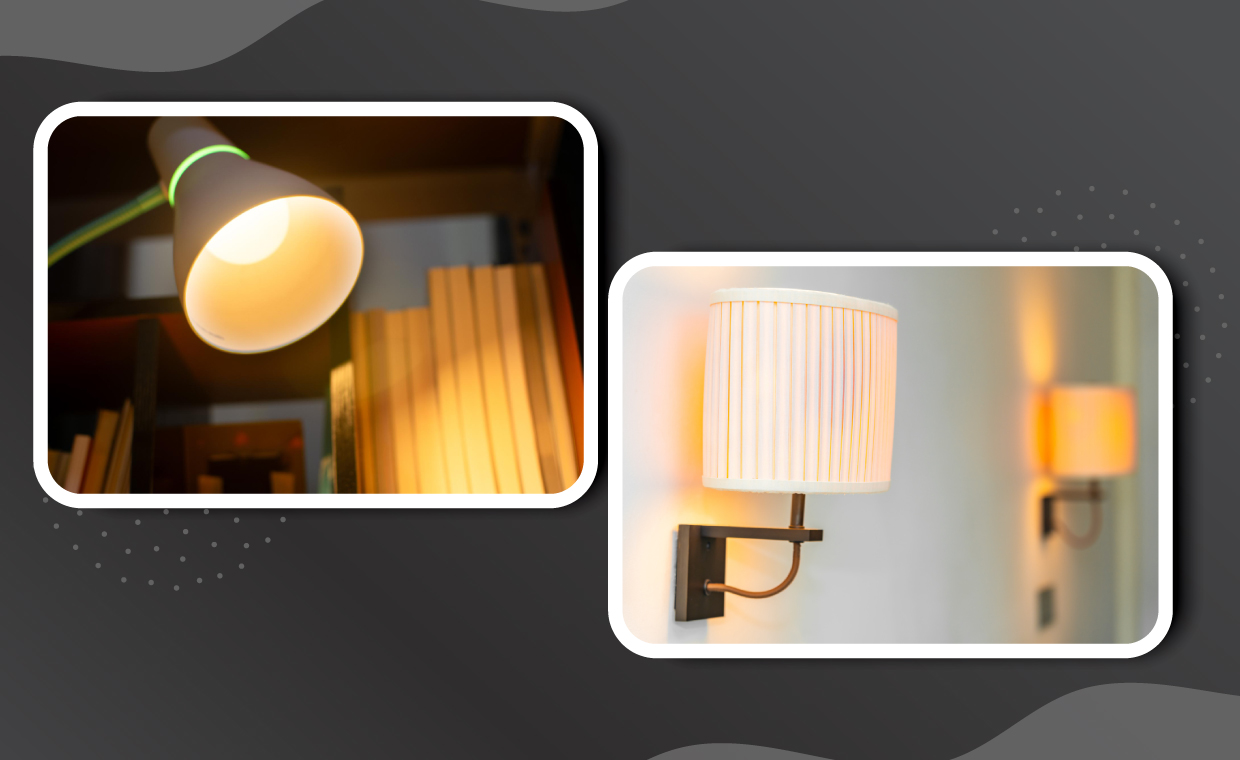
Let’s understand the technology behind it. Full-spectrum LEDs are engineered to distribute light evenly across blue, green, and red wavelengths. This balanced spectrum resembles sunlight, which is a universal natural brightness booster. Also, it improves visibility and supports biological rhythms. Here, two factors contribute to their pivotal roles. These are Colour Rendering Index (CRI) and Correlated Colour Temperature (CCT).
1. Colour Rendering Index (CRI) Parameters
- It is advisable to choose lighting with a CRI rating of 90 or above. Premium full-spectrum LEDs often offer a rating above 95.
- High CRI offers better clarity, including accurate skin tones, natural wood finishes, and true fabric colours.
- You should check for extended CRI values like R9 (strong red rendering). A high R9 score displays better colour depth and realism.
- Check the product packaging too. Labels such as “high colour fidelity” or “sunlight-like accuracy” indicate a reliable choice.
2. Correlated Colour Temperature (CCT) Parameters
- Full-spectrum LEDs are commonly available in 4000K–6500K for daylight simulation.
- The 5000K–6500K range closely resembles mid-day sunlight.
- Some advanced models offer tunable CCT. It allows shifting from warm (2700K) to cool daylight (6500K).
- Labels may mention “daylight,” “natural white,” or “circadian lighting support for your comfort purchase decision.
Full-spectrum LED vs Regular LED Lighting
In short, a true full-spectrum LED combines a high CRI (90+) with a balanced CCT range that closely mirrors natural daylight. As a result, manufacturers claim, and users often experience that the full-spectrum LED lighting improves the ambience of the room and uplifts the mood of the users.
Let’s take a look at how an FSFL bulb compares to standard LED bulb.
| Feature | Full-Spectrum LED Bulb | Regular LED Bulb |
| Light Quality | Replicates Natural Daylight | Artificial Light, Less Natural Feel |
| Spectrum | Balanced Light Wavelengths | Limited Spectrum Output |
| Colour Accuracy | High, True-to-Life Colours | May Slightly Distort Colours |
| Visual Comfort | Enhances Comfort and Reduces Eye Strain | Can Feel Harsher to the Eyes |
| Mood Impact | Supports Better Mood and Well-Being | Minimal Impact on Mood |
| Energy Efficiency | Energy-Efficient | Energy-Efficient |
| Usage Suitability | Ideal For Wellness-Focused Spaces | Suitable For General Lighting |
| Productivity | Supports Focus and Productivity | Less Effective for Productivity |
| Overall Experience | Natural and Comfortable Lighting | Functional But Less Refined Lighting |
Full-Spectrum LED Lights: Why is it Called a Natural Mood Booster?
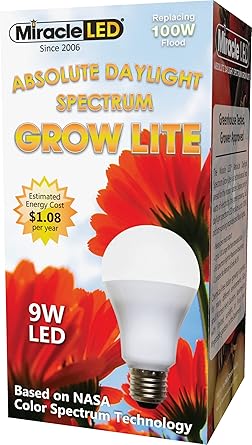
Manufacturers have claimed, and users have experienced the following benefits from the light of Full-Spectrum LED Lights.
1. Enhances Alertness and Mental Clarity During the Day
Daylight-balanced full-spectrum LEDs stimulate brain activity. As a result, it improves cognitive sharpness. Bright, cool-toned light enhances concentration, reduces sluggishness, and keeps energy levels steady during work hours.
2. Reduces Eye Strain and Mental Fatigue
Balanced spectral distribution minimises flicker and harsh contrasts. High-CRI light reduces visual distortion and reduces eye strain. The light offers comfortable illumination. It lowers mental fatigue during prolonged reading or screen exposure.
3. Helps Regulate Sleep-Wake Cycles
Full-spectrum lighting supports circadian rhythm alignment by almost following the patterns of daylight. The users can enjoy an exposure to cooler light in the daytime and softer tones at night, which is naturally helpful for a healthy sleep cycle.
4. Supports Productivity and Focus in Work-from-Home Setups
Consistent, natural-quality lighting improves task visibility and reduces distractions. Clear colour rendering supports detailed work. The optimum brightness level boosts productivity in both home and office environments.
5. Calm Environment in the Evening Minus the Harsh Glare
Warm-adjusted full-spectrum LEDs deliver soft, diffused light. Reduced glare and balanced tones create a relaxed ambience that helps the body unwind naturally.
However, let’s explore the room-by-room benefits of full-spectrum lighting. Naturally, the advantages vary across living rooms, bedrooms, and kids’ rooms.
Room-by-Room Placement Benefits of FSFL Bulbs
1. Living Room
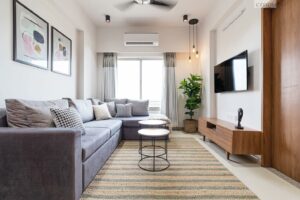
- Creates a natural, balanced ambience with proper display of colours.
- Reduces glare and eye strain and offers better visual comfort.
- Saves energy while delivering consistent, high-quality illumination.
2. Bedroom
- Promotes healthy sleep as the light supports natural circadian rhythms.
- Creates a soft, calming ambience suitable for relaxation.
- Improves morning alertness with daylight-like illumination.
3. Kitchen & Dining Area
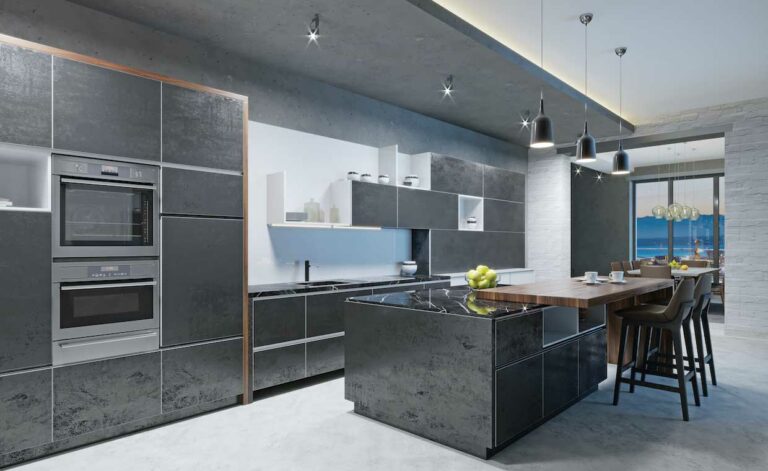
- Accurate colour rendering for food and surfaces.
- Creates a fresh, clean, and energising feel.
4. Home Office / Study Room
- Boosts concentration and productivity.
- Reduces headaches caused by flicker and blue light imbalance.
5. Kids’ Rooms
- Supports visual comfort and improves learning focus.
- Safer for prolonged study and playtime.
6. Greenhouse in Home
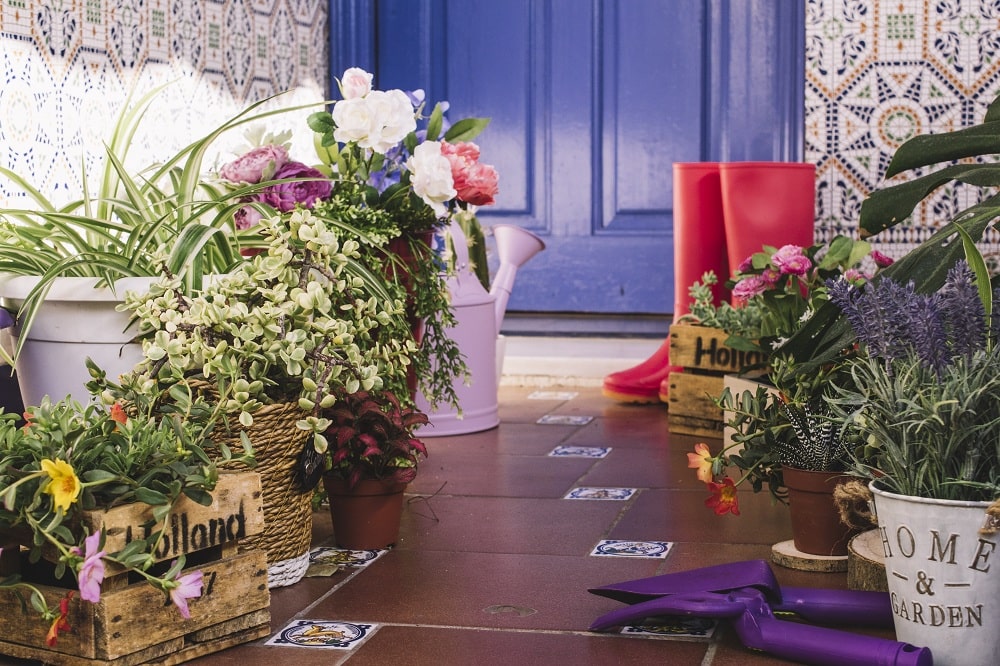
- Delivers balanced wavelengths: It boosts photosynthesis, plant strength, and promotes vibrant leaf colour.
- Supports flowering and fruiting: it also promotes steady year-round growth.
- Compensates for low sunlight during winter or cloudy days.
How to Choose the Right Full-Spectrum LED for Your Home
- Check the CRI (Colour Rendering Index): Aim for CRI ≥ 90 so colours look natural and vibrant under the light.
- Consider the CCT (Colour Temperature): 2700–3000K for warm, cosy spaces (bedrooms, lounges)
- Check CCT of 4000–5000K for balanced daylight feel (living rooms, kitchens)
- Look for Tunability: It is a smart idea to buy LEDs with adjustable CCT and brightness to match activities and the time of day.
- Evaluate Lumens & Coverage: Match light output (lumens) to room size for even illumination without glare.
- Assess Energy Efficiency: Select models with good lumens-per-watt ratings to reduce power use and heat.
- Verify Dimming Compatibility: If using dimmers, ensure the LED is dimmer-compatible, and you can enjoy it without flicker or buzzing.
- Quality & Warranty: Prioritise reputable brands with warranty support for longevity and consistent performance.
You need to choose full-spectrum LEDs with high CRI, appropriate CCT, and tunable control to ensure healthier, more comfortable lighting throughout your home.
Common Myths about Full-Spectrum Lighting—Debunked
Many consumers hesitate to swap LED lights for full-spectrum lighting bulbs due to some misconceptions. In reality, these lights are designed for efficiency and comfort.
- Myth: Consumes More Energy
- Fact: Full-spectrum LEDs are as energy-efficient as regular LEDs.
- Myth: Too bright for interiors
- Fact: Brightness depends on wattage and lumen output, not spectrum type.
- Myth: Harsh on the eyes
- Fact: These lights often reduce eye strain by providing balanced, natural light.
- Myth: Only for commercial use
- Fact: Ideal for homes, especially living rooms, study areas, and bedrooms.
- Myth: Expensive to maintain
- Fact: An expanded lifespan and low power consumption keep running costs minimal.
Environmental Benefits of Using FSFL Bulbs
- Energy-efficient design reduces overall electricity consumption.
- These FSFL bulbs help lower the carbon footprint compared to traditional lighting options.
- Long lifespan minimises bulb replacements and waste.
- Bulbs contain no harmful mercury, making disposal safer.
- Supports sustainable living with reduced environmental impact.
- Efficient light output reduces the need for multiple light sources in a room.
Full-Spectrum LED Lighting: Who Should Consider it the Most?
Comfort is subjective, but the following users benefit the most.
- Homeowners – Enjoy a healthier, brighter living space.
- Families with Children – Supports better focus, mood, and sleep routines.
- Home Office Users – Improves productivity and reduces eye strain.
- Plant Lovers & Home Gardeners – Helps indoor plants grow stronger with balanced, natural-like light.
- Interior Design Enthusiasts – Enhances colour accuracy and aesthetics.
In short, anyone who wants a more comfortable, vibrant, and productive indoor environment can benefit greatly from these FSL bulbs.
Conclusion
Lighting today is no longer just about visibility and illumination; it is about creating a healthier and more comfortable living environment. Full-spectrum LED lights bring the quality of natural daylight indoors, improving clarity, mood, and visual comfort.
By choosing high-CRI, well-balanced full-spectrum LEDs, homeowners can transform everyday spaces into brighter, healthier, and more energising environments that truly support daily living.
Also Read: 8 Types of Lighting for Your Home Interiors!
FAQs on Full-Spectrum LED Lights
1. How Much Electricity Do Full-Spectrum LED Grow Lights Use?
If we compare FSL with traditional lighting options, LED lights generally use less electricity. These lights are manufactured to be energy-efficient, converting most of their energy into light rather than heat, which reduces energy waste. The wattage of LED grow lights typically ranges from 100W to 800W per unit.
2. What Colour is an FSL LED Light?
“Full spectrum” or “broad-spectrum” appears as white light, and “red/blue spectrum” can appear as purple or pink light. Red/blue spectrum LED luminaires are commonly known as narrow-band spectrum lights because their wavelengths fall within a narrow band.
3. Do Full-Spectrum LED Lights Really Improve Mood?
Yes. Full-spectrum LED lights replicate natural daylight, supporting circadian rhythms. FSL offers balanced lighting with benefits like improves alertness, reduces fatigue, and creates a more positive, comfortable indoor environment.
4. Are Full-Spectrum LED Lights Safe for Daily Home Use?
Yes. High-quality full-spectrum LEDs are designed for safe daily use. They reduce flicker, minimise glare, and provide balanced illumination that supports visual comfort and overall well-being.
5. How Much Electricity Do Full-Spectrum LED Grow Lights Use?
Full-spectrum LED grow lights typically consume 20–60% less electricity than traditional grow lights. Power use depends on wattage, coverage area, and daily lighting duration.
6. What Colour is an FSL LED Light?
Full-spectrum LED light appears similar to natural daylight. It usually ranges between 4000K and 6500K, and produces a bright white light that displays colours clearly and naturally.
References
Physical Performance and Mental Well-Being – a literature review , August 2024 Quality in Sport 18:53398, DOI:10.12775/QS.2024.18.53393, License CC BY-NC-SA 4.0 [Online] Available from: https://www.researchgate.net/publication/383203087_Sleep_Cycles_and_Health_Role_of_Sleep_Stages_Circadian_Rhythms_and_Lifestyle_Factors_on_Optimizing_Physical_Performance_and_Mental_Well-Being_-_a_literature_review
Saikat Sena, Soni Kumari, Vijay Kumar, Azamal Husen (2024) in Light emitting diode (LED) lights for the improvement of plant performance and production: A comprehensive review, February 2024Current Research in Biotechnology 7(2024):100184
DOI: 10.1016/j.crbiot.2024.100184, License CC BY-NC-ND 4.0 [online] Available From,https://www.researchgate.net/publication/378219842_Light_emitting_diode_LED_lights_for_the_improvement_of_plant_performance_and_production_A_comprehensive_review
Author & Expert Review
Written By:  Swagata Chatterjee | SEO Content Writer & Editor

| Credentials: MA (Calcutta University, Kolkata). Experience: Content Writer and Editor with 19 years’ experience of business content writing and editing, currently writing SEO-optimized, readers’-friendly articles for Gharpedia, part of SDCPL. Expertise: Specializes in writing well-researched content on lifestyle, home décor, , lifestyle, safety, home appliances and gadgets, on-site SEO Optimization, blending technical accuracy with general reader’s ability to learn the topics. Find her on : Linkedin |
Verified By Expert: Mansi Shah – Architect & Architectural Content Writer, SDCPL | B.Arch.
 Mansi Shah – Architect & Architectural Content Writer,
 This article has been reviewed for architectural and interior design accuracy by Mansi Shah, an Architect associated with Sthapati Designers & Consultants Pvt. Ltd. (SDCPL). With over 25 years of professional experience in architectural planning, design development, detailing, and on-site execution of residential, commercial, and institutional projects, she brings deep expertise in architecture and interior planning, material selection, construction practices, and building bylaws. Her review ensures the content reflects practical design principles, interior space efficiency, and industry-aligned architectural standards.
Find him on: LinkedIn