






Table of Contents
Quick Summary
- Types of student accommodation in the UK: Explore homestays, university halls, purpose-built student accommodation (PBSA), and private shared rentals.
- Room options: Understand the differences between basic rooms, en-suite rooms, studios, and 1B/2B apartments.
- Finding the right accommodation: Start your search early, set a realistic budget, research the neighbourhood, compare options, read reviews, and visit the property where possible.
- Understanding costs: Compare weekly rent, utility bills, contract lengths, and additional expenses before choosing accommodation.
- Deposits and guarantors: Know the deposit requirements, tenancy deposit protection, guarantor options, and alternatives available to international students.
- Read the contract carefully: Check the tenancy period, cancellation and break clauses, joint-tenancy responsibilities, and required Right to Rent documents.
- On-campus vs. off-campus: Consider security, independence, cost, convenience, and your level of experience when choosing between the two.
- Book safely: Verify the accommodation provider, request a virtual tour if necessary, read tenant reviews, and avoid making payments without a proper contract.
- Make an informed choice: Consider your budget, preferred lifestyle, location, room type, and contract terms before signing.
Courtesy - Magnific
Finding a suitable accommodation is crucial for international students coming to the UK to pursue their studies. However, some may not even know how to start their search in a foreign country. This article will guide students through what they need to know before renting a student accommodation, including the common accommodation options available in the UK and their respective advantages and disadvantages, to help them find the most suitable sanctuary away from home.
Types of Student Accommodation in the UK
There are four broad routes into UK student housing, and each suits a different stage of student life. Understanding the different types of student accommodation in the UK is the first step to finding the right fit.
Homestay means living with a local host family, with two meals a day included. It is best suited to younger or first-time international students who want to settle into the language and local culture faster.
University halls of residence are the most secure and structured option, usually located on or very close to campus. Rooms come with individual locks and controlled building access, and rent typically includes bills, so there’s little financial surprise. The trade-off is availability: halls fill up fast, often on a first-come, first-served basis, and international postgraduates or Clearing applicants often get priority over other groups. If halls matter to you, apply the moment your offer is confirmed.

Courtesy - uhomes
Purpose-built student accommodation (PBSA) is privately developed, off-campus housing open to students from any university in the city. It’s grown fast because it helps address the capacity limitations of university halls. There’s a wide range of providers, price points, and room types, along with amenities like study rooms, cinemas, and games rooms that many halls don’t offer. PBSA buildings almost always include CCTV and access control. The downside: popular buildings book out months in advance, pets are rarely allowed, and contracts usually run 42–51 weeks regardless of your actual term dates.
Private shared rentals — a house or flat rented directly from a landlord, usually with friends — are the most independent and often the cheapest per-room option, especially from second year onward. You choose your own housemates and layout, and landlords are typically more flexible than institutional providers. But you take on more responsibility: setting up and paying utility bills, dealing directly with energy suppliers, and — unlike halls or PBSA — actively claiming your council tax exemption as a full-time student, since it isn’t automatic. If you’re new to renting privately, this guide on how to rent a house as a tenant covers the basics every renter should know.
If you are looking for student accommodation Manchester, we have you covered.
Student Room Types Explained
Depending on the accommodation they choose, students may find a variety of room types. Student Accommodation offers the most rooms, including Basic Room, En-suite Room, Studio Room, Shared Room, 1b apartment and 2b apartment. Social property is usually a Studio or multiple-bedroom apartment. Weighing up en-suite vs studio student room options is one of the most common decisions students face when comparing rooms.
01. Basic Room

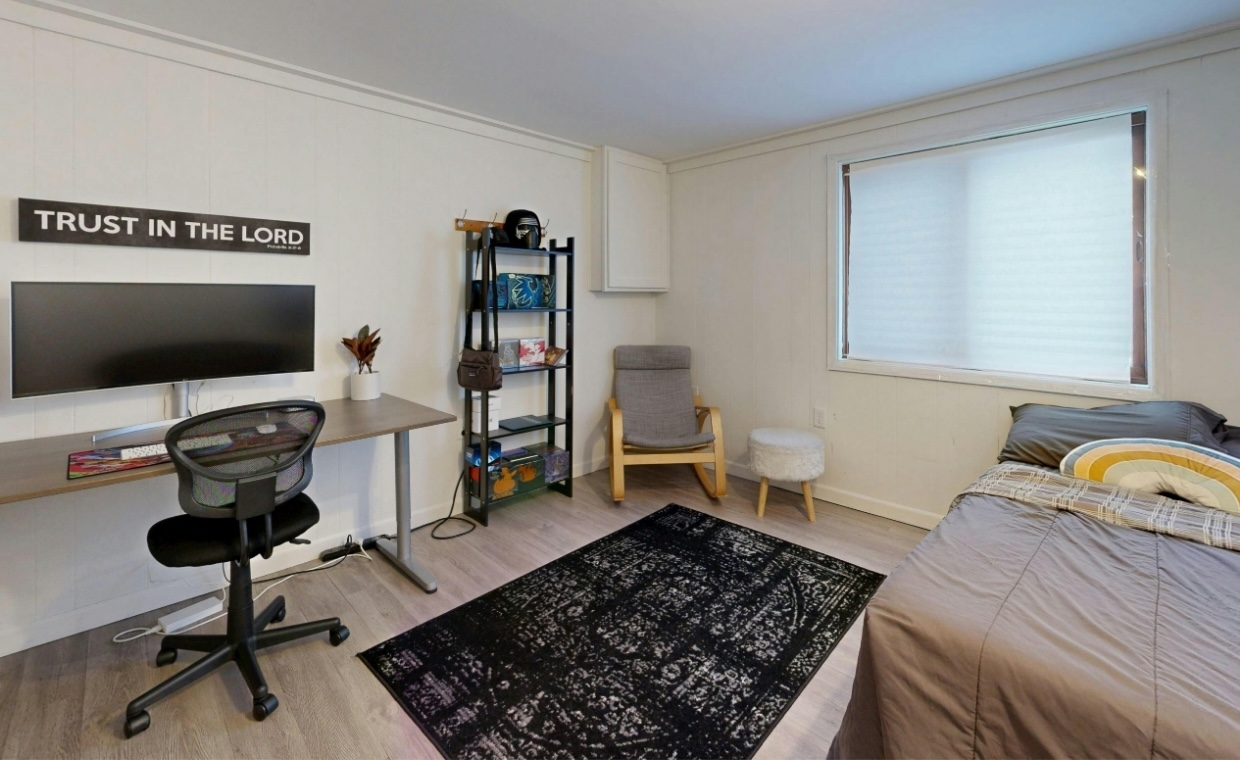
Basic Room, also known as Single Standard or Non-En-suite, is one of the common room types in student apartments and also the cheapest option. With a bed, desk, chair, and wardrobe as standard, you share the kitchen, living room and bathroom with flatmates. It is popular because of the price, even though privacy is limited.
02. En-suite Room

En-suite room is the most popular choice in the UK, as they offer a good balance between privacy and social interaction. While sharing a kitchen and living room with non-en-suite rooms, each en-suite room has its own bathroom, which offers privacy and hygiene. However, due to this, en-suite rooms may have a smaller living area than non-en-suite rooms.
03. Studio Room

The studio roomis the best choice for singles. This room has a bedroom, kitchen and study room, providing students with a completely independent living space.
04. 1B and 2B Apartments

Courtesy - uhomes
1B apartment is the most luxurious option in student housing. It provides a separate bedroom, kitchen, living room and bathroom, making it the closest living option to home. The large size makes it possible for multiple people to live together. Some apartments allow students to live with another person for a fee or for free. Some apartments also offer 2B apartments, which are perfect for friends or couples.
In addition to the four common student rooms, a few apartments also have special rooms, such as duplex or loft apartments. Students can check out the apartments’ official websites for details.
Tips When Looking for a Student Home
Finding student accommodation in a foreign land is never easy, but knowing what to look for may help. These student accommodation UK tips walk you through exactly how to find student accommodation UK that suits your budget and needs.
1. Start Early: It is best to start the search several months before the planned date of moving in to increase the chances of choosing and improve the possibility of finding a suitable residence.
2. Budget: When making a budget for accommodation, consider rent, utilities and other extras and make sure it is realistic.
3. Research the Neighborhood: Find a suitable location that matches your preferences and needs by researching community and district information. Factors such as distance to the university, amenities, entertainment options, security, and transportation may need to be considered.
4. Attend a Housing Fair: Remember to take full advantage of your university’s resources, as they often organize property fairs where local landlords and property management companies showcase their accommodations. These events allow you to meet with landlords in person and ask questions about property-related matters.
5. Check Out College Information: Many colleges have departments helping find suitable student accommodation London. Visit your college’s website or contact their student services or housing office for guidance and advice.
6. Read Reviews and Compare: Read reviews from previous tenants while browsing for a room to learn about the property, management, and any potential issues. Comparing multiple options will help you make an informed decision.

Courtesy - uhomes
7. Visit the Property: If possible, arrange to visit the property you are interested in to get first-hand information about living conditions, amenities and the surrounding area.
8. Understand Terms and Contracts: Before signing any rental agreement, please carefully read and understand all terms, including rental terms, payment plans, deposit requirements, and any additional fees. Ask about any terms that you are unsure of.
What Does Student Accommodation Cost in the UK?
Rent is the single biggest line item in a student budget, and it varies more by city and room type than almost anything else.
Nationally, average student rent runs roughly £130–£155 per week (around £529–£563 a month) for a standard en-suite room in halls or PBSA outside London. In London, the same en-suite room typically costs £280–£450 per week, with premium central buildings going higher. Studios cost more than en-suite rooms everywhere — nationally around £228 a week on average, and £340+ a week in London.
Private shared houses are usually the cheapest per-room option outside London, often £120–£200 a week depending on the city — but watch the “bills trap”: a room advertised at £120 a week can climb to £145–£150 once gas, electricity, water, and Wi-Fi are added, since private lets rarely include bills the way halls and PBSA do. Budget roughly £70–£120 per person a month for bills in a private let if they’re billed separately.
Two things worth checking before you compare prices across providers:
- Contract length, not just the weekly rate — a 51-week PBSA contract costs meaningfully more over the year than a 40–44 week halls contract at a similar weekly price.
- What’s actually included — halls and PBSA are usually all-inclusive of bills; private rentals seldom are.
Rents have risen 5–15% a year across most UK cities since 2022, so treat any cost figure — including the ones above — as a planning guide, and check live listings closer to your move-in date.
Deposits, Guarantors, and Contracts: What to Check Before Signing
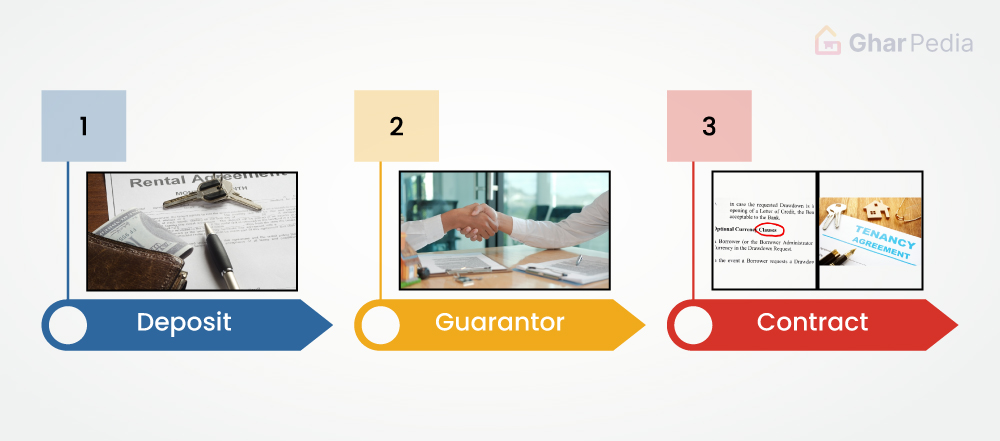
Courtesy - Canva(Image 1, 2, 3, 4)
This is the part most guides skip, and it’s where students run into the most trouble. Add these points to your student accommodation checklist before you sign anything.
Deposit protection: For most private tenancies in England, deposits are legally capped at five weeks’ rent (for annual rents under £50,000), and your landlord must protect it in a government-approved tenancy deposit scheme. This is important because it guarantees a formal dispute process if there’s disagreement over deductions at the end of your tenancy — always ask which scheme your deposit is held in and get written confirmation. Every tenancy deposit scheme student accommodation providers use is government-backed, so it never hurts to double-check.
Guarantors: Most private landlords and many PBSA providers ask for a UK-based guarantor — someone who agrees to cover your rent if you can’t pay. This is often the biggest hurdle for international students, since family back home usually doesn’t qualify. Your realistic options are:
- A UK-based guarantor service, which typically charges £300–£500 for a 12-month tenancy
- Paying several months’ rent upfront (commonly 6–12 months) instead of providing a guarantor
- Checking whether your university runs its own guarantor scheme for international students
- Choosing a no-guarantor provider outright — some PBSA operators specifically market rooms without this requirement
Contract Terms To Read Closely Before Signing:
- Whether the contract covers the full academic year or leaves gaps over holidays
- Cancellation and break-clause terms, and what happens if your plans change
- Whether you’re on a joint tenancy — in shared private lets, this can make every tenant (and their guarantor) liable for the full rent, not just their own share, if a housemate defaults
- Right to Rent documentation you’ll need to provide as an international student (passport, visa, proof of student status)
If anything in the tenancy agreement is unclear, ask before you sign. University accommodation offices, students’ unions, and organisations like Citizens Advice can review terms with you for free.
On-Campus vs Off-Campus: Which Should You Choose?

Courtesy - Canva(Image 1, 2)
There’s no universally right answer — it depends on your year and priorities. Weighing up on-campus vs off-campus student housing against your budget and priorities will make the decision much clearer.
First-year and international students generally benefit from on-campus halls or PBSA: built-in security, all-inclusive billing, and a ready-made social environment while you’re still finding your feet in a new country. The trade-off is cost and, for halls specifically, limited availability.
Returning students — those who’ve already built a social circle and know the city — often move to private shared housing for the lower cost per room and greater independence, accepting the extra admin of bills and contracts in exchange.
If you’re unsure, weigh it against three factors: how confident you feel managing bills and paperwork independently, how much budget flexibility you have, and how quickly you want built-in security versus full independence.
Accommodation Types Compared
| Accommodation Type | Typical Cost (per week) | Bills Included? | Typical Contract Length | Best For |
| Homestay | (fill in — varies by host/city) | Usually, incl. 2 meals/day | (fill in) | First-time-abroad or younger students wanting language/cultural support |
| University Halls | (fill in — nationally lower end of range) | Yes, usually | 40–44 weeks (academic term) | First-year students, on-campus priority |
| PBSA (off-campus) | (fill in — mid-to-upper range) | Yes, usually | 42–51 weeks | Students wanting amenities and independence with built-in security |
| Private Shared Rental | (fill in — cheapest per room, city-dependent) | Rarely | 12 months (typical AST) | Returning students, cost-conscious, want full independence |
Conclusion
Finding the right student accommodation can help you to navigate your study life smoothly. Although it can be difficult at first, several organisations can help. Hopefully, this article has given you a basic understanding of renting a student accommodation in the UK and will help you when choosing a room in the future.
You may also like to read the following article:
5 Ways to Make Your Student Accommodation Homely!
FAQs on Renting a Student Accommodation
1. Do I need a UK guarantor as an international student?
Most private landlords and accommodation providers in the UK ask for a guarantor — someone who agrees to cover your rent if you can’t pay. Since international students often don’t have a UK-based guarantor, most providers offer alternatives, such as:
- Paying a larger deposit or several months’ rent upfront
- Using a guarantor service (a paid third party that acts as your guarantor)
- Purpose-built student accommodation (PBSA) providers, who often don’t require a guarantor at all
Always check the specific requirements with your accommodation provider before booking, as policies vary widely.
2. Are utility bills included in student accommodation rent?
This depends entirely on the type of accommodation:
- Purpose-built student accommodation (PBSA) and most university halls usually include utilities (gas, electricity, water, and often internet) in the rent.
- Private rentals (houses or flats shared with other students) may or may not include bills — always check the listing carefully, and confirm whether a “bills included” price has a usage cap.
Read the tenancy agreement closely, as “bills included” can sometimes exclude things like a TV licence or contents insurance.
3. What happens to my deposit at the end of tenancy?
In most cases:
- Your provider or landlord inspects the property for damage beyond normal wear and tear.
- Any unpaid rent or agreed deductions (cleaning, repairs, missing items) are subtracted.
- The remaining balance is returned to you, typically within 10–30 days.
For private tenancies in England and Wales, your deposit should be protected in a government-approved scheme (like TDS, DPS, or MyDeposits), and you can dispute unfair deductions through that scheme. PBSA providers may have their own deposit or damage-deposit process — check the terms before you move in.
4. Can I switch accommodation after arriving if it’s not suitable?
It’s possible, but not always straightforward:
- Check your tenancy agreement or contract for a break clause, notice period, or early termination policy.
- Some providers may charge a fee or require you to find a replacement tenant.
- University accommodation offices can sometimes help mediate or reassign rooms if there’s a genuine issue (safety, disrepair, etc.).
It’s worth contacting your provider directly, explaining the situation clearly, and asking about your options before assuming you’re locked in.
5. Is it safe to book student accommodation without visiting in person?
Yes, many international students book remotely — but take precautions:
- Book through reputable, verified platforms or directly with the university/PBSA provider rather than third-party listings you can’t verify.
- Ask for a video tour or recent photos.
- Check reviews from current or former tenants.
- Never wire money or pay a “holding deposit” without a proper contract and confirmation the property/provider is genuine.
- Verify the accommodation is officially affiliated with your university, if relevant.
If something feels off — pressure to pay quickly, no official contract, prices far below market rate — treat it as a red flag.
Courtesy - Featured Image(Canva)
Author & Expert Review
Written & Verified By:  Shekhar J. Parikh – Co Founder – Gharpedia | Director – SDCPL

| Credentials: Director and Consulting Engineer at Sthapati Designers & Consultants Pvt. Ltd., with over 40 years of experience in civil engineering, project execution, and construction management. Experience: Civil engineering professional with 40+ years of practical experience across Gujarat and Maharashtra, specializing in construction projects, project execution, quality control, and construction management. Expertise: Specializing in civil engineering, construction management, project execution, site practices, and quality control. He reviews technical content to ensure it reflects practical site knowledge, industry standards, and best practices, while supporting informed decision-making related to property buying, selling, and renting. Find him on: LinkedIn |