Table of Contents
Quick Overview
Here is the quick overview on lighting ideas for entry mudrooms:
- Mudrooms often feel dark, making shoes, hooks, and benches harder to use safely.
- Lighting works best when planned in zones: door, bench, and storage.
- A brighter overhead fixture helps keep floors clear and reduces tripping hazards.
- Bench lighting makes shoes, bags, and laces easier to see.
- Vertical lighting improves visibility of hooks, cubbies, and storage.
- Soft or neutral white light keeps the space clean-looking without feeling harsh.
- Smart controls like motion sensors add convenience for busy entryways.
- Small layout and colour changes can improve how light works.
- Co-ordinated fixtures help the mudroom flow visually with nearby rooms.
Entry mudrooms work hard. They handle shoes, backpacks, mail, sports gear and wet coats in one compact zone. Yet in many U.S. homes, this space sits in half-shadow, so hooks are hard to see, boots become a tripping hazard, and the bench looks more like a dark corner than a landing spot.
A few targeted lighting choices can make hooks, benches and storage cubbies easier to use every day, without turning the mudroom into a glaring, overlit area.
Think in Zones: Door, Bench and Storage
Most entry mudrooms have three main activity areas:
- Door Area: where people step in, drop keys and shake off umbrellas.
- Bench Zone: where shoes go on and off.
- Hooks and Cubbies: where coats, backpacks and bags live.
Good mudroom lighting gives each of these zones clear, practical visibility, instead of relying on one small ceiling light for everything.
Overhead Lighting: Clear Floors First
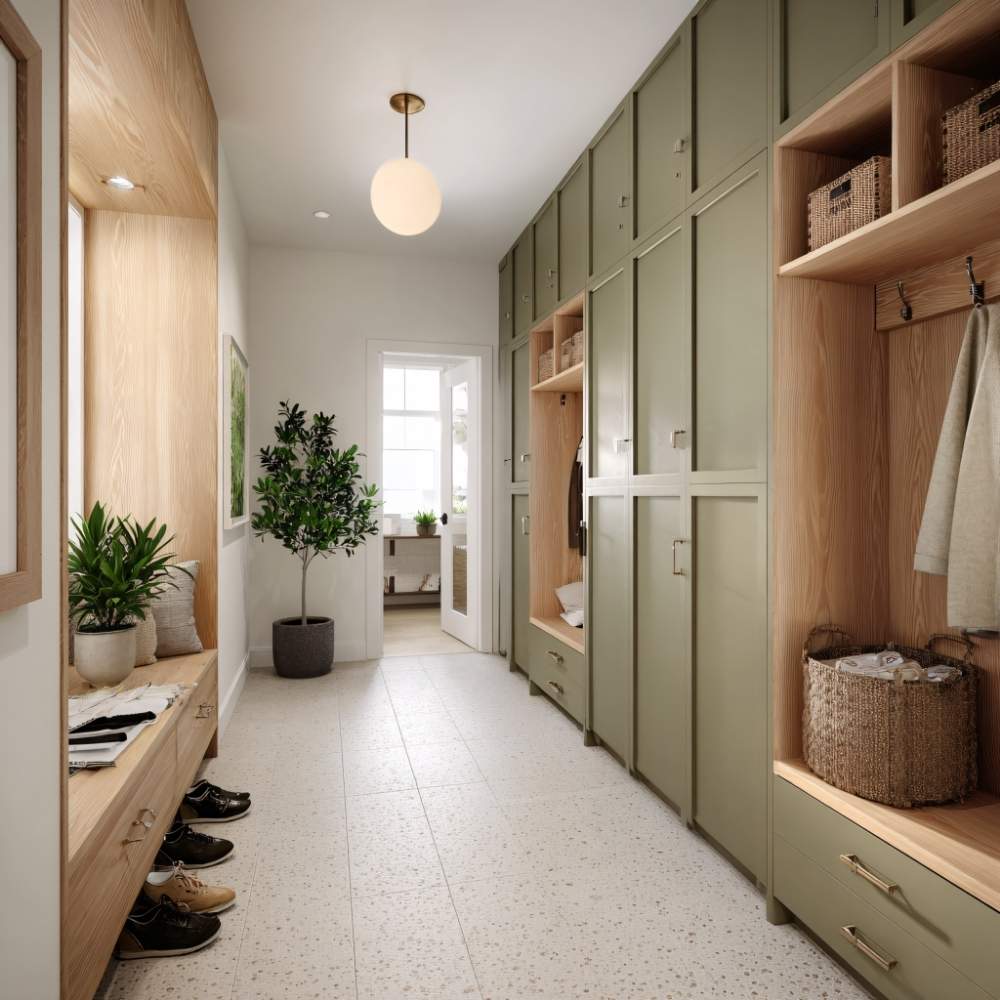
Start by checking the main ceiling fixture. Many mudrooms still use a single low-output flush mount that barely lights the floor.
Practical Overhead İdeas
- Choose a brighter flush or semi-flush mount that spreads light evenly across the room.
- If the space is long and narrow, consider two smaller fixtures instead of one weak light in the center.
- Use a neutral, soft white bulb (around 3000K) so mud, water and clutter are easy to notice and clean up.
Once the floor is clearly visible, shoes, bags and pet bowls become easier to manage and less likely to cause trips.
Bench Lighting: See Shoes and Bags Without Eye Strain
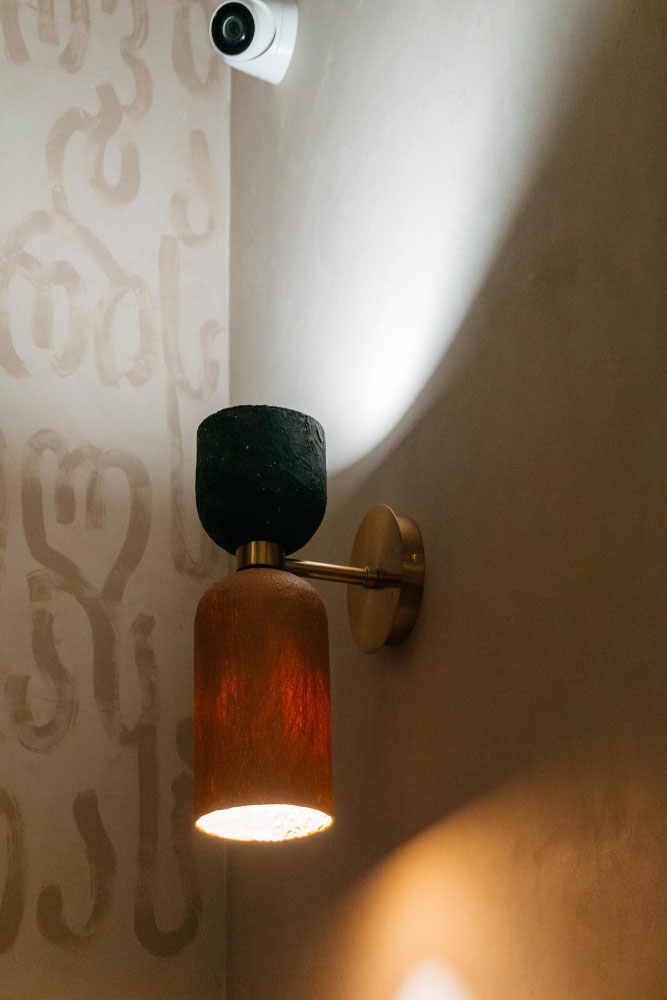
Sitting on a bench to tie shoes or organize a bag is a common everyday task. If the only light is behind you or above and slightly behind, the bench itself can fall into shadow.
Ways to Brighten the Bench Area
- Add a wall sconce above or beside the bench to cast light onto the seating and shoe area.
- Use a small, plug-in lamp on a nearby shelf, aimed slightly downward toward the bench.
- Consider a low-output LED strip under an upper cabinet or shelf so the light lands on the bench surface.
The goal is enough light to see laces, buckles and bag interiors clearly without needing to turn on half the house.
Hooks and Cubbies: Lighting the Vertical Surfaces
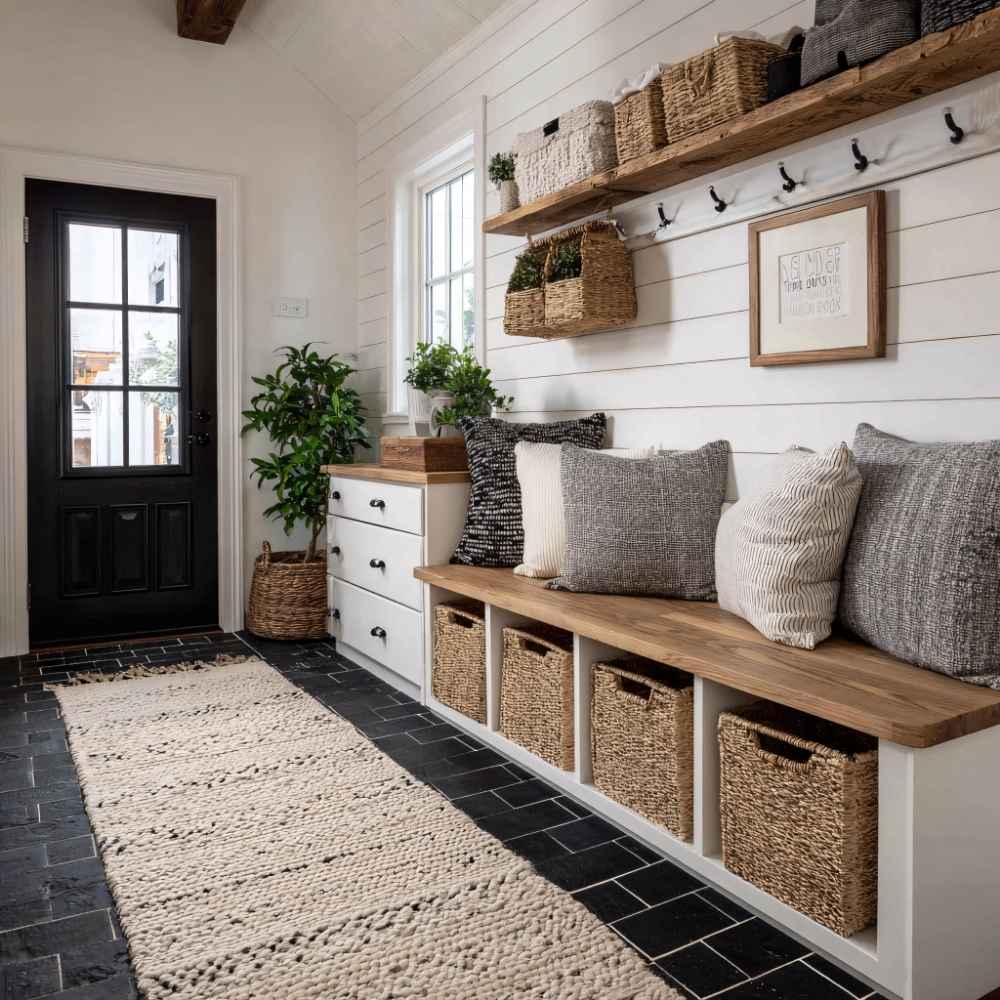
Hooks and open cubbies make sense for families, but they often sit in the darkest part of the mudroom. That can make it harder to tell which coat belongs to which person or whether a bag is empty or still packed.
Ideas That Help Storage Stay Visible
- Mount a compact wall light above the row of hooks so the beam runs down the wall and highlights coats and bags.
- If there are closed lockers or tall cabinets, use battery or plug-in lights inside for quick visibility.
- Place LED puck or strip lights at the top of cubbies to light shelves from above.
Lighting vertical surfaces makes hooks and labels easier to read and gives the storage area a more organized look.
Brightness Levels That Work for Mudrooms
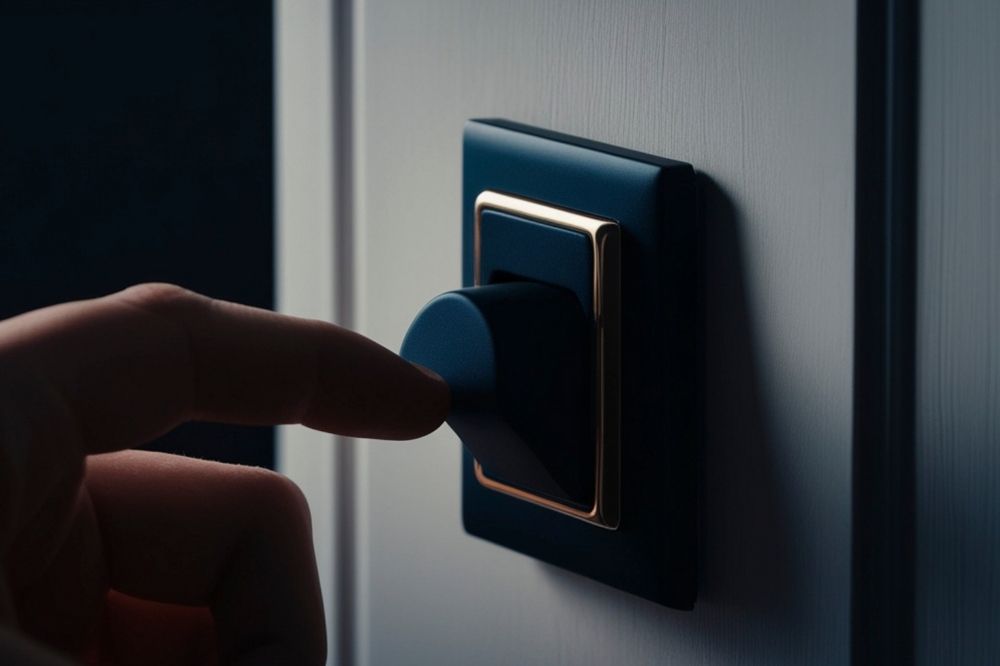
Entry mudrooms do not need the same intensity as a kitchen, but they should be brighter than a hallway used only at night.
- Many mudrooms feel comfortable in the range of about 10 to 20 lumens per square foot.
- Use the main ceiling light to cover most of that, and let wall or cabinet lights fill in key activity areas.
- Add a dimmer if the mudroom is open to a kitchen or dining room so you can adjust brightness to match nearby spaces.
Colour Temperature: Clean, but Not Harsh
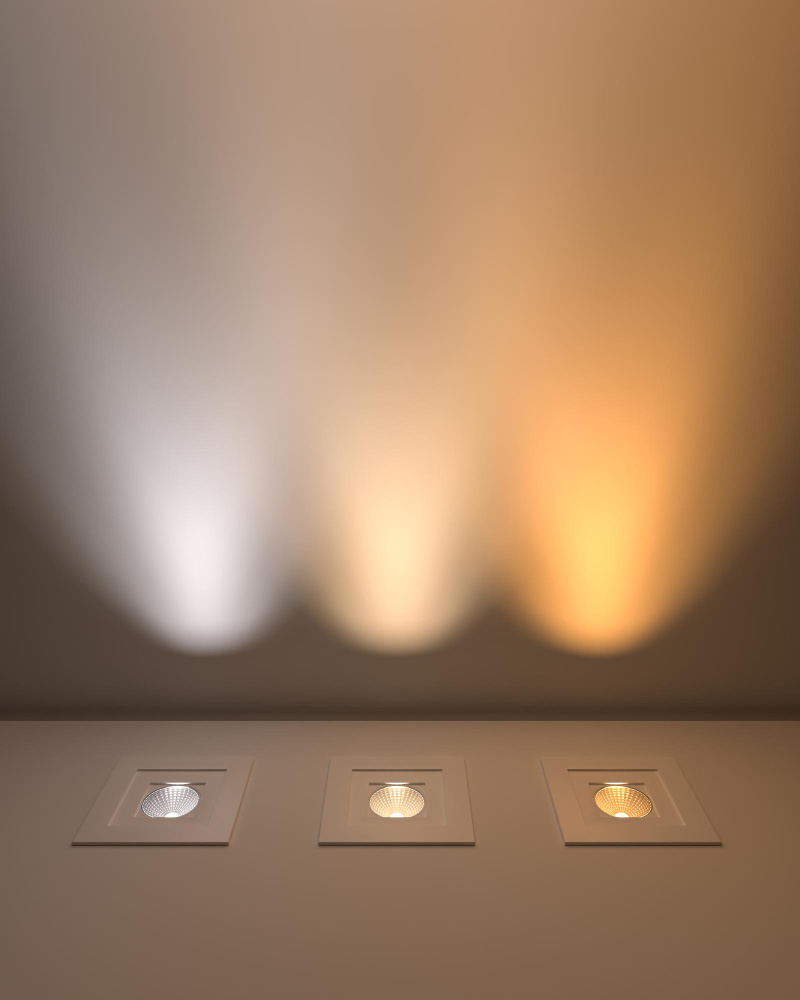
Mudrooms deal with dirt, snow, rain and gear, so surfaces should look clear and accurate in colour. Light that is too yellow can hide stains, while very bluish tones can feel cold and unfriendly.
- Soft white or neutral white bulbs around 3000K to 500K often work well.
- Use the same colour temperature for the main light and the accent lights so the room feels unified.
- Reserve very warm amber tones for decorative lamps rather than the main functional lighting in this area.
Smart Controls for Busy Entrances
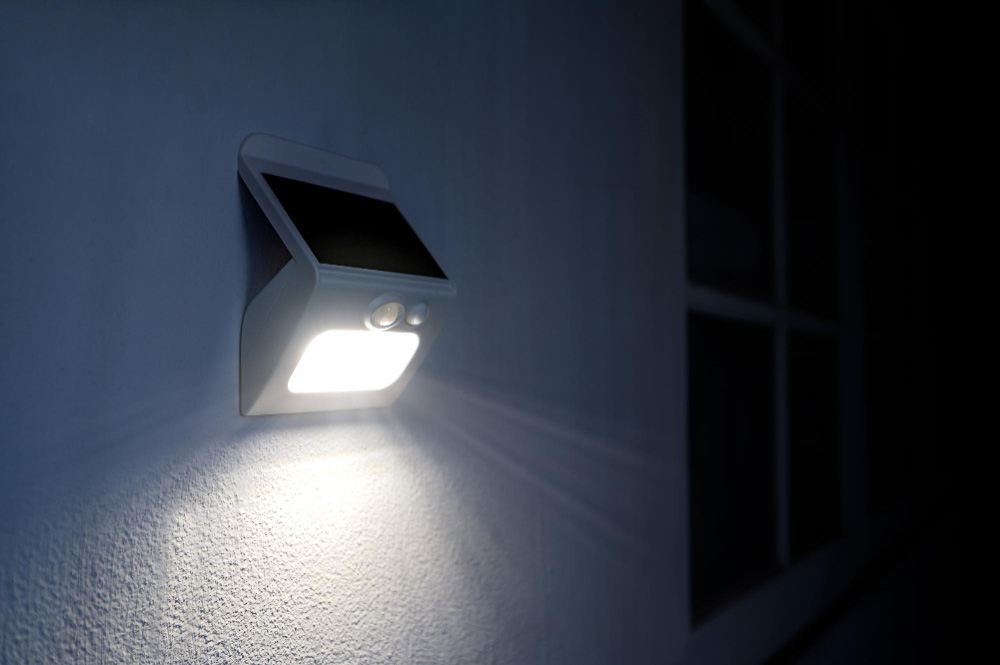
Mudrooms see a lot of quick traffic: kids running in, groceries arriving, pets going in and out. Simple controls can keep the area bright when needed and efficient the rest of the time.
Helpful Control Options
- Motion sensors or occupancy sensors that switch lights on when someone walks in with full hands.
- Timers or smart switches that turn lights off automatically after a set period.
- Scenes or grouped switches if the mudroom connects directly to a kitchen or garage entry, so a single action lights the whole path.
Small Layout Adjustments That Support the Lighting
Even simple layout shifts can help the lighting do its job better:
- Keep the bench and hooks inside the brightest part of the mudroom rather than in the deepest corner.
- Avoid stacking tall bins in front of wall lights that are meant to wash the hooks and storage area.
- Use lighter paint colours on at least one main wall to reflect the available light and make items stand out more clearly.
Putting the Plan Together
A clear mudroom lighting plan usually includes:
- One effective overhead fixture for overall visibility.
- Targeted light on the bench where shoes and bags are handled.
- Vertical light on hooks, cubbies or lockers so items can be found at a glance.
- Controls that match how often the space is used, including motion sensors or timers.
Even if the room is small, these pieces make it easier to arrive home, unload quickly and keep clutter under control.
Co-ordinating Mudroom Lighting with the Rest of the Home
An entry mudroom often sits between the garage and the kitchen or dining area, so fixtures there can connect visually with the main living spaces. If you are refreshing lighting in more than one room, you may want finishes and shapes that relate to nearby dining or kitchen fixtures.
For ideas that work in dining spaces and can inspire matching or complementary looks in your mudroom and adjacent areas, you can check prices on Seus Lighting . From there, it becomes easier to choose a mudroom fixture that fits the same overall style while still focusing on hooks, benches and boots that actually show up in daily use.
Also Read: Perfect Living Room Lighting for a Cozy Feel
FAQs on Lighting Ideas for Entry Mudrooms
01. What Type of Overhead Light Works Best in a Mudroom?
A bright flush or semi-flush mount that spreads light across the floor is ideal. In long or narrow mudrooms, two smaller fixtures spaced apart often work better than one central light.
02. How Bright should a Mudroom be?
Most mudrooms feel comfortable at about 10 to 20 lumens per square foot. The ceiling light provides most of the brightness, while accent lighting fills in task areas like benches and storage.
03. Do Mudrooms Need Decorative Lighting?
Mudrooms are primarily functional, but well-chosen fixtures can still add warmth and style. Decorative elements work best when they don’t compromise visibility or task lighting.